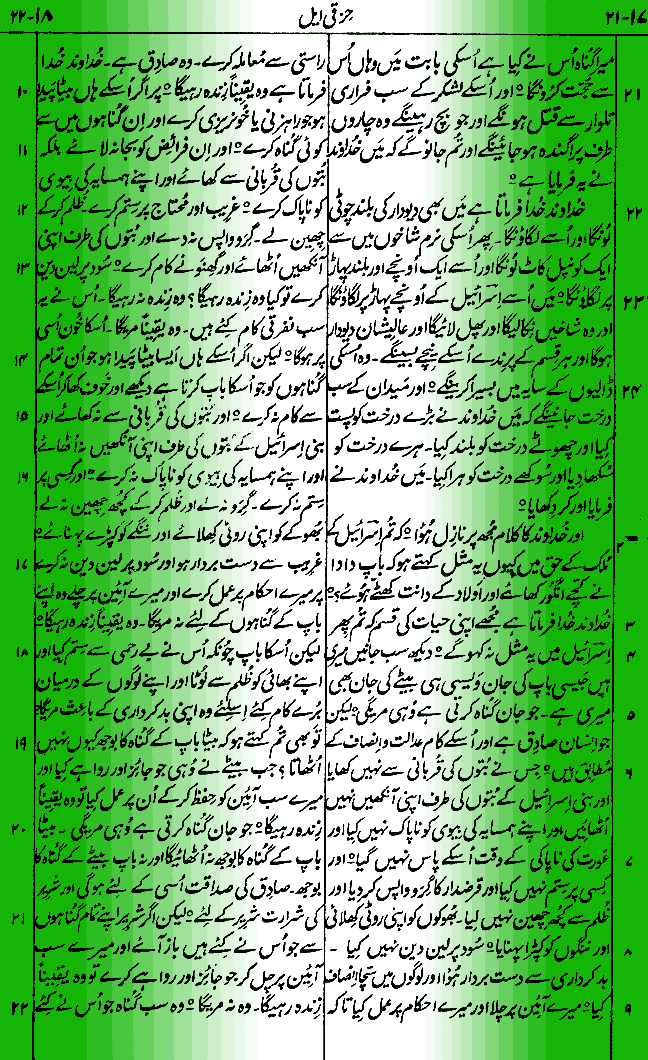
Ezekiel Chapter 17 (Verses 21–24)
Ezekiel 17:21
Verse: And all his fugitives with all his bands shall fall by the sword and they that remain shall be scattered toward all winds and ye shall know that I the LORD have spoken it
-
English Explanation: This verse concludes the judgment on King Zedekiah of Judah. Because he broke his covenant with Babylon and relied on Egypt, his army would face utter destruction. Those who escape death will be scattered across the earth, proving that God’s warnings through His prophets are absolute and true.
-
Urdu Explanation (تفصیل): یہ آیت یہوداہ کے بادشاہ صدقیاہ پر خدا کے آخری فیصلے کو ظاہر کرتی ہے۔ چونکہ اس نے بابل کے ساتھ اپنا عہد توڑا، اس لیے اس کے تمام مفرور اور فوجی تلوار سے ہلاک ہو جائیں گے۔ جو بچ جائیں گے وہ چاروں ہواؤں کی طرف (دنیا بھر میں) پراگندہ ہو جائیں گے، تاکہ سب جان لیں کہ یہ خداوند کا کلام ہے۔
Ezekiel 17:22
Verse: Thus saith the Lord GOD I will also take of the highest branch of the high cedar and will set it I will crop off from the top of his young twigs a tender one and will plant it upon an high mountain and eminent
-
English Explanation: Moving from judgment to hope, God promises to restore the Davidic line. The “high cedar” represents the royal lineage, and the “tender one” clipped from the top is a prophetic symbol of the Messiah (Jesus Christ), whom God will establish on a prominent, spiritual height.
-
Urdu Explanation (تفصیل): یہاں خدا عدالت کے بعد بحالی کا وعدہ کرتا ہے۔ “بلند دیودار” سے مراد داؤد کا شاہی خاندان ہے۔ خدا اس کی اونچی ٹہنیوں میں سے ایک نرم ٹہنی (جو کہ مسیح کی پیشن گوئی ہے) لے کر اسے اسرائیل کے ایک بلند اور سرفراز پہاڑ پر لگائے گا۔
Ezekiel 17:23
Verse: In the mountain of the height of Israel will I plant it and it shall bring forth boughs and bear fruit and be a goodly cedar and under it shall dwell all fowl of every wing in the shadow of the branches thereof shall they dwell
-
English Explanation: The Messiah’s kingdom, starting small, will grow into a glorious refuge. The “fowl of every wing” represents people from all nations and backgrounds finding spiritual shelter, protection, and life under the grace and sovereignty of God’s ultimate kingdom.
-
Urdu Explanation (تفصیل): اسرائیل کے اونچے پہاڑ پر لگائی گئی یہ ٹہنی ایک عظیم اور پھلدار دیودار بن جائے گی۔ اس کے سائے تلے “ہر قسم کے پرندے” (دنیا کی تمام قومیں اور لوگ) پناہ پائیں گے۔ یہ مسیح کی عالمگیر بادشاہت اور اس کے تحفظ کی علامت ہے۔
Ezekiel 17:24
Verse: And all the trees of the field shall know that I the LORD have brought down the high tree have exalted the low tree have dried up the green tree and have made the dry tree to flourish I the LORD have spoken and have done it
-
English Explanation: “All the trees of the field” refers to the nations of the world. God demonstrates His absolute sovereignty by bringing down proud, powerful kingdoms (like Babylon or apostate Judah) and elevating the humble, weak, or forgotten. What God speaks, He transforms into historical reality.
-
Urdu Explanation (تفصیل): “میدان کے تمام درختوں” سے مراد دنیا کی قومیں ہیں۔ خدا اپنی حاکمیت کا ثبوت دیتے ہوئے مغرور اور بڑے بادشاہوں کو پست کر دیتا ہے اور عاجز و فروتن کو سرفراز کرتا ہے۔ وہ سوکھے درخت کو ہرا بھرا کرتا ہے، یعنی جو کچھ وہ فرماتا ہے، اسے پورا کر کے دکھاتا ہے۔
Ezekiel Chapter 18 (Verses 1–22)
Ezekiel 18:1
Verse: The word of the LORD came unto me again saying
-
English Explanation: This serves as a formal introduction to a major theological shift regarding individual responsibility, emphasizing that the following message is directly inspired by God.
-
Urdu Explanation (تفصیل): یہ آیت ایک نئے اور اہم پیغام کا آغاز کرتی ہے جہاں خداوند کا کلام دوبارہ حزقی ایل نبی پر نازل ہوتا ہے تاکہ وہ بنی اسرائیل کو انفرادی ذمہ داری کا درس دے۔
Ezekiel 18:2
Verse: What mean ye that ye use this proverb concerning the land of Israel saying The fathers have eaten sour grapes and the children’s teeth are set on edge
-
English Explanation: The Israelites were using a popular proverb to shift blame, claiming they were suffering strictly for the sins of their ancestors (ancestral guilt) rather than taking responsibility for their own current rebellion against God.
-
Urdu Explanation (تفصیل): بنی اسرائیل ایک ضرب المثل استعمال کر کے اپنی غلطیوں کا ملبہ اپنے آباؤ اجداد پر ڈال رہے تھے کہ “باپ دادا نے کھٹے انگور کھائے اور بچوں کے دانت کھٹے ہو گئے”۔ وہ اپنی موجودہ بدکاری کا اعتراف کرنے کے بجائے ماضی کے گناہوں کا بہانہ بنا رہے تھے۔
Ezekiel 18:3
Verse: As I live saith the Lord GOD ye shall not have occasion any more to use this proverb in Israel
-
English Explanation: God issues a solemn oath that this proverb will no longer apply. He shatters the excuse of generational victimization, forcing the people to look at their own actions and relationship with Him.
-
Urdu Explanation (تفصیل): خداوند خدا اپنی حیات کی قسم کھا کر فرماتا ہے کہ اب سے اسرائیل میں یہ کہاوت استعمال کرنے کا کوئی موقع نہیں رہے گا۔ خدا ان کے اس بہانے کو ہمیشہ کے لیے ختم کر رہا ہے۔
Ezekiel 18:4
Verse: Behold all souls are mine as the soul of the father so also the soul of the son is mine the soul that sinneth it shall die
-
English Explanation: A foundational premise of Biblical justice: every single person belongs to God equally. Guilt is not genetically transferred in terms of spiritual condemnation; the individual person who chooses to sin is the one who will face spiritual death.
-
Urdu Explanation (تفصیل): یہ آیت الٰہی انصاف کا بنیادی اصول ہے: تمام روحیں خدا کی ہیں۔ باپ اور بیٹے کی روح میں کوئی تفریق نہیں، دونوں براہِ راست خدا کو جوابدہ ہیں۔ جو جان گناہ کرے گی وہی مرے گی، کسی دوسرے کے گناہ کا بوجھ کسی پر نہیں ڈالا جائے گا۔
Ezekiel 18:5
Verse: But if a man be just and do that which is lawful and right
-
English Explanation: God begins to outline the characteristics of a righteous person. A just person is not merely someone who thinks correctly, but someone whose actions align with God’s moral and civil laws.
-
Urdu Explanation (تفصیل): یہاں سے خدا ایک راستباز انسان کی خصوصیات بیان کرنا شروع کرتا ہے۔ اگر کوئی شخص عادل ہے اور وہ کام کرتا ہے جو قانون اور انصاف کے مطابق درست ہے، تو وہ خدا کی نظر میں مقبول ہے۔
Ezekiel 18:6
Verse: And hath not eaten upon the mountains neither hath lifted up his eyes to the idols of the house of Israel neither hath defiled his neighbour’s wife neither hath come near to a menstruous woman
-
English Explanation: The righteous person avoids pagan practices (eating sacrificial meals at high places), rejects idolatry, respects the sanctity of marriage by avoiding adultery, and honors ceremonial purity laws given to Israel.
-
Urdu Explanation (تفصیل): راستباز شخص پہاڑوں پر بتوں کی قربانیوں میں شریک نہیں ہوتا، نہ اسرائیل کے بتوں کی طرف اپنی آنکھیں اٹھاتا ہے۔ وہ زنا کاری سے دور رہتا ہے اور پاکیزگی کے شرعی قوانین کا احترام کرتا ہے۔
Ezekiel 18:7
Verse: And hath not oppressed any but hath restored to the debtor his pledge hath spoiled none by violence hath given his bread to the hungry and hath covered the naked with a garment
-
English Explanation: True righteousness involves social justice. The upright person does not exploit others, returns items taken as collateral, avoids violence, practices charity by feeding the hungry, and clothes those in need.
-
Urdu Explanation (تفصیل): سچی راستبازی کا تعلق معاشرتی انصاف سے ہے۔ ایسا شخص کسی پر ظلم نہیں کرتا، قرض دار کا گروی رکھا ہوا مال واپس کر دیتا ہے، لوٹ مار نہیں کرتا، بلکہ بھوکوں کو کھانا کھلاتا ہے اور ننگوں کو کپڑے پہناتا ہے۔
Ezekiel 18:8
Verse: He that hath not given forth upon usury neither hath taken any increase that hath withdrawn his hand from iniquity hath executed true judgment between man and man
-
English Explanation: A just individual refuses to charge usury (exploitative interest) to poor brothers, stays far away from unfair practices, and acts as a fair, unbiased mediator in human conflicts.
-
Urdu Explanation (تفصیل): وہ سود پر قرض نہیں دیتا اور نہ ہی ناجائز منافع خوری کرتا ہے۔ وہ اپنے ہاتھ کو بدی سے روکتا ہے اور انسانوں کے درمیان سچائی اور دیانتداری کے ساتھ عدل و انصاف قائم کرتا ہے۔
Ezekiel 18:9
Verse: Hath walked in my statutes and hath kept my judgments to deal truly he is just he shall surely live saith the Lord GOD
-
English Explanation: Summing up the righteous man: his lifestyle is defined by consistent obedience to God’s decrees. God guarantees that such an individual is justified and will experience true, sustained life.
-
Urdu Explanation (تفصیل): خلاصہ یہ کہ جو شخص خدا کے احکام پر چلتا ہے اور سچائی سے کام لینے کے لیے اس کے قوانین کی پاسداری کرتا ہے، وہی حقیقی معنوں میں راستباز ہے اور خداوند فرماتا ہے کہ وہ یقیناً زندہ رہے گا۔
Ezekiel 18:10
Verse: If he beget a son that is a robber a shedder of blood and that doeth the like to any one of these things
-
English Explanation: God presents the second scenario: a righteous father gives birth to a violent, lawless son who actively chooses to violate the commandments. The father’s righteousness does not automatically shield the wicked son.
-
Urdu Explanation (تفصیل): خدا دوسرا منظر پیش کرتا ہے: اگر اس راستباز شخص کے ہاں ایک ایسا بیٹا پیدا ہو جو ڈاکو، خون بہانے والا اور ان تمام برائیوں کا ارتکاب کرنے والا ہو، تو باپ کی نیکی بیٹے کو نہیں بچا سکتی۔
Ezekiel 18:11
Verse: And that doeth not any of those duties but even hath eaten upon the mountains and defiled his neighbour’s wife
-
English Explanation: This wicked son completely abandons his covenant duties, choosing instead to engage in pagan idolatrous worship and committing adultery.
-
Urdu Explanation (تفصیل): وہ بیٹا اپنے فرائض کو پسِ پشت ڈال دیتا ہے، پہاڑوں پر بت پرستی کی ضیافتوں میں شریک ہوتا ہے اور اپنے پڑوسی کی بیوی کی حرمت کو پامال کرتا ہے۔
Ezekiel 18:12
Verse: Hath oppressed the poor and needy hath spoiled by violence hath not restored the pledge and hath lifted up his eyes to the idols hath committed abomination
-
English Explanation: The rebellious son actively preys on the vulnerable, engages in theft, refuses to return pledges, and embraces abominable pagan practices.
-
Urdu Explanation (تفصیل): وہ غریبوں اور محتاجوں پر ظلم ڈھاتا ہے، زبردستی مال لوٹتا ہے، گروی رکھی چیز واپس نہیں کرتا اور مکروہ بتوں کی پوجا کر کے گھناونے گناہ کرتا ہے۔
Ezekiel 18:13
Verse: Hath given forth upon usury and hath taken increase shall he then live he shall not live he hath done all these abominations he shall surely die his blood shall be upon him
-
English Explanation: Because this son participates in financial extortion and structural sins, he will not survive God’s judgment. He is fully culpable for his own demise; his blood is on his own hands.
-
Urdu Explanation (تفصیل): وہ سود لیتا ہے اور ناجائز منافع کماتا ہے۔ خدا پوچھتا ہے کہ کیا ایسا شخص زندہ رہے گا؟ ہرگز نہیں! وہ اپنے ان تمام مکروہ کاموں کی وجہ سے یقیناً مر جائے گا اور اس کے خون کا ذمہ دار وہ خود ہوگا۔
Ezekiel 18:14
Verse: Now lo if he beget a son that seeth all his father’s sins which he hath done and considereth and doeth not such like
-
English Explanation: The third scenario shows a generational turnaround. A wicked father has a son who observes the terrible actions of his parent, reflects on the consequences, and intentionally chooses not to copy that bad behavior.
-
Urdu Explanation (تفصیل): تیسرا منظر ایک مثبت تبدیلی کو دکھاتا ہے: اگر اس بدکار باپ کے ہاں ایک بیٹا پیدا ہو جو اپنے باپ کے تمام گناہوں کو دیکھتا ہے، ان پر غور کرتا ہے، لیکن خود ان برے کاموں سے باز رہتا ہے۔
Ezekiel 18:15
Verse: That hath not eaten upon the mountains neither hath lifted up his eyes to the idols of the house of Israel hath not defiled his neighbour’s wife
-
English Explanation: This grandson breaks the cycle of family sin by refusing to participate in the local idolatry or sexual misconduct that characterized his father’s life.
-
Urdu Explanation (تفصیل): وہ بیٹا خاندانی گناہ کے تسلسل کو توڑ دیتا ہے۔ وہ نہ تو پہاڑوں پر بتوں کا کھانا کھاتا ہے اور نہ ہی کسی کی ازدواجی زندگی کو خراب کرتا ہے۔
Ezekiel 18:16
Verse: Neither hath oppressed any hath not withholden the pledge neither hath spoiled by violence but hath given his bread to the hungry and hath covered the naked with a garment
-
English Explanation: Instead of imitating oppression, he actively chooses to practice kindness, restore pledges, avoid extortion, and look after the poor and needy with tangible actions.
-
Urdu Explanation (تفصیل): وہ ظلم کا راستہ اپنانے کی بجائے غریبوں کی مدد کرتا ہے، کسی کا مال نہیں دباتا، لوٹ مار سے دور رہتا ہے، اور ضرورت مندوں کو کھانا اور لباس فراہم کرتا ہے۔
Ezekiel 18:17
Verse: That hath taken off his hand from the poor that hath not received usury nor increase hath executed my judgments hath walked in my statutes he shall not die for the iniquity of his father he shall surely live
-
English Explanation: Because this son kept God’s laws and kept his hands clean from taking advantage of the poor, God declares that he will not pay for his father’s sins. The generational curse is broken by individual obedience.
-
Urdu Explanation (تفصیل): چونکہ وہ غریبوں کو ستانے سے باز رہتا ہے، سود نہیں لیتا اور خدا کے قوانین پر چلتا ہے، اس لیے وہ اپنے باپ کے گناہوں کی وجہ سے نہیں مرے گا۔ وہ اپنی راستبازی کے سبب یقیناً زندہ رہے گا۔
Ezekiel 18:18
Verse: As for his father because he cruelly oppressed spoiled his brother by violence and did that which is not good among his people lo even he shall die in his iniquity
-
English Explanation: In contrast to the righteous son who lives, the wicked father will still die for his own crimes. God’s justice separates the individual fates of the two men based entirely on their own deeds.
-
Urdu Explanation (تفصیل): اس کے برعکس، اس کا بدکار باپ جس نے ظلم کیا، بھائی کا مال چھینا اور قوم میں برے کام کیے، وہ اپنے ہی گناہوں کی وجہ سے موت کا شکار ہوگا۔ خدا کا انصاف دونوں کے انجام کو الگ رکھتا ہے۔
Ezekiel 18:19
Verse: Yet say ye Why doth not the son bear the iniquity of the father When the son hath done that which is lawful and right and hath kept all my statutes and hath done them he shall surely live
-
English Explanation: The people of Israel still struggle with this truth, asking why the son shouldn’t suffer for the father’s deeds. God restates the rule: if the son does what is right and obeys the statutes, he is guaranteed life.
-
Urdu Explanation (تفصیل): بنی اسرائیل اب بھی الجھن کا شکار ہیں اور پوچھتے ہیں کہ “بیٹا باپ کے گناہ کا بوجھ کیوں نہیں اٹھاتا؟” خدا دوبارہ واضح کرتا ہے کہ جب بیٹے نے انصاف اور راستی کے کام کیے ہیں، تو وہ یقیناً زندہ رہے گا۔
Ezekiel 18:20
Verse: The soul that sinneth it shall die The son shall not bear the iniquity of the father neither shall the father bear the iniquity of the son the righteousness of the righteous shall be upon him and the wickedness of the wicked shall be upon him
-
English Explanation: The ultimate summary statement on personal accountability. Neither generational guilt nor generational merit determines status before God. The moral consequences of righteousness or wickedness rest entirely upon the person who commits them.
-
Urdu Explanation (تفصیل): انفرادی ذمہ داری کا حتمی اعلان: جو جان گناہ کرے گی وہی مرے گی۔ نہ بیٹا باپ کے گناہ کا بوجھ اٹھائے گا اور نہ باپ بیٹے کا۔ راستباز کو اس کی راستبازی کا پھل ملے گا اور بدکار کو اس کی بدکاری کا بدلہ بھگتنا ہوگا۔
Ezekiel 18:21
Verse: But if the wicked will turn from all his sins that he hath committed and keep all my statutes and do that which is lawful and right he shall surely live he shall not die
-
English Explanation: God introduces the beautiful reality of repentance. Past wickedness does not trap a person forever. If a wicked individual genuinely turns away from sin and begins walking in obedience, God grants full pardon and life.
-
Urdu Explanation (تفصیل): یہاں خدا توبہ کی خوبصورت حقیقت کو سامنے لاتا ہے۔ انسان اپنے ماضی کے گناہوں کا قیدی نہیں رہتا۔ اگر کوئی بدکار اپنے گناہوں سے باز آ جائے اور خدا کے احکام پر عمل شروع کر دے، تو اسے معافی مل جائے گی اور وہ ہرگز نہیں مرے گا۔
Ezekiel 18:22
Verse: All his transgressions that he hath committed they shall not be mentioned unto him in his righteousness that he hath done he shall live
-
English Explanation: When a person repents, God practices divine amnesia regarding their past faults. Their old transgressions are no longer held against them; instead, they are evaluated by the new path of righteousness they have chosen to walk.
-
Urdu Explanation (تفصیل): جب کوئی شخص سچی توبہ کرتا ہے، تو خدا اس کی ماضی کی تمام نافرمانیوں کو فراموش کر دیتا ہے۔ اس کے پچھلے گناہوں کا ذکر تک نہیں کیا جائے گا، بلکہ وہ اپنی موجودہ راستبازی کی وجہ سے زندگی پائے گا۔