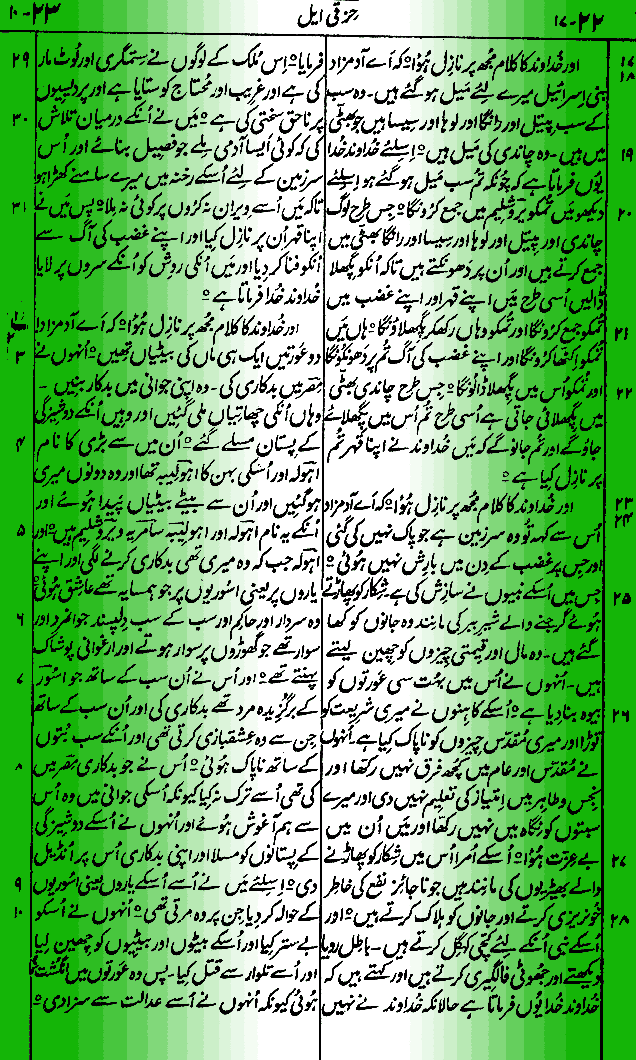
Verse-by-Verse Commentary & Explanation
Ezekiel 22:18
Verse: Son of man the house of Israel is to me become dross all they are brass and tin and iron and lead in the midst of the furnace they are even the dross of silver
English Explanation
God compares the entire house of Israel to “dross”—the worthless impurities separated from precious metals during smelting. Instead of being pure silver, they have degraded into base metals like brass, tin, iron, and lead, which represent moral decay, spiritual corruption, and a complete loss of their divine purpose.
Urdu Explanation (اُردو تشریح)
خدا بنی اسرائیل کے پورے گھرانے کو “میل کچیل” (dross) سے تشبیہ دیتا ہے جو قیمتی دھاتوں کو پگھلانے کے دوران الگ ہو جاتا ہے۔ پاک چاندی ہونے کے بجائے، وہ پیتل، رانگا، لوہا اور سیسہ جیسی کم قیمت دھاتوں میں تبدیل ہو چکے ہیں، جو کہ ان کے اخلاقی بگاڑ، روحانی زوال اور اپنے الٰہی مقصد سے مکمل دوری کو ظاہر کرتا ہے۔
Ezekiel 22:19
Verse: Therefore thus saith the Lord GOD Because ye are all become dross behold therefore I will gather you into the midst of Jerusalem
English Explanation
Because the people have lost their spiritual value and turned into dross, God declares His judgment. Jerusalem will no longer be a sanctuary of safety; instead, it will serve as the collection point—the furnace—where God will gather the rebellious nation to face the heat of His judgment.
Urdu Explanation (اُردو تشریح)
چونکہ لوگ اپنی روحانی قدر کھو کر میل کچیل بن چکے ہیں، اس لیے خدا اپنے فیصلے کا اعلان کرتا ہے۔ یروشلم اب ان کے لیے پناہ گاہ نہیں رہے گا؛ بلکہ یہ ایک بھٹی کا کام کرے گا جہاں خدا سرکش قوم کو اپنے انصاف کی تپش کا سامنا کرنے کے لیے جمع کرے گا۔
Ezekiel 22:20
Verse: As they gather silver and brass and iron and lead and tin into the midst of the furnace to blow the fire upon it to melt it so will I gather you in mine anger and in my fury and I will leave you there and melt you
English Explanation
Using the vivid imagery of a metallurgist, God explains that just as various base metals are thrown into a furnace to be melted down by intense fire, He will gather the people into Jerusalem in His divine anger. The city will experience the consuming fire of foreign invasion and siege, melting away their false security.
Urdu Explanation (اُردو تشریح)
دھاتوں کو پگھلانے والے کاریگر کی واضح مثال استعمال کرتے ہوئے، خدا فرماتا ہے کہ جس طرح مختلف دھاتوں کو تیز آگ کے ذریعے پگھلانے کے لیے بھٹی میں ڈالا جاتا ہے، اسی طرح وہ لوگوں کو اپنے غضب میں یروشلم کے اندر جمع کرے گا۔ یہ شہر غیر ملکی حملے اور محاصرے کی شدید آگ کا سامنا کرے گا، جس سے ان کا جھوٹا تحفظ پگھل جائے گا۔
Ezekiel 22:21
Verse: Yea I will gather you and blow upon you in the fire of my wrath and ye shall be melted in the midst thereof
English Explanation
God intensifies the warning, stating that He will actively “blow upon” the fire of His wrath to increase its heat. This signifies that the coming Babylonian captivity and destruction of Jerusalem will be unavoidable, intense, and thoroughly transformative as a punishment for their sins.
Urdu Explanation (اُردو تشریح)
خدا اس انتباہ کو مزید سخت کرتے ہوئے کہتا ہے کہ وہ اپنی ناراضگی کی آگ کو مزید تیز کرنے کے لیے اس پر “پھونک مارے گا”۔ یہ اس بات کی علامت ہے کہ آنے والی بابل کی اسارت اور یروشلم کی تباہی ناگزیر، شدید اور ان کے گناہوں کی عبرت ناک سزا ہوگی۔
Ezekiel 22:22
Verse: As silver is melted in the midst of the furnace so shall ye be melted in the midst thereof and ye shall know that I the LORD have poured out my fury upon you
English Explanation
The climax of the metallurgical metaphor emphasizes that the intensity of the judgment will force Israel to acknowledge the sovereignty of God. The ultimate goal of this painful refining process is recognition; they will finally realize that their suffering is a direct result of pouring out God’s righteous fury.
Urdu Explanation (اُردو تشریح)
دھات پگھلانے کے اس استعارے کا عروج اس بات پر زور دیتا ہے کہ عدالت کی یہ شدت اسرائیل کو خدا کی حاکمیت کو تسلیم کرنے پر مجبور کر دے گی۔ اس تکلیف دہ عمل کا بنیادی مقصد احساس دلانا ہے؛ وہ آخر کار سمجھ جائیں گے کہ ان کی تکلیف خدا کے سچے غضب کا نتیجہ ہے۔
Ezekiel 22:23
Verse: And the word of the LORD came unto me saying
English Explanation
This is a standard prophetic transition formula. It marks the beginning of a new oracle or a fresh perspective within the prophecy, re-establishing that Ezekiel is not speaking his own words, but the direct command of Yahweh.
Urdu Explanation (اُردو تشریح)
یہ نبوت کا ایک روایتی انداز ہے جو کلام کے بدلتے ہوئے رخ کو ظاہر کرتا ہے۔ یہ اس بات کی تصدیق کرتا ہے کہ حزقیل اپنے الفاظ نہیں بلکہ براہِ راست خدا کا حکم بیان کر رہے ہیں۔
Ezekiel 22:24
Verse: Son of man say unto her Thou art the land that is not cleansed nor rained upon in the day of indignation
English Explanation
The prophet addresses the land of Israel as spiritually barren and unpurified. The absence of rain on the “day of indignation” symbolizes the withdrawal of God’s blessings, grace, and spiritual refreshment, leaving the nation dry, exposed, and ready for judgment.
Urdu Explanation (اُردو تشریح)
نبی اسرائیل کی سرزمین کو روحانی طور پر بنجر اور ناپاک قرار دیتے ہیں۔ “غضب کے دن” بارش کا نہ ہونا خدا کی برکات، فضل اور روحانی تازگی کے اٹھ جانے کی علامت ہے، جس سے یہ قوم خشک اور عدالت کے لیے تیار چھوڑ دی گئی ہے۔
Ezekiel 22:25
Verse: There is a conspiracy of her prophets in the midst thereof like a roaring lion ravening the prey they have devoured souls they have taken the treasure and precious things they have made her many widows in the midst thereof
English Explanation
God exposes the corruption of the religious leaders. The false prophets, who should have guided the people toward righteousness, have instead conspired to exploit them. Like predatory lions, they destroyed lives, accumulated illicit wealth, and through their deceptive counsel, led men to war and destruction, leaving behind countless widows.
Urdu Explanation (اُردو تشریح)
خدا مذہبی رہنماؤں کی بدعنوانی کو بے نقاب کرتا ہے۔ جھوٹے نبی، جنہیں لوگوں کی راستبازی کی طرف رہنمائی کرنی چاہیے تھی، انہوں نے ان کا استحصال کرنے کی سازش کی۔ گرجنے والے شیروں کی طرح، انہوں نے جانیں برباد کیں، ناجائز دولت جمع کی، اور اپنی جھوٹی پیشگوئیوں سے مردوں کو جنگ اور تباہی کی طرف دھکیلا، جس سے بے شمار عورتیں بیوہ ہو گئیں۔
Ezekiel 22:26
Verse: Her priests have violated my law and have profaned mine holy things they have put no difference between the holy and profane neither have they shewed difference between the unclean and the clean and have hid their eyes from my sabbaths and I am profaned among them
English Explanation
The priesthood failed in its primary duty of spiritual discernment. Instead of teaching the Law, they violated it. They treated holy things as ordinary, ignored the distinctions between clean and unclean, and desecrated the Sabbath. By compromising God’s standards, they brought dishonor to His holy name.
Urdu Explanation (اُردو تشریح)
کاہن (مذہبی پیشوا) روحانی تمیز کے اپنے بنیادی فرض میں ناکام رہے۔ شریعت کی تعلیم دینے کے بجائے انہوں نے خود اس کی خلاف ورزی کی۔ انہوں نے مقدس چیزوں کو عام سمجھا، پاک اور ناپاک کے درمیان فرق کو نظر انداز کیا، اور سبت کے دن کی بے حرمتی کی۔ خدا کے معیاروں پر سمجھوتہ کر کے انہوں نے اس کے پاک نام کو بدنام کیا۔
Ezekiel 22:27
Verse: Her princes in the midst thereof are like wolves ravening the prey to shed blood and to destroy souls to get dishonest gain
English Explanation
The secular and political leaders (“princes”) are compared to ferocious wolves. Instead of protecting the vulnerable, they used their power to exploit the weak, shed innocent blood, and destroy lives solely for the purpose of accumulating dishonest, material wealth.
Urdu Explanation (اُردو تشریح)
سیاسی اور حکومتی رہنماؤں (“شہزادوں”) کو بھیڑیوں سے تشبیہ دی گئی ہے۔ کمزوروں کی حفاظت کرنے کے بجائے، انہوں نے اپنے اقتدار کا استعمال غریبوں کے استحصال، بے گناہ خون بہانے اور صرف ناجائز دولت جمع کرنے کے لیے جانیں لینے کے لیے کیا۔
Ezekiel 22:28
Verse: And her prophets have daubed them with untempered morter seeing vanity and divining lies unto them saying Thus saith the Lord GOD when the LORD hath not spoken
English Explanation
The false prophets whitewashed the sins of the corrupt leaders, a practice described as coating a weak wall with flimsy, “untempered mortar.” They offered false assurances of peace, claimed false visions, and falsely used God’s authority by saying “Thus saith the Lord GOD” when He had remained silent.
Urdu Explanation (اُردو تشریح)
جھوٹے نبیوں نے بدعنوان رہنماؤں کے گناہوں پر پردہ ڈالا، جسے ایک کمزور دیوار پر “کچی مٹی” یا کمزور پلاسٹر کرنے سے تشبیہ دی گئی ہے۔ انہوں نے امن کے جھوٹے دلاسے دیے، جھوٹی رویا دیکھیں، اور خدا کے نام کا غلط استعمال کرتے ہوئے کہا “خداوند خدا یوں فرماتا ہے” جبکہ خدا نے ان سے کچھ نہیں کہا تھا۔
Ezekiel 22:29
Verse: The people of the land have used oppression and exercised robbery and have vexed the poor and needy yea they have oppressed the stranger wrongfully
English Explanation
The corruption was not limited to leadership; it filtered down to the general population. Ordinary citizens began oppressing one another, engaging in theft, exploiting the poor, and violating God’s explicit commands regarding the fair treatment of foreigners and strangers.
Urdu Explanation (اُردو تشریح)
بدعنوانی صرف قیادت تک محدود نہیں تھی بلکہ عام عوام تک پھیل چکی تھی۔ عام شہریوں نے ایک دوسرے پر ظلم کرنا، چوری چکاری کرنا، غریبوں کا استحصال کرنا اور پردیسیوں کے ساتھ منصفانہ سلوک کے حوالے سے خدا کے واضح احکامات کی خلاف ورزی کرنا شروع کر دی تھی۔
Ezekiel 22:30
Verse: And I sought for a man among them that should make up the hedge and stand in the gap before me for the land that I should not destroy it but I found none
English Explanation
This is one of the most tragic verses in Ezekiel. God looked for even a single righteous individual who would intercede for the nation—someone to rebuild the spiritual defenses (“the hedge”) and stand in the breach (“the gap”) to turn away His anger. Shockingly, not a single leader or intercessor was found.
Urdu Explanation (اُردو تشریح)
یہ کتابِ حزقیل کی سب سے زیادہ افسوسناک آیات میں سے ایک ہے۔ خدا نے کسی ایک ایسے راستباز انسان کو تلاش کیا جو قوم کے لیے شفاعت کرے—کوئی ایسا جو روحانی دفاع (“دیوار”) کو دوبارہ بنائے اور خدا کے غضب کو روکنے کے لیے “شگاف” میں کھڑا ہو۔ لیکن افسوس کہ ایک بھی ایسا شخص نہ ملا۔
Ezekiel 22:31
Verse: Therefore have I poured out mine indignation upon them I have consumed them with the fire of my wrath their own way have I recompensed upon their heads saith the Lord GOD
English Explanation
Because no intercessor was found and the corruption was absolute, judgment became inevitable. God poured out His indignation, consuming the nation with His wrath. This judgment was not arbitrary; it was a direct consequence and reflection of their own sinful actions returning upon their heads.
Urdu Explanation (اُردو تشریح)
چونکہ کوئی شفاعت کرنے والا نہ ملا اور گناہ انتہا کو پہنچ چکا تھا، اس لیے عدالت ناگزیر ہو گئی۔ خدا نے اپنا غضب ان پر نازل کیا اور قوم کو مٹا دیا۔ یہ فیصلہ یکطرفہ نہیں تھا، بلکہ یہ ان کے اپنے گناہوں کا براہِ راست نتیجہ تھا جو ان کے سروں پر لوٹ آیا۔
Chapter 23
Ezekiel 23:1
Verse: The word of the LORD came again unto me saying
English Explanation
This verse marks the structural transition into Chapter 23. God delivers a new allegorical prophecy to Ezekiel, shifting the focus to the historical unfaithfulness of the divided kingdoms of Israel and Judah.
Urdu Explanation (اُردو تشریح)
یہ آیت باب 23 کے آغاز کو ظاہر کرتی ہے۔ خدا حزقیل کو ایک نیا تمثیلی کلام دیتا ہے، جس میں توجہ اسرائیل اور یہوداہ کی منقسم سلطنتوں کی تاریخی بے وفائی پر مرکوز کی گئی ہے۔
Ezekiel 23:2
Verse: Son of man there were two women the daughters of one mother
English Explanation
God introduces an allegory involving two sisters born to the same mother. These sisters represent the two divided branches of the chosen nation of Israel, originating from the same ancestral root (the Exodus and the covenant at Sinai).
Urdu Explanation (اُردو تشریح)
خدا ایک تمثیل شروع کرتا ہے جس میں ایک ہی ماں سے پیدا ہونے والی دو بہنوں کا ذکر ہے۔ یہ بہنیں اسرائیل کی منقسم سلطنتوں کی نمائندگی کرتی ہیں، جن کی اصل ایک ہی ہے (یعنی مصر سے خروج اور سینا کا عہد)۔
Ezekiel 23:3
Verse: And they committed whoredoms in Egypt they committed whoredoms in their youth there were their breasts pressed and there they bruised the teats of their virginity
English Explanation
The text uses shocking, explicit language of spiritual adultery (prostitution) to describe Israel’s historical reliance on pagan nations. Even during their early formation as a nation in Egypt, they compromised their purity by worshiping Egyptian idols and seeking political alliances outside of God.
Urdu Explanation (اُردو تشریح)
یہ کلام غیر قوموں پر اسرائیل کے تاریخی انحصار کو بیان کرنے کے لیے روحانی زنا (بے وفائی) کی سخت تمثیلی زبان استعمال کرتا ہے۔ مصر میں اپنی قومیت کے آغاز ہی سے انہوں نے مصری بتوں کی پوجا کر کے اور خدا کے سوا دوسری قوموں سے اتحاد قائم کر کے اپنی پاکیزگی کو داغدار کیا۔
Ezekiel 23:4
Verse: And the names of them were Aholah the elder and Aholibah her sister and they were mine and they bare sons and daughters Thus were their names Samaria is Aholah and Jerusalem Aholibah
English Explanation
The sisters are explicitly named. Aholah (meaning “her own tent”) represents Samaria, the capital of the northern kingdom of Israel. Aholibah (meaning “my tent is in her”) represents Jerusalem, the capital of the southern kingdom of Judah. Though they belonged to God through covenant and bore children to Him, they turned away.
Urdu Explanation (اُردو تشریح)
ان بہنوں کے نام واضح طور پر بتائے گئے ہیں۔ اہولہ (جس کا مطلب ہے “اس کا اپنا خیمہ”) سامریہ یعنی اسرائیل کی شمالی سلطنت کے دارالحکومت کی نمائندگی کرتا ہے۔ اہولیبہ (جس کا مطلب ہے “میرا خیمہ اس میں ہے”) یروشلم یعنی یہوداہ کی جنوبی سلطنت کی نمائندگی کرتا ہے۔ اگرچہ وہ عہد کے ذریعے خدا کی تھیں، پھر بھی وہ گمراہ ہو گئیں۔
Ezekiel 23:5
Verse: And Aholah played the harlot when she was mine and she doted on her lovers on the Assyrians her neighbours
English Explanation
The northern kingdom, Aholah (Samaria), broke her covenant with God by entering into political treaties and adopting the religious practices of the powerful Assyrian Empire, looking to pagan neighbors for security instead of relying on God.
Urdu Explanation (اُردو تشریح)
شمالی سلطنت یعنی اہولہ (سامریہ) نے اسوری سلطنت کے ساتھ سیاسی معاہدے کر کے اور ان کے مذہبی طور طریقے اپنا کر خدا کے ساتھ اپنا عہد توڑا، اور تحفظ کے لیے خدا پر بھروسہ کرنے کے بجائے غیر قوموں کی طرف دیکھا۔
Ezekiel 23:6
Verse: Which were clothed with blue captains and rulers all of them desirable young men horsemen riding upon horses
Explanation
The northern kingdom was infatuated by the physical splendor, military might, and impressive appearance of the Assyrian officers. Their lavish garments and strong cavalry blinded Samaria to the spiritual danger of these foreign alliances.
Urdu Explanation (اُردو تشریح)
شمالی سلطنت اسوری افسروں کی ظاہری شان و شوکت اور فوجی طاقت سے مرعوب ہو گئی۔ ان کے قیمتی لباس اور مضبوط گھڑ سوار فوج نے سامریہ کو ان غیر ملکی اتحادوں کے روحانی خطرات سے اندھا کر دیا۔
Ezekiel 23:7
Verse: Thus she committed her whoredoms with them with all them that were the chosen men of Assyria and with all on whom she doted with all their idols she defiled herself
English Explanation
Samaria’s political alliances quickly led to total spiritual corruption. She adopted the pagan idols and gods of the Assyrians, completely defiling herself and abandoning the exclusive worship required by Yahweh.
Urdu Explanation (اُردو تشریح)
سامریہ کے سیاسی معاہدے جلد ہی مکمل روحانی بگاڑ کا سبب بنے۔ اس نے اسوریوں کے جھوٹے معبودوں اور بتوں کو اپنا لیا، خود کو مکمل طور پر ناپاک کر دیا اور سچے خدا کی عبادت کو ترک کر دیا۔
Ezekiel 23:8
Verse: Neither left she her whoredoms brought from Egypt for in her youth they lay with her and they bruised the breasts of her virginity and poured their whoredom upon her
English Explanation
Samaria never truly rid herself of her oldest sins. She carried the idolatrous habits acquired centuries earlier in Egypt and combined them with her new Assyrian pagan practices, compounding her generational unfaithfulness.
Urdu Explanation (اُردو تشریح)
سامریہ نے کبھی بھی اپنے پرانے گناہوں کو دل سے ختم نہیں کیا۔ وہ ان بت پرستانہ عادات کو ساتھ لے کر چلتی رہی جو صدیوں پہلے مصر میں سیکھی تھیں اور انہیں اسور کے نئے طریقوں کے ساتھ ملا دیا، جس سے اس کی نسل در نسل بے وفائی مزید بڑھ گئی۔
Ezekiel 23:9
Verse: Wherefore I have delivered her into the hand of her lovers into the hand of the Assyrians upon whom she doted
English Explanation
In a poetic act of justice, God allowed Samaria’s own sin to become her punishment. He delivered the northern kingdom into the hands of the very nation she desired and trusted—the Assyrians—who would ultimately conquer and exile them.
Urdu Explanation (اُردو تشریح)
انصاف کے ایک واشگاف فیصلے میں، خدا نے سامریہ کے اپنے ہی گناہ کو اس کی سزا بنا دیا۔ اس نے شمالی سلطنت کو اسی قوم (اسوریوں) کے رحم و کرم پر چھوڑ دیا جس پر وہ بھروسہ کرتی تھی، جنہوں نے آخر کار ان پر فتح حاصل کی اور انہیں غلام بنا لیا۔
Ezekiel 23:10
Verse: These discovered her nakedness they took her sons and her daughters and slew her with the sword and she became famous among women for they had executed judgment upon her
English Explanation
The Assyrians completely humiliated Samaria, stripping her of dignity, killing her population, and taking her children into captivity. Samaria became a tragic example—”famous” or a byword among other nations—of what happens when a community faces the severe, righteous judgment of God.
Urdu Explanation (اُردو تشریح)
اسوریوں نے سامریہ کو مکمل طور پر ذلیل کیا، اس کی عزت چھین لی، اس کے لوگوں کو قتل کیا اور اس کے بچوں کو قید کر کے لے گئے۔ سامریہ دوسری قوموں کے لیے ایک عبرت ناک مثال بن گئی کہ جب کوئی قوم خدا کے برحق اور شدید انصاف کا سامنا کرتی ہے تو اس کا انجام کیا ہوتا ہے۔