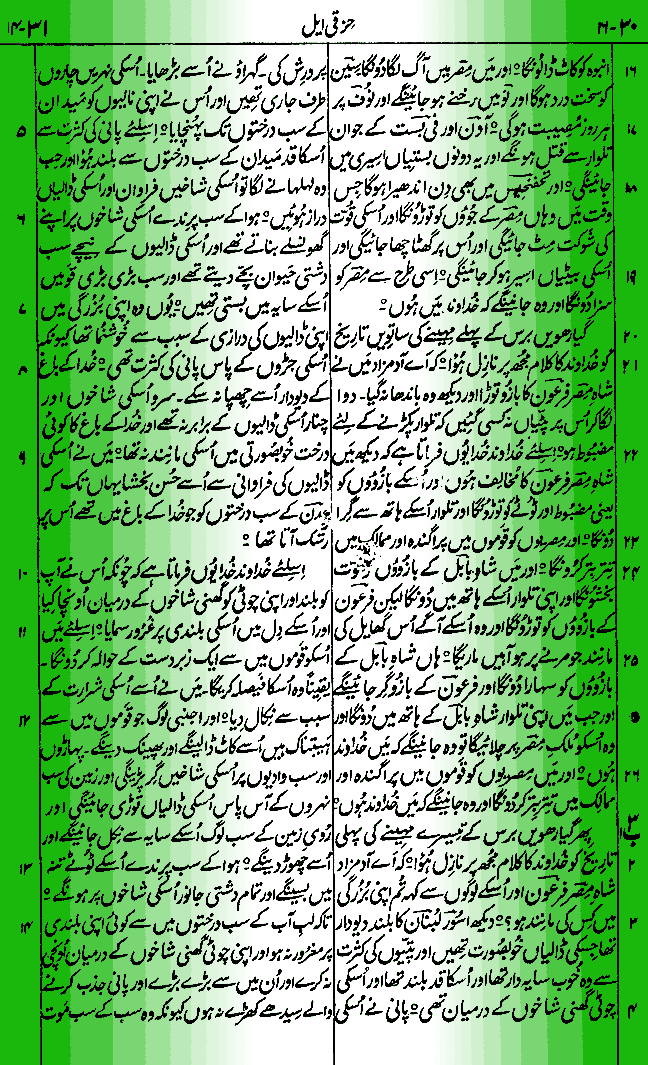
Ezekiel Chapter 30 (Verses 16–26)
Ezekiel 30:16
Verse: And I will set fire in Egypt Sin shall have great pain and No shall be rent asunder and Noph shall have distresses daily
-
English Explanation: This verse highlights the physical and structural destruction of Egypt’s major power centers. “Fire” symbolizes the destructive warfare brought by the Babylonian invasion. Key cities like Sin (Pelusium, the stronghold), No (Thebes), and Noph (Memphis) face unbearable agony, physical breaching of their defenses, and relentless ongoing distress.
-
Urdu Explanation (تفصیلی وضاحت): اس آیت میں مصر کے بڑے اور اہم شہروں کی مکمل تباہی کی پیشگوئی کی گئی ہے۔ “آگ” سے مراد بابلی فوج کا حملہ اور تباہی ہے۔ مصر کے اہم دفاعی مقامات جیسے سین (پیلوسیم) شدید درد کا سامنا کریں گے نو (تھیبس) کی دیواریں توڑ دی جائیں گی اور نوف (ممفس) روزانہ کی بنیاد پر مصائب اور بے بسی کا شکار رہے گا۔
Ezekiel 30:17
Verse: The young men of Aven and of Pi-beseth shall fall by the sword and these cities shall go into captivity
-
English Explanation: The judgment targets the future generation and military strength of Egypt. The young men of Aven (Heliopolis, famous for idol worship) and Pi-beseth (Bubastis) will be slaughtered in battle. Deprived of their defenders, these prominent cities will easily fall to the enemy, and their remaining populations will be dragged away into exile.
-
Urdu Explanation (تفصیلی وضاحت): یہاں مصر کی نوجوان نسل اور فوجی قوت کو نشانہ بنایا گیا ہے۔ آون (ہیلیو پولس جو بت پرستی کا مرکز تھا) اور پی بست کے نوجوان جنگ میں تلوار سے مارے جائیں گے۔ جب ان شہروں کے محافظ ہی نہیں رہیں گے تو یہ شہر آسانی سے مغلوب ہو جائیں گے اور ان کی بقیہ آبادی کو قیدی بنا کر غلامی میں لے جایا جائے گا۔
Ezekiel 30:18
Verse: At Tehaphnehes also the day shall be darkened when I shall break there the yokes of Egypt and the pomp of her strength shall cease in her as for her a cloud shall cover her and her daughters shall go into captivity
-
English Explanation: Tehaphnehes was a strategic border city. The “darkened day” signifies a time of gloom, despair, and divine judgment. God promises to break the oppressive rule (“yokes”) of Egypt. Its pride and magnificent wealth will vanish, swallowed up by a symbolic cloud of ruin, while its surrounding villages (“daughters”) are carried away.
-
Urdu Explanation (تفصیلی وضاحت): تحفنحیس مصر کا ایک اہم سرحدی شہر تھا۔ دن کا “تاریک ہونا” شدید مایوسی، آفت اور الٰہی عدالت کی علامت ہے۔ خدا مصر کی ظالم حکومت اور طاقت کے جوئے کو توڑ دے گا۔ اس کا سارا غرور اور جاہ و جلال ختم ہو جائے گا اور ایک علامتی بادل (تباہی) اسے ڈھانپ لے گا جبکہ اس کے آس پاس کی بستیاں اور بیٹیاں قید میں چلی جائیں گی۔
Ezekiel 30:19
Verse: Thus will I execute judgments in Egypt and they shall know that I am the LORD
-
English Explanation: The ultimate objective of these historical judgments is theological rather than political. The devastation of Egypt serves as an undeniable proof of God’s sovereignty. Through their total collapse, the Egyptians and surrounding nations will be forced to acknowledge that Yahweh is the supreme ruler of history.
-
Urdu Explanation (تفصیلی وضاحت): اس تباہی کا اصل مقصد سیاسی نہیں بلکہ روحانی اور خدائی ہے۔ مصر کی عدالت اور بربادی اس بات کا ثبوت ہے کہ کائنات کا اصل حاکم کون ہے۔ اس مکمل زوال کے ذریعے مصریوں اور دنیا کی دیگر قوموں پر یہ سچائی آشکار ہوگی کہ صرف وہی حقیقی خداوند اور قادرِ مطلق خدا ہے۔
Ezekiel 30:20
Verse: And it came to pass in the eleventh year in the first month in the seventh day of the month that the word of the LORD came unto me saying
-
English Explanation: Ezekiel meticulously logs the chronological timeframe of this specific prophecy (roughly April 587 BC). Recording the exact date validates the prophetic office of Ezekiel, showing that the message was received before the historical events actually fully unfolded.
-
Urdu Explanation (تفصیلی وضاحت): حزقیال نبی یہاں بڑی باریکی کے ساتھ اس نبوت کی تاریخ اور وقت کا ریکارڈ پیش کرتے ہیں (تقریباً 587 قبل مسیح)۔ تاریخ کا یہ درست اندراج ثابت کرتا ہے کہ یہ کلام حالات کے وقوع پذیر ہونے سے پہلے خدا کی طرف سے نازل ہوا تھا تاکہ بعد میں سچائی کی گواہی قائم رہے۔
Ezekiel 30:21
Verse: Son of man I have broken the arm of Pharaoh king of Egypt and lo it shall not be bound up to be healed to put a roller to bind it to make it strong to hold the sword
-
English Explanation: God uses the medical metaphor of a broken bone. The “arm” of Pharaoh represents his military and political might. God has already fractured Egypt’s power (likely referring to Pharaoh Hophra’s failure to relieve Jerusalem). It is a permanent wound; no splint, bandage, or medical intervention can restore Egypt’s ability to wield a military sword.
-
Urdu Explanation (تفصیلی وضاحت): خدا یہاں ایک ٹوٹی ہوئی ہڈی کا طبی استعارہ استعمال کرتا ہے۔ فرعون کا “بازو” اس کی فوجی اور سیاسی طاقت کی علامت ہے۔ خدا نے مصر کی طاقت کو توڑ دیا ہے (جو فرعون حفرع کی ناکامی کی طرف اشارہ ہے)۔ یہ ایک ایسا مستقل زخم ہے جس پر کوئی پٹی یا تختہ کام نہیں کرے گا اور مصر دوبارہ کبھی تلوار اٹھانے کے قابل نہیں رہے گا۔
Ezekiel 30:22
Verse: Therefore thus saith the Lord GOD Behold I am against Pharaoh king of Egypt and will break his arms the strong and that which was broken and I will cause the sword to fall out of his hand
-
English Explanation: God intensifies the judgment. Not only will the previously injured arm remain unhealed, but God will also break Pharaoh’s remaining “strong” arm. This double fracture represents total disarmament and complete helplessness. The weapon of defense and aggression will slip completely from Egypt’s grasp.
-
Urdu Explanation (تفصیلی وضاحت): خدا اپنے فیصلے کو مزید سخت کرتا ہے۔ نہ صرف پہلا زخمی بازو ناکارہ رہے گا بلکہ خدا فرعون کا دوسرا “مضبوط” بازو بھی توڑ دے گا۔ یہ دوہرا نقصان مصر کی مکمل لاچاری اور ہتھیار ڈالنے کی علامت ہے۔ دفاع اور جارحیت کی تلوار فرعون کے ہاتھ سے ہمیشہ کے لیے گر جائے گی۔
Ezekiel 30:23
Verse: And I will scatter the Egyptians among the nations and will disperse them through the countries
-
English Explanation: A major consequence of losing military power is exile. The preservation of Egyptian national unity will fail. God declares that the inhabitants will be uprooted from their Nile-centered homeland and scattered as refugees and captives across various foreign cultures and lands.
-
Urdu Explanation (تفصیلی وضاحت): فوجی طاقت ختم ہونے کا سب سے بڑا نتیجہ جلاوطنی کی صورت میں نکلتا ہے۔ مصر کا قومی اتحاد اور جغرافیا بکھر جائے گا۔ خدا فرماتا ہے کہ یہاں کے باشندوں کو ان کے وطن سے اکھاڑ کر دنیا کے مختلف ممالک اور غیر ملکی تہذیبوں میں پناہ گزینوں اور قیدیوں کی طرح بکھیر دیا جائے گا۔
Ezekiel 30:24
Verse: And I will strengthen the arms of the king of Babylon and put my sword in his hand but I will break Pharaoh’s arms and he shall groan before him with the groanings of a deadly wounded man
-
English Explanation: This verse shows the divine orchestration of geopolitical shifts. God uses Nebuchadnezzar, the king of Babylon, as His instrument of judgment, placing the divine sword into his hands. While Babylon is empowered, Egypt is entirely crushed, left to groan miserably like a soldier suffering a fatal, agonizing battlefield injury.
-
Urdu Explanation (تفصیلی وضاحت): یہ آیت دنیا کی سلطنتوں کے عروج و زوال میں خدا کی حکمت کو ظاہر کرتی ہے۔ خدا شاہِ بابل (نبوکدنضر) کو اپنی عدالت کا آلہ بناتا ہے اور اپنی تلوار اس کے ہاتھ میں دیتا ہے۔ جہاں بابل کو طاقت دی جا رہی ہے وہیں فرعون کو کچل دیا جائے گا اور وہ ایک جان لیوا زخمی سپاہی کی طرح تڑپے گا۔
Ezekiel 30:25
Verse: But I will strengthen the arms of the king of Babylon and the arms of Pharaoh shall fall down and they shall know that I am the LORD when I shall put my sword into the hand of the king of Babylon and he shall stretch it out upon the land of Egypt
-
English Explanation: God repeats the contrast for emphasis: Babylon’s arms are lifted high in victory while Pharaoh’s arms go limp in total defeat. The spiritual takeaway is reinforced: when Babylon stretches the sword over Egypt, it is not merely a human conquest; it is the visible manifestation of God’s absolute decree.
-
Urdu Explanation (تفصیلی وضاحت): خدا زور دینے کے لیے اس تضاد کو دہراتا ہے: بابل کے بازو فتح کے لیے اٹھیں گے جبکہ فرعون کے بازو شکست سے لٹک جائیں گے۔ یہاں روحانی سبق واضح ہے: جب بابل مصر پر تلوار چلائے گا تو یہ صرف انسانی جنگ نہیں ہوگی بلکہ یہ خدا کے مطلق حکم کا ظہور ہوگا تاکہ سب جان لیں کہ وہ رب ہے۔
Ezekiel 30:26
Verse: And I will scatter the Egyptians among the nations and disperse them among the countries and they shall know that I am the LORD
-
English Explanation: Chapter 30 concludes by reiterating the scattering of the Egyptian population. The repetition highlights the certainty of this geopolitical displacement. The primary purpose remains fixed: through their profound loss and dispersion, the shattered nation will come to recognize the true identity and absolute power of the Lord.
-
Urdu Explanation (تفصیلی وضاحت): باب 30 کا اختتام مصریوں کے مختلف ممالک میں بکھر جانے کی بارگاہِ الٰہی سے تکرار کے ساتھ ہوتا ہے۔ یہ تکرار اس بات کی یقین دہانی ہے کہ یہ واقعہ ہو کر رہے گا۔ اس کا بنیادی مقصد وہی ہے: اپنے شدید نقصان اور جلاوطنی کے ذریعے یہ تباہ حال قوم رب کی حقیقی پہچان اور طاقت کو تسلیم کرے گی۔
Ezekiel Chapter 31 (Verses 1–14)
Ezekiel 31:1
Verse: And it came to pass in the eleventh year in the third month in the first day of the month that the word of the LORD came unto me saying
-
English Explanation: This marks a new prophetic message given nearly two months after the previous one (around June 587 BC). The close proximity of these messages emphasizes the urgent, compounding nature of the divine warnings regarding Egypt’s imminent fall while Jerusalem was under Babylonian siege.
-
Urdu Explanation (تفصیلی وضاحت): یہ پچھلی نبوت کے تقریباً دو ماہ بعد (قریباً جون 587 قبل مسیح) نازل ہونے والا ایک نیا پیغام ہے۔ ان پیغامات کا اتنے کم وقفے سے آنا اس بات کو ظاہر کرتا ہے کہ یروشلم کے محاصرے کے دوران مصر کی تباہی کی وارننگ کس قدر اہم اور فوری نوعیت کی تھی۔
Ezekiel 31:2
Verse: Son of man speak unto Pharaoh king of Egypt and to his multitude Whom art thou like in thy greatness
-
English Explanation: God issues a direct rhetorical challenge to Pharaoh and his massive armies. Pharaoh prided himself on unmatched earthly splendor and historic lineage. God asks a probing question: “Whom are you like in your greatness?” to set up a historical comparison with another fallen empire that believed it was invincible.
-
Urdu Explanation (تفصیلی وضاحت): خدا فرعون اور اس کی کثیر فوج کو ایک براہِ راست چیلنج دیتا ہے۔ فرعون کو اپنی بے مثال زمین و جاہ اور تاریخی عظمت پر بڑا ناز تھا۔ خدا اس سے ایک سوال کرتا ہے: “تو اپنی بڑائی میں کس کی مانند ہے؟” یہ سوال ایک گراوٹ کا شکار ہونے والی سلطنت کے ساتھ موازنے کے لیے پوچھا گیا ہے۔
Ezekiel 31:3
Verse: Behold the Assyrian was a cedar in Lebanon with fair branches and with a shadowing shroud and of an high stature and his top was among the thick boughs
-
English Explanation: To answer the question, God presents the vivid allegory of Assyria, portrayed as a magnificent cedar tree in Lebanon. Assyria was once the world’s dominant superpower, possessing beautiful branches (territories), immense foliage that provided shade (protection to vassals), and an incredible height that soared above all others.
-
Urdu Explanation (تفصیلی وضاحت): فرعون کے سوال کا جواب دینے کے لیے خدا اس کے سامنے اسشور (اسیریا) کی تمثیل پیش کرتا ہے جسے لبنان کے ایک شاندار دیودار کے درخت سے تشبیہ دی گئی ہے۔ اسیریا کبھی دنیا کی سپر پاور تھا جس کی خوبصورت شاخیں (سلطنتیں) اور گھنا سایہ (محکوم قوموں کے لیے پناہ) تھا اور اس کا قد سب سے بلند تھا۔
Ezekiel 31:4
Verse: The waters made him great the deep set him up on high with her rivers running round about his plants and sent out her little rivers unto all the trees of the field
-
English Explanation: The cedar’s growth and immense scale were fueled by abundant water sources. In the allegory, this refers to the Tigris and Euphrates rivers, which provided Assyria with agricultural prosperity, economic wealth, and strategic advantages, allowing its influence to overflow and reach smaller neighboring nations.
-
Urdu Explanation (تفصیلی وضاحت): اس دیودار کے درخت کی نشوونما اور پھیلاؤ کے پیچھے پانی کے کثیر ذخائر تھے۔ تمثیل میں اس سے مراد دجلہ اور فرات کے دریا ہیں جنہوں نے اسیریا کو زرعی خوشحالی، معاشی دولت اور تزویراتی فوائد فراہم کیے جس سے اس کا اثر و رسوخ چھوٹی پڑوسی قوموں تک پھیل گیا۔
Ezekiel 31:5
Verse: Therefore his height was exalted above all the trees of the field and his boughs were multiplied and his branches became long because of the multitude of waters when he shot forth
-
English Explanation: Blessed with endless resources (“multitude of waters”), the Assyrian empire grew rapidly and extensively. It surpassed every other kingdom (“trees of the field”) in power, influence, and territorial dominance, establishing a sprawling, complex network of provinces and military outposts.
-
Urdu Explanation (تفصیلی وضاحت): لامحدود وسائل کی برکت سے اسیریا کی سلطنت تیزی سے پھیلی۔ طاقت، اثر و رسوخ اور جغرافیائی تسلط میں یہ دنیا کی تمام دیگر بادشاہتوں (“میدان کے درختوں”) سے آگے نکل گئی اور اس نے اپنی صوبائی اور عسکری چوکیاں قائم کر لیں۔
Ezekiel 31:6
Verse: All the fowls of heaven made their nests in his boughs and under his branches did all the beasts of the field bring forth their young and under his shadow dwelt all great nations
-
English Explanation: This poetic verse describes the international dependence on Assyria. The “fowls” and “beasts” represent various groups of people and smaller kingdoms that sought security, commerce, and political stability under the protective umbrella and shadow of the mighty Assyrian empire.
-
Urdu Explanation (تفصیلی وضاحت): یہ شاعرانہ آیت اسیریا پر دنیا کے انحصار کو بیان کرتی ہے۔ “آسمان کے پرندے” اور “میدان کے چوپائے” ان چھوٹی قوموں اور ریاستوں کی علامت ہیں جو اس عظیم الشان سلطنت کے سائے تلے تحفظ، تجارت اور سیاسی استحکام تلاش کرتی تھیں۔
Ezekiel 31:7
Verse: Thus was he fair in his greatness in the length of his branches for his root was by great waters
-
English Explanation: The empire’s visual beauty and vast reach were directly tied to its secure placement. Its “roots by great waters” indicate that its power base was anchored in deeply stable, resource-rich geographic regions, making it look unbreakable and incredibly majestic to the observing world.
-
Urdu Explanation (تفصیلی وضاحت): اس سلطنت کا حسن اور وسیع رسائی براہِ راست اس کے محفوظ مقام سے جڑی ہوئی تھی۔ “بڑے پانیوں کے پاس جڑیں” ہونے کا مطلب یہ ہے کہ اس کی طاقت کی بنیاد مستحکم اور وسائل سے مالا مال خطوں پر تھی جس سے دنیا کی نظر میں یہ ناقابلِ تسخیر معلوم ہوتی تھی۔
Ezekiel 31:8
Verse: The cedars in the garden of God could not hide him the fir trees were not like his boughs and the chestnut trees were not like his branches nor any tree in the garden of God was like unto him in his beauty
-
English Explanation: Using Edenic imagery, the text explains that no other kingdom could compare to Assyria. Even the finest kingdoms, symbolized by the elite trees in the “garden of God,” were completely eclipsed by Assyria’s unmatched geopolitical splendor, organizational structure, and aesthetics.
-
Urdu Explanation (تفصیلی وضاحت): باغِ عدن کی علامات کا استعمال کرتے ہوئے کلام بتاتا ہے کہ کوئی دوسری بادشاہت اسیریا کا مقابلہ نہیں کر سکتی تھی۔ یہاں تک کہ بہترین ریاستیں بھی جنہیں “خدا کے باغ کے درختوں” سے تشبیہ دی گئی ہے اسیریا کے جاہ و جلال اور تنظیمی ڈھانچے کے سامنے ماند پڑ گئی تھیں۔
Ezekiel 31:9
Verse: I have made him fair by the multitude of his branches so that all the trees of Eden that were in the garden of God envied him
-
English Explanation: God explicitly reveals that He was the source of Assyria’s greatness—it was God who “made him fair.” However, instead of remaining humble, the empire became an object of deep jealousy (“envied him”) to all rival kingdoms because of its supernatural levels of prosperity and expansion.
-
Urdu Explanation (تفصیلی وضاحت): خدا واضح طور پر ظاہر کرتا ہے کہ اسیریا کی عظمت کا اصل منبع خود خدا تھا یعنی یہ خدا ہی تھا جس نے اسے “خوبصورت بنایا”۔ تاہم عاجزی اختیار کرنے کے بجائے یہ سلطنت اپنی مافوق الفطرت خوشحالی اور پھیلاؤ کی وجہ سے دیگر تمام حریف سلطنتوں کے لیے حسد کا باعث بن گئی۔
Ezekiel 31:10
Verse: Therefore thus saith the Lord GOD Because thou hast lifted up thyself in height and he hath shot up his top among the thick boughs and his heart is lifted up in his height
-
English Explanation: Here lies the turning point: the sin of pride ($hubris$). As Assyria’s height grew, its heart became filled with arrogance. It attributed its success to its own power rather than to God. This inward pride is the catalyst for immediate divine judgment and swift downfall.
-
Urdu Explanation (تفصیلی وضاحت): یہاں سے صورتحال تبدیل ہوتی ہے اور غرور کا گناہ سامنے آتا ہے۔ جیسے جیسے اسیریا کا قد بڑھا اس کا دل تکبر سے بھر گیا۔ اس نے اپنی کامیابی کو خدا کے بجائے اپنی طاقت کا نتیجہ سمجھا۔ یہ اندرونی غرور ہی الٰہی عدالت اور اچانک زوال کا سبب بنتا ہے۔
Ezekiel 31:11
Verse: I have therefore delivered him into the hand of the mighty one of the heathen he shall surely deal with him I have driven him out for his wickedness
-
English Explanation: Because of this toxic pride, God systematically handed Assyria over to the “mighty one of the heathen”—referring historically to Cyaxares of the Medes and Nabopolassar of Babylon. God personally evicted Assyria from its place of privilege as a direct punishment for its structural wickedness and oppression.
-
Urdu Explanation (تفصیلی وضاحت): اسی زہریلے تکبر کی وجہ سے خدا نے اسیریا کو “قوموں کے مہیب حاکم” (جو تاریخی طور پر میڈیا اور بابل کے بادشاہ تھے) کے ہاتھ میں سونپ دیا۔ خدا نے اسیریا کو اس کی بدکاری اور ظلم کی سزا کے طور پر اس کے اعلیٰ مقام سے محروم کر کے نکال باہر کیا۔
Ezekiel 31:12
Verse: And strangers the terrible of the nations have cut him off and have left him upon the mountains and in all the valleys his branches are fallen and his boughs are broken by all the rivers of the land and all the people of the earth are gone down from his shadow and have left him
-
English Explanation: The metaphor returns to the physical destruction of the great cedar tree. Ruthless foreign armies (“strangers”) chopped down the massive tree. Its fallen branches litter the mountains, valleys, and rivers, symbolizing the fragmented, scattered remains of the empire. All the nations that once relied on its protection (“shadow”) quickly abandon it.
-
Urdu Explanation (تفصیلی وضاحت): یہ استعارہ دوبارہ اس عظیم دیودار کے درخت کی مادی تباہی کی طرف لوٹتا ہے۔ بے رحم غیر ملکی فوجوں نے اس بڑے درخت کو کاٹ ڈالا۔ اس کی ٹوٹی ہوئی شاخیں پہاڑوں، وادیوں اور دریاؤں میں بکھر گئیں جو سلطنت کے ٹکڑے ٹکڑے ہونے کی علامت ہے۔ وہ تمام قومیں جو کبھی اس کے سائے (تحفظ) پر بھروسہ کرتی تھیں اسے چھوڑ کر بھاگ گئیں۔
Ezekiel 31:13
Verse: Upon his ruin shall all the fowls of the heaven remain and all the beasts of the field shall be upon his branches
-
English Explanation: Instead of finding refuge under a living, majestic tree, the birds and wild beasts now gather to scavenge upon its dead, fallen trunk. The fallen superpower becomes a helpless carcass, fed upon by the very entities that once respected and feared its living authority.
-
Urdu Explanation (تفصیلی وضاحت): ایک زندہ اور شاندار درخت کے نیچے پناہ لینے کے بجائے اب پرندے اور جنگلی جانور اس کے گرے ہوئے مردہ تنے کو نوچنے کے لیے جمع ہوتے ہیں۔ زوال پذیر سپر پاور ایک بے بس لاش بن جاتی ہے جس سے وہی مخلوق فائدہ اٹھاتی ہے جو کبھی اس کے اقتدار سے ڈرتی تھی۔
Ezekiel 31:14
Verse: To the end that none of all the trees by the waters exalt themselves for their height neither shoot up their top among the thick boughs neither their trees stand up in their height all that drink water for they are all delivered unto death to the nether parts of the earth in the midst of the children of men with them that go down to the pit
-
English Explanation: This concludes the moral lesson of the allegory. The catastrophic fall of Assyria serves as a vivid warning to all other powerful nations (“trees by the waters”). No human kingdom should let its height make it arrogant, because no matter how prosperous, all mortal rulers are subject to death ($Sheol$) and will eventually share the common grave (“the pit”) with ordinary men. Pharaoh is warned that the exact same fate awaits him.
-
Urdu Explanation (تفصیلی وضاحت): یہ اس تمثیل کا اخلاقی اور حتمی نتیجہ ہے۔ اسیریا کا یہ ہولناک زوال دنیا کی دیگر تمام طاقتور قوموں (“پانی کے پاس کے درختوں”) کے لیے عبرت کا نشان ہے۔ کسی بھی انسانی حکومت کو اپنی طاقت پر غرور نہیں کرنا چاہیے کیونکہ کوئی کتنا ہی خوشحال کیوں نہ ہو تمام فانی حکمران آخر کار موت کے منہ میں جائیں گے اور عام انسانوں کی طرح مٹی (گڑھے) میں مل جائیں گے۔ فرعون کو خبردار کیا گیا ہے کہ اس کا انجام بھی بالکل ایسا ہی ہوگا۔