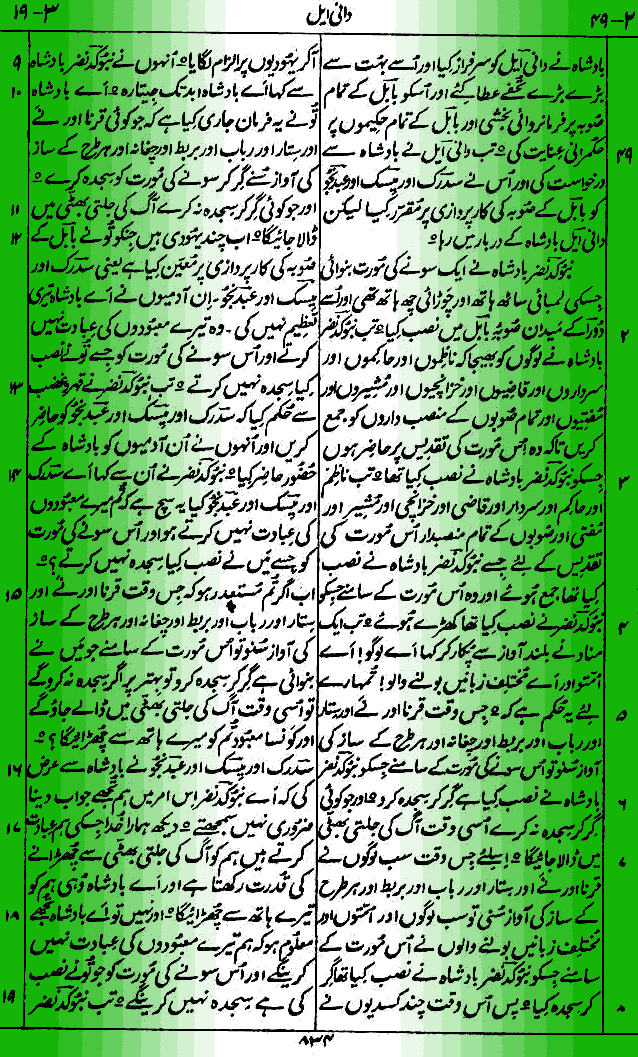
Verse-by-Verse Commentary & Explanation (Daniel 3:1–19)
Daniel 3:1
Verse: Nebuchadnezzar the king made an image of gold whose height was threescore cubits and the breadth thereof six cubits he set it up in the plain of Dura in the province of Babylon
English Explanation
King Nebuchadnezzar constructs a massive golden statue, likely motivated by his previous dream in Chapter 2, where Daniel identified him as the “head of gold.” Instead of accepting that his empire would fall to others, the king attempts to forge an entire empire of gold, symbolizing his permanent dominance. The dimensions—60 cubits high (around 90 feet) and 6 cubits wide (around 9 feet)—showcase an intentional alignment with the Babylonian sexagesimal (base-60) numerical system. The “plain of Dura” provided a vast, unobstructed landscape so that this towering, glittering monument could be seen from miles away, serving as a political and religious focal point.
Urdu Explanation (اُردو تشریح)
شاہ نبوکدنضر نے سونے کا ایک بہت بڑا بت بنوایا۔ غالباً یہ اقدام اس خواب کا نتیجہ تھا جو اس نے باب 2 میں دیکھا تھا جہاں دانیال نے اسے “سونے کا سر” کہا تھا۔ اپنی حکومت کے خاتمے کو تسلیم کرنے کے بجائے، بادشاہ نے اپنی ابدی طاقت کو ظاہر کرنے کے لیے پورا بت ہی سونے کا بنوا دیا۔ اس بت کی اونچائی 60 ہاتھ (تقریباً 90 فٹ) اور چوڑائی 6 ہاتھ (تقریباً 9 فٹ) تھی، جو بابل کے حسابی نظام (عدد 60 پر مبنی) کی عکاسی کرتی ہے۔ اسے “دورا کے میدان” میں نصب کیا گیا تاکہ یہ دور دور سے چمکتا ہوا نظر آئے اور سب کے لیے بادشاہ کی سیاسی اور مذہبی حاکمیت کا نشان بن جائے۔
Daniel 3:2
Verse: Then Nebuchadnezzar the king sent to gather together the princes the governors and the captains the judges the treasurers the counsellers the sheriffs and all the rulers of the provinces to come to the dedication of the image which Nebuchadnezzar the king had set up
English Explanation
This verse details the administrative gathering ordered by the king. Nebuchadnezzar summons every tier of his sprawling bureaucracy—from high-ranking military captains to financial treasurers and local legal magistrates. By demanding the presence of every regional ruler, the king is executing a political loyalty test disguised as a religious festival. If the leadership core of every conquered province bows to this image, it solidifies universal submission to Babylon’s central authority.
Urdu Explanation (اُردو تشریح)
اس آیت میں بادشاہ کے حکم پر جمع ہونے والے حکومتی عہدیداروں کی تفصیل ہے۔ نبوکدنضر نے سلطنت کے تمام طبقات—بشمول شہزادوں، گورنروں، جرنیلوں، منصفوں، خزانچیوں، اور صوبوں کے ناظموں کو اکٹھا کیا۔ یہ مذہبی تقریب دراصل ایک سیاسی وفاداری کا امتحان تھی۔ اگر تمام مفتوحہ علاقوں کی قیادت اس بت کے سامنے سر جھکا دیتی، تو یہ بابل کی مرکزی حکومت اور آئین کی مکمل اطاعت کا حتمی ثبوت ہوتا۔
Daniel 3:3
Verse: Then the princes the governors and captains the judges the treasurers the counsellers the sheriffs and all the rulers of the provinces were gathered together unto the dedication of the image that Nebuchadnezzar the king had set up and they stood before the image that Nebuchadnezzar had set up
English Explanation
The repetition of the long list of officials emphasizes the total obedience and compliance of the secular and pagan world to the king’s decree. The ruling class stands uniform and ready before the colossal image. This highlights the immense peer pressure and systemic power facing any individual who might choose to dissent. The stage is set for a massive demonstration of state-mandated worship.
Urdu Explanation (اُردو تشریح)
عہدیداروں کی طویل فہرست کا دوبارہ ذکر اس بات کو واضح کرتا ہے کہ تمام دنیاوی طاقتیں بادشاہ کے حکم کے سامنے مکمل طور پر سرتسلیم خم کر چکی تھیں۔ یہ حکمران طبقہ اس دیو قامت بت کے سامنے متحد ہو کر کھڑا تھا۔ یہ منظر اس شدید سماجی اور حکومتی دباؤ کو ظاہر کرتا ہے جس کا سامنا کسی بھی ایسے شخص کو کرنا پڑ سکتا تھا جو اس حکم کی نافرمانی کرتا۔ اب ریاستی سطح پر زبردستی کی جانے والی عبادت کا اسٹیج پوری طرح تیار تھا۔
Daniel 3:4
Verse: Then an herald cried aloud To you it is commanded O people nations and languages
English Explanation
The royal herald addresses the crowd with an authoritative, loud proclamation. The phrase “O people, nations, and languages” underscores the vast, multicultural nature of the Babylonian Empire. Babylon was an amalgamation of conquered ethnic groups, languages, and cultures. This decree is international, meaning no group, regardless of their cultural or religious background, is exempt from this imperial mandate.
Urdu Explanation (اُردو تشریح)
شاہی منادی کرنے والے نے بلند آواز سے مجمع کو مخاطب کیا۔ “اے لوگو اور قومو اور اہل زبان!” کے الفاظ بابل کی سلطنت کی کثیر الثقافتی نوعیت کو ظاہر کرتے ہیں۔ بابل مختلف مفتوحہ قوموں، زبانوں اور تہذیبوں کا مجموعہ تھا۔ یہ فرمان بین الاقوامی تھا، جس کا مطلب یہ تھا کہ کوئی بھی گروہ، خواہ اس کا ثقافتی یا مذہبی پس منظر کچھ بھی ہو، اس شاہی حکم سے مستثنیٰ نہیں تھا۔
Daniel 3:5
Verse: That at what time ye hear the sound of the cornet flute harp sackbut psaltery dulcimer and all kinds of musick ye fall down and worship the golden image that Nebuchadnezzar the king hath set up
English Explanation
Nebuchadnezzar employs an entire orchestra of diverse musical instruments to create an overwhelming sensory and psychological environment. Music was utilized in antiquity to stir emotions, induce trance-like obedience, and unify large crowds in ritual practices. The command is immediate: the sound of the music serves as the sensory trigger for immediate, universal prostration before the gold monument.
Urdu Explanation (اُردو تشریح)
نبوکدنضر نے ایک وسیع آرکسٹرا اور مختلف قسم کے سازوں کا استعمال کیا تاکہ ایک ایسا ماحول پیدا کیا جائے جو لوگوں کے حواس اور نفسیات پر حاوی ہو سکے۔ قدیم زمانے میں موسیقی کا استعمال جذبات کو ابھارنے، مسحور کن اطاعت پیدا کرنے اور مذہبی رسومات میں بڑے ہجوم کو متحد کرنے کے لیے کیا جاتا تھا۔ حکم بالکل واضح تھا: جیسے ہی سازوں کی آواز سنائی دے، فوراً اس سونے کے بت کے آگے سجدہ کیا جائے۔
Daniel 3:6
Verse: And whoso falleth not down and worshippeth shall the same hour be cast into the midst of a burning fiery furnace
English Explanation
The true underlying force behind Babylon’s forced unity is revealed: absolute terror. Nebuchadnezzar issues an ultimatum with zero room for negotiation. Disobedience results in immediate capital punishment via a burning fiery furnace—a common method of execution in ancient Babylon for rebels and enemies of the state. The choice presented is stark: compromise one’s faith or face agonizing, immediate death.
Urdu Explanation (اُردو تشریح)
بابل کے اس زبردستی کے اتحاد کے پیچھے چھپی اصل طاقت سامنے آتی ہے، اور وہ ہے ہولناک خوف۔ نبوکدنضر نے ایک ایسا الٹی میٹم دیا جس میں سمجھوتے کی کوئی گنجائش نہیں تھی۔ نافرمانی کی سزا اسی گھڑی دہکتی ہوئی آگ کی بھٹی میں ڈال دیا جانا تھی—جو قدیم بابل میں باغیوں اور سرکار کے دشمنوں کے لیے موت کی ایک عام سزا تھی۔ انتخاب بالکل واضح تھا: اپنے ایمان کا سودا کرو یا تڑپ تڑپ کر فوری موت کا سامنا کرو۔
Daniel 3:7
Verse: Therefore at that time when all the people heard the sound of the cornet flute harp sackbut psaltery and all kinds of musick all the people the nations and the languages fell down and worshipped the golden image that Nebuchadnezzar the king had set up
English Explanation
Predictably, the combination of grand sensory manipulation (the music) and extreme terror (the furnace) yields total conformity. The masses instantly fall to their knees. This verse illustrates how easily corporate societal structures yield to totalitarian authority when survival is on the line. Thousands of leaders and citizens compromise their integrity out of self-preservation.
Urdu Explanation (اُردو تشریح)
جیسا کہ متوقع تھا، موسیقی کے جادو اور بھٹی کے خوف نے مل کر سب کو مغلوب کر دیا۔ سارا مجمع فوراً گھٹنوں کے بل گر گیا۔ یہ آیت دکھاتی ہے کہ جب بقا کا مسئلہ درپیش ہو تو کس طرح انسانی معاشرے اور ہجوم کسی آمرانہ طاقت کے سامنے آسانی سے ہتھیار ڈال دیتے ہیں۔ ہزاروں رہنماؤں اور شہریوں نے اپنی جان بچانے کے لیے اپنے ضمیر کا سودا کر لیا۔
Daniel 3:8
Verse: Wherefore at that time certain Chaldeans came near and accused the Jews
English Explanation
Antisemitism and political jealousy drive the narrative forward. The “Chaldeans” referenced here are likely the elite class of Babylonian astrologers and wise men. They harbored deep resentment against Daniel, Shadrach, Meshach, and Abednego because these foreign Jewish captives had been promoted to high government offices over them (Daniel 2:49). They weaponize the king’s decree to orchestrate the downfall of their political rivals.
Urdu Explanation (اُردو تشریح)
سیاسی حسد اور دشمنی نے اس واقعے کو ایک نیا رخ دیا۔ یہاں جن “کسدیوں” کا ذکر ہے وہ بابل کے نجومیوں اور عالموں کا اشرافیہ طبقہ تھا۔ وہ شدرک، میسک اور عبدنجو سے شدید حسد کرتے تھے کیونکہ ان پردیسی یہودی قیدیوں کو ان سے اعلیٰ سرکاری عہدوں پر فائز کیا گیا تھا (دانیال 2:49)۔ انہوں نے اپنے سیاسی حریفوں کو گرانے کے لیے بادشاہ کے فرمان کو ایک ہتھیار کے طور پر استعمال کیا۔
Daniel 3:9
Verse: They spake and said to the king Nebuchadnezzar O king live for ever
English Explanation
The accusers approach the king using the standard, highly flattering royal protocol of the ancient Near East: “O king, live for ever.” They use sycophancy to ensure they have the king’s good graces before delivering information that will challenge his ego and test his laws.
Urdu Explanation (اُردو تشریح)
مخبروں نے قدیم مشرقِ قریب کے روایتی اور خوشامدی انداز میں بادشاہ سے رجوع کیا: “اے بادشاہ! ابد تک جیتا رہے۔” انہوں نے شاہی خوشامد کا سہارا لیا تاکہ بادشاہ کا اعتماد حاصل کر سکیں، اس سے پہلے کہ وہ ایسی خبر سنائیں جو بادشاہ کی انا کو ٹھیس پہنچانے والی اور اس کے قانون کا امتحان لینے والی تھی۔
Daniel 3:10
Verse: Thou O king hast made a decree that every man that shall hear the sound of the cornet flute harp sackbut psaltery and dulcimer and all kinds of musick shall fall down and worship the golden image
English Explanation
The Chaldeans carefully lay their legal trap. They do not mention the three Jews immediately; instead, they first remind Nebuchadnezzar of his own unalterable decree. By emphasizing that every man must worship, they ensure the king cannot easily make an exception for his favored Jewish administrators without looking weak or inconsistent.
Urdu Explanation (اُردو تشریح)
کسدیوں نے بڑی چالاکی سے اپنا قانونی جال بچھایا۔ انہوں نے فوراً تینوں یہودیوں کا نام نہیں لیا؛ بلکہ پہلے نبوکدنضر کو اس کا اپنا اٹل فرمان یاد دلایا۔ اس بات پر زور دے کر کہ ہر شخص کے لیے سجدہ کرنا لازم ہے، انہوں نے یہ یقینی بنایا کہ بادشاہ اپنے پسندیدہ یہودی عہدیداروں کے لیے آسانی سے کوئی نرمی نہ برت سکے، ورنہ وہ کمزور یا اپنے ہی قوانین کا پاس نہ رکھنے والا معلوم ہوتا۔
Daniel 3:11
Verse: And whoso falleth not down and worshippeth that he should be cast into the midst of a burning fiery furnace
English Explanation
The accusers complete their restatement of the law by reminding the king of the violent penalty he established. This locks Nebuchadnezzar into his own words, leaving him bound by his pride to enforce the death penalty on whoever they are about to name.
Urdu Explanation (اُردو تشریح)
شکایت کنندگان نے قانون کی سزا کو یاد دلا کر اپنی بات مکمل کی کہ جو کوئی سجدہ نہیں کرے گا اسے دہکتی بھٹی میں ڈال دیا جائے گا۔ اس طرح انہوں نے نبوکدنضر کو اس کے اپنے ہی الفاظ میں جکڑ دیا، تاکہ وہ اپنی انا اور ساکھ بچانے کے لیے اس سزا کو نافذ کرنے پر مجبور ہو جائے، قطع نظر اس کے کہ مجرم کون ہے۔
Daniel 3:12
Verse: There are certain Jews whom thou hast set over the affairs of the province of Babylon Shadrach Meshach and Abednego these men O king have not regarded thee they serve not thy gods nor worship the golden image which thou hast set up
English Explanation
The accusation is delivered with precision and malice. They deliberately emphasize that these are “certain Jews” whom the king himself promoted, subtly mocking Nebuchadnezzar’s judgment. The charges are threefold: they ignore the king’s personal authority (“have not regarded thee”), they refuse to worship the state pantheon (“serve not thy gods”), and they actively boycott the current ceremony (“nor worship the golden image”).
Urdu Explanation (اُردو تشریح)
مخبروں نے انتہائی چالاکی اور بغض کے ساتھ الزام لگایا۔ انہوں نے جان بوجھ کر زور دیا کہ یہ “کچھ یہودی” ہیں جنہیں بادشاہ نے خود بابل کے صوبے پر مقرر کیا تھا، یوں انہوں نے بالواسطہ بادشاہ کے فیصلے پر بھی طنز کیا۔ ان کے الزامات تین تھے: انہوں نے بادشاہ کے ذاتی حکم کو ہیچ جانا، وہ بابل کے معبودوں کی عبادت نہیں کرتے، اور انہوں نے موجودہ تقریب کا بائیکاٹ کر کے بت کو سجدہ کرنے سے انکار کیا ہے۔
Daniel 3:13
Verse: Then Nebuchadnezzar in his rage and fury commanded to bring Shadrach Meshach and Abednego Then they brought these men before the king
English Explanation
Nebuchadnezzar’s reaction is explosive. His totalitarian ego cannot tolerate any defiance, especially from subordinates he elevated. “Rage and fury” characterize his ruling style when challenged. However, showing a small degree of restraint or perhaps lingering respect for their administrative value, he orders them brought in alive for an interrogation rather than executing them on the spot based solely on hearsay.
Urdu Explanation (اُردو تشریح)
نبوکدنضر کا ردعمل انتہائی شدید اور غصیلا تھا۔ اس کی آمرانہ انا کسی بھی قسم کی نافرمانی کو برداشت نہیں کر سکتی تھی، خاص طور پر ان لوگوں کی طرف سے جنہیں اس نے خود ترقی دی تھی۔ جب بھی اس کے اقتدار کو چیلنج کیا جاتا، وہ “طیش اور غضب” میں آ جاتا تھا۔ تاہم، اپنے غصے کے باوجود، شاید ان کی ماضی کی خدمات کی وجہ سے، اس نے انہیں فوراً مارنے کے بجائے اپنے سامنے حاضر کرنے کا حکم دیا تاکہ وہ خود ان سے بازپرس کر سکے۔
Daniel 3:14
Verse: Nebuchadnezzar spake and said unto them Is it true O Shadrach Meshach and Abednego do not ye serve my gods nor worship the golden image which I have set up
English Explanation
The king confronts them directly. His question, “Is it true…?”, indicates a mix of disbelief and annoyance. He gives them a chance to explain themselves or deny the charges, hoping perhaps that it was a misunderstanding. Note his self-centered language: “my gods” and the image “I have set up.” To Nebuchadnezzar, religious devotion is entirely wrapped up in state loyalty and his personal identity.
Urdu Explanation (اُردو تشریح)
بادشاہ نے ان کا سامنا کرتے ہوئے براہِ راست پوچھا: “اے شدرک، میسک اور عبدنجو! کیا یہ سچ ہے…؟” اس کا یہ سوال حیرت اور ناراضگی کا آمیزہ تھا۔ اس نے انہیں اپنے دفاع کا ایک موقع دیا، شاید وہ امید کر رہا تھا کہ یہ کوئی غلط فہمی ہو۔ یہاں بادشاہ کے الفاظ پر غور کریں: “میرے معبود” اور وہ بت جو “میں نے نصب کیا ہے۔” نبوکدنضر کے لیے، مذہبی عقیدت ریاست کی وفاداری اور اس کی اپنی ذات سے جڑی ہوئی تھی۔
Daniel 3:15
Verse: Now if ye be ready that at what time ye hear the sound of the cornet flute harp sackbut psaltery and dulcimer and all kinds of musick ye fall down and worship the image which I have made well but if ye worship not ye shall be cast the same hour into the midst of a burning fiery furnace and who is that God that shall deliver you out of my hands
English Explanation
Nebuchadnezzar offers a conditional second chance, exhibiting rare leniency for an ancient autocrat. If they comply now when the music plays, their past infraction will be forgiven (“well”). But if they refuse, execution will be immediate. The verse concludes with the ultimate expression of human pride and blasphemy: “who is that God that shall deliver you out of my hands?” Nebuchadnezzar openly challenges the sovereignty of the Almighty, setting up a cosmic showdown between his finite power and the infinite power of God.
Urdu Explanation (اُردو تشریح)
نبوکدنضر نے انہیں مشروط طور پر ایک دوسرا موقع دیا، جو کسی قدیم جابر حکمران کی طرف سے ایک غیر معمولی رعایت تھی۔ اگر وہ سازوں کی آواز سن کر اب بھی سجدہ کر لیں، تو ان کی پچھلی غلطی معاف کر دی جائے گی۔ لیکن اگر وہ انکار کریں گے، تو اسی وقت موت کے گھاٹ اتار دیے جائیں گے۔ اس آیت کا اختتام انسانی تکبر اور کفر کے انتہا پر ہوتا ہے جب بادشاہ کہتا ہے: “وہ کون سا خدا ہے جو تم کو میرے ہاتھ سے چھڑائے؟” نبوکدنضر نے کھلے عام قادرِ مطلق کی حاکمیت کو چیلنج کیا، جس سے اس کی فانی طاقت اور خدا کی لامتناہی قدرت کے درمیان ایک عظیم ٹکراؤ کی بنیاد پڑی۔
Daniel 3:16
Verse: Shadrach Meshach and Abednego answered and said to the king O Nebuchadnezzar we are not careful to answer thee in this matter
English Explanation
The response of the three young men is monumental in its courage. The phrase “we are not careful to answer thee” means they do not need time to deliberate, craft a clever defense, or weigh their options. Their minds were made up long before the trial. They address him simply as “O Nebuchadnezzar” (dropping his grand title of “king” in this context of ultimate spiritual allegiance), signaling that when God’s commands conflict with human commands, earthly rulers lose their ultimate authority over human conscience.
Urdu Explanation (اُردو تشریح)
ان تینوں نوجوانوں کا جواب شجاعت اور ایمان کا ایک عظیم شاہکار ہے۔ ان کا یہ کہنا کہ “ہمیں اس معاملہ میں تجھے جواب دینے کی کچھ پروا نہیں” کا مطلب یہ تھا کہ انہیں سوچنے، کوئی چالاک دفاع تیار کرنے یا اپنے نفع نقصان کا اندازہ لگانے کی کوئی ضرورت نہیں ہے۔ ان کا فیصلہ اس آزمائش سے بہت پہلے ہی طے پا چکا تھا۔ انہوں نے بادشاہ کو صرف “اے نبوکدنضر!” کہہ کر مخاطب کیا (روحانی وفاداری کے اس مقام پر اس کا شاہی لقب چھوڑ دیا)، جو یہ ظاہر کرتا ہے کہ جب خدا کے احکام اور انسان کے احکام میں تصادم ہو، تو دنیاوی حکمران انسانی ضمیر پر اپنا حتمی اختیار کھو دیتے ہیں۔
Daniel 3:17
Verse: If it be so our God whom we serve is able to deliver us from the burning fiery furnace and he will deliver us out of thine hand O king
English Explanation
The young men express unwavering confidence in God’s supreme power. They declare that the Yahweh they serve possesses the absolute ability to neutralize the heat of the furnace and rescue them from the king’s grasp. This is a direct answer to the king’s arrogant question in verse 15; they identify exactly who that God is.
Urdu Explanation (اُردو تشریح)
ان نوجوانوں نے خدا کی قادرِ مطلق طاقت پر اپنے غیر متزلزل ایمان کا اظہار کیا۔ انہوں نے اعلان کیا کہ جس حقیقی خدا کی وہ عبادت کرتے ہیں، وہ اس دہکتی ہوئی بھٹی کی تپش کو بے اثر کرنے اور انہیں بادشاہ کے چنگل سے بچانے کی پوری قدرت رکھتا ہے۔ یہ آیت 15 میں بادشاہ کے متکبرانہ سوال کا براہِ راست جواب تھی؛ انہوں نے واضح کر دیا کہ وہ خدا کون ہے۔
Daniel 3:18
Verse: But if not be it known unto thee O king that we will not serve thy gods nor worship the golden image which thou hast set up
English Explanation
This is one of the most profound declarations of faith in all of Scripture. The phrase “But if not…” establishes that their obedience to God is unconditional. It is not a transactional faith based on the guarantee of physical rescue. Even if God, in His sovereign will, chooses to let them perish in the flames, they still refuse to bow to idols. Their loyalty is to God’s character and commands, not merely to His protection.
Urdu Explanation (اُردو تشریح)
یہ پوری پاک کلام میں ایمان کے سب سے گہرے اور عظیم ترین اعلانات میں سے ایک ہے۔ یہ جملہ “اور اگر نہیں تو بھی…” ثابت کرتا ہے کہ خدا کے لیے ان کی اطاعت غیر مشروط تھی۔ یہ کوئی ایسا کاروباری ایمان نہیں تھا جو صرف معجزاتی طور پر جان بچ جانے کی شرط پر مبنی ہو۔ اگر خدا اپنی مصلحت کے تحت انہیں آگ کے شعلوں میں ہلاک ہونے بھی دیتا، تب بھی وہ بتوں کے آگے سر جھکانے سے انکار کرتے۔ ان کی وفاداری خدا کی ذات اور اس کے احکام سے تھی، نہ کہ صرف اپنی جان کی حفاظت سے۔
Daniel 3:19
Verse: Then was Nebuchadnezzar full of fury and the form of his visage was changed against Shadrach Meshach and Abednego therefore he spake and commanded that they should heat the furnace one seven times more than it was wont to be heated
English Explanation
The calm, uncompromising stance of the young men completely shatters Nebuchadnezzar’s composure. His absolute authority has been completely rejected in front of his entire empire’s leadership. His facial expression (“form of his visage”) warps with demonic rage. In his blind fury, he orders the furnace to be heated seven times hotter than normal. Paradoxically, this irrational command actually works against him: making the furnace hotter would only kill them faster, reducing their suffering, but it highlights how anger strips a tyrant of reason.
Urdu Explanation (اُردو تشریح)
ان نوجوانوں کے پرسکون اور غیر لچکدار رویے نے نبوکدنضر کے ہوش اڑا دیے۔ اس کی سلطنت کی تمام اعلیٰ قیادت کے سامنے اس کے مطلق اختیار کو یکسر مسترد کر دیا گیا تھا۔ غصے کی شدت سے اس کے چہرے کا رنگ بدل گیا۔ اپنے اندھے غضب میں، اس نے حکم دیا کہ بھٹی کو عام معمول سے سات گنا زیادہ دہکایا جائے۔ تضاد یہ ہے کہ اس کا یہ غیر عقلی حکم خود اس کے خلاف گیا: بھٹی کو زیادہ گرم کرنے سے وہ صرف جلدی مر جاتے اور ان کی تکلیف کم ہو جاتی، لیکن یہ بات واضح کرتی ہے کہ غصہ کس طرح ایک جابر حکمران کی عقل کو سلب کر لیتا ہے۔