Verse-by-Verse Commentary
Daniel 6:25
Verse Text (Punctuation Ignored)
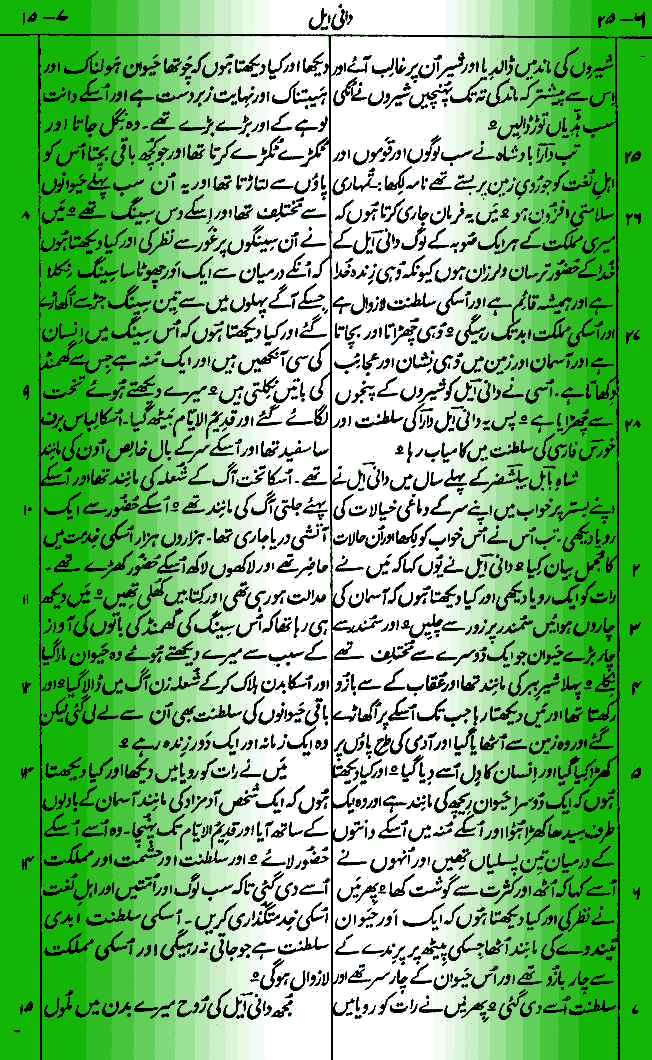
Then king Darius wrote unto all people nations and languages that dwell in all the earth Peace be multiplied unto you
Detailed Explanation (English)
Following Daniel’s miraculous survival in the lions’ den, King Darius issues a worldwide royal proclamation. This verse highlights the global reach of the Medo-Persian Empire, addressing every culture and language group under his control. The greeting “Peace be multiplied unto you” mimics standard Near Eastern diplomatic language but carries unique weight here. Darius recognizes that true peace is connected to the divine protection he just witnessed. For modern readers and ad-supported content platforms, this verse marks a major transition from a narrative of political persecution to a public acknowledgment of God’s sovereignty.
Detailed Explanation (Urdu)
جب دانیال علیہ السلام شیروں کی ماند سے معجزانہ طور پر محفوظ نکل آئے، تو دارا بادشاہ نے سلطنت کے تمام کونوں میں ایک شاہی فرمان جاری کیا۔ یہ آیت میڈیا اور فارس کی سلطنت کی وسعت کو ظاہر کرتی ہے جو تمام قوموں، نسلوں اور زبانوں پر محیط تھی۔ “تمہاری سلامتی افزوں ہو” کا جملہ اس دور کا روایتی اندازِ گفتگو تھا، لیکن یہاں اس کی اہمیت دانیال کے خدا کی قدرت دیکھنے کے بعد بہت بڑھ گئی تھی۔ دارا تسلیم کرتا ہے کہ حقیقی امن اس سچے خدا کی پناہ میں ہے جس نے دانیال کو بچایا۔
Daniel 6:26
Verse Text (Punctuation Ignored)
I make a decree That in every dominion of my kingdom men tremble and fear before the God of Daniel for he is the living God and stedfast for ever and his kingdom that which shall not be destroyed and his dominion shall be even unto the end
Detailed Explanation (English)
Darius’s decree takes a radical theological turn. A pagan emperor commands his entire empire to revere and fear “the God of Daniel.” He outlines key attributes of God: He is the “living God” (unlike silent idols), He is eternal (“stedfast for ever”), and His kingdom is completely indestructible. This stands in sharp contrast to human empires, which rise and fall. From a theological perspective, this decree previews the final, everlasting kingdom of God that will be heavily detailed in the visions of Chapter 7.
Detailed Explanation (Urdu)
دارا بادشاہ نے ایک ایسا فرمان جاری کیا جس نے پوری سلطنت کو ہلا کر رکھ دیا۔ ایک غیر قوم کے بادشاہ نے حکم دیا کہ پوری مملکت میں لوگ “دانیال کے خدا” کے سامنے کانپیں اور ڈریں۔ وہ خدا کی صفات بیان کرتا ہے کہ وہ “زندہ خدا” ہے، ہمیشہ قائم رہنے والا ہے، اور اس کی بادشاہی کبھی زوال پذیر نہیں ہوگی۔ یہ انسانی سلطنتوں کے بالکل برعکس ہے جو بنتی اور مٹتی رہتی ہیں۔ یہ آیت خدا کی ابدی بادشاہی کا اعلان کرتی ہے جس کا تذکرہ باب 7 میں تفصیل سے آئے گا۔
Daniel 6:27
Verse Text (Punctuation Ignored)
He delivereth and rescueth and he worketh signs and wonders in heaven and in earth who hath delivered Daniel from the power of the lions
Detailed Explanation (English)
Darius focuses on the practical, historical reality of God’s power. God is not distant; He actively delivers, rescues, and performs miracles (“signs and wonders”) across both heaven and earth. The specific proof of this cosmic power is the immediate, localized event: rescuing Daniel from physical lions. This verse bridges the gap between grand theological claims and real-world intervention, reassuring believers that God’s cosmic authority matters in daily personal crises.
Detailed Explanation (Urdu)
اس آیت میں دارا بادشاہ خدا کی عملی اور تاریخی قدرت پر توجہ مرکوز کرتا ہے۔ وہ بتاتا ہے کہ خدا دور یا الگ تھلگ نہیں ہے، بلکہ وہ زمین اور آسمان میں معجزات اور نشانات دکھاتا ہے اور اپنے بندوں کو چھڑاتا ہے۔ اس کائناتی طاقت کا سب سے بڑا ثبوت دانیال کو شیروں کے چنگل سے بچانا تھا۔ یہ آیت ثابت کرتی ہے کہ خدا کی حاکمیت صرف لفظی نہیں بلکہ حقیقی زندگی کے حالات میں بھی سچی ہے۔
Daniel 6:28
Verse Text (Punctuation Ignored)
So this Daniel prospered in the reign of Darius and in the reign of Cyrus the Persian
Detailed Explanation (English)
This verse concludes the narrative portion of Chapter 6 by summarizing Daniel’s ongoing success. Despite administrative plots, political shifts, and a literal death sentence, Daniel thrives through multiple regimes—the Median rule under Darius and the Persian rule under Cyrus. It highlights the reward of uncompromised faithfulness. Historically, it sets the stage for Chapter 7, shifting our focus from historical summaries back to the profound prophetic dreams Daniel received during these Babylonian and Persian transitions.
Detailed Explanation (Urdu)
یہ آیت باب 6 کے تاریخی حصے کا اختتام کرتی ہے اور دانیال کی مسلسل کامیابی کا خلاصہ پیش کرتی ہے۔ درباری سازشوں اور حکومتوں کی تبدیلی کے باوجود، دانیال نے دارا اور کورش (سائرس) دونوں کے دورِ حکومت میں ترقی پائی۔ یہ خدا کی وفاداری کا انعام تھا۔ یہ آیت اب ہمیں باب 7 کے نبوتی خوابوں کی طرف لے جاتی ہے جو دانیال پر ان سلطنتوں کے دور میں ظاہر ہوئے تھے۔
Chapter 7
Daniel 7:1
Verse Text (Punctuation Ignored)
In the first year of Belshazzar king of Babylon Daniel had a dream and visions of his head upon his bed then he wrote the dream and told the sum of the matters
Detailed Explanation (English)
Chapter 7 rewinds the timeline to the first year of Belshazzar’s co-regency in Babylon, long before the lions’ den incident. Daniel is no longer just interpreting other people’s dreams; he receives his own prophetic visions while resting. Recognizing their monumental importance, he immediately records the “sum of the matters.” This textual act ensures that the apocalyptic roadmap of world history is accurately preserved for future generations, marking a structural pivot from historical narrative to complex biblical prophecy.
Detailed Explanation (Urdu)
باب 7 کا آغاز وقت کو پیچھے لے جاتا ہے، جب بابل میں بلشضر بادشاہ کی حکومت کا پہلا سال تھا۔ یہاں دانیال دوسروں کے خوابوں کی تعبیر نہیں کر رہے، بلکہ انہیں خود بستر پر رویا (خواب) دکھائی دیتی ہے۔ اس خواب کی غیر معمولی اہمیت کو جانتے ہوئے انہوں نے اس کا خلاصہ لکھ لیا تاکہ آنے والی نسلوں کے لیے یہ نبوتیں محفوظ رہیں۔ یہیں سے کتاب کا رخ تاریخی واقعات سے ہٹ کر خالص پیشگوئیوں کی طرف مڑ جاتا ہے۔
Daniel 7:2
Verse Text (Punctuation Ignored)
Daniel spake and said I saw in my vision by night and behold the four winds of the heaven strove upon the great sea
Detailed Explanation (English)
Daniel begins describing his night vision using highly symbolic, apocalyptic imagery. The “four winds of heaven” represent cosmic or divine forces that stir up world events, acting from all directions. The “great sea” represents turbulent, unstable humanity or the chaotic nations of the earth. The clashing of the winds against the sea signifies major political upheavals, wars, and social shifts out of which worldly empires emerge.
Detailed Explanation (Urdu)
دانیال اپنے رات کے خواب کی تفصیل علامتی زبان میں شروع کرتے ہیں۔ “آسمان کی چاروں ہوائیں” کائناتی یا الٰہی قوتوں کو ظاہر کرتی ہیں جو دنیا کے حالات کو بدلتی ہیں۔ “بڑا سمندر” دنیا کی بے چین اور افراتفری کا شکار قوموں اور انسانیت کی علامت ہے۔ ہواؤں کا سمندر پر ٹکرانا ان بڑے سیاسی انقلابوں، جنگوں اور سماجی تبدیلیوں کی طرف اشارہ کرتا ہے جن کے نتیجے میں بڑی سلطنتیں جنم لیتی ہیں۔
Daniel 7:3
Verse Text (Punctuation Ignored)
And four great beasts came up from the sea diverse one from another
Detailed Explanation (English)
Out of the chaotic sea of humanity, four massive, terrifying beasts emerge. Each beast is completely distinct from the others, representing four consecutive world empires that dominate history and oppress God’s people. This directly mirrors the multi-metal statue in King Nebuchadnezzar’s dream from Chapter 2, but presents those same empires from God’s perspective: predatory, unnatural, and beastly.
Detailed Explanation (Urdu)
انسانیت کے اس بپھرے ہوئے سمندر سے چار بڑے اور خوفناک جانور نکلتے ہیں۔ ہر جانور دوسرے سے بالکل مختلف ہے، جو تاریخ میں یکے بعد دیگرے آنے والی چار بڑی عالمی سلطنتوں کو ظاہر کرتے ہیں جنہوں نے خدا کے لوگوں پر حکومت کی۔ یہ خواب نبوکدنضر کے باب 2 والے خواب کی مانند ہے، لیکن یہاں ان سلطنتوں کو خدا کی نظر سے دکھایا گیا ہے—یعنی خونخوار اور وحشی جانوروں کی طرح۔
Daniel 7:4
Verse Text (Punctuation Ignored)
The first was like a lion and had eagle s wings I beheld till the wings thereof were plucked and it was lifted up from the earth and made stand upon the feet as a man and a man s heart was given to it
Detailed Explanation (English)
The first beast combines the king of beasts (the lion) with the king of birds (the eagle), symbolizing the immense power, majesty, and speed of the Babylonian Empire. The plucking of its wings and its transformation into a creature standing like a man with a human heart describes the humbling of King Nebuchadnezzar (recounted in Chapter 4). His beast-like pride was broken, and he was given true human reason and humility before God.
Detailed Explanation (Urdu)
پہلا جانور ببر شیر کی مانند تھا جس کے عقاب کے سے پر تھے۔ یہ بابل کی سلطنت کی بے پناہ طاقت، جاہ و جلال اور تیز رفتاری کی علامت ہے۔ اس کے پروں کا نوچا جانا اور اس کا انسان کی طرح سیدھا کھڑا ہو کر انسانی دل پانا، نبوکدنضر بادشاہ کی عاجزی اور اس کی عقل کی بحالی کو ظاہر کرتا ہے (جس کا ذکر باب 4 میں ہے) جب اس کا غرور توڑا گیا تھا۔
Daniel 7:5
Verse Text (Punctuation Ignored)
And behold another beast a second like to a bear and it raised up itself on one side and it had three ribs in the mouth of it between the teeth of it and they said thus unto it Arise devour much flesh
Detailed Explanation (English)
The second beast is like a bear, representing the Medo-Persian Empire. Being raised up on one side highlights the imbalance of power between the two partners, as the Persian side eventually grew much stronger and more dominant than the Median side. The three ribs in its mouth signify its major conquests (typically identified as Babylon, Lydia, and Egypt). The command to “devour much flesh” points to the massive territorial expansion and aggressive military nature of the empire.
Detailed Explanation (Urdu)
دوسرا جانور ریچھ کی طرح تھا جو میڈیا اور فارس (ایران) کی سلطنت کو ظاہر کرتا ہے۔ اس کا ایک طرف سے اٹھا ہونا یہ دکھاتا ہے کہ فارس کا حصہ میڈیا کے حصے سے زیادہ طاقتور ہو گیا تھا۔ اس کے منہ میں موجود تین پسلیاں اس کی بڑی فتوحات (بابل، لودیہ، اور مصر) کی علامت ہیں۔ “اٹھ اور بہت سا گوشت کھا” کا حکم اس سلطنت کی زبردست فوجی توسیع پسندی کی طرف اشارہ کرتا ہے۔
Daniel 7:6
Verse Text (Punctuation Ignored)
After this I beheld and lo another like a leopard which had upon the back of it four wings of a fowl the beast had also four heads and dominion was given to it
Detailed Explanation (English)
The third beast is a leopard with four wings, representing the Greek Empire under Alexander the Great. A leopard is already agile, but the four wings indicate unprecedented, lightning-fast military conquests. The “four heads” represent the division of Alexander’s empire among his four leading generals (Cassander, Lysimachus, Seleucus, and Ptolemy) following his sudden death. Its authority (“dominion”) is explicitly granted by God, proving that human empires only rule within boundaries set by the Almighty.
Detailed Explanation (Urdu)
تیسرا جانور چیتے کی مانند تھا جس کی پیٹھ پر پرندے کے چار پر تھے۔ یہ الیگزینڈر اعظم (سکندرِ اعظم) کے زیرِ اثر یونانی سلطنت کو ظاہر کرتا ہے۔ چیتا پہلے ہی تیز رفتار ہوتا ہے، لیکن چار پر اس کی غیر معمولی اور بجلی کی رفتار سے حاصل ہونے والی فتوحات کی طرف اشارہ کرتے ہیں۔ “چار سر” سکندر کی اچانک موت کے بعد اس کی سلطنت کے چار جرنیلوں میں تقسیم ہونے کی علامت ہیں۔ اس جانور کو حکومت کا ملنا یہ ثابت کرتا ہے کہ دنیا کی طاقتیں خدا ہی کی اجازت سے قائم ہوتی ہیں۔
Daniel 7:7
Verse Text (Punctuation Ignored)
After this I saw in the night visions and behold a fourth beast dreadful and terrible and strong exceedingly and it had great iron teeth it devoured and brake in pieces and stamped the residue with the feet of it and it was diverse from all the beasts that were before it and it had ten horns
Detailed Explanation (English)
The fourth beast is so terrifying and unnatural that Daniel cannot even compare it to a normal animal. It represents the brutal power of the Roman Empire. Armed with giant iron teeth (matching the iron legs of Chapter 2), it destroys, crushes, and stamps down everything in its path. It is fundamentally different from previous empires due to its systematic, widespread destructive force. The “ten horns” represent a later stage of this kingdom, showing a future division or a coalition of rulers emerging from its remains.
Detailed Explanation (Urdu)
چوتھا جانور اتنا ہولناک اور عجیب تھا کہ دانیال اسے کسی عام جانور سے تشبیہ نہ دے سکے۔ یہ رومی سلطنت کی بے رحم طاقت کی علامت ہے۔ لوہے کے بڑے دانتوں کے ساتھ (جو باب 2 کی لوہے کی ٹانگوں سے میل کھاتے ہیں) یہ اپنے راستے میں آنے والی ہر چیز کو کچل دیتی ہے۔ یہ اپنی شدید تباہ کن صلاحیتوں کی وجہ سے پچھلی تمام سلطنتوں سے مختلف تھی۔ “دس سینگ” اس سلطنت کے بعد کے دور یا اس کی باقیات سے نکلنے والے حکمرانوں کے اتحاد کو ظاہر کرتے ہیں۔
Daniel 7:8
Verse Text (Punctuation Ignored)
I considered the horns and behold there came up among them another little horn before whom there were three of the first horns plucked up by the roots and behold in this horn were eyes like the eyes of man and a mouth speaking great things
Detailed Explanation (English)
As Daniel watches the ten horns, a new “little horn” emerges among them, uprooting three of the original horns. This represents a specific arrogant ruler or political force that rises to dominance by overthrowing rivals. The “eyes like the eyes of man” imply highly advanced human intelligence, cunning, and surveillance capabilities. The “mouth speaking great things” highlights arrogant, blasphemous boasts against God, identifying this figure as a major persecutor of faith.
Detailed Explanation (Urdu)
جب دانیال ان سینگوں کو غور سے دیکھ رہے تھے، تو ان کے درمیان سے ایک “چھوٹا سینگ” نکلا جس نے پہلے سینگوں میں سے تین کو جڑ سے اکھاڑ دیا۔ یہ ایک ایسے مغرور حکمران یا سیاسی قوت کو ظاہر کرتا ہے جو اپنے حریفوں کو ختم کر کے اقتدار میں آتا ہے۔ “انسان کی سی آنکھیں” گہری چالاکی، عقل اور نگرانی کی صلاحیتوں کو ظاہر کرتی ہیں۔ “بڑی بڑی باتیں کرنے والا منہ” خدا کے خلاف کفر اور تکبر کے دعووں کی علامت ہے۔
Daniel 7:9
Verse Text (Punctuation Ignored)
I beheld till the thrones were cast down and the Ancient of days did sit whose garment was white as snow and the hair of his head like the pure wool his throne was like the fiery flame and his wheels as burning fire
Detailed Explanation (English)
The scene abruptly shifts from chaotic earthly empires to the absolute serenity of the heavenly courtroom. Human thrones are set up or cast down, but God—the “Ancient of days”—takes His seat as the ultimate Judge. His white clothing and wool-like hair represent absolute purity, eternal wisdom, and flawless justice. The throne of “fiery flame” and its “burning fire wheels” (evoking Ezekiel’s vision) symbolize dynamic, unstoppable, purifying judgment that moves across history.
Detailed Explanation (Urdu)
منظر اچانک دنیاوی سلطنتوں کے ہنگاموں سے ہٹ کر آسمانی عدالت کی طرف مڑ جاتا ہے۔ دنیاوی تخت گرائے جاتے ہیں اور خدا—جو “قدیم الایام” (ازلی خدا) ہے—عدالت کی کرسی پر بیٹھتا ہے۔ اس کا برف جیسا سفید لباس اور اون جیسے بال مکمل پاکیزگی، ابدی حکمت اور بے عیب انصاف کو ظاہر کرتے ہیں۔ آگ کے شعلوں جیسا تخت اور اس کے جلتے ہوئے پہیے خدا کے متحرک، نہ رکنے والے اور پاک کرنے والے انصاف کی علامت ہیں۔
Daniel 7:10
Verse Text (Punctuation Ignored)
A fiery stream issued and came forth from before him thousand thousands ministered unto him and ten thousand times ten thousand stood before him the judgment was set and the books were opened
Detailed Explanation (English)
A river of fire flows from the presence of the Judge, showing that judgment is unpreventable. Millions of heavenly beings (“thousand thousands”) serve Him and stand ready to execute His decrees. The opening of “the books” means that a precise, unalterable record of all human actions, historical events, and imperial atrocities is laid bare before the court. This is the moment of cosmic accountability where human arrogance is legally evaluated.
Detailed Explanation (Urdu)
خدا کے حضور سے آگ کا ایک دریا نکلتا ہے جو ظاہر کرتا ہے کہ اس کے انصاف کو کوئی روک نہیں سکتا۔ لاکھوں آسمانی فرشتے اس کی خدمت میں حاضر کھڑے ہیں۔ “کتابوں کا کھولا جانا” اس بات کی علامت ہے کہ تمام انسانی اعمال، سلطنتوں کے مظالم اور تاریخ کا پورا ریکارڈ عدالت کے سامنے پیش کر دیا گیا ہے۔ یہ کائنات کا وہ احتساب ہے جہاں انسانی تکبر کا فیصلہ ہونا ہے۔
Daniel 7:11
Verse Text (Punctuation Ignored)
I beheld then because of the voice of the great words which the horn spake I beheld even till the beast was slain and his body destroyed and given to the burning flame
Detailed Explanation (English)
Daniel’s attention is drawn back to the little horn because of its continuous, arrogant blasphemies. However, despite its loud, boastful words, the horn has no power against heavenly judgment. The fourth beast is executed, its entire administrative body destroyed, and it is thrown completely into the fire. This verse demonstrates that oppressive world empires have a definite expiration date determined directly by God’s court.
Detailed Explanation (Urdu)
دانیال کی توجہ اس چھوٹے سینگ کی مغرورانہ اور کفریہ باتوں کی وجہ سے دوبارہ اس کی طرف جاتی ہے۔ لیکن اپنے تمام تر تکبر کے باوجود، آسمانی عدالت کے سامنے اس کی کوئی حیثیت نہیں۔ چوتھا جانور ہلاک کر دیا جاتا ہے، اس کا پورا وجود ختم کر کے آگ میں ڈال دیا جاتا ہے۔ یہ آیت ظاہر کرتی ہے کہ ظالم عالمی طاقتوں کی ایک آخری حد مقرر ہے جو خدا کے انصاف کے مطابق ختم ہو کر رہے گی۔
Daniel 7:12
Verse Text (Punctuation Ignored)
As concerning the rest of the beasts they had their dominion taken away yet their lives were prolonged for a season and time
Detailed Explanation (English)
This verse clarifies what happens to the first three beasts (Babylon, Medo-Persia, and Greece). When their political authority (“dominion”) was taken away by the next empire, their cultures, peoples, and historical influence were not wiped out instantly; their lives were extended for a set period. In contrast, the destruction of the fourth beast in the final judgment is absolute and total, leaving no remnant behind.
Detailed Explanation (Urdu)
یہ آیت پہلے تین جانوروں (بابل، فارس، یونان) کے انجام کی وضاحت کرتی ہے۔ جب اگلی سلطنت نے ان سے حکومت چھین لی، تو ان کا سیاسی اقتدار تو ختم ہو گیا لیکن ان کی ثقافت اور لوگ کچھ عرصے کے لیے باقی رہے۔ اس کے برعکس، چوتھے جانور کی حتمی تباہی بالکل آخری اور مکمل ہوگی جس کے بعد اس کا نام و نشان مٹ جائے گا۔
Daniel 7:13
Verse Text (Punctuation Ignored)
I saw in the night visions and behold one like the Son of man came with the clouds of heaven and came to the Ancient of days and they brought him near before him
Detailed Explanation (English)
This is one of the most vital messianic prophecies in the entire Old Testament. Unlike the terrifying, predatory beasts that rise out of the chaotic sea, a figure looking like a “Son of man” (a human figure) arrives with the clouds of heaven. He does not climb up from below; he descends from above. He approaches the Ancient of days and is formally ushered into the grand heavenly courtroom to receive ultimate authority.
Detailed Explanation (Urdu)
یہ پوری پرانی کتاب (عہدِ عتیق) کی اہم ترین مسیحائی پیشگوئیوں میں سے ایک ہے۔ ان خوفناک جانوروں کے برعکس جو سمندر کی افراتفری سے نکلے تھے، ایک ہستی “انسان کے بیٹے” (انسانی شکل) کی مانند آسمان کے بادلوں کے ساتھ آتی ہے۔ وہ نیچے سے اوپر نہیں اٹھتا بلکہ آسمان سے نازل ہوتا ہے۔ اسے قدیم الایام (خدا) کے سامنے لایا جاتا ہے تاکہ کائنات کا اقتدار سنبھالے۔
Daniel 7:14
Verse Text (Punctuation Ignored)
And there was given him dominion and glory and a kingdom that all people nations and languages should serve him his dominion is an everlasting dominion which shall not pass away and his kingdom that which shall not be destroyed
Explanation (English)
The Son of Man is granted total authority, glory, and royal sovereignty over the entire earth. Every ethnic group, nation, and language group is commanded to serve Him. Unlike the empires of the lion, bear, leopard, and terrifying beast, this divine kingdom is completely everlasting. It can never be overthrown, corrupted by time, or passed along to another successor empire. It is the ultimate culmination of world history.
Explanation (Urdu)
اس انسان کے بیٹے کو پوری زمین پر حاکمیت، جلال اور بادشاہی دی جاتی ہے۔ دنیا کی تمام قومیں، نسلیں اور زبانیں اس کی فرمانبرداری کریں گی۔ شیر، ریچھ، چیتے اور ہولناک جانور کی سلطنتوں کے برعکس، یہ الٰہی بادشاہی ابدی ہے۔ اسے نہ تو کبھی زوال آئے گا اور نہ ہی یہ کبھی کسی دوسری سلطنت کے قبضے میں جائے گی۔ یہ انسانی تاریخ کا آخری اور ابدی پڑاؤ ہے۔
Daniel 7:15
Verse Text (Punctuation Ignored)
I Daniel was grieved in my spirit in the midst of my body and the visions of my head troubled me
Explanation (English)
Despite seeing the eventual triumph of God’s kingdom, the sheer scale, violence, and intense spiritual weight of these visions leave Daniel deeply troubled and emotionally exhausted. The phrase “grieved in my spirit in the midst of my body” reflects deep, internalized anxiety. Apocalyptic prophecy is not entertainment; it reveals intense historical warfare, spiritual conflict, and human suffering before the final victory is achieved.
Explanation (Urdu)
خدا کی بادشاہی کی آخری فتح دیکھنے کے باوجود، ان رویوں (خوابوں) کی ہیبت، جنگوں اور گہرے روحانی بوجھ نے دانیال کو شدید پریشان اور ذہنی طور پر تھکا دیا۔ “میری روح میرے بدن میں غمگین ہوئی” کا جملہ دلی بے چینی کو ظاہر کرتا ہے۔ نبوتی خواب کوئی تفریح نہیں ہوتے، بلکہ یہ حتمی کامیابی سے پہلے آنے والی بڑی تاریخی جنگوں، آزمائشوں اور انسانی تکالیف کو ظاہر کرتے ہیں جنہیں دیکھ کر دانیال پریشان ہو گئے۔