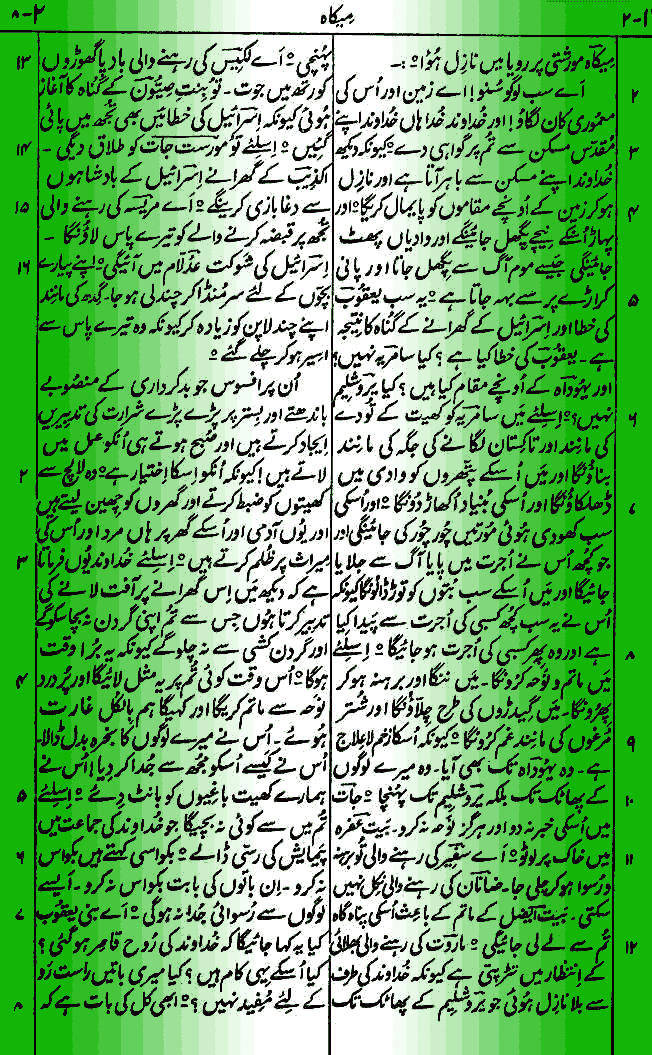
Micah Chapter 1: Divine Judgment and Prophetic Lamentation
Micah 1:2
Verse: Hear all ye people hearken O earth and all that therein is and let the Lord GOD be witness against you the Lord from his holy temple.
English Explanation
The Prophet Micah begins with a dramatic, universal summons. He calls upon all nations and the physical earth itself to act as a jury. God is stepping out of His holy temple not just as a distant creator, but as a formal witness and prosecutor against His covenant people due to their deep moral compromise. It highlights the cosmic accountability of human behavior.
Urdu Explanation
نبِی میکاہ ایک ڈرامائی اور عالمگیر پکار کے ساتھ آغاز کرتے ہیں۔ وہ تمام قوموں اور زمین کو ایک گواہ بننے کی دعوت دیتے ہیں۔ خدا اپنے مقدس ہیکل سے باہر قدم رکھ رہا ہے، نہ صرف ایک خالق کے طور پر بلکہ اپنے لوگوں کے خلاف ایک باقاعدہ گواہ اور مدعی کے طور پر، کیونکہ انہوں نے شدید اخلاقی اور روحانی سمجھوتہ کیا ہے۔ یہ آیت انسانی رویوں کے عالمگیر احتساب کو ظاہر کرتی ہے۔
Micah 1:3
Verse: For behold the LORD cometh forth out of his place and will come down and tread upon the high places of the earth.
English Explanation
This verse uses powerful anthropomorphic language to depict the imminence of divine judgment. God is described as “coming forth” out of His heavenly dwelling place to step down upon the earth. The “high places” refer literally to mountain peaks and metaphorically to the elevated pagan altars where Israel committed idolatry. God will crush these symbols of human pride.
Urdu Explanation
یہ آیت خدائی عدالت کی آمد کو ظاہر کرنے کے لیے زبردست استعاراتی زبان استعمال کرتی ہے۔ خدا کو اپنے آسمانی ٹھکانے سے “باہر آتے” اور زمین پر اترتے ہوئے بیان کیا گیا ہے۔ “اونچے مقامات” سے مراد پہاڑی چوٹیاں بھی ہیں اور علامتی طور پر وہ مشرکانہ قربان گاہیں بھی ہیں جہاں اسرائیل بت پرستی کرتا تھا۔ خدا انسانی تکبر کی ان علامتوں کو پامال کر دے گا۔
Micah 1:4
Verse: And the mountains shall be molten under him and the valleys shall be cleft as wax before the fire and as the waters that are poured down a steep place.
English Explanation
Micah uses apocalyptic, poetic imagery to describe the sheer power of God’s presence. The solid mountains melt like wax near a flame, and valleys split open like rushing water cascading down a steep cliff. This demonstrates that no human stronghold or natural defense can withstand divine reckoning when structural injustice and systemic sin are being addressed.
Urdu Explanation
میکاہ خدا کے جلال اور قدرت کو بیان کرنے کے لیے تمثیلی زبان استعمال کرتے ہیں۔ ٹھوس پہاڑ آگ کے سامنے موم کی طرح پگھل جاتے ہیں، اور وادیاں اس طرح پھٹ جاتی ہیں جیسے کھڑی ڈھلان سے تیز بہتا ہوا پانی۔ یہ ظاہر کرتا ہے کہ جب خدا کی عدالت نازل ہوتی ہے، تو کوئی بھی انسانی قلعہ یا قدرتی پناہ گاہ اس کا مقابلہ نہیں کر سکتی۔
Micah 1:5
Verse: For the transgression of Jacob is all this and for the sins of the house of Israel. What is the transgression of Jacob? is it not Samaria? and what are the high places of Judah? are they not Jerusalem?
English Explanation
The prophet explicitly names the root cause of this cosmic upheaval: the sins of God’s chosen people (Jacob/Israel). Micah pinpoints the capital cities—Samaria in the North and Jerusalem in the South. Instead of being centers of holiness, these major urban centers had become fountainheads of idolatry, corruption, and social oppression, misleading the entire nation.
Urdu Explanation
نبِی واضح طور پر اس الٰہی غضب کی بنیادی وجہ بتاتے ہیں: خدا کے چنے ہوئے لوگوں (یعقوب/اسرائیل) کے گناہ۔ میکاہ دارالحکومتوں کی نشاندہی کرتے ہیں—شمال میں سامریہ اور جنوب میں یروشلم۔ مقدس مراکز ہونے کے بجائے، یہ بڑے شہری علاقے بت پرستی، بدعنوانی اور سماجی ظلم کے گڑھ بن چکے تھے، جس نے پوری قوم کو گمراہ کیا۔
Micah 1:6
Verse: Therefore I will make Samaria as an heap of the field and as plantings of a vineyard and I will pour down the stones thereof into the valley and I will discover the foundations thereof.
English Explanation
Because of Samaria’s corruption, God pronounces its complete physical destruction. The fortified city will be reduced to an open field, flattened to the point where it looks like a place prepared for planting grapes. Its grand stone buildings will be cast down into the valleys, stripping the city right down to its bedrock foundations. This was historically fulfilled during the Assyrian invasion.
Urdu Explanation
سامریہ کی بدعنوانی کی وجہ سے، خدا اس کی مکمل تباہی کا اعلان کرتا ہے۔ اس قلعہ بند شہر کو ایک کھلے کھیت میں تبدیل کر دیا جائے گا، یہاں تک کہ یہ انگوروں کے باغ لگانے کی جگہ معلوم ہوگی۔ اس کی عظیم الشان پتھر کی عمارتیں وادیوں میں گرا دی جائیں گی، جس سے شہر کی بنیادیں تک ننگی ہو جائیں گی۔ یہ پیشگوئی تاریخی طور پر اسوری حملے کے دوران پوری ہوئی۔
Micah 1:7
Verse: And all the graven images thereof shall be beaten to pieces and all the hires thereof shall be burned with the fire and all the idols thereof will I lay desolate for she gathered it of the hire of an harlot and they shall return to the hire of an harlot.
English Explanation
The wealth and religious idols of Samaria will be utterly destroyed. Micah exposes the spiritual adultery of the nation, comparing their idol worship and the wealth acquired through corrupt alliances to the “hire of a harlot.” What was gained through unfaithfulness to God will be plundered and taken away by pagan invaders, returning full circle to an unholy source.
Urdu Explanation
سامریہ کے تمام تراشے ہوئے بت اور دولت مٹی میں ملا دیے جائیں گے۔ میکاہ قوم کی روحانی بدکاری کو بے نقاب کرتے ہیں، اور بت پرستی اور بدعنوانی کے ذریعے حاصل کی گئی دولت کو “فاحشہ کی اجرت” سے تشبیہ دیتے ہیں۔ جو کچھ خدا کے ساتھ بے وفائی کے ذریعے حاصل کیا گیا تھا، اسے غیر قوموں کے حملہ آور لوٹ لیں گے، اور وہ دولت دوبارہ اسی ناپاک حالت میں لوٹ جائے گی۔
Micah 1:8
Verse: Therefore I will wail and howl I will go stripped and naked I will make a wailing like the dragons and mourning as the owls.
English Explanation
Unlike the false prophets who felt no grief over judgment, Micah is deeply broken-hearted. He expresses his overwhelming sorrow by stripping off his outer garments (a sign of mourning and captivity) and crying out with mournful sounds compared to jackals (“dragons”) and ostriches (“owls”). This shows that true prophetic ministry balances hard truths with deep pastoral grief.
Urdu Explanation
ان جھوٹے نبیوں کے برعکس جنہیں آنے والی تباہی کا کوئی دکھ نہیں تھا، میکاہ کا دل گہرے رنج سے ٹوٹا ہوا ہے۔ وہ اپنے بیرونی لباس کو اتار کر (جو ماتم اور قید کی علامت ہے) اپنے شدید غم کا اظہار کرتے ہیں، اور گیدڑوں اور شتر مرغوں کی طرح دردناک آوازوں میں روتے ہیں۔ یہ ظاہر کرتا ہے کہ حقیقی نبوت سخت سچائی کے ساتھ گہرے ہمدردانہ غم کا توازن ہے۔
Micah 1:9
Verse: For her wound is incurable for it is come unto Judah he is come unto the gate of my people even to Jerusalem.
English Explanation
The spiritual disease and imminent political destruction of Samaria are declared “incurable.” The tragedy does not stop in the Northern Kingdom; the spiritual rot and the invading military forces have marched right down to the Southern Kingdom of Judah, knocking directly at the literal gates of Jerusalem.
Urdu Explanation
سامریہ کی روحانی بیماری اور آنے والی سیاسی تباہی کو “لاعلاج” قرار دیا گیا ہے۔ سانحہ صرف شمالی سلطنت تک ہی محدود نہیں رہتا؛ روحانی خرابی اور حملہ آور فوجیں یہوداہ کی جنوبی سلطنت تک پہنچ چکی ہیں اور براہِ راست یروشلم کے پھاٹک پر دستک دے رہی ہیں۔
Micah 1:10
Verse: Declare ye it not at Gath weep ye not at all in the house of Aphrah roll thyself in the dust.
English Explanation
Micah employs a brilliant series of Hebrew puns based on town names to describe the coming advance of the invading army. He warns not to announce the defeat in the Philistine city of Gath, so the enemy won’t rejoice. In “Beth-le-aphrah” (which means House of Dust), he tells the people to literally roll themselves in dust as an expression of absolute humiliation and despair.
Urdu Explanation
میکاہ حملہ آور فوج کی پیش قدمی کو بیان کرنے کے لیے شہروں کے ناموں پر مبنی عبرانی الفاظ کے ہیر پھیر (پنز) کا خوبصورت استعمال کرتے ہیں۔ وہ خبردار کرتے ہیں کہ فلستی شہر جات میں اس شکست کا اعلان نہ کریں، تاکہ دشمن خوش نہ ہوں۔ “بیت عفرہ” (جس کا مطلب ہے مٹی کا گھر) میں وہ لوگوں سے کہتے ہیں کہ وہ مطلق ذلت اور مایوسی کے اظہار کے طور پر اپنے آپ کو مٹی میں رول کریں۔
Micah 1:11
Verse: Pass ye away thou inhabitant of Saphir having thy shame naked the inhabitant of Zaanan came not forth in the mourning of Beth-ezel he shall receive of you his standing.
English Explanation
Continuing his wordplay, Micah addresses “Saphir” (meaning Beautiful City), telling them they will be led away into captivity in nakedness and shame. The people of “Zaanan” (meaning March Out) will be too paralyzed by fear to march out or help their neighbors in “Beth-ezel” (House of Nearness), who can no longer provide safety or support.
Urdu Explanation
اپنے الفاظ کے کھیل کو جاری رکھتے ہوئے، میکاہ “شفیر” (خوبصورت شہر) سے مخاطب ہو کر کہتے ہیں کہ وہ ننگے پن اور شرمندگی کی حالت میں قید کر لیے جائیں گے۔ “ضانان” (باہر نکلنا) کے لوگ اتنے خوفزدہ ہوں گے کہ وہ باہر نکلنے یا اپنے پڑوسیوں “بیت ایصل” (نزدیکی کا گھر) کی مدد کرنے کی ہمت نہیں پائیں گے، جو اب خود محفوظ نہیں ہے۔
Micah 1:12
Verse: For the inhabitant of Maroth waited carefully for good but evil came down from the LORD unto the gate of Jerusalem.
English Explanation
The citizens of “Maroth” (meaning Bitterness) anxiously hoped and waited for good news or relief. However, because of the collective unfaithfulness of the nation, distress and calamity sent by the Lord have bypassed their defenses and reached all the way to the gateway of Jerusalem itself.
Urdu Explanation
“مروت” (کڑواہٹ) کے باشندے بے تابی سے کسی اچھی خبر یا ریلیف کا انتظار کر رہے تھے۔ تاہم، قوم کی مجموعی بے وفائی کی وجہ سے، خداوند کی طرف سے بھیجی گئی مصیبت ان کے تمام دفاعوں کو عبور کرتی ہوئی براہِ راست یروشلم کے پھاٹک تک پہنچ گئی ہے۔
Micah 1:13
Verse: O thou inhabitant of Lachish bind the chariot to the swift beast she is the beginning of the sin to the daughter of Zion for the transgressions of Israel were found in thee.
English Explanation
Lachish was a major chariot city and military stronghold. Micah tells them to hitch up horses to flee. Lachish is explicitly blamed for being the entry point where the corrupt, idolatrous practices of the Northern Kingdom (Israel) infected the Southern Kingdom (Zion/Jerusalem). Reliance on military might over God led to their spiritual downfall.
Urdu Explanation
لاخیش ایک اہم جنگی رتھوں کا شہر اور فوجی گڑھ تھا۔ میکاہ ان سے کہتا ہے کہ بھاگنے کے لیے گھوڑوں کو رتھ کے ساتھ باندھیں۔ لاخیش پر واضح طور پر یہ الزام لگایا گیا ہے کہ وہ وہ داخلہ نقطہ تھا جہاں سے شمالی سلطنت (اسرائیل) کے بت پرستانہ طور طریقے جنوبی سلطنت (صہیون/یروشلم) میں داخل ہوئے۔ خدا پر بھروسہ کرنے کے بجائے اپنی فوجی طاقت پر بھروسہ کرنا ان کے زوال کا سبب بنا۔
Micah 1:14
Verse: Therefore shalt thou give presents to Moresheth-gath the houses of Achzib shall be a lie to the kings of Israel.
English Explanation
Judah will be forced to give farewell gifts or tribute payments to Moresheth-gath (Micah’s own hometown) as it falls to the enemy. Furthermore, the town of “Achzib” (meaning Deception) will live up to its name, proving to be a complete deception and failure to the kings of Israel who relied on it for resources or military defense.
Urdu Explanation
یہوداہ کو مورشہ جات (میکاہ کا اپنا آبائی شہر) کو الوداعی تحائف یا خراج دینے پر مجبور ہونا پڑے گا کیونکہ وہ دشمن کے قبضے میں جا رہا ہے۔ مزید برآں، “اکزیب” (جس کا مطلب ہے دھوکہ) نامی قصبہ اپنے نام کی طرح سچ ثابت ہوگا، اور اسرائیل کے بادشاہوں کے لیے ایک مکمل دھوکہ اور ناکامی ثابت ہوگا جنہوں نے اس کے وسائل پر بھروسہ کیا تھا۔
Micah 1:15
Verse: Yet will I bring an heir unto thee O inhabitant of Mareshah he shall come unto Adullam the glory of Israel.
English Explanation
God states He will bring a new “heir” or conqueror to “Mareshah” (meaning Possession), who will take possession of the town. The leadership and nobles—referred to poetically as “the glory of Israel”—will be forced to flee and hide in the caves of Adullam, just as David did when he was a hunted fugitive.
Urdu Explanation
خدا فرماتا ہے کہ وہ “مریشہ” (جس کا مطلب ہے قبضہ) میں ایک نیا وارث یا فاتح لائے گا جو اس شہر پر قبضہ کر لے گا۔ قوم کے معززین اور رہنما—جنہیں شاعرانہ طور پر “اسرائیل کا جلال” کہا گیا ہے—عدلام کے غاروں میں چھپنے پر مجبور ہوں گے، بالکل اسی طرح جیسے داؤد نے مفروری کے دنوں میں کیا تھا۔
Micah 1:16
Verse: Make thee bald and poll thee for thy delicate children enlarge thy baldness as the eagle for they are gone into captivity from thee.
English Explanation
The chapter closes with a command to express intense corporate grief. Shaving the head was an ancient Near Eastern sign of deep mourning. The people are told to mourn bitterly for their precious, beloved children, because they are destined to be stripped away from their families and dragged off into exile and foreign captivity.
Urdu Explanation
یہ باب شدید ماتم اور غم کا اظہار کرنے کے حکم کے ساتھ ختم ہوتا ہے۔ سر منڈوانا قدیم دور میں گہرے دکھ کی علامت تھا۔ لوگوں سے کہا گیا ہے کہ وہ اپنے پیارے بچوں کے لیے تلخی سے روئیں، کیونکہ انہیں ان کے خاندانوں سے چھین کر جلاوطنی اور غیر ملکی غلامی میں دھکیل دیا جائے گا۔
Micah Chapter 2: Social Injustice and the True Deliverer
Micah 2:1
Verse: Woe to them that devise iniquity and work evil upon their beds when the morning is light they practise it because it is in the power of their hand.
English Explanation
Micah shifts focus from idolatry to social injustice. He pronounces a severe warning (“Woe”) on the wealthy elites who spend their night hours plotting fraud and oppression while resting in bed. As soon as day breaks, they execute their wicked plans simply because they possess the systemic power, wealth, and legal influence to exploit others without consequence.
Urdu Explanation
میکاہ اپنی توجہ بت پرستی سے ہٹا کر سماجی ناانصافی پر مرکوز کرتے ہیں۔ وہ ان امیر طبقوں کو سخت تنبیہ (“افسوس”) سناتے ہیں جو رات کے وقت بستروں پر لیٹ کر ظلم اور فریب کے منصوبے بناتے ہیں۔ جیسے ہی صبح ہوتی ہے، وہ اپنے برے منصوبوں پر عمل درآمد کرتے ہیں کیونکہ ان کے پاس غریبوں کا استحصال کرنے کی طاقت، دولت اور اثر و رسوخ موجود ہوتا ہے۔
Micah 2:2
Verse: And they covet fields and take them by violence and houses and take them away so they oppress a man and his house even a man and his heritage.
English Explanation
This verse details their corrupt actions: violating the ancestral land laws of Israel. These elite individuals greedily desire and violently seize fields and homes belonging to vulnerable citizens. In doing so, they don’t just steal real estate; they rob families of their multi-generational heritage, livelihood, and economic independence, destroying entire households.
Urdu Explanation
یہ آیت ان کے کرپٹ اقدامات کی تفصیل بتاتی ہے: وہ اسرائیل کے موروثی زمین کے قوانین کی خلاف ورزی کرتے ہیں۔ یہ امیر لوگ لالچ میں آ کر غریب شہریوں کے کھیتوں اور گھروں پر زبردستی قبضہ کر لیتے ہیں۔ ایسا کرنے سے وہ نہ صرف جائیداد چراتے ہیں بلکہ خاندانوں کو ان کی نسل در نسل وراثت، روزگار اور معاشی آزادی سے محروم کر کے پورے گھرانوں کو تباہ کر دیتے ہیں۔
Micah 2:3
Verse: Therefore thus saith the LORD Behold against this family do I devise an evil from which ye shall not remove your necks neither shall ye go haughtily for this time is evil.
English Explanation
God responds directly to the conspirators with poetic justice. Since they “devised” evil against the poor, God is “devising” a catastrophic judgment against them. This judgment will be like an inescapable yoke placed tightly around their necks, stripping them of their arrogant, haughty attitude because the days ahead will be filled with disaster.
Urdu Explanation
خدا ان سازشیوں کو مکافاتِ عمل کے تحت براہِ راست جواب دیتا ہے۔ چونکہ انہوں نے غریبوں کے خلاف برائی کے “منصوبے” بنائے تھے، اس لیے خدا ان کے خلاف ایک بڑی تباہی کا “منصوبہ” بنا رہا ہے۔ یہ عدالت ان کی گردنوں کے گرد ایک ایسے جوئے کی طرح ہوگی جس سے وہ بھاگ نہیں سکیں گے، اور ان کا سارا غرور اور تکبر خاک میں مل جائے گا کیونکہ آنے والا وقت مصیبت کا ہوگا۔
Micah 2:4
Verse: In that day shall one take up a parable against you and lament with a doleful lamentation and say We be utterly spoiled he hath changed the portion of my people how hath he removed it from me turning away he hath divided our fields.
English Explanation
When judgment falls, the oppressors themselves will become the subjects of mocking songs and taunts. A bitter lament will be sung over them, capturing their absolute ruin. They will cry out that they are completely ruined because God has taken away their stolen lands and handed their valuable fields over to foreign invaders.
Urdu Explanation
جب خدا کی عدالت نازل ہوگی، تو یہ ظالم خود مذاق اور طعنوں کا نشانہ بنیں گے۔ ان کی مکمل بربادی پر ایک دردناک مرثیہ گایا جائے گا۔ وہ چیخ اٹھیں گے کہ وہ پوری طرح تباہ ہو چکے ہیں کیونکہ خدا نے ان کی چوری کی ہوئی زمینیں ان سے چھین کر غیر ملکی حملہ آوروں میں تقسیم کر دی ہیں۔
Micah 2:5
Verse: Therefore thou shalt have none that shall cast a cord by lot in the congregation of the LORD.
English Explanation
Because these wealthy oppressors illegally manipulated land boundaries and seized property, they will face a devastating penalty. In the future restoration or redistributing of land within the community of the Lord, none of their descendants will be present to cast a measuring line or claim an inheritance. They are permanently cut off.
Urdu Explanation
چونکہ ان امیر ظالموں نے غیر قانونی طور پر زمین کی حدود کو بدلا تھا اور جائیدادوں پر قبضہ کیا تھا، اس لیے انہیں سخت سزا کا سامنا کرنا پڑے گا۔ مستقبل میں جب خداوند کی جماعت میں زمینوں کی دوبارہ تقسیم ہوگی، تو ان کی نسل میں سے کوئی بھی ناپنے کی رسی ڈالنے یا اپنی وراثت کا دعویٰ کرنے کے لیے موجود نہیں ہوگا۔ وہ ہمیشہ کے لیے محروم کر دیے گئے ہیں۔
Micah 2:6
Verse: Prophesy ye not say they to them that prophesy they shall not prophesy to them that they shall not take shame.
English Explanation
The corrupt leaders and false prophets try to silence Micah and other true messengers of God. They say, “Stop preaching! Do not prophesy such negative things!” They prefer comfortable lies over uncomfortable truths, believing that by silencing the message of warning, they can somehow escape the public shame and incoming disaster.
Urdu Explanation
بدعنوان رہنما اور جھوٹے نبی، میکاہ اور خدا کے دوسرے سچے پیغمبروں کو خاموش کرنے کی کوشش کرتے ہیں۔ وہ کہتے ہیں، “نبوت کرنا بند کرو! ایسی منفی باتیں مت کہو!” وہ سچی تنبیہ سننے کے بجائے آرام دہ جھوٹ کو ترجیح دیتے ہیں، یہ سوچ کر کہ اگر وہ پیغام لانے والے کو خاموش کر دیں گے تو وہ ذلت اور آنے والی تباہی سے بچ جائیں گے۔
Micah 2:7
Verse: O thou that art named the house of Jacob is the spirit of the LORD straitened are these his doings do not my words do good to him that walketh uprightly?
English Explanation
Micah confronts the false security of the people who rely merely on their spiritual title (“the house of Jacob”). He asks two rhetorical questions: Is God’s patience exhausted? Does He delight in punishing people? Micah clarifies that God’s words are inherently good, life-giving, and protective for anyone who walks uprightly and practices justice. Judgment is only triggered by rebellion.
Urdu Explanation
میکاہ ان لوگوں کے جھوٹے تحفظ کو چیلنج کرتے ہیں جو صرف اپنے روحانی نام (“یعقوب کا گھرانہ”) پر بھروسہ کرتے ہیں۔ وہ دو سوال پوچھتے ہیں: کیا خداوند کا صبر ختم ہو گیا ہے؟ کیا وہ لوگوں کو سزا دینے سے خوش ہوتا ہے؟ میکاہ واضح کرتے ہیں کہ خدا کے کلام ان لوگوں کے لیے ہمیشہ اچھے، زندگی بخش اور محافظ ہوتے ہیں جو راستی پر چلتے ہیں اور انصاف کرتے ہیں۔ عدالت صرف سرکشی کی وجہ سے نازل ہوتی ہے۔
Micah 2:8
Verse: Even of late my people is risen up as an enemy ye pull off the robe with the garment from them that pass by securely as men averse from war.
English Explanation
God brings specific charges against the ruling class, stating that they are behaving like an invading army against their own countrymen. They ambush peaceful, unsuspecting citizens who are walking by without any thoughts of conflict or war. These predators strip the valuable outer cloaks and garments off the poor, leaving them exposed and destitute.
Urdu Explanation
خدا حکمران طبقے کے خلاف مخصوص الزامات عائد کرتا ہے، اور فرماتا ہے کہ وہ اپنے ہی ہم وطنوں کے خلاف ایک دشمن فوج کی طرح سلوک کر رہے ہیں۔ وہ ان پرامن اور بے خبر شہریوں کو لوٹ لیتے ہیں جو جنگ یا لڑائی کا سوچ بھی نہیں رہے ہوتے۔ یہ ظالم غریبوں کے قیمتی بیرونی لباس اور چادریں تک چھین لیتے ہیں، اور انہیں بے سہارا اور ننگا چھوڑ دیتے ہیں۔