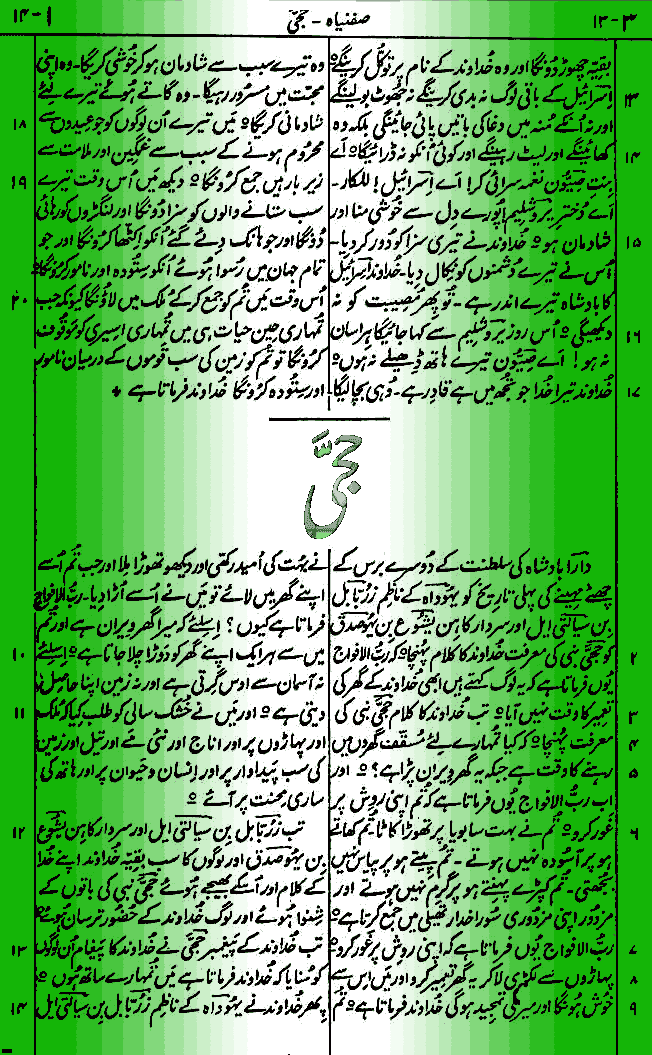
Part 1: Zephaniah Chapter 3 (Verses 13–20)
Verse 13
Verse: The remnant of Israel shall not do iniquity nor speak lies neither shall a deceitful tongue be found in their mouth for they shall feed and lie down and none shall make them afraid
English Explanation
This verse describes the moral and spiritual transformation of the surviving remnant of Israel. God promises to cleanse His people from the inside out. They will no longer practice wickedness or speak falsehoods, ensuring a community built on absolute truth and integrity. Because of this spiritual renewal, God will grant them perfect peace and security. The imagery of feeding and lying down portrays them as a flock under the care of the Good Shepherd, completely safe from external threats and internal anxieties.
Urdu Explanation
آیت 13
اس آیت میں اسرائیل کے بچے ہوئے لوگوں کی اخلاقی اور روحانی تبدیلی کو بیان کیا گیا ہے۔ خدا وعدہ کرتا ہے کہ وہ اپنے لوگوں کو پاک کرے گا۔ وہ نہ تو گناہ کریں گے اور نہ ہی جھوٹ بولیں گے، جس سے ایک سچی اور پاکیزہ جماعت قائم ہوگی۔ اس روحانی پاکیزگی کی وجہ سے، خدا انہیں کامل امن اور سکون عطا کرے گا۔ چرنے اور آرام سے لیٹنے کی تصویر کشی یہ ظاہر کرتی ہے کہ وہ ایک اچھے چرواہے کی نگرانی میں محفوظ بھیڑیں ہیں جنہیں کسی دشمن یا خوف کا سامنا نہیں ہوگا۔
Verse 14
Verse: Sing O daughter of Zion shout O Israel be glad and rejoice with all the heart O daughter of Jerusalem
English Explanation
A passionate call to exuberant praise and worship. The titles “daughter of Zion,” “Israel,” and “daughter of Jerusalem” encompass the entire redeemed community of God. After a season of judgment and discipline, the time for mourning has ended. God commands His people to express deep, uninhibited joy because their restoration is secure. It highlights that true joy comes from a restored relationship with the Creator.
Urdu Explanation
آیت 14
یہ آیت خدا کی امت کو پورے دل سے ستائش اور شکرگزاری کرنے کی دعوت دیتی ہے۔ “دخترِ صیون”، “اسرائیل” اور “دخترِ یروشلم” کے القاب خدا کے نجات یافتہ لوگوں کے لیے استعمال ہوئے ہیں۔ عدالت اور سزا کا دور ختم ہو چکا ہے، اور اب خوشی منانے کا وقت ہے۔ خدا اپنے لوگوں کو حکم دیتا ہے کہ وہ دلی خوشی کا اظہار کریں کیونکہ ان کی بحالی ہو چکی ہے، جو یہ ظاہر کرتا ہے کہ حقیقی خوشی خدا کے ساتھ تعلق بحال ہونے سے ملتی ہے۔
Verse 15
Verse: The LORD hath taken away thy judgments he hath cast out thine enemy the king of Israel even the LORD is in the midst of thee thou shalt not see evil any more
English Explanation
The reason for Israel’s radical joy is twofold: legal acquittal and divine presence. First, God has canceled the judgments and sentences passed against them due to their sins, casting out their enemies. Second, the Lord Himself reigns in their midst as King. Because the sovereign, almighty Creator is dwelling among them, they are guaranteed ultimate protection. They will never again experience the devastating evil of exile or destruction.
Urdu Explanation
آیت 15
اسرائیل کی اس عظیم خوشی کی دو بڑی وجوہات ہیں: گناہوں کی معافی اور خدا کی موجودگی۔ اول، خدا نے ان کے گناہوں کی وجہ سے ملنے والی سزاؤں کو منسوخ کر دیا ہے اور ان کے دشمنوں کو بھگا دیا ہے۔ دوم، خود رب ان کے درمیان بادشاہ بن کر رہ رہا ہے۔ جب قادرِ مطلق خدا ان کے درمیان موجود ہے، تو انہیں کامل تحفظ حاصل ہے، اور وہ دوبارہ کبھی تباہی اور بربادی کی برائی نہیں دیکھیں گے۔
Verse 16
Verse: In that day it shall be said to Jerusalem Fear thou not and to Zion Let not thine hands be slack
English Explanation
“In that day” points to the prophetic era of ultimate restoration. Fear is paralyzing, so God explicitly commands His people to banish fear from their hearts. Furthermore, they are told “let not thine hands be slack,” which means they should not become discouraged, weak, or lazy. Freed from fear, they are called to be strong, active, and diligent in serving God and rebuilding their lives under His favor.
Urdu Explanation
آیت 16
“اس دن” سے مراد بحالی کا وہ نبوتی دور ہے۔ خوف انسان کو مفلوج کر دیتا ہے، اس لیے خدا اپنے لوگوں کو دل سے خوف نکالنے کا حکم دیتا ہے۔ مزید یہ کہ انہیں اپنے ہاتھ ڈھیلے نہ چھوڑنے کی ہدایت کی گئی ہے، یعنی وہ مایوس یا سست نہ ہوں۔ خوف سے آزادی پا کر، انہیں خدا کی خدمت اور اپنی زندگیوں کی ازسرِنو تعمیر کے لیے مضبوط اور سرگرم ہونے کی تاکید کی گئی ہے۔
Verse 17
Verse: The LORD thy God in the midst of thee is mighty he will save he will rejoice over thee with joy he will rest in his love he will joy over thee with singing
English Explanation
One of the most beautiful and comforting verses in the Old Testament. It reveals God not just as a distant ruler, but as a mighty Savior living among His people. He does not merely tolerate His redeemed; He delights in them. The phrase “he will rest in his love” indicates a deep, silent, satisfying affection that requires no further adjustments. Amazingly, the text notes that God Himself breaks into joyous singing over His people, celebrating their salvation.
Urdu Explanation
آیت 17
یہ پرانے عہد نامے کی خوبصورت ترین اور تسلی بخش آیات میں سے ایک ہے۔ یہ خدا کو ایک دور رہنے والے حاکم کے طور پر نہیں، بلکہ اپنے لوگوں کے درمیان رہنے والے ایک قادرِ مطلق نجات دہندہ کے طور پر پیش کرتی ہے۔ وہ اپنے لوگوں سے نہ صرف پیار کرتا ہے بلکہ ان سے خوش ہوتا ہے۔ “وہ اپنی محبت میں آرام کرے گا” کا مطلب ہے کہ اس کی محبت کامل اور غیر تبدیل شدہ ہے۔ اور سب سے حیران کن بات یہ ہے کہ خدا خود اپنے لوگوں کی نجات پر خوشی کے گیت گاتا ہے۔
Verse 18
Verse: I will gather them that are sorrowful for the solemn assembly who are of thee to whom the reproach of it was a burden
English Explanation
During exile, faithful Israelites wept because they could not attend the prescribed religious feasts and solemn assemblies in Jerusalem. Their inability to worship publicly was a heavy emotional and spiritual burden, and pagan nations mocked them for it. God promises to look upon these sorrowful, faithful believers, gather them back from captivity, and remove the heavy burden of shame and reproach they carried.
Urdu Explanation
آیت 18
جلاوطنی کے دوران، ایماندار اسرائیلی اس لیے غمگین تھے کیونکہ وہ یروشلم میں خدا کی عیدوں اور مقدس محفلوں میں شریک نہیں ہو سکتے تھے۔ عوامی عبادت نہ کر پانا ان کے لیے ایک بڑا روحانی بوجھ تھا، اور غیر قومیں ان کا مذاق اڑاتی تھیں۔ خدا وعدہ کرتا ہے کہ وہ ان غمگینوں کو جمع کرے گا اور ان کی ملامت اور شرمندگی کے بوجھ کو دور کر دے گا۔
Verse 19
Verse: Behold at that time I will undo all that afflict thee and I will save her that halteth and gather her that was driven out and I will get them praise and fame in every land where they have been put to shame
English Explanation
God promises decisive, sovereign intervention. He will personally defeat and dismantle every oppressive power that afflicted His people. The terms “her that halteth” (the lame) and “her that was driven out” (the outcast) symbolize the vulnerable and helpless state of the exiles. God will not only rescue them but will completely reverse their social standing; where they were once mocked, abused, and put to shame, they will receive praise, honor, and renown.
Urdu Explanation
آیت 19
خدا یہاں اپنی حاکمیت کے ساتھ مداخلت کا وعدہ کرتا ہے۔ وہ ان تمام قوتوں کو تباہ کر دے گا جنہوں نے اس کے لوگوں پر ظلم کیا۔ “لنگڑی” اور “ہانکی ہوئی” (نکالی ہوئی) کی اصطلاحات مفرور اور مجبور لوگوں کی حالت کو ظاہر کرتی ہیں۔ خدا نہ صرف انہیں نجات دے گا بلکہ ان کی ذلت کو عزت میں بدل دے گا۔ جس جگہ وہ رسوا ہوئے تھے، وہیں وہ تعریف اور شہرت پائیں گے۔
Verse 20
Verse: At that time will I bring you again even in the time that I gather you for I will make you a name and a praise among all people of the earth when I turn back your captivity before your eyes saith the LORD
English Explanation
This verse concludes Zephaniah’s prophecy by anchoring the promise in the absolute certainty of God’s covenant word: “saith the LORD.” God reiterates that He will sovereignly gather His scattered people and restore their fortunes. This dramatic transformation will happen “before your eyes,” meaning they will live to witness this miracle. Their restoration will be so spectacular that all the nations of the earth will acknowledge God’s power and bless the name of His people.
Urdu Explanation
آیت 20
یہ آیت خدا کے اس حتمی وعدے کے ساتھ صفنیاہ کی نبوت کا اختتام کرتی ہے: “رب فرماتا ہے”۔ خدا اس بات پر زور دیتا ہے کہ وہ یقیناً اپنے پراگندہ لوگوں کو جمع کرے گا اور ان کی اسیروں کو بدل دے گا۔ یہ معجزہ “تمہاری آنکھوں کے سامنے” ہوگا، یعنی وہ خود اس کے گواہ بنیں گے۔ یہ بحالی اتنی شاندار ہوگی کہ زمین کی تمام قومیں خدا کی قدرت کا اعتراف کریں گی اور اس کے لوگوں کی عزت کریں گی۔
Part 2: Haggai Chapter 1 (Verses 1–14)
Verse 1
Verse: In the second year of Darius the king in the sixth month in the first day of the month came the word of the LORD by Haggai the prophet unto Zerubbabel the son of Shealtiel governor of Judah and to Joshua the son of Josedech the high priest saying
English Explanation
Haggai anchors his prophecy in precise historical time: the second year of Persian King Darius (520 BC). The message is sent through Haggai directly to the political leader, Zerubbabel (governor of Judah), and the religious leader, Joshua (the high priest). This establishes that both civic and spiritual leadership are jointly accountable to hear, implement, and obey the word of God.
Urdu Explanation
آیت 1
حجی نبی اپنی نبوت کا آغاز ایک درست تاریخی تاریخ سے کرتے ہیں: شاہِ دارا کا دوسرا سال (520 قبل از مسیح)۔ یہ پیغام حجی کے ذریعے سیاسی رہنما زروبابل (یہوداہ کا گورنر) اور مذہبی رہنما یشوع (اعلیٰ کاہن) کو دیا گیا۔ یہ اس بات کی نشاندہی کرتا ہے کہ ملکی اور روحانی دونوں قسم کی قیادت خدا کے کلام کو سننے اور اس پر عمل کرنے کے لیے یکساں جوابدہ ہے۔
Verse 2
Verse: Thus speaketh the LORD of hosts saying This people say The time is not come the time that the LORD’S house should be built
English Explanation
God addresses the prevailing attitude of the returned exiles. Instead of calling them “My people,” He pointedly says “This people,” indicating distance and displeasure. The people were making excuses, claiming that economic or political conditions were not favorable yet to rebuild the destroyed Temple. They postponed spiritual responsibilities under the guise of bad timing.
Urdu Explanation
آیت 2
خدا یہاں جلاوطنی سے واپس آنے والے لوگوں کے رویے کو بے نقاب کرتا ہے۔ انہیں “میری امت” کہنے کے بجائے وہ “یہ لوگ” کہتا ہے، جو اس کی ناراضگی کو ظاہر کرتا ہے۔ لوگ بہانے بنا رہے تھے کہ ابھی حالات رب کے گھر (ہیکل) کی تعمیر کے لیے سازگار نہیں ہیں۔ انہوں نے غلط وقت کا بہانہ بنا کر اپنی روحانی ذمہ داریوں کو پسِ پشت ڈال دیا تھا۔
Verse 3
Verse: Then came the word of the LORD by Haggai the prophet saying
English Explanation
This brief transitional verse reinforces the divine authority of the message. Haggai is not sharing his personal opinion or human frustrations; he is acting strictly as the prophetic mouthpiece for the Lord. It sets up the piercing rhetorical question that follows in the next verse.
Urdu Explanation
آیت 3
یہ ایک وضاحتی آیت ہے جو پیغام کے الہیٰ اتھارٹی ہونے کی تصدیق کرتی ہے۔ حجی اپنی ذاتی رائے یا انسانی غصے کا اظہار نہیں کر رہے، بلکہ وہ خدا کے پاک کلام کو منوعہ طور پر پیش کر رہے ہیں۔ یہ اگلی آیت میں آنے والے چبتے ہوئے سوال کے لیے زمین تیار کرتا ہے۔
Verse 4
Verse: Is it time for you O ye to dwell in your cieled houses and this house lie waste
English Explanation
God delivers a sharp rebuke through a rhetorical question. The people claimed it was not the right time to build God’s house, yet they found plenty of time and resources to build their own “cieled” (paneled, luxurious) houses. God exposes their misplaced priorities and selfishness: they looked after their own comfort while leaving God’s sanctuary in ruins.
Urdu Explanation
آیت 4
خدا ایک سخت سوال کے ذریعے لوگوں کو ملامت کرتا ہے۔ لوگ دعویٰ کر رہے تھے کہ خدا کا گھر بنانے کا وقت نہیں آیا، لیکن ان کے پاس اپنے پرتعیش، چھت دار اور پینل والے گھر بنانے کا وقت اور پیسہ موجود تھا۔ خدا ان کی ترجیحات کی خرابی اور خود غرضی کو بے نقاب کرتا ہے کہ وہ اپنے آرام کی فکر کر رہے تھے جبکہ خدا کا گھر ویران پڑا تھا۔
Verse 5
Verse: Now therefore thus saith the LORD of hosts Consider your ways
English Explanation
The phrase “Consider your ways” (literally, set your heart upon your roads) is a central theme in Haggai. God commands the people to stop and reflect deeply on their lifestyle, choices, and priorities. He wants them to examine the direct correlation between their neglect of His Temple and the lack of fulfillment in their daily lives.
Urdu Explanation
آیت 5
“اپنی راہوں پر غور کرو” حجی کی کتاب کا ایک مرکزی پیغام ہے۔ خدا لوگوں کو حکم دیتا ہے کہ وہ ٹھہریں اور اپنی طرزِ زندگی، فیصلوں اور ترجیحات کا گہرائی سے جائزہ لیں۔ وہ چاہتا ہے کہ وہ اس بات پر غور کریں کہ خدا کے گھر کو نظرانداز کرنے کا ان کی اپنی زندگی کی برکتوں پر کیا اثر پڑ رہا ہے۔
Verse 6
Verse: Ye have sown much and bring in little ye eat but ye have not enough ye drink but ye are not filled with drink ye clothe you but there is none warm and he that earneth wages earneth wages to put it into a bag with holes
English Explanation
A vivid description of divine frustration over material pursuits. Because the people neglected God, His blessing was withheld. They worked tirelessly—planting, eating, drinking, clothing themselves, and earning money—yet they experienced zero satisfaction. Their efforts were empty, and their income vanished as if put into a “bag with holes.” True satisfaction and economic blessing come from putting God first.
Urdu Explanation
آیت 6
یہ آیت دنیاوی چیزوں کے پیچھے بھاگنے کے بے فائدہ نتیجے کو واضح کرتی ہے۔ چونکہ لوگوں نے خدا کو نظرانداز کیا، اس لیے خدا کی برکت ان سے اٹھ گئی۔ انہوں نے سخت محنت کی—بیج بویا، کھانا کھایا، کپڑے پہنے اور پیسے کمائے—لیکن انہیں کوئی اطمینان نصیب نہ ہوا۔ ان کی آمدنی ایسے غائب ہو جاتی تھی جیسے “پھٹی ہوئی تھیلی” میں ڈالی گئی ہو۔ حقیقی اطمینان اور برکت خدا کو اول ترجیح دینے سے ملتی ہے۔
Verse 7
Verse: Thus saith the LORD of hosts Consider your ways
English Explanation
For the second time in three verses, God repeats the urgent command: “Consider your ways.” Repetition in Scripture denotes profound importance. God emphasizes that the economic hardship detailed in verse 6 is not bad luck or a normal drought; it is a direct result of their spiritual apathy and disobedience.
Urdu Explanation
آیت 7
تین آیات کے اندر دوسری بار، خدا اس حکم کو دہراتا ہے: “اپنی راہوں پر غور کرو”۔ کلامِ مقدس میں تکرار کا مطلب کسی بات کی انتہائی اہمیت ظاہر کرنا ہوتا ہے۔ خدا زور دے کر کہتا ہے کہ آیت 6 میں بیان کردہ معاشی تنگی کوئی اتفاق یا عام قحط نہیں ہے، بلکہ یہ ان کی روحانی سستی اور نافرمانی کا نتیجہ ہے۔
Verse 8
Verse: Go up to the mountain and bring wood and build the house and I will take pleasure in it and I will be glorified saith the LORD
English Explanation
God transitions from rebuke to action. He gives a simple, practical, three-step command: go to the mountains, bring back timber, and build the Temple. God does not demand grand excuses or complex theology; He demands obedience. True worship and obedience please God and bring glory to His name.
Urdu Explanation
آیت 8
خدا ملامت سے عملی اقدام کی طرف بڑھتا ہے۔ وہ ایک سادہ اور عملی حکم دیتا ہے: پہاڑ پر جاؤ، لکڑی لاؤ، اور ہیکل بناؤ۔ خدا بہانوں یا پیچیدہ فلسفوں کا مطالبہ نہیں کرتا، بلکہ وہ فرمانبرداری چاہتا ہے۔ سچی فرمانبرداری سے خدا خوش ہوتا ہے اور اس کے نام کو جلال ملتا ہے۔
Verse 9
Verse: Ye looked for much and lo it came to little and when ye brought it home I did blow upon it Why saith the LORD of hosts Because of mine house that is waste and ye run every man unto his own house
English Explanation
The people expected bumper harvests, but their yields were tiny. Even what little they managed to harvest and bring home, God “did blow upon it,” scattering it away. God asks the rhetorical question “Why?” and answers it immediately: it is because His house remains in ruins while everyone is frantically running around busy with their personal homes and earthly ambitions.
Urdu Explanation
آیت 9
لوگوں کو بڑی فصلوں کی امید تھی، لیکن پیداوار بہت کم ہوئی۔ یہاں تک کہ جو تھوڑا بہت وہ گھر لائے، خدا نے اسے “پھونک مار کر اڑا دیا”۔ خدا سوال کرتا ہے “کیوں؟” اور خود ہی جواب دیتا ہے: اس لیے کہ خدا کا گھر تو ویران پڑا ہے جبکہ ہر شخص اپنے ذاتی گھر اور دنیاوی کاموں میں مصروف بھاگا پھر رہا ہے۔
Verse 10
Verse: Therefore the heaven over you is stayed from dew and the earth is stayed from her fruit
English Explanation
This verse highlights the cosmic and ecological consequences of spiritual disobedience. Because the people withheld worship and obedience from God, creation withheld its resources from them. The heavens refused to give dew (essential for crops in that climate), and the earth refused to yield its harvest. Nature reacts in alignment with covenant blessings or curses.
Urdu Explanation
آیت 10
یہ آیت روحانی نافرمانی کے ماحولیاتی اور قدرتی اثرات کو ظاہر کرتی ہے۔ چونکہ لوگوں نے خدا کی عبادت اور فرمانبرداری کو روک دیا تھا، اس لیے کائنات نے بھی اپنی برکتیں ان سے روک لیں۔ آسمان نے شبنم (جو فصلوں کے لیے ضروری ہے) دینے سے انکار کر دیا اور زمین نے پھل لانا بند کر دیا۔ جب انسان خدا سے دور ہوتا ہے، تو فطرت بھی اس کا ساتھ چھوڑ دیتی ہے۔
Verse 11
Verse: And I called for a drought upon the land and upon the mountains and upon the corn and upon the new wine and upon the oil and upon that which the ground bringeth forth and upon men and upon cattle and upon all the labour of the hands
English Explanation
God explicitly claims responsibility for the economic and agricultural disaster. He “called for a drought” that devastated everything: grain, wine, oil, livestock, and human labor. This passage shows that God governs the economy and weather; He will use material discipline to redirect His people’s hearts back toward eternal things.
Urdu Explanation
آیت 11
خدا واضح طور پر اس معاشی اور زرعی تباہی کی ذمہ داری لیتا ہے۔ اس نے خود “قحط کو بلا بھیجا” جس نے سب کچھ تباہ کر دیا: اناج، نئی مے، تیل، مویشی اور انسانوں کی تمام محنت۔ یہ آیت ظاہر کرتی ہے کہ معیشت اور موسم خدا کے ہاتھ میں ہیں؛ وہ اپنے لوگوں کے دلوں کو اپنی طرف موڑنے کے لیے مادی تنگی کا استعمال کرتا ہے۔
Verse 12
Verse: Then Zerubbabel the son of Shealtiel and Joshua the son of Josedech the high priest with all the remnant of the people obeyed the voice of the LORD their God and the words of Haggai the prophet as the LORD their God had sent him and the people did fear before the LORD
English Explanation
A beautiful turning point in Israel’s history. Unlike their rebellious ancestors, the leaders (Zerubbabel and Joshua) along with the remnant of the people listened. They recognized Haggai’s message as the absolute voice of the Lord and responded with prompt obedience and holy fear. True spiritual awakening begins with a reverent awe of God’s presence and Word.
Urdu Explanation
آیت 12
یہ اسرائیل کی تاریخ کا ایک خوبصورت موڑ ہے۔ اپنے سرکش آباؤ اجداد کے برعکس، رہنماؤں (زروبابل اور یشوع) اور باقی ماندہ لوگوں نے کلام کو سنا۔ انہوں نے حجی کے پیغام کو خدا کی آواز کے طور پر تسلیم کیا اور فرمانبرداری اور پاک خوف کے ساتھ جواب دیا۔ حقیقی روحانی بیداری خدا کے کلام اور اس کی موجودگی کے خوف سے شروع ہوتی ہے۔
Verse 13
Verse: Then spake Haggai the LORD’S messenger in the LORD’S message unto the people saying I am with you saith the LORD
English Explanation
As soon as the people shifted their hearts toward obedience, God immediately shifted His message from rebuke to profound assurance. Through Haggai, explicitly titled “the LORD’S messenger,” God gives a simple but powerful promise: “I am with you.” God’s presence is the ultimate resource for any difficult task, ensuring success and security.
Urdu Explanation
آیت 13
جیسے ہی لوگوں نے فرمانبرداری کی طرف قدم بڑھایا، خدا نے فوراً اپنا پیغام ملامت سے بدل کر تسلی میں تبدیل کر دیا۔ حجی کے ذریعے، جسے یہاں “رب کا قاصد” کہا گیا ہے، خدا نے ایک سادہ مگر طاقتور وعدہ کیا: “میں تمہارے ساتھ ہوں”۔ خدا کی موجودگی کسی بھی مشکل کام کو سرانجام دینے کے لیے سب سے بڑی قوت اور کامیابی کی ضمانت ہے۔
Verse 14
Verse: And the LORD stirred up the spirit of Zerubbabel the son of Shealtiel governor of Judah and the spirit of Joshua the son of Josedech the high priest and the spirit of all the remnant of the people and they came and did work in the house of the LORD of hosts their God
English Explanation
While the people made the choice to obey, it was God who “stirred up” their spirits, granting them the inward energy, passion, and unity to do the heavy physical work. Unity of purpose between the political leader, religious leader, and common citizens was achieved through the Holy Spirit. As a result, they collectively began the physical reconstruction of the Temple of the Lord of hosts.
Urdu Explanation
آیت 14
اگرچہ لوگوں نے فرمانبرداری کا فیصلہ کیا تھا، لیکن یہ خدا ہی تھا جس نے ان کی روحوں کو “ابھارا”۔ اس نے انہیں بھاری کام کرنے کے لیے اندرونی طاقت، جوش اور اتحاد عطا کیا۔ سیاسی قائد، مذہبی رہنما اور عام عوام کے درمیان یہ اتحاد روح القدس کے ذریعے ممکن ہوا۔ اس کا نتیجہ یہ نکلا کہ ان سب نے مل کر رب الافواج کے گھر کی تعمیر کا کام شروع کر دیا۔