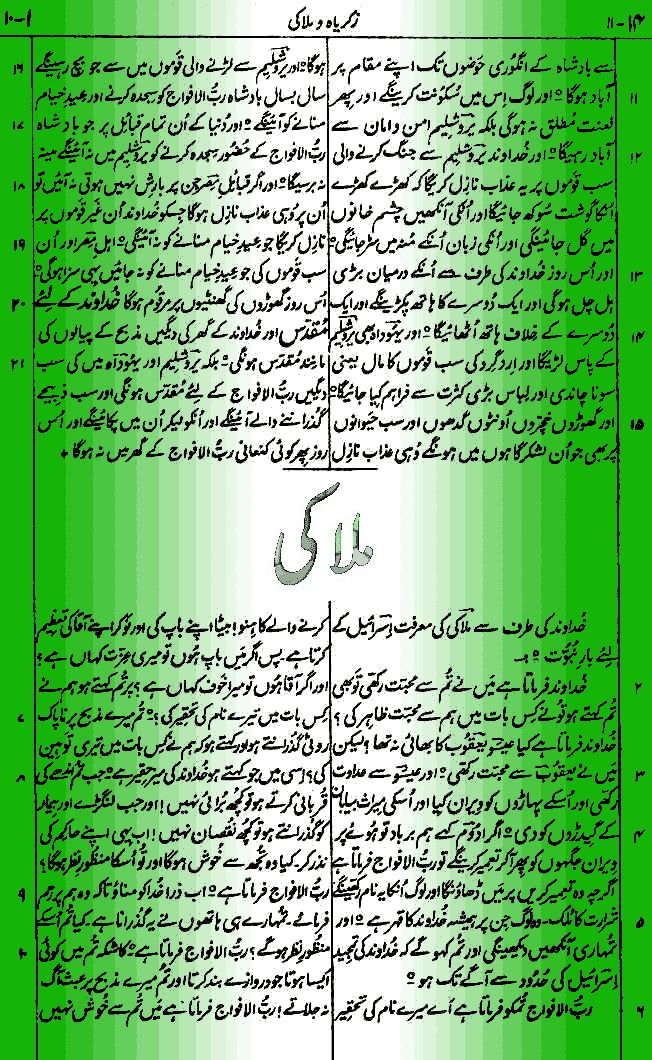
Part 1: Zechariah Chapter 14 (Verses 11–21)
Zechariah 14:11
-
Verse: And men shall dwell in it and there shall be no more utter destruction but Jerusalem shall be safely inhabited
-
English Explanation: This verse promises total security for the future Jerusalem. Unlike its history of being besieged, conquered, and destroyed by enemies, the city will become a permanent, peaceful dwelling place. The divine protection ensures that the threat of total annihilation is permanently removed, establishing a literal and spiritual state of ultimate peace (Shalom).
-
Urdu Explanation (تفصیل): اس آیت میں مستقبل کے یروشلم کے لیے مکمل تحفظ اور امن کا وعدہ کیا گیا ہے۔ تاریخ کے برعکس جہاں یروشلم بار بار تباہ ہوا اب یہ مستقل اور پرامن گھر بنے گا۔ خدا کی حفاظت اس بات کو یقینی بنائے گی کہ پھر کبھی یہ شہر ملیا میٹ نہیں ہوگا اور لوگ یہاں بغیر کسی خوف کے زندگی گزاریں گے۔
Zechariah 14:12
-
Verse: And this shall be the plague wherewith the LORD will smite all the people that have fought against Jerusalem Their flesh shall consume away while they stand upon their feet and their eyes shall consume away in their holes and their tongue shall consume away in their mouth
-
English Explanation: A graphic description of divine judgment falling upon the enemies who attacked Jerusalem. The plague described mimics a sudden, devastating consumption—where flesh, eyes, and tongues rot away while the enemies are still standing. It signifies the absolute powerlessness of human armies against God’s wrath.
-
Urdu Explanation (تفصیل): اس آیت میں ان دشمنوں پر آنے والے ہولناک عذاب کا ذکر ہے جنہوں نے یروشلم پر حملہ کیا تھا۔ یہ آفت اتنی اچانک اور شدید ہوگی کہ لوگ اپنے پیروں پر کھڑے ہوں گے اور ان کا گوشت، آنکھیں اور زبانیں گل جائیں گی۔ یہ خدا کے غضب کے سامنے انسانی طاقت کی بے بسی کو ظاہر کرتا ہے۔
Zechariah 14:13
-
Verse: And it shall come to pass in that day that a great tumult from the LORD shall be among them and they shall lay hold every one on the hand of his neighbour and his hand shall rise up against the hand of his neighbour
-
English Explanation: In addition to the plague, God will send supernatural confusion and panic (a great tumult) among the enemy forces. Blinded by terror, allies will turn on one another, causing the enemy coalition to self-destruct from within.
-
Urdu Explanation (تفصیل): اس وبائی مرض کے ساتھ ساتھ، خدا دشمن کی فوجوں میں ایک زبردست افراتفری اور خوف پیدا کر دے گا۔ اس گھبراہٹ میں مبتلا ہو کر، وہ ایک دوسرے کو پہچان نہیں پائیں گے اور اتحادی ہی ایک دوسرے کے خلاف ہاتھ اٹھائیں گے، جس سے ان کا لشکر خود ہی تباہ ہو جائے گا۔
Zechariah 14:14
-
Verse: And Judah also shall fight at Jerusalem and the wealth of all the heathen round about shall be gathered together gold and silver and apparel in great abundance
-
English Explanation: Judah will actively participate in defending and reclaiming Jerusalem. Following the victory, the immense wealth of the surrounding hostile nations—including gold, silver, and fine clothing—will be gathered as plunder, reversing centuries of economic oppression.
-
Urdu Explanation (تفصیل): یہوداہ بھی یروشلم کی اس جنگ میں حصہ لے گا۔ فتح کے بعد، آس پاس کی غیر قوموں کی بے پناہ دولت—بشمول سونا، چاندی اور قیمتی لباس—جمع کی جائے گی۔ یہ اس بات کی علامت ہے کہ خدا اپنے لوگوں کو ان کے صبر کا اجر دے گا۔
Zechariah 14:15
-
Verse: And so shall be the plague of the horse of the mule of the camel and of the ass and of all the beasts that shall be in these tents as this plague
-
English Explanation: The same consumption and plague that strikes the enemy soldiers will also destroy their military transport and livestock (horses, mules, camels, and donkeys). This ensures the total neutralization of the enemy’s military infrastructure.
-
Urdu Explanation (تفصیل): جو ہولناک وبا دشمن کے سپاہیوں پر آئے گی، وہی ان کے جنگی جانوروں اور مویشیوں (گھوڑوں، خچروں، اونٹوں اور گدھوں) کو بھی لگ جائے گی۔ اس سے دشمن کی فوجی اور سفری طاقت مکمل طور پر ختم ہو جائے گی۔
Zechariah 14:16
-
Verse: And it shall come to pass that every one that is left of all the nations which came against Jerusalem shall even go up from year to year to worship the King the LORD of hosts and to keep the feast of tabernacles
-
English Explanation: This marks a dramatic shift from global rebellion to global worship. The survivors from the pagan nations will convert and travel annually to Jerusalem to worship God and celebrate the Feast of Tabernacles (Sukkot), which commemorates God’s provision and presence.
-
Urdu Explanation (تفصیل): یہاں دشمن قوموں کی توبہ اور عالمی عبادت کا ذکر ہے۔ ان غیر قوموں میں سے جو بچ جائیں گے، وہ ہر سال یروشلم آئیں گے تاکہ سچے خدا (رب الافواج) کی عبادت کریں اور “خیموں کی عید” منائیں، جو خدا کی پناہ اور برکت کی یادگار ہے۔
Zechariah 14:17
-
Verse: And it shall be that whoso will not come up of all the families of the earth unto Jerusalem to worship the King the LORD of hosts even upon them shall be no rain
-
English Explanation: Worshiping the King is mandatory in this new era. If any nation or family refuses to go to Jerusalem to worship God, their punishment will be environmental—God will withhold rain from their lands, causing drought and famine.
-
Urdu Explanation (تفصیل): اس نئے دور میں خدا کی عبادت لازمی ہوگی۔ اگر زمین کا کوئی بھی خاندان یا قوم یروشلم جا کر بادشاہ رب الافواج سجدہ کرنے سے انکار کرے گی، تو سزا کے طور پر ان کے ملک میں بارش روک دی جائے گی، جس سے قحط پڑے گا۔
Zechariah 14:18
-
Verse: And if the family of Egypt go not up and come not that have no rain there shall be the plague wherewith the LORD will smite the heathen that come not up to keep the feast of tabernacles
-
English Explanation: Egypt, which traditionally relied on the Nile River rather than seasonal rainfall, is explicitly mentioned. If Egypt refuses to worship, they will not escape judgment; God will strike them with the same devastating plagues reserved for disobedient nations.
-
Urdu Explanation (تفصیل): یہاں مصر کا خاص طور پر ذکر ہے کیونکہ وہ بارش کے بجائے دریائے نیل پر انحصار کرتا تھا۔ اگر مصر نے بھی عیدِ خیام منانے اور عبادت کرنے سے انکار کیا، تو وہ بھی خدا کے عذاب سے نہیں بچ سکے گا اور اس پر وہی وبائیں نازل ہوں گی جو نافرمان قوموں پر آتی ہیں۔
Zechariah 14:19
-
Verse: This shall be the punishment of Egypt and the punishment of all nations that come not up to keep the feast of tabernacles
-
English Explanation: This acts as a summary clause establishing divine justice. No nation gets an exemption. Universal accountability is established, and the failure to honor God’s sacred festivals will lead to direct punishment.
-
Urdu Explanation (تفصیل): یہ آیت ایک عام قانون کو واضح کرتی ہے کہ مصر ہو یا دنیا کی کوئی اور قوم، جو کوئی بھی خدا کی عید منانے اور اس کی حاکمیت کو تسلیم کرنے سے انکار کرے گا، اسے یکساں طور پر سزا بھگتنی پڑے گی۔
Zechariah 14:20
-
Verse: In that day shall there be upon the bells of the horses HOLINESS UNTO THE LORD and the pots in the LORD’s house shall be like the bowl’s before the altar
-
English Explanation: The distinction between the secular and the sacred will disappear. Even ordinary things, like the bells on horses, will bear the inscription once reserved only for the High Priest’s crown (“Holiness unto the Lord”). Ordinary cooking pots in the temple will be as sacred as the ceremonial bowls used for sacrificial blood.
-
Urdu Explanation (تفصیل): اس دن پاکیزگی کا دائرہ اتنا وسیع ہو جائے گا کہ عام اور مقدس چیزوں کا فرق ختم ہو جائے گا۔ یہاں تک کہ گھوڑوں کے گھنگھروؤں پر بھی “خداوند کے لیے پاکیزگی” لکھا ہوگا، اور خدا کے گھر کے عام برتن بھی اتنے ہی مقدس مانے جائیں گے جتنے قربان گاہ کے سامنے والے خاص پیالے ہوتے ہیں۔
Zechariah 14:21
-
Verse: Yea every pot in Jerusalem and in Judah shall be holiness unto the LORD of hosts and all they that sacrifice shall come and take of them and seethe therein and in that day there shall be no more the Canaanite in the house of the LORD of hosts
-
English Explanation: Total holiness will saturate every home in Jerusalem and Judah. Every domestic pot will be fit for holy use. Furthermore, there will no longer be any “Canaanite”—a term used here metaphorically to describe morally corrupt, commercially deceitful, or spiritually unclean people—in the temple of God.
-
Urdu Explanation (تفصیل): یروشلم اور یہوداہ کا ہر ایک برتن خدا کے لیے پاک ہوگا۔ قربانی کرنے والے ان برتنوں کو بلا جھجک استعمال کر سکیں گے۔ اس کے علاوہ، خدا کے گھر میں کوئی “کنعانی” (یعنی ناپاک، لالچی یا بدعنوان شخص) داخل نہیں ہو سکے گا؛ وہاں صرف سچے اور پاک دل لوگ ہوں گے۔
Part 2: Malachi Chapter 1 (Verses 1–10)
Malachi 1:1
-
Verse: The burden of the word of the LORD to Israel by Malachi
-
English Explanation: The book opens with a “burden” (a heavy, serious prophetic oracle) delivered to Israel through Malachi. This message is sent to a discouraged, cynical people who have returned from exile but have fallen into spiritual apathy.
-
Urdu Explanation (تفصیل): ملاکی کے صحیفے کا آغاز ایک “بوجھ” یعنی ایک انتہائی سنجیدہ اور بھاری الٰہی پیغام سے ہوتا ہے جو اسرائیل کے لیے ہے۔ یہ پیغام ان لوگوں کے لیے تھا جو بابل کی اسارت سے تو واپس آ چکے تھے مگر ان کے دلوں میں سرد مہر اور مایوسی آ چکی تھی۔
Malachi 1:2
-
Verse: I have loved you saith the LORD Yet ye say Wherein hast thou loved us Was not Esau Jacob’s brother saith the LORD yet I loved Jacob
-
English Explanation: God declares His unchanging love for Israel, but the people question it because of their current hardships. God responds by pointing to His sovereign choice: although Esau and Jacob were twin brothers, God chose to covenant with Jacob (Israel) and pass the Messianic line through him.
-
Urdu Explanation (تفصیل): خدا فرماتا ہے کہ “میں نے تم سے محبت کی ہے،” لیکن بنی اسرائیل اپنی تکالیف کی وجہ سے اس محبت پر شک کرتے ہوئے پوچھتے ہیں کہ “تو نے ہم سے کہاں محبت کی؟” خدا جواب دیتا ہے کہ عیسو اور یعقوب بھائی تھے، لیکن میں نے یعقوب (اسرائیل) کو چنا اور اس سے اپنا عہد قائم رکھا۔
Malachi 1:3
-
Verse: And I hated Esau and laid his mountains and his heritage waste for the dragons of the wilderness
-
English Explanation: In Hebrew idiom, “love” and “hate” are often used to contrast covenant choice and rejection. God rejected Esau (Edom) as the bearer of the covenant promise. As a consequence of Edom’s pride and malice, their mountainous home was left devastated, turned into a habitat for desert scavengers.
-
Urdu Explanation (تفصیل): عبرانی زبان کے محاورے میں “محبت اور نفرت” کا مطلب انتخابی ترجیح ہے۔ خدا نے عیسو (ادوم) کو عہد کے وارث کے طور پر مسترد کر دیا۔ ادوم کے تکبر کی وجہ سے خدا نے ان کے پہاڑی علاقے کو ویران کر دیا تاکہ وہاں جنگلی جانور رہیں۔
Malachi 1:4
-
Verse: Whereas Edom saith We are impoverished but we will return and build the desolate places thus saith the LORD of hosts They shall build but I will throw down and they shall call them The border of wickedness and the people against whom the LORD hath indignation for ever
-
English Explanation: Edom arrogantly claims they will rebuild their ruins through sheer human effort. However, God states that their efforts are futile; whenever they build, He will tear it down. They will become a historical monument of wickedness and divine judgment.
-
Urdu Explanation (تفصیل): ادوم (عیسو کی اولاد) نے بڑے غرور سے کہا کہ اگرچہ ہم تباہ ہو چکے ہیں، ہم دوبارہ اپنے شہر تعمیر کریں گے۔ لیکن رب الافواج فرماتا ہے کہ وہ تعمیر کریں گے اور میں اسے گرا دوں گا۔ وہ دنیا کے سامنے شرارت کی سرحد اور خدا کے ابدی غضب کا نشان بنیں گے۔
Malachi 1:5
-
Verse: And your eyes shall see and ye shall say The LORD will be magnified from the border of Israel
-
English Explanation: Israel will witness the permanent downfall of Edom and the fulfillment of God’s word. This demonstration of power will force Israel to realize that God’s sovereignty and greatness extend far beyond the borders of Israel.
-
Urdu Explanation (تفصیل): بنی اسرائیل اپنی آنکھوں سے ادوم کی یہ تباہی دیکھیں گے اور ان پر ظاہر ہوگا کہ خدا صرف اسرائیل کا نہیں بلکہ پوری زمین کا قادرِ مطلق خدا ہے۔ تب وہ اقرار کریں گے کہ خداوند کی بڑائی اسرائیل کی سرحدوں سے باہر تک پھیلی ہوئی ہے۔
Malachi 1:6
-
Verse: A son honoureth his father and a servant his master if then I be a father where is mine honour and if I be a master where is my fear saith the LORD of hosts unto you O priests that despise my name And ye say Wherein have we despised thy name
-
English Explanation: God challenges the religious leaders (priests) who are failing in their duties. Human relationships demand respect for fathers and masters, yet the priests do not offer God reverence as a Father or fear as a Master. Shockingly, the priests are spiritually blind and defensively ask how they have despised His name.
-
Urdu Explanation (تفصیل): خدا ان کاہنوں (مذہبی رہنماؤں) کو ملامت کرتا ہے جو اپنے فرائض میں سستی کر رہے تھے۔ خدا فرماتا ہے کہ ایک بیٹا اپنے باپ کی اور خادم اپنے مالک کی عزت کرتا ہے؛ اگر میں باپ اور مالک ہوں تو میری عزت اور میرا خوف کہاں ہے؟ مگر کاہن الٹا معصوم بن کر پوچھتے ہیں کہ “ہم نے تیرے نام کی کب حقارت کی؟”
Malachi 1:7
-
Verse: Ye offer polluted bread upon mine altar and ye say Wherein have we polluted thee In that ye say The table of the LORD is contemptible
-
Explanation: God provides the evidence of their disrespect: they are offering defiled, subpar food on His altar. By bringing worthless offerings, their actions show that they view the altar—referred to here as the “table of the LORD”—with contempt and lack of reverence.
-
Urdu Explanation (تفصیل): خدا ان کی چوری پکڑتے ہوئے جواب دیتا ہے کہ تم میری قربان گاہ پر ناپاک روٹی (یا ناقص قربانیاں) چڑھاتے ہو۔ اور پھر بھی پوچھتے ہو کہ “ہم نے تجھے کب ناپاک کیا؟” تمہارا یہ عمل ظاہر کرتا ہے کہ تمہاری نظر میں خداوند کے مائدہ (میز/قربان گاہ) کی کوئی وقعت یا عزت نہیں ہے۔
Malachi 1:8
-
Verse: And if ye offer the blind for sacrifice is it not evil and if ye offer the lame and sick is it not evil offer it now unto thy governor will he be pleased with thee or accept thy person saith the LORD of hosts
-
English Explanation: The Law demanded perfect sacrifices, but the priests were offering blind, lame, and sick animals. God challenges them to offer such defective gifts to their human political ruler (the governor). If a human leader would reject such insults, how could they expect the Almighty God to accept them?
-
Urdu Explanation (تفصیل): شریعت کے مطابق قربانی کا جانور بے عیب ہونا چاہیے تھا، لیکن کاہن اندھے، لنگڑے اور بیمار جانور لا رہے تھے۔ خدا فرماتا ہے کہ کیا یہ برائی نہیں؟ اگر تم ایسا عیب دار تحفہ اپنے حاکم (گورنر) کو دو، تو کیا وہ تم سے خوش ہوگا یا تمہاری بات مانے گا؟ ہرگز نہیں۔ تو پھر کائنات کے مالک کے ساتھ ایسا سلوک کیوں؟
Malachi 1:9
-
Verse: And now I pray you beseech God that he will be gracious unto us this hath been by your means will he regard your persons saith the LORD of hosts
-
English Explanation: This is a sarcastic or deeply serious call to repentance. Malachi tells the priests to go ahead and pray for God’s favor while continuing their corrupt practices. Because the spiritual corruption stems directly from the leadership (“by your means”), God will not hear their prayers or accept their persons.
-
Urdu Explanation (تفصیل): ملاکی نبی یہاں طنز یا گہری سنجیدگی سے کہتے ہیں کہ اب ذرا ان عیب دار قربانیوں کے ساتھ خدا کے سامنے جاؤ اور دعا کرو کہ وہ ہم پر فضل کرے۔ چونکہ یہ گناہ خود کاہنوں کی وجہ سے ہوا ہے، اس لیے خدا فرماتا ہے کہ وہ کبھی بھی تمہاری ایسی دعائیں قبول نہیں کرے گا۔
Malachi 1:10
-
Verse: Who is there even among you that would shut the doors for nought neither do ye kindle fire on mine altar for nought I have no pleasure in you saith the LORD of hosts neither will I accept an offering at your hand
-
English Explanation: God expresses complete rejection of their hypocritical rituals. He wishes someone would lock the temple doors so that these worthless, insincere fires on the altar would stop. The priests would not even perform routine tasks without demanding money, displaying a spirit of commercial greed rather than genuine devotion. God takes no pleasure in them and explicitly rejects their sacrifices.
-
Urdu Explanation (تفصیل): خدا ان کی منافقانہ عبادت سے تنگ آ کر فرماتا ہے کہ کاش تم میں سے کوئی ایسا ہوتا جو ہیکل کے دروازے ہی بند کر دیتا تاکہ تم میری قربان گاہ پر یہ بے مقصد آگ نہ جلاتے۔ یہ کاہن بغیر پیسے لیے ہیکل کا کوئی چھوٹا کام بھی نہیں کرتے تھے۔ خدا فرماتا ہے کہ مجھے تم سے کوئی خوشی نہیں اور نہ ہی میں تمہارے ہاتھ کا ہدیہ قبول کروں گا۔