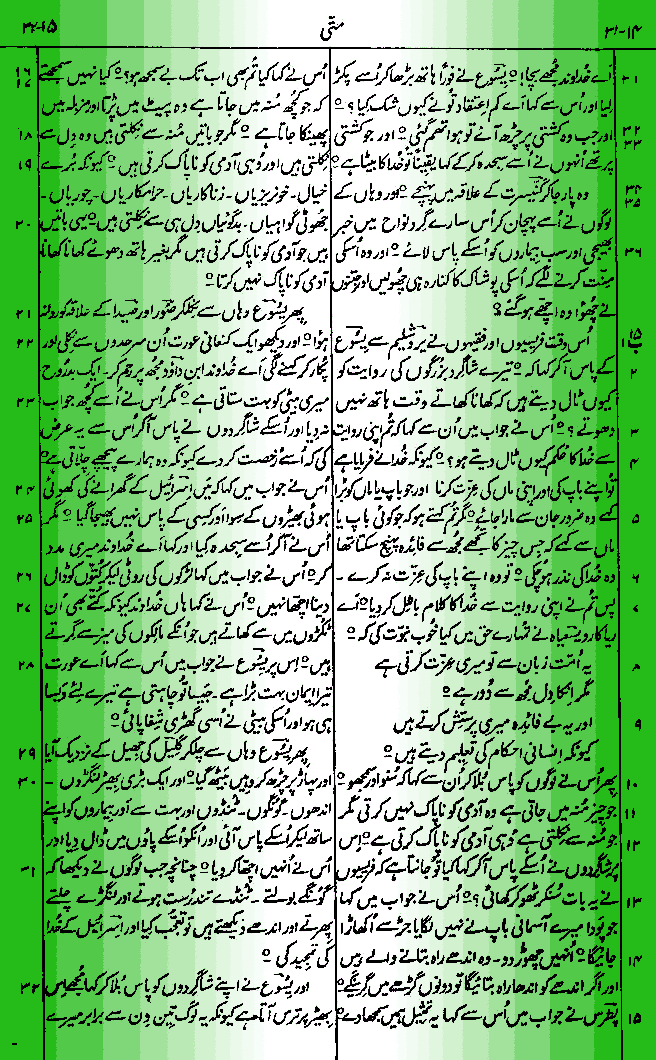
Verse-by-Verse Commentary and Explanation
Matthew 14:31
Verse (KJV – Punctuation Ignored)
And immediately Jesus stretched forth his hand and caught him and said unto him O thou of little faith wherefore didst thou doubt
Detailed Explanation (English)
This verse captures the climax of Peter’s attempt to walk on water. As Peter begins to sink due to fear and the raging wind, Jesus instantly responds to his cry for help. Jesus’ action is immediate, showing His ever-present grace and willingness to rescue us when we fail. However, Jesus pairs this physical rescue with a gentle yet direct rebuke: “O thou of little faith, wherefore didst thou doubt?” The Greek word for doubt implies wavering between two opinions. Peter shifted his focus from the omnipotence of Jesus to the violence of the storm, causing his faith to falter.
Detailed Explanation (Urdu)
یہ آیت پطرس کے پانی پر چلنے کی کوشش کے عروج کو ظاہر کرتی ہے۔ جب پطرس خوف اور تیز ہوا کی وجہ سے ڈوبنے لگا، تو یسوع نے فوراً اس کی پکار کا جواب دیا۔ یسوع کا یہ اقدام فوری تھا، جو ان کے ہر وقت موجود فضل اور ہماری ناکامیوں میں ہمیں بچانے کی آمادگی کو ظاہر کرتا ہے۔ تاہم، یسوع نے اس جسمانی نجات کے ساتھ ایک نرم مگر سیدھی ملامت بھی کی: “اے کم اعتقاد تو نے کیوں شک کیا؟” شک کرنے کا مطلب دو خیالات کے درمیان ڈانواڈول ہونا ہے۔ پطرس نے اپنی توجہ یسوع کی قادرِ مطلق ذات سے ہٹا کر طوفان کی شدت پر مرکوز کر دی، جس سے اس کا ایمان کمزور ہو گیا۔
Matthew 14:32
Verse (KJV – Punctuation Ignored)
And when they were come into the ship the wind ceased
Detailed Explanation (English)
The moment Jesus and Peter step back into the boat, the turbulent wind instantly dies down. This immediate calm mirrors the calming of the storm in Matthew 8. It demonstrates that Jesus has absolute authority over nature. The wind did not just fade away naturally; it ceased by divine design the moment the Savior entered the vessel, bringing peace and security back to the disciples.
Detailed Explanation (Urdu)
جیسے ہی یسوع اور پطرس کشتی میں واپس آئے، تیز ہوا فوراً تھم گئی۔ یہ فوری سکون متی باب 8 میں طوفان کو تھمانے کے معجزے کی یاد دلاتا ہے۔ یہ ظاہر کرتا ہے کہ یسوع کو فطرت پر مکمل اختیار حاصل ہے۔ ہوا قدرتی طور پر کم نہیں ہوئی تھی، بلکہ جیسے ہی منجی کشتی میں داخل ہوئے، ہوا خداوندی حکم سے رک گئی، جس سے شاگردوں کو دوبارہ امن اور تحفظ حاصل ہوا۔
Matthew 14:33
Verse (KJV – Punctuation Ignored)
Then they that were in the ship came and worshipped him saying Of a truth thou art the Son of God
Detailed Explanation (English)
Witnessing Jesus walk on water, rescue Peter, and instantly calm the wind leads the disciples to a profound realization. For the first time in Matthew’s Gospel, the disciples collectively worship Jesus and declare Him to be the “Son of God.” This is a major turning point in their understanding of His identity. They realize He is not just a prophet or teacher, but divine.
Detailed Explanation (Urdu)
یسوع کو پانی پر چلتے، پطرس کو بچاتے، اور ہوا کو فوراً تھماتے دیکھ کر شاگردوں کو ایک گہرا احساس ہوا۔ متی کی انجیل میں پہلی بار، شاگردوں نے مل کر یسوع کی پرستش کی اور اقرار کیا کہ “سچ مچ تو خدا کا بیٹا ہے۔” یہ ان کے ایمان اور یسوع کی پہچان میں ایک بڑا موڑ تھا۔ وہ سمجھ گئے کہ وہ صرف ایک نبی یا استاد نہیں، بلکہ الٰہی ذات ہیں۔
Matthew 14:34
Verse (KJV – Punctuation Ignored)
And when they were gone over they came into the land of Gennesaret
Detailed Explanation (English)
After crossing the Sea of Galilee, Jesus and His disciples arrive at Gennesaret, a highly fertile and populated plain on the northwestern shore. This destination marks a return to public ministry among large crowds after a night of private spiritual testing and revelation out on the water.
Detailed Explanation (Urdu)
گلیل کی جھیل پار کرنے کے بعد، یسوع اور ان کے شاگرد گِنیِسرَت کے علاقے میں پہنچے، جو شمال مغربی ساحل پر ایک زرخیز اور گنجان آباد میدان تھا۔ یہ مقام پانی پر رات بھر کے نجی روحانی امتحان اور مکاشفے کے بعد، بڑی بھیڑ کے درمیان عوامی خدمت میں واپسی کو ظاہر کرتا ہے۔
Matthew 14:35
Verse (KJV – Punctuation Ignored)
And when the men of that place had knowledge of him they sent out into all that country round about and brought unto him all that were diseased
Explanation (English)
As soon as the local people recognize Jesus, word spreads rapidly. The community shows great faith and urgency, sending messengers throughout the entire surrounding region to gather anyone who is sick. This highlights Jesus’ growing reputation as a miraculous healer and the desperate need of the people.
Explanation (Urdu)
جیسے ہی وہاں کے لوگوں نے یسوع کو پہچانا، یہ خبر تیزی سے پھیل گئی۔ اس علاقے کے لوگوں نے بڑے ایمان اور مستعدی کا مظاہرہ کیا، اور آس پاس کے تمام علاقے میں پیغام بھیج کر تمام بیماروں کو اکٹھا کر کے ان کے پاس لے آئے۔ یہ یسوع کی بطور معجزاتی شفا دینے والے کی بڑھتی ہوئی شہرت اور لوگوں کی شدید ضرورت کو ظاہر کرتا ہے۔
Matthew 14:36
Verse (KJV – Punctuation Ignored)
And besought him that they might only touch the hem of his garment and as many as touched were made perfectly whole
Explanation (English)
The faith of the people of Gennesaret was so profound that they didn’t even demand a word or a laying on of hands; they believed that simply touching the fringe or hem of Jesus’ garment (the ceremonial tassels required by Jewish law) would heal them. Matthew records that everyone who did so was completely restored to health, proving the limitless healing power of Jesus.
Explanation (Urdu)
گِنیِسرَت کے لوگوں کا ایمان اتنا گہرا تھا کہ انہوں نے یسوع سے کسی کلام یا ہاتھ رکھنے کا تقاضا بھی نہیں کیا؛ ان کا ماننا تھا کہ صرف یسوع کی پوشاک کے دامن (یہودی شریعت کے مطابق جھالر) کو چھونا ہی انہیں شفا دے دے گا۔ متی بیان کرتا ہے کہ جتنے لوگوں نے بھی ایسا کیا وہ مکمل طور پر تندرست ہو گئے، جو یسوع کی لا محدود شفا بخش قدرت کا ثبوت ہے۔
Chapter 15
Matthew 15:1
Verse (KJV – Punctuation Ignored)
Then came to Jesus scribes and Pharisees which were of Jerusalem saying
Explanation (English)
An official delegation of religious leaders—scribes (experts in the law) and Pharisees (strict legalists)—travels all the way from Jerusalem to Galilee. This journey shows they see Jesus as a serious threat to their religious establishment and are actively looking for reasons to accuse Him.
Explanation (Urdu)
مذہبی رہنماؤں کا ایک باقاعدہ وفد—فقیہ (شریعت کے ماہرین) اور فریسی (شرعی قوانین کے سخت پابند)—یروشلم سے گلیل آیا۔ یہ سفر ظاہر کرتا ہے کہ وہ یسوع کو اپنے مذہبی نظام کے لیے ایک سنگین خطرہ سمجھتے تھے اور ان پر الزام لگانے کے بہانے ڈھونڈ رہے تھے۔
Matthew 15:2
Verse (KJV – Punctuation Ignored)
Why do thy disciples transgress the tradition of the elders for they wash not their hands when they eat bread
Explanation (English)
The religious leaders question Jesus not about breaking God’s written biblical laws, but about violating the “tradition of the elders.” This refers to the Oral Law, a massive collection of human traditions built up over centuries. The specific accusation is that the disciples skipped the complex, ritualistic handwashing required before meals to maintain ceremonial purity.
Explanation (Urdu)
مذہبی رہنماؤں نے یسوع سے خدا کے تحریری قوانین کو توڑنے کے بارے میں نہیں، بلکہ “بزرگوں کی روایت” کی خلاف ورزی کے بارے میں سوال کیا۔ اس سے مراد زبانی شریعت ہے، جو صدیوں کے دوران انسانی روایات کا ایک بہت بڑا مجموعہ بن چکی تھی۔ ان کا خاص الزام یہ تھا کہ شاگردوں نے کھانا کھانے سے پہلے ظاہری پاکیزگی کے لیے لازمی پیچیدہ روایتی طریقے سے ہاتھ نہیں دھوئے۔
Matthew 15:3
Verse (KJV – Punctuation Ignored)
But he answered and said unto them Why do ye also transgress the commandment of God by your tradition
Explanation (English)
Jesus directly turns the tables on His accusers with a sharp counter-question. He points out a massive conflict: while they are upset over a minor human tradition, they are actively breaking the actual, holy commandments of God for the sake of preserving those human traditions. Jesus establishes that God’s Word is always superior to human ritual.
Explanation (Urdu)
یسوع نے ایک سخت جوابی سوال کے ساتھ الزام لگانے والوں کا رخ انہی کی طرف موڑ دیا۔ انہوں نے ایک بڑے تضاد کی نشاندہی کی: جہاں وہ ایک معمولی انسانی روایت پر ناراض ہو رہے تھے، وہیں وہ اپنی ان روایات کو برقرار رکھنے کے لیے خدا کے اصل اور پاک احکام کو توڑ رہے تھے۔ یسوع نے واضح کیا کہ خدا کا کلام ہمیشہ انسانی رسم و رواج سے بالا تر ہے۔
Matthew 15:4
Verse (KJV – Punctuation Ignored)
For God commanded saying Honour thy father and mother and He that curseth father or mother let him die the death
Explanation (English)
To prove His point, Jesus quotes the Fifth Commandment (Exodus 20:12) along with the penalty for breaking it (Exodus 21:17). God explicitly commands people to honor and care for their parents. Neglecting or cursing them was a capital offense under Mosaic law, showing how seriously God views family responsibility.
Explanation (Urdu)
اپنی بات ثابت کرنے کے لیے، یسوع نے پانچویں حکم (خروج 20:12) کا حوالہ دیا اور ساتھ ہی اسے توڑنے کی سزا (خروج 21:17) بھی بتائی۔ خدا نے واضح طور پر حکم دیا ہے کہ اپنے ماں باپ کی عزت اور دیکھ بھال کریں۔ موسوی شریعت کے تحت ان کی نافرمانی کرنا یا ان پر لعنت کرنا ایک سنگین جرم تھا، جو یہ ظاہر کرتا ہے کہ خدا خاندانی ذمہ داری کو کتنی اہمیت دیتا ہے۔
Matthew 15:5
Verse (KJV – Punctuation Ignored)
But ye say Whosoever shall say to his father or his mother It is a gift by whatsoever thou mightest be profited by me
Explanation (English)
Jesus exposes a religious loophole created by the Pharisees called “Corban” (Mark 7:11). A person could declare their money or property as a dedicated “gift” to the temple. By doing this, they claimed those resources could no longer be used to financially support their aging parents, using religious devotion as an excuse to avoid family duty.
Explanation (Urdu)
یسوع نے فریسیوں کے بنائے ہوئے ایک مذہبی حیلے کو بے نقاب کیا جسے “قربان” کہا جاتا تھا (مرقس 7:11)۔ کوئی بھی شخص اپنے پیسے یا جائیداد کو ہیکل کے لیے وقف “نذر” قرار دے سکتا تھا۔ ایسا کرنے سے، وہ دعویٰ کرتے تھے کہ اب یہ وسائل ان کے بوڑھے والدین کی مالی مدد کے لیے استعمال نہیں ہو سکتے، یوں وہ مذہبی عقیدت کو خاندانی فرائض سے بچنے کا بہانہ بناتے تھے۔
Matthew 15:6
Verse (KJV – Punctuation Ignored)
And honour not his father or his mother he shall be free Thus have ye made the commandment of God of none effect by your tradition
Explanation (English)
By validating this loophole, the Pharisees allowed people to completely neglect their parents while remaining “blameless” in the eyes of their traditional system. Jesus strongly condemns this, stating that their human traditions have completely cancelled out and nullified the authority of God’s Word.
Explanation (Urdu)
اس حیلے کو جائز قرار دے کر، فریسیوں نے لوگوں کو اپنے والدین کو مکمل طور پر نظر انداز کرنے کی اجازت دی جبکہ وہ ان کے روایتی نظام کی نظر میں “بے قصور” رہتے تھے۔ یسوع نے اس کی سخت مذمت کرتے ہوئے فرمایا کہ تمہاری انسانی روایات نے خدا کے کلام کے اختیار کو بالکل بے اثر اور باطل کر دیا ہے۔
Matthew 15:7
Verse (KJV – Punctuation Ignored)
Ye hypocrites well did Esaias prophesy of you saying
Explanation (English)
Jesus calls the religious leaders what they are: “hypocrites” (actors wearing masks). He notes that the prophet Isaiah (Esaias) perfectly described their exact behavior centuries earlier, proving that their spiritual corruption was an old, recurring problem.
Explanation (Urdu)
یسوع نے مذہبی رہنماؤں کو ان کی حقیقت کے مطابق پکارا: “ریاکار” (منافق یا مکھوٹا پہننے والے اداکار)۔ انہوں نے واضح کیا کہ یسعیاہ (Esaias) نبی نے صدیوں پہلے ان کے اسی رویے کی بالکل درست پیشین گوئی کی تھی، جس سے ثابت ہوتا ہے کہ ان کی روحانی خرابی ایک پرانی اور بار بار دہرائی جانے والی بیماری تھی۔
Matthew 15:8
Verse (KJV – Punctuation Ignored)
This people draweth nigh unto me with their mouth and honoureth me with their lips but their heart is far from me
Explanation (English)
Quoting Isaiah 29:13, Jesus addresses the core of religious hypocrisy. The Pharisees spoke all the right religious words and performed all the outer rituals, but it was just lip service. Internally, their desires, motives, and hearts were completely disconnected from God.
Explanation (Urdu)
یسعیاہ 29:13 کا حوالہ دیتے ہوئے، یسوع نے مذہبی منافقت کی جڑ پر بات کی۔ فریسی تمام صحیح مذہبی الفاظ بولتے تھے اور تمام ظاہری رسمیں ادا کرتے تھے، لیکن یہ صرف زبانی جمع خرچ تھا۔ اندرونی طور پر، ان کی خواہشات، ارادے اور دل خدا سے بالکل دور تھے۔
Matthew 15:9
Verse (KJV – Punctuation Ignored)
But in vain they do worship me teaching for doctrines the commandments of men
Explanation (English)
Jesus declares that worship disconnected from a sincere heart is completely useless (“in vain”). When religious organizations elevate man-made rules and traditions to the level of divine doctrine, true worship is ruined, and the focus shifts from pleasing God to obeying human leaders.
Explanation (Urdu)
یسوع نے اعلان کیا کہ سچے دل کے بغیر کی جانے والی پرستش بالکل بیکار (“عبث”) ہے۔ جب مذہبی گروہ انسان کے بنائے ہوئے قوانین اور روایات کو الٰہی عقائد کا درجہ دے دیتے ہیں، تو سچی پرستش برباد ہو جاتی ہے، اور توجہ خدا کو راضی کرنے کے بجائے انسانی رہنماؤں کی اطاعت پر مرکوز ہو جاتی ہے۔
Matthew 15:10
Verse (KJV – Punctuation Ignored)
And he called the multitude and said unto them Hear and understand
Explanation (English)
After confronting the religious elite, Jesus turns His attention back to the regular crowd. He calls them close and challenges them to listen carefully and truly understand, because the truth He is about to reveal completely changes how people viewed the complex Jewish purity laws.
Explanation (Urdu)
مذہبی اشرافیہ کا سامنا کرنے کے بعد، یسوع نے اپنی توجہ دوبارہ عام لوگوں کی بھیڑ کی طرف موڑ دی۔ انہوں نے انہیں اپنے قریب بلایا اور چیلنج کیا کہ غور سے سنیں اور سچائی کو سمجھیں، کیونکہ وہ جو سچائی بیان کرنے والے تھے وہ پاکیزگی کے پیچیدہ یہودی قوانین کے بارے میں لوگوں کے نظریے کو بالکل بدلنے والی تھی۔
Matthew 15:11
Verse (KJV – Punctuation Ignored)
Not that which goeth into the mouth defileth a man but that which cometh out of the mouth this defileth a man
Explanation (English)
This is a revolutionary statement. Jesus redefines spiritual purity. He explains that external things, like food eaten without ceremonial handwashing, cannot corrupt a person’s standing before God. Instead, true defilement comes from within—expressed through the words that come out of a person’s mouth.
Explanation (Urdu)
یہ ایک انقلابی بیان ہے۔ یسوع نے روحانی پاکیزگی کی از سر نو تعریف کی۔ انہوں نے وضاحت کی کہ ظاہری چیزیں، جیسے روایتی طور پر ہاتھ دھوئے بغیر کھایا جانے والا کھانا، خدا کے حضور انسان کو ناپاک نہیں کر سکتا۔ اس کے برعکس، اصل ناپاکی اندر سے آتی ہے—جو انسان کے منہ سے نکلنے والے الفاظ کے ذریعے ظاہر ہوتی ہے۔
Matthew 15:12
Verse (KJV – Punctuation Ignored)
Then came his disciples and said unto him Knowest thou that the Pharisees were offended after they heard this saying
Explanation (English)
The disciples, still very influenced by Jewish religious culture, are worried. They come to Jesus privately to let Him know that His words deeply offended the powerful Pharisees. To the disciples, upsetting the dominant religious authorities seemed risky.
Explanation (Urdu)
شاگرد، جو ابھی تک یہودی مذہبی ثقافت سے بہت متاثر تھے، فکر مند ہو گئے۔ انہوں نے اکیلے میں یسوع کے پاس آ کر بتایا کہ ان کی باتوں سے بااثر فریسیوں کو بہت ٹھیس پہنچی ہے۔ شاگردوں کی نظر میں، غالب مذہبی حکام کو ناراض کرنا خطرے سے خالی نہیں تھا۔
Matthew 15:13
Verse (KJV – Punctuation Ignored)
But he answered and said Every plant which my heavenly Father hath not planted shall be rooted up
Explanation (English)
Jesus responds with a powerful agricultural metaphor. The Pharisees and their human traditions were not established or “planted” by God. Therefore, regardless of how much power they hold right now, they are destined to be completely uprooted and judged by God.
Explanation (Urdu)
یسوع نے زراعت کے ایک خوبصورت استعارے کے ساتھ جواب دیا۔ فریسی اور ان کی انسانی روایات خدا کی طرف سے قائم کردہ یا “لگائے ہوئے پودے” نہیں تھے۔ اس لیے، چاہے ان کے پاس اس وقت کتنا ہی اختیار کیوں نہ ہو، ان کا مقدر خدا کے ہاتھوں جڑ سے اکھڑنا اور انصاف کا سامنا کرنا ہے۔
Matthew 15:14
Verse (KJV – Punctuation Ignored)
Let them alone they be blind leaders of the blind And if the blind lead the blind both shall fall into the ditch
Explanation (English)
Jesus tells His disciples to ignore the complaints of the Pharisees. He describes them as spiritually blind guides leading a spiritually blind public. The inevitable result of following blind leadership is spiritual ruin—both the leaders and their followers will fall into destruction.
Explanation (Urdu)
یسوع نے اپنے شاگردوں کو فریسیوں کے اعتراضات کو نظر انداز کرنے کا حکم دیا۔ انہوں نے انہیں روحانی طور پر اندھے رہنما قرار دیا جو اندھی عوام کی رہنمائی کر رہے ہیں۔ اندھی قیادت کی پیروی کا ناگزیر نتیجہ روحانی تباہی ہے—رہنما اور ان کے پیروکار دونوں ہی گڑھے میں گریں گے۔
Matthew 15:15
Verse (KJV – Punctuation Ignored)
Then answered Peter and said unto him Declare unto us this parable
Explanation (English)
Peter, speaking on behalf of the confused disciples, asks Jesus to explain the “parable” (referring to the statement in verse 11 about what defiles a person). Because they grew up with strict dietary rules, the concept that food doesn’t cause spiritual defilement was incredibly hard for them to grasp.
Explanation (Urdu)
پطرس نے الجھے ہوئے شاگردوں کی طرف سے بات کرتے ہوئے، یسوع سے درخواست کی کہ وہ اس “تمثیل” کی وضاحت کریں (یعنی آیت 11 میں بیان کردہ بات کہ انسان کس چیز سے ناپاک ہوتا ہے)۔ چونکہ وہ کھانے پینے کے سخت قوانین کے ماحول میں پلے بڑھے تھے، اس لیے یہ تصور کہ کھانا روحانی ناپاکی کا سبب نہیں بنتا، ان کے لیے سمجھنا انتہائی مشکل تھا۔
Matthew 15:16
Verse (KJV – Punctuation Ignored)
And Jesus said Are ye also yet without understanding
Explanation (English)
Jesus expresses a gentle disappointment with His inner circle. Even after spending so much time watching His miracles and hearing His teaching, the disciples are still struggling to move past superficial religious ideas and grasp basic spiritual truths.
Explanation (Urdu)
یسوع نے اپنے قریبی شاگردوں سے ہلکی سی مایوسی کا اظہار کیا۔ ان کے معجزات دیکھنے اور ان کی تعلیمات سننے میں اتنا وقت گزارنے کے بعد بھی، شاگرد ابھی تک ظاہری مذہبی خیالات سے اوپر اٹھنے اور بنیادی روحانی سچائیوں کو سمجھنے میں جدوجہد کر رہے تھے۔
Matthew 15:17
Verse (KJV – Punctuation Ignored)
Do not ye yet understand that whatsoever entereth in at the mouth goeth into the belly and is cast out into the draught
Explanation (English)
Jesus explains the basic biological process to make a spiritual point. Food enters the mouth, travels through the digestive system, and leaves the body as waste. It is purely physical. Because food goes through the stomach and not the moral center of a person, it has absolutely no power to corrupt someone spiritually.
Explanation (Urdu)
یسوع نے ایک روحانی نکتہ واضح کرنے کے لیے بنیادی جسمانی عمل کی وضاحت کی۔ کھانا منہ میں داخل ہوتا ہے، نظام ہضم سے گزرتا ہے، اور فضلے کے طور پر جسم سے خارج ہو جاتا ہے۔ یہ سراسر جسمانی عمل ہے۔ چونکہ کھانا معدے میں جاتا ہے نہ کہ انسان کے اخلاقی مرکز میں، اس لیے اس میں انسان کو روحانی طور پر ناپاک کرنے کی کوئی طاقت نہیں ہے۔
Matthew 15:18
Verse (KJV – Punctuation Ignored)
But those things which proceed out of the mouth come forth from the heart and they defile the man
Explanation (English)
In contrast to food, the words that come out of a person’s mouth originate from the deep interior of their soul—the “heart.” In biblical terms, the heart is the center of thoughts, desires, and choices. True defilement is an inside job; our speech exposes our actual spiritual state.
Explanation (Urdu)
کھانے کے برعکس، جو الفاظ انسان کے منہ سے نکلتے ہیں وہ اس کی روح کی گہرائی یعنی “دل” سے پیدا ہوتے ہیں۔ بائبل کی رو سے، دل خیالات، خواہشات اور فیصلوں کا مرکز ہے۔ اصل ناپاکی اندرونی ہوتی ہے؛ ہماری گفتگو ہماری اصل روحانی حالت کو بے نقاب کرتی ہے۔
Matthew 15:19
Verse (KJV – Punctuation Ignored)
For out of the heart proceed evil thoughts murders adulteries fornications thefts false witness blasphemies
Explanation (English)
Jesus lists specific sins to show the corruption of the unregenerate human heart. Evil thoughts lead to actions like murder, sexual immorality (adultery and fornication), dishonesty (theft and lying), and irreverence (blasphemy). All external sins start as internal desires within the heart.
Explanation (Urdu)
یسوع نے گناہوں کی ایک فہرست پیش کی تاکہ انسانی دل کی خرابی کو ظاہر کریں۔ برے خیالات ہی قتل، جنسی بے راہ روی (زناکاری اور حرامکاری)، بے ایمانی (چوری اور جھوٹی گواہی)، اور کفر جیسے اعمال کا سبب بنتے ہیں۔ تمام ظاہری گناہ دل کے اندرونی ارادوں سے شروع ہوتے ہیں۔
Matthew 15:20
Verse (KJV – Punctuation Ignored)
These are the things which defile a man but to eat with unwashen hands defileth not a man
Explanation (English)
Jesus concludes His teaching on the topic by summarizing the core point. True moral pollution comes from internal sin, not from eating a piece of bread with unwashed hands. With this, He completely dismantles the legalistic traditions of the Pharisees.
Explanation (Urdu)
یسوع نے اس موضوع پر اپنی تعلیم کا اختتام بنیادی نکتے کے خلاصے کے ساتھ کیا۔ سچی اخلاقی ناپاکی اندرونی گناہ سے آتی ہے، نہ کہ بغیر ہاتھ دھوئے روٹی کا ٹکڑا کھانے سے۔ اس کے ساتھ ہی، انہوں نے فریسیوں کی ظاہری رسم پرستی کے روایتی نظام کو مکمل طور پر مسترد کر دیا۔
Matthew 15:21
Verse (KJV – Punctuation Ignored)
Then Jesus went thence and departed into the coasts of Tyre and Sidon
Explanation (English)
Leaving the intense conflict with the religious leaders behind, Jesus travels northwest out of Jewish territory into the region of Tyre and Sidon (modern-day Lebanon). This move into Gentile territory provides a brief retreat and prepares the way for a powerful demonstration of faith outside Israel.
Explanation (Urdu)
مذہبی رہنماؤں کے ساتھ شدید تصادم کو پیچھے چھوڑتے ہوئے، یسوع یہودی علاقے سے نکل کر شمال مغرب کی طرف صور اور صیدا کے علاقے (موجودہ لبنان) کی طرف گئے۔ غیر قوموں کے علاقے میں یہ آمد ایک مختصر تنہائی کا موقع تھی اور اسرائیل سے باہر ایمان کے ایک عظیم مظاہرے کا راستہ ہموار کر رہی تھی۔
Matthew 15:22
Verse (KJV – Punctuation Ignored)
And behold a woman of Canaan came out of the same coasts and cried unto him saying Have mercy on me O Lord thou Son of David my daughter is grievously vexed with a devil
Explanation (English)
A Gentile woman from the ancient Canaanite population approaches Jesus. Desperate to help her severely demon-possessed daughter, she cries out to Him using messianic titles: “O Lord, thou Son of David.” Despite being an outsider, she recognizes Jesus’ identity and power far better than the religious leaders in Jerusalem did.
Explanation (Urdu)
قدیم کنعانی نسل سے تعلق رکھنے والی ایک غیر قوم عورت یسوع کے پاس آئی۔ اپنی شدید بدروح گرفتہ بیٹی کی مدد کے لیے مایوس ہو کر، اس نے مسیحائی القابات کا استعمال کرتے ہوئے پکارا: “اے خداوند، ابنِ داؤد، مجھ پر رحم کر۔” غیر قوم ہونے کے باوجود، وہ یسوع کی پہچان اور قدرت کو یروشلم کے مذہبی رہنماؤں سے کہیں بہتر سمجھتی تھی۔
Matthew 15:23
Verse (KJV – Punctuation Ignored)
But he answered her not a word And his disciples came and besought him saying Send her away for she crieth after us
Explanation (English)
Surprisingly, Jesus responds to her initial plea with total silence. Testing her faith and setting up a lesson for His disciples, He says nothing. The disciples, annoyed by her loud, persistent begging, urge Jesus to just grant her request or dismiss her so she will stop making a scene and following them.
Explanation (Urdu)
حیرت انگیز طور پر، یسوع نے اس کی ابتدائی پکار پر مکمل خاموشی اختیار کی۔ اس کے ایمان کو پرکھنے اور اپنے شاگردوں کو ایک سبق سکھانے کے لیے، انہوں نے کچھ نہ کہا۔ شاگردوں نے، اس کی اونچی اور مسلسل فریاد سے زچ ہو کر، یسوع سے التجا کی کہ اسے رخصت کر دیں کیونکہ وہ ان کے پیچھے چلا رہی تھی اور توجہ کا مرکز بن رہی تھی۔
Matthew 15:24
Verse (KJV – Punctuation Ignored)
But he answered and said I am not sent but unto the lost sheep of the house of Israel
Explanation (English)
Jesus breaks His silence to clarify the scope of His immediate, earthly ministry. He explains that His covenant mission prior to the crucifixion was focused specifically on the “lost sheep of the house of Israel.” Salvation was to be offered to the Jews first, in fulfillment of Old Testament prophecy, before expanding globally.
Explanation (Urdu)
یسوع نے اپنی زمینی خدمت کے دائرہ کار کو واضح کرنے کے لیے اپنی خاموشی توڑی۔ انہوں نے وضاحت کی کہ صلیب پر چڑھنے سے پہلے ان کا مشن خاص طور پر “اسرائیل کے گھرانے کی کھوئی ہوئی بھیڑوں” پر مرکوز تھا۔ پرانے عہد نامے کی پیشین گوئیوں کی تکمیل کے لیے، نجات پہلے یہودیوں کو پیش کی جانی تھی، جس کے بعد اسے دنیا بھر میں پھیلنا تھا۔
Matthew 15:25
Verse (KJV – Punctuation Ignored)
Then came she and worshipped him saying Lord help me
Explanation (English)
Undeterred by Jesus’ silence and His restrictive statement, the woman pushes past the disciples, kneels directly before Jesus, and worships Him. Her prayer is short, direct, and completely humble: “Lord, help me.” Her actions reveal a faith that refuses to give up.
Explanation (Urdu)
یسوع کی خاموشی اور ان کے اس محدود بیان سے مایوس ہوئے بغیر، وہ عورت شاگردوں کے بیچ سے آگے بڑھی، یسوع کے سامنے گھٹنوں کے بل جھکی، اور ان کی پرستش کی۔ اس کی دعا مختصر، سیدھی اور انتہائی عاجزانہ تھی: “خداوند، میری مدد کر۔” اس کا یہ عمل ایسے ایمان کو ظاہر کرتا ہے جو ہار ماننے سے انکار کرتا ہے۔
Matthew 15:26
Verse (KJV – Punctuation Ignored)
But he answered and said It is not meet to take the children’s bread and to cast it to dogs
Explanation (English)
Jesus responds with a harsh-sounding cultural proverb. The “children” refer to Israel, the “bread” refers to the blessings and healings of the Messiah, and “dogs” was a common Jewish term for Gentiles. However, the Greek word Jesus uses here specifically means “little dogs” or household pets, softening the term and turning it into a riddle to test her depth of faith.
Explanation (Urdu)
یسوع نے ایک سخت ثقافتی کہاوت کے ساتھ جواب دیا۔ “بچے” سے مراد اسرائیل ہے، “روٹی” سے مراد مسیح کی برکات اور شفائیں ہیں، اور “کتے” غیر قوموں کے لیے ایک عام یہودی اصطلاح تھی۔ تاہم، یسوع نے یہاں جو یونانی لفظ استعمال کیا اس کا مطلب خاص طور پر “گھریلو چھوٹے کتے” یا پالتو جانور ہے، جس سے اس لفظ کی سختی کم ہوئی اور یہ اس کے ایمان کی گہرائی کو پرکھنے کے لیے ایک پہیلی بن گیا۔
Matthew 15:27
Verse (KJV – Punctuation Ignored)
And she said Truth Lord yet the dogs eat of the crumbs which fall from their masters’ table
Explanation (English)
The woman shows incredible wit, humility, and faith by accepting Jesus’ metaphor. Instead of getting offended, she plays along with the imagery. She reasons that even household pets get to eat the leftover crumbs that drop from the master’s table, acknowledging Israel’s priority while claiming that Jesus has more than enough grace left over for her.
Explanation (Urdu)
اس عورت نے یسوع کے اس استعارے کو قبول کرتے ہوئے حیرت انگیز حکمت، عاجزی اور ایمان کا مظاہرہ کیا۔ ناراض ہونے کے بجائے، اس نے اسی مثال کو آگے بڑھایا۔ اس نے دلیل دی کہ گھر کے پالتو کتوں کو بھی وہ ٹکڑے کھانے کو ملتے ہیں جو ان کے مالکوں کی میز سے گرتے ہیں، یوں اس نے اسرائیل کی اولیت کو تسلیم کرتے ہوئے یہ دعویٰ کیا کہ یسوع کے پاس اس کے لیے بھی کافی فضل موجود ہے۔
Matthew 15:28
Verse (KJV – Punctuation Ignored)
Then Jesus answered and said unto her O woman great is thy faith be it unto thee even as thou wilt And her daughter was made whole from that very hour
Explanation (English)
Jesus marvels at her response and commends her publicly, saying, “O woman, great is thy faith.” She is one of the very few individuals Jesus praises for great faith, and notably, she is a Gentile. Jesus instantly grants her request from a distance, and her daughter is completely healed at that exact moment.
Explanation (Urdu)
یسوع نے اس کے جواب پر حیرت کا اظہار کیا اور عوامی طور پر اس کی تعریف کرتے ہوئے فرمایا، “اے عورت، تیرا ایمان بڑا ہے۔” وہ ان چند لوگوں میں سے ایک ہیں جن کے بڑے ایمان کی یسوع نے تعریف کی، اور خاص بات یہ ہے کہ وہ ایک غیر قوم خاتون تھیں۔ یسوع نے دور ہی سے فوراً اس کی درخواست پوری کر دی، اور اسی گھڑی اس کی بیٹی بالکل تندرست ہو گئی۔
Matthew 15:29
Verse (KJV – Punctuation Ignored)
And Jesus departed from thence and came nigh unto the sea of Galilee and went up into a mountain and sat down there
Explanation (English)
Jesus leaves Tyre and Sidon and travels back toward the Sea of Galilee, likely visiting the eastern shore (the Decapolis region, which was largely Gentile). He ascends a hillside and sits down—the traditional posture of a Jewish rabbi ready to teach and minister with authority.
Explanation (Urdu)
یسوع صور اور صیدا سے روانہ ہوئے اور گلیل کی جھیل کے قریب واپس آئے، غالباً مشرقی ساحل (دیکاپولس کا علاقہ، جو زیادہ تر غیر قوموں کا تھا) کا دورہ کیا۔ وہ ایک پہاڑ پر چڑھ گئے اور وہاں بیٹھ گئے—یہ ایک یہودی ربی کا روایتی انداز تھا جو اختیار کے ساتھ تعلیم اور خدمت دینے کے لیے تیار ہو۔
Matthew 15:30
Verse (KJV – Punctuation Ignored)
And great multitudes came unto him having with them those that were lame blind dumb maimed and many others and cast them down at Jesus’ feet and he healed them
Explanation (English)
Massive crowds flock to Jesus on the mountain, bringing people suffering from various chronic physical disabilities—the lame, blind, mute, and deformed. They place the sick directly at Jesus’ feet in an act of complete surrender and hope, and Jesus completely heals every single one of them.
Explanation (Urdu)
بڑی بھیڑ پہاڑ پر یسوع کے پاس جمع ہو گئی، اور اپنے ساتھ مختلف دائمی جسمانی معذوریوں کا شکار لوگوں کو لے آئی—جیسے لنگڑے، اندھے، گونگے اور معذور۔ انہوں نے بیماروں کو مکمل سپردگی اور امید کے ساتھ یسوع کے قدموں میں ڈال دیا، اور یسوع نے ان میں سے ایک ایک کو شفا دی۔
Matthew 15:31
Verse (KJV – Punctuation Ignored)
Insomuch that the multitude wondered when they saw the dumb to speak the maimed to be whole the lame to walk and the blind to see and they glorified the God of Israel
Explanation (English)
The crowd is left in absolute awe as they witness immediate, undeniable physical transformations: mute people talking, deformed limbs restored, lame individuals walking, and the blind seeing clearly. Because this crowd likely included many Gentiles, Matthew notes that they “glorified the God of Israel,” recognizing Yahweh’s power working through Jesus.
Explanation (Urdu)
بھیڑ فوری اور ناقابل تردید جسمانی تبدیلیاں دیکھ کر حیرت زدہ رہ گئی: گونگے بولنے لگے، معذور اعضاء درست ہو گئے، لنگڑے چلنے لگے، اور اندھے صاف دیکھنے لگے۔ چونکہ اس بھیڑ میں غالباً بہت سے غیر قوم لوگ شامل تھے، متی بیان کرتا ہے کہ انہوں نے “اسرائیل کے خدا کی تمجید کی،” اور یسوع کے ذریعے کام کرنے والی خدا کی قدرت کا اعتراف کیا۔
Matthew 15:32
Verse (KJV – Punctuation Ignored)
Then Jesus called his disciples unto him and said I have compassion on the multitude because they continue with me now three days and have nothing to eat and I will not send them away fasting lest they faint in the way
Explanation (English)
Jesus initiates the miracle of the feeding of the four thousand by expressing His deep “compassion” for the crowd. They had stayed with Him for three days, completely running out of food. Refusing to send them home starving out of fear that they would collapse from exhaustion on the road, Jesus prepares to provide for their practical, physical needs just as He does for their spiritual needs.
Explanation (Urdu)
یسوع نے لوگوں کے لیے اپنے گہرے “رحم” کا اظہار کرتے ہوئے چار ہزار لوگوں کو کھانا کھلانے کے معجزے کا آغاز کیا۔ وہ تین دن سے ان کے ساتھ رہے تھے اور ان کا کھانا بالکل ختم ہو چکا تھا۔ اس خوف سے کہ وہ راستے میں تھکن سے بے ہوش نہ ہو جائیں، انہیں بھوکا گھر واپس بھیجنے سے انکار کرتے ہوئے، یسوع ان کی عملی اور جسمانی ضروریات کو پورا کرنے کی تیاری کرتے ہیں، بالکل اسی طرح جیسے انہوں نے ان کی روحانی ضروریات کو پورا کیا تھا۔