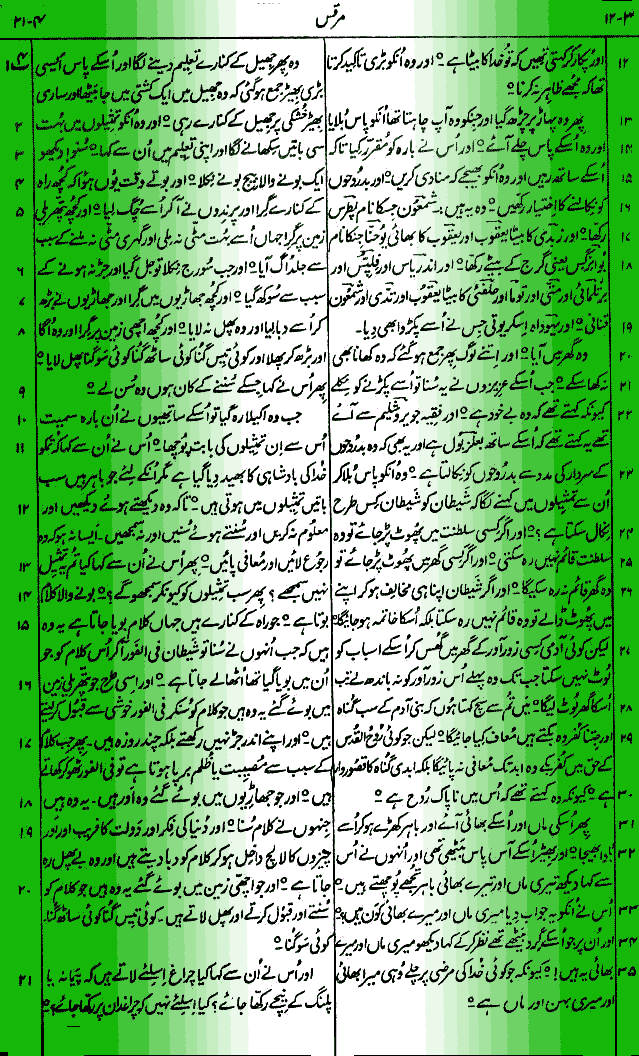
Mark Chapter 3 (Verses 12–35)
Mark 3:12
Verse: And he straitly charged them that they should not make him known
-
Detailed Explanation (English): Jesus strictly commands the unclean spirits not to reveal His identity. He does this because the demons acknowledge Him out of malice, and the public is not yet ready to understand the true spiritual nature of His Messiahship, which involved suffering rather than political revolt.
-
تفصیلی وضاحت (اردو): عیسیٰ نے ناپاک روحوں کو سختی سے تاکید کی کہ وہ اسے ظاہر نہ کریں۔ اس کی وجہ یہ تھی کہ بدروحیں بدنیتی کے تحت گواہی دے رہی تھیں، اور عوام ابھی مسیح کی حقیقی روحانی حیثیت (جو کہ سیاسی بادشاہت کے بجائے مصلوبیت اور نجات کے بارے میں تھی) کو سمجھنے کے لیے تیار نہ تھی۔
Mark 3:13
Verse: And he goeth up into a mountain and calleth unto him whom he would and they came unto him
-
Detailed Explanation (English): Jesus withdraws from the crowds to a mountain, a traditional place for encountering God. His selection of disciples is entirely sovereign; He calls specific individuals based on His divine will, and they respond immediately with obedience.
-
تفصیلی وضاحت (اردو): عیسیٰ ہجوم سے دور ایک پہاڑ پر چلے گئے، جو کہ خدا سے ملاقات کا ایک روایتی مقام ہے۔ اپنے شاگردوں کا انتخاب مکمل طور پر ان کا اپنا خود مختار فیصلہ تھا۔ انہوں نے اپنی الٰہی مرضی کے مطابق مخصوص لوگوں کو پکارا، اور انہوں نے فوراً لبیک کہا۔
Mark 3:14
Verse: And he ordained twelve that they should be with him and that he might send them forth to preach
-
Detailed Explanation (English): The appointment of the twelve apostles mirrors the twelve tribes of Israel, symbolizing the restoration of God’s people. Jesus establishes a dual purpose for them: first, to spend time in close fellowship with Him, and second, to go out as commissioned heralds of the Gospel.
-
تفصیلی وضاحت (اردو): بارہ رسولوں کا مقرر کیا جانا اسرائیل کے بارہ قبیلوں کی عکاسی کرتا ہے، جو خدا کے لوگوں کی بحالی کی علامت ہے۔ عیسیٰ نے ان کے لیے دوہرا مقصد طے کیا: پہلا، ان کے ساتھ قریبی رفاقت میں وقت گزارنا، اور دوسرا، انجیل کی منادی کے لیے باقاعدہ نمائندے بن کر جانا۔
Mark 3:15
Verse: And to have power to heal sicknesses and to cast out devils
-
Detailed Explanation (English): Along with the message of the Kingdom, Jesus delegates His divine authority to the apostles. This empowerment allows them to execute physical healing and drive out demonic forces, validating that the Kingdom of God breaks the power of sin and evil.
-
تفصیلی وضاحت (اردو): بادشاہت کے پیغام کے ساتھ ساتھ، عیسیٰ نے شاگردوں کو اپنا الٰہی اختیار بھی عطا کیا۔ اس اختیار نے انہیں بیماریاں شفا دینے اور بدروحوں کو نکالنے کی طاقت دی، جس سے یہ ثابت ہوا کہ خدا کی بادشاہت گناہ اور برائی کی طاقت کو توڑتی ہے۔
Mark 3:16
Verse: And Simon he surnamed Peter
-
Detailed Explanation (English): Jesus changes Simon’s name to Peter, which means “Rock.” This prophetic name indicates the transformation that would take place in Simon’s character, shifting from an unstable, impulsive fisherman into a pillar of the early Christian Church.
-
تفصیلی وضاحت (اردو): عیسیٰ نے شمعون کا نام بدل کر پطرس رکھا، جس کا مطلب ہے “چٹان”۔ یہ ایک پیشگوئی پر مبنی نام تھا جو شمعون کے کردار میں ہونے والی تبدیلی کی نشان دہی کرتا ہے، کہ وہ ایک غیر مستحکم مچھیرے سے ابتدائی کلیسیا کا ایک مضبوط ستون بنے گا۔
Mark 3:17
Verse: And James the son of Zebedee and John the brother of James and he surnamed them Boanerges which is The sons of thunder
-
Detailed Explanation (English): James and John are given a title that reflects their fiery, zealous, and sometimes volatile personalities. Jesus acknowledges their intense passion but channels it away from worldly anger and toward building the Kingdom.
-
تفصیلی وضاحت (اردو): یعقوب اور یوُحنا کو ایک ایسا لقب دیا گیا جو ان کی پرجوش، غیور اور بعض اوقات غصیلے مزاج کی عکاسی کرتا ہے۔ عیسیٰ نے ان کے اس شدید جذبے کو تسلیم کیا لیکن اسے دنیاوی غصے کے بجائے خدا کی بادشاہت کی تعمیر کی طرف موڑ دیا۔
Mark 3:18
Verse: And Andrew and Philip and Bartholomew and Matthew and Thomas and James the son of Alphaeus and Thaddaeus and Simon the Canaanite
-
Detailed Explanation (English): This verse lists the diverse group that made up the core disciples. They came from various backgrounds—including fishermen, a tax collector (Matthew), and a political zealot (Simon the Canaanite)—showing that Christ unites vastly different people under one mission.
-
تفصیلی وضاحت (اردو): اس آیت میں ان متنوع لوگوں کی فہرست ہے جو قریبی شاگردوں پر مشتمل تھے۔ وہ مختلف پس منظر سے آئے تھے—جن میں مچھیرے، ایک محصول لینے والا (متی)، اور ایک سیاسی انقلابی (شمعون قنانی) شامل تھے—جو ظاہر کرتا ہے کہ مسیح بالکل مختلف لوگوں کو ایک ہی مشن کے تحت متحد کرتا ہے۔
Mark 3:19
Verse: And Judas Iscariot which also betrayed him and they went into an house
-
Detailed Explanation (English): The list concludes with Judas Iscariot, marked by his future betrayal. This reveals that Jesus was fully aware of the heartbreak ahead yet permitted prophecy to be fulfilled. Afterward, Jesus returns to a domestic setting to continue His work.
-
تفصیلی وضاحت (اردو): یہ فہرست یہوداہ اسکریوتی پر ختم ہوتی ہے، جس کی پہچان اس کی مستقبل کی غداری سے ہے۔ یہ ظاہر کرتا ہے کہ عیسیٰ آنے والے دکھ سے پوری طرح واقف تھے لیکن انہوں نے کلام پاک کی پیشگوئی کو پورا ہونے دیا۔ اس کے بعد، وہ اپنے کام کو جاری رکھنے کے لیے ایک گھر میں چلے گئے۔
Mark 3:20
Verse: And the multitude cometh together again so that they could not so much as eat bread
-
Detailed Explanation (English): Jesus’ popularity grows so immense that overwhelming crowds flock to Him. The demands of ministry become so urgent and constant that He and His disciples do not even have time to sit down for a basic meal.
-
تفصیلی وضاحت (اردو): عیسیٰ کی مقبولیت اتنی بڑھ گئی کہ زبردست ہجوم ان کی طرف उमڈ آیا۔ خدمت کے تقاضے اتنے فوری اور مسلسل تھے کہ ان کے اور ان کے شاگردوں کے پاس عام کھانا کھانے تک کا وقت نہیں تھا۔
Mark 3:21
Verse: And when his friends heard of it they went out to lay hold on him for they said He is beside himself
-
Detailed Explanation (English): Jesus’ own family and close associates mistake His radical devotion and exhaustion for madness. Driven by misguided concern and social pressure, they attempt to restrain Him and take Him home, failing to see His divine identity.
-
تفصیلی وضاحت (اردو): عیسیٰ کے اپنے خاندان اور قریبی ساتھیوں نے ان کی اس شدید لگن اور تھکن کو دیوانگی سمجھا۔ غلط فہمی پر مبنی فکر اور سماجی دباؤ کی وجہ سے، انہوں نے انہیں روکنے اور گھر لے جانے کی کوشش کی، کیونکہ وہ ان کی الٰہی پہچان کو سمجھنے میں ناکام رہے تھے۔
Mark 3:22
Verse: And the scribes which came down from Jerusalem said He hath Beelzebub and by the prince of the devils casteth he out devils
-
Detailed Explanation (English): Religious authorities from Jerusalem cannot deny Jesus’ supernatural miracles, so they try to ruin His reputation. They accuse Him of being possessed by Beelzebub (Satan) and claim His exorcisms are powered by demonic authority rather than the Holy Spirit.
-
تفصیلی وضاحت (اردو): یروشلم سے آئے ہوئے مذہبی رہنما عیسیٰ کے معجزات کا انکار نہ کر سکے، اس لیے انہوں نے ان کی ساکھ کو نقصان پہنچانے کی کوشش کی۔ انہوں نے الزام لگایا کہ ان میں بعلزبول (شیطان) کی روح ہے اور وہ روح القدس کے بجائے بدروحوں کے سردار کی طاقت سے بدروحوں کو نکالتے ہیں۔
Mark 3:23
Verse: And he called them unto him and said unto them in parables How can Satan cast out Satan
-
Detailed Explanation (English): Jesus confronts the scribes directly using logic and parables. He points out the fundamental flaw in their accusation: it makes no sense for Satan to fight his own demons, as that would ruin his own evil kingdom.
-
تفصیلی وضاحت (اردو): عیسیٰ نے منطق اور تمثیلوں کا استعمال کرتے ہوئے فقیہوں کا سامنا کیا۔ انہوں نے ان کے الزام کی بنیادی خامی کی نشاندہی کی: شیطان کا اپنی ہی بدروحوں کو نکالنا عقل کے خلاف ہے، کیونکہ اس سے اس کی اپنی ہی بری سلطنت تباہ ہو جائے گی۔
Mark 3:24
Verse: And if a kingdom be divided against itself that kingdom cannot stand
-
Detailed Explanation (English): Jesus presents a universal truth about unity. Any nation or kingdom torn apart by internal conflict, civil war, or divided leadership is bound to collapse from within.
-
تفصیلی وضاحت (اردو): عیسیٰ اتحاد کے بارے میں ایک آفاقی سچائی پیش کرتے ہیں۔ کوئی بھی ملک یا سلطنت جو اندرونی تصادم، خانہ جنگی، یا منقسم قیادت کا شکار ہو جائے، وہ اندر سے تباہ ہونے پر مجبور ہوتی ہے۔
Mark 3:25
Verse: And if a house be divided against itself that house cannot stand
-
Detailed Explanation (English): Shifting from a political level to a personal one, Jesus notes that a family or household filled with constant strife and division cannot remain stable. Internal conflict ruins any social unit.
-
تفصیلی وضاحت (اردو): سیاسی سطح سے گھریلو سطح پر آتے ہوئے، عیسیٰ فرماتے ہیں کہ ایک خاندان یا گھرانہ جو مسلسل جھگڑے اور تقسیم کا شکار ہو، وہ مستحکم نہیں رہ سکتا۔ اندرونی خلفشار کسی بھی سماجی اکائی کو برباد کر دیتا ہے۔
Mark 3:26
Verse: And if Satan rise up against himself and be divided he cannot stand but hath an end
-
Detailed Explanation (English): Applying this logic to the spiritual realm, Jesus explains that if He were casting out demons by Satan’s power, Satan would be destroying his own forces. Such internal warfare would signal the immediate downfall of Satan’s dominion.
-
تفصیلی وضاحت (اردو): اس منطق کو روحانی دنیا پر لاگو کرتے ہوئے، عیسیٰ وضاحت کرتے ہیں کہ اگر وہ شیطان کی طاقت سے بدروحوں کو نکال رہے ہوتے، تو شیطان اپنی ہی فوج کو تباہ کر رہا ہوتا۔ ایسا اندرونی جھگڑا خود شیطان کی حکومت کے زوال کی نشانی ہوتا۔
Mark 3:27
Verse: No man can enter into a strong man’s house and spoil his goods except he will first bind the strong man and then he will spoil his house
-
Detailed Explanation (English): Jesus uses a metaphor where Satan is the “strong man” and the possessed people are his “goods.” Jesus shows that He is not Satan’s ally, but a much stronger power who has bound Satan to rescue humanity from evil captivity.
-
تفصیلی وضاحت (اردو): عیسیٰ ایک استعارہ استعمال کرتے ہیں جہاں شیطان “مظبوط آدمی” ہے اور اس کے قبضے میں موجود لوگ اس کا “مال” ہیں۔ عیسیٰ ظاہر کرتے ہیں کہ وہ شیطان کے ساتھی نہیں ہیں، بلکہ ایک کہیں زیادہ طاقتور ہستی ہیں جس نے انسانوں کو برائی کی قید سے چھڑانے کے لیے شیطان کو باندھ دیا ہے۔
Mark 3:28
Verse: Verily I say unto you All sins shall be forgiven unto the sons of men and blasphemies wherewith soever they shall blaspheme
-
Detailed Explanation (English): Jesus offers an extraordinary promise of God’s grace. He emphasizes that no matter how terrible a human sin or blasphemy is, it can still be completely forgiven through genuine repentance.
-
تفصیلی وضاحت (اردو): عیسیٰ خدا کے فضل کا ایک غیر معمولی وعدہ پیش کرتے ہیں۔ وہ اس بات پر زور دیتے ہیں کہ انسانی گناہ یا کفر کتنا ہی عبرتناک کیوں نہ ہو، سچی توبہ کے ذریعے اسے مکمل طور پر معاف کیا جا سکتا ہے۔
Mark 3:29
Verse: But he that shall blaspheme against the Holy Ghost hath never forgiveness but is in danger of eternal damnation
-
Detailed Explanation (English): This warns against the unpardonable sin: blasphemy against the Holy Spirit. This happens when someone repeatedly and deliberately rejects God’s grace, calling the Holy Spirit’s saving work evil. By permanently shutting out the Spirit, they refuse the only source of forgiveness.
-
تفصیلی وضاحت (اردو): یہ آیت اس گناہ کے بارے میں انتباہ کرتی ہے جس کی معافی نہیں: یعنی روح القدس کے خلاف کفر۔ ایسا تب ہوتا ہے جب کوئی شخص بار بار اور جان بوجھ کر خدا کے فضل کو رد کرتا ہے اور روح القدس کے نجات بخش کام کو شیطانی قرار دیتا ہے۔ روح القدس کے اثر کو مستقل طور پر رد کرنے سے وہ معافی کے واحد ذریعہ کو خود سے دور کر دیتے ہیں۔
Mark 3:30
Verse: Because they said He hath an unclean spirit
-
Detailed Explanation (English): Mark explains why Jesus gave that severe warning. The scribes committed this sin because they looked directly at the pure, loving work of the Holy Spirit through Jesus and stubbornly called it the work of a demon.
-
تفصیلی وضاحت (اردو): مرقس وضاحت کرتے ہیں کہ عیسیٰ نے یہ سخت انتباہ کیوں دیا۔ فقیہوں نے یہ گناہ اس لیے کیا کیونکہ انہوں نے عیسیٰ کے ذریعے روح القدس کے پاک اور محبت بھرے کام کو براہ راست دیکھا اور ہٹ دھرمی سے اسے بدروح کا کام قرار دیا۔
Mark 3:31
Verse: There came then his brethren and his mother and standing without sent unto him calling him
-
Detailed Explanation (English): Jesus’ mother, Mary, and His brothers arrive at the crowded house. Because the crowd is so dense, they cannot reach Him directly, so they stay outside and send word through the crowd to call Him out.
-
تفصیلی وضاحت (اردو): عیسیٰ کی والدہ مریم اور ان کے بھائی اس پرہجوم گھر پر پہنچے۔ ہجوم بہت زیادہ ہونے کی وجہ سے وہ ان تک براہ راست نہیں پہنچ سکتے تھے، اس لیے وہ باہر ہی رک گئے اور ہجوم کے ذریعے اندر پیغام بھیجا کہ انہیں باہر بلایا جائے۔
Mark 3:32
Verse: And the multitude sat about him and they said unto him Behold thy mother and thy brethren without seek for thee
-
Detailed Explanation (English): The people sitting closely around Jesus pass the message along, telling Him that His immediate earthly family is waiting outside, looking to speak with Him.
-
تفصیلی وضاحت (اردو): جو لوگ عیسیٰ کے گرد قریب بیٹھے تھے انہوں نے پیغام آگے بڑھایا اور انہیں بتایا کہ ان کا قریبی دنیاوی خاندان باہر انتظار کر رہا ہے اور ان سے بات کرنا چاہتا ہے۔
Mark 3:33
Verse: And he answered them saying Who is my mother or my brethren
-
Detailed Explanation (English): Jesus responds with a rhetorical question that seems surprising. He does not mean to dismiss His earthly family, but uses this moment to teach a profound spiritual truth that transcends natural family ties.
-
تفصیلی وضاحت (اردو): عیسیٰ نے ایک ایسے سوال کے ساتھ جواب دیا جو بظاہر حیران کن لگتا ہے۔ ان کا مقصد اپنے دنیاوی خاندان کو رد کرنا نہیں تھا، بلکہ وہ اس لمحے کو ایک گہری روحانی سچائی سکھانے کے لیے استعمال کر رہے تھے جو مادی خاندانی رشتوں سے بالا تر ہے۔
Mark 3:34
Verse: And he looked round about on them which sat about him and said Behold my mother and my brethren
-
Detailed Explanation (English): Looking directly at the disciples and followers gathered around Him to listen to His words, Jesus identifies them as His true family. Spiritual commitment is prioritized over biological relation.
-
تفصیلی وضاحت (اردو): اپنے اردگرد جمع شاگردوں اور پیروکاروں کی طرف دیکھتے ہوئے جو ان کے الفاظ سننے کے لیے بیٹھے تھے، عیسیٰ نے انہیں اپنے حقیقی خاندان کے طور پر پیش کیا۔ یہاں حیاتیاتی رشتوں کے مقابلے میں روحانی عزم کو اولیت دی گئی ہے۔
Mark 3:35
Verse: For whosoever shall do the will of God the same is my brother and my sister and mother
-
Detailed Explanation (English): Jesus defines the criteria for this new spiritual family: active obedience to God’s will. Anyone who follows God’s path enters into an intimate relationship with Christ, enjoying all the love and privileges of being His brother, sister, or mother.
-
تفصیلی وضاحت (اردو): عیسیٰ اس نئے روحانی خاندان کا معیار طے کرتے ہیں: یعنی خدا کی مرضی پر عمل کرنا۔ جو کوئی بھی خدا کی راہ پر چلتا ہے وہ مسیح کے ساتھ ایک قریبی رشتے میں داخل ہو جاتا ہے، اور ان کے بھائی، بہن یا ماں ہونے کے تمام پیار اور مراعات کا حقدار بن جاتا ہے۔
Mark Chapter 4 (Verses 1–21)
Mark 4:1
Verse: And he began again to teach by the sea side and there was gathered unto him a great multitude so that he entered into a ship and sat in the sea and the whole multitude was by the sea on the land
-
Detailed Explanation (English): To manage a massive crowd by the Sea of Galilee, Jesus gets into a boat and sits a small distance from the shore. This layout acts like a natural amphitheater, allowing His voice to carry clearly to everyone standing on the land.
-
تفصیلی وضاحت (اردو): بحیرہ گلیل کے کنارے ایک بہت بڑے ہجوم کو سنبھالنے کے لیے، عیسیٰ ایک کشتی میں سوار ہو گئے اور ساحل سے کچھ فاصلے پر بیٹھ گئے۔ یہ ترتیب ایک قدرتی آڈیٹوریم کا کام کرتی تھی، جس سے ان کی آواز زمین پر کھڑے تمام لوگوں تک واضح طور پر پہنچ سکتی تھی۔
Mark 4:2
Verse: And he taught them many things by parables and said unto them in his doctrine
-
Detailed Explanation (English): Jesus uses parables—earthly stories with deep heavenly meanings—as His primary teaching method. This approach hides deep truths from those with hard hearts while revealing them to sincere seekers.
-
تفصیلی وضاحت (اردو): عیسیٰ نے تمثیلوں—یعنی گہرے آسمانی معانی رکھنے والی دنیاوی کہانیوں—کو اپنی تعلیم کا بنیادی طریقہ بنایا۔ یہ طریقہ سخت دل رکھنے والوں سے گہرے حقائق کو چھپاتا ہے جبکہ سچے متلاشیوں پر انہیں ظاہر کرتا ہے۔
Mark 4:3
Verse: Hearken Behold there went out a sower to sow
-
Detailed Explanation (English): Jesus begins with a command to listen closely (“Hearken”), signaling that what follows is vital. He describes a common first-century scene: a farmer walking through a field, casting seeds across the ground.
-
تفصیلی وضاحت (اردو): عیسیٰ نے غور سے سننے کی تاکید کے ساتھ شروعات کی، جو یہ ظاہر کرتا ہے کہ اگلی بات انتہائی اہم ہے۔ وہ پہلی صدی کے ایک عام منظر کو بیان کرتے ہیں: ایک کسان جو کھیت میں چلتے ہوئے زمین پر بیج بکھیر رہا ہے۔
Mark 4:4
Verse: And it came to pass as he sowed some fell by the way side and the fowls of the air came and devoured it up
-
Detailed Explanation (English): As the sower scatters the seed, some lands on the hard, packed walking paths alongside the field. Because the soil is too hard for the seed to sink in, birds quickly come and eat it.
-
تفصیلی وضاحت (اردو): جب کسان نے بیج بکھیرے، تو کچھ بیج کھیت کے ساتھ سخت اور پامال راستے پر گرے۔ چونکہ زمین بیج کے اندر جانے کے لیے بہت سخت تھی، اس لیے پرندے جلدی سے آئے اور انہیں چگ گئے۔
Mark 4:5
Verse: And some fell on stony ground where it had not much earth and immediately it sprang up because it had no depth of earth
-
Detailed Explanation (English): Other seeds fall on a shallow layer of soil covering a shelf of solid rock. The rock holds in the sun’s warmth and forces the plant to grow upward quickly, though it cannot grow proper roots downward.
-
تفصیلی وضاحت (اردو): کچھ بیج پتھریلی زمین پر گرے جہاں مٹی کی تہہ باریک تھی اور نیچے ٹھوس چٹان تھی۔ چٹان سورج کی گرمی کو روکتی تھی جس کی وجہ سے پودا جلدی اوپر کی طرف بڑھا، حالانکہ وہ نیچے کی طرف اپنی جڑیں مضبوط نہیں کر سکتا تھا۔
Mark 4:6
Verse: But when the sun was up it was scorched and because it had no root it withered away
-
Detailed Explanation (English): When the intense heat of the midday sun beats down, the shallow plants burn and dry up. Without deep roots to find moisture in the lower soil, they cannot survive the heat.
-
تفصیلی وضاحت (اردو): جب دوپہر کے سورج کی شدید گرمی پڑی، تو وہ کمزور پودے جھلس گئے اور سوکھ گئے۔ نیچے کی مٹی سے نمی حاصل کرنے کے لیے گہری جڑیں نہ ہونے کی وجہ سے، وہ گرمی کا مقابلہ نہ کر سکے۔
Mark 4:7
Verse: And some fell among thorns and the thorns grew up and choked it and it yielded no fruit
-
Detailed Explanation (English): Some seeds fall into soil containing dormant weed and thorn seeds. As the good plants grow, the aggressive weeds grow faster, stealing the sunlight, water, and nutrients until the good crop is choked out without producing grain.
-
تفصیلی وضاحت (اردو): کچھ بیج ایسی مٹی میں گرے جہاں خاردار جھاڑیوں کے بیج پہلے سے موجود تھے۔ جیسے ہی اچھے پودے بڑھے، وہ جنگلی جھاڑیاں زیادہ تیزی سے بڑھیں اور دھوپ، پانی اور مٹی کی طاقت چھین لی، یہاں تک کہ اچھا پودا دب گیا اور پھل لانے میں ناکام رہا۔
Mark 4:8
Verse: And other fell on good ground and did yield fruit that sprang up and increased and brought forth some thirty and some sixty and some an hundred
-
Detailed Explanation (English): Finally, some seeds fall into rich, well-prepared soil. These seeds grow healthily and produce an abundant harvest, yielding thirty, sixty, or even a hundred times what was originally planted.
-
تفصیلی وضاحت (اردو): آخر کار، کچھ بیج اچھی اور تیار شدہ زمین پر گرے۔ یہ بیج صحت مندی سے بڑھے اور کثرت سے فصل پیدا کی، جس سے اصل بوئے گئے بیج کے مقابلے میں تیس گنا، ساٹھ گنا، اور کچھ سو گنا پھل لائے۔
Mark 4:9
Verse: And he said unto them He that hath ears to hear let him hear
-
Detailed Explanation (English): Jesus concludes the parable with a challenge. He is explaining that spiritual truth requires more than just physical hearing; it demands an open mind and a heart ready to listen and obey.
-
تفصیلی وضاحت (اردو): عیسیٰ نے ایک چیلنج کے ساتھ تمثیل کا اختتام کیا۔ وہ یہ واضح کر رہے ہیں کہ روحانی سچائی کے لیے صرف کانوں سے سننا کافی نہیں ہے؛ اس کے لیے ایک کھلے دماغ اور سننے اور عمل کرنے کے لیے تیار دل کی ضرورت ہوتی ہے۔
Mark 4:10
Verse: And when he was alone they that were about him with the twelve asked of him the parable
-
Detailed Explanation (English): After the crowds leave, Jesus’ core followers and the twelve apostles gather around Him in private. They demonstrate the right attitude by asking Him to explain the deeper meaning of the story.
-
تفصیلی وضاحت (اردو): ہجوم کے جانے کے بعد، عیسیٰ کے قریبی پیروکار اور بارہ رسول تنہائی میں ان کے گرد جمع ہوئے۔ انہوں نے اس کہانی کے گہرے معنی کی وضاحت طلب کر کے ایک درست رویے کا ثبوت دیا۔
Mark 4:11
Verse: And he said unto them Unto you it is given to know the mystery of the kingdom of God but unto them that are without all these things are done in parables
-
Detailed Explanation (English): Jesus explains that sincere disciples are granted direct insight into the secrets of God’s Kingdom. However, for outsiders who refuse to believe, the truths remain hidden inside parables because they lack faith.
-
تفصیلی وضاحت (اردو): عیسیٰ وضاحت کرتے ہیں کہ سچے شاگردوں کو خدا کی بادشاہت کے رازوں کی براہ راست سمجھ دی جاتی ہے۔ تاہم، ان باہر والوں کے لیے جو ایمان لانے سے انکار کرتے ہیں، سچائیاں تمثیلوں کے اندر ہی چھپی رہتی ہیں کیونکہ ان میں ایمان کی کمی ہوتی ہے۔
Mark 4:12
Verse: That seeing they may see and not perceive and hearing they may hear and not understand lest at any time they should be converted and their sins should be forgiven them
-
Detailed Explanation (English): Quoting Isaiah, Jesus notes that parables serve a dual purpose. For the hard-hearted, they act as a judgment: these people look and listen but fail to truly understand, preserving their stubborn choice to remain unforgiven.
-
تفصیلی وضاحت (اردو): یسعیاہ نبی کا حوالہ دیتے ہوئے، عیسیٰ فرماتے ہیں کہ تمثیلیں دوہرا مقصد پورا کرتی ہیں۔ سخت دل لوگوں کے لیے، یہ ایک عدالت کا کام کرتی ہیں: یہ لوگ دیکھتے اور سنتے تو ہیں لیکن سچائی کو سمجھنے میں ناکام رہتے ہیں، جس سے ان کا گناہوں میں رہنے کا خود غرضانہ فیصلہ برقرار رہتا ہے۔
Mark 4:13
Verse: And he said unto them Know ye not this parable and how then will ye know all parables
-
Detailed Explanation (English): Jesus gently corrects the disciples for not understanding. He emphasizes that the Parable of the Sower is foundational; if they cannot comprehend this basic illustration of how God’s Word works, they will struggle to understand any other parable.
-
تفصیلی وضاحت (اردو): عیسیٰ نے نہ سمجھنے پر شاگردوں کی نرمی سے اصلاح کی۔ انہوں نے اس بات پر زور دیا کہ بوئے جانے والے کی تمثیل بنیادی اہمیت رکھتی ہے؛ اگر وہ خدا کے کلام کے کام کرنے کے اس بنیادی طریقے کو نہیں سمجھ سکتے، تو وہ کسی دوسری تمثیل کو سمجھنے میں مشکل محسوس کریں گے۔
Mark 4:14
Verse: The sower soweth the word
-
Detailed Explanation (English): Jesus keys in on the core metaphor: the seed represents the Word of God (the Gospel message), and the sower is anyone who shares that divine truth with others.
-
تفصیلی وضاحت (اردو): عیسیٰ اس بنیادی استعارے کی کلید پیش کرتے ہیں: بیج خدا کے کلام (انجیل کے پیغام) کو ظاہر کرتا ہے، اور بونے والا وہ شخص ہے جو اس الٰہی سچائی کو دوسروں کے ساتھ شیئر کرتا ہے۔
Mark 4:15
Verse: And these are they by the way side where the word is sown but when they have heard Satan cometh immediately and taketh away the word that was sown in their hearts
-
Detailed Explanation (English): The path represents people with hard, unreceptive hearts. When they hear the Gospel, it does not sink in, allowing Satan to step in instantly and snatch the truth away before it can take root.
-
تفصیلی وضاحت (اردو): راستہ ان لوگوں کو ظاہر کرتا ہے جن کے دل سخت اور غیر قبول کن ہوتے ہیں۔ جب وہ انجیل سنتے ہیں، تو یہ ان کے اندر نہیں اترتی، جس سے شیطان کو فوراً موقع مل جاتا ہے کہ وہ اس سچائی کو جڑ پکڑنے سے پہلے ہی چھین لے۔
Mark 4:16
Verse: And these are they likewise which are sown on stony ground who when they have heard the word immediately receive it with gladness
-
Detailed Explanation (English): The shallow, rocky ground represents emotional hearers. They receive the Word of God with immediate joy and excitement, but their response is superficial and lacks intellectual or spiritual depth.
-
تفصیلی وضاحت (اردو): پتھریلی زمین ان لوگوں کو ظاہر کرتی ہے جو صرف جذباتی طور پر کلام سنتے ہیں۔ وہ خدا کے کلام کو فوراً خوشی اور جوش کے ساتھ قبول کرتے ہیں، لیکن ان کا یہ ردعمل سطحی ہوتا ہے اور اس میں ذہنی یا روحانی گہرائی نہیں ہوتی۔
Mark 4:17
Verse: And have no root in themselves and so endure but for a time afterward when affliction or persecution ariseth for the word’s sake immediately they are offended
-
Detailed Explanation (English): Because these emotional hearers have no deep roots, their faith lasts only during good times. As soon as hard times, trials, or persecution come because of their Christian faith, they stumble and turn away.
-
تفصیلی وضاحت (اردو): چونکہ ان جذباتی سننے والوں کی کوئی گہری جڑ نہیں ہوتی، اس لیے ان کا ایمان صرف اچھے وقت تک قائم رہتا ہے۔ جیسے ہی مسیحی ایمان کی وجہ سے مشکل وقت، آزمائشیں یا ظلم و ستم شروع ہوتا ہے، وہ فوراً ٹھوکر کھاتے ہیں اور پیچھے ہٹ جاتے ہیں۔
Mark 4:18
Verse: And these are they which are sown among thorns such as hear the word
-
Detailed Explanation (English): The thorny ground represents people who listen to the Gospel, but their hearts are divided. The seed manages to grow, but it shares the soil with a lot of worldly distractions.
-
تفصیلی وضاحت (اردو): جھاڑیوں والی زمین ان لوگوں کو ظاہر کرتی ہے جو انجیل سنتے تو ہیں، لیکن ان کے دل منقسم ہوتے ہیں۔ بیج اگنے میں تو کامیاب ہو جاتا ہے، لیکن وہ دنیاوی توجہ بھٹکانے والی چیزوں کے ساتھ زمین کا اشتراک کر رہا ہوتا ہے۔
Mark 4:19
Verse: And the cares of this world and the deceitfulness of riches and the lusts of other things entering in choke the word and it becometh unfruitful
-
Detailed Explanation (English): Worldly anxieties, the false security of wealth, and a desire for material things crowd out spiritual priorities. These distractions strangle the growing faith, keeping the person from ever reaching spiritual maturity or producing fruit.
-
تفصیلی وضاحت (اردو): دنیاوی فکریں، دولت کا جھوٹا سہارا، اور مادی چیزوں کی خواہش روحانی ترجیحات کو دبا دیتی ہے۔ یہ خلفشار بڑھتے ہوئے ایمان کا گلا گھونٹ دیتے ہیں، جس سے وہ شخص کبھی بھی روحانی پختگی تک نہیں پہنچ پاتا اور بے پھل رہ جاتا ہے۔
Mark 4:20
Verse: And these are they which are sown on good ground such as hear the word and receive it and bring forth fruit some thirtyfold some sixty and some an hundred
-
Detailed Explanation (English): The good soil represents open, responsive, and obedient hearts. These people hear the Gospel, internalize it, and live it out daily, leading to a highly productive life that yields massive spiritual fruit.
-
تفصیلی وضاحت (اردو): اچھی زمین ان کھلے، قبول کرنے والے اور فرمانبردار دلوں کو ظاہر کرتی ہے۔ یہ لوگ انجیل کو سنتے ہیں، اسے اپنے اندر اتارتے ہیں، اور روزمرہ کی زندگی میں اس پر عمل کرتے ہیں، جس کے نتیجے میں ایک انتہائی نتیجہ خیز زندگی وجود میں آتی ہے جو کثرت سے روحانی پھل لاتی ہے۔
Mark 4:21
Verse: And he said unto them Is a candle brought to be put under a bushel or under a bed and not to be set on a candlestick
-
Detailed Explanation (English): Jesus uses the everyday imagery of a lamp. It makes no sense to light a candle only to hide it under a basket or a bed; its natural purpose is to be placed high on a stand to give light to the room. Likewise, the divine truth Jesus reveals is meant to be shared openly, not hidden away.
-
تفصیلی وضاحت (اردو): عیسیٰ چراغ کی ایک عام مثال استعمال کرتے ہیں۔ شمع روشن کر کے اسے ٹوکرے یا بستر کے نیچے چھپانا بالکل بے معنی ہے؛ اس کا اصل مقصد یہ ہے کہ اسے اسٹینڈ پر اونچا رکھا جائے تاکہ وہ پورے کمرے کو روشنی دے۔ اسی طرح، جو الٰہی سچائی عیسیٰ ظاہر کر رہے ہیں، اسے چھپانے کے بجائے کھلم کھلا عام کرنے کے لیے دیا گیا ہے۔