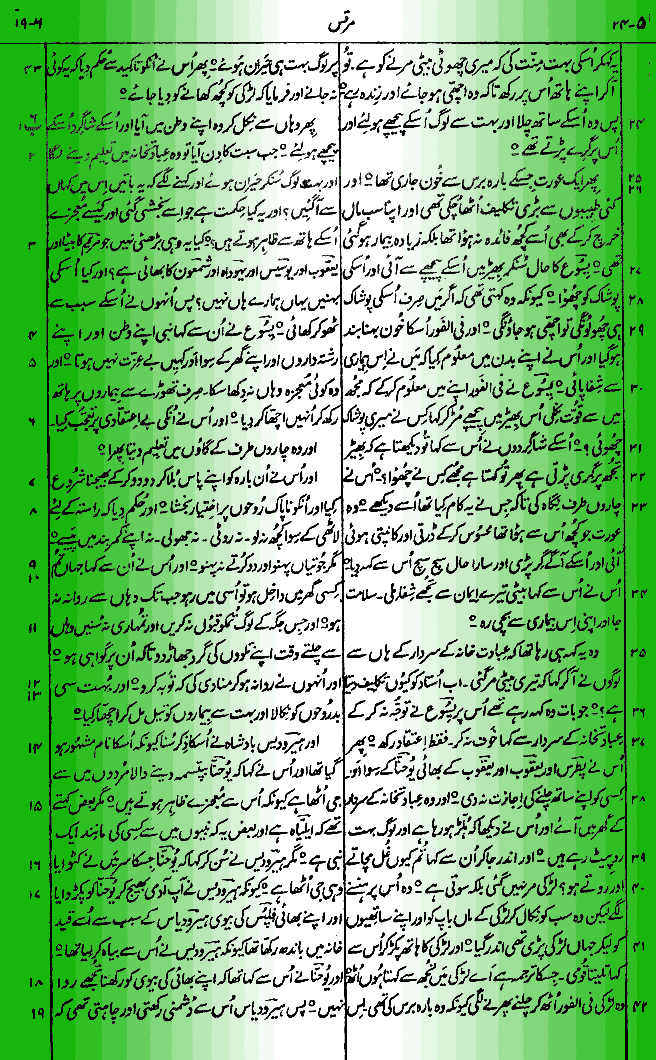
Verse-by-Verse Commentary (Mark 5:24 – Mark 6:19)
Mark 5:24
-
Verse: And Jesus went with him and much people followed him and thronged him
-
English Explanation: Jesus responds immediately to the desperate plea of Jairus, a synagogue leader whose daughter is dying. The immense crowd following Jesus does not just walk alongside Him; they “thronged” Him, pressing in closely from all sides. This sets the stage for a chaotic atmosphere where physical contact is inevitable, making the upcoming individual touch of faith even more extraordinary.
-
Urdu Explanation: یسوع فوراً یائیر کے ساتھ چل پڑے جس کی بیٹی مر رہی تھی۔ ایک بہت بڑا ہجوم ان کے پیچھے ہولیا اور لوگ ہر طرف سے ان پر گرے پڑتے تھے۔ یہ ایک ایسی بھیڑ کو ظاہر کرتا ہے جہاں ہر کوئی یسوع کے قریب ہونا چاہتا تھا جس کی وجہ سے اگلا معجزہ اور بھی منفرد ہو جاتا ہے۔
Mark 5:25
-
Verse: And a certain woman which had an issue of blood twelve years
-
English Explanation: The narrative shifts to an unnamed woman suffering from a chronic hemorrhage for twelve long years. According to Levitical law, this condition rendered her ritually unclean, isolating her from public worship and social touch. Her suffering is not just physical, but deeply emotional and spiritual.
-
Urdu Explanation: یہاں ایک عورت کا ذکر ہے جو بارہ سال سے خون بہنے کے مرض میں مبتلا تھی۔ شریعت کے مطابق وہ ناپاک تصور کی جاتی تھی جس کی وجہ سے وہ سماجی اور مذہبی طور پر تنہا زندگی گزارنے پر مجبور تھی۔
Mark 5:26
-
Verse: And had suffered many things of many physicians and had spent all that she had and was nothing bettered but rather grew worse
-
English Explanation: This verse highlights her absolute desperation. She sought help from numerous doctors, enduring painful treatments of the era, and exhausted her financial resources. Instead of finding relief, her condition only deteriorated. She is completely bankrupt and physically depleted.
-
Urdu Explanation: اس عورت نے کئی طبیبوں سے علاج کروا کر بہت دکھ اٹھائے تھے اور اپنی تمام جمع پونجی خرچ کر چکی تھی۔ لیکن اسے کوئی فائدہ نہیں ہوا بلکہ اس کی حالت مزید خراب ہوتی گئی۔ وہ معاشی اور جسمانی طور پر بالکل لاچار ہو چکی تھی۔
Mark 5:27
-
Verse: When she had heard of Jesus came in the press behind and touched his garment
-
English Explanation: Having heard accounts of Jesus’ miraculous healing power, hope is rekindled in her heart. Risking social backlash due to her ritual impurity, she slips into the dense crowd behind Jesus unnoticed and touches the fringe of His clothing.
-
Urdu Explanation: جب اس نے یسوع کی شفابخش قدرت کے بارے میں سنا تو اس کے دل میں امید جاگی۔ اپنی ناپاکی کے باوجود وہ لوگوں کی نظروں سے بچ کر بھیڑ میں پیچھے سے آئی اور یسوع کی پوشاک کو چھو لیا۔
Mark 5:28
-
Verse: For she said If I may touch but his clothes I shall be whole
-
English Explanation: This verse reveals her internal conviction and deep faith. She does not feel worthy to stop Jesus or speak to Him, believing that even the slightest contact with His outer garment is powerful enough to restore her health completely.
-
Urdu Explanation: یہ آیت اس کے پختہ ایمان کو ظاہر کرتی ہے۔ اس نے اپنے دل میں سوچا تھا کہ اگر وہ صرف ان کے کپڑوں ہی کو چھو لے گی تو بالکل شفا پا جائے گی۔ اسے کسی بیرونی ڈرامے کی ضرورت نہیں تھی، صرف ایمان کافی تھا۔
Mark 5:29
-
Verse: And straightway the fountain of her blood was dried up and she felt in her body that she was healed of that plague
-
English Explanation: Healing occurs instantaneously (“straightway”). The chronic bleeding dries up at its source, and she instantly senses a physical transformation—a definitive awareness within her body that the long-standing affliction is gone.
-
Urdu Explanation: جیسے ہی اس نے چھوا، فوراً اس کے خون بہنے کا چشمہ بند ہو گیا اور اس نے اپنے جسم میں محسوس کر لیا کہ وہ اس تکلیف دہ بیماری سے پوری طرح شفا پا چکی ہے۔
Mark 5:30
-
Verse: And Jesus immediately knowing in himself that virtue had gone out of him turned him about in the press and said Who touched my clothes
-
English Explanation: Jesus consciously senses the release of healing power (“virtue”) from Himself. Despite being pressed by hundreds of people, He recognizes a deliberate touch of faith and stops to ask who was responsible, desiring to bring the woman’s faith into the light.
-
Urdu Explanation: یسوع نے فوراً اپنے اندر محسوس کیا کہ ان میں سے قوت نکلی ہے۔ انہوں نے بھیڑ میں مڑ کر پوچھا کہ “کس نے میری پوشاک کو چھوا؟” وہ اس خفیہ ایمان کو سب کے سامنے لا کر اسے برکت دینا چاہتے تھے۔
Mark 5:31
-
Verse: And his disciples said unto him Thou seest the multitude thronging thee and sayest thou Who touched me
-
English Explanation: Looking at the situation logistically, the disciples find the question absurd. People are bumping into Jesus from every angle, yet He asks who touched Him. They fail to understand the difference between accidental physical contact and a purposeful touch of faith.
-
Urdu Explanation: شاگردوں کو یہ سوال عجیب لگا کیونکہ لوگ ہر طرف سے یسوع پر گرے پڑتے تھے۔ انہوں نے کہا کہ آپ دیکھ رہے ہیں کہ اتنی بڑی بھیڑ آپ کو دبا رہی ہے اور پھر بھی آپ پوچھتے ہیں کہ کس نے مجھے چھوا؟
Mark 5:32
-
Verse: And he looked round about to see her that had done this thing
-
English Explanation: Jesus ignores the disciples’ confusion and keeps scanning the crowd. He seeks a personal encounter with the woman, wanting to offer her more than just physical healing—He wants to restore her dignity and social standing.
-
Urdu Explanation: یسوع نے شاگردوں کی بات پر دھیان نہیں دیا بلکہ اپنے چاروں طرف نظر دوڑائی تاکہ اس عورت کو دیکھ سکیں جس نے ایمان کے ساتھ یہ کام کیا تھا۔ وہ اسے مکمل نجات دینا چاہتے تھے۔
Mark 5:33
-
Verse: But the woman fearing and trembling knowing what was done in her came and fell down before him and told him all the truth
-
Explanation: Realizing she cannot remain hidden, the woman steps forward in fear, fully aware that she was ritually unclean when she touched Him. She falls prostrate before Jesus and confesses the entire truth of her condition and sudden healing.
-
Urdu Explanation: عورت یہ جان کر کہ وہ چھپ نہیں سکتی، خوف سے کانپتی ہوئی آئی۔ وہ جانتی تھی کہ شریعت کے مطابق وہ ناپاک تھی، پھر بھی وہ یسوع کے قدموں میں گر گئی اور سارا سچ سچ بتا دیا۔
Mark 5:34
-
Verse: And he said unto her Daughter thy faith hath made thee whole go in peace and be whole of thy plague
-
English Explanation: Jesus speaks to her with profound tenderness, calling her “Daughter”—a title of love and acceptance. He clarifies that it was her faith, not magic, that brought healing, and dismisses her with a blessing of peace and permanent freedom from her illness.
-
Urdu Explanation: یسوع نے بڑے پیار سے اسے “بیٹی” کہہ کر پکارا اور کہا کہ تیرے ایمان نے تجھے شفا دی ہے۔ اب سلامت جا اور اپنی اس بیماری سے بچی رہ۔ انہوں نے اس کے ایمان کی عوامی سطح پر تصدیق کی۔
Mark 5:35
-
Verse: While he yet spake there came from the ruler of the synagogue’s house certain which said Thy daughter is dead why troublest thou the Master any further
-
English Explanation: While Jesus is speaking to the healed woman, messengers arrive from Jairus’ house with devastating news: his daughter has died. Believing it is now too late for miracles, they advise Jairus to stop bothering Jesus.
-
Urdu Explanation: جب یسوع ابھی بات کر ہی رہے تھے تو یائیر کے گھر سے کچھ لوگ آئے اور بولے کہ تیری بیٹی مر گئی۔ اب استاد کو کیوں تکلیف دیتا ہے؟ ان کے نزدیک اب سب کچھ ختم ہو چکا تھا۔
Mark 5:36
-
Verse: As soon as Jesus heard the word that was spoken he saith unto the ruler of the synagogue Be not afraid only believe
-
English Explanation: Jesus deliberately ignores the discouraging report of the messengers. He speaks directly to Jairus’ mounting panic and grief, challenging him to reject fear and maintain his trust in God’s power, even in the face of death.
-
Urdu Explanation: یسوع نے ان کی باتوں پر کان نہ دھرے اور فوراً یائیر سے کہا کہ خوف نہ کھا، صرف ایمان رکھ۔ یہ ظاہر کرتا ہے کہ جہاں انسانی امید ختم ہوتی ہے، وہاں خدا کی قدرت شروع ہوتی ہے۔
Mark 5:37
-
Verse: And he suffered no man to follow him save Peter and James and John the brother of James
-
English Explanation: To limit the chaotic atmosphere and maintain the solemnity of what He is about to do, Jesus dismisses the large crowd and permits only His inner circle of disciples—Peter, James, and John—to accompany Him into the house.
-
Urdu Explanation: یسوع نے بھیڑ کو وہیں روک دیا اور اپنے ساتھ صرف پطرس، یعقوب اور یوحنا کو جانے کی اجازت دی تاکہ گھر کے اندر سکون اور ایمان کا ماحول برقرار رہے۔
Mark 5:38
-
Verse: And he cometh to the house of the ruler of the synagogue and seeth the tumult and them that wept and wailed greatly
-
English Explanation: Arriving at Jairus’ home, Jesus encounters an uproar of loud lamentation and weeping, typical of traditional mourning rituals performed by family and hired mourners to mark a definitive death.
-
Urdu Explanation: جب وہ یائیر کے گھر پہنچے تو وہاں رونا پیٹنا اور کہرام مچا ہوا تھا۔ ماتم کرنے والے اونچی آواز میں رو رہے تھے جو اس بات کا ثبوت تھا کہ بچی سچ مچ مر چکی ہے۔
Mark 5:39
-
Verse: And when he was come in he saith unto them Why make ye this ado and weep the damsel is not dead but sleepeth
-
English Explanation: Entering the house, Jesus challenges the despair of the crowd. He uses the metaphor of “sleep” to describe her death, indicating that her state is temporary and easily reversed by His divine command.
-
Urdu Explanation: اندر جا کر یسوع نے ان سے کہا کہ تم کیوں غوغا کرتے اور روتے ہو؟ لڑکی مری نہیں بلکہ سوتی ہے۔ یسوع کے نزدیک موت مستقل نہیں بلکہ ایک عارضی نیند کی مانند تھی جسے وہ بیدار کرنے والے تھے۔
Mark 5:40
-
Verse: And they laughed him to scorn But when he had put them all out he taketh the father and the mother of the damsel and them that were with him and entereth in where the damsel was lying
-
English Explanation: The mourners mock and ridicule Jesus, knowing the girl is medically dead. Jesus ejects the mockers from the room, keeping only the child’s parents and His three disciples—those who harbor faith and respect—to witness the miracle.
-
Urdu Explanation: لوگ ان کا مذاق اڑانے لگے کیونکہ وہ جانتے تھے کہ لڑکی مر چکی ہے۔ لیکن یسوع نے ان سب کو باہر نکال دیا اور لڑکی کے ماں باپ اور اپنے شاگردوں کو ساتھ لے کر وہاں گئے جہاں لڑکی پڑی تھی۔
Mark 5:41
-
Verse: And he took the damsel by the hand and said unto her Talitha cumi which is being interpreted Damsel I say unto thee arise
-
English Explanation: Displaying absolute tenderness and authority, Jesus takes the cold hand of the dead girl. Speaking in Aramaic, He says, “Talitha cumi,” which translates to a gentle command: “Little girl, wake up/arise.”
-
Urdu Explanation: یسوع نے بڑی شفقت سے لڑکی کا ہاتھ پکڑا اور آرامی زبان میں کہا “طلیتا قومی” جس کا ترجمہ یہ ہے کہ اے لڑکی میں تجھ سے کہتا ہوں اٹھ۔ یہ ان کے الٰہی اختیار کا اظہار تھا۔
Mark 5:42
-
Verse: And straightway the damsel arose and walked for she was of the age of twelve years And they were astonished with a great astonishment
-
English Explanation: Instantly, life returns to the girl; she stands up and begins walking around, proving her complete restoration. The witnesses are left utterly paralyzed with amazement and holy awe at this victory over death.
-
Urdu Explanation: لڑکی فوراً اٹھ کر چلنے پھرنے لگی کیونکہ وہ بارہ سال کی تھی۔ یہ دیکھ کر وہاں موجود لوگ سخت حیران اور ششدر رہ گئے کیونکہ انہوں نے زندگی کو موت پر غالب آتے دیکھا۔
Mark 5:43
-
Verse: And he charged them straitly that no man should know it and commanded that something should be given her to eat
-
English Explanation: Jesus commands them strictly to keep the event quiet to avoid fueling premature political or sensationalist expectations about His messianic mission. He also shows practical concern for the girl’s physical well-being by telling them to feed her.
-
Urdu Explanation: یسوع نے انہیں سخت تاکید کی کہ یہ بات کسی پر ظاہر نہ ہو تاکہ لوگوں میں غلط قسم کی سیاسی امیدیں نہ جاگیں، اور ساتھ ہی ہدایت کی کہ لڑکی کو کچھ کھانے کو دیا جائے جو اس کے حقیقی طور پر زندہ ہونے کا ثبوت تھا۔
Chapter 6
Mark 6:1
-
Verse: And he went out from thence and came into his own country and his disciples follow him
-
English Explanation: Leaving the region where He performed spectacular miracles, Jesus travels to His hometown of Nazareth, accompanied by His disciples. This transition sets up a sharp contrast between the fierce faith He just encountered and the deep skepticism of His hometown peers.
-
Urdu Explanation: یسوع وہاں سے روانہ ہو کر اپنے شہر ناصرت میں آئے اور ان کے شاگرد بھی ان کے پیچھے ہولیے۔ یہ سفر بڑے معجزات کے بعد اپنے لوگوں کے درمیان ان کے استقبال کا امتحان تھا۔
Mark 6:2
-
Verse: And when the sabbath day was come he began to teach in the synagogue and many hearing him were astonished saying From whence hath this man these things and what wisdom is this which is given unto him that even such mighty works are wrought by his hands
-
English Explanation: On the Sabbath, Jesus teaches with remarkable authority in the local synagogue. The hometown crowd is astonished, but their wonder is laced with skepticism. Instead of praising God, they question the source of His profound wisdom and supernatural works.
-
Urdu Explanation: جب سبت کا دن آیا تو وہ عبادت خانہ میں تعلیم دینے لگے۔ سننے والے حیران ہو کر کہنے لگے کہ اس کے پاس یہ باتیں کہاں سے آئیں؟ اور یہ کیسی حکمت ہے جو اسے دی گئی ہے کہ ایسے معجزات اس کے ہاتھوں سے ظاہر ہوتے ہیں؟
Mark 6:3
-
Verse: Is not this the carpenter the son of Mary the brother of James and Joses and of Juda and Simon and are not his sisters here with us And they were offended at him
-
English Explanation: The townsfolk dismiss Jesus based on His ordinary background. They remember Him as a common carpenter and know His immediate family. Their familiarity breeds contempt; they stumble over His humble origins and take offense at His spiritual authority.
-
Urdu Explanation: انہوں نے یسوع کو ان کے ماضی کے حوالے سے پرکھا اور کہا کہ کیا یہ وہی بڑھئی نہیں جو مریم کا بیٹا اور یعقوب، یوسیس، یہوداہ اور شمعون کا بھائی ہے؟ وہ ان کے عام پس منظر کی وجہ سے ٹھوکر کھا گئے اور انہیں قبول کرنے سے انکار کر دیا۔
Mark 6:4
-
Verse: But Jesus said unto them A prophet is not without honour but in his own country and among his own kin and in his own house
-
English Explanation: Jesus responds with a well-known proverb highlighting a sad truth of human nature: a spiritual messenger is often respected everywhere except by those closest to him, whose familiarity blinds them to God’s presence in their midst.
-
Urdu Explanation: یسوع نے ان سے فرمایا کہ نبی اپنے وطن، اپنے رشتہ داروں اور اپنے گھر کے سوا کہیں بے قدر نہیں ہوتا۔ لوگ واقفیت کی وجہ سے خدا کے بھیجے ہوئے شخص کی قدر کھو دیتے ہیں۔
Mark 6:5
-
Verse: And he could there do no mighty work save that he laid his hands upon a few sick folk and healed them
-
English Explanation: Mark notes that Jesus “could do no mighty work” there. This does not mean Jesus lacked intrinsic power; rather, the pervasive spiritual apathy and lack of faith created an environment where divine restoration was rejected. He only heals a few sick individuals who approached Him.
-
Urdu Explanation: وہاں کے لوگوں کی بے ایمانی کی وجہ سے یسوع وہاں کوئی بڑا معجزہ نہ کر سکے، سوائے اس کے کہ چند بیماروں پر ہاتھ رکھ کر انہیں شفا دی۔ بے ایمانی خدا کی برکات کے راستے میں رکاوٹ بنتی ہے۔
Mark 6:6
-
Verse: And he marvelled because of their unbelief And he went round about the villages teaching
-
English Explanation: Jesus is astonished by their stubborn refusal to believe, especially given the clear evidence of His wisdom. Turning away from the rejection in Nazareth, He shifts His ministry focus outward, traveling to surrounding villages to teach.
-
Urdu Explanation: یسوع کو ان کی بے ایمانی پر تعجب ہوا کیونکہ وہ سچائی کو دیکھ کر بھی اندھے بنے ہوئے تھے۔ پھر وہ آس پاس کے گاؤں میں تعلیم دیتے ہوئے پھرنے لگے۔
Mark 6:7
-
Verse: And he called unto him the twelve and began to send them forth by two and two and gave them power over unclean spirits
-
English Explanation: Jesus expands His ministry by commissioning His twelve disciples to preach. He sends them out in pairs for mutual support and accountability, delegating His own divine authority over demonic forces to them.
-
Urdu Explanation: انہوں نے اپنے بارہ شاگردوں کو اپنے پاس بلایا اور انہیں دو دو کر کے بھیجنے لگے اور انہیں ناپاک روحوں پر اختیار دیا تاکہ وہ ان کے کام کو آگے بڑھا سکیں۔
Mark 6:8
-
Verse: And commanded them that they should take nothing for their journey save a staff only no scrip no bread no money in their purse
-
English Explanation: Jesus issues strict instructions for radical reliance on God’s provision. They are to travel light, carrying only a walking staff—no extra travel bag (scrip), no food reserves, and no financial resources.
-
Urdu Explanation: انہوں نے شاگردوں کو حکم دیا کہ سفر کے لیے لاٹھی کے سوا کچھ نہ لیں؛ نہ جھولی، نہ روٹی، نہ پٹکے میں پیسے، تاکہ وہ مکمل طور پر خدا کے انتظام پر بھروسہ کرنا سیکھیں۔
Mark 6:9
-
Verse: But be shod with sandals and not put on two coats
-
English Explanation: They are permitted to wear basic sandals for foot protection but are forbidden from carrying a second tunic. This urgency emphasizes that the mission is imminent and requires complete dependence on hospitality along the road.
-
Urdu Explanation: وہ پاؤں میں دیسی جوتیاں تو پہنیں لیکن دو کرتے نہ پہنیں۔ یہ سادگی اور مشن کی عجلت کو ظاہر کرتا ہے جہاں عیش و آرام کی کوئی جگہ نہیں تھی۔
Mark 6:10
-
Verse: And he said unto them In what place soever ye enter into an house there abide till ye depart from that place
-
English Explanation: When the disciples find a welcoming household, they must stay there for the duration of their visit. They are discouraged from moving around in search of better food or more comfortable accommodations, which would distract from their spiritual work.
-
Urdu Explanation: انہوں نے کہا کہ جس کسی گھر میں تم داخل ہو، جب تک وہاں سے روانہ نہ ہو جاؤ اسی گھر میں قیام کرو۔ آرام کی تلاش میں بار بار جگہ بدلنے سے منع کیا گیا۔
Mark 6:11
-
Verse: And whosoever shall not receive you nor hear you when ye depart thence shake off the dust under your feet for a testimony against them Verily I say unto you It shall be more tolerable for Sodom and Gomorrha in the day of judgment than for that city
-
English Explanation: If a town rejects their message, the disciples are told to shake its dust off their feet—a symbolic act of breaking fellowship and leaving that place to its own judgment. Jesus notes that rejecting the Gospel brings greater accountability than the sins of Sodom and Gomorrah.
-
Urdu Explanation: اور اگر کوئی شہر تمہیں قبول نہ کرے تو وہاں سے نکلتے وقت اپنے پاؤں کی دھول جھاڑ دو تاکہ ان پر گواہی ہو۔ عدالت کے دن اس شہر کا حال سدوم اور عمورہ سے بھی زیادہ ہولناک ہوگا۔
Mark 6:12
-
Verse: And they went out and preached that men should repent
-
English Explanation: Obedient to Jesus’ commands, the disciples embark on their journey. Their central message is a call to repentance—demanding a fundamental change of heart, mind, and direction toward God.
-
Urdu Explanation: پس شاگردوں نے نکل کر منادی شروع کی کہ لوگ توبہ کریں۔ ان کا اصل پیغام گناہوں سے پھرنے اور خدا کی طرف رجوع کرنے کا تھا۔
Mark 6:13
-
Verse: And they cast out many devils and anointed with oil many that were sick and healed them
-
English Explanation: The disciples’ ministry is confirmed by supernatural signs. They successfully cast out demonic entities and use oil as a physical token of God’s consecration and healing touch to restore numerous sick people.
-
Urdu Explanation: انہوں نے بہت سی بدروحوں کو نکالا اور بہت سے بیماروں پر تیل مل کر انہیں شفا دی، جس سے ظاہر ہوا کہ یسوع کا اختیار ان کے ساتھ کام کر رہا تھا۔
Mark 6:14
-
Verse: And king Herod heard of him (for his name was spread abroad) and he said That John the Baptist was risen from the dead and therefore mighty works do shew forth themselves in him
-
English Explanation: As Jesus’ reputation spreads far and wide, it catches the attention of Herod Antipas. Guilt-ridden over his execution of John the Baptist, Herod superstitiously concludes that Jesus is actually John resurrected, operating with heightened supernatural power.
-
Urdu Explanation: جب یسوع کا نام مشہور ہوا تو ہیرودیس بادشاہ نے ان کے بارے میں سنا۔ اپنے گناہ کے احساس کی وجہ سے اس نے سوچا کہ یہ یوحنا بپتسمہ دینے والا ہے جو مردوں میں سے جی اٹھا ہے، اسی لیے اس سے ایسے معجزات ظاہر ہو رہے ہیں۔
Mark 6:15
-
Verse: Others said That it is Elias And others said That it is a prophet or as one of the prophets
-
English Explanation: The public holds diverse opinions regarding Jesus’ identity. Some believe He is the promised return of Elijah the prophet, while others view Him as a new prophetic figure comparable to the great Old Testament prophets.
-
Urdu Explanation: دوسرے لوگوں کی مختلف رائیں تھیں۔ کچھ کہتے تھے کہ یہ ایلیاہ ہے اور کچھ کا ماننا تھا کہ یہ پرانے نبیوں کی مانند ایک نبی ہے۔ لوگ یسوع کی اصل پہچان کے بارے میں الجھن کا شکار تھے۔
Mark 6:16
-
Verse: But when Herod heard thereof he said It is John whom I beheaded he is risen from the dead
-
English Explanation: Despite the various rumors, Herod remains trapped in his paranoid convictions. His conscience haunts him, and he insists that Jesus is definitely the same John whom he ordered to be decapitated.
-
Urdu Explanation: لیکن ہیرودیس نے ان افواہوں کے باوجود کہا کہ یہ وہی یوحنا ہے جس کا میں نے سر کٹوایا تھا، وہ مردوں میں سے جی اٹھا ہے۔ اس کا ضمیر اسے مسلسل ملامت کر رہا تھا۔
Mark 6:17
-
Verse: For Herod himself had sent forth and laid hold upon John and bound him in prison for Herodias’ sake his brother Philip’s wife for he had married her
-
English Explanation: Mark provides background on John’s arrest. Herod had arrested and imprisoned John to appease Herodias. Herodias was originally married to Herod’s half-brother Philip, but Herod unlawfully took her as his own wife.
-
Urdu Explanation: یہاں ماضی کا واقعہ بیان کیا گیا ہے کہ ہیرودیس نے اپنے بھائی فلپس کی بیوی ہیرودیاس سے شادی کر لی تھی، اور اسی ہیرودیاس کی خاطر اس نے یوحنا کو پکڑوا کر قید خانے میں ڈال دیا تھا۔
Mark 6:18
-
Verse: For John had said unto Herod It is not lawful for thee to have thy brother’s wife
-
English Explanation: The conflict arose because John the Baptist boldly confronted Herod’s moral failure. John declared publicly that marrying a living brother’s wife violated Old Testament Torah law, refusing to compromise the truth for royal favor.
-
Urdu Explanation: قید کرنے کی وجہ یہ تھی کہ یوحنا نے ہیرودیس سے صاف کہہ دیا تھا کہ تجھے اپنے بھائی کی بیوی کو اپنے پاس رکھنا روا نہیں۔ یوحنا نے بغیر کسی خوف کے حق کا پیغام دیا تھا۔
Mark 6:19
-
Verse: Therefore Herodias had a quarrel against him and would have killed him but she could not
-
English Explanation: John’s moral rebuke infuriated Herodias. Nursing a deep, bitter grudge, she actively looked for an opportunity to have John executed, but she was initially blocked because Herod protected him out of fear.
-
Urdu Explanation: اس وجہ سے ہیرودیاس یوحنا سے کینہ رکھنے لگی اور انہیں مروا ڈالنا چاہتی تھی، لیکن ہیرودیس کے خوف کی وجہ سے وہ شروع میں ایسا نہ کر سکی۔