Verse-by-Verse Commentary & Explanation
Mark 11:22
-
Verse Text:
And Jesus answering saith unto them Have faith in God
-
Detailed English Explanation: Following the withering of the fig tree, Jesus explicitly directs His disciples to anchor their absolute confidence in God. This command goes beyond intellectual belief; it calls for a foundational trust in God’s sovereign power and reliability, establishing that true spiritual power originates from a deep relationship with the Creator rather than human willpower.
-
Detailed Urdu Explanation:
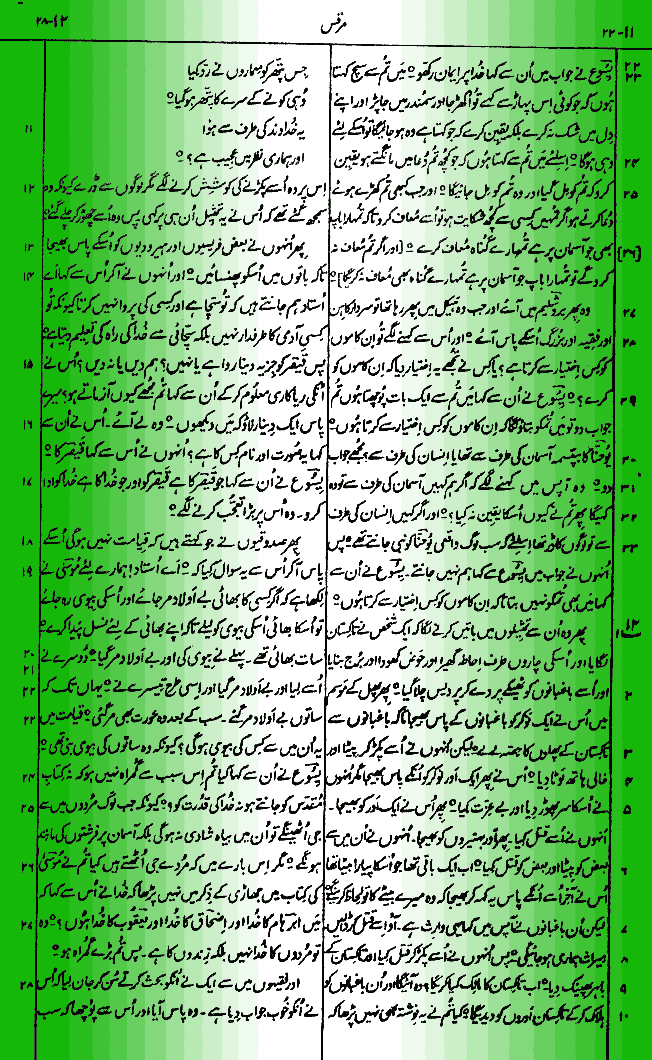
انجیر کے درخت کے سوکھ جانے کے بعد یسوع نے اپنے شاگردوں کو واضح طور پر خدا پر کامل بھروسہ رکھنے کی ہدایت کی۔ یہ حکم صرف ذہنی یقین تک محدود نہیں ہے بلکہ یہ خدا کی حاکمیت اور وفاداری پر غیر متزلزل ایمان کا تقاضا کرتا ہے۔ یہ ظاہر کرتا ہے کہ حقیقی روحانی طاقت انسانی کوشش سے نہیں بلکہ خدا کے ساتھ گہرے تعلق سے پیدا ہوتی ہے۔
Mark 11:23
-
Verse Text:
For verily I say unto you That whosoever shall say unto this mountain Be thou removed and be thou cast into the sea and shall not doubt in his heart but shall believe that those things which he saith shall come to pass he shall have whatsoever he saith
-
Detailed English Explanation: Jesus uses hyperbole—moving a mountain into the sea—to illustrate the limitless potential of unwavering faith. The “mountain” represents immense, seemingly insurmountable obstacles. The crucial condition here is a heart free from doubt; when a believer’s declaration aligns perfectly with God’s sovereign will, supernatural barriers are removed.
-
Detailed Urdu Explanation:
یسوع نے غیر متزلزل ایمان کی لاحدود صلاحیت کو واضح کرنے کے لیے پہاڑ کو سمندر میں پھینکنے کی مثال استعمال کی۔ یہاں “پہاڑ” سے مراد زندگی کی وہ بڑی اور بظاہر ناممکن مشکلات ہیں جن کا انسان کو سامنا ہوتا ہے۔ اس کی اہم شرط دل میں شک کا نہ ہونا ہے۔ جب ایک ایماندار کا اقرار خدا کی مرضی کے مطابق ہوتا ہے تو معجزاتی طور پر رکاوٹیں دور ہو جاتی ہیں۔
Mark 11:24
-
Verse Text:
Therefore I say unto you What things soever ye desire when ye pray believe that ye receive them and ye shall have them
-
Detailed English Explanation: This verse emphasizes the psychological and spiritual posture of expectancy in prayer. Jesus instructs believers to pray with a certainty that views the answer as already granted. This is not a formula for selfish desire, but a teaching on praying with full assurance in God’s goodness and alignment with His purposes.
-
Detailed Urdu Explanation:
یہ آیت دعا میں یقین اور امید کی روحانی حالت پر زور دیتی ہے۔ یسوع نے شاگردوں کو ہدایت کی کہ وہ اس یقین کے ساتھ دعا کریں جیسے ان کی دعا پہلے ہی سنی جا چکی ہو۔ یہ دنیاوی یا خود غرضانہ خواہشات پوری کرنے کا فارمولا نہیں ہے بلکہ خدا کی اچھائی اور اس کی مرضی کے مطابق کامل یقین کے ساتھ دعا کرنے کی تعلیم ہے۔
Mark 11:25
-
Verse Text:
And when ye stand praying forgive if ye have ought against any that your Father also which is in heaven may forgive you your trespasses
-
Detailed English Explanation: Jesus establishes an inseparable link between personal prayer, faith, and interpersonal relationships. Effective prayer cannot coexist with a resentful heart. Forgiving others is presented as a prerequisite to experiencing the fullness of God’s own forgiveness and answers to prayer, showing that horizontal relationships affect our vertical relationship with God.
-
Detailed Urdu Explanation:
یسوع نے ذاتی دعا، ایمان اور انسانی تعلقات کے مابین ایک گہرا تعلق قائم کیا۔ ایک کینہ پرور دل کے ساتھ مؤثر دعا ممکن نہیں ہے۔ دوسروں کو معاف کرنا خدا کی طرف سے معافی پانے اور دعاؤں کے جواب حاصل کرنے کے لیے ایک لازمی شرط کے طور پر پیش کیا گیا ہے جس سے ظاہر ہوتا ہے کہ ہمارے زمینی تعلقات ہمارے آسمانی تعلق پر اثر انداز ہوتے ہیں۔
Mark 11:26
-
Verse Text:
But if ye do not forgive neither will your Father which is in heaven forgive your trespasses
-
Detailed English Explanation: This verse provides a sobering warning that reinforces the principle of reciprocal mercy. An unforgiving spirit builds a barrier between the believer and God’s grace. It underscores that receiving divine forgiveness requires a heart willing to extend that same grace to others.
-
Detailed Urdu Explanation:
یہ آیت ایک سنجیدہ وارننگ دیتی ہے جو باہمی رحم کے اصول کو تقویت دیتی ہے۔ معاف نہ کرنے والا رویہ ایماندار اور خدا کے فضل کے درمیان ایک دیوار کھڑی کر دیتا ہے۔ یہ اس بات پر زور دیتا ہے کہ الٰہی معافی حاصل کرنے کے لیے دل میں دوسروں کو معاف کرنے کا جذبہ ہونا ضروری ہے۔
Mark 11:27
-
Verse Text:
And they come again to Jerusalem and as he was walking in the temple there come to him the chief priests and the scribes and the elders
-
Detailed English Explanation: Returning to Jerusalem after cleansing the temple, Jesus is confronted by a powerful delegation representing the Sanhedrin (chief priests, scribes, and elders). This official body confronts Him in the temple courts, setting the stage for a formal ideological challenge to His ministry.
-
Detailed Urdu Explanation:
ہیکل کی صفائی کے بعد یروشلم واپس آنے پر یسوع کا سامنا اعلیٰ کاہنوں، فقیہوں اور بزرگوں پر مشتمل ایک طاقتور وفد سے ہوا جو کہ سنہیڈرن (یہودی کونسل) کی نمائندگی کر رہے تھے۔ ہیکل کے صحن میں اس سرکاری گروہ کا سامنے آنا یسوع کی وزارت کو باقاعدہ چیلنج کرنے کی شروعات تھی۔
Mark 11:28
-
Verse Text:
And say unto him By what authority doest thou these things and who gave thee this authority to do these things
-
Detailed English Explanation: The religious leaders demand to know the legal and spiritual basis for Jesus’ actions, specifically His disruption of the temple commerce and His public teachings. They seek to entrap Him; if He claims human authority, they can dismiss Him, and if He claims divine authority, they can charge Him with blasphemy.
-
Detailed Urdu Explanation:
مذہبی رہنماؤں نے یسوع کے اقدامات بالخصوص ہیکل میں تجارت کو روکنے اور عوامی تعلیمات کی قانونی اور روحانی بنیاد کے بارے میں سوال کیا۔ ان کا مقصد یسوع کو پھنسانا تھا؛ اگر وہ انسانی اختیار کا دعویٰ کرتے تو وہ اسے مسترد کر دیتے اور اگر وہ الٰہی اختیار کا دعویٰ کرتے تو وہ ان پر کفر کا الزام لگا سکتے تھے۔
Mark 11:29
-
Verse Text:
And Jesus answered and said unto them I will also ask of you one question and answer me and I will tell you by what authority I do these things
-
Detailed English Explanation: With profound wisdom, Jesus employs a common rabbinic debating technique by countering their question with one of His own. This move shifts the burden of proof and forces the religious elites to declare their stance on God’s contemporary workings before He addresses their inquiry.
-
Detailed Urdu Explanation:
یسوع نے کمال حکمت کے ساتھ ان کے سوال کے جواب میں اپنا ایک سوال رکھ کر ربیوں کے مباحثے کا روایتی طریقہ استعمال کیا۔ اس اقدام نے جواب دہی کا بوجھ ان پر ڈال دیا اور مذہبی اشرافیہ کو مجبور کیا کہ وہ یسوع کے جواب دینے سے پہلے خدا کے کاموں کے بارے میں اپنا موقف واضح کریں۔
Mark 11:30
-
Verse Text:
The baptism of John was it from heaven or of men answer me
-
Detailed English Explanation: Jesus centers His counter-question on John the Baptist, whose ministry was widely recognized by the masses. By asking if John’s baptism was divinely ordained (“from heaven”) or merely human origin, Jesus links His own authority to John’s ministry, as John had publicly validated Jesus.
-
Detailed Urdu Explanation:
یسوع نے اپنے جوابی سوال کا مرکز یوحنا بپتسمہ دینے والے کو بنایا جن کی وزارت کو عوام میں بڑے پیمانے پر تسلیم کیا جاتا تھا۔ یہ پوچھ کر کہ کیا یوحنا کا بپتسمہ الٰہی تھا یا انسانی یسوع نے اپنے اختیار کو یوحنا کی وزارت سے جوڑ دیا کیونکہ یوحنا نے عوامی طور پر یسوع کی تصدیق کی تھی۔
Mark 11:31
-
Verse Text:
And they reasoned with themselves saying If we shall say From heaven he will say Why then did ye not believe him
-
Detailed English Explanation: The religious leaders immediately calculate the political consequences of their answer rather than seeking truth. They recognize that admitting John’s ministry was from heaven would convict them of spiritual blindness and rebellion, as they had systematically rejected John’s message and testimony about Jesus.
-
Detailed Urdu Explanation:
مذہبی رہنماؤں نے حق کو تلاش کرنے کے بجائے فوری طور پر اپنے جواب کے سیاسی نتائج کا حساب لگایا۔ وہ جانتے تھے کہ اگر وہ یوحنا کی وزارت کو آسمان کی طرف سے تسلیم کرتے ہیں تو وہ روحانی اندھے پن اور سرکشی کے مجرم ٹھہریں گے کیونکہ انہوں نے یوحنا کے پیغام اور یسوع کے بارے میں ان کی گواہی کو رد کیا تھا۔
Mark 11:32
-
Verse Text:
But if we shall say Of men they feared the people for all men counted John that he was a prophet indeed
-
Detailed English Explanation: The dilemma intensifies as they consider the alternative. To claim John’s ministry was merely human would provoke the anger of the populace, who held John in high esteem as a true prophet. This highlights that these leaders were driven by political survival and fear of man rather than the fear of God.
-
Detailed Urdu Explanation:
ان کا مخمصہ اس وقت بڑھ گیا جب انہوں نے دوسرے آپشن پر غور کیا۔ یہ کہنا کہ یوحنا کا کام محض انسانی تھا عوام کے غصے کو دعوت دینا تھا جو یوحنا کو سچا نبی مانتے تھے۔ یہ ظاہر کرتا ہے کہ یہ رہنما خدا کے خوف کے بجائے عوامی ردعمل اور اپنے سیاسی بقا کے خوف سے مغلوب تھے۔
Mark 11:33
-
Verse Text:
And they answered and said unto Jesus We cannot tell And Jesus answering saith unto them Neither do I tell you by what authority I do these things
-
Detailed English Explanation: Trapped by their own hypocrisy, the leaders choose insulation over truth and offer an evasive “We cannot tell.” Because they refused to acknowledge the obvious divine validation of John’s ministry, Jesus rightfully denies them a direct answer about His own authority, exposing their insincerity.
-
Detailed Urdu Explanation:
اپنی ہی منافقت میں پھنس کر رہنماؤں نے سچائی کا سامنا کرنے کے بجائے پناہ لینے کی کوشش کی اور جواب دیا کہ “ہم نہیں جانتے۔” چونکہ انہوں نے یوحنا کی وزارت کی واضح الٰہی تصدیق کو ماننے سے انکار کر دیا تھا اس لیے یسوع نے بھی انہیں اپنے اختیار کے بارے میں براہ راست جواب دینے سے انکار کر کے ان کی غیر مخلصانہ نیت کو بے نقاب کر دیا۔
Mark 12:1
-
Verse Text:
And he began to speak unto them by parables A certain man planted a vineyard and set an hedge about it and digged a place for the winefat and built a tower and let it out to husbandmen and went into a far country
-
Detailed English Explanation: Jesus transitions into a parable explicitly directed at the religious leadership, rich in Old Testament imagery (reminiscent of Isaiah 5). The vineyard represents Israel, the owner is God, the protective elements show His care, and the husbandmen (tenant farmers) represent the religious leaders entrusted with tending God’s people.
-
Detailed Urdu Explanation:
یسوع نے تمثیلوں کے ذریعے بات شروع کی جو خاص طور پر مذہبی رہنماؤں کی طرف متوجہ تھی اور پرانے عہد نامے (یسعیاہ ۵) کی تشبیہات سے مالامال تھی۔ انگور کا باغ اسرائیل کی نمائندگی کرتا ہے مالک خدا ہے حفاظتی باڑ اس کی دیکھ بھال کو ظاہر کرتی ہے اور باغبان (کاشتکار) ان مذہبی رہنماؤں کو ظاہر کرتے ہیں جنہیں خدا کے لوگوں کی نگہبانی سونپی گئی تھی۔
Mark 12:2
-
Verse Text:
And at the season he sent to the husbandmen a servant that he might receive from the husbandmen of the fruit of the vineyard
-
Detailed English Explanation: At harvest time, the owner sends a servant to collect his rightful share of the produce. Spiritually, this represents God sending prophets across Israel’s history to look for fruits of righteousness, obedience, and spiritual devotion from His covenant people.
-
Detailed Urdu Explanation:
فصل کے وقت مالک نے کاشتکاروں کے پاس ایک نوکر بھیجا تاکہ وہ باغ کی پیداوار کا اپنا جائز حصہ حاصل کر سکے۔ روحانی طور پر یہ خدا کی طرف سے اسرائیل کی تاریخ میں نبیوں کو بھیجنے کی علامت ہے تاکہ وہ اپنے عہد کے لوگوں سے راستبازی، فرمانبرداری اور روحانی پھل تلاش کر سکے۔
Mark 12:3
-
Verse Text:
And they caught him and beat him and sent him away empty
-
Detailed English Explanation: Instead of honoring their agreement, the tenants assault the servant and send him away empty-handed. This outlines the initial rejection experienced by God’s messengers throughout Israel’s history, where prophetic calls to repentance were met with physical hostility.
-
Detailed Urdu Explanation:
معاہدے کا احترام کرنے کے بجائے کاشتکاروں نے نوکر کو پکڑا اسے پیٹا اور خالی ہاتھ واپس بھیج دیا۔ یہ اسرائیل کی تاریخ میں خدا کے پیغمبروں کے ساتھ ہونے والے ابتدائی سلوک کی عکاسی کرتا ہے جہاں توبہ کی پکار کا جواب دشمنی اور تشدد سے دیا جاتا تھا۔
Mark 12:4
-
Verse Text:
And again he sent unto them another servant and at him they cast stones and wounded him in the head and sent him away shamefully handled
-
Detailed English Explanation: The owner demonstrates patience by sending another messenger, but the tenants’ hostility intensifies. They attack him with stones, causing severe head injuries, and humiliate him. This signifies the escalating rejection and abuse suffered by Israel’s later prophets who spoke out against institutional apostasy.
-
Detailed Urdu Explanation:
مالک نے صبر کا مظاہرہ کرتے ہوئے ایک اور نوکر بھیجا لیکن کاشتکاروں کی دشمنی مزید بڑھ گئی۔ انہوں نے اسے پتھر مارے جس سے اس کے سر پر شدید چوٹیں آئیں اور اسے ذلیل کر کے واپس بھیجا۔ یہ اسرائیل کے بعد کے انبیاء پر ہونے والے بڑھتے ہوئے مظالم اور رد کیے جانے کی نشاندہی کرتا ہے۔
Mark 12:5
-
Verse Text:
And again he sent another and him they killed and many others beating some and killing some
-
Detailed English Explanation: The pattern of rebellion reaches a critical state as the tenants turn to murder. Subsequent messengers face widespread violence and death. This captures the tragic historical reality noted throughout the scriptures where God’s messengers were systemically persecuted, beaten, and martyred.
-
Detailed Urdu Explanation:
سرکشی کا یہ سلسلہ اس وقت انتہا کو پہنچ گیا جب باغبانوں نے قتل کرنا شروع کر دیا۔ اس کے بعد آنے والے کئی نوکروں پر تشدد کیا گیا اور انہیں قتل کر دیا گیا۔ یہ اس تلخ تاریخی حقیقت کو ظاہر کرتا ہے جہاں خدا کے بھیجے ہوئے لوگوں کو باقاعدہ ظلم کا نشانہ بنایا گیا اور شہید کیا گیا۔
Mark 12:6
-
Verse Text:
Having yet therefore one son his wellbeloved he sent him also last unto them saying They will reverence my son
-
Detailed English Explanation: The owner takes a ultimate, deeply vulnerable step by sending his “wellbeloved son,” assuming that the tenants will finally show respect to his ultimate representative. This is a clear Christological declaration where Jesus identifies Himself as God’s unique, beloved Son, standing in contrast to the prior prophetic servants.
-
Detailed Urdu Explanation:
مالک نے ایک آخری اور انتہائی جذباتی قدم اٹھایا اور اپنے “پیارے بیٹے” کو بھیجا یہ سوچ کر کہ کاشتکار کم از کم اس کے وارث کا احترام کریں گے۔ یہ ایک واضح مسیحائی اعلان ہے جہاں یسوع خود کو خدا کے اکلوتے اور محبوب بیٹے کے طور پر پیش کرتے ہیں جو پہلے آنے والے تمام خادموں (انبیاء) سے افضل ہے۔
Mark 12:7
-
Verse Text:
But those husbandmen said among themselves This is the heir come let us kill him and the inheritance shall be ours
-
Detailed English Explanation: The tenants plot premeditated murder upon recognizing the son, reasoning that by eliminating the heir, they can claim legal ownership of the vineyard. This exposes the deep-seated motive of the chief priests and scribes: a desire to maintain their own authority, status, and control over Israel, completely free from God’s sovereign claim.
-
Detailed Urdu Explanation:
باغبانوں نے بیٹے کو پہچان کر پہلے سے طے شدہ قتل کی سازش کی اور سوچا کہ اگر وہ وارث کو ختم کر دیں گے تو باغ کے مالک وہ خود بن جائیں گے۔ یہ اعلیٰ کاہنوں اور فقیہوں کے گہرے عزائم کو بے نقاب کرتا ہے یعنی خدا کی حاکمیت کو رد کر کے اسرائیل پر اپنا اختیار، رتبہ اور کنٹرول برقرار رکھنے کی خواہش۔
Mark 12:8
-
Verse Text:
And they took him and killed him and cast him out of the vineyard
-
Detailed English Explanation: The climax of the tenants’ wickedness is realized as they execute the son and cast his body out of the vineyard, denying him a proper burial. This foretells the impending crucifixion of Jesus, who would be condemned by the leadership and led outside the walls of Jerusalem to be executed.
-
Detailed Urdu Explanation:
کاشتکاروں کی شرارت اپنے انجام کو پہنچی جب انہوں نے بیٹے کو قتل کیا اور اس کی لاش کو باغ سے باہر پھینک کر کفن دفن سے بھی محروم کر دیا۔ یہ یسوع کی مصلوبیت کی پیشگوئی ہے جنہیں مذہبی رہنماؤں کی طرف سے مجرم ٹھہرا کر یروشلم کی دیواروں سے باہر لے جا کر مصلوب کیا جانا تھا۔
Mark 12:9
-
Verse Text:
What shall therefore the lord of the vineyard do he will come and destroy the husbandmen and will give the vineyard unto others
-
Detailed English Explanation: Jesus asks a rhetorical question about the inevitable consequence of this treason and answers it directly. The owner will enact absolute judgment upon the rebellious tenants and hand over the stewardship of the vineyard to others. This pronounces the removal of the Jewish elite from spiritual leadership, passing spiritual stewardship to the Apostles and the expanding Church.
-
Detailed Urdu Explanation:
یسوع نے اس بغاوت کے ناگزیر انجام کے بارے میں ایک سوال پوچھا اور خود ہی جواب دیا۔ مالک ان سرکش باغبانوں کو نیست و نابود کر دے گا اور باغ کی باگ ڈور دوسروں کو سونپ دے گا۔ یہ یہودی اشرافیہ کی روحانی قیادت سے برطرفی اور کلیسیا و رسولوں کو اس ذمہ داری کی منتقلی کا اعلان ہے۔
Mark 12:10
-
Verse Text:
And have ye not read this scripture The stone which the builders rejected is become the head of the corner
-
Detailed English Explanation: Jesus quotes Psalm 118:22–23 to shift metaphors from agriculture to architecture. The “builders” are the religious authorities who judge Jesus to be useless for their building, yet God chooses this exact rejected stone to become the capstone or cornerstone—the most critical structural element of His spiritual temple.
-
Detailed Urdu Explanation:
یسوع نے زبور ۱۱۸: ۲۲۔۲۳ کا حوالہ دیتے ہوئے زراعت کی مثال کو عمارت سازی کی مثال میں بدل دیا۔ “معمار” سے مراد مذہبی رہنما ہیں جنہوں نے یسوع کو اپنی عمارت کے لیے ناکارہ سمجھ کر رد کر دیا، لیکن خدا نے اسی رد کیے ہوئے پتھر کو کونے کا سرا (سب سے اہم پتھر) بنا دیا جو اس کی روحانی ہیکل کی بنیاد ہے۔
Mark 12:11
-
Verse Text:
This was the Lord’s doing and it is marvellous in our eyes
-
Detailed English Explanation: This overturning of human judgment is a direct display of sovereign divine intervention. While human systems reject God’s chosen instruments, God’s ultimate vindication of His Son through the resurrection and establishment of the Church stands as an awe-inspiring wonder to all believers.
-
Detailed Urdu Explanation:
انسانی فیصلے کو بدل دینا خدا کی خود مختار قدرت کا براہ راست مظاہرہ ہے۔ اگرچہ انسانی نظام خدا کے چنے ہوئے وسیلوں کو مسترد کرتے ہیں، لیکن جی اٹھنے اور کلیسیا کے قیام کے ذریعے اپنے بیٹے کی خدا کی طرف سے کی گئی تصدیق تمام ایمانداروں کی نظروں میں ایک عجیب اور شاندار کام ہے۔
Mark 12:12
-
Verse Text:
And they sought to lay hold on him but feared the people for they knew that he had spoken the parable against them and they left him and went their way
-
Detailed English Explanation: The religious leaders fully comprehend that the villainous tenants in the parable represent them. Their immediate reaction is a desire to arrest Him, but they are restrained solely by their fear of a popular uprising among the crowds. Frustrated, they temporarily retreat to plot alternative strategies.
-
Detailed Urdu Explanation:
مذہبی رہنما اچھی طرح سمجھ گئے کہ تمثیل میں ظالم باغبان ان ہی کی نمائندگی کر رہے تھے۔ ان کا فوری ردعمل یسوع کو گرفتار کرنے کی خواہش تھا، لیکن وہ صرف عوام کے غصے اور بغاوت کے ڈر سے رک گئے۔ مایوسی میں انہوں نے عارضی طور پر پسپائی اختیار کی تاکہ نئی سازشیں تیار کر سکیں۔
Mark 12:13
-
Verse Text:
And they send unto him certain of the Pharisees and of the Herodians to catch him in his words
-
Detailed English Explanation: An alliance is formed between two opposing political and religious factions: the strongly anti-Roman Pharisees and the pro-Roman Herodians. Their shared animosity toward Jesus unites them in a coordinated attempt to trap Him into making a politically subversive statement.
-
Detailed Urdu Explanation:
یہاں دو مخالف سیاسی اور مذہبی گروہوں کے درمیان ایک اتحاد قائم ہوا: رومی حکومت کے سخت خلاف فcount فريسی اور رومی حکومت کے حامی ہیرودی۔ یسوع کے خلاف ان کی مشترکہ دشمنی نے انہیں ایک ایسے جال بننے پر متحد کیا جس میں وہ یسوع کو کسی سیاسی بیان میں پھنسا سکیں۔
Mark 12:14
-
Verse Text:
And when they were come they say unto him Master we know that thou art true and carest for no man for thou regardest not the person of men but teachest the way of God in truth Is it lawful to give tribute to Caesar or not
-
Detailed English Explanation: The interrogators begin with insincere flattery, praising Jesus’ integrity and impartiality to lower His guard. They then deliver a calculated, highly polarizing trap question regarding the imperial poll tax paid to Rome. A “yes” would alienate the Jewish masses who hated Roman rule, while a “no” would allow them to report Him to Pilate for sedition.
-
Detailed Urdu Explanation:
سوال کرنے والوں نے منافقانہ چاپلوسی سے شروعات کی اور یسوع کی سچائی اور غیر جانبداری کی تعریف کی تاکہ وہ چوکنے نہ رہیں۔ پھر انہوں نے رومی حکومت کو ٹیکس دینے کے حوالے سے ایک انتہائی حساس سوال پوچھا۔ اگر وہ “ہاں” کہتے تو یہودی عوام ان کے خلاف ہو جاتے جو رومی حکومت سے نفرت کرتے تھے، اور اگر وہ “ناں” کہتے تو وہ ان پر رومی حکومت کے خلاف بغاوت کا مقدمہ چلا سکتے تھے۔
Mark 12:15
-
Verse Text:
Shall we give or shall we not give But he knowing their hypocrisy said unto them Why tempt ye me bring me a penny that I may see it
-
Detailed English Explanation: Jesus is completely unaffected by their flattery and identifies their hidden motive as a malicious test (“Why tempt ye me?”). Instead of offering a simplistic answer, He requests a denarius (a Roman silver coin), initiating a visual object lesson that shifts the terms of the debate entirely.
-
Detailed Urdu Explanation:
یسوع ان کی چاپلوسی سے بالکل متاثر نہ ہوئے اور ان کے چھپے ہوئے برے ارادے کو پہچان لیا۔ ایک سادہ ہاں یا نا میں جواب دینے کے بجائے انہوں نے ایک دینار (رومی چاندی کا سکہ) منگوایا تاکہ ایک عملی مثال کے ذریعے اس بحث کا رخ موڑ دیں۔
Mark 12:16
-
Verse Text:
And they brought it And he saith unto them Whose is this image and superscription And they said unto him Caesar’s
-
Detailed English Explanation: When they produce the coin, Jesus directs attention to its physical markings: the engraved profile of Tiberius Caesar and the inscription attributing divine titles to him. By affirming that the coin bears Caesar’s likeness, the interrogators unwittingly acknowledge their practical participation in Caesar’s economic system.
-
Detailed Urdu Explanation:
جب وہ سکہ لائے تو یسوع نے اس پر موجود نشانات کی طرف توجہ دلائی: طیبریاس قیصر کی تصویر اور اس پر لکھی ہوئی تحریر۔ یہ تسلیم کرتے ہوئے کہ سکے پر قیصر کی مہر ہے، سوال کرنے والوں نے نادانستہ طور پر یہ اعتراف کر لیا کہ وہ قیصر کے معاشی نظام کا حصہ ہیں۔
Mark 12:17
-
Verse Text:
And Jesus answering said unto them Render to Caesar the things that are Caesar’s and to God the things that are God’s And they marvelled at him
-
Detailed English Explanation: Jesus delivers a brilliant principle of dual citizenship. Because the coin bears Caesar’s image, it belongs to him and can be given back for civil obligations. However, since human beings bear God’s image (Genesis 1:27), their entire soul, life, and devotion must be rendered exclusively to God. This profound response leaves His adversaries astonished and silent.
-
Detailed Urdu Explanation:
یسوع نے دوہری شہریت کا ایک شاندار اصول پیش کیا۔ چونکہ سکے پر قیصر کی تصویر ہے، یہ اس کا ہے اور شہری ذمہ داریوں کے طور پر اسے واپس دیا جا سکتا ہے۔ لیکن چونکہ انسان خدا کی صورت پر بنایا گیا ہے (پیدائش ۱: ۲۷) اس لیے اس کی پوری روح، زندگی اور وفاداری صرف خدا کے لیے ہونی چاہیے۔ اس گہرے جواب نے ان کے دشمنوں کو حیران اور لاجواب کر دیا۔
Mark 12:18
-
Verse Text:
Then come unto him the Sadducees which say there is no resurrection and they asked him saying
-
Detailed English Explanation: The Sadducees, an aristocratic religious sect controlling the priesthood, step forward next. Their defining theological stance was the denial of the resurrection of the body and the afterlife, as they accepted only the Pentateuch (the first five books of Moses) as authoritative scripture. They present a hypothetical puzzle designed to make the idea of resurrection look ridiculous.
-
Detailed Urdu Explanation:
اس کے بعد صدوقی سامنے آئے جو کہ ایک اشرافیہ مذہبی فرقہ تھا اور کہانت پر ان کا کنٹرول تھا۔ ان کا بنیادی عقیدہ جسمانی قیامت اور آخرت کا انکار تھا کیونکہ وہ صرف تورات (موسیٰ کی پہلی پانچ کتابوں) کو مستند مانتے تھے۔ انہوں نے قیامت کے تصور کو مضحکہ خیز ثابت کرنے کے لیے ایک فرضی الجھن پیش کی۔
Mark 12:19
-
Verse Text:
Master Moses wrote unto us If a man’s brother die and leave his wife behind him and leave no children that his brother should take his wife and raise up seed unto his brother
-
Detailed English Explanation: They reference the law of Levirate marriage found in Deuteronomy 25:5–6. This legal provision required a man to marry his deceased brother’s childless widow to preserve the family lineage and property within Israel. They use Moses’ own text as the foundation for their trap.
-
Detailed Urdu Explanation:
انہوں نے استثنا ۲۵: ۵۔۶ میں موجود ‘لیویریٹ شادی’ کے قانون کا حوالہ دیا۔ اس قانون کے تحت اگر کوئی شخص بے اولاد مر جائے تو اس کے بھائی کے لیے لازم تھا کہ وہ اپنے مرحوم بھائی کی بیوہ سے شادی کرے تاکہ خاندان کا نام اور جائیداد برقرار رہے۔ انہوں نے موسیٰ کی شریعت کو ہی اپنے جال کی بنیاد بنایا۔
Mark 12:20
-
Verse Text:
Now there were seven brethren and the first took a wife and dying left no seed
-
Detailed English Explanation: The Sadducees set up an extreme, highly exaggerated hypothetical scenario involving seven brothers. The first brother marries, dies without leaving any offspring, and according to custom, leaves his widow behind.
-
Detailed Urdu Explanation:
صدوقیوں نے سات بھائیوں کا ایک فرضی اور انتہائی مبالغہ آمیز منظر نامہ پیش کیا۔ پہلے بھائی نے شادی کی، وہ بغیر اولاد کے مر گیا، اور رواج کے مطابق اپنی بیوہ کو چھوڑ گیا۔
Mark 12:21
-
Verse Text:
And the second took her and died neither left he any seed and the third likewise
-
Detailed English Explanation: The tragic sequence unfolds mechanically: the second brother marries the widow and dies childless; the third brother experiences the exact same outcome. The repetition emphasizes the legal entanglement they are trying to create.
-
Detailed Urdu Explanation:
یہ سلسلہ اسی طرح آگے بڑھا: دوسرے بھائی نے اس بیوہ سے شادی کی اور وہ بھی بے اولاد مر گیا؛ تیسرے بھائی کے ساتھ بھی بالکل یہی ہوا۔ یہ تکرار اس قانونی الجھن کو ظاہر کرنے کے لیے تھی جو وہ پیدا کرنا چاہتے تھے۔
Mark 12:22
-
Verse Text:
And the seven had her and left no seed last of all the woman died also
-
Detailed English Explanation: All seven brothers eventually marry the same woman sequentially, and all seven die leaving no children. Finally, the woman herself dies. This highly contrived chain of events is presented to maximize the apparent absurdity of the afterlife.
-
Detailed Urdu Explanation:
آخر کار تمام سات بھائیوں نے باری باری اس عورت سے شادی کی اور ساتوں ہی بغیر اولاد کے مر گئے۔ آخر میں وہ عورت بھی مر گئی۔ یہ فرضی کہانی آخرت کے تصور کو مضحکہ خیز ثابت کرنے کے لیے بنائی گئی تھی۔
Mark 12:23
-
Verse Text:
In the resurrection therefore when they shall rise whose wife shall she be of them for the seven had her to wife
-
Detailed English Explanation: The Sadducees deliver what they consider a theological checkmate: if the resurrection is real, who claims legal ownership of this woman in the afterlife? They assume that existence after death is a mere continuation of earthly, biological, and legal relationships.
-
Detailed Urdu Explanation:
صدوقیوں نے اپنا وہ سوال پوچھا جسے وہ لاجواب سمجھ رہے تھے: اگر قیامت سچی ہے تو آخرت میں وہ کس کی بیوی ہوگی؟ کیونکہ ساتوں اس کے شوہر رہ چکے تھے۔ ان کا خیال تھا کہ موت کے بعد کی زندگی محض اسی زمینی، حیاتیاتی اور قانونی تعلقات کا تسلسل ہوگی۔
Mark 12:24
-
Verse Text:
And Jesus answering said unto them Do ye not therefore err because ye know not the scriptures neither the power of God
-
Detailed English Explanation: Jesus directly exposes the root of their theological error, attributing it to two failures: their superficial understanding of the scriptures and their disbelief in the transformative power of God. He argues that they are limiting God’s capabilities by processing the eternal realm through strict earthly boundaries.
-
Detailed Urdu Explanation:
یسوع نے ان کی نظریاتی غلطی کی جڑ کو بے نقاب کیا اور اسے دو بڑی خامیوں سے منسوب کیا: پاک نوشتوں کی سطحی سمجھ اور خدا کی قدرت پر یقین نہ ہونا۔ انہوں نے واضح کیا کہ وہ دنیاوی حدود کے ترازو میں ابدی دنیا کو تول کر خدا کی قدرت کو محدود کر رہے ہیں۔
Mark 12:25
-
Verse Text:
For when they shall rise from the dead they neither marry nor are given in marriage but are as the angels which are in heaven
-
Detailed English Explanation: Jesus corrects their distorted view of the resurrection state. In the new creation, human existence is completely transformed; marital institutions—which serve procreation and continuity on earth—are no longer necessary. Believers will experience a glorified mode of existence, comparable to angels, characterized by direct fellowship with God.
-
Detailed Urdu Explanation:
یسوع نے جی اٹھنے کے بعد کی حالت کے بارے میں ان کے غلط نظریے کی اصلاح کی۔ نئی تخلیق میں انسانی زندگی بالکل بدل جائے گی؛ شادی بیاہ کا نظام جو زمین پر نسل بڑھانے کے لیے ہے وہاں اس کی ضرورت نہیں رہے گی۔ ایماندار فرشتوں کی مانند ایک جلالی حالت میں ہوں گے جہاں خدا کے ساتھ براہ راست رفاقت ہوگی۔
Mark 12:26
-
Verse Text:
And as touching the dead that they rise have ye not read in the book of Moses how in the bush God spake unto him saying I am the God of Abraham and the God of Isaac and the God of Jacob
-
Detailed English Explanation: To prove the resurrection, Jesus masterfully uses the Pentateuch (Exodus 3:6), the only authority the Sadducees respect. He points out that centuries after the patriarchs had died, God spoke to Moses using the present tense (“I am”), rather than the past tense (“I was”), demonstrating their ongoing existence.
-
Detailed Urdu Explanation:
قیامت کو ثابت کرنے کے لیے یسوع نے کمال مہارت کے ساتھ تورات (خروج ۳: ۶) کا حوالہ دیا جس پر صدوقی یقین رکھتے تھے۔ انہوں نے واضح کیا کہ باپ دادا کی موت کے صدیوں بعد بھی خدا نے موسیٰ سے بات کرتے ہوئے حال کا صیغہ استعمال کیا کہ “میں ابراہام کا خدا ہوں” نہ کہ یہ کہا کہ “میں تھا” جو ان کی زندہ موجودگی کو ظاہر کرتا ہے۔
Mark 12:27
-
Verse Text:
He is not the God of the dead but the God of the living ye therefore do greatly err
-
Detailed English Explanation: Jesus delivers the theological conclusion of His argument: God’s covenant relationship with Abraham, Isaac, and Jacob ensures their preservation. Because God is the God of living beings, these patriarchs must be alive in His presence, awaiting the final bodily resurrection. Jesus concludes by firmly rebuking the Sadducees’ profound error.
-
Detailed Urdu Explanation:
یسوع نے اپنے استدلال کا نتیجہ پیش کیا: ابراہام، اضحاق اور یعقوب کے ساتھ خدا کا عہدی تعلق ان کی بقا کا ضامن ہے۔ چونکہ خدا مردوں کا نہیں بلکہ زندوں کا خدا ہے اس لیے یہ بزرگ اس کے حضور زندہ ہیں اور آخری جسمانی قیامت کے منتظر ہیں۔ یسوع نے صدوقیوں کی اس بڑی غلطی پر سخت ملامت کے ساتھ بات ختم کی۔
Mark 12:28
-
Verse Text:
And one of the scribes came and having heard them reasoning together and perceiving that he had answered them well asked him Which is the first commandment of all
-
Detailed English Explanation: An observing scribe, impressed by the exceptional wisdom and scriptural precision Jesus demonstrated while silencing the Sadducees, steps forward in sincerity. He asks a genuine, highly debated theological question of the day: which commandment holds absolute priority over all others within the vast framework of the Mosaic law?
-
Detailed Urdu Explanation:
ایک فقیہ نے جو یہ سب دیکھ رہا تھا، یسوع کی غیر معمولی حکمت اور صدوقیوں کو لاجواب کرنے کے انداز سے متاثر ہو کر خلوص دل کے ساتھ قدم بڑھایا۔ اس نے اس دور کا ایک اہم اور متنازعہ سوال پوچھا کہ موسیٰ کی شریعت کے وسیع احکامات میں سے سب سے پہلا اور اہم ترین حکم کون سا ہے؟