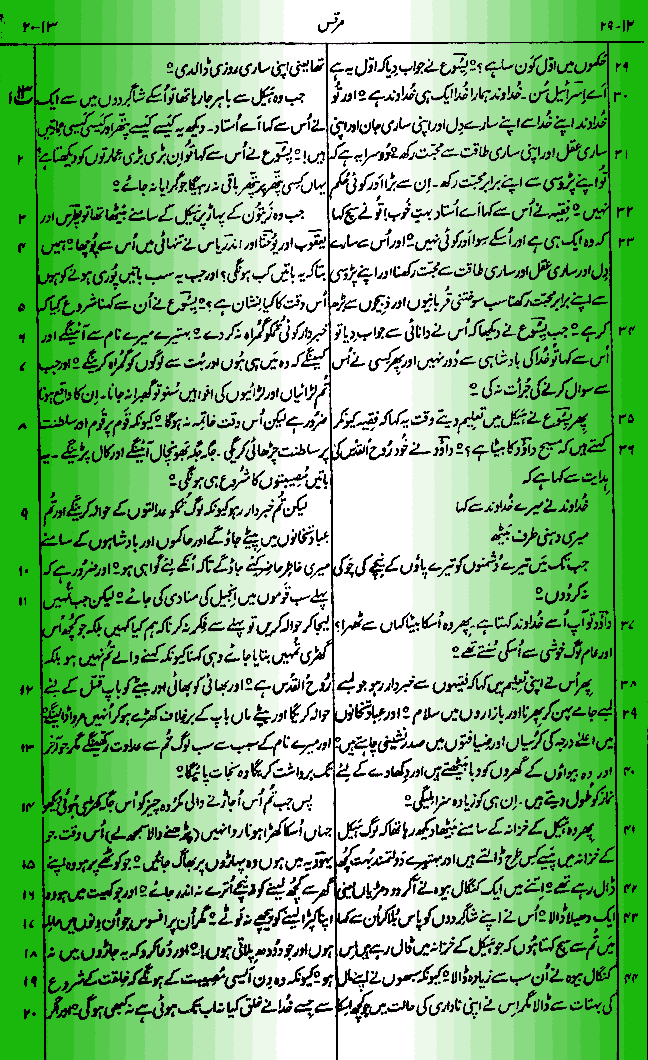
Verse-by-Verse Commentary (Mark 12:29 – Mark 13:20)
Mark 12:29
-
Verse (Punctuation Omitted): And Jesus answered him The first of all the commandments is Hear O Israel The Lord our God is one Lord
-
English Explanation: Jesus begins His response by quoting the Shema (Deuteronomy 6:4), the foundational declaration of Jewish faith. By establishing that God is uniquely one, Jesus reminds His listeners that absolute devotion belongs to God alone. True spirituality begins with recognizing the sovereign lordship and unity of the Creator.
-
Urdu Explanation (تفصیل): یسوع نے جواب دیا کہ سب سے پہلا حکم یہ ہے؛ اے اسرائیل سُن! خُداوند ہمارا خُدا ایک ہی خُداوند ہے۔ مسیح نے یہاں یہودیت کے بنیادی عقیدے (شما ع) کا ذکر کیا۔ اس کا مطلب یہ ہے کہ سچی فرمانبرداری اور عبادت کا آغاز اس بات کو تسلیم کرنے سے ہوتا ہے کہ کائنات کا خالق و مالک صرف ایک ہی ہے اور وہ ہر چیز پر قادر ہے۔
Mark 12:30
-
Verse (Punctuation Omitted): And thou shalt love the Lord thy God with all thy heart and with all thy soul and with all thy mind and with all thy strength this is the first commandment
-
English Explanation: This verse demands total commitment. Loving God is not merely an emotional feeling; it requires the entirety of a person’s being: the emotions (heart), the spiritual core (soul), the intellectual capacity (mind), and the physical actions and resources (strength). It leaves no room for divided loyalties.
-
Urdu Explanation (تفصیل): اور تُو خُداوند اپنے خُدا سے اپنے سارے دل اور اپنی ساری جان اور اپنی ساری عقل اور اپنی ساری طاقت سے محبت رکھ؛ یہ پہلا حکم ہے۔ اس کا مطلب یہ ہے کہ خدا سے محبت محض ایک جذباتی احساس نہیں ہے بلکہ اس میں انسان کا پورا وجود شامل ہونا چاہیے—اس کے جذبات (دل) اس کی روحانیت (جان) اس کی سوچ (عقل) اور اس کے تمام اعمال و وسائل (طاقت)۔
Mark 12:31
-
Verse (Punctuation Omitted): And the second is like namely this Thou shalt love thy neighbour as thyself There is none other commandment greater than these
-
English Explanation: Jesus ties love for God directly to love for humanity. You cannot genuinely love God while ignoring or mistreating your fellow human beings. True biblical self-love serves as the baseline for how we should actively seek the welfare, dignity, and protection of others.
-
Urdu Explanation (تفصیل): اور دوسرا اس کی مانند یہ ہے کہ تُو اپنے پڑوسی سے اپنے برابر محبت رکھ؛ ان سے بڑا اور کوئی حکم نہیں۔ یسوع مسیح نے خدا سے محبت کو انسانوں سے محبت کے ساتھ جوڑ دیا۔ اس کا مطلب یہ ہے کہ اگر ہم خدا سے سچی محبت کا دعویٰ کرتے ہیں تو اس کا ثبوت عملی طور پر اپنے اردگرد کے لوگوں اور ضرورت مندوں سے محبت اور ان کی دیکھ بھال کر کے دینا ہوگا۔
Mark 12:32
-
Verse (Punctuation Omitted): And the scribe said unto him Well Master thou hast said the truth for there is one God and there is none other but he
-
English Explanation: The scribe, initially testing Jesus, is won over by the profound simplicity and truth of His response. He validates Jesus’ teaching, reaffirming monotheism—that there is only one true God and no other powers or idols compare to Him.
-
Urdu Explanation (تفصیل): تب فقیہ نے اس سے کہا اے استاد بہت خوب! تُو نے سچ کہا کہ خدا ایک ہی ہے اور اس کے سوا کوئی دوسرا نہیں۔ وہ فقیہ جو غالباً یسوع کو آزمانے آیا تھا وہ آپ کے دانشمندانہ جواب سے متاثر ہوا اور اس نے اقرار کیا کہ کائنات میں صرف ایک ہی سچا خدا ہے اور بت پرستی یا کسی اور طاقت کی گنجائش نہیں۔
Mark 12:33
-
Verse (Punctuation Omitted): And to love him with all the heart and with all the understanding and with all the soul and with all the strength and to love his neighbour as himself is more than all whole burnt offerings and sacrifices
-
English Explanation: The scribe shows deep spiritual insight by realizing that internal transformation and genuine love are vastly superior to outward religious rituals. Animal sacrifices and burnt offerings mean nothing to God if the heart of the worshipper is devoid of love for God and others.
-
Urdu Explanation (تفصیل): اور اس سے سارے دل اور ساری عقل اور ساری جان اور ساری طاقت سے محبت رکھنا اور اپنے پڑوسی سے اپنے برابر محبت رکھنا تمام سوختنی قربانیوں اور ذبیحوں سے بڑھ کر ہے۔ فقیہ نے اس بات کو سمجھ لیا کہ ظاہری مذہبی رسومات اور قربانیاں اس وقت تک بے معنی ہیں جب تک انسان کا دل خدا کی محبت اور انسانی ہمدردی سے خالی ہو۔ خدا کو دل کی سچائی پسند ہے نہ کہ صرف ظاہری دکھاوا۔
Mark 12:34
-
Verse (Punctuation Omitted): And when Jesus saw that he answered discreetly he said unto him Thou art not far from the kingdom of God And no man after that durst ask him any question
-
English Explanation: Jesus recognizes the scribe’s wisdom. Understanding that love supersedes ritual brings a person to the very doorstep of God’s kingdom. However, being “not far” implies that intellectual agreement is not enough; one must still actively follow Christ. The brilliance of Jesus’ answers silenced His critics completely.
-
Urdu Explanation (تفصیل): جب یسوع نے دیکھا کہ اس نے دانشمندی سے جواب دیا تو اس سے کہا تُو خدا کی بادشاہی سے دور نہیں۔ اور اس کے بعد کسی کو اس سے سوال کرنے کی جرات نہ ہوئی۔ یسوع نے اس کی عقل کو سراہا کیونکہ وہ ظاہری مذہبیت سے اوپر اٹھ کر دیکھ رہا تھا لیکن “دور نہ ہونا” یہ بھی ظاہر کرتا ہے کہ محض سچائی کو جاننا کافی نہیں بلکہ اس پر ایمان لا کر یسوع کی پیروی کرنا ضروری ہے۔ آپ کی اس حکمت کے بعد مخالفین خاموش ہو گئے۔
Mark 12:35
-
Verse (Punctuation Omitted): And Jesus answered and said while he taught in the temple How say the scribes that Christ is the Son of David
-
English Explanation: Jesus challenges the common theological consensus of the religious leaders. The scribes taught that the Messiah would simply be a political, human descendant of David. Jesus uses Scripture to show that the Messiah’s identity is far greater and more divine than merely being David’s earthly son.
-
Urdu Explanation (تفصیل): جب یسوع ہیکل میں تعلیم دے رہا تھا تو اس نے جواب میں کہا کہ فقیہ کیوں کہتے ہیں کہ مسیح داؤد کا بیٹا ہے؟ یہاں یسوع نے اس وقت کے مذہبی رہنماؤں کی ناقص سوچ کو چیلنج کیا جو مسیح کو صرف ایک دنیاوی بادشاہ اور داؤد کی نسل سے ایک سیاسی نجات دہندہ سمجھتے تھے جبکہ مسیح کا مرتبہ اس سے کہیں بلند تھا۔
Mark 12:36
-
Verse (Punctuation Omitted): For David himself said by the Holy Ghost The LORD said to my Lord Sit thou on my right hand till I make thine enemies thy footstool
-
English Explanation: Quoting Psalm 110:1, Jesus emphasizes that David wrote under the divine inspiration of the Holy Spirit. In the text, Yahweh (The LORD) speaks to David’s Master (my Lord), commanding Him to sit in the ultimate position of authority and ruling power until His enemies are completely subdued.
-
Urdu Explanation (تفصیل): کیونکہ داؤد نے خود روح القدس کی ہدایت سے کہا کہ خُداوند نے میرے خُداوند سے کہا میری داہنی طرف بیٹھ جب تک کہ میں تیرے دشمنوں کو تیرے پاؤں تلے کی چوکی نہ کر دوں۔ یسوع نے زبور 110:1 کا حوالہ دے کر ثابت کیا کہ داؤد نے پاک روح کی تحریک سے مسیح کو اپنا “خداوند” (مالک) کہا جو ظاہر کرتا ہے کہ مسیح صرف انسان نہیں بلکہ الٰہی اختیار کا مالک ہے۔
Mark 12:37
-
Verse (Punctuation Omitted): David therefore himself calleth him Lord and whence is he then his son And the common people heard him gladly
-
Explanation: If the Messiah were only a human descendant of David, David would never call his own lineage “Lord,” as ancestors held higher status than descendants in ancient cultures. Therefore, the Messiah must be divine—the Son of God. The ordinary, everyday crowds delighted in hearing Jesus expose the limitations of the elite scholars.
-
Urdu Explanation (تفصیل): پس داؤد تو خود اسے خُداوند کہتا ہے پھر وہ اس کا بیٹا کیونکر ہوا؟ اور عام لوگ اسے خوشی سے سنتے تھے۔ ایک باپ اپنے بیٹے کو آقا یا خداوند نہیں کہتا۔ اس دلیل سے یسوع نے ظاہر کیا کہ مسیح ابنِ داؤد ہونے کے ساتھ ساتھ ابنِ خدا بھی ہے۔ عام لوگ یسوع کی اس گہری اور عام فہم تعلیم کو سن کر بہت خوش ہوتے تھے۔
Mark 12:38
-
Verse (Punctuation Omitted): And he said unto them in his doctrine Beware of the scribes which love to go in long clothing and love salutations in the marketplaces
-
English Explanation: Jesus warns the public against the performative religiosity of the religious elites. The scribes wore flowing robes to project an aura of holiness and demanded public recognition and social prestige in local markets to feed their spiritual pride.
-
Urdu Explanation (تفصیل): اور اس نے اپنی تعلیم میں ان سے کہا کہ فقیہوں سے خبردار رہو جو لمبی پوشاکیں پہن کر پھرنا اور بازاروں میں سلام چاہنا پسند کرتے ہیں۔ یسوع نے لوگوں کو مذہبی رہنماؤں کی ریاکاری سے خبردار کیا جو صرف ظاہری نمائش لمبی پوشاکوں اور عوامی مقامات پر عزت و شہرت کے بھوکے تھے نہ کہ حقیقی تقویٰ کے۔
Mark 12:39
-
Verse (Punctuation Omitted): And the chief seats in the synagogues and the uppermost rooms at feasts
-
English Explanation: Continuing His critique, Jesus notes that these leaders coveted the best seats facing the congregation in synagogues and the places of honor at banquets. Their faith was a tool used for social advancement and self-exaltation rather than serving God.
-
Urdu Explanation (تفصیل): اور عبادت خانوں میں اعلیٰ کرسیاں اور ضیافتوں میں صدر جگہیں۔ یہ فقیہ اور رہنما ہمیشہ اس تلاش میں رہتے تھے کہ انہیں محفلوں اور عبادت گاہوں میں سب سے اگلی اور عزت والی نشستیں ملیں جو ان کے اندرونی تکبر اور بڑائی کی ہوس کو ظاہر کرتا تھا۔
Mark 12:40
-
Verse (Punctuation Omitted): Which devour widows houses and for a pretence make long prayers these shall receive greater damnation
-
English Explanation: This is a severe condemnation of systemic injustice cloaked in religion. The scribes exploited vulnerable legal victims—like widows—taking financial advantage of them, while masking their corrupt greed with lengthy, theatrical prayers. Jesus warns that their judgment will be exceptionally severe.
-
Urdu Explanation (تفصیل): جو بیواؤں کے گھروں کو کھا جاتے ہیں اور دکھاوے کے لئے لمبی نمازیں پڑھتے ہیں یہ زیادہ سزا پائیں گے۔ یہ بہت سخت تنبیہ ہے۔ یہ مذہبی رہنما غریب اور بے سہارا بیواؤں کے مال و اسباب پر ناجائز قبضہ کرتے تھے اور اپنی اس لوٹ مار کو چھپانے کے لیے لمبی لمبی دعاؤں کا ڈھونگ رچاتے تھے۔ یسوع نے فرمایا کہ ان کی سزا سخت ترین ہوگی۔
Mark 12:41
-
Verse (Punctuation Omitted): And Jesus sat over against the treasury and beheld how the people cast money into the treasury and many that were rich cast in much
-
English Explanation: Jesus observes the offerings in the temple treasury. He watches wealthy people drop large, noisy sums of money into the metal collection trumpets. While their contributions were objectively large, they did not cost the rich anything of significance relative to their deep wealth.
-
Urdu Explanation (تفصیل): اور یسوع ہیکل کے غلے کے سامنے بیٹھ گیا اور دیکھنے لگا کہ لوگ غلے میں کس طرح پیسے ڈالتے ہیں اور بہت سے دولت مندوں نے بہت کچھ ڈالا۔ یسوع ہیکل کے خزانے کے پاس بیٹھ کر لوگوں کے ہدیوں کا مشاہدہ کر رہا تھا۔ امیر لوگ بڑی رقمیں ڈال رہے تھے جو ظاہری طور پر تو بہت بڑی تھیں لیکن ان کی دولت کے مقابلے میں معمولی تھیں۔
Mark 12:42
-
Verse (Punctuation Omitted): And there came a certain poor widow and she threw in two mites which make a farthing
-
English Explanation: A destitute widow approaches and drops in two small copper coins (leptons), equivalent to a fraction of a day’s wage (a farthing). Financially, it was an insignificant amount, completely unnoticed by the temple officials, but it represented everything she had.
-
Urdu Explanation (تفصیل): اور ایک غریب بیوہ نے آ کر دو دمڑیاں ڈالیں جو ایک پیسے کے برابر ہوتی ہیں۔ اس غریب بیوہ نے جو رقم ڈالی وہ دنیاوی لحاظ سے انتہائی معمولی اور حقیر تھی لیکن یہ اس کی کل کائنات تھی۔ ہیکل کے لوگ شاید اس پر توجہ بھی نہ دیتے لیکن یسوع کی نظر اس پر تھی۔
Mark 12:43
-
Verse (Punctuation Omitted): And he called unto him his disciples and saith unto them Verily I say unto you That this poor widow hath cast more in than all they which have cast into the treasury
-
English Explanation: Jesus uses this moment as a crucial spiritual lesson for His disciples. He measures the value of a gift not by its absolute commercial size, but by the level of sacrifice it requires. By this metric, the widow’s tiny contribution far outweighed the massive checks written by the wealthy elite.
-
Urdu Explanation (تفصیل): اس نے اپنے شاگردوں کو پاس بلا کر ان سے کہا میں تم سے سچ کہتا ہوں کہ اس غریب بیوہ نے غلے میں ڈالنے والوں میں سے سب سے زیادہ ڈالا ہے۔ یسوع نے اپنے شاگردوں کو ایک روحانی اصول سکھایا کہ خدا ہدیے کی قیمت روپے پیسے سے نہیں بلکہ دینے والے کی نیت اور قربانی سے ناپتا ہے۔ اس معیار کے مطابق اس بیوہ کا ہدیہ سب سے بڑا تھا۔
Mark 12:44
-
Verse (Punctuation Omitted): For all they did cast in of their abundance but she of her want did cast in all that she had even all her living
-
English Explanation: The wealthy gave out of their surplus, keeping plenty for themselves without feeling any real financial pinch. Conversely, the widow gave out of her deep poverty, surrendering her entire livelihood to God. Her offering was an act of absolute faith and complete reliance on God’s provisional care.
-
Urdu Explanation (تفصیل): کیونکہ ان سب نے اپنے مِنیاتی (بچت) مال میں سے ڈالا ہے پر اس نے اپنی ناداری کی حالت میں جو کچھ اس کا تھا بلکہ اپنی ساری روزی ڈال دی۔ امیروں نے وہ دیا جس کے جانے سے ان پر کوئی فرق نہیں پڑتا تھا لیکن اس بیوہ نے اپنی ضرورت کے وقت اپنی زندگی بھر کی جمع پونجی خدا کے سپرد کر دی جو اس کے مخلصانہ ایمان اور خدا پر بھروسے کا ثبوت ہے۔
Mark 13:1
-
Verse (Punctuation Omitted): And as he went out of the temple one of his disciples saith unto him Master see what manner of stones and what buildings are here
-
English Explanation: As they leave Herod’s Temple, a disciple points out the magnificent, massive white stones and grand architectural features of the temple complex. The temple was a source of massive national pride and seemed completely permanent, majestic, and indestructible.
-
Urdu Explanation (تفصیل): اور جب وہ ہیکل سے باہر جا رہا تھا تو اس کے شاگردوں میں سے ایک نے اس سے کہا اے استاد دیکھ! کیسے پتھر اور کیسی عمارتیں ہیں! ہیکل کی عمارت اپنی خوبصورتی سنگِ مرمر کے عظیم پتھروں اور فنِ تعمیر کے لحاظ سے دنیا کا ایک عجوبہ تھی شاگرد اس کی ظاہری شان و شوکت سے مرعوب ہو کر یسوع کی توجہ اس طرف دلا رہا تھا۔
Mark 13:2
-
Verse (Punctuation Omitted): And Jesus answering said unto him Seest thou these great buildings there shall not be left one stone upon another that shall not be thrown down
-
English Explanation: Jesus delivers a shocking, counter-cultural prophecy. He declares that despite its current grandeur, this immense temple complex will be completely leveled—not a single stone will be left standing on top of another. This was fulfilled historically in 70 AD by the Roman legions under Titus.
-
Urdu Explanation (تفصیل): یسوع نے جواب میں اس سے کہا کیا تُو ان بڑی عمارتوں کو دیکھتا ہے؟ یہاں کسی پتھر پر پتھر باقی نہ رہے گا جو گرایا نہ جائے گا۔ یسوع نے ایک ہلا دینے والی پیشگوئی کی کہ یہ عظیم ہیکل مکمل طور پر تباہ کر دیا جائے گا۔ تاریخ گواہ ہے کہ 70 عیسوی میں رومی فوج نے یروشلم پر حملہ کر کے ہیکل کو مٹی میں ملا دیا اور ایک پتھر بھی اپنی جگہ باقی نہ رہا۔
Mark 13:3
-
Verse (Punctuation Omitted): And as he sat upon the mount of Olives over against the temple Peter and James and John and Andrew asked him privately
-
English Explanation: Sitting on the Mount of Olives, which overlooked the Temple across the Kidron Valley, Jesus is approached privately by His closest inner circle of disciples. They are anxious to know more details about this catastrophic judgment He just prophesied.
-
Urdu Explanation (تفصیل): اور جب وہ ہیکل کے سامنے زیتون کے پہاڑ پر بیٹھا تھا تو پطرس اور یعقوب اور یوُحنا اور اندرياس نے تنہائی میں اس سے پوچھا۔ زیتون کے پہاڑ سے ہیکل کا پورا منظر صاف نظر آتا تھا وہاں یسوع کے قریبی شاگردوں نے خلوت میں آپ سے اس خوفناک تباہی کے بارے میں مزید جاننا چاہا۔
Mark 13:4
-
Verse (Punctuation Omitted): Tell us when shall these things be and what shall be the sign when all these things shall be fulfilled
-
English Explanation: The disciples ask two fundamental questions: When will this destruction happen, and what signs will signal that these dramatic prophetic events are about to take place? They associate the fall of the temple with the ultimate culmination of history.
-
Urdu Explanation (تفصیل): ہمیں بتا کہ یہ باتیں کب ہوں گی؟ اور جب ان سب باتوں کے پورا ہونے کا وقت قریب ہوگا تو اس کا نشان کیا ہوگا؟ شاگردوں نے دو اہم سوال پوچھے: اول یہ کہ ہیکل کب تباہ ہوگا اور دوم یہ کہ اس آخری وقت کی آمد کی نشانیاں کیا ہوں گی تاکہ وہ باخبر رہ سکیں۔
Mark 13:5
-
Verse (Punctuation Omitted): And Jesus answering them began to say Take heed lest any man deceive you
-
English Explanation: Jesus begins His famous Olivet Discourse not with dates, but with a stern pastoral warning: “Take heed lest any man deceive you.” The primary danger during times of political instability, national distress, and waiting is falling prey to spiritual deception and false teachers.
-
Urdu Explanation (تفصیل): یسوع ان کے جواب میں کہنے لگا کہ خبردار کوئی تمہیں گمراہ نہ کر دے۔ یسوع نے مستقبل کی باتیں بتانے سے پہلے انہیں روحانی طور پر ہوشیار کیا کہ ہنگامی حالات اور مصیبتوں کے وقت سب سے بڑا خطرہ گمراہی کا ہوتا ہے اس لیے جھوٹے مصلحین اور اساتذہ سے بچ کر رہنا۔
Mark 13:6
-
Verse (Punctuation Omitted): For many shall come in my name saying I am Christ and shall deceive many
-
English Explanation: Jesus warns that false messiahs will appear throughout history, claiming divine status and messianic authority (“I am He”). They will exploit human anxiety and lead many unsuspecting people astray with false promises of deliverance.
-
Urdu Explanation (تفصیل): کیونکہ بہت سے میرے نام سے آئیں گے اور کہیں گے کہ میں وہی ہوں اور بہتوں کو گمراہ کریں گے۔ تاریخ میں ایسے کئی لوگ اٹھیں گے جو مسیح ہونے کا جھوٹا دعویٰ کریں گے اور لوگوں کی مجبوریوں اور خوف کا فائدہ اٹھا کر انہیں سچی راہ سے بھٹکا دیں گے۔
Mark 13:7
-
Verse (Punctuation Omitted): And when ye shall hear of wars and rumours of wars be ye not troubled for such things must needs be but the end shall not be yet
-
English Explanation: Global geopolitics will be marked by volatile warfare and international conflicts. However, Jesus instructs believers not to panic. These chaotic historical developments must happen in a broken world, but they do not mean the immediate end of the world; they are merely part of the ongoing historical timeline.
-
Urdu Explanation (تفصیل): اور جب تم لڑائیاں اور لڑائیوں کی افواہیں سنو تو گھبرا نہ جانا کیونکہ ان باتوں کا ہونا ضرور ہے لیکن اس وقت خاتمہ نہ ہوگا۔ جنگیں اور بین الاقوامی تنازعات دنیا کے بگاڑ کا حصہ ہیں یسوع نے فرمایا کہ ان حالات کو دیکھ کر ایمان داروں کو خوفزدہ نہیں ہونا چاہیے کیونکہ یہ سب کچھ آخری وقت کا آغاز تو ہو سکتا ہے لیکن یہ عین آخری نقطہ نہیں ہے۔
Mark 13:8
-
Verse (Punctuation Omitted): For nation shall rise against nation and kingdom against kingdom and there shall be earthquakes in divers places and there shall be famines and troubles these are the beginnings of sorrows
-
English Explanation: Jesus describes global upheavals, including international conflict, localized natural disasters (earthquakes), and resource crises (famines). He frames these tragic events as “the beginnings of sorrows”—literally, birth pangs. They indicate that the labor process of history has started, but the final deliverance is still ahead.
-
Urdu Explanation (تفصیل): کیونکہ قوم پر قوم اور سلطنت پر سلطنت چڑھائی کرے گی اور جگہ جگہ بھونچال آئیں گے اور کال پڑیں گے اور فتنے برپا ہوں گے یہ باتیں مصیبتوں کا آغاز ہوں گی۔ یہاں زلزلوں قحط اور جنگوں کا ذکر ہے جنہیں یسوع نے “مصیبتوں کا آغاز” یا زچگی کے درد سے تشبیہ دی جو ظاہر کرتا ہے کہ دنیا ایک بڑی تبدیلی کے دور سے گزرے گی لیکن انتہا ابھی باقی ہے۔
Mark 13:9
-
Verse (Punctuation Omitted): But take heed to yourselves for they shall deliver you up to councils and in the synagogues ye shall be beaten and ye shall be brought before rulers and kings for my sake for a testimony against them
-
English Explanation: The focus shifts directly to the persecution of believers. True disciples will face institutional opposition from both religious courts (synagogues) and secular political figures (kings and governors). This suffering is not in vain; it serves as a divine stage to testify about Jesus to the ruling classes.
-
Urdu Explanation (تفصیل): لیکن تم اپنے بارے میں ہوشیار رہو کیونکہ لوگ تمہیں عدالتوں کے حوالے کریں گے اور تم عبادت خانوں میں پیٹے جاؤ گے اور میرے لئے حاکموں اور بادشاہوں کے سامنے حاضر کئے جاؤ گے تاکہ ان کے لئے گواہی ہو۔ ایمان داروں کو مذہبی اور سیاسی دونوں سطحوں پر ستایا جائے گا لیکن یہ اذیتیں دراصل حاکموں تک انجیل کا پیغام پہنچانے اور گواہی دینے کا ذریعہ بنیں گی۔
Mark 13:10
-
Verse (Punctuation Omitted): And the gospel must first be published among all nations
-
English Explanation: Before the final curtain falls on human history, God’s global mandate must be accomplished: the Gospel of Jesus Christ must be proclaimed to every ethnic group and nation on earth. Global missions are a prerequisite in God’s sovereign prophetic timeline.
-
Urdu Explanation (تفصیل): اور ضرور ہے کہ پہلے سب قوموں میں انجیل کی منادی کی جائے۔ خاتمے سے پہلے خدا کا یہ مقصد پورا ہونا لازمی ہے کہ یسوع مسیح کی خوشخبری دنیا کے ہر کونے اور ہر قوم تک پہنچائی جائے تاکہ کوئی یہ نہ کہہ سکے کہ اس تک حق نہیں پہنچا۔
Mark 13:11
-
Verse (Punctuation Omitted): But when they shall lead you and deliver you up take no thought beforehand what ye shall speak neither do ye premeditate but whatsoever shall be given you in that hour that speak ye for it is not ye that speak but the Holy Ghost
-
English Explanation: Jesus offers profound comfort to those facing trial. Disciples do not need to stress or script legal defenses ahead of time. In the critical hour of crisis, the Holy Spirit will directly inspire and provide the exact words needed. The defense will be divinely powered.
-
Urdu Explanation (تفصیل): اور جب وہ تمہیں لے جا کر حوالہ کریں تو پہلے سے فکر نہ کرنا کہ ہم کیا کہیں گے اور نہ آگے سے سوچ رکھنا بلکہ جو کچھ اسی گھڑی تمہیں بتایا جائے وہی کہنا کیونکہ بولنے والے تم نہیں بلکہ روح القدس ہے۔ آزمائش کے وقت ایمان داروں کو اپنے قانونی دفاع کے لیے پریشان ہونے کی ضرورت نہیں کیونکہ پاک روح خود ان کے منہ میں وہ الفاظ ڈالے گا جو سچائی کا منہ بولتا ثبوت ہوں گے۔
Mark 13:12
-
Verse (Punctuation Omitted): Now the brother shall betray the brother to death and the father the son and children shall rise up against their parents and shall cause them to be put to death
-
English Explanation: Persecution will breach the closest human bonds. Religious alignment with Christ will cause severe familial friction, resulting in catastrophic betrayals where siblings, parents, and children will turn each other over to executionary authorities due to spiritual division.
-
Urdu Explanation (تفصیل): اور بھائی بھائی کو اور باپ بیٹے کو قتل کے لئے پکڑوائے گا اور اولاد ماں باپ کے خلاف کھڑی ہو کر انہیں مروا ڈالے گی۔ مسیح کی خاطر مخالفت اتنی شدید ہوگی کہ خاندانی رشتے بھی ٹوٹ جائیں گے اور قریبی ترین رشتے دار ایمان کی وجہ سے ایک دوسرے کے خون کے پیاسے ہو جائیں گے۔
Mark 13:13
-
Verse (Punctuation Omitted): And ye shall be hated of all men for my name’s sake but he that shall endure unto the end the same shall be saved
-
English Explanation: Universal unpopularity and deep cultural hostility await the faithful because of their allegiance to Jesus. However, salvation is promised to those who exhibit steadfast perseverance, holding firmly to their faith through the entirety of the trial until the absolute end.
-
Urdu Explanation (تفصیل): اور میرے نام کے سبب سے سب لوگ تم سے عداوت رکھیں گے لیکن جو آخر تک برداشت کرے گا وہی نجات پائے گا۔ مسیح کے نام کی وجہ سے دنیا ایمان داروں سے نفرت کرے گی لیکن حقیقی نجات اور فتح ان لوگوں کا مقدر ہے جو ثابت قدمی کے ساتھ آخر تک اپنے ایمان پر قائم رہیں گے۔
Mark 13:14
-
Verse (Punctuation Omitted): But when ye shall see the abomination of desolation spoken of by Daniel the prophet standing where it ought not let him that readeth understand then let them that be in Judaea flee to the mountains
-
English Explanation: Jesus references Daniel’s prophecy regarding a horrific sacrilege that desecrates the holy temple (“the abomination of desolation”). When this definitive sign occurs, people living in Judea must immediately abandon their homes and flee to the safety of the mountains without delay.
-
Urdu Explanation (تفصیل): پس جب تم اس اجاڑنے والی گھناؤنی چیز کو جس کا ذکر دانیال نبی کی معرفت ہوا وہاں کھڑی دیکھو جہاں اسے نہ ہونا چاہئے (پڑھنے والا سمجھ لے) تو جو یہودیہ میں ہوں وہ پہاڑوں پر بھاگ جائیں۔ یہ اشارہ ہیکل کی اس بے حرمتی کی طرف ہے جو دشمنوں کے ذریعے ہونی تھی۔ جب یہ علامت ظاہر ہو تو یسوع نے حکم دیا کہ بغیر وقت ضائع کیے پہاڑوں کی طرف ہجرت کر جاؤ۔
Mark 13:15
-
Verse (Punctuation Omitted): And let him that is on the housetop not go down into the house neither enter therein to take any thing out of his house
-
English Explanation: The urgency of the escape will be absolute. In ancient Israel, flat roofs were common living spaces. Jesus warns that if someone is up on the roof when the crisis hits, they must flee immediately via outside stairways rather than wasting precious seconds trying to pack up domestic belongings inside.
-
Urdu Explanation (تفصیل): اور جو کوٹھے پر ہو وہ اپنے گھر میں سے کچھ لینے کے لئے نیچے نہ اترے اور نہ اندر جائے۔ اس وقت اتنی عجلت اور ہنگامی صورتحال ہوگی کہ مکان کی چھت پر موجود شخص کو اپنے گھر کا سامان بچانے کے لیے اندر جانے کی غلطی نہیں کرنی چاہیے بلکہ فوراً اپنی جان بچا کر بھاگنا چاہیے۔
Mark 13:16
-
Verse (Punctuation Omitted): And let him that is in the field not turn back again for to take up his garment
-
English Explanation: Similarly, a laborer working out in the agricultural fields should not walk back to the edge of the field to retrieve an discarded outer cloak. Survival takes total precedence over material goods; immediate flight is essential.
-
Urdu Explanation (تفصیل): اور جو کھیت میں ہو وہ اپنا کپڑا لینے کے لئے پیچھے نہ لوٹے۔ کھیت میں کام کرنے والے مزدور کو بھی اپنا اضافی لباس اٹھانے کے لیے واپس نہیں مڑنا چاہیے کیونکہ سیکنڈوں کی تاخیر بھی جان لیوا ثابت ہو سکتی ہے۔
Mark 13:17
-
Verse (Punctuation Omitted): But woe to them that are with child and to them that give suck in those days
-
English Explanation: Jesus expresses deep distress and empathy for the most vulnerable members of society—pregnant women and nursing mothers. The extreme physical demands of hasty, arduous travel across rugged terrain will make fleeing extraordinarily difficult and painful for them.
-
Urdu Explanation (تفصیل): لیکن افسوس ان پر جو ان دنوں میں حاملہ ہوں اور جو دودھ پلاتی ہوں! یسوع نے ان ماؤں اور بہنوں کے لیے گہری ہمدردی کا اظہار کیا کیونکہ اس افراتفری اور تیز رفتاری کے سفر میں حاملہ اور دودھ پلانے والی خواتین کے لیے بھاگنا اور اپنی جان بچانا انتہائی تکلیف دہ اور مشکل ہوگا۔
Mark 13:18
-
Verse (Punctuation Omitted): And pray ye that your flight be not in the winter
-
English Explanation: Jesus urges His followers to pray for favorable conditions during this exodus. Fleeing during the winter would mean dealing with muddy roads, freezing temperatures, swollen rivers, and scarce food supplies, making an already terrifying journey significantly more perilous.
-
Urdu Explanation (تفصیل): اور دعا کرو کہ تمہیں جاڑے (سردی) میں بھاگنا نہ پڑے۔ سردیوں کے موسم میں شدید ٹھنڈ کچے راستوں کی خرابی اور ندی نالوں میں طغیانی کی وجہ سے ہجرت کرنا مزید مشکل ہو جاتا ہے اس لیے یسوع نے دعا کرنے کی تلقین کی تاکہ حالات سازگار رہیں۔
Mark 13:19
-
Verse (Punctuation Omitted): For in those days shall be affliction such as was not from the beginning of the creation which God created unto this time neither shall be
-
English Explanation: This verse underscores the unparalleled severity of the coming tribulation. The level of human suffering, military brutality, and societal collapse during this catastrophic era will eclipse any previous historical tragedy since creation, setting a grim benchmark that will never be repeated.
-
Urdu Explanation (تفصیل): کیونکہ ان دنوں میں ایسی مصیبت ہوگی کہ خلقت کے آغاز سے جو خدا نے پیدا کی اب تک نہ ہوئی اور نہ کبھی ہوگی۔ یہ آیت اس آنے والی مصیبت کی ہولناکی کو ظاہر کرتی ہے جو انسانی تاریخ کی بدترین اور بے نظیر مصیبت ہوگی جس کی مثال دنیا نے پہلے کبھی نہ دیکھی ہوگی۔
Mark 13:20
-
Verse (Punctuation Omitted): And except that the Lord had shortened those days no flesh should be saved but for the elect’s sake whom he hath chosen he hath shortened the days
-
English Explanation: If the intense crisis were allowed to run its natural, unchecked course, total human extinction would result. However, out of divine mercy and for the preservation of His elect (His chosen, faithful covenant people), God sovereignly intervenes to limit the duration of this horrific tribulation.
-
Urdu Explanation (تفصیل): اور اگر خُداوند ان دنوں کو کم نہ کرتا تو کوئی بشر نہ بچتا لیکن ان برگزیدوں کی خاطر جن کو اس نے چُن لیا ہے ان دنوں کو کم کیا۔ اگر خدا رحمدلی فرما کر اس تنگی کے دورانیے کو محدود نہ کرتا تو کوئی انسان زندہ نہ بچ پاتا۔ لیکن خدا اپنے چنے ہوئے لوگوں (برگزیدوں) سے محبت رکھتا ہے اس لیے وہ ان کی خاطر اس مصیبت کے ایام کو مختصر کر دے گا۔
Note for Site Visitors: This exhaustive parallel commentary on the Gospel of Mark serves as an excellent resource for deeper understanding of early Christian teachings, apocalyptic literature, and biblical interpretation. Bookmark this page for continuous reference during your personal or group studies.