Verse-by-Verse Commentary & Explanation
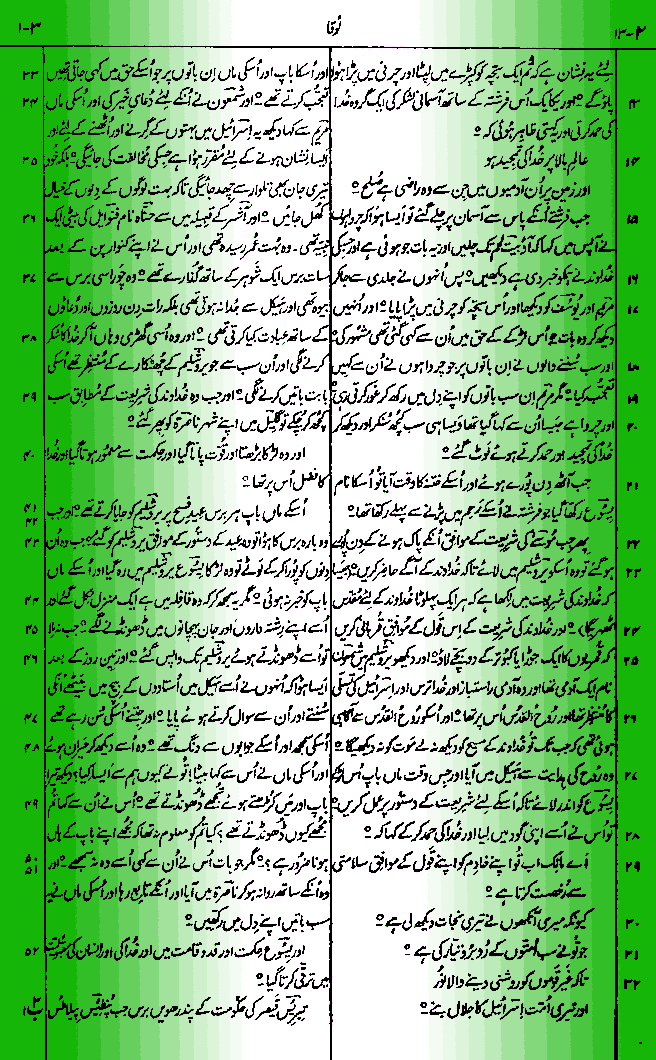
Luke 2:13
Verse: And suddenly there was with the angel a multitude of the heavenly host praising God and saying
-
English Explanation: This verse marks a dramatic shift from a single angelic messenger to an entire heavenly army (“host”). The Greek word used for host implies a military regiment, but instead of bringing war, they bring a message of ultimate peace. They gather in the night sky to celebrate the monumental moment of the Creator entering His own creation as a vulnerable infant.
-
Urdu Explanation: یہ آیت ایک واحد فرشتے کے پیغام سے یکدم ایک آسمانی لشکر کی طرف منتقلی کو ظاہر کرتی ہے۔ یہاں “آسمانی لشکر” کا لفظ استعمال ہوا ہے جو امن کا پیغام لاتا ہے۔ یہ فرشتے رات کے وقت خدا کی حمد و ثنا کرنے اور کائنات کے خالق کی ایک ننھے بچے کے روپ میں آمد کا جشن منانے کے لیے جمع ہوئے۔
Luke 2:14
Verse: Glory to God in the highest and on earth peace good will toward men
-
English Explanation: This is the foundational anthem of Christmas. It establishes a dual reality: God is glorified in the highest spiritual realms, and His peace is established on the earth among humanity. This peace is not just the absence of conflict, but the restoration of a broken relationship between God and humanity through the newborn Savior.
-
Urdu Explanation: یہ کرسمس کا بنیادی گیت ہے۔ یہ ایک دوہری حقیقت کو واضح کرتا ہے کہ خدا کی تمجید سب سے بلند مقام پر ہو اور زمین پر انسانوں کے درمیان امن قائم ہو۔ یہ امن صرف جنگ یا جھگڑے کا خاتمہ نہیں ہے، بلکہ نو مولود منجی کے ذریعے خدا اور انسان کے درمیان ٹوٹے ہوئے تعلق کی بحالی ہے۔
Luke 2:15
Verse: And it came to pass as the angels were gone away from them into heaven the shepherds said one to another Let us now go even unto Bethlehem and see this thing which is come to pass which the Lord hath made known unto us
-
English Explanation: Once the supernatural manifestation ends, the shepherds do not doubt or hesitate. They instantly process what they heard and make a collective decision to act. Their faith is active; they recognize that the message given by the angels was directly from the Lord, prompting them to travel to Bethlehem immediately.
-
Urdu Explanation: جب فرشتے غائب ہو گئے تو چرواہوں نے شک یا ہچکچاہٹ کا مظاہرہ نہیں کیا۔ انہوں نے فوری طور پر اس پیغام پر یقین کیا اور بیت اللحم جانے کا فیصلہ کیا۔ ان کا ایمان عملی تھا؛ انہوں نے پہچانا کہ یہ پیغام براہِ راست رب کی طرف سے تھا، جس نے انہیں فوری سفر کرنے پر آمادہ کیا۔
Luke 2:16
Verse: And they came with haste and found Mary and Joseph and the babe lying in a manger
-
English Explanation: The shepherds move quickly (“with haste”), highlighting their excitement and urgency. Upon arrival, they find the scene exactly as the angel described: a humble couple and a newborn King lying in a common feeding trough (manger). The modesty of the setting confirms the divine paradox of God’s humility.
-
Urdu Explanation: چرواہے بڑی جلدی میں گئے جو ان کے جوش و خروش کو ظاہر کرتا ہے۔ وہاں پہنچ کر انہوں نے سب کچھ ویسا ہی پایا جیسا فرشتے نے بتایا تھا: ایک عاجز جوڑا اور چرنی میں لیٹا ہوا نو مولود بادشاہ۔ یہ عاجزانہ منظر خدا کی فروتنی کے الٰہی راز کو ظاہر کرتا ہے۔
Luke 2:17
Verse: And when they had seen it they made known abroad the saying which was told them concerning this child
-
English Explanation: Seeing is believing, and believing leads to sharing. The shepherds become the very first human evangelists of the New Testament. They do not keep the miraculous event to themselves but spread the word about the child’s identity and destination to everyone they encounter.
-
Urdu Explanation: جب چرواہوں نے خود یہ دیکھ لیا، تو وہ نئے عہد نامے کے پہلے انسانی مبشر بن گئے۔ انہوں نے اس معجزاتی واقعے کو صرف اپنے تک محدود نہیں رکھا بلکہ ہر ایک کو اس بچے کی حقیقت اور اس کے بارے میں کہی گئی باتوں سے واقف کرایا۔
Luke 2:18
Verse: And all they that heard it wondered at those things which were told them by the shepherds
-
English Explanation: The public reaction to the shepherds’ testimony is one of sheer amazement and wonder. Outcasts of society (shepherds) were bringing profound spiritual news about the Messiah, which challenged the conventional expectations of the people.
-
Urdu Explanation: چرواہوں کی گواہی سن کر لوگ حیران رہ گئے۔ معاشرے کے پسماندہ لوگ (چرواہے) مسیح کے بارے میں اتنی گہری روحانی خبر لا رہے تھے، جس نے لوگوں کی روایتی سوچ کو حیرت میں ڈال دیا۔
Luke 2:19
Verse: But Mary kept all these things and pondered them in her heart
-
English Explanation: In contrast to the vocal excitement of the shepherds and the public, Mary internalizes these profound events. She treasures every detail, meditating deeply on the miraculous birth and the prophecies, understanding that she is carrying a historical and spiritual weight.
-
Urdu Explanation: چرواہوں اور عوام کے جوش و خروش کے برعکس، مریم نے ان تمام گہری باتوں کو اپنے دل میں محفوظ رکھا۔ وہ ان معجزات اور پیشگوئیوں پر گہرائی سے غور کرتی رہیں، کیونکہ وہ جانتی تھیں کہ وہ ایک عظیم تاریخی اور روحانی ذمہ داری اٹھائے ہوئے ہیں۔
Luke 2:20
Verse: And the shepherds returned glorifying and praising God for all the things that they had heard and seen as it was told unto them
-
English Explanation: The shepherds return to their ordinary, everyday jobs, but they are completely transformed internally. They praise God because reality perfectly matched the divine revelation. Their mundane life is now infused with spiritual joy and purpose.
-
Urdu Explanation: چرواہے اپنے روزمرہ کے عام کاموں پر واپس لوٹ گئے، لیکن وہ اندرونی طور پر بالکل بدل چکے تھے۔ انہوں نے خدا کی تمجید کی کیونکہ جو کچھ انہوں نے دیکھا وہ الٰہی پیغام کے عین مطابق تھا۔ اب ان کی عام زندگی روحانی خوشی سے بھر چکی تھی۔
Luke 2:21
Verse: And when eight days were accomplished for the circumcising of the child his name was called JESUS which was so named of the angel before he was conceived in the womb
-
English Explanation: Obedience to the Abrahamic Covenant is demonstrated here. On the eighth day, Jesus undergoes circumcision, entering the formal covenant community of Israel. At this moment, He is officially given the name “Jesus” (Yeshua), meaning “The Lord Saves,” exactly as commanded by Angel Gabriel.
-
Urdu Explanation: یہاں ابراہیمی عہد کی فرمانبرداری دکھائی گئی ہے۔ آٹھویں دن بچے کا ختنہ کیا گیا، جس سے وہ باقاعدہ طور پر بنی اسرائیل کے عہد میں شامل ہو گئے۔ اسی وقت ان کا نام “یسوع” رکھا گیا، جس کا مطلب ہے “خداوند نجات دیتا ہے”، جیسا کہ جبرائیل فرشتے نے حمل ٹھہرنے سے پہلے حکم دیا تھا۔
Luke 2:22
Verse: And when the days of her purification according to the law of Moses were accomplished they brought him to Jerusalem to present him to the Lord
-
English Explanation: Joseph and Mary strictly follow the Mosaic Law (Leviticus 12), which required a purification period after childbirth. They journey to Jerusalem to dedicate their firstborn son to God, fulfilling the ancient law that every firstborn belongs to the Creator.
-
Urdu Explanation: یوسف اور مریم نے موسیٰ کی شریعت (احبار 12) پر سختی سے عمل کیا، جس کے مطابق بچے کی پیدائش کے بعد پاکیزگی کے دن پورے کرنا لازمی تھا۔ وہ یروشلم گئے تاکہ اپنے پہلوٹھے بیٹے کو خداوند کے حضور پیش کریں، کیونکہ شریعت کے مطابق ہر پہلوٹھا خدا کا ہوتا ہے۔
Luke 2:23
Verse: As it is written in the law of the Lord Every male that openeth the womb shall be called holy to the Lord
-
English Explanation: Luke references Exodus 13 to show that Jesus’ family lived in complete alignment with Scripture. By presenting Him, they acknowledge God’s ultimate ownership over the child who would eventually become the ultimate holy offering for human sin.
-
Urdu Explanation: لوقا خروج 13 کا حوالہ دیتے ہوئے ظاہر کرتا ہے کہ یسوع کا خاندان کلام کے مطابق زندگی گزار رہا تھا۔ انہیں ہیکل میں پیش کر کے، انہوں نے بچے پر خدا کی حاکمیت کو تسلیم کیا، جو آگے چل کر انسانی گناہوں کے لیے حتمی پاک قربانی بننے والا تھا۔
Luke 2:24
Verse: And to offer a sacrifice according to that which is said in the law of the Lord A pair of turtledoves or two young pigeons
-
English Explanation: The offering of turtledoves or pigeons instead of a lamb reveals the economic status of Joseph and Mary. The law allowed this alternative specifically for poor families (Leviticus 12:8). The Savior of the world was raised in a household of humble financial means.
-
Urdu Explanation: برے کی بجائے فاختاؤں یا کبوتر کے بچوں کی قربانی دینا یوسف اور مریم کی مالی حالت کو ظاہر کرتا ہے۔ شریعت غریب خاندانوں کو اس متبادل کی اجازت دیتی تھی (احبار 12:8)۔ کائنات کا منجی ایک نہایت غریب اور عاجز خاندان میں پلا بڑھا۔
Luke 2:25
Verse: And behold there was a man in Jerusalem whose name was Simeon and the same man was just and devout waiting for the consolation of Israel and the Holy Ghost was upon him
-
English Explanation: Simeon represents the faithful remnant of Israel. He was righteous (“just”), reverent (“devout”), and actively looking forward to the coming of the Messiah (“consolation of Israel”). The continuous presence of the Holy Spirit on him was unique for the pre-Pentecost era.
-
Urdu Explanation: شمعون اسرائیل کے وفادار لوگوں کی نمائندگی کرتا ہے۔ وہ راستباز، خدا ترس اور مسیح کی آمد (اسرائیل کی تسلی) کا شدت سے منتظر تھا۔ عیدِ پنطیکوست سے پہلے کے دور میں روح القدس کا اس پر ہونا ایک خاص اور منفرد بات تھی۔
Luke 2:26
Verse: And it was revealed unto him by the Holy Ghost that he should not see death before he had seen the Lord’s Christ
-
English Explanation: Simeon received a specific divine promise: death would not claim him until his physical eyes beheld the promised Messiah. This fueled his daily expectation and kept him spiritually alert in the temple courts.
-
Urdu Explanation: شمعون سے ایک خاص الٰہی وعدہ کیا گیا تھا کہ جب تک وہ اپنی آنکھوں سے خداوند کے مسیح کو نہ دیکھ لے، اسے موت نہیں آئے گی۔ اس وعدے نے اس کے ایمان کو زندہ رکھا اور وہ ہر وقت ہیکل میں تیار رہتا تھا۔
Luke 2:27
Verse: And he came by the Spirit into the temple and when the parents brought in the child Jesus to do for him after the custom of the law
-
English Explanation: Simeon’s timing was not a coincidence; it was a divine appointment orchestrated by the Holy Spirit. He enters the temple courts at the exact moment Joseph and Mary arrive to perform their legal, religious duties for Jesus.
-
Urdu Explanation: شمعون کا ہیکل میں آنا محض اتفاق نہیں تھا بلکہ روح القدس کی رہنمائی میں ایک طے شدہ وقت تھا۔ وہ ٹھیک اسی وقت ہیکل کے صحن میں داخل ہوا جب یوسف اور مریم یسوع کے لیے شریعت کی رسم پوری کرنے آئے۔
Luke 2:28
Verse: Then took he him up in his arms and blessed God and said
-
English Explanation: Recognizing the divine child instantly through spiritual discernment, Simeon takes the infant Jesus into his arms. His immediate response is not praise directed to the parents, but a blessing offered directly to God for fulfilling His promise.
-
Urdu Explanation: روحانی بصیرت کے ذریعے اس الٰہی بچے کو پہچانتے ہوئے، شمعون نے یسوع کو اپنی گود میں اٹھا لیا۔ اس کا فوری ردعمل والدین کی تعریف کرنا نہیں بلکہ خدا کا شکر ادا کرنا تھا جس نے اپنا وعدہ پورا کیا۔
Luke 2:29
Verse: Lord now lettest thou thy servant depart in peace according to thy word
-
English Explanation: Known traditionally as the Nunc Dimittis, this is Simeon’s song of release. He views his life’s mission as successfully completed. Having seen the Messiah, he is now ready to face death with absolute peace and contentment.
-
Urdu Explanation: اسے روایتی طور پر شمعون کا گیت کہا جاتا ہے۔ وہ اپنی زندگی کے مقصد کو مکمل پاتا ہے۔ مسیح کو دیکھنے کے بعد، اب وہ کامل اطمینان اور امن کے ساتھ موت کا سامنا کرنے کے لیے تیار ہے۔
Luke 2:30
Verse: For mine eyes have seen thy salvation
-
English Explanation: Simeon equates the tiny infant in his arms with the abstract concept of God’s global salvation. Salvation is not a political system or military coup; it is embodied in a physical person—Jesus Christ.
-
Urdu Explanation: شمعون اپنی گود میں موجود اس چھوٹے بچے کو خدا کی عالمی نجات قرار دیتا ہے۔ نجات کوئی سیاسی نظام یا فوجی انقلاب نہیں ہے، بلکہ یہ ایک زندہ ہستی یعنی یسوع مسیح کی شکل میں مجسم ہوئی ہے۔
Luke 2:31
Verse: Which thou hast prepared before the face of all people
-
English Explanation: This verse emphasizes that God’s plan of redemption was never meant to be hidden in a dark corner. It was openly prepared and executed on the world stage for the benefit of all humanity, not just a selective few.
-
Urdu Explanation: یہ آیت اس بات پر زور دیتی ہے کہ خدا کا نجات کا منصوبہ کبھی بھی پوشیدہ رہنے کے لیے نہیں تھا۔ یہ تمام نسلِ انسانی کے فائدے کے لیے پوری دنیا کے سامنے ظاہر کیا گیا تھا، نہ کہ صرف چند مخصوص لوگوں کے لیے۔
Luke 2:32
Verse: A light to lighten the Gentiles and the glory of thy people Israel
-
English Explanation: This is a revolutionary prophetic statement. Simeon declares that Jesus’ mission spans across cultural boundaries: He is a light of revelation to the non-Jewish nations (Gentiles) and simultaneously the ultimate crown of glory for the Jewish nation (Israel).
-
Urdu Explanation: یہ ایک انقلابی نبوتی بیان ہے۔ شمعون اعلان کرتا ہے کہ یسوع کی رسالت تمام قوموں کے لیے ہے: وہ غیر قوموں کے لیے مکاشفہ کا نور ہیں اور ساتھ ہی خدا کی قوم اسرائیل کے لیے جلال و افتخار ہیں۔
Luke 2:33
Verse: And Joseph and his mother marvelled at those things which were spoken of him
-
English Explanation: Even though Joseph and Mary knew the miraculous nature of Jesus’ conception, they are still struck with awe (“marvelled”) at the vast scope of Simeon’s prophecy. Hearing an elite, devout elder confirm their child’s cosmic destiny was deeply validating and staggering.
-
Urdu Explanation: اگرچہ یوسف اور مریم یسوع کی معجزاتی پیدائش سے واقف تھے، پھر بھی وہ شمعون کی پیشگوئی کی وسعت سن کر دنگ رہ گئے۔ ہیکل کے ایک معزز بزرگ سے اپنے بچے کی آفاقی منزل کے بارے میں سننا ان کے لیے حیران کن تھا۔
Luke 2:34
Verse: And Simeon blessed them and said unto Mary his mother Behold this child is set for the fall and rising again of many in Israel and for a sign which shall be spoken against
-
English Explanation: Simeon reveals the divisive nature of Jesus’ earthly ministry. He will not bring a shallow peace; instead, He will be a turning point where many will fall due to pride and disbelief, while others will rise through repentance. He will face fierce opposition from the religious elite.
-
Urdu Explanation: شمعون یسوع کی دنیاوی خدمت کے انقلابی اور تقسیم کرنے والے پہلو کو ظاہر کرتا ہے۔ وہ کوئی سطحی امن نہیں لائیں گے؛ بلکہ وہ ایک ایسا موڑ ثابت ہوں گے جہاں بہت سے لوگ غرور کی وجہ سے گریں گے اور دوسرے توبہ کے ذریعے سرفراز ہوں گے۔ انہیں مذہبی رہنماؤں کی شدید مخالفت کا سامنا کرنا پڑے گا۔
Luke 2:35
Verse: Yea a sword shall pierce through thy own soul also that the thoughts of many hearts may be revealed
-
English Explanation: Directed specifically to Mary, this parenthetical prophecy foretells the immense emotional agony she will suffer as she watches her son undergo rejection and crucifixion (the sword piercing her soul). Jesus’ presence will force people to take a stand, exposing their true inner motives.
-
Urdu Explanation: خاص طور پر مریم سے کہی گئی یہ پیشگوئی اس گہرے ذہنی اور دلی کرب کی طرف اشارہ کرتی ہے جو وہ اپنے بیٹے کی ردِگی اور مصلوبیت کو دیکھ کر محسوس کریں گی (تلوار کا روح کے پار ہونا)۔ یسوع کی موجودگی لوگوں کو سچائی کا سامنا کرنے پر مجبور کرے گی جس سے ان کے دلوں کے بھید ظاہر ہوں گے۔
Luke 2:36
Verse: And there was one Anna a prophetess the daughter of Phanuel of the tribe of Aser she was of a great age and had lived with an husband seven years from her virginity
-
English Explanation: Luke introduces Anna, providing her exact genealogy to show her credibility. As a prophetess from the northern tribe of Asher, her life was marked by historical endurance and devotion despite losing her husband after only seven years of marriage.
-
Urdu Explanation: لوقا حنا نبیہ کا تعارف کراتا ہے اور اس کا نسب نامہ بیان کرتا ہے تاکہ اس کی گواہی مستند ثابت ہو۔ آشر کے قبیلے سے تعلق رکھنے والی اس خاتون کی زندگی، شادی کے صرف سات سال بعد شوہر کی وفات کے باوجود، صبر اور خدا پرستی کا نمونہ تھی۔
Luke 2:37
Verse: And she was a widow of about fourscore and four years which departed not from the temple but served God with fastings and prayers night and day
-
English Explanation: At 84 years old (or having been a widow for 84 years), Anna’s devotion was absolute. She essentially lived within the temple parameters, turning her personal grief into profound ministry characterized by continual fasting, prayer, and spiritual discipline.
-
Urdu Explanation: چوراسی سال کی عمر میں بھی حنا کی خدا پرستی کامل تھی۔ اس نے ہیکل ہی کو اپنا مسکن بنا لیا تھا اور اپنے ذاتی غم کو رات دن روزوں اور دعاؤں کے ذریعے خدا کی عبادت اور گہری روحانی خدمت میں بدل دیا تھا۔
Luke 2:38
Verse: And she coming in that instant gave thanks likewise unto the Lord and spake of him to all them that looked for redemption in Jerusalem
-
English Explanation: Guided by divine timing, Anna approaches the family at the exact moment Simeon is speaking. She instantly recognizes the Messiah and begins testifying about Him to a specific community in Jerusalem that was waiting expectantly for divine redemption.
-
Urdu Explanation: خداوند کی رہنمائی میں حنا ٹھیک اسی لمحے وہاں پہنچی جب شمعون کلام کر رہا تھا۔ اس نے فوراً مسیح کو پہچانا اور یروشلم کے ان تمام لوگوں میں ان کا ذکر کرنا شروع کر دیا جو نجات کے منتظر تھے۔
Luke 2:39
Verse: And when they had performed all things according to the law of the Lord they returned into Galilee to their own city Nazareth
-
English Explanation: After fulfilling every religious requirement of the Law, the family heads back to their hometown of Nazareth. Luke highlights their obedience to the law before transitioning into the quiet years of Jesus’ childhood development.
-
Urdu Explanation: شریعت کے تمام احکام کو پورا کرنے کے بعد، یہ خاندان گلیل کے اپنے شہر ناصرت کو واپس لوٹ گیا۔ لوقا یسوع کے بچپن کے پوشیدہ سالوں کا ذکر کرنے سے پہلے ان کے خاندان کی شریعت کے لیے وفاداری کو واضح کرتا ہے۔
Luke 2:40
Verse: And the child grew and waxed strong in spirit filled with wisdom and the grace of God was upon him
-
English Explanation: This verse provides a snapshot of Jesus’ healthy holistic development. He grew physically, matured spiritually, expanded in wisdom, and lived under the visible favor (grace) of God, balancing His true humanity with His divinity.
-
Urdu Explanation: یہ آیت یسوع کے بچپن کی متوازن نشوونما کو ظاہر کرتی ہے۔ وہ جسمانی طور پر بڑے ہوئے، روحانی طور پر مضبوط ہوئے، حکمت سے معمور ہوئے، اور خدا کا فضل ان پر ظاہر ہوتا رہا، جو ان کی انسانیت اور الٰہیت کے توازن کو پیش کرتا ہے۔
Luke 2:41
Verse: Now his parents went to Jerusalem every year at the feast of the passover
-
English Explanation: Attendance at Passover was legally required for Jewish men (Exodus 23), but Mary routinely accompanied Joseph, showcasing the deep piety and spiritual dedication of their household. They made this long, arduous trip annually.
-
Urdu Explanation: یہودی مَردوں کے لیے عیدِ فسح پر یروشلم جانا شرعی طور پر لازم تھا، لیکن مریم بھی ہر سال یوسف کے ساتھ جاتی تھیں، جو ان کے خاندان کی گہری روحانی وابستگی کو ظاہر کرتا ہے۔ وہ ہر سال یہ لمبا اور کٹھن سفر طے کرتے تھے۔
Luke 2:42
Verse: And when he was twelve years old they went up to Jerusalem after the custom of the feast
-
English Explanation: At twelve years old, a Jewish boy was on the verge of becoming a “son of the commandment” (Bar Mitzvah), entering spiritual adulthood. This trip was crucial as it marked Jesus’ transition into personal accountability under religious traditions.
-
Urdu Explanation: بارہ سال کی عمر میں، ایک یہودی لڑکا شریعت کے تحت اپنی ذاتی ذمہ داری سنبھالنے کے قریب ہوتا تھا۔ یہ سفر نہایت اہم تھا کیونکہ یہ یسوع کے مذہبی روایات کے تحت بلوغت کے دور میں داخل ہونے کا نشان تھا۔
Luke 2:43
Verse: And when they had fulfilled the days as they returned the child Jesus tarried behind in Jerusalem and Joseph and his mother knew not of it
-
English Explanation: When the week-long festival ended, Jesus stayed behind intentionally. Because families traveled in massive caravan groups with women and children in the front and men in the back, it was easy for the parents to assume He was with other relatives.
-
Urdu Explanation: جب عید کے دن پورے ہوئے تو یسوع جان بوجھ کر یروشلم میں ہی رک گئے۔ چونکہ اس دور میں لوگ بڑے قافلوں کی صورت میں سفر کرتے تھے جہاں بچے اور خواتین آگے اور مرد پیچھے ہوتے تھے، اس لیے والدین نے سمجھا کہ وہ قافلے میں کسی رشتہ دار کے ساتھ ہوں گے۔
Luke 2:44
Verse: But they supposing him to have been in the company went a day’s journey and they sought him among their kinsfolk and acquaintance
-
English Explanation: Traveling an entire day before realizing Jesus was missing shows the level of trust within their community caravan. Once evening camp was set and He didn’t appear, panic set in, prompting a frantic search among friends and extended family.
-
Urdu Explanation: پورے ایک دن کا سفر کرنے کے بعد یسوع کی گمشدگی کا احساس ہونا اس دور کے قافلوں کے باہمی اعتماد کو ظاہر کرتا ہے۔ شام کو جب پڑاؤ ڈالا گیا اور وہ نہ ملے، تو والدین نے پریشانی میں اپنے رشتہ داروں اور واقف کاروں میں انہیں ڈھونڈنا شروع کیا۔
Luke 2:45
Verse: And when they found him not they turned back again to Jerusalem seeking him
-
English Explanation: Not finding Him among their travel group, Joseph and Mary endure a stressful journey back to Jerusalem. Retracing their steps, their anxiety builds over the safety of the young boy in a crowded, bustling city.
-
Urdu Explanation: جب وہ قافلے میں نہ ملے، تو یوسف اور مریم شدید ذہنی تناؤ کے ساتھ واپس یروشلم کی طرف مڑے۔ ایک پرہجوم شہر میں اپنے بارہ سالہ بچے کی حفاظت کے خیال سے ان کی بے چینی بڑھ رہی تھی۔
Luke 2:46
Verse: And it came to pass that after three days they found him in the temple sitting in the midst of the doctors both hearing them and asking them questions
-
English Explanation: The “three days” likely include the day of travel away, the day of travel back, and the day of searching the city. They find Him in the temple courts engaged with the leading rabbinical scholars (“doctors”), acting as an active, respectful student and brilliant conversationalist.
-
Urdu Explanation: ان “تین دنوں” میں غالباً ایک دن جانے کا، ایک دن واپس آنے کا اور ایک دن شہر میں تلاش کرنے کا شامل ہے۔ انہوں نے یسوع کو ہیکل کے صحن میں اس وقت کے بڑے اساتذہ اور عالموں کے بیچ بیٹھے ہوئے پایا، جہاں وہ ان کی سن رہے تھے اور ان سے سوالات کر رہے تھے۔
Luke 2:47
Verse: And all that heard him were astonished at his understanding and answers
-
English Explanation: Jesus does not just ask elementary questions; His responses and insights reveal a profound, supernatural grasp of the Scriptures that completely shatters the expectations of the seasoned religious academics.
-
Urdu Explanation: یسوع نے صرف عام سوالات ہی نہیں کیے بلکہ ان کے جوابات اور گہری بصیرت نے وہاں موجود تجربہ کار اور جید علماء کو حیرت زدہ کر دیا کیونکہ ان کی عمر کے بچے سے ایسے فہم کی امید نہیں تھی۔
Luke 2:48
Verse: And when they saw him they were amazed and his mother said unto him Son why hast thou thus dealt with us behold thy father and I have sought thee sorrowing
-
English Explanation: Mary’s reaction mixes profound relief with parental frustration. She asks why He put them through such emotional agony. Her phrase “thy father and I” refers to Joseph’s legal role as His earthly guardian and provider.
-
Urdu Explanation: مریم کے ردعمل میں جہاں ایک طرف سکون تھا تو دوسری طرف ایک ماں کی پریشانی بھی تھی۔ انہوں نے پوچھا کہ تُم نے ہمارے ساتھ ایسا کیوں کیا؟ مریم کا یہ کہنا کہ “تیرا باپ اور میں” یوسف کے بطور زمین پر ان کے سرپرست کے کردار کو ظاہر کرتا ہے۔
Luke 2:49
Verse: And he said unto them How is it that ye sought me wist ye not that I must be about my Father’s business
-
English Explanation: These are the very first recorded words of Jesus in the Gospels. Gently but clearly, He corrects Mary’s terminology. He points to His true lineage, establishing that His ultimate priority and allegiance belong to His heavenly Father and His redemptive mission.
-
Urdu Explanation: یہ اناجیل میں ریکارڈ کیے گئے یسوع کے سب سے پہلے الفاظ ہیں۔ انہوں نے نرمی مگر واضع طور پر مریم کی بات کی تصحیح کی۔ انہوں نے اپنے حقیقی نسب کی طرف اشارہ کرتے ہوئے واضح کیا کہ ان کی اولین ترجیح اور وفاداری ان کے آسمانی باپ اور اس کے کام کے ساتھ ہے۔
Luke 2:50
Verse: And they understood not the saying which he spake unto them
-
English Explanation: Joseph and Mary do not fully comprehend the depth of His reply. The transition from a compliant child to a young boy fully aware of His divine messianic identity was a profound reality that stretched beyond their immediate understanding.
-
Urdu Explanation: یوسف اور مریم ان کے اس جواب کی گہرائی کو پوری طرح نہ سمجھ سکے۔ ایک فرمانبردار بچے کا اچانک اپنی الٰہی اور مسیحائی پہچان کا واضع اظہار کرنا ان کی فوری سمجھ سے بالاتر تھا۔
Luke 2:51
Verse: And he went down with them and came to Nazareth and was subject unto them but his mother kept all these sayings in her heart
-
English Explanation: Despite His superior divine wisdom and identity, Jesus willingly submits to human parents, returning to Nazareth. This models perfect obedience to the Fifth Commandment. Mary, once again, stores these historic interactions deep in her memory.
-
Urdu Explanation: اپنی اعلیٰ الٰہی حکمت اور پہچان کے باوجود، یسوع نے رضامندی سے اپنے دنیاوی والدین کی ماتیحت کو قبول کیا اور ناصرت واپس آ گئے۔ یہ پانچویں حکم کی کامل تعمیل کا نمونہ ہے۔ مریم نے ایک بار پھر ان یادگار باتوں کو اپنے دل میں محفوظ کر لیا۔
Luke 2:52
Verse: And Jesus increased in wisdom and stature and in favour with God and man
-
English Explanation: This serves as a summary of Jesus’ youth during the silent years in Nazareth. He grew intellectually (wisdom), physically (stature), spiritually (favor with God), and socially (favor with man), preparing fully for His future public ministry.
-
Urdu Explanation: یہ ناصرت میں یسوع کے جوانی کے پوشیدہ سالوں کا خلاصہ ہے۔ وہ ذہنی (حکمت)، جسمانی (قد و قامت)، روحانی (خدا کی مقبولیت) اور معاشرتی طور پر (انسانوں کی پسندیدگی میں) بڑھتے رہے، تاکہ اپنی مستقبل کی عوامی خدمت کے لیے تیار ہو سکیں۔
Luke 3:1
Verse: Now in the fifteenth year of the reign of Tiberius Caesar Pontius Pilate being governor of Judaea and Herod being tetrarch of Galilee and his brother Philip tetrarch of Ituraea and of the region of Trachonitis and Lysanias the tetrarch of Abilene
-
English Explanation: Luke anchors his theological narrative into concrete secular history. By listing specific political rulers—Tiberius Caesar, Pontius Pilate, and the Herodian rulers—Luke proves that the Gospel events are not mythical fables but real historical facts that occurred at a specific point in time.
-
Urdu Explanation: لوقا اپنے اس روحانی اور ایمان کے بیان کو تاریخ کے ٹھوس حقائق سے جوڑتا ہے۔ اس وقت کے سیاسی حکمرانوں—جیسے قیصر تبرئس، پنطیس پیلاطوس اور ہیرودیس—کا ذکر کر کے لوقا ثابت کرتا ہے کہ انجیل کے واقعات کوئی فرضی کہانیاں نہیں ہیں بلکہ حقیقی تاریخ کا حصہ ہیں جو وقت کے ایک خاص نقطے پر رونما ہوئے۔