Verse-by-Verse Commentary
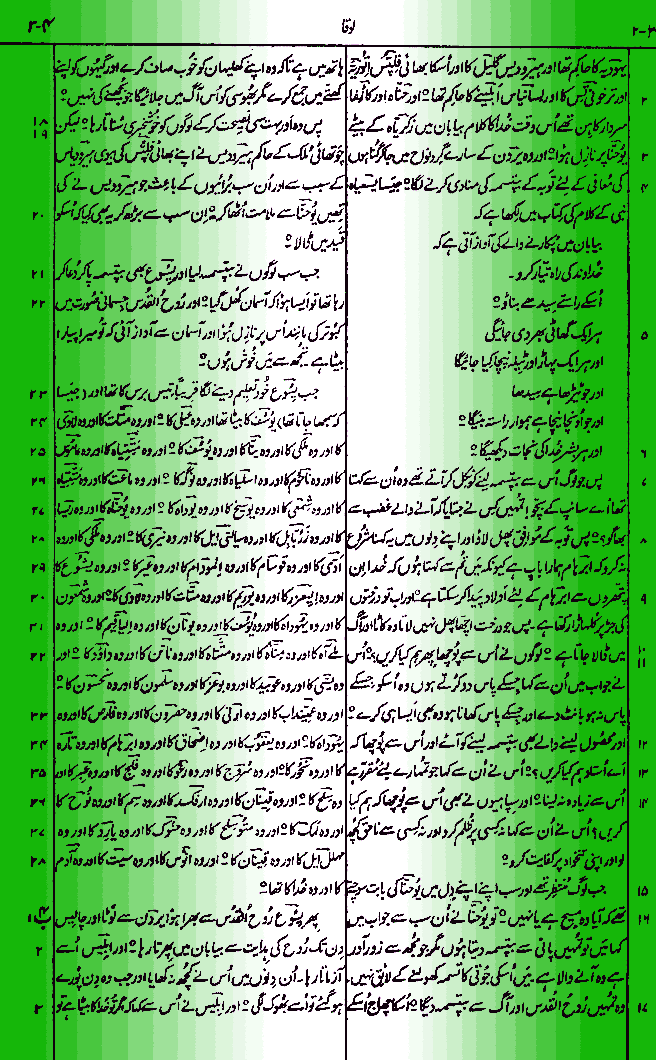
Luke 3:2
-
Verse: Annas and Caiaphas being the high priests the word of God came unto John the son of Zacharias in the wilderness.
-
English Explanation: Luke sets a historical framework by naming the political and religious leaders of the time. While Annas and Caiaphas held the high-priestly influence in Jerusalem, God bypassed the majestic temples and religious elite. Instead, the divine word came to John, living a humble life in the desert. This signifies that God’s message often starts outside traditional institutions.
-
Urdu Explanation: لوقا اس دور کے سیاسی اور مذہبی رہنماؤں کا ذکر کر کے ایک تاریخی پس منظر پیش کرتا ہے۔ اگرچہ حنّاہ اور کائفا یروشلم میں اعلیٰ کاہنوں کے طور پر اثر و رسوخ رکھتے تھے، لیکن خدا نے عظیم ہیکلوں اور مذہبی اشرافیہ کو نظر انداز کیا۔ اس کے بجائے، خدا کا کلام بیابان میں رہنے والے زکریا کے بیٹے یوحنا پر نازل ہوا۔ یہ اس بات کی علامت ہے کہ خدا کا پیغام اکثر روایتی اداروں سے باہر شروع ہوتا ہے۔
Luke 3:3
-
Verse: And he came into all the country about Jordan preaching the baptism of repentance for the remission of sins;
-
English Explanation: John’s ministry focused on the region surrounding the Jordan River. His central message was a urgent call to repentance, symbolized outwardly by water baptism. This baptism wasn’t merely a ritual but an external sign of an inward turning away from sin toward God, leading to forgiveness.
-
Urdu Explanation: یوحنا کی وزارت اردن کے ارد گرد کے تمام علاقے پر مرکوز تھی۔ ان کا مرکزی پیغام توبہ کی شدید ضرورت پر مبنی تھا، جس کی ظاہری علامت پانی کا بپتسمہ تھی۔ یہ بپتسمہ محض ایک رسم نہیں تھا بلکہ گناہوں سے منہ موڑ کر خدا کی طرف لوٹنے اور معافی حاصل کرنے کا ایک ظاہری نشان تھا۔
Luke 3:4
-
Verse: As it is written in the book of the words of Esaias the prophet saying The voice of one crying in the wilderness Prepare ye the way of the Lord make his paths straight.
-
English Explanation: Luke references the Old Testament prophecy from Isaiah 40:3. John is identified as the prophetic herald whose job is to clear the spiritual roadblocks in people’s hearts, making a direct, unhindered highway for the arrival of the Messiah.
-
Urdu Explanation: لوقا یہاں یسعیاہ نبی کی کتاب (40:3) کی پیشگوئی کا حوالہ دیتا ہے۔ یوحنا کی شناخت اس نبوتی منادی کرنے والے کے طور پر کی گئی ہے جس کا کام لوگوں کے دلوں میں روحانی رکاوٹوں کو دور کرنا ہے، تاکہ مسیح کی آمد کے لیے ایک سیدھی اور ہموار راہ تیار کی جا سکے۔
Luke 3:5
-
Verse: Every valley shall be filled and every mountain and hill shall be brought low; and the crooked shall be made straight and the rough ways shall be made smooth;
-
English Explanation: This highly metaphorical language describes a spiritual restructuring. The “valleys” represent the discouraged and lowly who will be lifted up, while the “mountains” signify the proud and arrogant who will be humbled. God demands moral realignment to receive His presence.
-
Urdu Explanation: یہ استعاراتی زبان ایک روحانی تبدیلی اور اصلاح کو ظاہر کرتی ہے۔ “وادیاں” ان مایوس اور پست لوگوں کی نمائندگی کرتی ہیں جنہیں سرفراز کیا جائے گا، جبکہ “پہاڑ” مغرور اور سرکش لوگوں کی علامت ہیں جنہیں پست کیا جائے گا۔ خدا اپنی موجودگی کا استقبال کرنے کے لیے اخلاقی اور روحانی درستی کا تقاضا کرتا ہے۔
Luke 3:6
-
Verse: And all flesh shall see the salvation of God.
-
English Explanation: Luke emphasizes the universality of the Gospel message. Salvation is no longer restricted to a specific nation or elite class; through Jesus Christ, God’s saving grace is made available and visible to all humanity.
-
Urdu Explanation: لوقا انجیل کے پیغام کی عالمگیریت پر زور دیتا ہے۔ نجات اب کسی مخصوص قوم یا اعلیٰ طبقے تک محدود نہیں ہے؛ یسوع مسیح کے وسیلے سے، خدا کا نجات بخش فضل تمام بنی نوع انسان کے لیے دستیاب اور ظاہر کر دیا گیا ہے۔
Luke 3:7
-
Verse: Then said he to the multitude that came forth to be baptized of him O generation of vipers who hath warned you to flee from the wrath to come?
-
English Explanation: John confronts the crowds, particularly the religious hypocrites, who sought baptism merely as an insurance policy against judgment without true heart transformation. Calling them a “generation of vipers” warns them that outward rituals cannot shield them from divine judgment.
-
Urdu Explanation: یوحنا ان ہجوموں، بالخصوص مذہبی منافقوں کا سامنا کرتا ہے جو سچی دلی تبدیلی کے بغیر محض خدا کے غضب سے بچنے کے لیے بپتسمہ لینے آئے تھے۔ انہیں “سانپ کے بچے” کہنا اس بات کی وارننگ تھی کہ ظاہری رسومات خدا کے انصاف سے نہیں بچا سکتیں۔
Luke 3:8
-
Verse: Bring forth therefore fruits worthy of repentance and begin not to say within yourselves We have Abraham to our father for I say unto you That God is able of these stones to raise up children unto Abraham.
-
English Explanation: True repentance must produce visible, behavioral changes (“fruits”). John shatters their false security based on ethnic heritage, stating that being biological descendants of Abraham holds no spiritual value if faith is absent. God can create true believers from the most unlikely sources.
-
Urdu Explanation: سچی توبہ کے نتیجے میں ظاہری اور عملی زندگی میں تبدیلیاں (“توبہ کے موافق پھل”) نظر آنی چاہئیں گا۔ یوحنا ان کے اس جھوٹے بھروسے کو توڑتا ہے کہ وہ صرف ابراہام کی اولاد ہونے کی وجہ سے محفوظ ہیں۔ اگر ایمان نہ ہو تو خاندانی تاریخ کی کوئی روحانی قدر نہیں؛ خدا ان پتھروں سے بھی ابراہام کے لیے اولاد پیدا کر سکتا ہے۔
Luke 3:9
-
Verse: And now also the axe is laid unto the root of the trees every tree therefore which bringeth not forth good fruit is hewn down and cast into the fire.
-
English Explanation: The metaphor of the axe shows the urgency of the moment. Judgment is imminent and thorough. Those who fail to produce spiritual fruit through active righteousness and faith face total spiritual destruction.
-
Urdu Explanation: کلاہاڑی کا درختوں کی جڑ پر رکھا ہونا وقت کی نزاکت اور فوری ضرورت کو ظاہر کرتا ہے۔ عدالت بالکل قریب اور حتمی ہے۔ جو لوگ سچی راستبازی اور ایمان کے ذریعے اچھا پھل نہیں لاتے، وہ روحانی ہلاکت اور آگ کے سزا کے حقدار ٹھہریں گے۔
Luke 3:10
-
Verse: And the people asked him saying What shall we do then?
-
English Explanation: Moved by the severity of John’s warning, the listeners ask a practical and essential question. True conviction always leads to a desire for action and behavioral change.
-
Urdu Explanation: یوحنا کی شدید وارننگ سے متاثر ہو کر، لوگ ایک عملی اور اہم سوال پوچھتے ہیں۔ جب انسان کو گناہ کا سچا احساس ہوتا ہے، تو وہ ہمیشہ اپنی زندگی اور رویے کو بدلنے کے لیے عملی قدم اٹھانے کی خواہش کرتا ہے۔
Luke 3:11
-
Verse: He answereth and saith unto them He that hath two coats let him impart to him that hath none; and he that hath meat let do likewise.
-
English Explanation: John’s answer targets basic social justice and compassion. True repentance is demonstrated through generosity, sharing essential resources like clothing and food with those who are destitute.
-
Urdu Explanation: یوحنا کا جواب بنیادی سماجی انصاف اور ہمدردی پر مبنی ہے۔ سچی توبہ کا ثبوت سخاوت کے ذریعے ملتا ہے، یعنی اپنی ضرورت سے زائد لباس اور کھانا ان لوگوں کے ساتھ بانٹنا جو بالکل بے سہارا ہیں۔
Luke 3:12
-
Verse: Then came also publicans to be baptized and said unto him Master what shall we do?
-
English Explanation: Tax collectors (publicans) were despised outcasts viewed as traitors and extortionists. Their arrival shows that John’s message touched the hearts of even the most socially ostracized sinners seeking transformation.
-
Urdu Explanation: محصول لینے والے (ٹیکس جمع کرنے والے) اس دور میں غدار اور ظالم سمجھے جاتے تھے اور لوگ ان سے نفرت کرتے تھے۔ ان کا بپتسمہ کے لیے آنا ظاہر کرتا ہے کہ یوحنا کے پیغام نے معاشرے کے سب سے زیادہ رد کیے گئے گنہگاروں کے دلوں پر بھی اثر کیا جو تبدیلی کے خواہاں تھے۔
Luke 3:13
-
Verse: And he said unto them Exact no more than that which is appointed you.
-
English Explanation: John does not tell them to quit their jobs, but to conduct them with honesty and integrity. They must stop exploiting the public by charging more than the legally mandated tax rates.
-
Urdu Explanation: یوحنا انہیں اپنی ملازمتیں چھوڑنے کے لیے نہیں کہتا، بلکہ انہیں ایمانداری اور دیانتداری سے کام کرنے کی ہدایت کرتا ہے۔ انہیں تاکید کی جاتی ہے کہ وہ مقررہ ٹیکس سے زیادہ رقم وصول کر کے عوام کا استحصال کرنا بند کریں۔
Luke 3:14
-
Verse: And the soldiers likewise demanded of him saying And what shall we do? And he said unto them Do violence to no man neither accuse any falsely; and be content with your wages.
-
English Explanation: Soldiers often used their physical authority to extort money or make false accusations for personal gain. John instructs them to practice restraint, avoid abusing power, and find contentment in their provided pay.
-
Urdu Explanation: سپاہی اکثر اپنے اختیارات کا غلط استعمال کرتے ہوئے لوگوں کو لوٹتے یا ذاتی فائدے کے لیے جھوٹے الزامات لگاتے تھے۔ یوحنا انہیں ہدایت دیتا ہے کہ وہ طاقت کے غلط استعمال سے باز رہیں، کسی پر جھوٹا الزام نہ لگائیں اور اپنی تنخواہ پر قناعت کریں۔
Luke 3:15
-
Verse: And as the people were in expectation and all men mused in their hearts of John whether he were the Christ or not;
-
English Explanation: The power of John’s message generated immense messianic expectations. The people began wondering if this powerful, desert-dwelling prophet was the promised Messiah who would liberate them.
-
Urdu Explanation: یوحنا کے موثر پیغام نے لوگوں میں مسیح کی آمد کی امیدوں کو بیدار کر دیا۔ لوگ اپنے دلوں میں غور کرنے لگے کہ کیا یہ طاقتور صحرائی نبی ہی وہ موعودہ مسیح تو نہیں جو ان کی نجات کا باعث بنے گا۔
Luke 3:16
-
Verse: John answered saying unto them all I indeed baptize you with water; but one mightier than I cometh the latchet of whose shoes I am not worthy to unloose he shall baptize you with the Holy Ghost and with fire:
-
English Explanation: John quickly redirects the glory away from himself to Jesus. He points out his own unworthiness to perform even the lowest slave’s task (untying sandals) for the coming Messiah. While John’s baptism with water represents repentance, the Messiah’s baptism with the Holy Spirit and fire brings inward transformation and ultimate purification.
-
Urdu Explanation: یوحنا فوراً اپنی ذات سے توجہ ہٹا کر مسیح کی طرف مبذول کراتا ہے۔ وہ اعتراف کرتا ہے کہ وہ آنے والے مسیح کی جوتیوں کے تسمے کھولنے (جو کہ ایک غلام کا سب سے معمولی کام تھا) کے لائق بھی نہیں ہے۔ یوحنا کا پانی کا بپتسمہ توبہ کی علامت تھا، لیکن مسیح کا روح القدس اور آگ کا بپتسمہ اندرونی پاکیزگی اور الٰہی طاقت عطا کرتا ہے۔
Luke 3:17
-
Verse: Whose fan is in his hand and he will throughly purge his floor and will gather the wheat into his garner; but the chaff he will burn with fire unquenchable.
-
Explanation: Using an agricultural metaphor of winnowing grain, John depicts the Messiah as a judge. He will separate the genuine believers (“wheat”) from the superficial, unrepentant individuals (“chaff”). The former are gathered safely, while the latter face eternal judgment.
-
Urdu Explanation: اناج کو صاف کرنے کے زراعتی استعارے کا استعمال کرتے ہوئے، یوحنا مسیح کو ایک منصف کے طور پر پیش کرتا ہے۔ وہ سچے مومنین (“گیہوں”) کو منافق اور توبہ نہ کرنے والے لوگوں (“بھوسی”) سے الگ کرے گا۔ سچے لوگوں کو سنبھال کر رکھا جائے گا جبکہ بھوسی کو کبھی نہ بجھنے والی آگ میں ڈال دیا جائے گا۔
Luke 3:18
-
Verse: And many other things in his exhortation preached he unto the people.
-
English Explanation: This summary verse highlights that John’s recorded sermons are only a small sample of his expansive, passionate ministry of sharing God’s good news and warnings with the crowds.
-
Urdu Explanation: یہ ایک خلاصہ آیت ہے جو ظاہر کرتی ہے کہ یوحنا کے یہ ریکارڈ شدہ کلمات اس کی وسیع اور پرجوش وزارت کا ایک چھوٹا سا حصہ ہیں، جس کے ذریعے وہ لوگوں کو خدا کی خوشخبری سناتا اور نصیحت کرتا تھا۔
Luke 3:19
-
Verse: But Herod the tetrarch being reproved by him for Herodias his brother Philip’s wife and for all the evils which Herod had done,
-
English Explanation: John practiced courageous, non-compromising truth-telling. He openly rebuked King Herod Antipas for his unlawful, incestuous marriage to his brother’s wife, Herodias, as well as for his various other corrupt acts.
-
Urdu Explanation: یوحنا بغیر کسی خوف کے سچ بولنے والے نبی تھے۔ انہوں نے بادشاہ ہیرودیس انتپاس کو اس کے بھائی فلپس کی بیوی ہیرودیاہ کے ساتھ غیر قانونی اور حرام شادی کرنے پر، اور اس کے دیگر تمام برے کاموں کے لیے علانیہ ملامت کی۔
Luke 3:20
-
Verse: Added yet this above all that he shut up John in prison.
-
English Explanation: Instead of repenting of his sins, Herod compounded his wickedness by arresting and imprisoning John. This highlights the cost of prophetic ministry and sets the stage for John’s eventual martyrdom.
-
Urdu Explanation: اپنے گناہوں سے توبہ کرنے کے بجائے، ہیرودیس نے یوحنا کو جیل میں ڈال کر اپنی بدی میں مزید اضافہ کیا۔ یہ آیت حق کی راہ میں آنے والی تکالیف اور یوحنا کی شہادت کے پس منظر کو واضح کرتی ہے۔
Luke 3:21
-
Verse: Now when all the people were baptized it came to pass that Jesus also being baptized and praying the heaven was opened,
-
English Explanation: Jesus steps into the water to be baptized, not because He needed repentance from sin, but to fully identify with sinful humanity and validate John’s ministry. Luke emphasizes that the supernatural event occurred while Jesus was in a state of prayer.
-
Urdu Explanation: یسوع بپتسمہ لینے کے لیے پانی میں اترے، اس لیے نہیں کہ انہیں گناہوں سے توبہ کی ضرورت تھی، بلکہ اس لیے تاکہ وہ گنہگار انسانوں کے ساتھ اپنی یکجہتی ظاہر کریں اور یوحنا کی وزارت کی تصدیق کریں۔ لوقا اس بات پر زور دیتا ہے کہ یہ معجزانہ واقعہ اس وقت ہوا جب یوع دعا کر رہے تھے۔
Luke 3:22
-
Verse: And the Holy Ghost descended in a bodily shape like a dove upon him and a voice came from heaven which said Thou art my beloved Son; in thee I am well pleased.
-
English Explanation: This is a powerful Trinitarian manifestation: the Son is baptized, the Holy Spirit descends visibly like a dove, and the Father speaks from heaven. The divine voice confirms Jesus’ identity and ministry before His public work even begins.
-
Urdu Explanation: یہ تثلیث پاک کا ایک عظیم اور واضح ظہور ہے: بیٹا بپتسمہ لے رہا ہے، روح القدس کبوتر کی مانند جسمانی شکل میں نازل ہو رہا ہے، اور باپ آسمان سے کلام فرما رہا ہے۔ آسمانی آواز نے یسوع کی عوامی خدمت شروع ہونے سے پہلے ہی ان کی الٰہی پہچان اور بیٹے ہونے کی تصدیق کر دی۔
Luke 3:23 to 3:38 (Genealogy of Jesus)
Summary Note: The following verses trace the lineage of Jesus. Unlike Matthew’s Gospel (which traces through Joseph to Abraham), Luke traces Jesus’ lineage all the way back to Adam, and ultimately to God, proving that Jesus is the Savior of all humanity, not just the Jewish nation. To follow the user prompt, standard punctuation (
:,;) is ignored.
-
Lu:3:23: And Jesus himself began to be about thirty years of age being (as was supposed) the son of Joseph which was the son of Heli
-
Lu:3:24: Which was the son of Matthat which was the son of Levi which was the son of Melchi which was the son of Janna which was the son of Joseph
-
Lu:3:25: Which was the son of Mattathias which was the son of Amos which was the son of Naum which was the son of Esli which was the son of Nagge
-
Lu:3:26: Which was the son of Maath which was the son of Mattathias which was the son of Semei which was the son of Joseph which was the son of Juda
-
Lu:3:27: Which was the son of Joanna which was the son of Rhesa which was the son of Zorobabel which was the son of Salathiel which was the son of Neri
-
Lu:3:28: Which was the son of Melchi which was the son of Addi which was the son of Cosam which was the son of Elmodam which was the son of Er
-
Lu:3:29: Which was the son of Jose which was the son of Eliezer which was the son of Jorim which was the son of Matthat which was the son of Levi
-
Lu:3:30: Which was the son of Simeon which was the son of Juda which was the son of Joseph which was the son of Jonan which was the son of Eliakim
-
Lu:3:31: Which was the son of Melea which was the son of Menan which was the son of Mattatha which was the son of Nathan which was the son of David
-
Lu:3:32: Which was the son of Jesse which was the son of Obed which was the son of Booz which was the son of Salmon which was the son of Naasson
-
Lu:3:33: Which was the son of Aminadab which was the son of Aram which was the son of Esrom which was the son of Phares which was the son of Juda
-
Lu:3:34: Which was the son of Jacob which was the son of Isaac which was the son of Abraham which was the son of Thara which was the son of Nachor
-
Lu:3:35: Which was the son of Saruch which was the son of Ragau which was the son of Phalec which was the son of Heber which was the son of Sala
-
Lu:3:36: Which was the son of Cainan which was the son of Arphaxad which was the son of Sem which was the son of Noe which was the son of Lamech
-
Lu:3:37: Which was the son of Mathusala which was the son of Enoch which was the son of Jared which was the son of Maleleel which was the son of Cainan
-
Lu:3:38: Which was the son of Enos which was the son of Seth which was the son of Adam which was the son of Seth which was the son of Adam which was the son of God.
-
English Explanation (Genealogy): These verses detail Jesus’ human ancestry, establishing His legal rights through King David and Abraham. Crucially, by tracking it back to Adam (“the son of God”), Luke emphasizes Jesus’ status as the “Second Adam”—the representative for the entire human race who came to undo the fall of mankind.
-
Urdu Explanation (Genealogy): یہ آیات یسوع کے انسانی شجرہ نسب کو تفصیل سے بیان کرتی ہیں، جو داؤد بادشاہ اور ابراہام کے ذریعے ان کے قانونی اور نبوتی حق کو ثابت کرتی ہیں۔ سب سے اہم بات یہ ہے کہ لوقا اس نسب نامے کو آدم (“خدا کا بیٹا”) تک لے جاتا ہے، جس سے یہ ظاہر ہوتا ہے کہ یسوع “دوسرے آدم” ہیں—جو پوری انسانیت کے نمائندے بن کر آئے تاکہ بنی نوع انسان کے زوال اور گناہ کے اثرات کو ختم کر سکیں۔
Luke 4:1
-
Verse: And Jesus being full of the Holy Ghost returned from Jordan and was led by the Spirit into the wilderness
-
English Explanation: Following His baptism, Jesus does not immediately establish an earthly kingdom. Instead, filled with the Holy Spirit, He is guided into a desolate wilderness. This shows that testing and spiritual trials are often a part of God’s sovereign path for spiritual growth and ministry preparation.
-
Urdu Explanation: اپنے بپتسمہ کے فوراً بعد، یسوع دنیاوی بادشاہت قائم کرنے نہیں نکلتے۔ بلکہ، روح القدس سے معمور ہو کر، وہ بیابان کی طرف لے جائے جاتے ہیں۔ یہ ظاہر کرتا ہے کہ آزمائشیں اور روحانی امتحانات اکثر خدا کے اس منصوبے کا حصہ ہوتے ہیں جو خدمت کی تیاری کے لیے ضروری ہے۔
Luke 4:2
-
Verse: Being forty days tempted of the devil. And in those days he did eat nothing and when they were ended he afterward hungered.
-
English Explanation: For forty days, Jesus endured intensive testing by Satan while completely fasting. Luke highlights His true humanity; after days without food, Jesus experienced intense, physical hunger, making Him vulnerable to the physical temptation that followed.
-
Urdu Explanation: چالیس دن تک، یسوع نے روزے کی حالت میں ابلیس کی طرف سے شدید آزمائشوں کا سامنا کیا۔ لوقا یہاں ان کی حقیقی انسانیت کو ظاہر کرتا ہے؛ اتنے دن کھانا نہ کھانے کے بعد، یسوع کو شدید جسمانی بھوک کا احساس ہوا، جس نے انہیں اگلی آنے والی جسمانی آزمائش کے سامنے لا کھڑا کیا۔
Luke 4:3
-
Verse: And the devil said unto him If thou be the Son of God command this stone that it be made bread.
-
English Explanation: Satan attacks at Jesus’ point of physical weakness—His hunger. He tries to cast doubt on Jesus’ identity (“If thou be the Son of God”) and tempts Him to use His divine power independently of the Father’s will just to satisfy a personal, physical need.
-
Urdu Explanation: ابلیس یسوع کی جسمانی کمزوری یعنی ان کی بھوک پر حملہ کرتا ہے۔ وہ یسوع کی الٰہی پہچان پر شک پیدا کرنے کی کوشش کرتا ہے (“اگر تو خدا کا بیٹا ہے”) اور انہیں اکساتا ہے کہ وہ باپ کی مرضی کے بغیر، محض اپنی جسمانی ضرورت کو پورا کرنے کے لیے اپنی الٰہی طاقت کا استعمال کر کے پتھر کو روٹی بنا لیں۔