Verse-by-Verse Commentary & Explanation
Luke 9:28
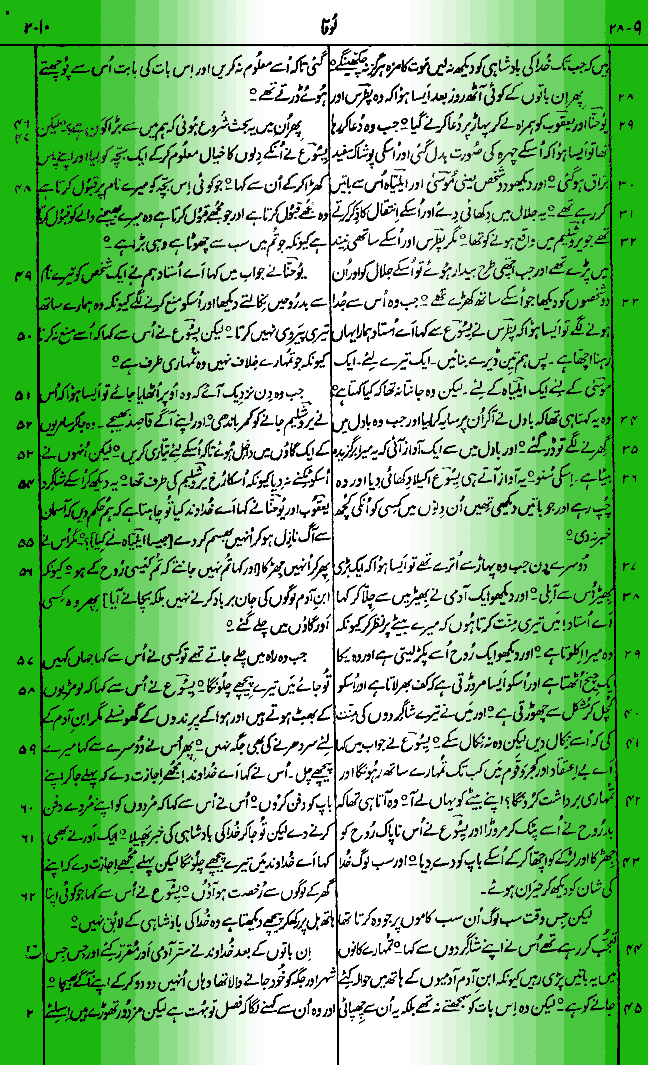
Verse: And it came to pass about an eight days after these sayings he took Peter and John and James and went up into a mountain to pray
English Explanation: Jesus isolates himself from the crowds, taking his inner circle of disciples—Peter, James, and John—up to a mountain. The primary purpose of this retreat is prayer. This highlights Jesus’ constant reliance on spiritual intimacy with God before major revelatory moments.
Urdu Explanation: یسوع مجمع سے الگ ہو کر اپنے قریبی شاگردوں—پطرس، یعقوب، اور یوحنا—کو ساتھ لے کر دعا کرنے کے لیے پہاڑ پر چلے گئے۔ یہ ظاہر کرتا ہے کہ یسوع ہر اہم اور الٰہی مکاشفے سے پہلے خدا کے ساتھ گہرے روحانی تعلق اور دعا کو کتنی اہمیت دیتے تھے۔
Luke 9:29
Verse: And as he prayed the fashion of his countenance was altered and his raiment was white and glistering
English Explanation: During prayer, Jesus’ divine nature breaks through his human veil. His face changes in appearance and his clothes become dazzlingly white. This event, known as the Transfiguration, provides a glimpse of his pre-existent and future heavenly glory.
Urdu Explanation: دعا کے دوران یسوع کی الٰہی شان ان کے انسانی روپ سے ظاہر ہونے لگی۔ ان کے چہرے کی وضع بدل گئی اور ان کے لباس چمکدار سفید ہو گئے۔ اس واقعے کو “تبدیلیِ صورت” کہا جاتا ہے، جو ان کے جلال کی ایک جھلک دکھاتا ہے۔
Luke 9:30
Verse: And behold there talked with him two men which were Moses and Elias
English Explanation: Moses (representing the Law) and Elijah (representing the Prophets) appear beside Jesus. Their presence validates that Jesus is the fulfillment of all Old Testament scriptures, the Law, and prophetic expectations.
Urdu Explanation: موسیٰ (جو شریعت کی علامت ہیں) اور ایلیاہ (جو انبیاء کی علامت ہیں) یسوع کے ساتھ گفتگو کرتے ہوئے ظاہر ہوئے۔ ان کی موجودگی یہ ثابت کرتی ہے کہ یسوع پرانے عہد نامے کی شریعت اور پیشگوئیوں کی تکمیل ہیں۔
Luke 9:31
Verse: Who appeared in glory and spake of his decease which he should accomplish at Jerusalem
English Explanation: Moses and Elijah speak with Jesus about his upcoming death (“decease”) in Jerusalem. His departure is framed not as a tragic defeat, but as a sovereign accomplishment or fulfillment of God’s redemptive plan for humanity.
Urdu Explanation: موسیٰ اور ایلیاہ جلال میں ظاہر ہوئے اور انہوں نے یسوع کی اس رحلت (وفات) کے بارے میں بات کی جو یروشلم میں پوری ہونے والی تھی۔ ان کی موت کوئی حادثہ نہیں بلکہ انسان کی نجات کا ایک عظیم اور طے شدہ منصوبہ تھی۔
Luke 9:32
Verse: But Peter and they that were with him were heavy with sleep and when they were awake they saw his glory and the two men that stood with him
English Explanation: The disciples are physically exhausted and fighting sleep, mirroring their weakness later at Gethsemane. However, upon waking up fully, they become eyewitnesses to Jesus’ divine majesty and the two heavenly figures standing beside him.
Urdu Explanation: شاگرد جسمانی طور پر شدید تھکے ہوئے تھے اور نیند ان پر غالب آ رہی تھی، لیکن جب وہ پوری طرح بیدار ہوئے تو انہوں نے یسوع کا الٰہی جلال دیکھا اور ان کے ساتھ کھڑے دو اسمانی بزرگوں کا مشاہدہ کیا۔
Luke 9:33
Verse: And it came to pass as they departed from him Peter said unto Jesus Master it is good for us to be here and let us make three tabernacles one for thee and one for Moses and one for Elias not knowing what he said
English Explanation: Overwhelmed by the spiritual high of the moment, Peter impulsively suggests building three shelters to prolong the experience. By placing Jesus on the same level as Moses and Elijah, Peter speaks without understanding that Jesus far surpasses them.
Urdu Explanation: اس روحانی منظر سے مغلوب ہو کر، پطرس نے جوش میں آ کر تین خیمے بنانے کی تجویز پیش کی تاکہ وہ اس وقت کو وہیں روک سکیں۔ پطرس یہ نہیں سمجھ پا رہا تھا کہ یسوع کا مقام موسیٰ اور ایلیاہ سے کہیں اعلیٰ اور برتر ہے۔
Luke 9:34
Verse: While he thus spake there came a cloud and overshadowed them and they feared as they entered into the cloud
English Explanation: As Peter speaks, a divine cloud—reminiscent of God’s glory presence (Shekinah) in the Old Testament—envelops them. The disciples are struck with holy awe and fear as they enter this manifest presence of God.
Urdu Explanation: جب پطرس یہ بات کر ہی رہا تھا، تو ایک الٰہی بادل (جو پرانے عہد نامے میں خدا کے جلال کی موجودگی کو ظاہر کرتا ہے) نے انہیں چھپا لیا۔ خدا کی اس عظیم موجودگی میں داخل ہوتے ہی شاگردوں پر خوف اور ہیبت طاری ہو گئی۔
Luke 9:35
Verse: And there came a voice out of the cloud saying This is my beloved Son hear him
English Explanation: God the Father speaks directly from the cloud, establishing Jesus’ identity above Moses and Elijah. The command “hear him” means that Jesus is now the ultimate authority and the final word of God to mankind.
Urdu Explanation: بادل میں سے خدا کی آواز آئی جس نے یسوع کی پہچان کو موسیٰ اور ایلیاہ سے بالاتر کرتے ہوئے فرمایا: “یہ میرا پیارا بیٹا ہے، اس کی سنو۔” اس کا مطلب ہے کہ اب یسوع ہی حتمی اختیار اور خدا کا آخری کلام ہیں۔
Luke 9:36
Verse: And when the voice was past Jesus was found alone And they kept it close and told no man in those days any of those things which they had seen
English Explanation: Once the divine voice fades, Moses and Elijah vanish, leaving Jesus alone. The disciples remain silent about this experience for a time, processing the weight of the vision until after Christ’s resurrection.
Urdu Explanation: جب آواز آنا بند ہوئی تو موسیٰ اور ایلیاہ غائب ہو چکے تھے اور وہاں صرف یسوع اکیلے رہ گئے۔ شاگردوں نے اس پاک اور عظیم واقعے کو اپنے دلوں میں محفوظ رکھا اور ان دنوں کسی سے اس کا ذکر نہ کیا۔
Luke 9:37
Verse: And it came to pass that on the next day when they were come down from the hill much people met him
English Explanation: Moving from the spiritual peak of the mountain back into a broken world, Jesus and the three disciples are immediately met by a large crowd dealing with earthly suffering.
Urdu Explanation: اگلے دن، جب وہ پہاڑ سے نیچے اترے، تو ایک بڑا مجمع ان سے ملا۔ یہ منظر دکھاتا ہے کہ پہاڑ کے روحانی تجربے کے فوراً بعد یسوع دوبارہ دنیا کی تکالیف اور ضرورت مند لوگوں کے درمیان لوٹ آئے۔
Luke 9:38
Verse: And behold a man of the company cried out saying Master I beseech thee look upon my son for he is mine only child
English Explanation: A desperate father begs Jesus to help his only son. This emphasizes the emotional weight and agony of the parent, highlighting the desperate need for divine intervention.
Urdu Explanation: مجمع میں سے ایک مجبور باپ نے پکار کر کہا کہ “اے استاد! میں تیری منت کرتا ہوں میرے بیٹے پر نظر کر کیونکہ وہ میرا اکلوتا بچہ ہے۔” یہ ایک باپ کی شدید بے بسی اور یسوع سے مدد کی التجا کو ظاہر کرتا ہے۔
Luke 9:39
Verse: And lo a spirit taketh him and he suddenly crieth out and it teareth him that he foameth again and bruising him hardly departeth from him
English Explanation: The father describes the brutal demonic possession afflicting his son, which causes sudden screaming, convulsions, foaming at the mouth, and physical self-harm. The evil spirit is relentless in destroying the child.
Urdu Explanation: باپ اپنے بیٹے کی حالت زار بیان کرتا ہے کہ کس طرح ایک بدروح اسے جکڑ لیتی ہے، جس سے وہ اچانک چِلانے لگتا ہے، اس کا جسم مروڑتا ہے، منہ سے جھاگ نکلتا ہے اور وہ شدید زخمی ہو جاتا ہے۔ وہ بدروح اسے آسانی سے نہیں چھوڑتی۔
Luke 9:40
Verse: And I besought thy disciples to cast him out and they could not
English Explanation: The father reveals that he had previously asked the remaining nine disciples to cast out the demon, but they failed. This underscores a temporary lack of faith and spiritual power among the disciples.
Urdu Explanation: باپ نے بتایا کہ اس نے باقی شاگردوں سے بھی التجا کی تھی کہ وہ اس بدروح کو نکالیں، لیکن وہ ایسا نہ کر سکے۔ یہ شاگردوں کی اس وقت کی کمزور ایمانداری اور روحانی قوت کی کمی کو ظاہر کرتا ہے۔
Luke 9:41
Verse: And Jesus answering said O faithless and perverse generation how long shall I be with you and suffer you Bring thy son hither
English Explanation: Jesus expresses deep grief over the widespread lack of faith among the people and his disciples. Despite his frustration with their spiritual blindness, his compassion wins out as he commands the boy to be brought to him.
Urdu Explanation: یسوع نے لوگوں اور شاگردوں کے ایمان کی کمی پر افسوس کا اظہار کرتے ہوئے کہا: “اے بے ایمان اور کجرو نسل! میں کب تک تمہارے ساتھ رہوں گا اور تمہاری برداشت کروں گا؟” لیکن پھر بھی اپنے رحم کی وجہ سے انہوں نے فرمایا کہ بچے کو یہاں لاؤ۔
Luke 9:42
Verse: And as he was yet a coming the devil threw him down and tare him And Jesus rebuked the unclean spirit and healed the child and delivered him again to his father
English Explanation: As the boy approaches, the demon throws him into a final violent convulsion in a desperate show of resistance. Jesus authoritatively rebukes the unclean spirit, instantly heals the boy, and restores him to his father.
Urdu Explanation: جب بچہ آ ہی رہا تھا تو بدروح نے اسے زمین پر پٹک دیا اور مروڑا۔ لیکن یسوع نے ناپاک روح کو ڈانٹا، بچے کو شفا دی، اور اسے مکمل طور پر بحال کر کے اس کے باپ کے حوالے کر دیا۔
Luke 9:43
Verse: And they were all amazed at the mighty power of God But while they wondered every one at all things which Jesus did he said unto his disciples
English Explanation: The crowd is left astonished by the undeniable supernatural power of God working through Jesus. While the crowd marvels at the miracles, Jesus turns to his disciples to deliver a sobering reality check.
Urdu Explanation: سب لوگ خدا کی اس عظیم اور معجزاتی قدرت کو دیکھ کر دنگ رہ گئے۔ جب لوگ یسوع کے کاموں پر حیران ہو رہے تھے، تو یسوع نے اپنے شاگردوں کو ایک نہایت اہم اور سنجیدہ بات بتانے کے لیے متوجہ کیا۔
Luke 9:44
Verse: Let these sayings sink down into your ears for the Son of man shall be delivered into the hands of men
English Explanation: Jesus urges his disciples to listen closely and remember his words: he is about to be betrayed and handed over to sinful human authorities. He ensures they understand that suffering precedes his ultimate kingly glory.
Urdu Explanation: یسوع نے اپنے شاگردوں سے کہا کہ میری ان باتوں کو اپنے کانوں میں جمنے دو، کیونکہ ابنِ آدم (یسوع) انسانوں کے ہاتھوں میں پکڑوایا جانے والا ہے۔ وہ انہیں یاد دلا رہے تھے کہ جلال سے پہلے دکھ اٹھانا لازمی ہے۔
Luke 9:45
Verse: But they understood not this saying and it was hid from them that they perceived it not and they feared to ask him of that saying
English Explanation: The disciples are unable to comprehend how a conquering Messiah could be betrayed and killed. Blinded by their own cultural expectations, they fail to grasp the message and are too afraid to ask for clarity.
Urdu Explanation: شاگرد اس بات کو سمجھ نہ سکے کیونکہ ان کے ذہنوں پر ایک پردہ تھا، اور وہ یہ تصور بھی نہیں کر سکتے تھے کہ مسیح کو دکھ اٹھانا پڑے گا۔ وہ اس کے بارے میں یسوع سے کچھ پوچھنے سے بھی ڈرتے تھے۔
Luke 9:46
Verse: Then there arose a reasoning among them which of them should be greatest
English Explanation: In stark contrast to Jesus’ teaching on humility and upcoming suffering, the disciples begin arguing over prideful ambitions, debating who among them will hold the highest position of power in the kingdom.
Urdu Explanation: یسوع کی عاجزی اور دکھوں کی تعلیم کے بالکل برعکس، شاگردوں کے درمیان آپس میں یہ بحث شروع ہو گئی کہ ان میں سب سے بڑا اور اہم کون ہے، جو ان کی دنیاوی سوچ کو ظاہر کرتا ہے۔
Luke 9:47
Verse: And Jesus perceiving the thought of their heart took a child and set him by him
English Explanation: Jesus, knowing their inward, prideful thoughts, uses a living object lesson. He places a small child beside himself—a person of zero social status or power in ancient society.
Urdu Explanation: یسوع نے ان کے دلوں کے غرور اور خیالات کو جان کر ایک چھوٹے بچے کو اپنے پاس کھڑا کیا۔ اس دور کے معاشرے میں بچوں کو سماجی طور پر کوئی بڑا رتبہ یا اختیار حاصل نہیں تھا۔
Luke 9:48
Verse: And said unto them Whosoever shall receive this child in my name receiveth me and whosoever shall receive me receiveth him that sent me for he that is least among you all the same shall be great
English Explanation: Jesus redefines true greatness. To welcome the lowly (like a child) in his name is to welcome Jesus and God the Father. True greatness in God’s kingdom is found in lowliness, humility, and serving the insignificant.
Urdu Explanation: یسوع نے سچی بڑائی کی تعریف بدلتے ہوئے فرمایا کہ جو کوئی اس بچے جیسے معمولی انسان کو میرے نام پر قبول کرتا ہے وہ مجھے اور خدا کو قبول کرتا ہے۔ خدا کی بادشاہی میں سچا بڑا وہی ہے جو سب سے چھوٹا اور عاجز بنتا ہے۔
Luke 9:49
Verse: And John answered and said Master we saw one casting out devils in thy name and we forbad him because he followeth not with us
English Explanation: John mentions that they tried to stop an outsider from casting out demons in Jesus’ name, simply because he did not belong to their immediate group of disciples. This reveals an attitude of exclusivity and sectarianism.
Urdu Explanation: یوحنا نے کہا کہ “اے استاد! ہم نے ایک شخص کو تیرے نام سے بدروحیں نکالتے دیکھا اور ہم نے اسے منع کر دیا کیونکہ وہ ہمارے گروہ کا حصہ نہیں تھا۔” یہ شاگردوں کی تنگ نظری اور تعصب کو ظاہر کرتا ہے۔
Luke 9:50
Verse: And Jesus said unto him Forbid him not for he that is not against us is for us
English Explanation: Jesus corrects John’s exclusive attitude, stating that anyone working for the same cause in his name should not be opposed. Kingdom ministry is broader than their specific group.
Urdu Explanation: یسوع نے یوحنا کی اصلاح کرتے ہوئے فرمایا کہ اسے منع نہ کرو، کیونکہ جو ہمارے خلاف نہیں ہے وہ ہماری طرف ہے۔ خدا کی بادشاہی کا کام کسی ایک محدود گروہ تک ہی محدود نہیں ہے۔
Luke 9:51
Verse: And it came to pass when the time was come that he should be received up he stedfastly set his face to go to Jerusalem
English Explanation: This marks a major turning point in the Gospel of Luke. As the time for his crucifixion, resurrection, and ascension approaches, Jesus sets his face toward Jerusalem with unwavering resolve, fully embracing his destiny.
Urdu Explanation: یہ آیت لوقا کی انجیل میں ایک بڑا موڑ ہے۔ جب یسوع کے مصلوب ہونے، جی اٹھنے اور آسمان پر اٹھائے جانے کا وقت قریب آیا، تو انہوں نے پورے عزم کے ساتھ یروشلم کا رخ کیا اور اپنے مقصد کو قبول کیا۔
Luke 9:52
Verse: And sent messengers before his face and they went and entered into a village of the Samaritans to make ready for him
English Explanation: Jesus sends advance messengers into a Samaritan village to secure lodging and food. This shows his practical preparation for the large group traveling with him.
Urdu Explanation: یسوع نے اپنے آگے کچھ قاصدوں کو بھیجا تاکہ وہ سامریوں کے ایک گاؤں میں جا کر ان کے قیام اور کھانے پینے کا انتظام کریں۔ یہ سفر کی عملی تیاری کو ظاہر کرتا ہے۔
Luke 9:53
Verse: And they did not receive him because his face was as though he would go to Jerusalem
English Explanation: The Samaritans refuse to welcome Jesus because his destination is Jerusalem. There was deep-seated religious and ethnic hostility between Jews and Samaritans, especially regarding the proper place of worship.
Urdu Explanation: سامریوں نے یسوع کو اپنے ہاں ٹھہرنے کی اجازت نہ دی کیونکہ وہ دیکھ رہے تھے کہ وہ یروشلم جا رہے ہیں۔ یہودیوں اور سامریوں کے درمیان مذہبی اور نسلی دشمنی تھی، جس کی وجہ سے انہوں نے یسوع کو قبول نہ کیا۔
Luke 9:54
Verse: And when his disciples James and John saw this they said Lord wilt thou that we command fire to come down from heaven and consume them even as Elias did
English Explanation: Reacting with anger and offense, James and John ask for permission to call down judgment fire from heaven to destroy the village, invoking the actions of the prophet Elijah.
Urdu Explanation: یعقوب اور یوحنا نے غصے میں آ کر یسوع سے پوچھا کہ “اے خداوند! کیا تو چاہتا ہے کہ ہم ایلیاہ نبی کی طرح آسمان سے آگ منگوا کر انہیں بھسم کر دیں؟” یہ ان کے انتقامی جذبے کو ظاہر کرتا ہے۔
Luke 9:55
Verse: But he turned and rebuked them and said Ye know not what manner of spirit ye are of
English Explanation: Jesus turns and sharply rebukes them. He shows them that their desire for immediate, destructive revenge does not align with the Holy Spirit or the merciful nature of his mission.
Urdu Explanation: یسوع نے مڑ کر انہیں سخت ملامت کی اور فرمایا: “تم نہیں جانتے کہ تم کیسی روح کے اثر میں ہو اور تمہارا مزاج کیسا ہونا چاہیے۔” انہوں نے شاگردوں کے انتقامی رویے کو مسترد کر دیا۔
Luke 9:56
Verse: For the Son of man is not come to destroy men’s lives but to save them And they went to another village
English Explanation: Jesus declares the true purpose of his ministry: salvation, not destruction. Rather than punishing the hostile village, he simply moves on to another one, demonstrating grace and peaceful patience.
Urdu Explanation: یسوع نے اپنی آمد کا مقصد بیان کرتے ہوئے فرمایا کہ ابنِ آدم لوگوں کی جانیں ہلاک کرنے نہیں بلکہ انہیں بچانے آیا ہے۔ وہ اس گاؤں کو سزا دینے کے بجائے خاموشی سے دوسرے گاؤں چلے گئے، جو ان کے حلیم مزاج کو ظاہر کرتا ہے۔
Luke 9:57
Verse: And it came to pass that as they went in the way a certain man said unto him Lord I will follow thee whithersoever thou goest
English Explanation: An eager volunteer steps forward on the road, promising absolute loyalty to follow Jesus anywhere. He makes this pledge without fully understanding the practical costs involved.
Urdu Explanation: راستے میں ایک شخص نے آگے بڑھ کر یسوع سے وعدہ کیا کہ “اے خداوند! تو جہاں کہیں بھی جائے گا، میں تیرے پیچھے ہولوں گا۔” اس نے عجلت میں بغیر قیمت جانے یہ بڑا وعدہ کر لیا۔
Luke 9:58
Verse: And Jesus said unto him Foxes have holes and birds of the air have nests but the Son of man hath not where to lay his head
English Explanation: Jesus responds by clarifying the stark reality of his daily life. Even wild animals have permanent homes, but following Jesus means embracing a life of earthly insecurity and homelessness.
Urdu Explanation: یسوع نے اسے حقیقت کا سامنا کرواتے ہوئے جواب دیا: “لومڑیوں کے بھٹ ہوتے ہیں اور ہوا کے پرندوں کے گھونسلے، لیکن ابنِ آدم کے لیے سر چھپانے کی بھی جگہ نہیں ہے۔” یعنی میرے پیچھے چلنے کا مطلب دنیاوی آسائشوں کو چھوڑنا ہے۔
Luke 9:59
Verse: And he said unto another Follow me But he said Lord suffer me first to go and bury my father
English Explanation: Jesus directly calls another man to follow him. The man asks for a delay, requesting to first bury his father—which likely meant staying home to care for his aging father until his death.
Urdu Explanation: یسوع نے ایک دوسرے شخص سے خود فرمایا: “میرے پیچھے ہولے۔” لیکن اس شخص نے عذر پیش کیا کہ “خداوند! مجھے پہلے جانے دے کہ اپنے باپ کو دفن کر دوں،” جس کا مطلب تھا کہ وہ اپنے باپ کی وفات تک گھر پر ہی رہنا چاہتا تھا۔
Luke 9:60
Verse: Jesus said unto him Let the dead bury their dead but go thou and preach the kingdom of God
English Explanation: Jesus uses a striking metaphor, telling the man to let the spiritually dead care for worldly obligations. The urgency of proclaiming God’s kingdom takes absolute priority over even the most important cultural and familial duties.
Urdu Explanation: یسوع نے ایک گہری بات کہی کہ جو روحانی طور پر مردہ ہیں انہیں اپنے مردے دفنانے دو، لیکن تم جاؤ اور خدا کی بادشاہی کی منادی کرو۔ خدا کے کام کی اہمیت خاندانی رسومات سے کہیں بڑھ کر ہے۔
Luke 9:61
Verse: And another also said Lord I will follow thee but let me first go bid them farewell which are at home at my house
Explanation: A third prospective follower offers to join Jesus, but asks for one condition: to first return home and say goodbye to his family. This echoes Elisha’s call in the Old Testament, but Jesus demands an even greater urgency.
Urdu Explanation: ایک اور شخص نے کہا کہ “خداوند! میں تیرے پیچھے چلوں گا، لیکن پہلے مجھے اجازت دے کہ اپنے گھر والوں سے رخصت ہو آؤں۔” بظاہر یہ درخواست جائز تھی لیکن یہ دل کی ہچکچاہٹ کو ظاہر کرتی تھی۔
Luke 9:62
Verse: And Jesus said unto him No man having put his hand to the plough and looking back is fit for the kingdom of God
English Explanation: Jesus uses an agricultural metaphor. A farmer plowing a field must look forward to keep the furrows straight; looking back ruins the work. Discipleship requires undivided devotion and forward-moving commitment without regret.
Urdu Explanation: یسوع نے کسان کی مثال دیتے ہوئے فرمایا: “جو کوئی ہل پر ہاتھ رکھ کر پیچھے دیکھتا ہے، وہ خدا کی بادشاہی کے لائق نہیں ہے۔” یعنی ایمان کی راہ پر آنے کے بعد دنیا کی طرف واپس مڑ کر دیکھنا روحانی سفر کو برباد کر دیتا ہے۔
Luke 10:1
Verse: After these things the Lord appointed other seventy also and sent them two and two before his face into every city and place whither he himself would come
English Explanation: Expanding his missionary outreach beyond the twelve disciples, Jesus appoints seventy (or seventy-two) others. He sends them out in pairs for mutual support and accountability, serving as advance teams for his own upcoming visits.
Urdu Explanation: ان باتوں کے بعد، یسوع نے بارہ شاگردوں کے علاوہ ستر اور شاگرد مقرر کیے اور انہیں دو دو کر کے اپنے آگے ان تمام شہروں اور جگہوں پر بھیجا جہاں وہ خود جانے والے تھے تاکہ وہ راستے تیار کر سکیں۔
Luke 10:2
Verse: Therefore said he unto them The harvest truly is great but the labourers are few pray ye therefore the Lord of the harvest that he would send forth labourers into his harvest
English Explanation: Jesus views the world as a massive field ripe for spiritual harvest, but points out the lack of workers. He commands his followers to pray urgently to God—the Owner of the harvest—to send out dedicated workers into the world.
Urdu Explanation: یسوع نے ان سے فرمایا: “فصل تو بہت ہے لیکن مزدور تھوڑے ہیں، پس فصل کے مالک (خدا) سے منت کرو کہ وہ اپنی فصل کاٹنے کے لیے مزدور بھیجے۔” یہ دنیا میں خدا کے کلام کو پھیلانے کی فوری ضرورت پر زور دیتا ہے۔