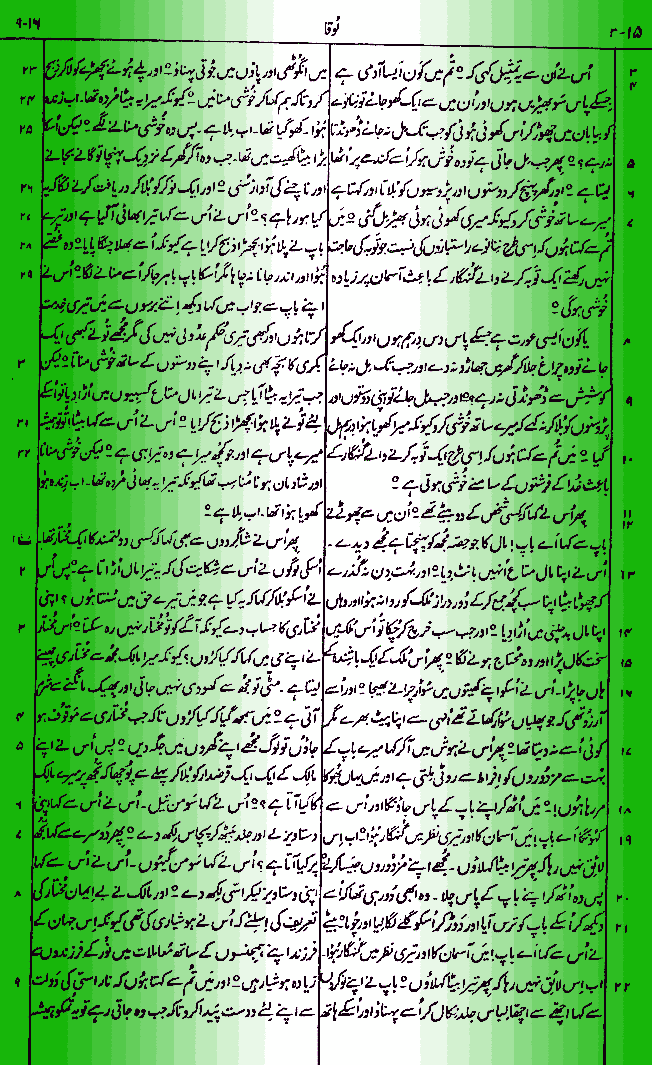
Luke Chapter 15
Luke 15:3
Verse: And he spake this parable unto them saying
-
English Explanation: Jesus begins to speak in parables to address the critical attitude of the Pharisees and scribes who were murmuring about Him welcoming and eating with sinners. He uses storytelling to reveal the heart of God regarding the lost.
-
Urdu Explanation: یسوع نے فرسیوں اور فقیہوں کے اعتراضات کا جواب دینے کے لیے تمثیلوں کا سہارا لیا جو اس بات پر ناراض تھے کہ وہ گناہ گاروں سے ملتا اور ان کے ساتھ کھانا کھاتا ہے۔ وہ خدا کے دل کی کیفیت کو ظاہر کرنے کے لیے کہانی شروع کرتے ہیں۔
Luke 15:4
Verse: What man of you having an hundred sheep if he lose one of them doth not leave the ninety and nine in the wilderness and go after that which is lost until he find it
-
English Explanation: Jesus highlights the immense value of a single individual. A good shepherd will not settle for 99% success; he will leave the secure flock to pursue the single lost sheep until it is safely recovered. This represents God’s active search for lost souls.
-
Urdu Explanation: یسوع ایک چرواہے کی مثال دیتے ہیں جو ایک گمشدہ بھیڑ کو ڈھونڈنے کے لیے باقی ننانوے کو جنگل میں چھوڑ دیتا ہے۔ یہ ظاہر کرتا ہے کہ خدا کے لیے ہر ایک انسان کی جان کتنی قیمتی ہے اور وہ گناہ گاروں کو ڈھونڈنے کے لیے خود پہل کرتا ہے۔
Luke 15:5
Verse: And when he hath found it he layeth it on his shoulders rejoicing
-
English Explanation: Instead of punishing or scolding the lost sheep for wandering away, the shepherd carries it back with joy. It emphasizes the grace, tenderness, and absolute joy of God when a sinner is restored.
-
Urdu Explanation: چرواہا بھیڑ ملنے پر غصہ کرنے یا سزا دینے کے بجائے اسے خوشی خوشی اپنے کندھوں پر اٹھا لیتا ہے۔ یہ آیت گناہ گار کی واپسی پر خدا کے رحم، محبت اور بے پناہ خوشی کو ظاہر کرتی ہے۔
Luke 15:6
Verse: And when he cometh home he calleth together his friends and neighbours saying unto them Rejoice with me for I have found my sheep which was lost
-
English Explanation: True joy cannot be kept to oneself. The shepherd celebrates the recovery of the lost sheep with his entire community, setting up the spiritual parallel of heavenly celebration.
-
Urdu Explanation: جب چرواہا گھر واپس آتا ہے تو وہ اکیلا خوش نہیں ہوتا بلکہ اپنے دوستوں اور پڑوسیوں کو جمع کر کے اپنی خوشی میں شامل کرتا ہے۔ یہ اس بات کی علامت ہے کہ گناہ گار کی نجات ایک اجتماعی خوشی کا باعث ہے۔
Luke 15:7
Verse: I say unto you that likewise joy shall be in heaven over one sinner that repenteth more than over ninety and nine just persons which need no repentance
-
English Explanation: Jesus delivers the core message: Heaven erupts in celebration over one sinner who turns back to God. The “ninety and nine just persons” subtly references the self-righteous Pharisees who mistakenly believed they didn’t need to repent.
-
Urdu Explanation: یسوع واضح کرتے ہیں کہ ایک توبہ کرنے والے گناہ گار کی وجہ سے آسمان پر ان ننانوے لوگوں سے زیادہ خوشی ہوتی ہے جو خود کو راستباز سمجھتے ہیں اور توبہ کی ضرورت محسوس نہیں کرتے۔ یہ خود پسندی کے خلاف ایک گہرا پیغام ہے۔
Luke 15:8
Verse: Either what woman having ten pieces of silver if she lose one piece doth not light a candle and sweep the house and seek diligently till she find it
-
English Explanation: The focus shifts to a woman searching for a lost coin (drachma), which represented significant economic value, possibly part of her dowry. She puts in exhaustive effort—lighting a lamp and sweeping every corner—symbolizing God’s intense, meticulous search for the lost.
-
Urdu Explanation: یہاں ایک عورت کی مثال ہے جس کا چاندی کا ایک سکہ کھو گیا ہے۔ وہ چراغ جلا کر اور پورے گھر میں جھاڑو دے کر اسے تندہی سے ڈھونڈتی ہے۔ یہ اس بات کی علامت ہے کہ خدا کتنی شدت اور باریکی سے بھٹکے ہوئے انسان کو تلاش کرتا ہے۔
Luke 15:9
Verse: And when she hath found it she calleth her friends and her neighbours together saying Rejoice with me for I have found the piece which I had lost
-
English Explanation: Just like the shepherd, the woman’s immediate response to finding her valuable possession is communal celebration. What was lost has been restored, and it is a cause for shared joy.
-
Urdu Explanation: سکہ مل جانے پر عورت اپنی سہیلیوں اور پڑوسنوں کو بلا کر کہتی ہے کہ میرے ساتھ خوشی مناؤ۔ یہ خوشی اس بات کا ثبوت ہے کہ جو چیز کھو گئی تھی اب وہ دوبارہ مل چکی ہے۔
Luke 15:10
Verse: Likewise I say unto you there is joy in the presence of the angels of God over one sinner that repenteth
-
English Explanation: Jesus reiterates the spiritual reality of the second parable. The angelic host and God Himself rejoice intensely whenever an individual experiences a change of heart and turns toward divine grace.
-
Urdu Explanation: یسوع دوبارہ اسی سچائی پر زور دیتے ہیں کہ جب بھی کوئی ایک گناہ گار سچے دل سے توبہ کرتا ہے تو خدا کے فرشتوں کے سامنے آسمان پر عظیم جشن منایا جاتا ہے۔
Luke 15:11
Verse: And he said A certain man had two sons
-
English Explanation: Jesus introduces the famous Parable of the Prodigal Son. This story moves from lost animals and objects to lost human relationships, focusing on a father and his two distinct sons.
-
Urdu Explanation: یہاں سے بائبل کی مشہور ترین تمثیل “فضول خرچ بیٹے” کا آغاز ہوتا ہے۔ یسوع اب جانوروں یا بے جان چیزوں سے ہٹ کر انسانی رشتوں اور باپ کے دل کی مثال دیتے ہیں۔
Luke 15:12
Verse: And the younger of them said to his father Father give me the portion of goods that falleth to me And he divided unto them his living
-
English Explanation: The younger son’s request for his inheritance early was deeply insulting, essentially implying he wished his father were already dead. Remarkably, the father grants him his freedom and divides his wealth, showing God allows humanity free will.
-
Urdu Explanation: چھوٹے بیٹے کا وقت سے پہلے اپنی میراث مانگنا باپ کی شدید توہین تھا جیسے وہ باپ کی موت کا خواہشمند ہو۔ لیکن باپ نے اس کی آزادی کا احترام کرتے ہوئے جائیداد تقسیم کر دی جو ظاہر کرتا ہے کہ خدا انسان کو ارادے کی آزادی دیتا ہے۔
Luke 15:13
Verse: And not many days after the younger son gathered all together and took his journey into a far country and there wasted his substance with riotous living
-
English Explanation: The younger son cuts ties completely, moving to a distant, Gentile land to escape his father’s oversight. He lives recklessly, squandering his entire inheritance on temporary, sinful pleasures.
-
Urdu Explanation: چند ہی دنوں میں چھوٹا بیٹا سب کچھ سمیٹ کر ایک دور دراز ملک چلا گیا تاکہ باپ کی نظروں سے دور رہ سکے۔ وہاں اس نے عیاشی اور بدچلنی کی زندگی گزارتے ہوئے اپنی تمام دولت برباد کر دی۔
Luke 15:14
Verse: And when he had spent all there arose a mighty famine in that land and he began to be in want
-
English Explanation: Poor choices combined with unpredictable circumstances leave the son destitute. When his money runs out, an environmental crisis hits, leaving him completely helpless and impoverished.
-
Urdu Explanation: جب اس کی ساری دولت ختم ہو گئی تو اس ملک میں سخت قحط پڑ گیا۔ اب وہ محتاج اور بے سہارا ہو گیا کیونکہ گناہ کی عارضی خوشی ہمیشہ انسان کو روحانی اور اخلاقی قحط کی طرف لے جاتی ہے۔
Luke 15:15
Verse: And he went and joined himself to a citizen of that country and he sent him into his fields to feed swine
-
English Explanation: Desperate for survival, the Jewish youth takes a job feeding pigs—an animal considered completely unclean and abominable under Jewish law. This highlights his absolute rock-bottom status.
-
Urdu Explanation: مجبور ہو کر اس نے وہاں کے ایک شہری کے ہاں نوکری کر لی جس نے اسے سور چرانے کے لیے کھیتوں میں بھیج دیا۔ ایک یہودی کے لیے سوروں کی دیکھ بھال کرنا انتہائی ذلت اور ناپاکی کی علامت تھا۔
Luke 15:16
Verse: And he would fain have filled his belly with the husks that the swine did eat and no man gave unto him
-
Explanation: He reaches such extreme hunger that he envies the food given to the unclean animals. Furthermore, the worldly companions he spent his wealth with completely abandon him in his time of need.
-
Urdu Explanation: اس کی بھوک کا یہ عالم تھا کہ وہ سوروں کی پھلیاں کھا کر پیٹ بھرنا چاہتا تھا لیکن کسی نے اسے وہ بھی نہ دیں۔ دنیاوی دوست عیاشی کے ختم ہوتے ہی اسے اکیلا چھوڑ گئے۔
Luke 15:17
Verse: And when he came to himself he said How many hired servants of my father’s have bread enough and to spare and I perish with hunger
-
English Explanation: “Coming to himself” marks the moment of clarity and sanity. He realizes that even the lowest tier of hired servants in his father’s house live in abundance compared to his miserable state of starvation.
-
Urdu Explanation: “جب وہ اپنے ہوش میں آیا” تو اسے اپنی غلطی کا احساس ہوا۔ اس نے سوچا کہ میرے باپ کے ادنیٰ ملازم بھی پیٹ بھر کر کھانا کھاتے ہیں اور یہاں میں بھوک سے مر رہا ہوں۔ یہ توبہ کی پہلی سیڑھی ہے۔
Luke 15:18
Verse: I will arise and go to my father and will say unto him Father I have sinned against heaven and before thee
-
English Explanation: He formulates a confession, acknowledging that his rebellion was not just a personal mistake, but a profound sin against both God (“heaven”) and his earthly father.
-
Urdu Explanation: اس نے فیصلہ کیا کہ “میں اٹھ کر اپنے باپ کے پاس جاؤں گا” اور اپنی خطاؤں کا اقرار کروں گا۔ اس نے مانا کہ اس کا گناہ صرف انسان کے خلاف نہیں بلکہ خدا (آسمان) کے خلاف بھی ہے۔
Luke 15:19
Verse: And am no more worthy to be called thy son make me as one of thy hired servants
-
English Explanation: True repentance involves humility. The son recognizes he has forfeited his rights as a family member and is willing to work his way back as a hired day-laborer, expecting nothing based on merit.
-
Urdu Explanation: اس نے تسلیم کیا کہ وہ اب بیٹا کہلانے کے لائق نہیں رہا۔ اس کی عاجزی اس بات سے ظاہر ہوتی ہے کہ وہ اپنے باپ کے گھر میں ایک عام مزدور کی حیثیت سے رہنے کے لیے تیار تھا۔
Luke 15:20
Verse: And he arose and came to his father But when he was yet a great way off his father saw him and had compassion and ran and fell on his neck and kissed him
-
English Explanation: The son acts on his decision. The father, who had clearly been watching and waiting for his return, spots him from afar. Breaking all cultural norms of dignity for an elderly eastern man, the father runs, embraces, and kisses his messy son.
-
Urdu Explanation: وہ اٹھ کر اپنے باپ کی طرف چل دیا۔ ابھی وہ دور ہی تھا کہ باپ نے اسے دیکھ لیا۔ باپ کا دل رحم سے بھر آیا اور وہ بزرگ ہونے کے باوجود دوڑتا ہوا گیا، اسے گلے لگایا اور چوما۔ یہ خدا کی بے پناہ محبت کو ظاہر کرتا ہے۔
Luke 15:21
Verse: And the son said unto him Father I have sinned against heaven and in thy sight and am no more worthy to be called thy son
-
English Explanation: The son begins his rehearsed speech of confession. However, before he can even finish his request to become a hired servant, his father interrupts him with overwhelming grace.
-
Urdu Explanation: بیٹے نے اپنی توبہ کا اقرار شروع کیا کہ میں نے آسمان اور تیری نظر میں گناہ کیا ہے اور اب بیٹا کہلانے کے لائق نہیں۔ لیکن اس سے پہلے کہ وہ مزدور بننے کی درخواست کرتا، باپ نے اسے ٹوک دیا۔
Luke 15:22
Verse: But the father said to his servants Bring forth the best robe and put it on him and put a ring on his hand and shoes on his feet
-
English Explanation: The father immediately restores his status. The best robe signifies honor; the ring signifies authority and family identity; the shoes signify that he is a son and a free man, not a barefoot slave or servant.
-
Urdu Explanation: باپ نے اپنے نوکروں کو حکم دیا کہ اسے سب سے اچھا لباس پہناؤ (جو عزت کی علامت ہے)، ہاتھ میں انگوٹھی (جو اختیار کی علامت ہے) اور پاؤں میں جوتے پہناؤ (جو ظاہر کرتا ہے کہ وہ غلام نہیں بلکہ بیٹا ہے)۔
Luke 15:23
Verse: And bring hither the fatted calf and kill it and let us eat and be merry
-
English Explanation: A fatted calf was reserved only for extraordinary, community-wide celebrations. The father orders a massive feast to mark the joyful occasion of his son’s safe return.
-
Urdu Explanation: باپ نے پلے ہوئے بچھڑے کو ذبح کرنے کا حکم دیا تاکہ پورا خاندان اور محلہ جشن منا سکے۔ یہ گناہ گار کی توبہ پر خدا کی خوشی کا جشن ہے۔
Luke 15:24
Verse: For this my son was dead and is alive again he was lost and is found And they began to be merry
-
English Explanation: Spiritual separation from the father is equated to death and being lost. Reconciliation is celebrated as resurrection and recovery. The celebration begins, emphasizing God’s joy over redemption.
-
Urdu Explanation: باپ فرماتا ہے کہ میرا یہ بیٹا مر گیا تھا اب زندہ ہوا ہے، کھو گیا تھا اب ملا ہے۔ روحانی طور پر باپ سے الگ ہونا موت ہے اور واپس آنا نئی زندگی ہے۔ اور وہ سب خوشی منانے لگے۔
Luke 15:25
Verse: Now his elder son was in the field and as he came and drew nigh to the house he heard musick and dancing
-
English Explanation: The story shifts to the older son, representing the Pharisees. He has been out working dutifully in the fields, completely unaware of the grace and celebration happening at home.
-
Urdu Explanation: اب بڑے بیٹے کا ذکر ہوتا ہے جو فرسیوں کی نمائندگی کرتا ہے۔ وہ کھیت میں کام کر رہا تھا اور جب گھر کے قریب پہنچا تو اسے ناچنے گانے اور جشن کی آوازیں سنائی دیں۔
Luke 15:26
Verse: And he called one of the servants and asked what these things meant
-
English Explanation: Instead of entering the house directly, the older son stands on the outside and questions a servant, exhibiting immediate detachment and suspicion toward the joy of the household.
-
Urdu Explanation: اس نے گھر کے اندر جانے کے بجائے ایک نوکر کو باہر بلا کر پوچھا کہ یہ سب کیا ہو رہا ہے۔ اس کا یہ رویہ اس کی اندرونی دوری کو ظاہر کرتا ہے۔
Luke 15:27
Verse: And he said unto him Thy brother is come and thy father hath killed the fatted calf because he hath received him safe and sound
-
English Explanation: The servant explains the situation objectively: the lost brother has returned safely, and the father is celebrating his well-being.
-
Urdu Explanation: نوکر نے جواب دیا کہ تیرا بھائی واپس آ گیا ہے اور تیرے باپ نے پلا ہوا بچھڑا ذبح کیا ہے کیونکہ وہ اسے صحیح سلامت واپس مل گیا ہے۔
Luke 15:28
Verse: And he was angry and would not go in therefore came his father out and intreated him
-
English Explanation: The older brother responds with anger and resentment, refusing to join the party. Just as the father went out to welcome the prodigal son, he now steps outside to plead with his self-righteous older son.
-
Urdu Explanation: بڑا بھائی غصے میں آ گیا اور اندر جانے سے انکار کر دیا۔ جس طرح باپ چھوٹے بیٹے کو لینے بھاگا تھا، اسی طرح وہ اب باہر آ کر اپنے بڑے بیٹے کی منت سماجت کرنے لگا تاکہ وہ بھی خوشی میں شریک ہو۔
Luke 15:29
Verse: And he answering said to his father Lo these many years do I serve thee neither transgressed I at any time thy commandment and yet thou never gavest me a kid that I might make merry with my friends
-
English Explanation: The older brother vents his bitterness. He views his relationship with his father as mere legalistic slavery (“I serve thee”) and complains that his obedience was never rewarded with even a small goat to enjoy with his friends.
-
Urdu Explanation: بڑے بیٹے نے باپ کو شکوہ کیا کہ میں اتنے سالوں سے تیری خدمت کر رہا ہوں اور کبھی تیرا حکم نہیں ٹالا، پھر بھی تو نے مجھے کبھی ایک بکری کا بچہ بھی نہ دیا کہ میں اپنے دوستوں کے ساتھ خوشی منا سکتا۔ وہ اپنے رشتے کو محبت کے بجائے قانونی ذمہ داری سمجھتا تھا۔
Luke 15:30
Verse: But as soon as this thy son was come which hath devoured thy living with harlots thou hast killed for him the fatted calf
-
English Explanation: He refuses to call him “my brother,” coldly referring to him as “this thy son.” He judges his brother harshly for spending the money on prostitutes and resents the lavish treatment his brother received.
-
Urdu Explanation: اس نے اپنے بھائی کو “میرا بھائی” کہنے کے بجائے “تیرا یہ بیٹا” کہا۔ اس نے طعنہ دیا کہ جس نے تیری دولت کسبیوں میں اڑا دی، اس کے لیے تو نے پلا ہوا بچھڑا ذبح کر دیا۔
Luke 15:31
Verse: And he said unto him Son thou art ever with me and all that I have is thine
-
English Explanation: The father responds with deep tenderness, addressing him as “Son” (literally ‘child’). He reminds him of his secure position and that his constant presence in the home meant he already had access to the entirety of the inheritance.
-
Urdu Explanation: باپ نے پیار سے جواب دیا، “بیٹے! تو ہمیشہ میرے ساتھ ہے اور جو کچھ میرا ہے وہ سب تیرا ہی ہے۔” باپ اسے یاد دلاتا ہے کہ اس کی موجودگی ہی اصل انعام تھی اور وہ سب چیزوں کا مالک تھا۔
Luke 15:32
Verse: It was meet that we should make merry and be glad for this thy brother was dead and is alive again and was lost and is found
-
English Explanation: The father gently corrects him by saying “this thy brother.” He explains that celebrating was a moral necessity (“it was meet”) because a human life was restored from spiritual death and destruction. The parable ends open-ended, leaving the Pharisees to decide if they will join God’s celebration.
-
Urdu Explanation: باپ نے اس کی تصحیح کرتے ہوئے کہا کہ “تیرا یہ بھائی” مر گیا تھا اب زندہ ہوا ہے، کھو گیا تھا اب ملا ہے۔ اس لیے ہمارے لیے خوشی منانا واجب تھا۔ یہ کہانی ادھوری چھوڑ دی گئی تاکہ فرسی خود فیصلہ کریں کہ وہ خدا کی محبت کا حصہ بننا چاہتے ہیں یا نہیں۔
Luke Chapter 16
Luke 16:1
Verse: And he said also unto his disciples There was a certain rich man which had a steward and the same was accused unto him that he had wasted his goods
-
English Explanation: Jesus shifts focus to His disciples, teaching them about resource management through the Parable of the Unjust Steward. A wealthy master discovers that his manager (steward) is squandering his estate through mismanagement or dishonesty.
-
Urdu Explanation: یسوع اب اپنے شاگردوں کو وسائل اور مال کے صحیح استعمال کے بارے میں سکھانے کے لیے غیر ایماندار کارندے کی تمثیل سناتے ہیں۔ ایک امیر آدمی کو معلوم ہوتا ہے کہ اس کا مینیجر (کارندہ) اس کے مال کو ضائع کر رہا ہے۔
Luke 16:2
Verse: And he called him and said unto him How is it that I hear this of thee give an account of thy stewardship for thou mayest be no longer steward
-
English Explanation: The master demands an immediate financial audit and fires the steward. This represents accountability; an individual’s time and resources on Earth are temporary trusts for which they must eventually give an account to God.
-
Urdu Explanation: مالک نے کارندے کو بلا کر حساب مانگا اور اسے نوکری سے برطرف کرنے کا اعلان کیا۔ یہ آیت خدا کے سامنے انسانی جوابدہی کو ظاہر کرتی ہے کہ ہمیں ایک دن اپنی زندگی اور نعمتوں کا حساب دینا ہوگا۔
Luke 16:3
Verse: Then the steward said within himself What shall I do for my lord taketh away from me the stewardship I cannot dig to beg I am ashamed
-
English Explanation: Realizing his career is over, the steward evaluates his options realistically. He lacks the physical strength for manual labor (“cannot dig”) and is too proud to resort to public begging.
-
Urdu Explanation: نوکری جانے کے خوف سے کارندے نے اپنے دل میں سوچا کہ میں اب کیا کروں؟ مجھ میں محنت مزدوری کی طاقت نہیں اور بھیک مانگنے سے مجھے شرم آتی ہے۔ وہ اپنی فیوچر پلاننگ کے بارے میں پریشان ہو گیا۔
Luke 16:4
Verse: I am resolved what to do that when I am put out of the stewardship they may receive me into their houses
-
English Explanation: The steward devises a clever strategy. He decides to use his remaining hours of authority to secure personal friendships and alliances, ensuring he will have a place to live after he is officially evicted.
-
Urdu Explanation: بالاخر اس نے ایک منصوبہ بنایا تاکہ جب اسے نوکری سے نکالا جائے، تو لوگ اسے اپنے گھروں میں پناہ دیں۔ اس نے اپنی بچی کچی طاقت کو مستقبل کی سیکیورٹی کے لیے استعمال کرنے کا فیصلہ کیا۔
Luke 16:5
Verse: So he called every one of his lord’s debtors unto him and said unto the first How much owest thou unto my lord
-
English Explanation: Executing his plan, he systemically calls in his master’s business debtors one by one to slash their bills, exploiting his closing window of management.
-
Urdu Explanation: اس نے اپنے مالک کے قرض داروں کو ایک ایک کر کے اپنے پاس بلایا اور پہلے سے پوچھا کہ تجھے میرے مالک کا کتنا قرض دینا ہے؟
Luke 16:6
Verse: And he said An hundred measures of oil And he said unto him Take thy bill and sit down quickly and write fifty
-
English Explanation: The first debtor owes a massive amount of olive oil (about 800 gallons). The steward tells him to quickly rewrite the contract to show only half the amount, earning the debtor’s deep gratitude and creating an obligation to help him later.
-
Urdu Explanation: قرض دار نے کہا سو من تیل۔ کارندے نے اسے جلدی سے بیٹھ کر اپنے ہاتھ سے پچاس من لکھنے کو کہا۔ اس طرح اس نے قرض دار پر احسان کر کے اسے اپنا گرویدہ بنا لیا۔
Luke 16:7
Verse: Then said he to another And how much owest thou And he said An hundred measures of wheat And he said unto him Take thy bill and write fourscore
-
English Explanation: He repeats the fraudulent discount with a second debtor owing wheat, cutting the bill by 20%. By reducing these debts, he builds a network of people who are now socially and morally obligated to support him when he becomes unemployed.
-
Urdu Explanation: پھر اس نے دوسرے سے پوچھا کہ تیرا کتنا قرض ہے؟ اس نے کہا سو من گیہوں۔ کارندے نے اسے اسّی من لکھنے کو کہا۔ اس طرح وہ اپنے برے وقت کے لیے دوست تیار کر رہا تھا۔
Luke 16:8
Verse: And the lord commended the unjust steward because he had done wisely for the children of this world are in their generation wiser than the children of light
-
English Explanation: The master discovers the scheme but commends the fired steward—not for his dishonesty, but for his sheer foresight, ingenuity, and shrewdness. Jesus notes that worldly people often use more wisdom and urgency to secure their earthly future than believers (“children of light”) use to secure their eternal destiny.
-
Urdu Explanation: مالک نے اس کارندے کی دغابازی کی نہیں بلکہ اس کی چلاکی اور عقل مندی کی تعریف کی۔ یسوع فرماتے ہیں کہ اس دنیا کے لوگ اپنے فائدے کے لیے نور کے فرزندوں (ایمانداروں) سے زیادہ ہوشیار اور دور اندیش ہوتے ہیں۔
Luke 16:9
Verse: And I say unto you Make to yourselves friends of the mammon of unrighteousness that when ye fail they may receive you into everlasting habitations
-
English Explanation: Jesus delivers the moral: Use worldly wealth (“mammon”), which is temporary and prone to misuse, to invest in people and God’s kingdom. By using money to produce eternal results, believers ensure a welcoming reception in heaven (“everlasting habitations”) when their earthly lives come to an end.
-
Urdu Explanation: یسوع نصیحت کرتے ہیں کہ ناراستی کی دولت (دنیاوی مال) کو خدا کی راہ میں اور لوگوں کی بھلائی کے لیے استعمال کرو، تاکہ جب یہ فانی مال ختم ہو جائے، تو تمہیں آسمان پر ابدی گھروں میں خوش آمدید کہا جائے۔ مال کو آخرت کی سرمایہ کاری کے لیے استعمال کرنا چاہیے۔