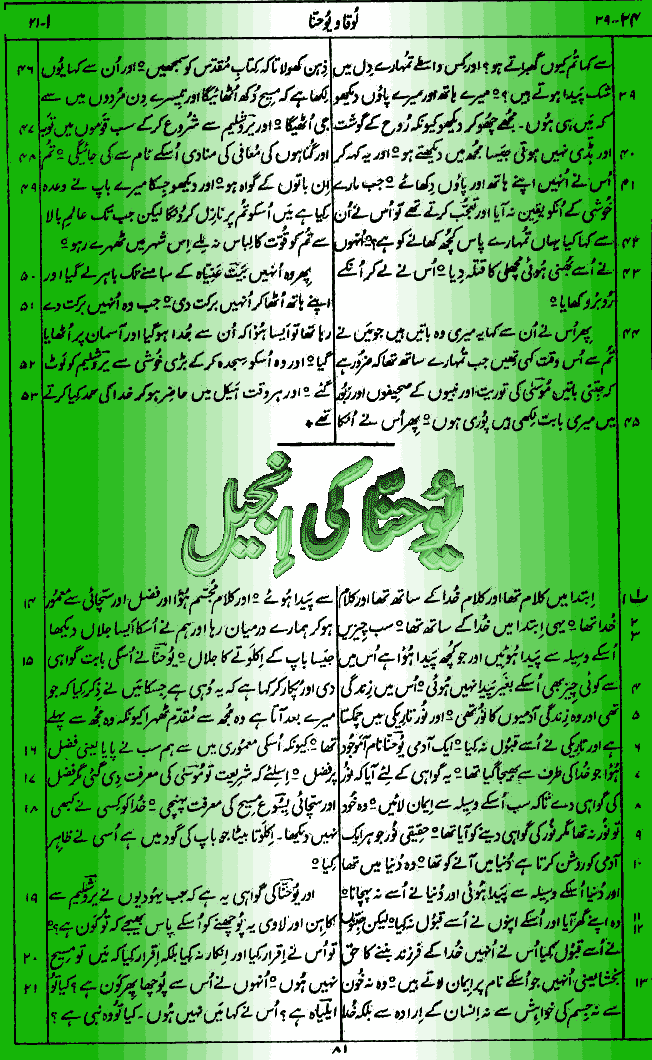
Section 1: Gospel of Luke (Chapter 24, Verses 39-53)
Luke 24:39
-
Verse: Behold my hands and my feet that it is I myself handle me and see for a spirit hath not flesh and bones as ye see me have.
-
English Explanation: Jesus provides physical, empirical proof of His bodily resurrection to His frightened disciples. By inviting them to touch His hands and feet, He demonstrates that He is not a ghost or a disembodied spirit. His resurrection body possesses real flesh and bones, validating the physical nature of the resurrection.
-
Urdu Explanation: یِسُوع اپنے خوفزدہ شاگردوں کو اپنے جسمانی طور پر جی اٹھنے کا مادی ثبوت فراہم کرتے ہیں۔ وہ انہیں اپنے ہاتھ اور پاؤں چھونے کی دعوت دیتے ہیں تاکہ یہ ثابت کر سکیں کہ وہ کوئی روح یا بھوت نہیں ہیں۔ ان کا جی اٹھنے والا جسم حقیقی گوشت اور ہڈیوں پر مشتمل ہے، جو جسمانی قیامت کی تصدیق کرتا ہے۔
Luke 24:40
-
Verse: And when he had thus spoken he shewed them his hands and his feet.
-
English Explanation: To remove all doubt, Jesus shows them the crucifixion scars on His hands and feet. This act confirms His identity as the same Jesus who was crucified, bridging the gap between His pre-death suffering and His post-resurrection glory.
-
Urdu Explanation: تمام شکوک و شبہات کو دور کرنے کے لیے، یِسُوع انہیں اپنے ہاتھوں اور پاؤں پر مصلوبیت کے زخم دکھاتے ہیں۔ یہ عمل ان کی شناخت کی تصدیق کرتا ہے کہ یہ وہی یِسُوع ہیں جنہیں مصلوب کیا گیا تھا، اور ان کی موت سے پہلے کی تکلیف اور جی اٹھنے کے بعد کے جلال کو جوڑتا ہے۔
Luke 24:41
-
Verse: And while they yet believed not for joy and wondered he said unto them Have ye here any meat?
-
English Explanation: The disciples are caught in a state of emotional shock—overwhelmed with joy yet struggling to fully process the miraculous reality. To further prove His physical existence, Jesus asks for food, demonstrating another tangible, human function.
-
Urdu Explanation: شاگرد جذباتی صدمے کی حالت میں ہیں—خوشی سے مغلوب لیکن اس معجزاتی حقیقت کو پوری طرح تسلیم کرنے میں ہچکچاہٹ کا شکار ہیں۔ اپنے جسمانی وجود کو مزید ثابت کرنے کے لیے، یِسُوع کھانے کا تقاضا کرتے ہیں، جو کہ ایک اور واضح انسانی عمل ہے۔
Luke 24:42
-
Verse: And they gave him a piece of a broiled fish and of an honeycomb.
-
English Explanation: The disciples offer Him basic, ordinary food items available at the time: broiled fish and a piece of honeycomb. This interaction grounds the supernatural event of the resurrection in a very practical, earthly setting.
-
Urdu Explanation: شاگرد انہیں اس وقت دستیاب سادہ کھانا پیش کرتے ہیں: بھنی ہوئی مچھلی اور شہد کا چھتا۔ یہ عمل قیامت کے مافوق الفطرت واقعے کو ایک انتہائی عملی اور زمینی ماحول میں ثابت کرتا ہے۔
Luke 24:43
-
Verse: And he took it and did eat before them.
-
English Explanation: By eating the food in their presence, Jesus definitively shatters the notion that He is a phantom. A phantom cannot consume physical substance. This act seals the physical reality of His resurrected body.
-
Urdu Explanation: ان کے سامنے کھانا کھا کر، یِسُوع اس خیال کو قطعی طور پر مسترد کر دیتے ہیں کہ وہ ایک سایہ یا روح ہیں۔ ایک روح مادی چیز نہیں کھا سکتی۔ یہ عمل ان کے جی اٹھے ہوئے جسم کی مادی حقیقت پر مہر لگا دیتا ہے۔
Luke 24:44
-
Verse: And he said unto them These are the words which I spake unto you while I was yet with you that all things must be fulfilled which were written in the law of Moses and in the prophets and in the psalms concerning me.
-
English Explanation: Jesus reminds them of His previous teachings and points back to the Old Testament scriptures. He emphasizes that His suffering, death, and resurrection were completely mandated and predicted by the Law, the Prophets, and the Psalms—the three main divisions of the Hebrew Bible.
-
Urdu Explanation: یِسُوع انہیں اپنی پچھلی تعلیمات یاد دلاتے ہیں اور پرانے عہد نامے کے صحیفوں کی طرف اشارہ کرتے ہیں۔ وہ اس بات پر زور دیتے ہیں کہ ان کا دکھ اٹھانا، مرنا اور جی اٹھنا توریت، انبیاء کے صحیفوں اور زبور (عبرانی بائبل کے تین اہم حصے) میں پیش گوئی کے عین مطابق تھا۔
Luke 24:45
-
Verse: Then opened he their understanding that they might understand the scriptures
-
English Explanation: Jesus performs a divine intellectual miracle by opening the minds of the disciples. Human intellect alone is insufficient to understand spiritual truths; divine illumination is necessary to comprehend the deeper meaning of the scriptures regarding Christ.
-
Urdu Explanation: یِسُوع شاگردوں کے ذہنوں کو کھول کر ایک الٰہی معجزہ کرتے ہیں۔ انسانی عقل اکیلے روحانی سچائیوں کو سمجھنے کے لیے کافی نہیں ہے؛ مسیح کے بارے میں صحیفوں کے گہرے معنی کو سمجھنے کے لیے الٰہی رہنمائی ضروری ہے۔
Luke 24:46
-
Verse: And said unto them Thus it is written and thus it behoved Christ to suffer and to rise from the dead the third day
-
English Explanation: He clarifies that the divine master plan required the Messiah to suffer, die, and conquer death by rising on the third day. It was not an accident, but a necessary, scripturally ordained path for salvation.
-
Urdu Explanation: وہ وضاحت کرتے ہیں کہ الٰہی منصوبے کے مطابق مسیح کے لیے دکھ اٹھانا، مرنا اور تیسرے دن مردوں میں سے جی اٹھنا ضروری تھا۔ یہ کوئی حادثہ نہیں تھا، بلکہ نجات کا ایک لازمی اور صحیفائی راستہ تھا۔
Luke 24:47
-
Verse: And that repentance and remission of sins should be preached in his name among all nations beginning at Jerusalem.
-
English Explanation: Jesus outlines the global mission of the Christian church: preaching repentance and the forgiveness of sins in His name. This message of grace is meant for all nations, intentionally starting at Jerusalem, the heart of the old covenant.
-
Urdu Explanation: یِسُوع کلیسیا کے عالمی مشن کا خاکہ پیش کرتے ہیں: ان کے نام پر توبہ اور گناہوں کی معافی کی منادی کرنا۔ فضل کا یہ پیغام تمام قوموں کے لیے ہے، جس کا آغاز جان بوجھ کر یروشلم سے ہونا تھا، جو پرانے عہد کا مرکز تھا۔
Luke 24:48
-
Verse: And ye are witnesses of these things.
-
English Explanation: The disciples are given their primary identity and job description: eyewitnesses. They witnessed His life, death, resurrection, and teachings, and they are now called to testify to these facts to the world.
-
Urdu Explanation: شاگردوں کو ان کی بنیادی پہچان اور ذمہ داری دی گئی ہے: یعنی گواہ ہونا۔ انہوں نے ان کی زندگی، موت، قیامت اور تعلیمات کا مشاہدہ کیا، اور اب انہیں دنیا کے سامنے ان حقائق کی گواہی دینے کے لیے بلایا گیا ہے۔
Luke 24:49
-
Verse: And behold I send the promise of my Father upon you but tarry ye in the city of Jerusalem until ye be endued with power from on high.
-
English Explanation: Jesus promises the coming of the Holy Spirit (the promise of the Father). However, He commands them to wait in Jerusalem before launching their ministry, because human effort is useless without being clothed with divine spiritual power from above.
-
Urdu Explanation: یِسُوع پاک روح (باپ کے وعدے) کی آمد کا وعدہ کرتے ہیں۔ تاہم، وہ انہیں اپنی خدمت شروع کرنے سے پہلے یروشلم میں شہرنے کا حکم دیتے ہیں، کیونکہ اوپر سے نازل ہونے والی الٰہی روحانی طاقت کے بغیر انسانی کوششیں بے سود ہیں۔
Luke 24:50
-
Verse: And he led them out as far as to Bethany and he lifted up his hands and blessed them.
-
English Explanation: Jesus leads His followers to the vicinity of Bethany on the Mount of Olives. In a final act of pastoral and priestly love, He lifts His hands to bless them, showing His enduring care for His community.
-
Urdu Explanation: یِسُوع اپنے پیروکاروں کو زیتون کے پہاڑ پر بیت عنیاہ کے قریب لے جاتے ہیں۔ چرواہے اور کاہن کی محبت کے ایک آخری عمل میں، وہ انہیں برکت دینے کے لیے اپنے ہاتھ اٹھاتے ہیں، جو ان کی اپنی امت کے لیے دائمی محبت کو ظاہر کرتا ہے۔
Luke 24:51
-
Verse: And it came to pass while he blessed them he was parted from them and carried up into heaven.
-
English Explanation: While in the middle of blessing them, Jesus physically ascends into heaven. This marks the conclusion of His earthly post-resurrection ministry and His return to His heavenly throne of glory.
-
Urdu Explanation: جب وہ انہیں برکت دے رہے تھے، یِسُوع جسمانی طور پر آسمان کی طرف اٹھا لیے گئے۔ یہ ان کی زمینی مصلوبیت اور قیامت کے بعد کی خدمت کے خاتمے اور آسمانی جلال کے تخت پر ان کی واپسی کی علامت ہے۔
Luke 24:52
-
Verse: And they worshipped him and returned to Jerusalem with great joy
-
English Explanation: Seeing Him ascend, the disciples respond with worship, recognizing His full divinity. Instead of mourning His departure, they return to Jerusalem filled with great joy, confident in His victory and promise.
-
Urdu Explanation: انہیں اوپر جاتے دیکھ کر، شاگرد سجدہ اور پرستش کرتے ہیں، ان کی مکمل الٰہیت کو تسلیم کرتے ہیں۔ ان کی رخصتی پر غمگین ہونے کے بجائے، وہ ان کی فتح اور وعدے پر بھروسہ کرتے ہوئے بڑی خوشی کے ساتھ یروشلم واپس لوٹتے ہیں۔
Luke 24:53
-
Verse: And were continually in the temple praising and blessing God Amen.
-
English Explanation: The Gospel of Luke concludes where it began—in the temple. The disciples maintain a constant presence of corporate worship and gratitude, waiting faithfully for the promised Holy Spirit.
-
Urdu Explanation: لوقا کی انجیل وہیں ختم ہوتی ہے جہاں سے شروع ہوئی تھی—یعنی ہیکل میں۔ شاگرد خدا کی حمد اور شکرگزاری کرتے ہوئے وہاں مستقل قیام کرتے ہیں اور موعودہ پاک روح کا وفاداری سے انتظار کرتے ہیں۔ آمین۔
Section 2: Gospel of John (Chapter 1, Verses 1-21)
John 1:1
-
Verse: In the beginning was the Word and the Word was with God and the Word was God.
-
English Explanation: John establishes the eternal existence and full divinity of Jesus Christ, referred to here as “the Word” (Logos). Christ existed before time began, maintained a distinct, intimate relationship with God the Father, and possesses the absolute nature of God Himself.
-
Urdu Explanation: یوحنا یِسُوع مسیح کے ازلی وجود اور مکمل الٰہیت کو قائم کرتا ہے، جنہیں یہاں “کلام” (Logos) کہا گیا ہے۔ مسیح وقت کے آغاز سے پہلے موجود تھے، خدا باپ کے ساتھ ایک الگ اور گہرا رشتہ رکھتے تھے، اور بذاتِ خود خدا کی کامل ذات ہیں۔
John 1:2
-
Verse: The same was in the beginning with God.
-
English Explanation: This reinforces the previous verse, emphasizing the eternal, uncreated coexistence of the Word with God. Jesus did not come into being at a certain point; He was always present with the Father.
-
Urdu Explanation: یہ آیت پچھلی آیت کی تائید کرتی ہے، اور خدا کے ساتھ کلام کے ازلی اور غیر مخلوق بقائے باہمی پر زور دیتی ہے۔ یِسُوع کسی خاص وقت پر وجود میں نہیں آئے؛ وہ ہمیشہ باپ کے ساتھ موجود تھے۔
John 1:3
-
Verse: All things were made by him and without him was not any thing made that was made.
-
English Explanation: The Word is revealed as the active agent of creation. Everything in the universe, visible and invisible, owes its existence to Jesus. He is the Creator, not a part of creation.
-
Urdu Explanation: کلام کو تخلیق کے فعال وسیلے کے طور پر ظاہر کیا گیا ہے۔ کائنات کی ہر چیز، خواہ وہ نظر آنے والی ہو یا غیر مرئی، یِسُوع کی بدولت وجود میں آئی۔ وہ خالق ہیں، نہ کہ مخلوق کا حصہ۔
John 1:4
-
Verse: In him was life and the life was the light of men.
-
English Explanation: Christ is the fountainhead of both physical existence and spiritual reality. The “life” inherent in Him acts as “light,” which brings truth, moral guidance, and understanding to humanity.
-
Urdu Explanation: مسیح جسمانی وجود اور روحانی حقیقت دونوں کا سرچشمہ ہیں۔ ان کے اندر موجود “زندگی” ایک “نور” کا کام کرتی ہے، جو بنی نوع انسان کے لیے سچائی، اخلاقی رہنمائی اور فہم لاتی ہے۔
John 1:5
-
Verse: And the light shineth in darkness and the darkness comprehended it not.
-
English Explanation: The spiritual light of Christ shines continuously into a world corrupted by sin and darkness. The darkness can neither understand, overpower, nor extinguish this divine light.
-
Urdu Explanation: مسیح کا روحانی نور گناہ اور تاریکی سے خراب شدہ دنیا میں مسلسل چمکتا ہے۔ تاریکی اس الٰہی نور کو نہ تو سمجھ سکتی ہے، نہ مغلوب کر سکتی ہے اور نہ ہی بجھا سکتی ہے۔
John 1:6
-
Verse: There was a man sent from God whose name was John.
-
English Explanation: The author transitions from cosmic eternity to historical reality, introducing John the Baptist. John was a human messenger, divinely commissioned by God for a specific historical purpose.
-
Urdu Explanation: مصنف کائنات کی ازلیت سے تاریخی حقیقت کی طرف منتقلی کرتے ہوئے یوحنا بپتسمہ دینے والے کا تعارف کراتا ہے۔ یوحنا ایک انسانی قاصد تھا، جسے خدا نے ایک مخصوص تاریخی مقصد کے لیے مامور کیا تھا۔
John 1:7
-
Verse: The same came for a witness to bear witness of the Light that all men through him might believe.
-
English Explanation: John the Baptist’s specific role was that of a legal witness pointing toward the True Light (Jesus). His entire ministry aimed to prepare hearts so that people could place their faith in Christ.
-
Urdu Explanation: یوحنا بپتسمہ دینے والے کا مخصوص کردار ایک قانونی گواہ کا تھا جو سچے نور (یِسُوع) کی طرف اشارہ کرتا تھا۔ ان کی پوری خدمت کا مقصد دلوں کو تیار کرنا تھا تاکہ لوگ مسیح پر ایمان لا سکیں۔
John 1:8
-
Verse: He was not that Light but was sent to bear witness of that Light.
-
English Explanation: John minimizes any inflation of his own status. He explicitly clarifies that he is not the source of salvation or light, but merely the reflection and herald of the Light.
-
Urdu Explanation: یوحنا اپنے مرتبے کو بڑھا چڑھا کر پیش نہیں کرتے۔ وہ واضح طور پر وضاحت کرتے ہیں کہ وہ نجات یا نور کا سرچشمہ نہیں ہیں، بلکہ صرف اس نور کی عکاسی اور اس کی منادی کرنے والے ہیں۔
John 1:9
-
Verse: That was the true Light which lighteth every man that cometh into the world.
-
English Explanation: Jesus is the authentic, original source of light. His presence brings general revelation to all humanity and saving illumination to all who receive Him, cutting through human ignorance.
-
Urdu Explanation: یِسُوع نور کا حقیقی اور اصل سرچشمہ ہیں۔ ان کا وجود تمام انسانیت کے لیے عام مکاشفہ اور ان تمام لوگوں کے لیے نجات کا نور لاتا ہے جو انہیں قبول کرتے ہیں، اور انسانی جہالت کو دور کرتا ہے۔
John 1:10
-
Verse: He was in the world and the world was made by him and the world knew him not.
-
English Explanation: This highlights the tragic irony of human rebellion. The Creator walked upon the planet He physically designed, yet humanity, blinded by sin, failed to recognize or acknowledge Him.
-
Urdu Explanation: یہ آیت انسانی سرکشی کی المناک حقیقت کو نمایاں کرتی ہے۔ خالق اس زمین پر چلا جسے اس نے خود ڈیزائن کیا تھا، لیکن گناہ کی وجہ سے اندھی ہونے والی انسانیت اسے پہچاننے یا اس کا اعتراف کرنے میں ناکام رہی۔
John 1:11
-
Verse: He came unto his own and his own received him not.
-
English Explanation: More specifically, Jesus came to His chosen people, the nation of Israel, and Jewish culture. Tragically, as a collective nation, they rejected their own promised Messiah.
-
Urdu Explanation: خاص طور پر، یِسُوع اپنی چنی ہوئی امت، یعنی اسرائیل کی قوم اور یہودی ثقافت کے پاس آئے۔ لیکن افسوسناک بات یہ ہے کہ بحیثیت قوم انہوں نے اپنے ہی موعودہ مسیح کو رد کر دیا۔
John 1:12
-
Verse: But as many as received him to them gave he power to become the sons of God even to them that believe on his name
-
English Explanation: Despite national rejection, individual redemption is offered. To anyone who accepts Jesus and trusts in His character and work, He grants the legal right and spiritual privilege to become children of God.
-
Urdu Explanation: قومی سطح پر رد کیے جانے کے باوجود، انفرادی نجات پیش کی گئی ہے۔ جو کوئی بھی یِسُوع کو قبول کرتا ہے اور ان کی ذات اور کام پر بھروسہ کرتا ہے، وہ اسے خدا کے فرزند بننے کا قانونی حق اور روحانی استحقاق عطا کرتے ہیں۔
John 1:13
-
Verse: Which were born not of blood nor of the will of the flesh nor of the will of man but of God.
-
English Explanation: This spiritual adoption is not achieved through human lineage, physical desire, or human effort. It is entirely a supernatural rebirth initiated and accomplished by God’s sovereign grace.
-
Urdu Explanation: یہ روحانی گود لینا انسانی نسل، جسمانی خواہش، یا انسانی کوشش سے حاصل نہیں ہوتا۔ یہ مکمل طور پر ایک مافوق الفطرت نئی پیدائش ہے جس کا آغاز اور تکمیل خدا کے فضل سے ہوتی ہے۔
John 1:14
-
Verse: And the Word was made flesh and dwelt among us and we beheld his glory the glory as of the only begotten of the Father full of grace and truth.
-
English Explanation: This is the core statement of the Incarnation. The eternal, divine Word took on actual human flesh and pitched His tent among humanity. Eyewitnesses beheld His divine character, which was uniquely reflective of the Father and overflowing with unmerited favor and absolute truth.
-
Urdu Explanation: یہ مجسم ہونے (تجسد) کا مرکزی بیان ہے۔ ازلی، الٰہی کلام نے حقیقی انسانی جسم دھار لیا اور انسانوں کے درمیان خیمہ زن ہوا۔ عینی شاہدین نے ان کے جلال کا مشاہدہ کیا، جو منفرد طور پر باپ کی عکاسی کرتا تھا اور فضل اور سچائی سے معمور تھا۔
John 1:15
-
Verse: John bare witness of him and cried saying This was he of whom I spake He that cometh after me is preferred before me for he was before me.
-
English Explanation: John the Baptist publicly proclaims Christ’s superiority. Even though Jesus began His earthly ministry after John chronologically, He ranks infinitely higher because He existed eternally before John was ever born.
-
Urdu Explanation: یوحنا بپتسمہ دینے والا عوامی طور پر مسیح کی برتری کا اعلان کرتا ہے۔ اگرچہ یِسُوع نے تاریخی اعتبار سے اپنی زمینی خدمت کا آغاز یوحنا کے بعد کیا، لیکن ان کا مرتبہ لامحدود طور پر بلند ہے کیونکہ وہ یوحنا کی پیدائش سے پہلے ہی سے ازل سے موجود تھے۔
John 1:16
-
Verse: And of his fulness have all we received and grace for grace.
-
English Explanation: Believers draw continuously from the inexhaustible, limitless spiritual riches of Christ. “Grace for grace” signifies an endless, compounding supply of divine favor poured over previous blessings.
-
Urdu Explanation: ایماندار مسیح کی لازوال اور لامحدود روحانی دولت سے مسلسل فیض پاتے ہیں۔ “فضل پر فضل” سے مراد الٰہی رحمت کی ایک نہ ختم ہونے والی سپلائی ہے جو پچھلی برکات پر مزید نازل ہوتی رہتی ہے۔
John 1:17
-
Verse: For the law was given by Moses but grace and truth came by Jesus Christ.
-
English Explanation: A contrast is drawn between eras. Moses mediated the Law, which established standards and revealed sin. Jesus Christ brought the ultimate fulfillment of divine grace and spiritual reality, providing the power to overcome sin.
-
Urdu Explanation: یہاں دو زمانوں کے درمیان موازنہ کیا گیا ہے۔ موسیٰ کے ذریعے شریعت دی گئی، جس نے معیار قائم کیے اور گناہ کو ظاہر کیا۔ یِسُوع مسیح الٰہی فضل اور روحانی حقیقت کی حتمی تکمیل لائے، جس نے گناہ پر غالب آنے کی طاقت فراہم کی۔
John 1:18
-
Verse: No man hath seen God at any time the only begotten Son which is in the bosom of the Father he hath declared him.
-
English Explanation: God the Father in His essential essence is invisible to mortal eyes. However, Jesus, who enjoys the closest possible intimacy with the Father, has perfectly explained, unveiled, and made the Father known to humanity.
-
Urdu Explanation: خدا باپ اپنی اصل ذات میں فانی آنکھوں سے پوشیدہ ہے۔ تاہم، یِسُوع جو باپ کے ساتھ گہرے ترین تعلق کا لطف اٹھاتے ہیں، انہوں نے باپ کی کامل وضاحت کی ہے، اسے ظاہر کیا ہے اور انسانوں کو اس سے روشناس کرایا ہے۔
John 1:19
-
Verse: And this is the record of John when the Jews sent priests and Levites from Jerusalem to ask him Who art thou?
-
English Explanation: Religious authorities from Jerusalem launch an official investigation into John the Baptist due to his massive influence. They send religious leaders to interrogate his identity and authority.
-
Urdu Explanation: یروشلم کے مذہبی حکام یوحنا بپتسمہ دینے والے کے وسیع اثر و رسوخ کی وجہ سے ان کے بارے میں ایک سرکاری تحقیقات شروع کرتے ہیں۔ وہ ان کی شناخت اور اختیار کے بارے میں پوچھ گچھ کے لیے کاہنوں اور لاویوں کو بھیجتے ہیں۔
John 1:20
-
Verse: And he confessed and denied not but confessed I am not the Christ.
-
English Explanation: John answers with absolute clarity and humility. He completely rejects any temptation to claim messianic status, ensuring that the focus remains entirely directed toward Jesus.
-
Urdu Explanation: یوحنا کامل وضاحت اور عاجزی کے ساتھ جواب دیتے ہیں۔ وہ مسیح ہونے کا دعویٰ کرنے کے کسی بھی لالچ کو یکسر مسترد کرتے ہیں، اور اس بات کو یقینی بناتے ہیں کہ توجہ پوری طرح یِسُوع پر مرکوز رہے۔
John 1:21
-
Verse: And they asked him What then? Art thou Elias? And he saith I am not. Art thou that prophet? And he answered No.
-
English Explanation: The investigators offer other prophetic identities based on Old Testament expectations—Elijah or the predicted Moses-like Prophet. John denies being those figures in the literalistic way they expected, keeping expectations clear for the coming Savior.
-
Urdu Explanation: تحقیقات کرنے والے پرانے عہد نامے کی توقعات کی بنیاد پر دیگر نباوتی شخصیات کا نام لیتے ہیں—جیسے ایلیاہ یا موسیٰ جیسا موعودہ نبی۔ یوحنا ان کے روایتی انداز میں ان شخصیات ہونے سے انکار کرتے ہیں، تاکہ آنے والے منجی کے لیے توقعات بالکل واضح رہیں۔