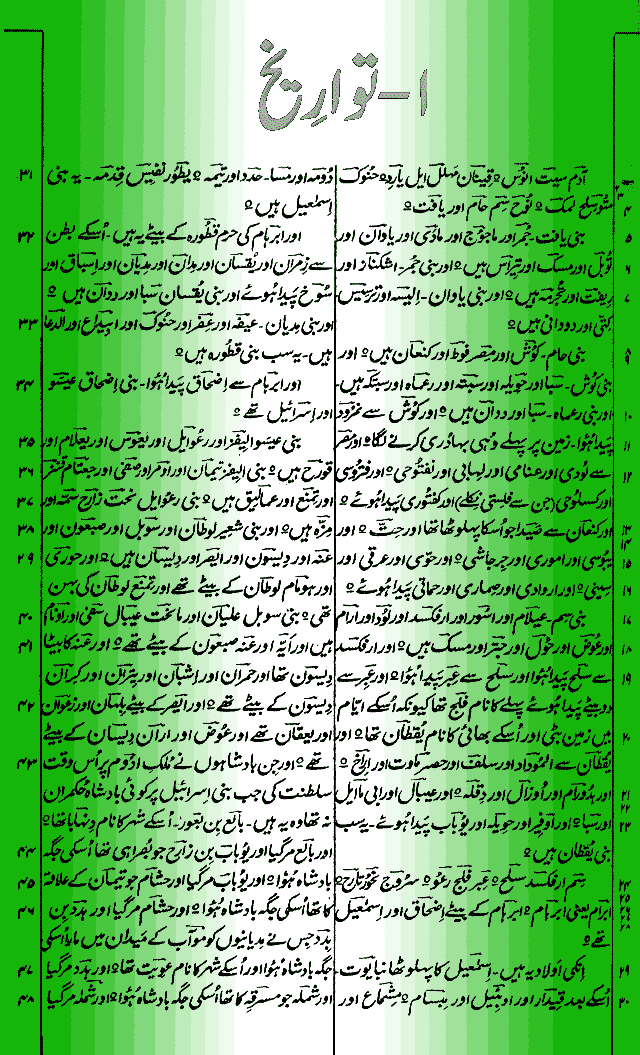
Verse 1: Adam Sheth Enosh
-
English Explanation: The book begins at the very root of humanity, tracing the lineage from the first man, Adam, through Seth (the son given after Abel’s death), to Enosh. It establishes that the history of Israel is inextricably linked to the history of all mankind.
-
Urdu Explanation: اس کتاب کا آغاز انسانیت کی اصل سے ہوتا ہے۔ یہ حضرت آدم علیہ السلام سے شروع ہو کر ان کے بیٹے شیت اور پھر انوش تک کا نسب بیان کرتی ہے۔ یہ اس بات کی تصدیق ہے کہ بنی اسرائیل کی تاریخ پوری انسانیت کی تاریخ سے جڑی ہوئی ہے۔
Verse 2: Kenan Mahalaleel Jered
-
English Explanation: This continues the pre-flood (antediluvian) genealogy. These names represent the preservation of the human race through the godly line of Seth.
-
Urdu Explanation: یہ طوفانِ نوح سے پہلے کے نسب نامے کا تسلسل ہے۔ یہ نام حضرت شیت کی نسل کے ذریعے انسانی نسل کے تسلسل کو ظاہر کرتے ہیں۔
Verse 3: Henoch Methuselah Lamech
-
English Explanation: Henoch (Enoch) is famous for “walking with God.” Methuselah is known for the longest recorded lifespan, and Lamech was the father of Noah.
-
Urdu Explanation: حنوک وہ شخصیت ہیں جو خدا کے ساتھ ساتھ چلے۔ متوسلح اپنی طویل ترین عمر کے لیے مشہور ہیں اور لمک حضرت نوح کے والد تھے۔
Verse 4: Noah Shem Ham and Japheth
-
English Explanation: This verse introduces the survivors of the Great Flood. Noah and his three sons become the new “founding fathers” of the post-flood world.
-
Urdu Explanation: اس آیت میں طوفانِ نوح سے بچ جانے والوں کا ذکر ہے۔ نوح اور ان کے تین بیٹے طوفان کے بعد کی دنیا کے بانی بنے۔
Verse 5: The sons of Japheth Gomer and Magog and Madai and Javan and Tubal and Meshech and Tiras
-
English Explanation: Japheth’s descendants generally moved toward Europe and Northern Asia. These names are often associated with Indo-European peoples.
-
Urdu Explanation: یافت کی اولاد عام طور پر یورپ اور شمالی ایشیا کی طرف ہجرت کر گئی۔ ان ناموں کا تعلق انڈو-یورپی اقوام سے جوڑا جاتا ہے۔
Verse 6: And the sons of Gomer Ashchenaz and Riphath and Togarmah
-
English Explanation: This details the specific branches of Gomer, often linked to ancient peoples in the regions of modern-day Turkey and the Caucasus.
-
Urdu Explanation: یہاں جومر کی نسل کی تفصیل دی گئی ہے، جن کا تعلق قدیم زمانے میں موجودہ ترکی اور قفقاز کے علاقوں سے تھا۔
Verse 7: And the sons of Javan Elishah and Tarshish Kittim and Dodanim
-
English Explanation: Javan’s sons represent maritime nations, specifically the Greeks and coastal Mediterranean peoples.
-
Urdu Explanation: یاوان کے بیٹوں کا تعلق بحری ممالک، خاص طور پر یونانیوں اور بحیرہ روم کے ساحلی علاقوں کی اقوام سے ہے۔
Verse 8: The sons of Ham Cush and Mizraim Put and Canaan
-
English Explanation: Ham’s lineage settled in Africa and parts of the Middle East. Mizraim refers to Egypt, and Canaan to the land later promised to Israel.
-
Urdu Explanation: حام کی نسل افریقہ اور مشرق وسطیٰ کے کچھ حصوں میں آباد ہوئی۔ مِصرایم سے مراد مصر ہے اور کنعان وہ زمین ہے جس کا وعدہ بعد میں بنی اسرائیل سے کیا گیا تھا۔
Verse 9: And the sons of Cush Seba and Havilah and Sabta and Raamah and Sabtecha And the sons of Raamah Sheba and Dedan
-
English Explanation: Cushite descendants are associated with Ethiopia and Southern Arabia. Sheba and Dedan were prominent trading nations.
-
Urdu Explanation: کوش کی نسل کا تعلق ایتھوپیا اور جنوبی عرب سے ہے۔ سبا اور ددان اس زمانے کی بڑی تجارتی قومیں تھیں۔
Verse 10: And Cush begat Nimrod he began to be mighty upon the earth
-
English Explanation: Nimrod is highlighted as the first “mighty man” or imperial leader, known for establishing kingdoms like Babel.
-
Urdu Explanation: نمرود کا ذکر زمین کے پہلے طاقتور حکمران کے طور پر کیا گیا ہے، جو بابل جیسی سلطنتیں قائم کرنے کے لیے مشہور تھا۔
Verse 11: And Mizraim begat Ludim and Anamim and Lehabim and Naphtuhim
-
English Explanation: These represent various North African and Egyptian tribal groups descending from Mizraim.
-
Urdu Explanation: یہ مِصرایم کی نسل سے تعلق رکھنے والے مختلف شمالی افریقی اور مصری قبائل کی نمائندگی کرتے ہیں۔
Verse 12: And Pathrusim and Casluhim (of whom came the Philistines) and Caphthorim
-
English Explanation: Specifically notes that the Philistines, future enemies of Israel, originated from the line of Casluhim.
-
Urdu Explanation: یہاں خاص طور پر ذکر ہے کہ فلسطینی، جو بعد میں بنی اسرائیل کے دشمن بنے، کسلوہیم کی نسل سے تھے۔
Verse 13-16: And Canaan begat Zidon… and the Hamathite
-
English Explanation: These verses list the various tribes that inhabited the land of Canaan before the Israelite conquest, including the Jebusites and Amorites.
-
Urdu Explanation: ان آیات میں ان مختلف قبائل کی فہرست دی گئی ہے جو بنی اسرائیل کی فتح سے پہلے کنعان کی زمین پر آباد تھے، جیسے یبوسی اور اموری۔
Verse 17: The sons of Shem Elam and Asshur and Arphaxad and Lud and Aram and Uz and Hul and Gether and Meshech
-
English Explanation: Shem is the ancestor of the Semitic peoples, including the Persians (Elam), Assyrians (Asshur), and eventually the Hebrews.
-
Urdu Explanation: سام سامی اقوام کے جدِ امجد ہیں، جن میں فارسی (عیلام)، اشوری (اسور) اور آخر کار عبرانی شامل ہیں۔
Verse 18-23: And Arphaxad begat Shelah… All these were the sons of Joktan
-
English Explanation: This section focuses on the descendants of Eber. Peleg’s name is noted because the earth was “divided” (likely referring to the Tower of Babel) during his life.
-
Urdu Explanation: یہ حصہ عبر کی نسل پر مرکوز ہے۔ فلج کا نام اس لیے اہم ہے کیونکہ ان کے دور میں زمین “تقسیم” ہوئی تھی (غالباً بابل کے برج کے واقعے کی طرف اشارہ ہے)۔
Verse 24-27: Shem Arphaxad Shelah… Abram the same is Abraham
-
English Explanation: A condensed lineage leading directly from Shem to Abram. The text emphasizes that Abram is the same man God renamed Abraham, the father of the faithful.
-
Urdu Explanation: سام سے ابرام تک کا ایک مختصر نسب نامہ۔ یہاں زور دیا گیا ہے کہ یہ وہی ابرام ہیں جن کا نام خدا نے بدل کر ابراہیم رکھا، جو ایمان والوں کے باپ کہلائے۔
Verse 28-31: The sons of Abraham Isaac and Ishmael… These are the sons of Ishmael
-
English Explanation: Lists the primary sons of Abraham. Ishmael’s twelve sons are listed as princes of their tribes, fulfilling God’s promise to make him a great nation.
-
Urdu Explanation: حضرت ابراہیم کے بیٹوں کا ذکر ہے۔ اسماعیل کے بارہ بیٹوں کا نام بطور قبائلی سردار درج ہے، جو خدا کے اس وعدے کی تکمیل تھی کہ انہیں ایک بڑی قوم بنایا جائے گا۔
Verse 32-33: Now the sons of Keturah Abraham’s concubine… All these are the sons of Keturah
-
English Explanation: Abraham had other children through Keturah after Sarah died, showing the vast expansion of his physical lineage.
-
Urdu Explanation: سارہ کی وفات کے بعد حضرت ابراہیم کی قطورہ سے بھی اولاد ہوئی، جو ان کی نسل کے پھیلاؤ کو ظاہر کرتی ہے۔
Verse 34: And Abraham begat Isaac The sons of Isaac Esau and Israel
-
English Explanation: Isaac is the son of the promise. His two sons, Esau (Edom) and Jacob (Israel), represent two distinct nations.
-
Urdu Explanation: اسحاق وعدے کے بیٹے ہیں۔ ان کے دو بیٹے، عیسو (ادوم) اور یعقوب (اسرائیل)، دو الگ الگ قوموں کی نمائندگی کرتے ہیں۔
Verse 35-37: The sons of Esau Eliphaz Reuel…
-
English Explanation: A detailed look at the descendants of Esau, who settled in the region of Mount Seir.
-
Urdu Explanation: عیسو کی نسل کی تفصیل، جو کوہِ سعیر کے علاقے میں آباد ہوئی۔
Verse 38-42: And the sons of Seir Lotan and Shobal…
-
English Explanation: This lists the Horites (the original inhabitants of Seir) who were eventually absorbed or displaced by Esau’s descendants.
-
Urdu Explanation: یہ حوریوں (سعیر کے اصل باشندوں) کی فہرست ہے جنہیں بعد میں عیسو کی نسل نے اپنے اندر ضم کر لیا یا وہاں سے بے دخل کر دیا۔
Verse 43-48: Now these are the kings that reigned in the land of Edom…
-
English Explanation: Before Israel had a king, Edom had a structured monarchy. This list documents the early kings of Edom, showing that while Israel was in Egypt or wandering, Edom was already an established kingdom.
-
Urdu Explanation: اسرائیل میں بادشاہت شروع ہونے سے پہلے ادوم میں بادشاہت قائم ہو چکی تھی۔ یہ فہرست ادوم کے ابتدائی بادشاہوں کی ہے، جو ظاہر کرتی ہے کہ جب اسرائیل ابھی مصر میں تھا یا صحرا میں، ادوم ایک قائم شدہ سلطنت بن چکا تھا۔