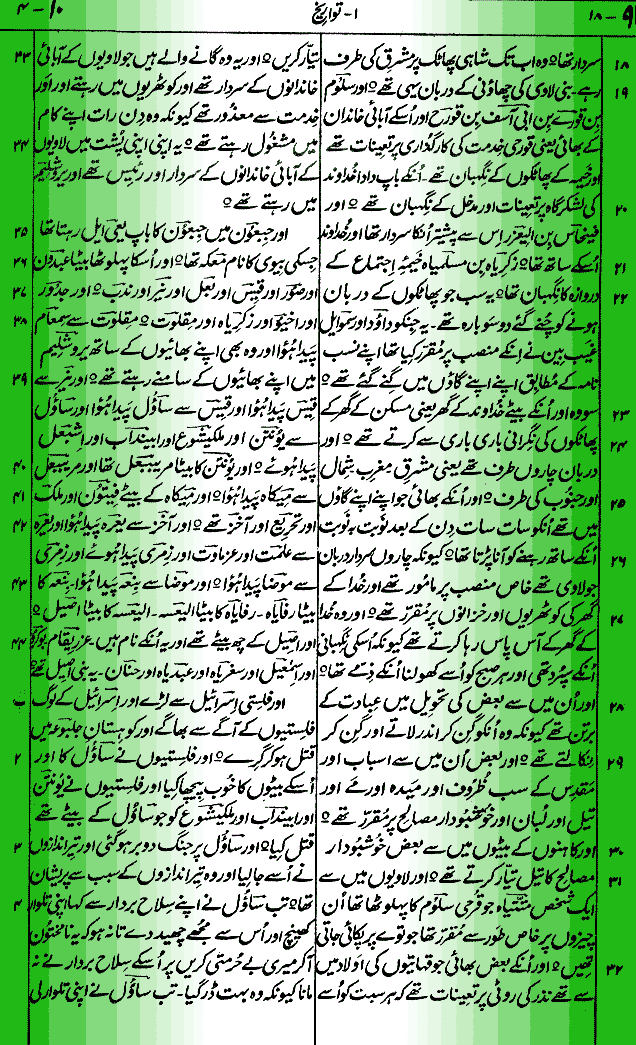
1 Chronicles Chapter 9: Verses 18 – 44
Verse 18
Verse: Who hitherto waited in the king’s gate eastward they were porters in the companies of the children of Levi English Explanation: This verse identifies the Levites as the guardians of the Eastern Gate (the King’s Gate). Their role was to maintain order and sanctity at the primary entrance used by royalty. Urdu Explanation: اس آیت میں ان لاویوں کا ذکر ہے جو بادشاہی پھاٹک کے مشرقی حصے پر پہرہ دیتے تھے۔ ان کا کام خدا کے گھر کی حفاظت اور نظم و ضبط برقرار رکھنا تھا۔
Verse 19
Verse: And Shallum the son of Kore the son of Ebiasaph the son of Korah and his brethren of the house of his father the Korahites were over the work of the service keepers of the gates of the tabernacle and their fathers being over the host of the LORD were keepers of the entry English Explanation: Shallum and the Korahites were assigned the specific duty of guarding the Tabernacle entrances, a tradition passed down from their ancestors who guarded the camp of the Lord. Urdu Explanation: شلوم اور اس کے خاندان (کوراہیوں) کو خیمہِ اجتماع کے دروازوں کی نگہبانی سونپی گئی تھی۔ یہ خدمت ان کے آباؤ اجداد سے چلی آ رہی تھی۔
Verse 20
Verse: And Phinehas the son of Eleazar was the ruler over them in time past and the LORD was with him English Explanation: It highlights the historical leadership of Phinehas, the priest, noting that God’s blessing was upon his administration of the gatekeepers. Urdu Explanation: ماضی میں فینحاس بن الدر ان کا حاکم تھا اور خداوند اس کے ساتھ تھا، جس سے اس کی قیادت کی اہمیت ظاہر ہوتی ہے۔
Verse 21
Verse: And Zechariah the son of Meshelemiah was porter of the door of the tabernacle of the congregation English Explanation: Zechariah held the crucial responsibility of being the gatekeeper for the main entrance of the Tabernacle where the people gathered. Urdu Explanation: زکریا بن مشلمیاہ خیمہِ اجتماع کے دروازے کا دربان تھا، جو کہ ایک انتہائی ذمہ دارانہ عہدہ تھا۔
Verse 22
Verse: All these which were chosen to be porters in the gates were two hundred and twelve These were reckoned by their genealogy in their villages whom David and Samuel the seer did ordain in their set office English Explanation: A total of 212 gatekeepers were officially selected and organized into their roles by King David and Samuel the Prophet. Urdu Explanation: کل 212 دربان منتخب کیے گئے تھے جن کی ترتیب اور تقرری داؤد بادشاہ اور سموئیل غیب بین نے کی تھی۔
Verse 23
Verse: So they and their children had the oversight of the gates of the house of the LORD namely the house of the tabernacle by wards English Explanation: The responsibility of guarding the Lord’s house was hereditary, passed from fathers to children to ensure continuous protection. Urdu Explanation: یہ دربانی کا کام ان کی نسلوں میں منتقل ہوتا رہا تاکہ خداوند کے گھر کی حفاظت کا کام کبھی نہ رکے۔
Verse 24
Verse: In four quarters were the porters toward the east west north and south English Explanation: Gatekeepers were stationed at all four cardinal points (North, South, East, and West) to ensure complete security of the sanctuary. Urdu Explanation: دربان چاروں سمتوں (مشرق، مغرب، شمال اور جنوب) میں تعینات تھے تاکہ ہر طرف سے حفاظت یقینی ہو۔
Verse 25
Verse: And their brethren which were in their villages were to come after seven days from time to time with them English Explanation: While some lived in Jerusalem, others lived in surrounding villages and came on a rotating seven-day shift to perform their duties. Urdu Explanation: وہ لاوی جو گاؤں میں رہتے تھے، ہر سات دن بعد اپنی باری پر ہیکل کی خدمت کے لیے آتے تھے۔
Verse 26
Verse: For these Levites the four chief porters were in their set office and were over the chambers and treasuries of the house of God English Explanation: The four chief gatekeepers had the additional responsibility of overseeing the storage rooms and the treasuries of the Temple. Urdu Explanation: چار اہم دربانوں کے پاس نہ صرف دروازوں کی بلکہ ہیکل کے کمروں اور خزانوں کی نگرانی کی ذمہ داری بھی تھی۔
Verse 27
Verse: And they lodged round about the house of God because the charge was upon them and the opening thereof every morning pertained to them English Explanation: Because they were responsible for the morning opening of the Temple, these Levites lived in close proximity to the House of God. Urdu Explanation: وہ ہیکل کے قریب ہی رہتے تھے کیونکہ صبح کے وقت دروازے کھولنا ان کی ذمہ داری تھی اور وہ ہر وقت پہرے پر مامور تھے۔
Verse 28
Verse: And certain of them had the charge of the ministering vessels that they should bring them in and out by tale English Explanation: Some were in charge of the sacred vessels used in worship, ensuring every item was counted and accounted for when used. Urdu Explanation: کچھ لاویوں کے ذمہ عبادت کے برتنوں کی حفاظت تھی، وہ انہیں گن کر نکالتے اور گن کر ہی واپس رکھتے تھے۔
Verse 29
Verse: Some of them also were appointed to oversee the vessels and all the instruments of the sanctuary and the fine flour and the wine and the oil and the frankincense and the spices English Explanation: Others managed the supplies required for offerings, such as flour, oil, wine, and incense. Urdu Explanation: کچھ کے ذمہ قربانی کا سامان تھا جیسے آٹا، مے، تیل اور بخور وغیرہ۔
Verse 30
Verse: And some of the sons of the priests made the ointment of the spices English Explanation: This verse specifies that only the sons of priests were permitted to prepare the sacred anointing oil and spices. Urdu Explanation: کاہنوں کے بیٹوں کا کام مقدس تیل اور خوشبودار مسالے تیار کرنا تھا۔
Verse 31
Verse: And Mattithiah one of the Levites who was the firstborn of Shallum the Korahite had the set office over the things that were made in the pans English Explanation: Mattithiah was specifically responsible for overseeing the preparation of the baked offerings (grain offerings). Urdu Explanation: متتیاہ نامی لاوی کے ذمہ توے پر پکائی جانے والی نذرانوں کی چیزوں کی نگرانی تھی۔
Verse 32
Verse: And other of their brethren of the sons of the Kohathites were over the shewbread to prepare it every sabbath English Explanation: The Kohathites were tasked with preparing the “Bread of the Presence” (shewbread) every Sabbath day. Urdu Explanation: قہاتیوں کا کام ہر سبت کے دن “نذر کی روٹیاں” تیار کرنا اور انہیں ترتیب دینا تھا۔
Verse 33
Verse: And these are the singers chief of the fathers of the Levites who remaining in the chambers were free for they were employed in that work day and night English Explanation: The musicians and singers were exempt from other duties because their service of worship was a full-time, 24-hour commitment. Urdu Explanation: گانے والے لاوی دوسرے کاموں سے آزاد تھے کیونکہ وہ دن رات خداوند کی حمد و ثنا کی خدمت میں مصروف رہتے تھے۔
Verse 34
Verse: These chief fathers of the Levites were chief throughout their generations these dwelt at Jerusalem English Explanation: These leaders of the Levites resided in Jerusalem to manage the continual needs of the Temple. Urdu Explanation: یہ لاویوں کے خاندانوں کے سربراہ تھے جو یروشلم میں رہائش پذیر تھے۔
Verse 35 – 44
Summary of Verses (Genealogy of Saul): These verses repeat the lineage of King Saul, starting from Jehiel in Gibeon, through Ner, Kish, and finally Saul and his descendants, including Jonathan and his son Merib-baal (Mephibosheth). English Explanation: This section re-establishes Saul’s family line to set the stage for the transition of the kingdom from the house of Saul to the house of David. Urdu Explanation: ان آیات میں ساؤل بادشاہ کے خاندان کا نسب نامہ بیان کیا گیا ہے تاکہ ساؤل کی موت اور داؤد کی بادشاہت کے آغاز کا پس منظر واضح ہو سکے۔
1 Chronicles Chapter 10: Verses 1 – 4
Verse 1
Verse: Now the Philistines fought against Israel and the men of Israel fled from before the Philistines and fell down slain in mount Gilboa English Explanation: The narrative shifts to the tragic battle at Mount Gilboa, where the Israelite army was defeated and many were killed by the Philistines. Urdu Explanation: فلسطینیوں اور اسرائیل کے درمیان جنگ ہوئی جس میں اسرائیلیوں کو شکست ہوئی اور بہت سے لوگ کوہِ جلبوع پر مارے گئے۔
Verse 2
Verse: And the Philistines followed hard after Saul and after his sons and the Philistines slew Jonathan and Abinadab and Malchi-shua the sons of Saul English Explanation: The Philistines targeted Saul’s family, killing three of his sons, including Jonathan, David’s close friend. Urdu Explanation: فلسطینیوں نے ساؤل کا پیچھا کیا اور اس کے تین بیٹوں—یونتن، ابینداب اور ملکی شور—کو قتل کر دیا۔
Verse 3
Verse: And the battle went sore against Saul and the archers hit him and he was wounded of the archers English Explanation: As the battle intensified, Saul was targeted by Philistine archers and sustained a critical injury. Urdu Explanation: لڑائی ساؤل کے لیے بہت سخت ہو گئی اور تیر اندازوں نے اسے بری طرح زخمی کر دیا۔
Verse 4
Verse: Then said Saul to his armourbearer Draw thy sword and thrust me through therewith lest these uncircumcised come and abuse me But his armourbearer would not for he was sore afraid So Saul took a sword and fell upon it English Explanation: To avoid being captured and humiliated by the Philistines, Saul asked his armor-bearer to kill him. When the servant refused out of fear, Saul took his own life. Urdu Explanation: ساؤل نے اپنے سلاح بردار سے کہا کہ اسے قتل کر دے تاکہ دشمن اسے ذلیل نہ کریں۔ جب وہ نہ مانا تو ساؤل نے اپنی ہی تلوار پر گر کر خودکشی کر لی۔