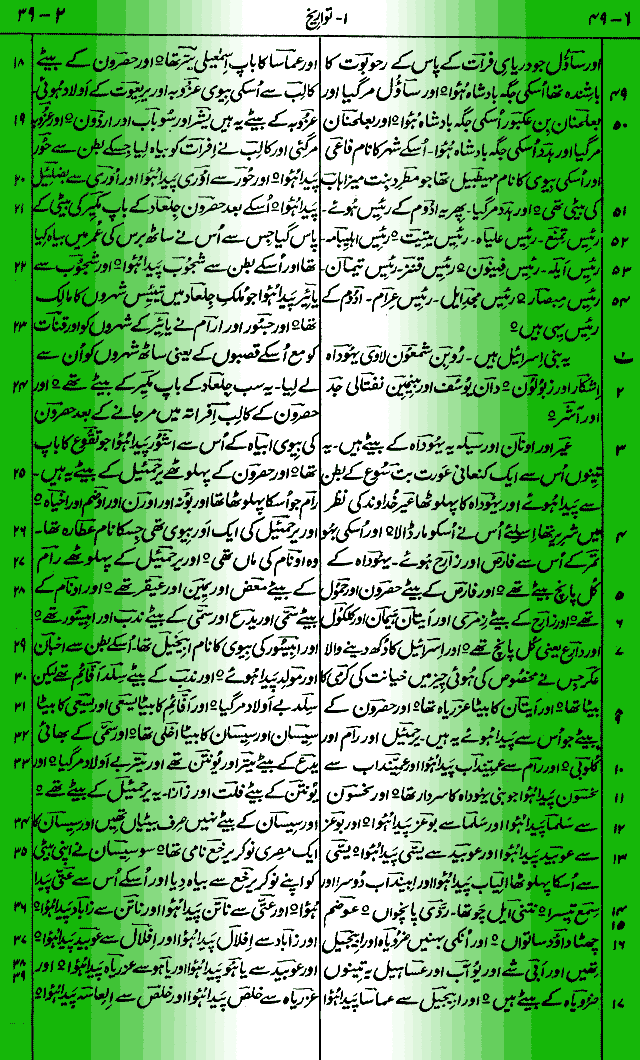
1 Chronicles 1:49 – 1:54 (The Dukes of Edom)
1Ch 1 49 And when Shaul was dead Baal-hanan the son of Achbor reigned in his stead
-
English Explanation: This verse records the transition of power in Edom. After the death of Shaul, Baal-hanan took the throne, continuing the pre-monarchial record of Edomite leaders.
-
Urdu Explanation: اس آیت میں ادوم کی بادشاہت کی منتقلی کا ذکر ہے۔ جب ساؤل وفات پا گیا تو اس کی جگہ عکبور کے بیٹے بعل حنان نے حکمرانی سنبھالی۔
1Ch 1 50 And when Baal-hanan was dead Hadad reigned in his stead and the name of his city was Pai and his wife’s name was Mehetabel the daughter of Matred the daughter of Mezahab
-
English Explanation: Upon Baal-hanan’s death, Hadad became king. Uniquely, the text provides personal details, including his city (Pai) and his wife’s lineage, highlighting her significance.
-
Urdu Explanation: بعل حنان کی وفات کے بعد ہدد بادشاہ بنا۔ یہاں اس کے شہر کا نام پاعی اور اس کی بیوی مہطبیل کا ذکر ہے جو مٹرد کی بیٹی تھی۔
1Ch 1 51 Hadad died also And the dukes of Edom were duke Timnah duke Aliah duke Jetheth
-
English Explanation: After the era of kings, Edom was led by “dukes” or tribal chiefs. This verse lists the first three leaders of this administrative shift.
-
Urdu Explanation: ہدد کی وفات کے بعد ادوم میں سرداروں (امراء) کا دور شروع ہوا۔ ان میں تمنع، علیہ اور یتیت شامل تھے۔
1Ch 1 52 Duke Aholibamah duke Elah duke Pinon
-
English Explanation: The list of Edomite tribal chiefs continues, naming Aholibamah, Elah, and Pinon as significant regional leaders.
-
Urdu Explanation: ادوم کے سرداروں کی فہرست جاری ہے جن میں اہولیبامہ، ایلہ اور فینون کے نام آتے ہیں۔
1Ch 1 53 Duke Kenaz duke Teman duke Mibzar
-
English Explanation: The lineage mentions Kenaz, Teman, and Mibzar. Teman is particularly famous in the Bible for being a center of wisdom.
-
Urdu Explanation: قننز، تیمان اور مبزار بھی ادوم کے بڑے سرداروں میں شامل تھے۔ تیمان کا علاقہ اپنی دانائی کی وجہ سے مشہور تھا۔
1Ch 1 54 Duke Magdiel duke Iram These are the dukes of Edom
-
English Explanation: The section concludes with Magdiel and Iram, completing the historical record of the Edomite leadership before shifting focus to Israel.
-
Urdu Explanation: مجدی ایل اور عیرام ادوم کے آخری مذکورہ سردار ہیں۔ یہاں ادوم کے امراء کا ذکر مکمل ہوتا ہے۔
1 Chronicles 2:1 – 2:40 (The Sons of Israel and Judah)
1Ch 2 1 These are the sons of Israel Reuben Simeon Levi and Judah Issachar and Zebulun
-
English Explanation: This opens the genealogy of the twelve tribes, listing the first six sons of Jacob (Israel) according to their birth order and mothers.
-
Urdu Explanation: یہاں سے اسرائیل (یعقوب) کے بیٹوں کا ذکر شروع ہوتا ہے جن میں روبن، شمعون، لاوی، یہوداہ، یسکار اور زبولون شامل ہیں۔
1Ch 2 2 Dan Joseph and Benjamin Naphtali Gad and Asher
-
English Explanation: The remaining six sons of Israel are listed, forming the foundation of the nation that God promised to Abraham.
-
Urdu Explanation: بقیہ چھ بیٹوں کے نام یہ ہیں دان، یوسف، بنیمین، نفتالی، جاد اور آشر۔
1Ch 2 3 The sons of Judah Er and Onan and Shelah which three were born unto him of the daughter of Shua the Canaanitess And Er the firstborn of Judah was evil in the sight of the LORD and he slew him
-
English Explanation: Focus shifts to Judah. His first three sons were by a Canaanite woman. Er, the eldest, was executed by God due to his wickedness.
-
Urdu Explanation: یہوداہ کے تین بیٹے عیر، اونان اور شیلہ ایک کنعانی عورت سے پیدا ہوئے۔ عیر اپنی بدی کی وجہ سے خدا کی نظر میں گنہگار ٹھہرا اور مارا گیا۔
1Ch 2 4 And Tamar his daughter in law bare him Pharez and Zerah All the sons of Judah were five
-
English Explanation: Through a complex legal and moral situation, Judah’s daughter-in-law Tamar bore him twin sons, Pharez and Zerah, making five sons in total.
-
Urdu Explanation: یہوداہ کی بہو تمر سے اس کے دو بیٹے فارص اور زارح پیدا ہوئے۔ اس طرح یہوداہ کے کل پانچ بیٹے ہوئے۔
1Ch 2 5 The sons of Pharez Hezron and Hamul
-
English Explanation: The line of Pharez is tracked, as this is the royal line leading to King David and eventually the Messiah.
-
Urdu Explanation: فارص کے بیٹوں کے نام حصرون اور حمول ہیں۔ یہ وہ نسل ہے جو آگے چل کر داؤد بادشاہ تک پہنچتی ہے۔
1Ch 2 6 And the sons of Zerah Zimri and Ethan and Heman and Calcol and Dara five of them in all
-
English Explanation: Zerah’s sons are noted for their wisdom, particularly Ethan and Heman, who are mentioned elsewhere in Scripture (Psalms).
-
Urdu Explanation: زارح کے پانچ بیٹوں کا ذکر ہے: زمری، ایتان، ہیمان، کلکل اور دارع۔ یہ اپنی حکمت کے لیے مشہور تھے۔
1Ch 2 7 And the sons of Carmi Achar the troubler of Israel who transgressed in the thing accursed
-
English Explanation: Achar (also known as Achan) is remembered for his sin at Jericho, which brought judgment upon the whole nation of Israel.
-
Urdu Explanation: کرمی کا بیٹا عکر (عکن) وہ شخص تھا جس نے ممنوعہ چیزیں چرا کر اسرائیل کے لیے مصیبت کھڑی کی تھی۔
1Ch 2 8 And the sons of Ethan Azariah
-
English Explanation: A brief mention of Azariah, the son of the wise Ethan.
-
Urdu Explanation: ایتان کے بیٹے کا نام عزریاہ تھا۔
1Ch 2 9 The sons also of Hezron that were born unto him Jerahmeel and Ram and Chelubai
-
English Explanation: Hezron, the grandson of Judah, had three primary sons who formed major branches of the tribe.
-
Urdu Explanation: حصرون کے تین بیٹے یرحمیل، رام اور کلوبی پیدا ہوئے۔
1Ch 2 10 And Ram begat Amminadab and Amminadab begat Nahshon prince of the children of Judah
-
English Explanation: The line of Ram continues to Nahshon, who was a leader of Judah during the Exodus from Egypt.
-
Urdu Explanation: رام کی نسل سے عمیناداب اور پھر نحشون پیدا ہوا، جو یہوداہ کے قبیلے کا سردار تھا۔
1Ch 2 11 And Nahshon begat Salma and Salma begat Boaz
-
English Explanation: This verse links the wilderness generation to the era of the Judges, specifically Boaz (the husband of Ruth).
-
Urdu Explanation: نحشون سے سلما اور سلما سے بوعز پیدا ہوا، جو کہ کتابِ روت کا اہم کردار ہے۔
1Ch 2 12 And Boaz begat Obed and Obed begat Jesse
-
English Explanation: Boaz and Ruth’s son was Obed, who was the father of Jesse, bringing the lineage closer to the monarchy.
-
Urdu Explanation: بوعز سے عوبید اور عوبید سے یسی پیدا ہوا۔
1Ch 2 13 And Jesse begat his firstborn Eliab and Abinadab the second and Shimma the third
-
English Explanation: Jesse’s first three sons are listed; they were present when Samuel came to anoint a king.
-
Urdu Explanation: یسی کے بڑے بیٹوں کے نام الیاب، ابیناداب اور شمّہ ہیں۔
1Ch 2 14 Nethaneel the fourth Raddai the fifth
-
English Explanation: Continuing the list of Jesse’s sons.
-
Urdu Explanation: چوتھا نتنی ایل اور پانچواں ردی۔
1Ch 2 15 Ozem the sixth David the seventh
-
English Explanation: David is listed as the seventh son of Jesse, the man “after God’s own heart” and future King of Israel.
-
Urdu Explanation: چھٹا اوزم اور ساتواں داؤد تھا۔ داؤد وہی ہے جو اسرائیل کا عظیم بادشاہ بنا۔
1Ch 2 16 Whose sisters were Zeruiah and Abigail And the sons of Zeruiah Abishai and Joab and Asahel three
-
English Explanation: David’s sisters and their famous warrior sons (David’s nephews) are introduced, showing the military strength within the family.
-
Urdu Explanation: داؤد کی بہنیں ضرویاہ اور ابیجیل تھیں۔ ضرویاہ کے تین بیٹے ابیشے، یوآب اور عساہیل مشہور جنگجو تھے۔
1Ch 2 17 And Abigail bare Amasa and the father of Amasa was Jether the Ishmeelite
-
English Explanation: Abigail’s son was Amasa, whose father was an Ishmaelite, showing occasional intermarriage with neighboring groups.
-
Urdu Explanation: ابیجیل سے عماسا پیدا ہوا، جس کا باپ یتر اسمٰعیلی تھا۔
1Ch 2 18 And Caleb the son of Hezron begat children of Azubah his wife and of Jerioth her sons are these Jesher and Shobab and Ardon
-
English Explanation: This Caleb (son of Hezron) is distinct from the Caleb who spied on Canaan. He had several children by his wife Azubah.
-
Urdu Explanation: حصرون کے بیٹے کالب کی نسل کا ذکر ہے، جس کے اپنی بیوی عزوبہ سے تین بیٹے یشر، سوباب اور اردون تھے۔
1Ch 2 19 And when Azubah was dead Caleb took unto him Ephrath which bare him Hur
-
English Explanation: After his first wife died, Caleb married Ephrath. Their son Hur became a prominent figure in Israelite history.
-
Urdu Explanation: عزوبہ کی وفات کے بعد کالب نے افرات سے شادی کی جس سے حور پیدا ہوا۔
1Ch 2 20 And Hur begat Uri and Uri begat Bezaleel
-
English Explanation: Bezaleel, the famous craftsman who built the Tabernacle, is identified as a descendant of Caleb and Hur.
-
Urdu Explanation: حور سے اری اور اری سے بضل ایل پیدا ہوا، جس نے خیمۂ اجتماع (Tabernacle) تیار کیا تھا۔
1Ch 2 21 And afterward Hezron went in to the daughter of Machir the father of Gilead whom he married when he was threescore years old and she bare him Segub
-
English Explanation: Later in life, Hezron married a woman from the tribe of Manasseh, bridging the lineage between Judah and the tribes east of the Jordan.
-
Urdu Explanation: حصرون نے ساٹھ سال کی عمر میں مکیر کی بیٹی سے شادی کی، جس سے سگوب پیدا ہوا۔
1Ch 2 22 And Segub begat Jair who had three and twenty cities in the land of Gilead
-
English Explanation: Jair was a powerful descendant who owned many cities in the region of Gilead.
-
Urdu Explanation: سگوب سے یائیر پیدا ہوا، جس کے پاس جلعاد کے علاقے میں تیئیس شہر تھے۔
1Ch 2 23 And he took Geshur and Aram with the towns of Jair from them with Kenath and the towns thereof even threescore cities All these belonged to the sons of Machir the father of Gilead
-
English Explanation: This describes the expansion of territory in Gilead, noting that sixty cities in total were controlled by this family branch.
-
Urdu Explanation: اس علاقے میں مزید شہر فتح کیے گئے اور کل ساٹھ شہروں پر اس خاندان کا قبضہ تھا۔
1Ch 2 24 And after that Hezron was dead in Caleb-ephratah then Abiah Hezron’s wife bare him Ashur the father of Tekoa
-
English Explanation: After Hezron’s death, his wife Abiah bore a posthumous son, Ashur, who founded the city of Tekoa.
-
Urdu Explanation: حصرون کی وفات کے بعد اس کی بیوی ابیاہ سے اشحور پیدا ہوا، جو تقوع کا بانی تھا۔
1Ch 2 25 And the sons of Jerahmeel the firstborn of Hezron were Ram the firstborn and Bunah and Oren and Ozem and Ahijah
-
English Explanation: Lists the children of Jerahmeel, the eldest son of Hezron.
-
Urdu Explanation: حصرون کے بڑے بیٹے یرحمیل کے بیٹوں کے نام یہ ہیں: رام، بونہ، اورن، اوزم اور اخیاہ۔
1Ch 2 26 Jerahmeel had also another wife whose name was Atarah she was the mother of Onam
-
English Explanation: Jerahmeel’s second wife, Atarah, and her son Onam are mentioned.
-
Urdu Explanation: یرحمیل کی دوسری بیوی عطارہ تھی، جس کا بیٹا اونام تھا۔
1Ch 2 27 And the sons of Ram the firstborn of Jerahmeel were Maaz and Jamin and Eker
-
English Explanation: Ram (Jerahmeel’s son) had three sons: Maaz, Jamin, and Eker.
-
Urdu Explanation: یرحمیل کے بیٹے رام کے تین بیٹے معض، یمین اور عکر تھے۔
1Ch 2 28 And the sons of Onam were Shammai and Jada And the sons of Shammai Nadab and Abishur
-
English Explanation: Onam’s sons and grandsons are recorded here, continuing the Jerahmeelite branch.
-
Urdu Explanation: اونام کے بیٹے شمّی اور یدع تھے، اور شمّی کے بیٹے ندب اور ابیشور تھے۔
1Ch 2 29 And the name of the wife of Abishur was Abihail and she bare him Ahban and Molid
-
English Explanation: Specific family details for Abishur, including his wife Abihail and their two sons.
-
Urdu Explanation: ابیشور کی بیوی ابیحیل تھی جس سے اہبان اور مولد پیدا ہوئے۔
1Ch 2 30 And the sons of Nadab Seled and Appaim but Seled died without children
-
English Explanation: Nadab’s sons are listed, noting that Seled’s line ended with him as he had no heirs.
-
Urdu Explanation: ندب کے بیٹے سلد اور افائم تھے، مگر سلد بے اولاد مر گیا۔
1Ch 2 31 And the sons of Appaim Ishi And the sons of Ishi Sheshan And the children of Sheshan Ahlai
-
English Explanation: The lineage continues through Appaim to Sheshan and his child Ahlai.
-
Urdu Explanation: افائم سے یشی، یشی سے شیشان اور شیشان سے اہلائی پیدا ہوا۔
1Ch 2 32 And the sons of Jada the brother of Shammai Jether and Jonathan and Jether died without children
-
English Explanation: Jada’s sons were Jether and Jonathan; Jether also died without leaving descendants.
-
Urdu Explanation: یدع کے دو بیٹے یتر اور یونتن تھے، مگر یتر بے اولاد ہی وفات پا گیا۔
1Ch 2 33 And the sons of Jonathan Peleth and Zaza These were the sons of Jerahmeel
-
English Explanation: This concludes the record of the descendants of Jerahmeel.
-
Urdu Explanation: یونتن کے بیٹے فلط اور زازا تھے، یہاں یرحمیل کی نسل کا ذکر ختم ہوتا ہے۔
1Ch 2 34 Now Sheshan had no sons but daughters And Sheshan had a servant an Egyptian whose name was Jarha
-
English Explanation: An interesting social detail: Sheshan had only daughters, so he looked to his Egyptian servant to continue his lineage.
-
Urdu Explanation: شیشان کے کوئی بیٹا نہیں تھا بلکہ صرف بیٹیاں تھیں۔ اس کا ایک مصری غلام تھا جس کا نام یرحع تھا۔
1Ch 2 35 And Sheshan gave his daughter to Jarha his servant to wife and she bare him Attai
-
English Explanation: To keep the family name alive, Sheshan’s daughter married the servant Jarha, and they had a son named Attai.
-
Urdu Explanation: شیشان نے اپنی بیٹی کی شادی اپنے غلام یرحع سے کر دی جس سے عتّی پیدا ہوا۔
1Ch 2 36 And Attai begat Nathan and Nathan begat Zabad
-
English Explanation: The lineage continues through Attai to Nathan and Zabad.
-
Urdu Explanation: عتّی سے ناتن اور ناتن سے زبد پیدا ہوا۔
1Ch 2 37 And Zabad begat Ephlal and Ephlal begat Obed
-
English Explanation: The genealogy progresses from Zabad to Ephlal and then to Obed.
-
Urdu Explanation: زبد سے افلال اور افلال سے عوبید پیدا ہوا۔
1Ch 2 38 And Obed begat Jehu and Jehu begat Azariah
-
English Explanation: Obed’s line leads to Jehu and then Azariah.
-
Urdu Explanation: عوبید سے یہو اور یہو سے عزریاہ پیدا ہوا۔
1Ch 2 39 And Azariah begat Helez and Helez begat Eleasah
-
English Explanation: The record continues through Helez to Eleasah, showing the long-term survival of Sheshan’s household through his daughter’s marriage.
-
Urdu Explanation: عزریاہ سے حلس اور حلس سے الیاسہ پیدا ہوا۔
1Ch 2 40 And Eleasah begat Sisamai and Sisamai begat Shallum
-
English Explanation: This specific branch concludes with Sisamai and Shallum, maintaining a detailed record of the tribe of Judah.
-
Urdu Explanation: الیاسہ سے سسمی اور سسمی سے شلوم پیدا ہوا۔