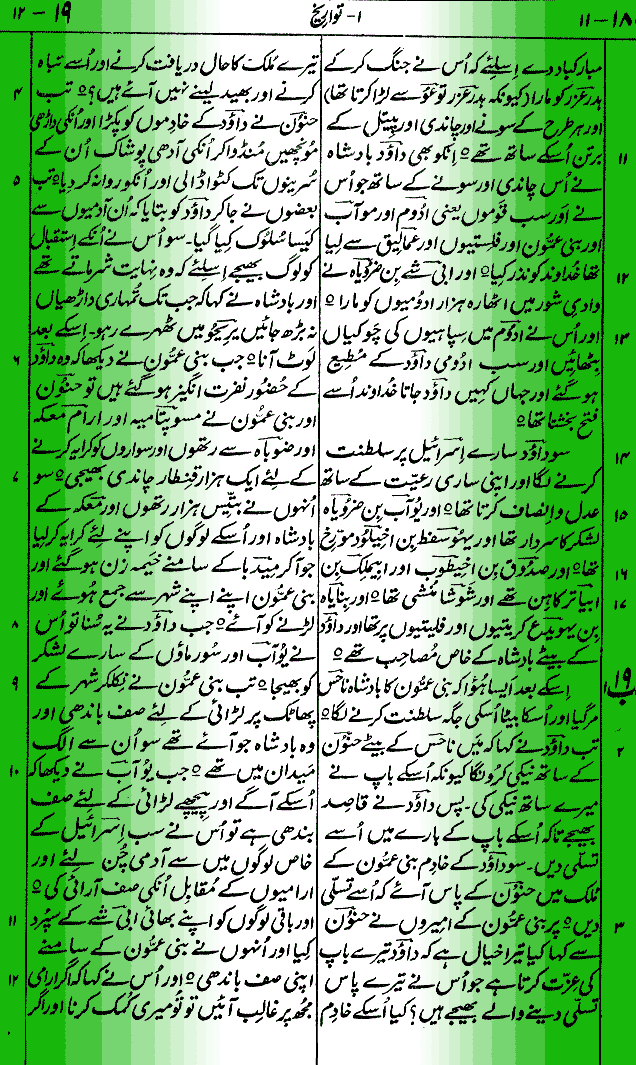
1 Chronicles Chapter 18 (Verses 11–17)
Verse 11
Verse: Them also king David dedicated unto the LORD with the silver and the gold that he brought from all these nations from Edom and from Moab and from the children of Ammon and from the Philistines and from Amalek
-
English Explanation: David did not keep the spoils of war for personal enrichment. He consecrated the precious metals captured from five major neighboring nations to the service of the Lord, likely for the future construction of the Temple.
-
Urdu Explanation: بادشاہ داؤد نے جنگ میں حاصل ہونے والا سونا اور چاندی اپنے لیے نہیں رکھا بلکہ اسے خدا کے لیے مخصوص کر دیا۔ یہ مال غنیمت ادوم، موآب، عمون، فلستیوں اور عمالیقیوں سے حاصل کیا گیا تھا۔
Verse 12
Verse: Moreover Abishai the son of Zeruiah slew of the Edomites in the valley of salt eighteen thousand
-
English Explanation: While David was the sovereign, his generals were instrumental. Abishai, Joab’s brother, achieved a massive military victory in the Valley of Salt, neutralizing the Edomite threat.
-
Urdu Explanation: ضرویاہ کے بیٹے ابیشے نے نمک کی وادی میں اٹھارہ ہزار ادومیوں کو شکست دے کر ہلاک کیا، جو داؤد کی فوجی قوت کا ثبوت تھا۔
Verse 13
Verse: And he put garrisons in Edom and all the Edomites became David’s servants. Thus the LORD preserved David whithersoever he went
-
English Explanation: David established military outposts (garrisons) to maintain control over Edom. The verse emphasizes that David’s success was not merely human strategy but divine protection.
-
Urdu Explanation: داؤد نے ادوم میں فوجی چوکیاں قائم کیں اور تمام ادومی اس کے محکوم بن گئے۔ خدا ہر جگہ داؤد کی حفاظت کرتا رہا۔
Verse 14
Verse: So David reigned over all Israel and executed judgment and justice among all his people
-
English Explanation: This verse transitions from external wars to internal governance. David’s reign was characterized by fairness and adherence to the law for all citizens of Israel.
-
Urdu Explanation: داؤد نے تمام اسرائیل پر حکومت کی اور اس کا دورِ حکومت انصاف اور عدل و انصاف پر مبنی تھا۔
Verse 15
Verse: And Joab the son Zeruiah was over the host and Jehoshaphat the son of Ahilud recorder
-
English Explanation: The administrative structure is listed: Joab was the Commander-in-Chief of the army, while Jehoshaphat served as the official historian or chronicler.
-
Urdu Explanation: ضرویاہ کا بیٹا یوآب فوج کا سپہ سالار تھا، اور اخیلود کا بیٹا یہوسفط وقائع نگار (ریکارڈر) تھا۔
Verse 16
Verse: And Zadok the son of Ahitub and Abimelech the son of Abiathar were the priests and Shavsha was scribe
-
English Explanation: Religious and clerical leadership is identified. Zadok and Abimelech handled the priestly duties, while Shavsha managed the state’s secretarial tasks.
-
Urdu Explanation: صدوق اور ابی ملک کاہن مقرر تھے، جبکہ شوشا شاہی منشی کے طور پر فرائض انجام دیتا تھا۔
Verse 17
Verse: And Benaiah the son of Jehoiada was over the Cherethites and the Pelethites and the sons of David were chief about the king
-
English Explanation: Benaiah led David’s personal bodyguard (Cherethites/Pelethites). David’s own sons held high-ranking advisory positions within the court.
-
Urdu Explanation: یہویدع کا بیٹا بنایاہ شاہی محافظوں پر مقرر تھا، اور داؤد کے بیٹے بادشاہ کے قریبی مشیر اور اعلیٰ عہدیدار تھے۔
1 Chronicles Chapter 19 (Verses 1–12)
Verse 1
Verse: Now it came to pass after this that Nahash the king of the children of Ammon died and his son reigned in his stead
-
English Explanation: A transition of power occurs in the neighboring nation of Ammon. Nahash, who had been on decent terms with David, passed away, leaving his son Hanun in power.
-
Urdu Explanation: کچھ عرصہ بعد عمونیوں کا بادشاہ ناحاش وفات پا گیا اور اس کی جگہ اس کا بیٹا حانون تخت نشین ہوا۔
Verse 2
Verse: And David said I will shew kindness unto Hanun the son of Nahash because his father shewed kindness to me. And David sent messengers to comfort him concerning his father. So the servants of David came into the land of the children of Ammon to Hanun to comfort him
-
English Explanation: David practiced diplomacy and gratitude. Remembering Nahash’s past kindness, he sent a delegation to offer condolences to Hanun.
-
Urdu Explanation: داؤد نے سوچا کہ میں حانون کے ساتھ نیکی کروں گا کیونکہ اس کے باپ نے میرے ساتھ نیکی کی تھی۔ اس نے تعزیت کے لیے اپنے قاصد بھیجے۔
Verse 3
Verse: But the princes of the children of Ammon said to Hanun Thinkest thou that David doth honour thy father that he hath sent comforters unto thee? are not his servants come unto thee for to search and to overthrow and to spy out the land?
-
English Explanation: Hanun’s advisors were paranoid and cynical. They convinced the young king that David’s messengers were actually spies sent to scout the city for an invasion.
-
Urdu Explanation: لیکن عمونی شہزادوں نے حانون کو ورغلایا کہ داؤد تمہارے باپ کی عزت نہیں کر رہا، بلکہ یہ لوگ جاسوسی کرنے آئے ہیں تاکہ ملک پر قبضہ کر سکیں۔
Verse 4
Verse: Wherefore Hanun took David’s servants and shaved them and cut off their garments in the midst hard by their buttocks and sent them away
-
English Explanation: Hanun committed a grave diplomatic insult. He shaved the ambassadors’ beards (a mark of great shame) and cut their clothes, exposing them, then sent them back in disgrace.
-
Urdu Explanation: چنانچہ حانون نے داؤد کے قاصدوں کو پکڑ کر ان کی داڑھیاں منڈوا دیں اور ان کے لباس درمیان سے کاٹ کر انہیں ذلیل کر کے واپس بھیج دیا۔
Verse 5
Verse: Then there went certain and told David how the men were served. And he sent to meet them for the men were greatly ashamed. And the king said Tarry at Jericho until your beards be grown and then return
-
English Explanation: David showed compassion for his humiliated men. He allowed them to stay in Jericho until their beards grew back so they wouldn’t have to face the public in shame.
-
Urdu Explanation: جب داؤد کو اس واقعے کا علم ہوا تو اس نے اپنے آدمیوں کو اریحا میں رکنے کا حکم دیا تاکہ جب تک ان کی داڑھیاں دوبارہ نہ بڑھ جائیں، وہ شرمندگی سے بچ سکیں۔
Verse 6
Verse: And when the children of Ammon saw that they had made themselves odious to David Hanun and the children of Ammon sent a thousand talents of silver to hire them chariots and horsemen out of Mesopotamia and out of Syria-maachah and out of Zobah
-
English Explanation: Realizing they had provoked David to war, the Ammonites spent a massive sum (1,000 talents of silver) to hire mercenaries from various Syrian regions to bolster their army.
-
Urdu Explanation: جب عمونیوں کو احساس ہوا کہ انہوں نے داؤد کو اپنا دشمن بنا لیا ہے، تو انہوں نے چاندی کے ایک ہزار قنطار دے کر مسوپتامیہ اور شام سے رتھ اور سوار کرائے پر منگوائے۔
Verse 7
Verse: So they hired thirty and two thousand chariots and the king of Maachah and his people who came and pitched before Medeba. And the children of Ammon gathered themselves together from their cities and came to battle
-
English Explanation: A massive coalition was formed. 32,000 chariots plus the forces of Maachah gathered at Medeba to challenge Israel’s military might.
-
Urdu Explanation: انہوں نے 32,000 رتھ کرائے پر لیے اور معکہ کا بادشاہ بھی اپنی فوج کے ساتھ مادیبا کے سامنے خیمہ زن ہو گیا تاکہ جنگ کی جا سکے۔
Verse 8
Verse: And when David heard of it he sent Joab and all the host of the mighty men
-
English Explanation: David did not hesitate. Upon hearing of the mobilization, he dispatched Joab and his elite corps of warriors to meet the threat.
-
Urdu Explanation: جب داؤد کو اس کی خبر ملی، تو اس نے یوآب اور اپنے تمام بہادر سورماؤں کو جنگ کے لیے بھیجا۔
Verse 9
Verse: And the children of Ammon came out and put the battle in array before the gate of the city and the kings that were come were by themselves in the field
-
English Explanation: The enemy divided their forces: the local Ammonites stayed near the city gates, while the foreign mercenary kings positioned themselves in the open field.
-
Urdu Explanation: عمونیوں نے شہر کے پھاٹک پر صف بندی کی، جبکہ کرائے پر آئے ہوئے بادشاہوں نے میدان میں الگ محاذ سنبھالا۔
Verse 10
Verse: Now when Joab saw that the battle was set against him before and behind he chose out of all the choice of Israel and put them in array against the Syrians
-
English Explanation: Joab realized he was caught in a pincer movement (surrounded from front and back). He took his best soldiers to personally lead the attack against the more dangerous Syrians.
-
Urdu Explanation: جب یوآب نے دیکھا کہ اسے آگے اور پیچھے دونوں طرف سے گھیر لیا گیا ہے، تو اس نے اسرائیل کے بہترین سپاہیوں کو چنا اور خود شامیوں کے مقابلے پر کھڑا ہوا۔
Verse 11
Verse: And the rest of the people he delivered unto the hand of Abishai his brother and they set themselves in array against the children of Ammon
-
English Explanation: Joab entrusted the remaining troops to his brother Abishai to hold off the Ammonite forces while he dealt with the mercenaries.
-
Urdu Explanation: باقی فوج اس نے اپنے بھائی ابیشے کے حوالے کر دی تاکہ وہ عمونیوں کا مقابلہ کر سکے۔
Verse 12
Verse: And he said If the Syrians be too strong for me then thou shalt help me but if the children of Ammon be too strong for thee then I will help thee
-
English Explanation: Joab displayed tactical wisdom and brotherhood. He established a mutual support pact: whichever brother’s front was failing, the other would rush to provide reinforcement.
-
Urdu Explanation: یوآب نے کہا کہ اگر شامی مجھ پر غالب آنے لگیں تو تم میری مدد کرنا، اور اگر عمونی تم پر غالب آئیں تو میں تمہاری مدد کو آؤں گا۔