Verse-by-Verse Commentary & Explanation
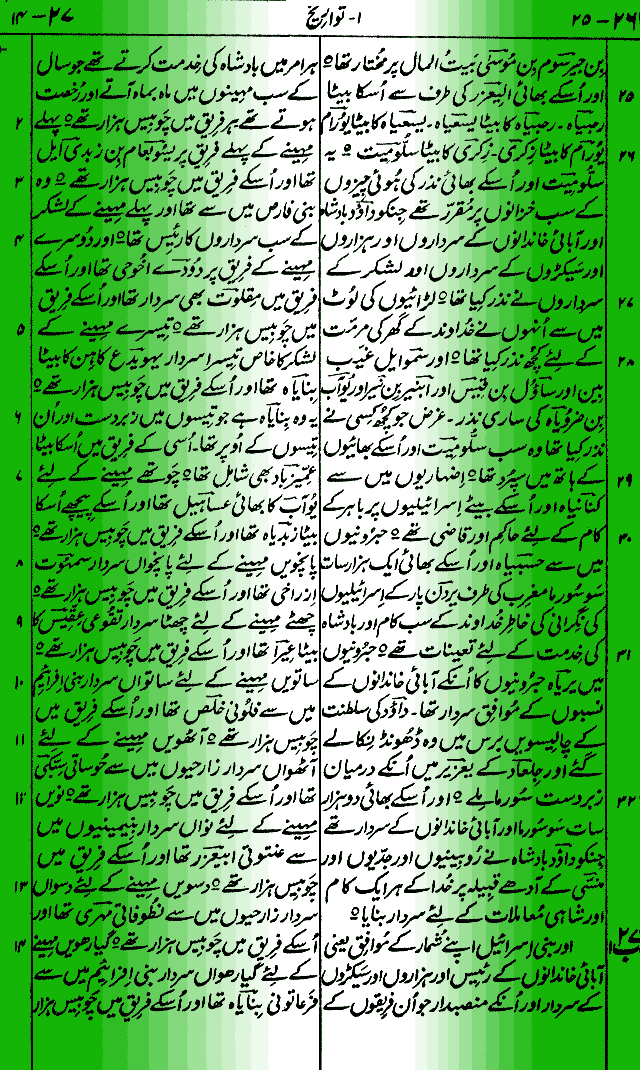
1 Chronicles 26:24
-
Verse Text: And Shebuel the son of Gershom the son of Moses was ruler of the treasures
-
English Explanation: This verse highlights the lineage of administrative authority in Israel. Shebuel, a direct descendant of Moses through Gershom, was appointed as the chief officer over the temple treasuries. It demonstrates that Moses’ descendants were given crucial, honorable responsibilities in maintaining the logistical and financial stability of God’s house under King David’s organized system.
-
Urdu Explanation (تفصیل): اس آیت میں اسرائیل کے انتظامی نظام میں خاندانی ذمہ داری کو ظاہر کیا گیا ہے۔ شیبوایل جو کہ گیرسوم کے ذریعے حضرت موسیٰ علیہ السلام کی براہِ راست نسل سے تھا، بیت المقدس کے خزانوں کا نگران مقرر کیا گیا تھا۔ یہ اس بات کا ثبوت ہے کہ شاہ داؤد کے منظم نظام کے تحت موسیٰ کی نسل کو خدا کے گھر کے مالی اور لاجسٹک نظام کو سنبھالنے کی اہم اور معزز ذمہ داریاں دی گئی تھیں۔
1 Chronicles 26:25
-
Verse Text: And his brethren by Eliezer Rehabiah his son and Jeshaiah his son and Joram his son and Zichri his son and Shelomith his son
-
English Explanation: This passage traces the line of Moses’ other son, Eliezer, down to Shelomith. Listing these generations ensures transparency and establishes the legitimate priestly and administrative rights of these specific families, proving their accountability in managing sacred wealth.
-
Urdu Explanation (تفصیل): اس آیت میں موسیٰ کے دوسرے بیٹے الیعزر کی نسل کا ذکر ہے جو شلومیت تک پہنچتی ہے۔ ان نسلوں کا تفصیلی ذکر کرنے کا مقصد شفافیت کو برقرار رکھنا اور ان مخصوص خاندانوں کے انتظامی حقوق کو ثابت کرنا تھا، تاکہ مقدس دولت کی دیکھ بھال میں ان کی جوابدہی واضح ہو۔
1 Chronicles 26:26
-
Verse Text: Which Shelomith and his brethren were over all the treasures of the dedicated things which David the king and the chief fathers the captains over thousands and hundreds and the captains of the host had dedicated
-
English Explanation: Shelomith and his relatives held a massive responsibility: guarding the dedicated offerings. These were not just routine tithes but vast riches contributed by King David, family leaders, and military generals, symbolizing a collective national devotion to the house of God.
-
Urdu Explanation (تفصیل): شلومیت اور اس کے بھائیوں پر ایک بہت بڑی ذمہ داری تھی، یعنی مخصوص کیے گئے خزانوں کی حفاظت کرنا۔ یہ خزانے عام چندہ نہیں تھے بلکہ شاہ داؤد، خاندانی رہنماؤں اور فوجی جرنیلوں کی طرف سے پیش کیے گئے تھے، جو خدا کے گھر کے لیے پوری قوم کی محبت اور عقیدت کی علامت تھے۔
1 Chronicles 26:27
-
Verse Text: Out of the spoils won in battles did they dedicate to maintain the house of the LORD
-
English Explanation: This verse reveals the source of much of the treasure. Wealth won in military victories was not used for selfish greed but was dedicated to the maintenance and repair of the Tabernacle/Temple. It shows a profound spiritual principle: returning the fruits of victory back to the Lord who gave the victory.
-
Urdu Explanation (تفصیل): یہ آیت اس خزانے کے بڑے ذریعہ کو ظاہر کرتی ہے۔ جنگوں میں حاصل ہونے والا مالِ غنیمت ذاتی لالچ کے لیے استعمال نہیں ہوتا تھا بلکہ اسے خداوند کے گھر کی دیکھ بھال اور مرمت کے لیے وقف کیا جاتا تھا۔ یہ ایک گہرا روحانی اصول سکھاتا ہے کہ فتح کا پھل اسی خدا کو واپس لوٹایا جائے جس نے فتح عطا کی تھی۔
1 Chronicles 26:28
-
Verse Text: And all that Samuel the seer and Saul the son of Kish and Abner the son of Ner and Joab the son of Zeruiah had dedicated and whosoever had dedicated any thing it was under the hand of Shelomith and of his brethren
-
English Explanation: A historical accumulation of dedicated items is detailed here. Contributions came from past eras—including Prophet Samuel, King Saul, and military rivals like Abner and Joab. Despite their political differences in life, their sacred offerings were unified under the careful management of Shelomith and his family.
-
Urdu Explanation (تفصیل): یہاں ماضی کے مقدس خزانوں کی تفصیل دی گئی ہے۔ اس میں پچھلے ادوار کے لوگوں یعنی سموئیل غیب بین، ساؤل بن قیس، اور اب نیر اور یوآب جیسے فوجی رہنماؤں کے عطیات شامل تھے۔ زندگی میں سیاسی اختلافات کے باوجود، ان کے پیش کردہ مقدس تحائف شلومیت اور اس کے خاندان کے زیرِ انتظام ایک جگہ جمع تھے۔
1 Chronicles 26:29
-
Verse Text: Of the Izharites Chenaniah and his sons were for the outward business over Israel for officers and judges
-
English Explanation: Not all Levitical work happened inside the temple. Chenaniah and his sons from the Izharite clan were assigned to “outward business,” serving as civil administrators, officers, and judges across Israel to enforce God’s law in daily society.
-
Urdu Explanation (تفصیل): لاویوں کے تمام کام ہیکل یا خیمے کے اندر نہیں ہوتے تھے۔ اِزہاریوں کے خاندان سے کنانیاہ اور اس کے بیٹوں کو “باہر کے کاموں” کے لیے مقرر کیا گیا تھا، جو پورے اسرائیل میں افسران اور ججوں کے طور پر کام کرتے تھے تاکہ روزمرہ کے معاشرے میں خدائی قوانین کا نفاذ کیا جا سکے۔
1 Chronicles 26:30
-
Verse Text: And of the Hebronites Hashabiah and his brethren men of valour a thousand and seven hundred were officers among them of Israel on this side Jordan westward in all the business of the LORD and in the service of the king
-
English Explanation: Hashabiah led 1,700 courageous Hebronites who managed both religious (“business of the Lord”) and secular affairs (“service of the king”) in western Israel. This balanced structure ensured that civil obedience and religious faithfulness went hand in hand.
-
Urdu Explanation (تفصیل): حشبیاہ نے 1700 بہادر حبرونیوں کی قیادت کی جو مغربی اسرائیل میں مذہبی امور (خداوند کا کام) اور دنیاوی معاملات (بادشاہ کی خدمت) دونوں کو سنبھالتے تھے۔ اس متوازن نظام نے اس بات کو یقینی بنایا کہ شہری فرمانبرداری اور مذہبی وفاداری ساتھ ساتھ چلیں۔
1 Chronicles 26:31
-
Verse Text: Among the Hebronites was Jerijah the chief even among the Hebronites according to the generations of his fathers In the fortieth year of the reign of David they were sought for and there were found among them mighty men of valour at Jazer of Gilead
-
Explanation: Near the end of King David’s 40-year reign, a deliberate census searched out capable leaders. Jerijah was identified as chief of the Hebronites, and outstanding, courageous men were discovered far out east in Jazer of Gilead, proving David’s commitment to scouting talent throughout the kingdom.
-
Urdu Explanation (تفصیل): شاہ داؤد کے 40 سالہ دورِ حکومت کے اختتام پر، قابل رہنماؤں کی تلاش کے لیے باقاعدہ جائزہ لیا گیا۔ یریہ حبرونیوں کا سردار مقرر ہوا، اور جلعاد کے جازیر جیسے دور دراز مشرقی علاقے سے بھی بہادر اور قابل لوگ ملے، جو یہ ظاہر کرتا ہے کہ داؤد پوری سلطنت میں باصلاحیت لوگوں کو آگے لانے کے خواہاں تھے۔
1 Chronicles 26:32
-
Verse Text: And his brethren men of valour were two thousand and seven hundred chief fathers whom king David made rulers over the Reubenites the Gadites and the half tribe of Manasseh for every matter pertaining to God and affairs of the king
-
English Explanation: David appointed 2,700 capable leaders to govern the eastern tribes (Reuben, Gad, Manasseh) across the Jordan. Because these tribes were physically separated from the spiritual capital of Jerusalem, David placed a large number of leaders there to keep them grounded in faith and loyal to the crown.
-
Urdu Explanation (تفصیل): داؤد نے دریائے یردن کے پار مشرقی قبائل (روبن، جاد، اور منسی کے آدھے قبیلے) پر حکومت کرنے کے لیے 2700 قابل رہنما مقرر کیے۔ چونکہ یہ قبائل یروشلم کے روحانی مرکز سے دور تھے، اس لیے داؤد نے وہاں بڑی تعداد میں رہنما مقرر کیے تاکہ وہ ایمان پر قائم رہیں اور بادشاہ کے وفادار رہیں۔
1 Chronicles 27:1
-
Verse Text: Now the children of Israel after their number to wit the chief fathers and captains of thousands and hundreds and their officers that served the king in any matter of the courses which came in and went out month by month throughout all the months of the year of every course were twenty and four thousand
-
English Explanation: Chapter 27 transitions into David’s military organization. Instead of keeping a massive, economically draining standing army all year, David devised a brilliant rotational system. Twelve groups of 24,000 men served for one month each year, ensuring continuous national defense without exhausting civilian resources.
-
Urdu Explanation (تفصیل): باب 27 یہاں سے داؤد کے فوجی نظام کی تفصیلات کی طرف منتقل ہوتا ہے۔ سال بھر ایک بہت بڑی اور مہنگی فوج مستقل رکھنے کے بجائے، داؤد نے ایک شاندار گردشی (روٹیشن) نظام وضع کیا۔ 24,000 مَردوں کے بارہ گروہ سال میں ایک ایک مہینے کے لیے ڈیوٹی دیتے تھے، جس سے سویلین وسائل پر بوجھ ڈالے بغیر مستقل قومی دفاع یقینی بن گیا تھا۔
1 Chronicles 27:2
-
Verse Text: Over the first course for the first month was Jashobeam the son of Zabdiel and in his course were twenty and four thousand
-
English Explanation: Jashobeam, famous for his incredible military exploits as one of David’s chief “mighty men,” was given the honor of leading the very first military course of 24,000 men in the first month (Nisan).
-
Urdu Explanation (تفصیل): یشوبعام، جو داؤد کے چوٹی کے “بہادر سورماؤں” میں سے ایک تھا اور اپنی جنگی مہارت کے لیے مشہور تھا، اسے پہلے مہینے (نیسان) میں 24,000 مَردوں کے سب سے پہلے فوجی گروہ کی قیادت کا اعزاز دیا گیا۔
1 Chronicles 27:3
-
Verse Text: Of the children of Perez was the chief of all the captains of the host for the first month
-
English Explanation: Jashobeam belonged to the descendants of Perez (from the tribe of Judah). This lineage linked him to the royal tribe, cementing strong trust between the crown and the military command starting the new year.
-
Urdu Explanation (تفصیل): یشوبعام کا تعلق فِرس کی نسل (یہوداہ کے قبیلے) سے تھا۔ اس خاندانی تعلق نے اسے شاہی قبیلے سے جوڑ دیا، جس سے نئے سال کے آغاز میں شاہی خاندان اور فوجی قیادت کے درمیان گہرے اعتماد کو تقویت ملی۔
1 Chronicles 27:4
-
Verse Text: And over the course of the second month was Dodai an Ahohite and of his course was Mikloth also the ruler in his course likewise were twenty and four thousand
-
English Explanation: Dodai the Ahohite commanded the second division for the second month, with Mikloth serving as a secondary leader or chief administrator within that division of 24,000 troops.
-
Urdu Explanation (تفصیل): دودائی اخوہی نے دوسرے مہینے کے لیے دوسرے ڈویژن کی کمانڈ سنبھالی، جبکہ مِقلوت اس 24,000 فوجیوں کے دستے میں دوسرے درجے کے رہنما یا چیف ایڈمنسٹریٹر کے طور پر کام کرتا تھا۔
1 Chronicles 27:5
-
Verse Text: The third captain of the host for the third month was Benaiah the son of Jehoiada a chief priest and in his course were twenty and four thousand
-
English Explanation: Benaiah, the son of the chief priest Jehoiada, commanded the third month’s division. Benaiah was a legendary warrior, famously loyal to David and later Solomon, embodying a rare mixture of priestly heritage and exceptional combat bravery.
-
Urdu Explanation (تفصیل): تیسرے مہینے کے دستے کی کمانڈ بنایاہ بن یہویدع کے پاس تھی، جو کہ ایک سردار کاہن کا بیٹا تھا۔ بنایاہ ایک افسانوی جنگجو تھا، جو داؤد اور بعد میں سلیمان کا شدید وفادار رہا۔ وہ کاہن کے خاندان اور غیر معمولی جنگی شجاعت کا ایک نادر امتزاج تھا۔
1 Chronicles 27:6
-
Verse Text: This is that Benaiah who was mighty among the thirty and above the thirty and in his course was Ammizabad his son
-
English Explanation: The text pauses to praise Benaiah’s unmatched stature—he was elite even among David’s top thirty warriors. Because Benaiah had broader responsibilities (like commanding David’s personal bodyguard), his son Ammizabad helped manage his monthly military division.
-
Urdu Explanation (تفصیل): متن یہاں بنایاہ کے بے مثال مرتبے کی تعریف کرنے کے لیے رکتا ہے—وہ داؤد کے چوٹی کے تیس جنگجوؤں میں بھی سب سے نمایاں تھا۔ چونکہ بنایاہ پر دیگر وسیع ذمہ داریاں تھیں (جیسے داؤد کے ذاتی محافظوں کی کمانڈ)، اس لیے اس کے بیٹے عمی زباد نے اس کے ماہانہ فوجی دستے کو سنبھالنے میں مدد کی۔
1 Chronicles 27:7
-
Verse Text: The fourth captain for the fourth month was Asahel the brother of Joab and Zebadiah his son after him and in his course were twenty and four thousand
-
English Explanation: Asahel, Joab’s fleet-footed brother, was designated for the fourth month. Since Asahel was killed early on by Abner, his son Zebadiah succeeded him in this position. This shows that David honored the memory of fallen heroes by maintaining their family legacy in the military ranks.
-
Urdu Explanation (تفصیل): چوتھے مہینے کے لیے عساہیل (یوآب کا تیز رفتار بھائی) مقرر تھا۔ چونکہ عساہیل کو اب نیر نے اوائل میں ہی قتل کر دیا تھا، اس لیے اس کے بیٹے زبدیاہ نے اس عہدے پر اپنے باپ کی جگہ لی۔ یہ ظاہر کرتا ہے کہ داؤد نے فوجی صفوں میں ان کے خاندانی ورثے کو برقرار رکھ کر گرے ہوئے ہیروز کی یاد کو عزت دی۔
1 Chronicles 27:8
-
Verse Text: The fifth captain for the fifth month was Shamhuth the Izrahite and in his course were twenty and four thousand
-
English Explanation: Shamhuth the Izrahite took command of the 24,000 troops during the fifth month of the year, carrying out the systematic rotation seamlessly.
-
Urdu Explanation (تفصیل): شمہوت اِزراہی نے سال کے پانچویں مہینے میں 24,000 فوجیوں کے دستے کی کمان سنبھالی، جس سے یہ منظم گردشی نظام بغیر کسی رکاوٹ کے جاری رہا۔
1 Chronicles 27:9
-
Verse Text: The sixth captain for the sixth month was Ira the son of Ikkesh the Tekoite and in his course were twenty and four thousand
-
English Explanation: Ira, the son of Ikkesh from Tekoa (the same town later associated with Prophet Amos), directed the sixth monthly rotation of troops.
-
Urdu Explanation (تفصیل): عیرا بن عِقیش تقوعی (یہ وہی قصبہ ہے جو بعد میں عاموس نبی سے منسوب ہوا) نے فوجیوں کی چھٹی ماہانہ گردش کی قیادت کی۔
1 Chronicles 27:10
-
Verse Text: The seventh captain for the seventh month was Helez the Pelonite of the children of Ephraim and in his course were twenty and four thousand
-
English Explanation: Helez, an Ephraimite, ruled the seventh month’s division. Including prominent leaders from northern tribes like Ephraim demonstrates David’s strategic efforts to maintain unity across all tribes of Israel.
-
Urdu Explanation (تفصیل): حیلص فلونی، جس کا تعلق افرائیم کے قبیلے سے تھا، ساتویں مہینے کے دستے کا نگران تھا۔ افرائیم جیسے شمالی قبائل کے نمایاں رہنماؤں کو شامل کرنا اسرائیل کے تمام قبائل میں اتحاد برقرار رکھنے کے لیے داؤد کی تزویراتی کوششوں کو ظاہر کرتا ہے۔
1 Chronicles 27:11
-
Verse Text: The eighth captain for the eighth month was Sibbecai the Hushathite of the Zarhites and in his course were twenty and four thousand
-
English Explanation: Sibbecai, a descendant of Zerah from the tribe of Judah, led the eighth month. He was highly respected for previously killing a terrifying giant of the Philistines, bringing legendary battle experience to this rotation.
-
Urdu Explanation (تفصیل): سبکی حوشاتی، جو یہوداہ کے قبیلے سے زارہیوں کی نسل سے تھا، آٹھویں مہینے کا قائد تھا۔ وہ ماضی میں فلسطینیوں کے ایک خوفناک دیو ہیکل جنگجو کو مارنے کی وجہ سے انتہائی محترم تھا، جس کی وجہ سے اس دستے کو ایک تجربہ کار جنگجو کی قیادت ملی۔
1 Chronicles 27:12
-
Verse Text: The ninth captain for the ninth month was Abiezer the Anetothite of the Benjamites and in his course were twenty and four thousand
-
English Explanation: Abiezer hailed from Anathoth, a priestly town within the territory of Benjamin. Appointing a Benjamite leader helped heal historical tribal wounds remaining from King Saul’s era.
-
Urdu Explanation (تفصیل): ابی عزر عنتاتی کا تعلق بنیمین کے علاقے میں کاہنوں کے ایک قصبے عنتوت سے تھا۔ بنیمینی رہنما کا تقرر شاہ ساؤل کے دور سے چلے آنے والے پرانے قبائلی زخموں کو بھرنے میں مددگار ثابت ہوا۔
1 Chronicles 27:13
-
Verse Text: The tenth captain for the tenth month was Maharai the Netophathite of the Zarhites and in his course were twenty and four thousand
-
English Explanation: Maharai, another Zarhite from Netophah, commanded the winter division in the tenth month, continuing to balance the leadership distribution.
-
Urdu Explanation (تفصیل): مہری نطوفاتی نے، جو زارہیوں میں سے ایک اور جنگجو تھا، دسویں مہینے میں سردیوں کے دستے کی کمانڈ کی، جس سے قیادت کی متوازن تقسیم کا سلسلہ جاری رہا۔
1 Chronicles 27:14
-
Verse Text: The eleventh captain for the eleventh month was Benaiah the Pirathonite of the children of Ephraim and in his course were twenty and four thousand
-
English Explanation: This second commander named Benaiah (distinguished as a Pirathonite from Ephraim) led the eleventh month’s military course, showing that even as the year wound down, the kingdom remained tightly secure under seasoned tribal warriors.
-
Urdu Explanation (تفصیل): بنایاہ نامی اس دوسرے کمانڈر نے (جو افرائیم کے علاقے فرعاتون سے تھا) گیارہویں مہینے کے فوجی دستے کی قیادت کی، جو یہ ظاہر کرتا ہے کہ سال کے اختتام پر بھی سلطنت تجربہ کار قبائلی جنگجوؤں کے تحت مکمل طور پر محفوظ رہتی تھی۔