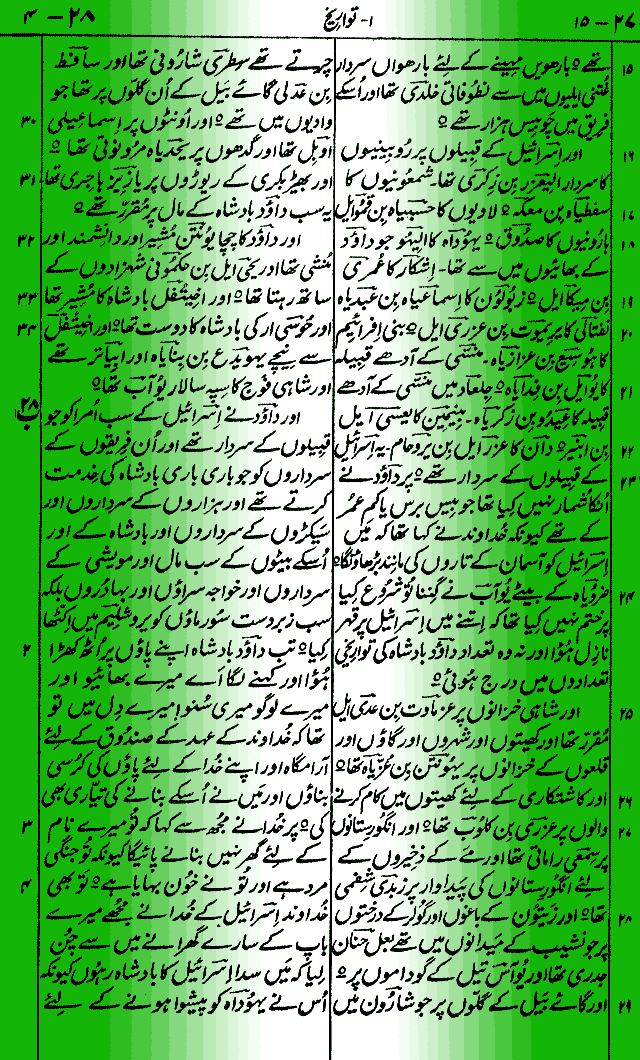
Verse-by-Verse Commentary (1 Chronicles 27:15 – 28:4)
1 Chronicles 27:15
-
Verse: The twelfth captain for the twelfth month was Heldai the Netophathite of Othniel and in his course were twenty and four thousand
-
English Explanation: This verse concludes the list of the twelve monthly military divisional commanders. Heldai, a descendant of the famous judge Othniel, was responsible for the security forces during the twelfth month of the year. His division, like all others, consisted of 24,000 valiant soldiers, showcasing David’s highly organized military rotation system.
-
Urdu Explanation: یہ آیت بارہ مہینوں کے فوجی کمانڈروں کی فہرست کو مکمل کرتی ہے۔ ہلدی جو کہ مشہور قاضی عثنی ایل کی نسل سے تھا، سال کے بارہویں مہینے میں حفاظتی فورسز کا ذمہ دار تھا۔ اس کے دستے میں بھی چوبیس ہزار بہادر سپاہی شامل تھے، جو داؤد کے انتہائی منظم فوجی نظام کو ظاہر کرتا ہے۔
1 Chronicles 27:16
-
Verse: Furthermore over the tribes of Israel the ruler of the Reubenites was Eliezer the son of Zichri of the Simeonites Shephatiah the son of Maachah
-
English Explanation: Moving from the military to civil administration, the author begins listing the political heads or tribal princes of Israel. For the tribe of Reuben, the chief administrator was Eliezer, and for Simeon, it was Shephatiah. This shows David maintained the traditional tribal structure while centralizing national leadership.
-
Urdu Explanation: فوجی انتظام کے بعد، اب اسرائیل کے قبائلی سربراہوں یا سیاسی رہنماؤں کا ذکر شروع ہوتا ہے۔ روبین کے قبیلے کا سربراہ اِلیعزر تھا اور شمعون کا سپطیاہ تھا۔ یہ ظاہر کرتا ہے کہ داؤد نے مرکزی حکومت قائم کرنے کے ساتھ ساتھ روایتی قبائلی ڈھانچے کو برقرار رکھا۔
1 Chronicles 27:17
-
Verse: Of the Levites Hashabiah the son of Kemuel of the Aaronites Zadok
-
English Explanation: Even the priestly tribe of Levi had civil-administrative leaders. Hashabiah led the general Levites, while Zadok, who would later become the sole high priest under Solomon, was designated as the leader over the specific priestly line of the Aaronites.
-
Urdu Explanation: یہاں تک کہ لاوی کے کاہناتی قبیلے کے بھی سیاسی و انتظامی رہنما تھے۔ ہسبیاہ عام لاویوں کا سربراہ تھا، جبکہ صدوق جو بعد میں سلیمان کے دور میں سردار کاہن بنا، ہارون کی نسل کے کاہنوں کا سربراہ مقرر کیا گیا تھا۔
1 Chronicles 27:18
-
Verse: Of Judah Elihu one of the brethren of David of Issachar Omri the son of Michael
-
English Explanation: Elihu (also known as Eliab, David’s oldest brother) was appointed over David’s own tribe, Judah. For the tribe of Issachar, Omri was chosen. Placing a family member over Judah helped ensure loyalty to the royal court in the nation’s core territory.
-
Urdu Explanation: داؤد کے اپنے قبیلے یہوداہ پر الیہو (جو داؤد کا بڑا بھائی الیاب تھا) کو مقرر کیا گیا۔ اور اشکار کے قبیلے کے لیے عمرتی کو چنا گیا۔ یہوداہ پر اپنے خاندان کے فرد کو مقرر کرنا بادشاہی کے مرکز میں وفاداری کو یقینی بنانے کے لیے تھا۔
1 Chronicles 27:19
-
Verse: Of Zebulun Ishmaiah the son of Obadiah of Naphtali Jerimoth the son of Azriel
-
English Explanation: This verse continues the tribal roll, naming Ishmaiah as the political chief of the tribe of Zebulun, and Jerimoth as the prince over the northern tribe of Naphtali.
-
Urdu Explanation: یہ آیت قبائلی فہرست کو جاری رکھتی ہے، جس میں زبولون کے قبیلے کے سیاسی سربراہ کے طور پر یسمعیاہ اور نفتالی کے شمالی قبیلے پر جریموت کا نام درج ہے۔
1 Chronicles 27:20
-
Verse: Of the children of Ephraim Hoshea the son of Azaziah of the half tribe of Manasseh Joel the son of Pedaiah
-
English Explanation: Here, the leaders of the prominent Josephite tribes are highlighted. Hoshea led the large and powerful tribe of Ephraim, while Joel ruled the western half-tribe of Manasseh located within the borders of Israel proper.
-
Urdu Explanation: یہاں یوسف کی نسل کے اہم قبیلوں کے رہنماؤں کو نمایاں کیا گیا ہے۔ ہوسیع نے افرائیم کے بڑے اور طاقتور قبیلے کی قیادت کی، جبکہ یوایل نے منسی کے اس آدھے قبیلے پر حکومت کی جو دریائے یردن کے مغربی کنارے پر آباد تھا۔
1 Chronicles 27:21
-
Verse: Of the half tribe of Manasseh in Gilead Iddo the son of Zechariah of Benjamin Jaasiel the son of Abner
-
English Explanation: This verse identifies Iddo as the ruler over the eastern half of Manasseh settled in Gilead (east of the Jordan River). Jaasiel, the son of Saul’s former army commander Abner, was made the leader of Benjamin, which helped reconcile Saul’s former loyalists.
-
Urdu Explanation: یہ آیت ادو کی نشان دہی کرتی ہے جو جلعاد (دریائے یردن کے مشرق) میں آباد منسی کے آدھے قبیلے کا حاکم تھا۔ جاحسیل، جو ساؤل کے سابق سپہ سالار ابنیر کا بیٹا تھا، بنیمین کا رہنما مقرر کیا گیا، جس سے ساؤل کے وفاداروں کو اپنے ساتھ ملانے میں مدد ملی۔
1 Chronicles 27:22
-
Verse: Of Dan Azareel the son of Jeroham These were the princes of the tribes of Israel
-
English Explanation: Azareel is named as the leader of the tribe of Dan. The verse concludes this section by affirming that these individuals were the official princes and chief administrators of Israel’s tribal territories under David’s crown.
-
Urdu Explanation: عزرایل کو دان کے قبیلے کا سربراہ نامزد کیا گیا ہے۔ یہ آیت اس حصے کو یہ تصدیق کرتے ہوئے ختم کرتی ہے کہ یہ افراد داؤد کی بادشاہت کے تحت اسرائیل کے قبائلی علاقوں کے سرکاری سردار اور اعلیٰ منتظم تھے۔
1 Chronicles 27:23
-
Verse: But David took not the number of them from twenty years old and under because the LORD had said he would increase Israel like to the stars of the heavens
-
English Explanation: This notes David’s restraint during his census; he did not count those under twenty years of age. This honors God’s foundational promise to Abraham that Israel would become as numerous as the stars, implying that counting them fully would show a lack of faith in that divine promise.
-
Urdu Explanation: یہاں داؤد کی مردم شماری کے دوران احتیاط کا ذکر ہے؛ اس نے بیس سال اور اس سے کم عمر کے لوگوں کو نہیں گنا۔ یہ ابراہام سے خدا کے اس بنیادی وعدے کا احترام تھا کہ اسرائیل ستاروں کی مانند بے شمار ہوگا، جس کا مطلب یہ ہے کہ انہیں پوری طرح گننا خدا کے وعدے پر یقین کی کمی کو ظاہر کرتا۔
1 Chronicles 27:24
-
Verse: Joab the son of Zeruiah began to number but he finished not because there fell wrath for it against Israel neither was the number put in the account of the chronicles of king David
-
English Explanation: This refers to the ill-fated census initiated by David. Joab reluctantly began the count but stopped because God’s judgment struck Israel. Due to the sinful nature of this prideful census, the final incomplete numbers were kept out of the official royal archives.
-
Urdu Explanation: یہ داؤد کی طرف سے شروع کی گئی اس مردم شماری کا حوالہ ہے جس کا انجام برا ہوا تھا۔ یوآب نے بادلِ ناخواستہ گنتی شروع کی لیکن رک گیا کیونکہ اسرائیل پر خدا کا غضب نازل ہوا۔ اس مغرور مردم شماری کے گناہ آلود ہونے کی وجہ سے، حتمی نامکمل اعداد و شمار کو بادشاہ داؤد کی سرکاری تاریخ کی کتابوں میں شامل نہیں کیا گیا۔
1 Chronicles 27:25
-
Verse: And over the king’s treasures was Azmaveth the son of Adiel and over the storehouses in the fields in the cities and in the villages and in the castles was Jehonathan the son of Uzziah
-
English Explanation: This shifts to David’s personal and national wealth management. Azmaveth managed the central royal treasury, while Jehonathan was in charge of the regional storehouses located throughout the countryside, cities, and fortresses.
-
Urdu Explanation: یہاں سے توجہ داؤد کے ذاتی اور قومی مال و دولت کے انتظام کی طرف منتقل ہوتی ہے۔ عزموت شاہی خزانے کا نگران تھا، جبکہ یہوناتن دیہاتوں، شہروں اور قلعوں میں قائم علاقائی گوداموں اور ذخائر کا انچارج تھا۔
1 Chronicles 27:26
-
Verse: And over them that did the work of the field for tillage of the ground was Ezri the son of Chelub
-
English Explanation: King David owned vast agricultural lands. Ezri was appointed to supervise the laborers and farmers who tilled the royal fields, ensuring national food security and revenue for the crown.
-
Urdu Explanation: بادشاہ داؤد کے پاس وسیع زرعی زمینیں تھیں۔ عزری کو ان مزدوروں اور کسانوں کی نگرانی کے لیے مقرر کیا گیا تھا جو شاہی کھیتوں میں کام کرتے تھے، تاکہ ملک کی غذائی ضرورت اور شاہی آمدنی کو یقینی بنایا جا سکے۔
1 Chronicles 27:27
-
Verse: And over the vineyards was Shimei the Ramathite over the increase of the vineyards for the wine cellars was Zabdi the Shiphmite
-
English Explanation: This verse highlights the division of labor in viticulture. Shimei managed the physical vineyards and grape production, while Zabdi oversaw the processing, storage, and supply of the wine cellars.
-
Urdu Explanation: یہ آیت انگوروں کے باغات کے انتظام میں کام کی تقسیم کو ظاہر کرتی ہے۔ سمعی انگوروں کے باغات اور پیداوار کا نگران تھا، جبکہ زبدی شراب کے تہ خانوں، سپلائی اور ذخیرہ اندوزی کی دیکھ بھال کرتا تھا۔
1 Chronicles 27:28
-
Verse: And over the olive trees and the sycomore trees that were in the low plains was Baal-hanan the Gederite and over the cellars of oil was Joash
-
English Explanation: Olive oil and sycamore timber were vital economic assets. Baal-hanan managed the orchards in the low foothills (Shephelah), while Joash specifically managed the storage cellars where the valuable olive oil was kept.
-
Urdu Explanation: زیتون کا تیل اور گولر کی لکڑی اہم معاشی اثاثے تھے۔ بعل حنان نشیبی میدانوں میں ان درختوں کے باغات کا نگران تھا، جبکہ یوآش خصوصی طور پر ان تہ خانوں کا انچارج تھا جہاں زیتون کا قیمتی تیل ذخیرہ کیا جاتا تھا۔
1 Chronicles 27:29
-
Verse: And over the herds that fed in Sharon was Shitrai the Sharonite and over the herds that were in the valleys was Shaphat the son of Adlai
-
English Explanation: David’s massive livestock assets required regional experts. Shitrai supervised the cattle grazing in the fertile coastal plain of Sharon, while Shaphat managed the herds grazing in the valleys.
-
Urdu Explanation: داؤد کے بڑے مویشی خانے کے لیے علاقائی ماہرین کی ضرورت تھی۔ شترائی شارون کے زرخیز ساحلی میدان میں چرنے والے مویشیوں کا نگران تھا، جبکہ سافات وادیوں میں چرنے والے ریوڑوں کا انتظام سنبھالتا تھا۔
1 Chronicles 27:30
-
Verse: Over the camels also was Obil the Ishmaelite and over the asses was Jehdeiah the Meronothite
-
English Explanation: Obil, an Ishmaelite (expert in desert livestock), was put in charge of the camels used for trade and transport. Jehdeiah managed the donkeys, which were essential everyday beasts of burden in Israel.
-
Urdu Explanation: اوبیل، جو ایک اسماعیلی تھا (اور صحرائی مویشیوں کا ماہر تھا)، اسے تجارت اور نقل و حمل کے لیے استعمال ہونے والے اونٹوں کا انچارج بنایا گیا۔ اور جحدیاہ گدھوں کا نگران تھا، جو اسرائیل میں باربرداری کے لیے ضروری جانور تھے۔
1 Chronicles 27:31
-
Verse: And over the flocks was Jaziz the Hagerite All these were the rulers of the substance which was king David’s
-
English Explanation: Jaziz managed the flocks of sheep and goats. This verse summarizes the chapter’s economic section, stating that all these named officials were stewards of King David’s extensive personal estates and national wealth.
-
Urdu Explanation: جزیز بھیڑوں اور بکریوں کے ریوڑ کا نگران تھا۔ یہ آیت اس باب کے معاشی حصے کا خلاصہ کرتی ہے، جس میں بتایا گیا ہے کہ یہ تمام نامزد کردہ اہلکار بادشاہ داؤد کی وسیع ذاتی املاک اور قومی دولت کے نگران تھے۔
1 Chronicles 27:32
-
Verse: Also Jonathan David’s uncle was a counseller a wise man and a scribe and Jehiel the son of Hachmoni was with the king’s sons
-
English Explanation: This section lists David’s inner cabinet. Jonathan, David’s uncle, was a political advisor and state secretary due to his wisdom. Jehiel was entrusted with the crucial responsibility of educating and mentoring the royal princes.
-
Urdu Explanation: یہ حصہ داؤد کی اندرونی کابینہ کی فہرست پیش کرتا ہے۔ داؤد کا چچا یہوناتن اپنی حکمت کی وجہ سے سیاسی مشیر اور منشی (سیکرٹری) تھا۔ اور یحیایل کو شاہی شہزادوں کی تعلیم و تربیت کی اہم ذمہ داری سونپی گئی تھی۔
1 Chronicles 27:33
-
Verse: And Ahithophel was the king’s counseller and Hushai the Archite was the king’s companion
-
English Explanation: Ahithophel served as David’s brilliant yet later treasonous chief political strategist. Hushai the Archite held the official title of “the king’s companion,” serving as David’s deeply loyal personal confidant and close friend.
-
Urdu Explanation: اخیتوفل داؤد کے اہم اور ذہین مشیر کے طور پر کام کرتا تھا (جس نے بعد میں غداری کی)۔ اور حوشی ارکی کے پاس “بادشاہ کے دوست” کا سرکاری عہدہ تھا، جو داؤد کا انتہائی وفادار اور قریبی رازدار تھا۔
1 Chronicles 27:34
-
Verse: And after Ahithophel was Jehoiada the son of Benaiah and Abiathar and the general of the king’s army was Joab
-
Explanation: Following Ahithophel’s downfall, Jehoiada and Abiathar (the priest) succeeded him as key advisors. The verse wraps up the chapter by noting Joab’s supreme authority over the entire military forces of Israel.
-
Urdu Explanation: اخیتوفل کے زوال کے بعد، یہویدع اور ابیاتر (کاہن) اس کے بعد اہم مشیر بنے۔ یہ آیت اسرائیل کی تمام فوجی قوتوں پر یوآب کی اعلیٰ کمانڈ کا ذکر کرتے ہوئے باب کو ختم کرتی ہے۔
1 Chronicles 28:1
-
Verse: And David assembled all the princes of Israel the princes of the tribes and the captains of the companies that ministered to the king by course and the captains over the thousands and captains over the hundreds and the stewards over all the substance and possession of the king and of his sons with the officers and with the mighty men and with all the valiant men unto Jerusalem
-
English Explanation: Chapter 28 opens with a massive national assembly called by David in Jerusalem. He gathered every leader previously mentioned—military captains, tribal princes, financial stewards, and his personal elite warriors—to deliver his final, historic charge regarding the future of the kingdom and the building of the Temple.
-
Urdu Explanation: باب 28 کا آغاز یروشلم میں داؤد کی طرف سے بلائے گئے ایک عظیم قومی اجلاس سے ہوتا ہے۔ اس نے پہلے ذکر کیے گئے تمام رہنماؤں—فوجی کپتانوں، قبائلی سرداروں، مالیاتی نگرانوں، اور اپنے اشرافیہ کے جنگجوؤں—کو اکٹھا کیا تاکہ سلطنت کے مستقبل اور ہیکل (خدا کے گھر) کی تعمیر کے بارے میں اپنا آخری تاریخی پیغام دے سکے۔
1 Chronicles 28:2
-
Verse: Then David the king stood up upon his feet and said Hear me my brethren and my people As for me I had in mine heart to build an house of rest for the ark of the covenant of the LORD and for the footstool of our God and had made ready for the building
-
English Explanation: Despite his old age and physical frailty, David stood up out of deep reverence. He shared his life’s passion: his intense desire to build a permanent temple (“an house of rest”) for the Ark of the Covenant, which he beautifully poetically describes as the “footstool of our God,” noting that he had already gathered vast materials for it.
-
Urdu Explanation: اپنے بڑھاپے اور جسمانی کمزوری کے باوجود، داؤد گہرے احترام کی وجہ سے اپنے پیروں پر کھڑا ہو گیا۔ اس نے اپنی زندگی کی سب سے بڑی خواہش کا اظہار کیا: عہد کے صندوق کے لیے ایک مستقل گھر (آرام گاہ) بنانے کی شدید تمنا، جسے اس نے خوبصورت شاعرانہ انداز میں “ہمارے خدا کے پاؤں کی چوکی” کہا، اور بتایا کہ اس نے اس کی تعمیر کے لیے پہلے ہی وسیع سامان تیار کر رکھا تھا۔
1 Chronicles 28:3
-
Verse: But God said unto me Thou shalt not build an house for my name because thou hast been a man of war and hast shed blood
-
English Explanation: David transparently shares God’s veto of his grand plan. Because David was a warrior king whose reign was marked by defensive and offensive warfare, God designated him as a man of blood. The Temple, representing ultimate peace and reconciliation, had to be built by a man of peace.
-
Urdu Explanation: داؤد کھلے دل سے خدا کی طرف سے اپنے اس منصوبے کی ممانعت کو بیان کرتا ہے۔ چونکہ داؤد ایک جنگجو بادشاہ تھا جس کا دورِ حکومت دفاعی اور جارحانہ جنگوں سے بھرا ہوا تھا، اس لیے خدا نے اسے خون بہانے والا انسان قرار دیا۔ ہیکل، جو کہ حتمی امن اور صلح کی علامت تھی، ایک امن پسند انسان کے ہاتھوں تعمیر ہونی تھی۔
1 Chronicles 28:4
-
Verse: Howbeit the LORD God of Israel chose me before all the house of my father to be king over Israel for ever for he hath chosen Judah to be the ruler and of the house of Judah the house of my father and among the sons of my father he liked me to make me king over all Israel
-
English Explanation: David highlights the doctrine of divine election. Even though he could not build the Temple, he praises God’s sovereign grace. God chose the tribe of Judah to lead, picked Jesse’s family within Judah, and ultimately selected David—the youngest brother—out of pure divine favor to establish an eternal royal dynasty over Israel.
-
Urdu Explanation: داؤد خدا کے انتخاب کے اصول کو اجاگر کرتا ہے۔ اگرچہ وہ ہیکل تعمیر نہ کر سکا، لیکن وہ خدا کے فضل کی تعریف کرتا ہے۔ خدا نے قیادت کے لیے یہوداہ کے قبیلے کو چنا، یہوداہ میں سے یسی کے خاندان کو منتخب کیا، اور پھر یسی کے بیٹوں میں سے داؤد کو—جو سب سے چھوٹا تھا—خالص الٰہی فضل کے تحت اسرائیل پر ایک ابدی شاہی خاندان قائم کرنے کے لیے بادشاہ منتخب کیا۔