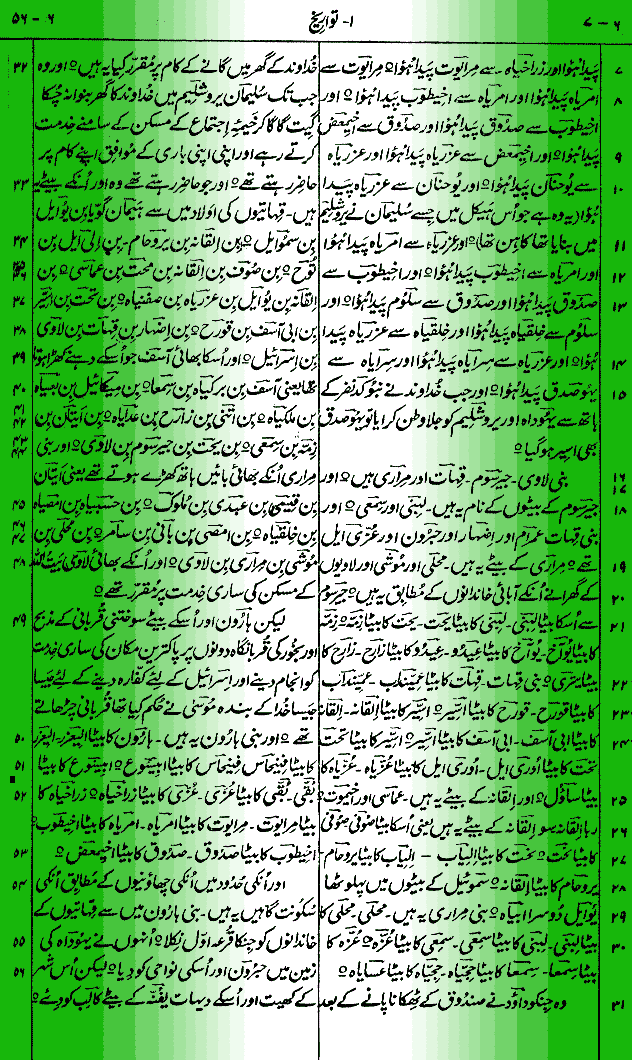
Verse by Verse Commentary: 1 Chronicles 6:7-56
1Ch 6:7
Verse: Meraioth begat Amariah and Amariah begat Ahitub English Explanation: This verse continues the high priestly line, tracing the descent from Meraioth to Ahitub. It establishes the continuity of the priesthood through successive generations. Urdu Explanation: یہ آیت اعلیٰ کاہنوں کے شجرہ نسب کو جاری رکھتی ہے جو مرایوت سے اخیطوب تک کے سلسلے کو بیان کرتی ہے۔ یہ نسل در نسل کہانتی نظام کے تسلسل کو ظاہر کرتی ہے۔
1Ch 6:8
Verse: And Ahitub begat Zadok and Zadok begat Ahimaaz English Explanation: Focuses on Zadok, a prominent high priest during the reigns of David and Solomon. This lineage highlights the transition of the priesthood into the era of the United Monarchy. Urdu Explanation: یہ آیت صدوق پر توجہ مرکوز کرتی ہے جو داؤد اور سلیمان کے دور میں ایک اہم کاہن تھے۔ یہ شجرہ بادشاہت کے دور میں کہانتی نظام کی منتقلی کو ظاہر کرتا ہے۔
1Ch 6:9
Verse: And Ahimaaz begat Azariah and Azariah begat Johanan English Explanation: Ahimaaz was known for his loyalty to David. His descendants, Azariah and Johanan, carried forward the sacred responsibility of the family. Urdu Explanation: اخیمعض اپنی وفاداری کے لیے مشہور تھا۔ اس کی نسل عزرباہ اور یوحنان نے خاندان کی مقدس ذمہ داریوں کو آگے بڑھایا۔
1Ch 6:10
Verse: And Johanan begat Azariah (he it is that executed the priest’s office in the temple that Solomon built in Jerusalem) English Explanation: This Azariah is specifically identified as the one who served in Solomon’s Temple, marking a historic milestone in Israel’s worship. Urdu Explanation: اس عزریاہ کی خاص طور پر نشاندہی کی گئی ہے جس نے سلیمان کی تعمیر کردہ ہیکل میں کہانتی خدمات سرانجام دیں جو کہ اسرائیل کی عبادت کی تاریخ میں ایک اہم موڑ تھا۔
1Ch 6:11
Verse: And Azariah begat Amariah and Amariah begat Ahitub English Explanation: The names recur in the lineage, showing the naming traditions within the priestly families as they moved toward the later kingdom period. Urdu Explanation: یہ نام شجرہ نسب میں دوبارہ ظاہر ہوتے ہیں جو کہانتی خاندانوں میں نام رکھنے کی روایات اور سلطنت کے بعد کے دور کی طرف پیش قدمی کو ظاہر کرتے ہیں۔
1Ch 6:12
Verse: And Ahitub begat Zadok and Zadok begat Shallum English Explanation: This Zadok is a descendant of the earlier Zadok, leading the lineage toward the time of the Babylonian exile. Urdu Explanation: یہ صدوق پہلے والے صدوق کی نسل سے ہے جو اس شجرہ نسب کو بابل کی اسیری کے وقت کی طرف لے جاتا ہے۔
1Ch 6:13
Verse: And Shallum begat Hilkiah and Hilkiah begat Azariah English Explanation: Hilkiah is famous for finding the Book of the Law during King Josiah’s reign, sparking a great spiritual reformation. Urdu Explanation: حلقیاہ شاہ یوسیاہ کے دور میں شریعت کی کتاب پانے کے لیے مشہور ہے جس سے ایک عظیم روحانی اصلاح کا آغاز ہوا۔
1Ch 6:14
Verse: And Azariah begat Seraiah and Seraiah begat Jehozadak English Explanation: Seraiah was the last high priest before the destruction of the first temple, and Jehozadak represents the transition into exile. Urdu Explanation: سرایاہ پہلی ہیکل کی تباہی سے پہلے آخری سردار کاہن تھا اور یہوزادق اسیری کے دور کی نمائندگی کرتا ہے۔
1Ch 6:15
Verse: And Jehozadak went into captivity when the LORD carried away Judah and Jerusalem by the hand of Nebuchadnezzar English Explanation: A pivotal historical note showing that even the high priestly line was subject to God’s judgment and the Babylonian captivity. Urdu Explanation: ایک اہم تاریخی نکتہ جو ظاہر کرتا ہے کہ سردار کاہن کی نسل بھی خدا کی عدالت اور بابل کی اسیری کے تابع تھی۔
1Ch 6:16
Verse: The sons of Levi Gershom Kohath and Merari English Explanation: This shifts the focus back to the three primary branches of the tribe of Levi, from which all temple workers descended. Urdu Explanation: یہاں توجہ دوبارہ لاوی کے تین بنیادی قبیلوں کی طرف مڑتی ہے جن سے ہیکل کے تمام خادم پیدا ہوئے تھے۔
1Ch 6:17
Verse: And these be the names of the sons of Gershom Libni and Shimei English Explanation: Identifies the two main families of the Gershonites, responsible for the fabrics and coverings of the Tabernacle. Urdu Explanation: یہ جیرشون کے دو اہم خاندانوں کی نشاندہی کرتا ہے جو خیمہ اجتماع کے کپڑوں اور پردوں کے ذمہ دار تھے۔
1Ch 6:18
Verse: And the sons of Kohath were Amram and Izhar and Hebron and Uzziel English Explanation: The Kohathites were the most prominent branch, as the line of Moses, Aaron, and the high priests came from Amram. Urdu Explanation: قہاتی سب سے ممتاز شاخ تھی کیونکہ موسیٰ، ہارون اور سردار کاہنوں کا سلسلہ عمران سے شروع ہوا تھا۔
1Ch 6:19
Verse: The sons of Merari Mahli and Mushi And these are the families of the Levites according to their fathers English Explanation: The Merarites were responsible for the structural framework (boards and bars) of the Tabernacle. Urdu Explanation: مراری خیمہ اجتماع کے ڈھانچے (تختوں اور بلیوں) کے ذمہ دار تھے۔
1Ch 6:20-21
Verse: Of Gershom Libni his son Jahath his son Zimmah his son Joah his son Iddo his son Zerah his son Jeaterai his son English Explanation: A detailed lineage of the Gershonite branch, showing the continuation of their family line through several generations. Urdu Explanation: جیرشونی شاخ کا ایک تفصیلی شجرہ نسب جو کئی نسلوں تک ان کے خاندانی سلسلے کے تسلسل کو ظاہر کرتا ہے۔
1Ch 6:22-24
Verse: The sons of Kohath Amminadab his son Korah his son Assir his son Elkanah his son and Ebiasaph his son and Assir his son Tahath his son Uriel his son Uzziah his son and Shaul his son English Explanation: Lists the descendants of Kohath. This line includes Korah, whose descendants later became prominent singers and gatekeepers despite Korah’s earlier rebellion. Urdu Explanation: قہات کی نسل کی فہرست۔ اس سلسلے میں قورح شامل ہے جس کی اولاد بعد میں قورح کی بغاوت کے باوجود ممتاز گلوکاروں اور دربانوں کے طور پر ابھری۔
1Ch 6:25-27
Verse: And the sons of Elkanah Amasai and Ahimoth As for Elkanah the sons of Elkanah Zophai his son and Nahath his son Eliab his son Jeroham his son Elkanah his son English Explanation: This lineage leads toward the family of Samuel the prophet, showing the connection between the Levites and the great judge of Israel. Urdu Explanation: یہ شجرہ نسب سموئیل نبی کے خاندان کی طرف لے جاتا ہے جو لاویوں اور اسرائیل کے عظیم قاضی کے درمیان تعلق کو ظاہر کرتا ہے۔
1Ch 6:28
Verse: And the sons of Samuel the firstborn Vashni and Abiah English Explanation: Records the sons of the prophet Samuel. Their inclusion confirms Samuel’s Levitical heritage. Urdu Explanation: سموئیل نبی کے بیٹوں کا ریکارڈ۔ ان کی شمولیت سموئیل کے لاوی ہونے کی تصدیق کرتی ہے۔
1Ch 6:29-30
Verse: The sons of Merari Mahli Libni his son Shimei his son Uzza his son Shimea his son Haggiah his son Asaiah his son English Explanation: Traces the line of the Merarites, completing the overview of the three main Levitical houses. Urdu Explanation: مراریوں کے سلسلے کا پتہ لگاتا ہے جو تین اہم لاوی گھرانوں کے جائزے کو مکمل کرتا ہے۔
1Ch 6:31-32
Verse: And these are they whom David set over the service of song in the house of the LORD after that the ark had rest And they ministered before the dwelling place of the tabernacle of the congregation with singing until Solomon had built the house of the LORD in Jerusalem and then they waited on their office according to their order English Explanation: King David organized the Levites into choirs. This shows the shift from a portable Tabernacle to a permanent Temple where music became a central part of worship. Urdu Explanation: بادشاہ داؤد نے لاویوں کو گلوکاروں کے گروہوں میں منظم کیا۔ یہ خیمہ اجتماع سے مستقل ہیکل کی طرف منتقلی کو ظاہر کرتا ہے جہاں موسیقی عبادت کا ایک مرکزی حصہ بن گئی۔
1Ch 6:33-38
Verse: (Summary of Heman’s Lineage) …Heman a singer the son of Joel… the son of Israel English Explanation: Heman was the lead singer from the Kohathites. His genealogy is traced all the way back to Levi and Israel (Jacob), validating his authority to lead worship. Urdu Explanation: ہیمان قہاتیوں کا مرکزی گلوکار تھا۔ اس کا شجرہ نسب لاوی اور اسرائیل (یعقوب) تک جاتا ہے جو عبادت کی قیادت کے لیے اس کے اختیار کی تصدیق کرتا ہے۔
1Ch 6:39-43
Verse: (Summary of Asaph’s Lineage) …And his brother Asaph… the son of Gershom the son of Levi English Explanation: Asaph was the leader of the second choir (Gershonites). He stood at Heman’s right hand. Asaph is also credited with writing many Psalms. Urdu Explanation: آسف دوسرے گلوکاروں کے گروہ (جیرشونیوں) کا رہنما تھا۔ وہ ہیمان کے دائیں ہاتھ کھڑا ہوتا تھا۔ آسف کو بہت سے زبور لکھنے کا سہرا بھی جاتا ہے۔
1Ch 6:44-47
Verse: (Summary of Ethan’s Lineage) …And their brethren the sons of Merari stood on the left hand Ethan the son of Kishi… the son of Levi English Explanation: Ethan represented the Merarites and stood on the left hand. This completed the three-part musical leadership representing all three branches of Levi. Urdu Explanation: ایتھن مراریوں کی نمائندگی کرتا تھا اور بائیں ہاتھ کھڑا ہوتا تھا۔ اس نے لاوی کی تینوں شاخوں کی نمائندگی کرتے ہوئے موسیقی کی قیادت کو مکمل کیا۔
1Ch 6:48
Verse: Their brethren also the Levites were appointed unto all manner of service of the tabernacle of the house of God English Explanation: While some were singers, other Levites performed various tasks like guarding, cleaning, and assisting the priests. Urdu Explanation: جہاں کچھ گلوکار تھے وہیں دوسرے لاوی مختلف کام انجام دیتے تھے جیسے حفاظت کرنا صفائی کرنا اور کاہنوں کی مدد کرنا۔
1Ch 6:49
Verse: But Aaron and his sons offered upon the altar of the burnt offering and on the altar of incense and were appointed for all the work of the place most holy and to make an atonement for Israel according to all that Moses the servant of God had commanded English Explanation: Highlights the unique role of Aaron’s line. Only they could offer sacrifices and enter the Most Holy Place to make atonement for the nation. Urdu Explanation: ہارون کی نسل کے منفرد کردار کو اجاگر کرتا ہے۔ صرف وہی قربانی دے سکتے تھے اور قوم کے کفارے کے لیے پاک ترین مقام میں داخل ہو سکتے تھے۔
1Ch 6:50-53
Verse: (Lineage of Aaron to Ahimaaz) English Explanation: A concise list of the high priests from Aaron through to the time of David, emphasizing the legitimate succession of the priesthood. Urdu Explanation: ہارون سے داؤد کے دور تک کے سردار کاہنوں کی ایک جامع فہرست جو کہانتی نظام کے جائز تسلسل پر زور دیتی ہے۔
1Ch 6:54-56
Verse: Now these are their dwelling places throughout their castles in their coasts of the sons of Aaron… But the fields of the city and the villages thereof they gave to Caleb the son of Jephunneh English Explanation: Describes the territories given to the priests (Kohathites). While they received cities like Hebron, the surrounding fields belonged to Caleb, showing the division of land. Urdu Explanation: کاہنوں (قہاتیوں) کو دیئے گئے علاقوں کی وضاحت کرتا ہے۔ جہاں انہیں حبرون جیسے شہر ملے وہیں آس پاس کے کھیت کالب کے تھے جو زمین کی تقسیم کو ظاہر کرتے ہیں۔