1 Chronicles 8:12
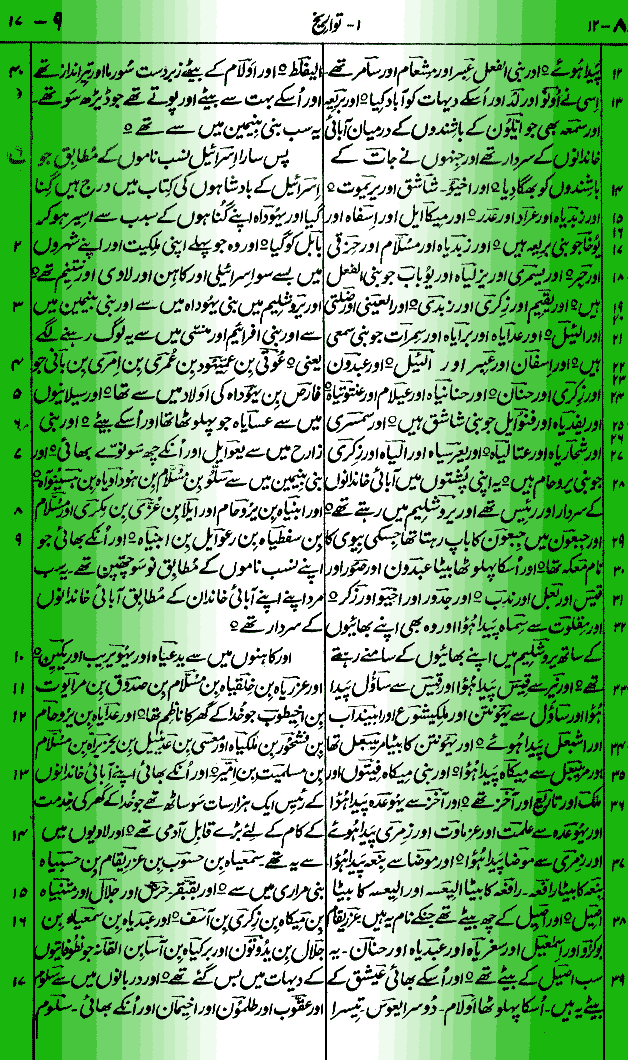
Verse: The sons of Elpaal Eber and Misham and Shamed who built Ono and Lod with the towns thereof English Explanation: This verse identifies the sons of Elpaal as the founders and builders of the cities Ono and Lod, highlighting their role in civil development and territorial expansion. Urdu Explanation: اس آیت میں ایلپعل کے بیٹوں کا ذکر ہے جنہوں نے اونو اور لود کے شہر اور ان کے مضافات تعمیر کیے۔ یہ ان کی شہری ترقی اور زمین پر قبضے کی نشاندہی کرتا ہے۔
1 Chronicles 8:13
Verse: Beriah also and Shema who were heads of the fathers of the inhabitants of Aijalon who drove away the inhabitants of Gath English Explanation: Beriah and Shema were tribal leaders in Aijalon known for their military prowess in defeating the people of Gath. Urdu Explanation: بیریہ اور سمع عجلون کے باشندوں کے خاندانوں کے سربراہ تھے جنہوں نے جات کے باشندوں کو وہاں سے نکال باہر کیا تھا۔
1 Chronicles 8:14 – 8:16
Verse: And Ahio Shashak and Jeremoth And Zebadiah and Arad and Ader And Michael and Ispah and Joha the sons of Beriah English Explanation: These verses list the descendants of Beriah, establishing the lineage of influential families within the tribe. Urdu Explanation: ان آیات میں بیریہ کے بیٹوں کی فہرست دی گئی ہے جو کہ قبیلے کے بااثر خاندانوں کا سلسلہ نسب بیان کرتی ہے۔
1 Chronicles 8:17 – 8:18
Verse: And Zebadiah and Meshullam and Hezeki and Heber Ishmerai also and Jezliah and Jobab the sons of Elpaal English Explanation: A continuation of Elpaal’s lineage, showing the growth and branching out of his family tree. Urdu Explanation: یہ ایلپعل کی نسل کا تسلسل ہے جو اس کے خاندان کی ترقی اور پھیلاؤ کو ظاہر کرتا ہے۔
1 Chronicles 8:19 – 8:21
Verse: And Jakim and Zichri and Zabdi And Elienai and Zilthai and Eliel And Adaiah and Beraiah and Shimrath the sons of Shimhi English Explanation: This section records the sons of Shimhi, documenting the various branches of the Benjamite families. Urdu Explanation: یہ حصہ شمعی کے بیٹوں کا ریکارڈ ہے جس میں بنیمین کے خاندانوں کی مختلف شاخوں کو دستاویزی شکل دی گئی ہے۔
1 Chronicles 8:22 – 8:25
Verse: And Ishpan and Heber and Eliel And Abdon and Zichri and Hanan And Hananiah and Elam and Antothijah And Iphedeiah and Penuel the sons of Shashak English Explanation: These verses identify the numerous sons of Shashak, emphasizing the numerical strength of this lineage. Urdu Explanation: ان آیات میں ششق کے بیٹوں کی شناخت کی گئی ہے جو اس نسل کی افرادی قوت پر روشنی ڈالتی ہے۔
1 Chronicles 8:26 – 8:28
Verse: And Shamsherai and Shehariah and Athaliah And Jaresiah and Eliah and Zichri the sons of Jeroham These were heads of the fathers by their generations chief men These dwelt in Jerusalem English Explanation: These individuals were recognized as chief leaders and heads of their respective households who settled in the city of Jerusalem. Urdu Explanation: یہ افراد اپنے خاندانوں کے سربراہ اور معززین تسلیم کیے جاتے تھے جو یروشلم میں آباد ہوئے۔
1 Chronicles 8:29 – 8:32
Verse: And at Gibeon dwelt the father of Gibeon whose wife’s name was Maachah And his firstborn son Abdon and Zur and Kish and Baal and Nadab And Gedor and Ahio and Zacher And Mikloth begat Shimeah And these also dwelt with their brethren in Jerusalem over against them English Explanation: This segment traces the family of Gibeon and mentions their proximity to their kinsmen in Jerusalem, establishing a geographical and social link. Urdu Explanation: یہ حصہ جبعون کے خاندان کا پتہ لگاتا ہے اور یروشلم میں اپنے رشتہ داروں کے ساتھ ان کی رہائش کا ذکر کرتا ہے۔
1 Chronicles 8:33
Verse: And Ner begat Kish and Kish begat Saul and Saul begat Jonathan and Malchi-shua and Abinadab and Esh-baal English Explanation: A pivotal verse tracing the royal line of King Saul, the first king of Israel, from Ner and Kish. Urdu Explanation: یہ ایک اہم آیت ہے جو اسرائیل کے پہلے بادشاہ، ساؤل (طالوت) کے شاہی نسب کو نیر اور کیس سے جوڑتی ہے۔
1 Chronicles 8:34 – 8:35
Verse: And the son of Jonathan was Merib-baal and Merib-baal begat Micah And the sons of Micah were Pithon and Melech and Tarea and Ahaz English Explanation: This records the descendants of Jonathan (Saul’s son), specifically Merib-baal (Mephibosheth) and his son Micah. Urdu Explanation: اس میں یونتن (ساؤل کے بیٹے) کی اولاد کا ذکر ہے، خاص طور پر مریب بعل اور اس کے بیٹے میکاہ کا۔
1 Chronicles 8:36 – 8:38
Verse: And Ahaz begat Jehoadah and Jehoadah begat Alemeth and Azmaveth and Zimri and Zimri begat Moza And Moza begat Binea Rapha was his son Eleasah his son Azel his son And Azel had six sons whose names are these Azrikam Bocheru and Ishmael and Sheariah and Obadiah and Hanan All these were the sons of Azel English Explanation: The lineage continues through Ahaz down to Azel’s six sons, preserving the family history of the Benjamites for generations. Urdu Explanation: آخز سے ہوتے ہوئے یہ سلسلہ ازیل کے چھ بیٹوں تک پہنچتا ہے، جو نسل در نسل بنیمینیوں کی خاندانی تاریخ کو محفوظ رکھتا ہے۔
1 Chronicles 8:39 – 8:40
Verse: And the sons of Eshek his brother were Ulam his firstborn Jehush the second and Eliphelet the third And the sons of Ulam were mighty men of valour archers and had many sons and sons’ sons an hundred and fifty All these are of the sons of Benjamin English Explanation: The chapter concludes by describing the descendants of Ulam as brave warriors and skilled archers, totaling 150 men. Urdu Explanation: یہ باب اولم کی اولاد کو بہادر جنگجوؤں اور ماہر تیر اندازوں کے طور پر بیان کرتے ہوئے ختم ہوتا ہے، جن کی کل تعداد 150 تھی۔
1 Chronicles 9:1
Verse: So all Israel were reckoned by genealogies and behold they were written in the book of the kings of Israel and Judah who were carried away to Babylon for their transgression English Explanation: Summarizes that all Israel’s records were kept in official books and notes that the exile to Babylon happened because of their unfaithfulness to God. Urdu Explanation: اس میں خلاصہ کیا گیا ہے کہ تمام اسرائیل کا ریکارڈ سرکاری کتابوں میں درج تھا اور یہ بھی بتایا گیا ہے کہ خدا کی نافرمانی کی وجہ سے انہیں بابل کی اسریٰ میں لے جایا گیا۔
1 Chronicles 9:2 – 9:3
Verse: Now the first inhabitants that dwelt in their possessions in their cities were the Israelites the priests Levites and the Nethinims And in Jerusalem dwelt of the children of Judah and of the children of Benjamin and of the children of Ephraim and Manasseh English Explanation: Details the first groups to return and settle in the land after the exile, including priests, Levites, and members of various tribes. Urdu Explanation: جلاوطنی کے بعد زمین پر واپس آنے اور آباد ہونے والے پہلے گروہوں کی تفصیلات بتاتا ہے، جن میں کاہن، لاوی اور مختلف قبیلوں کے ارکان شامل تھے۔
1 Chronicles 9:4 – 9:9
Verse: Uthai the son of Ammihud… And their brethren according to their generations nine hundred and fifty and six All these men were chief of the fathers in the house of their fathers English Explanation: Lists the specific leaders of the tribes of Judah and Benjamin who resettled in Jerusalem, noting a total of 956 chief men. Urdu Explanation: یہوداہ اور بنیمین کے ان مخصوص رہنماؤں کی فہرست دیتا ہے جو دوبارہ یروشلم میں آباد ہوئے، جن کی کل تعداد 956 معززین تھی۔
1 Chronicles 9:10 – 9:13
Verse: And of the priests Jedaiah and Jehoiarib and Jachin And Azariah… a thousand and seven hundred and threescore very able men for the work of the service of the house of God English Explanation: Focuses on the priests who returned, emphasizing that 1,760 of them were “very able men” dedicated to the service of God’s house. Urdu Explanation: یہ واپس آنے والے کاہنوں پر توجہ مرکوز کرتا ہے، اور اس بات پر زور دیتا ہے کہ ان میں سے 1760 “بہت قابل آدمی” تھے جو خدا کے گھر کی خدمت کے لیے وقف تھے۔
1 Chronicles 9:14 – 9:16
Verse: And of the Levites Shemaiah the son of Hasshub… and Berechiah the son of Asa the son of Elkanah that dwelt in the villages of the Netophathites English Explanation: Lists the Levites who returned to perform their religious duties, including those who lived in surrounding villages. Urdu Explanation: ان لاویوں کی فہرست دیتا ہے جو اپنی مذہبی ذمہ داریاں ادا کرنے کے لیے واپس آئے، بشمول وہ جو آس پاس کے دیہاتوں میں رہتے تھے۔
1 Chronicles 9:17
Verse: And the porters were Shallum and Akkub and Talmon and Ahiman and their brethren Shallum was the chief English Explanation: Identifies the gatekeepers (porters) responsible for the security and order of the sanctuary, with Shallum serving as the leader. Urdu Explanation: یہ ان دربانوں کی شناخت کرتا ہے جو مقدس گاہ کی حفاظت اور نظم و ضبط کے ذمہ دار تھے، جس میں شلوم ان کا سردار تھا۔