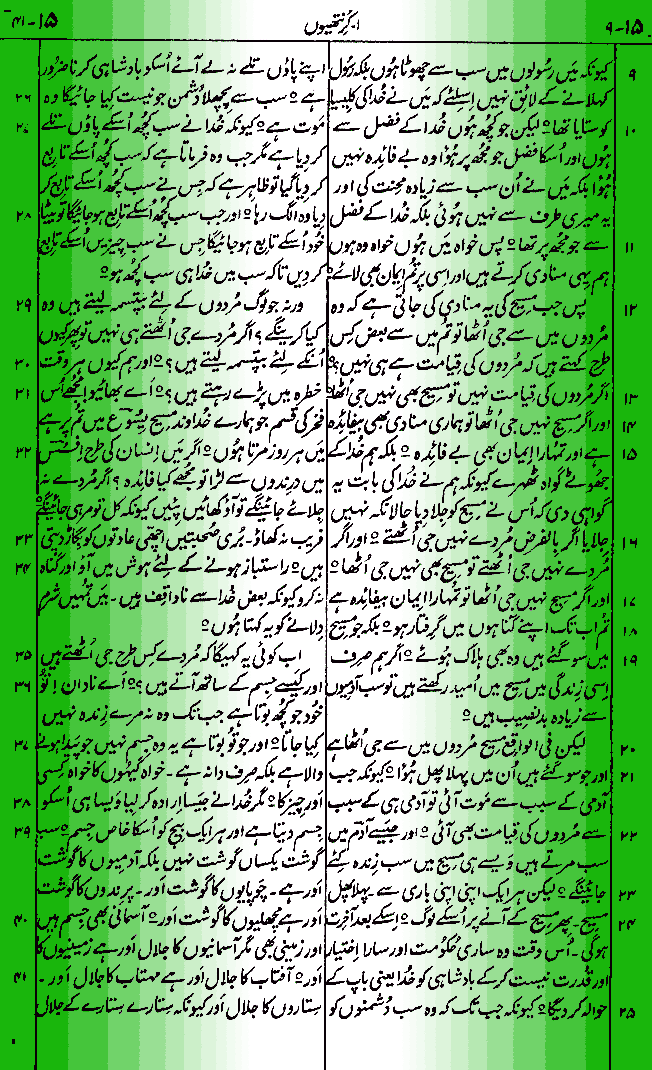
Verse-by-Verse Commentary & Explanation
Verse 9
Verse: For I am the least of the apostles that am not meet to be called an apostle because I persecuted the church of God
English Explanation
Paul displays profound humility here. He acknowledges his dark past as a fierce persecutor of early Christians before his dramatic conversion on the road to Damascus. Because he actively tried to destroy God’s church, he feels completely unworthy (“not meet”) of the title “Apostle,” ranking himself below all others.
Urdu Explanation
یہاں پولس رسول اپنی عاجزی کا گہرا اظہار کرتا ہے۔ وہ اپنے ماضی کا اعتراف کرتا ہے کہ کس طرح دمشق کے راستے پر ایمان لانے سے پہلے وہ مسیحیوں پر ظلم ڈھاتا تھا۔ کیونکہ اس نے خدا کی کلیسیا کو تباہ کرنے کی کوشش کی تھی، اس لیے وہ خود کو رسول کہلانے کے لائق نہیں سمجھتا اور خود کو سب سے چھوٹا رسول کہتا ہے۔
Verse 10
Verse: But by the grace of God I am what I am and his grace which was bestowed upon me was not in vain but I laboured more abundantly than they all yet not I but the grace of God which was with me
English Explanation
Despite his past, Paul recognizes that God’s unmerited favor (grace) redefined his identity and destiny. He didn’t let this grace go to waste; it fueled him to work harder in spreading the Gospel than any other apostle. Yet, he refuses to take personal credit, attributing all his achievements entirely to God’s sustaining grace working through him.
Urdu Explanation
اپنے ماضی کے باوجود، پولس یہ تسلیم کرتا ہے کہ وہ جو کچھ بھی ہے، صرف خدا کے فضل کی بدولت ہے۔ خدا کا فضل اس پر ضائع نہیں ہوا، بلکہ اس فضل نے اسے دوسرے تمام رسولوں سے زیادہ محنت کرنے کی طاقت دی۔ لیکن وہ اس کا سہرا خود کو نہیں دیتا، بلکہ کہتا ہے کہ یہ میری طاقت نہیں بلکہ خدا کا فضل تھا جو میرے ساتھ تھا۔
Verse 11
Verse: Therefore whether it were I or they so we preach and so ye believed
English Explanation
Paul emphasizes absolute unity in the core Christian message. It does not matter whether the Corinthians heard the Gospel from him or from the other apostles (like Peter or John); the message remains identical: Christ died, was buried, and rose again. This unified preaching is what anchored the Corinthians’ faith.
Urdu Explanation
پولس یہاں مسیحی پیغام کی یکسانیت پر زور دیتا ہے۔ وہ کہتا ہے کہ چاہے پیغام میں نے سنایا ہو یا دوسرے رسولوں نے، ہمارا پیغام ایک ہی ہے اور اسی پیغام پر تم نے ایمان لایا۔ اہم بات منادی کرنے والا نہیں، بلکہ وہ سچائی ہے جس پر ایمان لایا گیا۔
Verse 12
Verse: Now if Christ be preached that he rose from the dead how say some among you that there is no resurrection of the dead
English Explanation
Paul addresses a dangerous false teaching spreading within the Corinthian church. Some believers, influenced by Greek philosophy, were arguing that physical resurrection is impossible. Paul highlights the logical contradiction: if they accept the foundation that Christ rose from the dead, how can they logically deny that human resurrection is possible?
Urdu Explanation
پولس کرنتھس کی کلیسیا میں پھیلی ایک غلط تعلیم کو بے نقاب کرتا ہے۔ یونانی فلسفے سے متاثر ہو کر کچھ لوگ جسمانی قیامت (مردوں کے جی اٹھنے) کا انکار کر رہے تھے۔ پولس منطقی سوال کرتا ہے کہ اگر یہ منادی کی جاتی ہے کہ مسیح مردوں میں سے جی اٹھا، تو تم میں سے کچھ لوگ یہ کیسے کہہ سکتے ہیں کہ مردے جی نہیں اٹھیں گے؟
Verse 13
Verse: But if there be no resurrection of the dead then is Christ not risen
English Explanation
Paul sets up a domino effect of logic. If the physical resurrection of human beings is a blanket impossibility, then by default, Jesus Christ could not have risen either. To deny the general resurrection is to directly deny Christ’s victory over death.
Urdu Explanation
پولس ایک منطقی زنجیر قائم کرتا ہے۔ اگر عام انسانوں کا دوبارہ جی اٹھنا ناممکن ہے، تو اس کا مطلب یہ ہوا کہ عیسیٰ مسیح بھی مردوں میں سے جی نہیں اٹھے۔ مردوں کے جی اٹھنے کا انکار کرنا براہِ راست مسیح کے جی اٹھنے کا انکار کرنا ہے۔
Verse 14
Verse: And if Christ be not risen then is our preaching vain and your faith is also vain
English Explanation
Without the resurrection, Christianity completely collapses. Paul states that if Christ is still in the grave, all apostolic preaching is an empty, meaningless lie, and the faith of every believer is completely useless and without foundation (“vain”).
Urdu Explanation
اگر مسیح نہیں جی اٹھے، تو مسیحی ایمان کی پوری بنیاد گر جاتی ہے۔ پولس کہتا ہے کہ ایسی صورت میں رسولوں کی منادی بے کار اور جھوٹی ہے، اور ایمان داروں کا ایمان بھی بالکل فضول اور بے معنی ہے۔
Verse 15
Verse: Yea and we are found false witnesses of God because we have testified of God that he raised up Christ whom he raised not up if so be that the dead rise not
English Explanation
Paul takes it a step further: if there is no resurrection, the apostles are not just mistaken; they are malicious liars and false witnesses against God. They have publicly sworn that God performed the miracle of raising Christ, which would be a fabrication if the dead do not rise.
Urdu Explanation
پولس کہتا ہے کہ اگر مردے نہیں جی اٹھتے تو رسول صرف غلطی پر نہیں ہیں، بلکہ وہ خدا کے سامنے جھوٹے گواہ ٹھہرتے ہیں۔ کیونکہ انہوں نے گواہی دی کہ خدا نے مسیح کو زندہ کیا، جبکہ اگر مردے جی ہی نہیں اٹھتے تو خدا نے مسیح کو بھی زندہ نہیں کیا۔
Verse 16
Verse: For if the dead rise not then is not Christ raised
English Explanation
Paul restates his core logical premise for emphasis: the reality of Christ’s resurrection is completely intertwined with the reality of the future resurrection of believers. You cannot believe in one without believing in the other.
Urdu Explanation
پولس تاکید کے لیے اپنی بات کو دہراتا ہے کہ اگر مردے نہیں جی اٹھتے، تو مسیح بھی زندہ نہیں ہوا، کیونکہ مسیح کا جی اٹھنا اور انسانوں کا جی اٹھنا ایک دوسرے سے جڑے ہوئے ہیں۔
Verse 17
Verse: And if Christ be not raised your faith is vain ye are yet in your sins
English Explanation
The theological stakes are raised here. If Christ was not raised, His death failed to conquer sin. Therefore, faith in Him is powerless, and believers are still guilty, condemned, and trapped in their sins without any hope of salvation.
Urdu Explanation
یہاں روحانی نقصان کو بیان کیا گیا ہے۔ اگر مسیح جی نہیں اٹھا، تو اس کی موت گناہ پر فتح پانے میں ناکام رہی۔ اس کا مطلب ہے کہ تمہارا ایمان بے فائدہ ہے اور تم اب تک اپنے گناہوں میں گرفتار اور قصوروار ہو۔
Verse 18
Verse: Then they also which are fallen asleep in Christ are perished
English Explanation
“Fallen asleep” is a biblical metaphor for the physical death of believers. Paul argues that if there is no resurrection, all Christians who have already died have not gone to heaven—they have simply ceased to exist, entirely lost and perished forever.
Urdu Explanation
“سو گئے” سے مراد وہ ایماندار ہیں جو مر چکے ہیں۔ پولس کہتا ہے کہ اگر قیامت نہیں ہے، تو جو مسیح میں موئے (مر گئے) وہ ہمیشہ کے لیے ہلاک ہو گئے اور ان کی کوئی امید باقی نہیں رہی۔
Verse 19
Verse: If in this life only we have hope in Christ we are of all men most miserable
English Explanation
Early Christians faced intense persecution, loss of status, and martyrdom. Paul points out that if Christ only offers comfort for this short earthly life, and there is no eternal reward or resurrection ahead, then Christians are the most foolish, pitiable, and miserable people on earth for suffering so much for a lie.
Urdu Explanation
ابتدائی مسیحیوں کو شدید ظلم و ستم کا سامنا تھا۔ پولس کہتا ہے کہ اگر مسیح سے ہماری امید صرف اسی دنیا کی زندگی تک محدود ہے اور آگے کوئی ابدی زندگی یا قیامت نہیں، تو ہم دنیا کے تمام انسانوں سے زیادہ بدنصیب اور قابلِ رحم ہیں کیونکہ ہم نے ایک جھوٹ کے لیے اتنی تکلیفیں اٹھائیں۔
Verse 20
Verse: But now is Christ risen from the dead and become the firstfruits of them that slept
English Explanation
Paul shifts from hypothetical doom to triumphant reality! He declares with certainty: Christ is risen! He calls Christ the “firstfruits”—a reference to the Old Testament harvest offering where the very first portion guaranteed that the rest of the harvest was coming. Christ’s resurrection is the guarantee that all deceased believers will follow.
Urdu Explanation
یہاں پولس مایوسی سے نکل کر فتح کا اعلان کرتا ہے! وہ پورے یقین کے ساتھ کہتا ہے کہ مسیح مردوں میں سے جی اٹھا ہے اور وہ سوئے ہوئے لوگوں میں پہلا پھل بنا۔ “پہلا پھل” پرانے عہد نامے کی ایک علامت ہے جس کا مطلب ہے کہ جیسے پہلا پھل آنے کے بعد باقی فصل بھی آتی ہے، ویسے ہی مسیح کے جی اٹھنے کے بعد باقی ایماندار بھی جی اٹھیں گے۔
Verse 21
Verse: For since by man came death by man came also the resurrection of the dead
English Explanation
Paul introduces a federal headship theology. Just as cosmic spiritual and physical death entered human history through one single human being, the restoration and physical resurrection of humanity also had to come through one perfect Man.
Urdu Explanation
پولس یہاں ایک گہرا موازنہ پیش کرتا ہے۔ وہ کہتا ہے کہ جیسے ایک انسان کے ذریعے دنیا میں موت آئی، ویسے ہی ایک انسان ہی کے ذریعے مردوں کی قیامت (دوبارہ زندگی) بھی آئی۔
Verse 22
Verse: For as in Adam all die even so in Christ shall all be made alive
English Explanation
Paul names the two representatives of humanity: Adam and Christ. Because we are physically descended from Adam, we inherit his curse of sin and death. In contrast, all who belong to Christ through faith inherit His victory and are guaranteed to be raised to eternal life.
Urdu Explanation
پولس بنی نوع انسان کے دو نمائندوں کا ذکر کرتا ہے: آدم اور مسیح۔ چونکہ ہم آدم کی نسل سے ہیں، اس لیے ہم سب پر موت آتی ہے۔ لیکن جو کوئی مسیح میں شامل ہوتا ہے، وہ مسیح کی فتح کا وارث بنتا ہے اور زندہ کیا جائے گا۔
Verse 23
Verse: But every man in his own order Christ the firstfruits afterward they that are Christs at his coming
English Explanation
Resurrection happens according to God’s divine timetable and order:
-
Christ: The firstfruits, who rose first.
-
Believers: Those who belong to Christ, who will experience bodily resurrection at His Second Coming.
Urdu Explanation
خدا نے جی اٹھنے کی ایک ترتیب مقرر کی ہے: ۱۔ پہلے مسیح جو پہلا پھل ہے۔ ۲۔ اس کے بعد مسیح کے آنے پر وہ لوگ جو مسیح کے ہیں، یعنی سچے ایماندار زندہ کیے جائیں گے۔
Verse 24
Verse: Then cometh the end when he shall have delivered up the kingdom to God even the Father when he shall have put down all rule and all authority and power
English Explanation
This refers to the climax of human history. After Christ returns and triumphs over every earthly and spiritual rebellion, destroying all rogue rulers, authorities, and demonic powers, He will present a perfectly pacified and redeemed kingdom back to God the Father.
Urdu Explanation
یہ تاریخِ انسانی کے اختتام کا منظر ہے۔ جب مسیح واپس آئے گا اور زمین و آسمان کی تمام باغی حکومتوں، اختیاروں اور قوتوں کو نیست و نابود کر دے گا، تو وہ پوری کائنات کی بادشاہی خدا باپ کے سپرد کر دے گا۔
Verse 25
Verse: For he must reign till he hath put all enemies under his feet
English Explanation
Christ is currently reigning from heaven, and His kingdom will expand until every spiritual enemy, demonic force, and human rebellion is completely crushed and subjected under His total authority (a metaphor derived from ancient kings stepping on the necks of defeated foes).
Urdu Explanation
مسیح اب آسمان پر بادشاہی کر رہا ہے اور وہ اس وقت تک بادشاہی کرتا رہے گا جب تک کہ وہ اپنے تمام دشمنوں کو اپنے پاؤں تلے نہ لے آئے۔ یہ پرانے زمانے کے بادشاہوں کی فتح کی علامت ہے جہاں وہ دشمن کی گردن پر پاؤں رکھتے تھے۔
Verse 26
Verse: The last enemy that shall be destroyed is death
English Explanation
Death is personalized here as humanity’s final, ultimate tyrant. Although Christ defeated the power of death at the cross, its physical execution will finally be completely eradicated at the end of time when believers are raised, never to die again.
Urdu Explanation
موت کو یہاں انسان کے آخری دشمن کے طور پر پیش کیا گیا ہے۔ اگرچہ مسیح نے صلیب پر موت کی طاقت کو توڑ دیا، لیکن آخری فتح اس وقت ہوگی جب موت کا وجود ہی ختم کر دیا جائے گا اور ایماندار ہمیشہ کی زندگی پائیں گے۔
Verse 27
Verse: For he hath put all things under his feet But when he saith all things are put under him it is manifest that he is excepted which did put all things under him
English Explanation
Paul references Psalm 8:6 to prove God the Father gave Christ authority over everything. However, Paul adds a logical clarification: God the Father is obviously exempted from this subjection, as He is the supreme source who gave Christ that authority in the first place.
Urdu Explanation
پولس زبور ۸:۶ کا حوالہ دے کر واضح کرتا ہے کہ خدا باپ نے سب چیزیں مسیح کے پاؤں تلے کر دیں، لیکن ظاہر ہے کہ خدا باپ خود اس سے باہر ہے، کیونکہ باپ ہی نے مسیح کو یہ سارا اختیار بخشا ہے۔
Verse 28
Verse: And when all things shall be subdued unto him then shall the Son also himself be subject unto him that put all things under him that God may be all in all
English Explanation
Once Christ completes His messianic mission and conquers everything, the Son will voluntarily submit Himself to the Father. This does not mean inferiority of essence, but a perfect, harmonious relationship within the Trinity, leading to a state where God’s glory reigns supreme over all creation.
Urdu Explanation
جب سب چیزیں مسیح کے تابع ہو جائیں گی، تو بیٹا (مسیح) خود کو رضا کارانہ طور پر باپ کے تابع کر دے گا۔ اس کا مطلب یہ نہیں کہ وہ مرتبے میں کم ہے، بلکہ یہ تثلیث پاک کے کامل اور ابدی اتحاد کو ظاہر کرتا ہے تاکہ خدا ہی سب میں سب کچھ ہو۔
Verse 29
Verse: Else what shall they do which are baptized for the dead if the dead rise not at all why are they then baptized for the dead
English Explanation
This is one of the most debated verses in the New Testament. Paul is pointing out an existing practice in Corinth where people were being baptized on behalf of dead loved ones. Without endorsing or condemning the practice itself, Paul uses it as an argument: why practice this ritual for the dead if you don’t even believe the dead will ever rise?
Urdu Explanation
یہ آیت نئے عہد نامے کی مشکل ترین آیات میں سے ایک ہے۔ پولس کرنتھس میں رائج ایک رسم کا ذکر کرتا ہے جہاں لوگ مرے ہوئے عزیزوں کی طرف سے بپتسمہ لے رہے تھے۔ پولس اس رسم کی تصدیق یا مخالفت نہیں کر رہا، بلکہ ان کی عقل پر سوال اٹھا رہا ہے کہ اگر مردے جی ہی نہیں اٹھتے، تو ان کے لیے بپتسمہ لینے کا کیا فائدہ؟
Verse 30
Verse: And why stand we in jeopardy every hour
English Explanation
Paul asks: if there is no resurrection or eternal reward, why do he and the other apostles constantly risk their lives, face execution, and live in constant danger every single day for the sake of the Gospel?
Urdu Explanation
پولس پوچھتا ہے کہ اگر کوئی قیامت یا ابدی اجر نہیں ہے، تو ہم رسول رات دن اپنی جانوں کو خطرے میں کیوں ڈالتے ہیں اور انجیل کی خاطر ہر وقت مرنے کے لیے کیوں تیار رہتے ہیں؟
Verse 31
Verse: I protest by your rejoicing which I have in Christ Jesus our Lord I die daily
English Explanation
Paul swears an oath by the pride and joy he has in the Corinthian believers’ faith. He states, “I die daily,” meaning that the physical threats, hardships, and persecutions he endures for Christ are so intense that he faces the literal brink of death every single day.
Urdu Explanation
پولس کرنتھیوں کے ایمان پر فخر کی قسم کھا کر کہتا ہے کہ “میں ہر روز مرتا ہوں۔” اس کا مطلب یہ ہے کہ مسیح کی خدمت میں اسے روزانہ ایسے شدید خطرات اور تکالیف کا سامنا کرنا پڑتا ہے جیسے وہ ہر روز موت کے منہ سے گزر رہا ہو۔
Verse 32
Verse: If after the manner of men I have fought with beasts at Ephesus what advantageth it me if the dead rise not let us eat and drink for to morrow we die
English Explanation
Whether Paul fought literal wild animals or figurative human enemies in Ephesus, his point is clear: from a purely human standpoint (“after the manner of men”), suffering such horrors is completely pointless without a future resurrection. If this life is all there is, we might as well adopt a hedonistic philosophy: live purely for immediate pleasure, because tomorrow we die.
Urdu Explanation
پولس افسس کے شہر میں آنے والی شدید مصیبتوں (چاہے وہ جنگلی جانور ہوں یا درندے صفت انسان) کا ذکر کرتے ہوئے کہتا ہے کہ اگر مردے نہیں جی اٹھتے، تو ایسی تکلیفیں اٹھانے کا کیا فائدہ؟ اگر اگلی زندگی نہیں ہے، تو پھر دنیا کا یہ فلسفہ درست ہے کہ “کھاؤ، پیو اور عیش کرو، کیونکہ کل تو مر ہی جانا ہے۔”
Verse 33
Verse: Be not deceived evil communications corrupt good manners
English Explanation
Paul issues a stern warning. He tells the believers not to be fooled by skeptics. Spending time with people who deny the resurrection and live secular lifestyles (“evil communications”) will eventually ruin your moral character, faith, and behavior (“good manners”).
Urdu Explanation
پولس ایک سخت انتباہ دیتا ہے کہ فریب نہ کھاؤ۔ برے لوگوں کی صحبت اچھے اخلاق کو بگاڑ دیتی ہے۔ جو لوگ قیامت کا انکار کرتے ہیں، ان کے ساتھ اٹھنا بیٹھنا تمہارے ایمان اور پاکیزہ زندگی کو برباد کر دے گا۔
Verse 34
Verse: Awake to righteousness and sin not for some have not the knowledge of God I speak this to your shame
English Explanation
Paul calls for a spiritual awakening. He commands them to sober up, stop sinning, and live righteously. He notes with sadness and rebuke that some people in their church congregation don’t actually know God at all, which is a shameful thing for an established church.
Urdu Explanation
پولس روحانی بیداری کی دعوت دیتا ہے۔ وہ کہتا ہے کہ ہوش میں آؤ، گناہ نہ کرو اور راستبازی کی زندگی گزارو۔ وہ افسوس کے ساتھ کہتا ہے کہ تم میں سے کچھ لوگ خدا سے بالکل ناواقف ہیں، اور یہ تمہارے لیے شرم کی بات ہے۔
Verse 35
Verse: But some man will say How are the dead raised up and with what body do they come
English Explanation
Paul anticipates a skeptical cynic asking two practical questions:
-
What is the mechanism of resurrection? (How can a decomposed body live again?)
-
What will the physical composition of that new body look like? (What kind of body will it be?)
Urdu Explanation
پولس یہاں ایک اعتراض کرنے والے کے ممکنہ سوالات کا جواب دینے کی تیاری کرتا ہے: ۱۔ مردے کس طرح جی اٹھیں گے؟ (یعنی گل سڑ جانے کے بعد یہ کیسے ممکن ہے؟) ۲۔ وہ کس قسم کے جسم کے ساتھ آئیں گے؟ (ان کے نئے جسم کی حالت کیا ہوگی؟)
Verse 36
Verse: Thou fool that which thou sowest is not quickened except it die
English Explanation
Paul uses a sharp tone to counter the skeptic’s ignorance, calling them a “fool.” He points to agriculture as a natural analogy: a seed must be buried in the dirt and completely “die” as a seed before it can sprout, come to life (“quickened”), and grow into something greater.
Urdu Explanation
پولس معترض کی نادانی پر اسے “اے نادان!” کہہ کر مخاطب کرتا ہے اور زراعت کی مثال دیتا ہے کہ جو بیج تو بوتا ہے، جب تک وہ مٹی میں جا کر مر نہ جائے (یعنی اس کی پرانی حالت ختم نہ ہو جائے)، وہ زندہ نہیں کیا جاتا اور اس سے نیا پودا نہیں نکلتا۔
Verse 37
Verse: And that which thou sowest thou sowest not that body that shall be but bare grain it may chance of wheat or of some other grain
English Explanation
When a farmer plants a seed, they don’t plant the full-grown, beautiful green plant; they bury a simple, bare kernel of wheat or grain. The seed looks completely different from the glorious plant that will eventually emerge from the ground.
Urdu Explanation
جب تو بیج بوتا ہے، تو تو اس جسم کو نہیں بوتا جو پیدا ہونے والا ہے، بلکہ صرف ایک سوکھا ہوا دانہ بوتا ہے، چاہے وہ گیہوں کا ہو یا کسی اور اناج کا۔ وہ دانہ اس پودے سے بالکل مختلف دکھتا ہے جو بعد میں نکلے گا۔
Verse 38
Verse: But God giveth it a body as it hath pleased him and to every seed his own body
English Explanation
Nature operates entirely by divine design. God determines the unique design, structure, and physical form of every single plant based on the type of seed sown. In the same way, God has sovereignly designed the perfect resurrected body for every believer.
Urdu Explanation
خدا اپنی مرضی کے مطابق ہر ایک بیج کو ایک مخصوص جسم دیتا ہے۔ جیسے ہر بیج کا اپنا ایک الگ اور خوبصورت پودا ہوتا ہے، ویسے ہی خدا قیامت کے دن ہر ایماندار کو اس کی مٹی کے جسم کے بدلے ایک شاندار آسمانی جسم عطا کرے گا۔
Verse 39
Verse: All flesh is not the same flesh but there is one kind of flesh of men another flesh of beasts another of fishes and another of birds
English Explanation
Paul points out the incredible biological diversity already existing on earth. Humans, land animals, fish, and birds all have different types of flesh adapted to their environments. Therefore, it is entirely logical that our resurrected heavenly bodies will be made of a different, superior kind of “flesh” than our current earthly ones.
Urdu Explanation
پولس زمین پر موجود حیاتیاتی تنوع کی مثال دیتا ہے۔ وہ کہتا ہے کہ ہر ایک گوشت برابر نہیں ہوتا؛ انسانوں کا گوشت الگ ہے، چوپایوں کا الگ، مچھلیوں کا الگ اور پرندوں کا الگ۔ پس، یہ بالکل ممکن ہے کہ ہمارا جی اٹھنے والا جسم موجودہ زمینی جسم سے مختلف اور اعلیٰ ہو۔
Verse 40
Verse: There are also celestial bodies and bodies terrestrial but the glory of the celestial is one and the glory of the terrestrial is another
English Explanation
Paul expands his comparison to the cosmos. He divides bodies into two categories: celestial (heavenly objects like stars and planets) and terrestrial (earthly physical bodies). Both have unique forms of beauty and splendor, but the brilliant glory of heavenly bodies far outshines the fragile beauty of earthly ones.
Urdu Explanation
پولس اپنے موازنے کو وسعت دیتے ہوئے آسمانی اجسام (ستارے، سیارے) اور زمینی اجسام کا ذکر کرتا ہے۔ وہ کہتا ہے کہ آسمانی چیزوں کا جلال اور خوبصورتی الگ ہے اور زمینی چیزوں کا جلال الگ۔ آسمانی اجسام کا جلال زمینی اجسام سے کہیں زیادہ برتر ہے۔
Verse 41
Verse: There is one glory of the sun and another glory of the moon and another glory of the stars for one star differeth from another star in glory
English Explanation
Even among heavenly objects, there are distinct degrees of brightness and magnificence. The sun has blinding light, the moon has a soft glow, and stars twinkle with varying intensities. Paul uses this final analogy to illustrate that the resurrection body will possess a distinct, breathtaking, and radiant glory, utterly surpassing our current limitations.
Urdu Explanation
آسمانی اجسام کے درمیان بھی چمک اور جلال کا فرق ہوتا ہے۔ سورج کا جلال الگ ہے، چاند کا الگ، اور ستاروں کا جلال الگ، بلکہ ایک ستارہ دوسرے ستارے سے جلال میں مختلف ہے۔ اس مثال سے پولس یہ سمجھاتا ہے کہ ہمارے جی اٹھنے والے نئے جسم بے انتہا جلال، روشنی اور خوبصورتی سے معمور ہوں گے۔