Verse-by-Verse Commentary & Breakdown
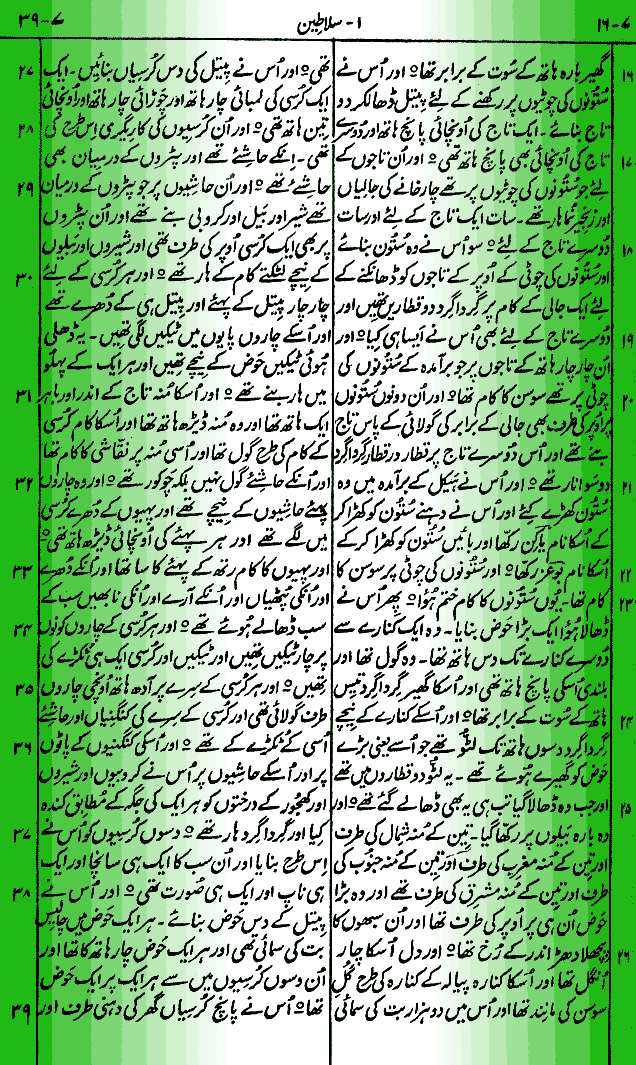
1 Kings 7:16
Verse: And he made two chapiters of molten brass to set upon the tops of the pillars the height of the one chapiter was five cubits and the height of the other chapiter was five cubits
-
English Explanation: Huram (the master craftsman) cast two massive “chapiters” (capitals or topmost decorative crowns) out of molten bronze to place on top of the two main temple pillars. Each capital stood 5 cubits tall (approximately 7.5 feet or 2.3 meters), creating a towering, majestic visual at the building’s entrance.
-
Urdu Explanation (تفصیل): اس آیت میں ہورام کاریگر نے کانسی کو پگھلا کر دو بڑے “تاج” (Capitals) بنائے جو ہیکل کے ستونوں کے اوپر رکھے جانے تھے۔ ہر تاج کی اونچائی پانچ ہاتھ (تقریباً 7.5 فٹ) تھی۔ یہ ستونوں کی خوبصورتی اور ان کی عظمت کو ظاہر کرتے تھے۔
1 Kings 7:17
Verse: And nets of checker work and wreaths of chain work for the chapiters which were upon the top of the pillars seven for the one chapiter and seven for the other chapiter
-
English Explanation: The capitals were intricately decorated with detailed metalwork. This included a lattice or checkerboard network design and interwoven chain-like wreaths. There were seven networks assigned to decorate each of the two capitals.
-
Urdu Explanation (تفصیل): ان تاجوں کو سجانے کے لیے جالی دار کام (Checker work) اور زنجیروں کی طرح گندھے ہوئے ہار بنائے گئے۔ ہر ایک تاج کے لیے ایسی سات سات جالیاں تیار کی گئیں تاکہ ڈیزائن میں گہرائی اور خوبصورتی آئے۔
1 Kings 7:18
Verse: And he made the pillars and two rows round about upon the one network to cover the chapiters that were upon the top with pomegranates and so did he for the other chapiter
-
English Explanation: To add further detail, Huram crafted two rows of bronze pomegranates encircling the network of each capital. These pomegranates hung around the upper section to cover and decorate the heavy bronze crowns.
-
Urdu Explanation (تفصیل): جالیوں کے کام کے ساتھ ساتھ، کاریگر نے کانسی کے انار بنائے۔ ہر تاج پر جالی کے اوپر دو قطاروں میں اناروں کو ترتیب دیا گیا تاکہ وہ تاج کے اوپری حصے کو خوبصورتی سے ڈھانپ لیں۔
1 Kings 7:19
Verse: And the chapiters that were upon the top of the pillars were of lily work in the porch four cubits
-
English Explanation: The topmost part of the capitals, looking out into the temple’s entrance porch, was sculpted into the delicate shape of blooming lilies. This specific lily-work portion spanned 4 cubits (around 6 feet) of the structure.
-
Urdu Explanation (تفصیل): ہیکل کے برآمدے میں موجود ان ستونوں کے تاجوں کا اوپری حصہ سوسن کے پھول (Lily work) کی شکل کا بنایا گیا تھا۔ یہ پھولوں والا حصہ چار ہاتھ (تقریباً 6 فٹ) کا تھا، جو امن اور پاکیزگی کی علامت ہے۔
1 Kings 7:20
Verse: And the chapiters upon the two pillars had pomegranates also above over against the belly which was by the network and the pomegranates were two hundred in rows round about upon the other chapiter
-
English Explanation: The text details the exact arrangement of the decorations near the thick, rounded middle section (“the belly”) of the capitals. In total, there were 200 individual bronze pomegranates arranged in precise rows around each capital.
-
Urdu Explanation (تفصیل): ستونوں کے ابھرے ہوئے گول حصے (بھر پور حصے) کے پاس، جہاں جالی لگی تھی، اناروں کی قطاریں موجود تھیں۔ ہر ایک تاج کے گرد دو سو (200) انار قطاروں میں خوبصورتی سے سجائے گئے تھے۔
1 Kings 7:21
Verse: And he set up the pillars in the porch of the temple and he set up the right pillar and called the name thereof Jachin and he set up the left pillar and he called the name thereof Boaz
-
English Explanation: These two massive pillars were placed at the entrance porch of the Temple. The right (south) pillar was named Jachin (meaning “He shall establish”), and the left (north) pillar was named Boaz (meaning “In Him is strength”). Together, they stood as symbols of God’s permanent strength and stability.
-
Urdu Explanation (تفصیل): یہ ہیکل کے سب سے مشہور ستون ہیں۔ دائیں طرف کے ستون کا نام یاکین (جس کا مطلب ہے ‘وہ قائم کرے گا’) اور بائیں طرف کے ستون کا نام بوعز (جس کا مطلب ہے ‘اس میں قوت ہے’) رکھا گیا۔ یہ دونوں خدا کی پائیداری اور طاقت کو ظاہر کرتے تھے۔
1 Kings 7:22
Verse: And upon the top of the pillars was lily work so was the work of the pillars finished
-
English Explanation: The very crown of the pillars concluded with this beautiful lily design. With these finishing touches completed, the grueling and highly artistic construction of the two famous entrance pillars came to an end.
-
Urdu Explanation (تفصیل): ستونوں کے سب سے اوپر سوسن کے پھولوں کا کام مکمل کیا گیا۔ اس آخری سجاوٹ کے ساتھ ہی ان عظیم ستونوں کی تعمیر اور تیاری کا کام مکمل ہو گیا۔
1 Kings 7:23
Verse: And he made a molten sea ten cubits from the one brim to the other it was round all about and his height was five cubits and a line of thirty cubits did compass it round about
-
English Explanation: Shifting from the pillars, Huram cast the “Molten Sea”—a massive bronze basin used by the priests for cleansing. It was a perfect circle measuring 10 cubits across from rim to rim, 5 cubits deep, and exactly 30 cubits in circumference.
-
Urdu Explanation (تفصیل): یہاں سے ہیکل کے ایک اور بڑے شاہکار “ڈھالے ہوئے حوض” (Molten Sea) کا ذکر شروع ہوتا ہے۔ یہ کانسی کا ایک بہت بڑا گول پیالہ تھا جس کا قطر ایک کنارے سے دوسرے کنارے تک دس ہاتھ، اونچائی پانچ ہاتھ اور گولائی تیس ہاتھ تھی۔ یہ کاہنوں کے ہاتھ پاؤں دھونے کے کام آتا تھا۔
1 Kings 7:24
Verse: And under the brim of it round about there were knops compassing it ten in a cubit compassing the sea round about the knops were cast in two rows when it was cast
-
English Explanation: Just beneath the rim of this massive basin were decorative gourds or ornamental buds (“knops”). There were ten of these carvings per cubit, encircling the entire basin in two parallel rows. Crucially, they were cast as a single piece with the basin itself, not welded on later.
-
Urdu Explanation (تفصیل): اس بڑے حوض کے کنارے کے نیچے چھوٹے چھوٹے گول ابھار یا کلیوں (Knops) جیسے ڈیزائن بنائے گئے تھے۔ ہر ہاتھ کی لمبائی میں دس کلیاں تھیں جو دو قطاروں میں پورے حوض کے گرد موجود تھیں۔ یہ کلیاں الگ سے نہیں لگائی گئیں بلکہ حوض کو ڈھالتے وقت ساتھ ہی بنائی گئی تھیں۔
1 Kings 7:25
Verse: It stood upon twelve oxen three looking toward the north and three looking toward the west and three looking toward the south and three looking toward the east and the sea was set above upon them and all their hinder parts were inward
-
English Explanation: The massive Molten Sea basin rested on top of twelve life-sized bronze oxen. The oxen were grouped in threes, facing outward toward the four cardinal directions (North, West, South, and East), with their rear quarters hidden beneath the center of the pool.
-
Urdu Explanation (تفصیل): یہ بڑا حوض بارہ کانسی کے بیلوں پر ٹکا ہوا تھا۔ تین بیلوں کا رخ شمال کی طرف، تین کا مغرب، تین کا جنوب اور تین کا مشرق کی طرف تھا۔ حوض ان کے اوپر رکھا تھا اور ان سب کے پچھلے حصے اندر کی طرف چھپے ہوئے تھے۔
1 Kings 7:26
Verse: And it was an hand breadth thick and the brim thereof was wrought like the brim of a cup with flowers of lilies it contained two thousand baths
-
English Explanation: The bronze walls of the basin were incredibly thick—about the width of a human hand (approx. 3 inches). The rim flared slightly outward like a fine teacup or a opening lily flower. Its maximum standard operational volume was 2,000 “baths” (roughly 11,000 to 12,000 gallons of water).
-
Urdu Explanation (تفصیل): اس حوض کی دیوار ایک چار انگل (Hand breadth) موٹی تھی۔ اس کا کنارہ کسی پیالے یا سوسن کے کھلے ہوئے پھول کی طرح باہر کو مڑا ہوا تھا۔ اس بڑے حوض میں دو ہزار ‘بت’ (تقریباً 44,000 لیٹر) پانی سمانے کی گنجائش تھی۔
1 Kings 7:27
Verse: And he made ten bases of brass four cubits was the length of one base and four cubits the breadth thereof and three cubits the height of it
-
English Explanation: Huram also built ten mobile bronze water carts or “bases” to carry smaller, individual wash basins around the courtyard. Each square base measured 4 cubits long, 4 cubits wide, and stood 3 cubits high.
-
Urdu Explanation (تفصیل): اس کے بعد کاریگر نے کانسی کی دس متحرک چوکیاں (Bases) بنائیں جن پر پانی کے چھوٹے برتن رکھے جاتے تھے۔ ہر چوکی چوکور تھی جس کی لمبائی اور چوڑائی چار چار ہاتھ اور اونچائی تین ہاتھ تھی۔
1 Kings 7:28
Verse: And the work of the bases was on this manner they had borders and the borders were between the ledges
-
English Explanation: The structural design of these bases featured flat side panels (“borders”) held firmly in place between raised framing borders, stay-bars, or upright corner posts (“ledges”).
-
Urdu Explanation (تفصیل): ان چوکیوں کی بناوٹ اس طرح تھی کہ ان کے چاروں طرف تختیاں یا حاشیے (Borders) لگے ہوئے تھے، اور یہ تختیاں چوکی کے مضبوط کناروں یا جکڑنے والی پٹیوں کے درمیان جڑی ہوئی تھیں۔
1 Kings 7:29
Verse: And on the borders that were between the ledges were lions oxen and cherubims and upon the ledges there was a base above and beneath the lions and oxen were certain additions made of thin work
-
English Explanation: The side panels were highly decorative, featuring engravings of symbolic spiritual and earthly figures: lions, oxen, and cherubim (angels). Hanging underneath these animal reliefs were delicate wreaths or hammered metal festoons (“thin work”).
-
Urdu Explanation (تفصیل): ان تختیوں پر شیروں، بیلوں اور کروبیوں (فرشتوں) کی نقش و نگاری کی گئی تھی۔ پینل کے اوپر اور نیچے ان جانوروں کے نقش و نگار کے ساتھ باریک کانسی کا لٹکتا ہوا کام (Thin work) کیا گیا تھا جو ہاروں کی مانند دکھتا تھا۔
1 Kings 7:30
Verse: And every base had four brasen wheels and plates of brass and the four corners thereof had undersetters under the laver were undersetters molten at the side of every addition
-
English Explanation: To ensure portability, each base was equipped with four bronze wheels and bronze axles. At the top four corners of the frame stood molded brackets or supports (“undersetters”) designed to cradle the actual water basins securely and prevent them from tipping.
-
Urdu Explanation (تفصیل): ہر چوکی کو چلانے کے لیے کانسی کے چار پہیے اور دھرے لگائے گئے تھے۔ اس کے چاروں کونوں پر کانسی کے بنے ہوئے سہارے (Undersetters) تھے جو اوپر رکھے جانے والے برتن کو مضبوطی سے تھامے رکھتے تھے۔
1 Kings 7:31
Verse: And the mouth of it within the chapiter and above was a cubit but the mouth thereof was round after the work of the base a cubit and an half and also upon the mouth of it were gravings with their borders foursquare not round
-
English Explanation: This passage describes the circular collar or opening at the top of the wagon designed to hold the basin. The inner opening was 1 cubit deep, while the outer circular rim structure spanned 1.5 cubits. Interestingly, the outer frames enclosing these circular openings were decorated with square-shaped reliefs.
-
Urdu Explanation (تفصیل): اس چوکی کے اوپر برتن رکھنے کے لیے ایک گول منہ یا ہولڈر بنا ہوا تھا جس کی گہرائی ایک ہاتھ اور چوڑائی ڈیڑھ ہاتھ تھی۔ اس گول منہ کے ارد گرد جو فریم بنا تھا، اس پر چوکور (مربع) شکل کے ڈیزائن کھدے ہوئے تھے، گول نہیں تھے۔
1 Kings 7:32
Verse: And under the borders were four wheels and the axletrees of the wheels were joined to the base and the height of a wheel was a cubit and a half a cubit
-
Explanation: The four heavy wheels sat safely tucked under the overhanging decorative side panels. The axles were integrated directly into the structural frame of the base. Each individual wheel stood 1.5 cubits tall (about 2.25 feet or 70 cm).
-
Urdu Explanation (تفصیل): پہیے چوکی کے حاشیوں کے نیچے لگے ہوئے تھے اور ان کے دھرے (Axles) چوکی کی بنیاد کے ساتھ مضبوطی سے جڑے تھے۔ ہر پہیے کی اونچائی ڈیڑھ ہاتھ (تقریباً 2.25 فٹ) تھی۔
1 Kings 7:33
Verse: And the work of the wheels was like the work of a chariot wheel their axletrees and their naves and their felloes and their spokes were all molten
-
English Explanation: The wheels were built using the advanced engineering found in military war chariots. Every piece—the axles, the central hubs (“naves”), the outer rims (“felloes”), and the connecting spokes—was completely cast from solid molten bronze.
-
Urdu Explanation (تفصیل): ان پہیوں کی بناوٹ جنگی رتھ کے پہیوں جیسی تھی۔ پہیے کا ہر ایک حصہ—جیسے دھرے، مرکز (Hubs)، بیرونی کنارے (Rims) اور تاریں (Spokes)—سب کے سب پگھلی ہوئی کانسی سے ایک ساتھ ڈھالے گئے تھے۔
1 Kings 7:34
Verse: And there were four undersetters to the four corners of one base and the undersetters were of the very base itself
-
English Explanation: The four vital corner brackets designed to hold the weight of the wash basins were not separate components attached later; they were integrated seamlessly during the casting process directly from the body of the cart frame itself.
-
Urdu Explanation (تفصیل): ہر چوکی کے چاروں کونوں پر برتن کو سنبھالنے والے چار سہارے لگے تھے۔ یہ سہارے الگ سے نہیں جوڑے گئے تھے بلکہ چوکی کے ڈھانچے کے ساتھ ہی پگھلا کر بنائے گئے تھے تاکہ وہ زیادہ وزن اٹھا سکیں۔
1 Kings 7:35
Verse: And in the top of the base was there a round compass of half a cubit high and on the top of the base the ledges thereof and the borders thereof were of the same
-
English Explanation: At the top peak of the cart frame was a circular band or rim rising half a cubit high. The structural support ribs and surrounding side panels were cast out of the exact same continuous flow of bronze as the rest of the unit.
-
Urdu Explanation (تفصیل): چوکی کے سب سے اوپر آدھے ہاتھ اونچی ایک گول پٹی (Rim) بنی ہوئی تھی۔ اس چوکی کے اوپری کنارے اور تختیاں سب ایک ہی دھات اور ایک ہی سانچے سے مل کر بنے ہوئے تھے۔
1 Kings 7:36
Verse: For on the plates of the ledges thereof and on the borders thereof he graved cherubims lions and palm trees according to the proportion of every one and additions round about
-
English Explanation: Huram filled every available flat surface on the framing plates and side panels with rich artwork. He engraved cherubim, lions, and palm trees, scaling the size of each image perfectly to fit the dimensions of the panel, complete with decorative wreaths framing the edges.
-
Urdu Explanation (تفصیل): کاریگر نے ان پٹیوں اور تختیوں پر جہاں بھی خالی جگہ ملی، وہاں کروبیوں، شیروں اور کھجور کے درختوں کے نقش بنائے۔ یہ تمام نقش پینل کی جگہ کے حساب سے بالکل مناسب سائز کے بنائے گئے تھے اور ان کے گرد خوبصورت بیل بوٹے کھدے ہوئے تھے۔
1 Kings 7:37
Verse: After this manner he made the ten bases all of them had one casting one measure and one size
-
English Explanation: This verse emphasizes the exact structural consistency of the construction. All ten of these heavy mobile water carts were cast from identical factory-style molds, resulting in the exact same weight, capacity, measurements, and appearance.
-
Urdu Explanation (تفصیل): اس طریقے سے اس نے تمام دس چوکیاں تیار کیں۔ ان سب کو ایک ہی جیسے سانچے میں ڈھالا گیا تھا، جس کی وجہ سے ان سب کا وزن، ناپ، سائز اور بناوٹ بالکل ایک جیسی تھی۔
1 Kings 7:38
Verse: Then made he ten lavers of brass one laver contained forty baths and every laver was four cubits and upon every one of the ten bases one laver
-
English Explanation: Huram completed the mobile washing units by crafting ten bronze washing bowls (“lavers”) to rest on top of the carts. Each individual bowl held up to 40 “baths” (around 230–240 gallons) of water, measured 4 cubits across, and fit perfectly onto its respective bronze base.
-
Urdu Explanation (تفصیل): چوکیاں بنانے کے بعد ہورام نے کانسی کے دس بڑے برتن (Lavers) بنائے۔ ہر برتن کی گنجائش چالیس ‘بت’ (تقریباً 880 لیٹر) پانی کی تھی اور اس کی چوڑائی چار ہاتھ تھی۔ ان تمام دس چوکیوں کے اوپر ایک ایک برتن فٹ کیا گیا۔
1 Kings 7:39
Verse: And he put five bases on the right side of the house and five on the left side of the house and he set the sea on the right side of the house eastward over against the south
-
English Explanation: Finally, the courtyard furniture was strategically placed. Five of the rolling water carts were stationed on the south (“right”) side of the temple building, and five were arranged on the north (“left”) side. The massive Molten Sea reservoir was placed permanently in the southeastern corner of the courtyard.
-
Urdu Explanation (تفصیل): آخر کار ان تمام چیزوں کو ہیکل کے صحن میں ترتیب دیا گیا۔ پانچ چوکیاں ہیکل کی دائیں طرف (جنوب میں) اور پانچ بائیں طرف (شمال میں) رکھی گئیں۔ اور اس عظیم الشان حوض (Molten Sea) کو ہیکل کے دائیں طرف، جنوب مشرقی کونے میں قائم کیا گیا۔