Verse-by-Verse Commentary
1 Kings 7:40
-
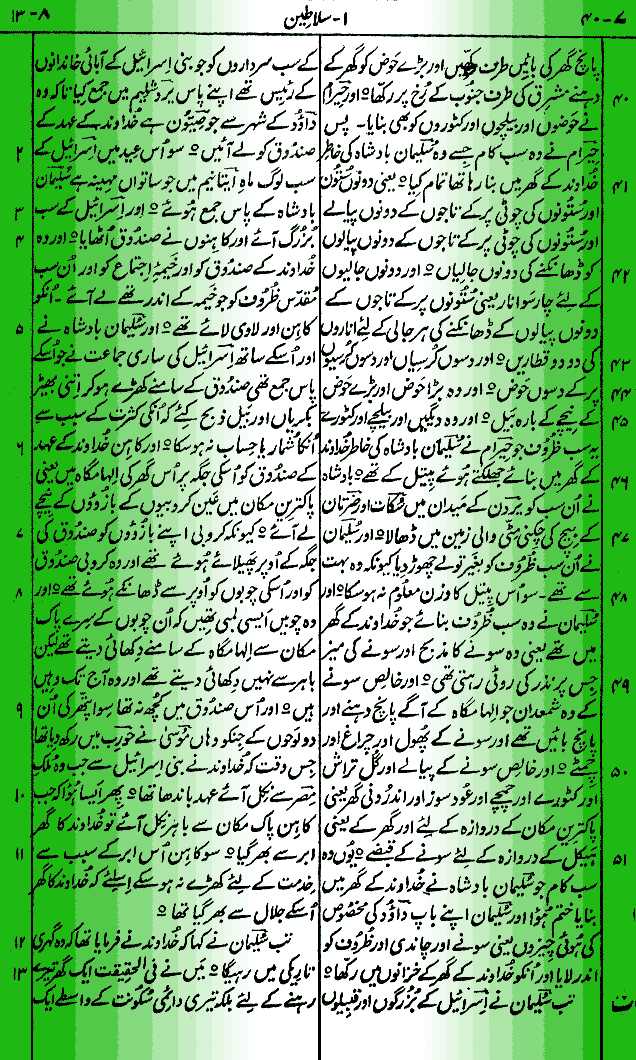
Verse: And Hiram made the lavers and the shovels and the basons. So Hiram made an end of doing all the work that he made king Solomon for the house of the LORD
-
English Explanation: This verse marks the completion of the brass works assigned to Hiram of Tyre, a master craftsman. The lavers (large basins for washing), shovels (for clearing ashes from the altar), and basons (for catching sacrificial blood) represent the essential utilitarian tools of the outer court. Their completion symbolizes that the structural and preparatory tasks for the outer sanctuary were officially finalized.
-
Urdu Explanation: یہ آیت صور کے ماہر کاریگر حیرام کی طرف سے کانسی کے کاموں کی تکمیل کو ظاہر کرتی ہے۔ دھونے کے برتن، راکھ صاف کرنے والے بیلچے، اور قربانی کا خون جمع کرنے والے کٹورے بیرونی صحن کے اہم ترین اوزار تھے۔ ان کی تکمیل کا مطلب یہ تھا کہ ہیکل کے بیرونی حصے کا تعمیری کام اب باقاعدہ مکمل ہو چکا ہے۔
1 Kings 7:41
-
Verse: The two pillars and the two bowls of the chapiters that were on the top of the two pillars and the two networks to cover the two bowls of the chapiters which were upon the top of the pillars
-
English Explanation: The text recaps the architectural masterpieces: the twin bronze pillars named Jachin and Boaz. It details the intricate lattice-work (“networks”) designed to cover the bowl-shaped capitals (the “chapiters”) sitting atop these massive columns, highlighting both the strength and aesthetic beauty dedicated to God’s house.
-
Urdu Explanation: اس آیت میں کانسی کے دو عظیم ستونوں (جاکین اور بوعز) کی تعمیری خوبصورتی کا خلاصہ بیان کیا گیا ہے۔ ان ستونوں کے اوپر موجود پیالہ نما تاجوں (کیپیٹلز) اور ان کو ڈھانپنے والے جالی دار کام کی تفصیل دی گئی ہے، جو خدا کے گھر کے لیے خوبصورتی اور پائیداری کا امتزاج تھا۔
1 Kings 7:42
-
Verse: And four hundred pomegranates for the two networks even two rows of pomegranates for one network to cover the two bowls of the chapiters that were upon the pillars
-
English Explanation: Pomegranates in ancient Israelite culture symbolized abundance, fruitfulness, and prosperity. Four hundred bronze pomegranates were cast to adorn the networks, organized neatly into two rows per network, reinforcing the theme of divine blessing overflowing from the presence of God.
-
Urdu Explanation: قدیم اسرائیلی ثقافت میں انار کثرت، شادابی اور خوشحالی کی علامت تھے۔ چار سو کانسی کے انار تیار کیے گئے تھے جو جالیوں پر دو دو قطاروں میں ترتیب دیے گئے تھے، جو اس بات کو ظاہر کرتے ہیں کہ خدا کی موجودگی سے برکات کثرت سے نازل ہوتی ہیں۔
1 Kings 7:43
-
Verse: And the ten bases and ten lavers on the bases
-
English Explanation: These bases were highly engineered, mobile bronze carts decorated with lions, oxen, and cherubim. Each carried a large basin (“laver”) used by the priests for cleansing ritual offerings, reflecting the supreme importance of purity and order in the sacrificial system.
-
Urdu Explanation: یہ دس پائیدان کانسی کی متحرک گاڑیاں تھیں جن پر ببر شیر، بیل اور کروبی فرشتوں کے نقش بنے ہوئے تھے۔ ہر پائیدان پر ایک بڑا برتن (لاور) رکھا تھا جو کاہن قربانیوں کو دھونے کے لیے استعمال کرتے تھے، جو پاکیزگی کی اہمیت کو ظاہر کرتا ہے۔
1 Kings 7:44
-
Verse: And one sea and twelve oxen under the sea
-
English Explanation: The “Sea of Cast Bronze” was an enormous reservoir containing thousands of gallons of water for the priests’ ritual washings. It rested majestically upon twelve bronze oxen, which faced outward toward the four cardinal directions, representing global strength and service.
-
Urdu Explanation: “ڈھالا ہوا سمندر” کانسی کا ایک بہت بڑا حوض تھا جس میں کاہنوں کے غسل کے لیے ہزاروں گیلن پانی آتا تھا۔ یہ بارہ کانسی کے بیلوں پر ٹکا ہوا تھا جن کے منہ چاروں سمتوں کی طرف باہر کو تھے، جو طاقت اور خدمت کی علامت تھے۔
1 Kings 7:45
-
Verse: And the pots and the shovels and the basons and all these vessels which Hiram made to king Solomon for the house of the LORD were of bright brass
-
English Explanation: The phrase “bright brass” (or polished bronze) emphasizes that these were not ordinary, dull utility items. Hiram scoured and polished the metal until it gleamed like gold, ensuring that even the most basic tools reflected the dazzling light and holy standards of God’s Temple.
-
Urdu Explanation: “چمکیلی کانسی” سے مراد یہ ہے کہ یہ عام یا دھندلے برتن نہیں تھے۔ حیرام نے ان دھاتوں کو اس حد تک رگڑ کر چمکایا تھا کہ وہ سونے کی طرح چمکتی تھیں، تاکہ عام استعمال کی اشیاء بھی خدا کے گھر کے جلال کے مطابق دکھائی دیں۔
1 Kings 7:46
-
Verse: In the plain of Jordan did the king cast them in the clay ground between Succoth and Zarthan
-
English Explanation: This provides a geographical and technical fact. The heavy bronze casting took place in the Jordan Valley, where the clay-rich soil was perfect for making industrial foundry molds. This kept the messy, high-heat industrial work far away from the holy site in Jerusalem.
-
Urdu Explanation: یہ آیت ایک جغرافیائی اور تکنیکی حقیقت بیان کرتی ہے۔ کانسی کی بھاری ڈھلائی وادیِ یردن میں کی گئی، جہاں کی مٹی سانچے بنانے کے لیے بہترین تھی۔ اس طرح تپش اور دھوئیں والے صنعتی کام کو یروشلم کے مقدس مقام سے دور رکھا گیا۔
1 Kings 7:47
-
Verse: And Solomon left all the vessels unweighed because they were exceeding many neither was the weight of the brass found out
-
English Explanation: The volume of bronze used was so vast that weighing it became practically impossible. Solomon’s choice to forgo weighing symbolizes an offering made without calculation or stinginess; it emphasizes the overwhelming abundance poured into the construction.
-
Urdu Explanation: کانسی کی مقدار اتنی زیادہ تھی کہ اس کا وزن کرنا ناممکن ہو گیا۔ سلیمان کا وزن نہ کرنے کا فیصلہ اس بات کی علامت ہے کہ خدا کی حضور میں نذرانے ناپ تول کر یا کنجوسی سے نہیں، بلکہ بے حساب کثرت کے ساتھ دیے گئے تھے۔
1 Kings 7:48
-
Verse: And Solomon made all the vessels that pertained unto the house of the LORD the altar of gold and the table of gold whereupon the shewbread was
-
English Explanation: The narrative shifts from Hiram’s bronze exterior tools to Solomon’s gold interior elements. Gold symbolizes royalty and the immediate presence of God. This included the golden Altar of Incense and the golden Table of Shewbread (representing God’s constant provision and fellowship with His people).
-
Urdu Explanation: اب ذکر حیرام کے کانسی کے بیرونی کاموں سے بدل کر سلیمان کے سونے کے اندرونی سامان کی طرف منتقل ہوتا ہے۔ سونا شاہی جلال اور خدا کی موجودگی کی علامت ہے۔ اس میں بخور کی سنہری قربان گاہ اور نذر کی روٹیوں کی سنہری میز شامل تھی۔
1 Kings 7:49
-
Verse: And the candlesticks of pure gold five on the right side and five on the left before the oracle with the flowers and the lamps and the tongs of gold
-
Explanation: In the Tabernacle of Moses, there was only one lampstand, but Solomon expanded this to ten lampstands of pure gold placed directly in front of the Holy of Holies (“the oracle”). This illuminated the sanctuary perfectly and represented the expanding, perfect light of God’s truth.
-
Urdu Explanation: موسیٰ کے خیمہِ اجتماع میں صرف ایک شمعدان تھا، لیکن سلیمان نے اسے بڑھا کر خالص سونے کے دس شمعدان کر دیے جو پاک ترین مقام کے سامنے رکھے گئے۔ یہ خدا کی سچائی اور نور کی کثرت کو ظاہر کرتے تھے۔
1 Kings 7:50
-
Verse: And the bowls and the snuffers and the basons and the spoons and the censers of pure gold and the hinges of gold both for the doors of the inner house the most holy place and for the doors of the house to wit of the temple
-
English Explanation: The absolute attention to detail is highlighted here. Even minor items like wick-snuffers, incense spoons, and structural door hinges for the Holy of Holies were made of solid, pure gold. No hidden corner or functional utility was deemed too small for the highest standard of excellence.
-
Urdu Explanation: یہاں باریک بین کاریگری اور عقیدت کو ظاہر کیا گیا ہے۔ حتیٰ کہ چھوٹی چیزیں جیسے گلگیر (بتی بجھانے والے)، چمچے، اور پاک ترین مقام کے دروازوں کے قبضے بھی خالص سونے کے تھے۔ خدا کے گھر کے کسی بھی پوشیدہ کونے یا عام چیز کو معمولی نہیں سمجھا گیا۔
1 Kings 7:51
-
Verse: So was ended all the work that king Solomon made for the house of the LORD And Solomon brought in the things which David his father had dedicated even the silver and the gold and the vessels did he put among the treasures of the house of the LORD
-
English Explanation: This concludes Chapter 7. Solomon honors his father David by placing all the wealth David collected during his lifetime into the Temple vaults. It shows generational continuity and faithfulness, proving that the Temple was a fulfillment of shared devotion across family lines.
-
Urdu Explanation: یہ باب ہفتم کا اختتام ہے۔ سلیمان نے اپنے باپ داؤد کی وصیت اور جمع کردہ مال (سونے، چاندی اور برتنوں) کو ہیکل کے خزانوں میں رکھ کر ان کی یاد کو تازہ رکھا۔ یہ نسل در نسل ایمانداری اور خدا سے محبت کا ثبوت تھا۔
Chapter 8
1 Kings 8:1
-
Verse: Then Solomon assembled the elders of Israel and all the heads of the tribes the chief of the fathers of the children of Israel unto king Solomon in Jerusalem that they might bring up the ark of the covenant of the LORD out of the city of David which is Zion
-
English Explanation: Chapter 8 begins the grand spiritual dedication. Solomon calls a national assembly of leaders. The physical building is ready, but it is empty without the Ark of the Covenant, which rested nearby in Zion (the City of David). The Ark represented God’s footstool and covenant presence, making its transfer the emotional climax of the project.
-
Urdu Explanation: باب ہشتم سے عظیم روحانی افتتاح کا آغاز ہوتا ہے۔ سلیمان نے تمام قبائلی رہنماؤں اور بزرگوں کو جمع کیا۔ عمارت تو تیار تھی لیکن عہد کے صندوق کے بغیر ادھوری تھی، جو صیہون (داؤد کے شہر) میں تھا۔ صندوق خدا کے عہد کی علامت تھا، اس لیے اسے لانا سب سے اہم مرحلہ تھا۔
1 Kings 8:2
-
Verse: And all the men of Israel assembled themselves unto king Solomon at the feast in the month Ethanim which is the seventh month
-
English Explanation: The assembly happens during the Feast of Tabernacles (Sukkot) in the month of Ethanim (September/October). This timing was deeply symbolic: the Feast of Tabernacles celebrated God dwelling among His people in temporary tents, but now He was moving into a permanent house.
-
Urdu Explanation: یہ اجتماع عیدِ خیام (خیموں کی عید) کے دوران ایتانیم (ستمبر/اکتوبر) کے مہینے میں ہوا۔ یہ وقت علامتی طور پر بہت اہم تھا کیونکہ یہ عید اس یاد میں منائی جاتی تھی جب خدا خیموں میں ان کے ساتھ رہا، اور اب وہ ایک مستقل گھر میں منتقل ہو رہا تھا۔
1 Kings 8:3
-
Verse: And all the elders of Israel came and the priests took up the ark
-
English Explanation: Obedience to divine law is highlighted here. In past history (such as during King David’s initial attempt), moving the Ark improperly caused tragedy. This time, they strictly follow Mosaic law: the consecrated priests carry the Ark using its structural wooden poles, maintaining total reverence.
-
Urdu Explanation: یہاں الٰہی احکام کی فرمانبرداری نظر آتی ہے۔ ماضی میں صندوق کو غلط طریقے سے منتقل کرنے پر سانحہ ہوا تھا۔ اس بار، انہوں نے موسیٰ کی شریعت کے مطابق مخصوص کیے گئے کاہنوں کے ذریعے صندوق کو اس کے ڈنڈوں کے سہارے اٹھوایا اور مکمل احترام برقرار رکھا۔
1 Kings 8:4
-
Verse: And they brought up the ark of the LORD and the tabernacle of the congregation and all the holy vessels that were in the tabernacle even those did the priests and the Levites bring up
-
English Explanation: Not only was the Ark moved, but the old wilderness Tabernacle structure and its ancient, historic vessels were also brought into the Temple. This integrated Israel’s sacred nomadic past directly into its centralized, stable future, retiring the portable tent with honor.
-
Urdu Explanation: نہ صرف صندوق بلکہ پرانے خیمہِ اجتماع اور اس کے قدیم برتنوں کو بھی ہیکل میں لایا گیا۔ اس طرح اسرائیل کے صحرائی سفر کے ماضی کو ان کے پائیدار اور مستحکم مستقبل کے ساتھ جوڑ دیا گیا، اور پرانے خیمے کو احترام کے ساتھ محفوظ کر دیا گیا۔
1 Kings 8:5
-
Verse: And king Solomon and all the congregation of Israel that were assembled unto him were with him before the ark sacrificing sheep and oxen that could not be told nor numbered for multitude
-
English Explanation: The procession paused to offer a spectacular number of sacrifices. This massive outpour of devotion shows that Israel recognized their unworthiness before a holy God. The sheer volume of sacrifices reflects a national posture of immense gratitude and joy.
-
Urdu Explanation: صندوق کو لے جاتے ہوئے راستے میں بے شمار قربانیاں پیش کی گئیں۔ یہ والہانہ عقیدت ظاہر کرتی ہے کہ قوم خدا کے سامنے خود کو خاکسار سمجھتی تھی۔ قربانیوں کی یہ کثرت شکرگزاری اور خوشی کا ایک قومی اظہار تھی۔
1 Kings 8:6
-
Verse: And the priests brought in the ark of the covenant of the LORD unto his place into the oracle of the house to the most holy place even under the wings of the cherubims
-
English Explanation: The priests carried the Ark into its final resting destination: the Holy of Holies (“the oracle”). They positioned it directly underneath the massive, gold-plated wings of the two newly constructed 15-foot cherubim statues, symbolizing God taking His majestic seat on His throne.
-
Urdu Explanation: کاہن صندوق کو اس کی حتمی منزل یعنی پاک ترین مقام (مقدس الخیال) کے اندر لے گئے۔ انہوں نے اسے نئے بنائے گئے پندرہ فٹ اونچے سونے کے ملمع کار کروبی فرشتوں کے پروں کے نیچے رکھا، جو خدا کے اپنے تخت پر متمکن ہونے کی علامت تھا۔
1 Kings 8:7
-
Verse: For the cherubims spread forth their two wings over the place of the ark and the cherubims covered the ark and the staves thereof above
-
English Explanation: The sweeping wingspan of the giant cherubim stretched across the entire room, covering both the Ark itself and the carrying poles (“staves”). This visual layout emphasized divine protection, heavenly guardianship, and the deep mystery shrouding God’s earthly footstool.
-
Urdu Explanation: بڑے کروبی فرشتوں کے پر پورے کمرے میں پھیلے ہوئے تھے، جو صندوق اور اس کے اٹھانے والے ڈنڈوں کو اوپر سے ڈھانپتے تھے۔ یہ منظر الٰہی تحفظ، آسمانی پاسبانی اور خدا کے جلال کے پردے کو ظاہر کرتا تھا۔
1 Kings 8:8
-
Verse: And they drew out the staves that the ends of the staves were seen out in the holy place before the oracle and they were not seen without and there they are unto this day
-
English Explanation: The carrying poles were pulled slightly forward. Their extended tips could be seen from the Holy Place just outside the curtain, but not from the outer courtyard. This served as a subtle visual indicator to the operating priests that the Ark was safely positioned inside, while still keeping the Ark itself hidden from public view.
-
Urdu Explanation: صندوق کے ڈنڈوں کو تھوڑا آگے کھینچ دیا گیا تھا۔ ان کے سرے پاک مقام سے تو نظر آتے تھے لیکن بیرونی صحن سے دکھائی نہیں دیتے تھے۔ یہ کاہنوں کے لیے ایک اشارہ تھا کہ صندوق اندر بحفاظت موجود ہے، جبکہ خود صندوق عام لوگوں کی نظروں سے پوشیدہ رہا۔
1 Kings 8:9
-
Verse: There was nothing in the ark save the two tables of stone which Moses put there at Horeb when the LORD made a covenant with the children of Israel when they came out of the land of Egypt
-
English Explanation: Originally, the Ark had contained Aaron’s budded rod and a jar of manna, but by Solomon’s era, only the two stone tables of the Law (the Ten Commandments) remained. This emphasizes that the ultimate foundation of Israel’s relationship with God was His unchanging moral Law and covenant word.
-
Urdu Explanation: شروع میں صندوق میں ہارون کا عسا اور من کا برتن بھی تھا، لیکن سلیمان کے دور تک اس میں صرف شریعت کی دو پتھر کی لکھی ہوئی تختیاں (دس احکام) باقی رہ گئی تھیں۔ یہ اس بات پر زور دیتا ہے کہ خدا کے ساتھ تعلق کی اصل بنیاد اس کا غیر متبدل اخلاقی قانون ہے۔
1 Kings 8:10
-
Verse: And it came to pass when the priests were come out of the holy place that the cloud filled the house of the LORD
-
English Explanation: The dramatic climax of the dedication occurs here. As soon as the human mediation ends and the priests exit, God visibly accepts the house. The Shekinah glory cloud—the exact same cloud that guided Israel through the wilderness—descends and completely fills the Temple.
-
Urdu Explanation: یہاں افتتاح کا سب سے بڑا معجزہ رونما ہوتا ہے۔ جیسے ہی کاہن اپنا کام مکمل کر کے باہر نکلے، خدا نے اس گھر کو قبول فرما لیا۔ بادل (سکینہ کا جلال)—وہی بادل جس نے صحرا میں اسرائیل کی رہنمائی کی تھی—نازل ہوا اور پوری ہیکل کو بھر دیا۔
1 Kings 8:11
-
Verse: So that the priests could not stand to minister because of the cloud for the glory of the LORD had filled the house of the LORD
-
English Explanation: The intense, thick presence of God’s physical glory was so overwhelming that the priests were physically unable to continue performing their rituals. Human activity had to pause completely because the King of Glory had taken personal ownership of His dwelling place.
-
Urdu Explanation: خدا کے جلال اور بادل کی شدت اتنی زیادہ تھی کہ کاہن وہاں کھڑے ہو کر اپنی مذہبی رسومات ادا کرنے کے قابل نہ رہے۔ انسانی سرگرمیاں مکمل طور پر تھم گئیں کیونکہ جلال کا بادشاہ خود اپنے گھر کا چارج لے چکا تھا۔
1 Kings 8:12
-
Verse: Then spake Solomon The LORD said that he would dwell in thick darkness
-
English Explanation: Seeing the overwhelming cloud, Solomon quotes God’s historical words from Mount Sinai. The “thick darkness” does not mean evil; rather, it represents God’s unapproachable holiness and mystery. God wraps Himself in a dense cloud because human eyes cannot look directly upon His unfiltered brilliance and survive.
-
Urdu Explanation: اس عظیم بادل کو دیکھ کر سلیمان نے کوہِ سینا پر کہے گئے خدا کے الفاظ کو یاد کیا۔ “گہرے اندھیرے” سے مراد برائی نہیں، بلکہ خدا کا وہ جلال اور پاکیزگی ہے جہاں انسان کی رسائی ممکن نہیں۔ خدا خود کو بادل کے پردے میں رکھتا ہے کیونکہ انسانی آنکھ اس کے اصل نور کو برداشت نہیں کر سکتی۔
1 Kings 8:13
-
Verse: I have surely built thee an house to dwell in a settled place for thee to abide in for ever
-
English Explanation: Solomon concludes this opening section with an statement of triumph and faith. The nomadic tent days are over. Israel now has a “settled place”—a permanent structural epicenter for God’s presence, worship, and national identity designed to endure through generations.
-
Urdu Explanation: سلیمان نے ایمان اور فتح کے اس اعلان کے ساتھ بات مکمل کی کہ اب سفر کے دن ختم ہو گئے۔ اسرائیل کے پاس اب ایک “مستقل مقام” تھا—ایک ایسا مرکز جو نسلوں تک خدا کی عبادت، اس کی موجودگی اور قوم کی پہچان کے لیے قائم رہے گا۔