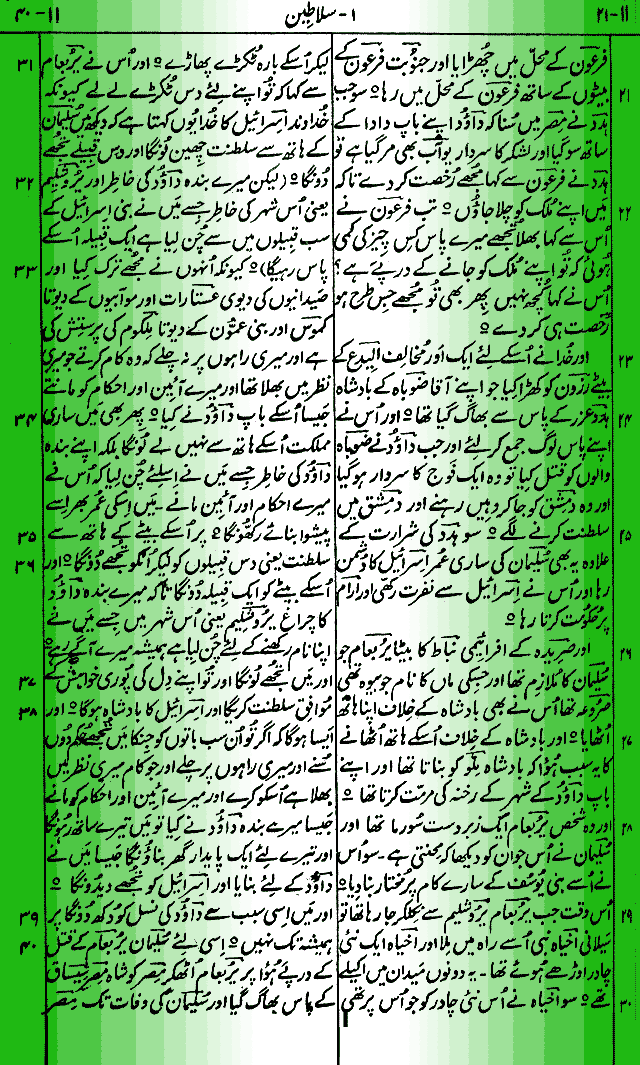
Verse-by-Verse Verse, English Explanation, and Urdu Explanation
1 Kings 11:21
Verse: And when Hadad heard in Egypt that David slept with his fathers and that Joab the captain of the host was dead Hadad said to Pharaoh Let me depart that I may go to mine own country
English Explanation
Hadad was an Edomite prince who had fled to Egypt when David and his general, Joab, decimated Edom. He lived under royal Egyptian protection. However, the moment he received news that the formidable King David and the terrifying military commander Joab were dead, he saw an opportunity for vengeance and restoration. He asked Pharaoh for permission to return to his homeland to stir up trouble for Israel, marking the beginning of the political consequences of Solomon’s later spiritual drift.
Urdu Explanation
ہدد ادوم کا ایک شہزادہ تھا جو داؤد اور یوآب کے خوف سے مصر بھاگ گیا تھا۔ جب اسے معلوم ہوا کہ اسرائیل کے طاقتور بادشاہ داؤد اور سپہ سالار یوآب وفات پا چکے ہیں، تو اس نے محسوس کیا کہ اب اپنے وطن واپس جانے اور اسرائیل کے خلاف اپنی طاقت جمع کرنے کا وقت آ گیا ہے۔ اس نے فرعون سے اپنے ملک واپس جانے کی اجازت مانگی، جو سلیمان کے زوال کے آغاز کی علامت ہے۔
1 Kings 11:22
Verse: Then Pharaoh said unto him But what hast thou lacked with me that behold thou seekest to go to thine own country And he answered Nothing howbeit let me go in any wise
English Explanation
Pharaoh was puzzled by Hadad’s request because Hadad enjoyed immense privilege, wealth, and high social standing in Egypt (even marrying into the royal family). Pharaoh asked what he lacked in Egypt. Hadad admitted he lacked nothing but insisted on leaving anyway. This reveals that Hadad’s desire was fueled by a deep-seated nationalistic pride and a god-permitted urge to return and become a thorn in Solomon’s side.
Urdu Explanation
فرعون ہدد کے اس فیصلے پر حیران تھا کیونکہ ہدد کو مصر میں ہر طرح کی آسائش اور شاہی عزت حاصل تھی۔ فرعون نے پوچھا کہ تمہیں یہاں کس چیز کی کمی ہے۔ ہدد نے جواب دیا کہ کمی تو کسی چیز کی نہیں، لیکن پھر بھی مجھے جانے دیا جائے۔ یہ اس بات کو ظاہر کرتا ہے کہ ہدد کے دل میں اپنے ملک کی محبت اور اسرائیل سے بدلہ لینے کی آگ اتنی شدید تھی کہ وہ مصر کے آرام کو چھوڑنے پر تیار تھا۔
1 Kings 11:23
Verse: And God stirred him up another adversary Rezon the son of Eliadah which fled from his lord Hadadezer king of Zobah
English Explanation
The text explicitly states that God stirred up these political enemies. Rezon was a rebel who had fled from King Hadadezer of Zobah during David’s conquests. While Solomon’s wisdom and trade maintained peace early on, God began withdrawing that peace as a consequence of Solomon’s idolatry. Rezon was raised by divine sovereignty to challenge Solomon’s northern borders.
Urdu Explanation
یہاں کلام واضح کرتا ہے کہ یہ خدا ہی تھا جس نے سلیمان کے خلاف دشمنوں کو کھڑا کیا۔ رضون ایک بھاگا ہوا خادم تھا جس نے صوُبا کے بادشاہ حدد عزر سے بغاوت کی تھی۔ جب سلیمان خدا کی راہ سے بھٹک گیا، تو خدا نے اس کے امن کو ختم کرنے کے لیے رضون جیسے دشمنوں کو ابھارا تاکہ سلیمان کو اپنی نافرمانی کا احساس ہو۔
1 Kings 11:24
Verse: And he gathered men unto him and became captain over a band when David slew them of Zobah and they went to Damascus and dwelt therein and reigned in Damascus
English Explanation
Rezon took advantage of the chaotic political landscape left behind after David defeated Zobah. He gathered a band of opportunistic men, turned them into a lethal guerrilla force, and successfully captured Damascus. By establishing a stronghold and reigning in Damascus, Rezon founded a powerful Syrian state that would oppose Israel for generations.
Urdu Explanation
رضون نے داؤد کی فتوحات کے بعد پیدا ہونے والے سیاسی خلا کا فائدہ اٹھایا۔ اس نے جنگجو مردوں کو اکٹھا کر کے ایک باغی گروہ بنایا اور دمشق پر قبضہ کر لیا۔ دمشق میں اپنی حکومت قائم کر کے وہ ایک بڑی طاقت بن گیا، جو آنے والے وقت میں اسرائیل کے لیے مسلسل پریشانی کا باعث بنی۔
1 Kings 11:25
Verse: And he was an adversary to Israel all the days of Solomon beside the mischief that Hadad did and he abhorred Israel and reigned over Syria
English Explanation
Rezon’s hostility was not a temporary border dispute; he loathed Israel and remained an active threat throughout Solomon’s remaining years. Compounded with Hadad’s raids in the south, Solomon’s empire faced multi-front military friction. This shatters the illusion of the uninterrupted “shalom” (peace) that characterized Solomon’s early reign, showing how quickly divine protection lifts when a leader turns to false gods.
Urdu Explanation
رضون کی دشمنی عارضی نہیں تھی، وہ سلیمان کی زندگی کے آخری ایام تک اسرائیل سے نفرت کرتا رہا اور ملک شام (سیریا) پر حکومت کرتا رہا۔ ایک طرف جنوب سے ہدد اور دوسری طرف شمال سے رضون نے سلیمان کی سلطنت کو گھیر لیا۔ یہ اس بات کا ثبوت ہے کہ جب انسان خدا کو چھوڑتا ہے، تو اس کا امن بھی رخصت ہو جاتا ہے۔
1 Kings 11:26
Verse: And Jeroboam the son of Nebat an Ephrathite of Zereda Solomon’s servant whose mother’s name was Zeruah a widow woman even he lifted up his hand against the king
English Explanation
The narrative transitions from external national threats to the most dangerous internal threat: Jeroboam, an officer from the tribe of Ephraim. He was an insider, described as Solomon’s servant, and raised by a widow named Zeruah. His rebellion (“lifted up his hand”) was highly significant because it directly threatened the unity of the Davidic dynasty from within the core workforce of Israel.
Urdu Explanation
باہر کے دشمنوں کے بعد اب کلام سب سے بڑے اندرونی خطرے کا ذکر کرتا ہے، جو کہ یربعام تھا۔ وہ افرا ئیم کے قبیلے سے تعلق رکھتا تھا اور سلیمان کا ایک اہم خادم تھا۔ اس کی ماں ضروُعا ایک بیوہ عورت تھی۔ یربعام کا بادشاہ کے خلاف سر اٹھانا (بغاوت کرنا) سلیمان کی سلطنت کے شیرازے کو اندر سے بکھیرنے کا سبب بنا۔
1 Kings 11:27
Verse: And this was the cause that he lifted up his hand against the king Solomon built Millo and repaired the breaches of the city of David his father
English Explanation
This verse provides the socio-economic context for Jeroboam’s rebellion. Solomon was heavily engaged in massive luxury and defensive building projects, including the “Millo” (a structural terrace or fortification in Jerusalem) and fixing the city walls. These grand projects required immense forced labor and heavy taxation, causing deep resentment among the northern tribes of Israel, which Jeroboam observed and capitalized on.
Urdu Explanation
اس آیت میں بغاوت کی اصل وجہ بتائی گئی ہے۔ سلیمان بڑے بڑے تعمیراتی کام کروا رہا تھا، جیسے کہ ملوّ کی تعمیر اور داؤد کے شہر کی فصیل کی مرمت۔ ان کاموں کے لیے عوام پر بھاری ٹیکس اور سخت مزدوری مسلط کی گئی تھی، جس کی وجہ سے شمالی قبیلوں میں شدید بے چینی پھیل رہی تھی اور یربعام نے اسی عوامی غصے کو محسوس کیا۔
1 Kings 11:28
Verse: And the man Jeroboam was a mighty man of valour and Solomon seeing the young man that he was industrious he made him ruler over all the charge of the house of Joseph
English Explanation
Jeroboam was capable, strong, and highly industrious. Solomon recognized his administrative potential and talent, promoting him to oversee the forced labor and tribute collectors of the “house of Joseph” (the influential northern tribes of Ephraim and Manasseh). Irony plays out here: Solomon gave Jeroboam the exact position of influence over the very people who would later back Jeroboam’s revolt.
Urdu Explanation
یربعام ایک بہادر، محنتی اور باصلاحیت نوجوان تھا۔ سلیمان نے اس کی کارکردگی کو دیکھ کر اسے “یوسف کے گھرانے” (یعنی افرا ئیم اور منسی کے قبیلوں) کے مزدوروں اور انتظام کا نگران بنا دیا۔ یہ ایک عجیب مصلحت تھی کہ سلیمان نے خود اپنے ہاتھوں سے اس شخص کو طاقت دی جو بعد میں اس کی سلطنت کو تقسیم کرنے والا تھا۔
1 Kings 11:29
Verse: And it came to pass at that time when Jeroboam went out of Jerusalem that the prophet Ahijah the Shilonite found him in the way and he had clad himself with a new garment and they two were alone in the field
English Explanation
While traveling outside Jerusalem, Jeroboam was intercepted by the prophet Ahijah from Shiloh. Ahijah was wearing a brand-new outer cloak. The meeting was secluded (“alone in the field”), emphasizing the top-secret, highly sensitive, and divinely ordained nature of the explosive political prophecy about to be delivered.
Urdu Explanation
ایک دن جب یربعام یروشلم سے باہر جا رہا تھا، تو راہ میں اخیاہ نبی (جو شلوہ کا رہنے والا تھا) اس سے ملا۔ اخیاہ نے ایک نیا لباس پہنا ہوا تھا اور وہ دونوں میدان میں بالکل اکیلے تھے۔ یہ تنہائی اس بات کی گواہی تھی کہ خدا ایک بہت ہی خفیہ اور اہم پیغام یربعام کو دینے والا تھا۔
1 Kings 11:30
Verse: And Ahijah caught the new garment that was on him and rent it in twelve pieces
English Explanation
Ahijah performed a dramatic, prophetic object lesson. He grabbed his own brand-new garment and ripped it aggressively into twelve pieces. In biblical prophecy, physical actions often mirrored spiritual and political realities. The twelve pieces represented the twelve tribes of Israel, and the violent tearing symbolized the imminent breaking apart of a unified kingdom.
Urdu Explanation
اخیاہ نبی نے ایک تمثیلی طریقہ اختیار کیا۔ اس نے اپنے نئے لباس کو پکڑا اور اسے پھاڑ کر بارہ ٹکڑے کر دیا۔ بائبل کے انبیاء اکثر اپنی باتوں کو سمجھانے کے لیے ایسے عمل کرتے تھے۔ یہ بارہ ٹکڑے اسرائیل کے بارہ قبیلوں کی نمائندگی کرتے تھے، جن کا پھٹنا سلطنت کی تقسیم کو ظاہر کرتا تھا۔
1 Kings 11:31
Verse: And he said to Jeroboam Take thee ten pieces for thus saith the LORD the God of Israel Behold I will rend the kingdom out of the hand of Solomon and will give ten tribes to thee
English Explanation
Ahijah handed ten of the torn pieces directly to Jeroboam. He delivered the divine decree: Yahweh was stripping the vast majority of the kingdom away from the line of Solomon because of his failures, and handing sovereign rule over ten of those northern tribes directly to Jeroboam.
Urdu Explanation
اخیاہ نے دس ٹکڑے یربعام کو دیے اور کہا کہ “ان دس ٹکڑوں کو لے لے”۔ اس نے خدا کا یہ فرمان سنایا کہ خداوند اسرائیل کا خدا سلیمان کے ہاتھ سے بادشاہی کو چھیننے والا ہے اور دس قبیلے یربعام کو دینے والا ہے۔ یہ سلیمان کی نافرمانی کا براہِ راست نتیجہ تھا۔
1 Kings 11:32
Verse: But he shall have one tribe for my servant David’s sake and for Jerusalem’s sake the city which I have chosen out of all the tribes of Israel
Explanation
Though ten tribes went to Jeroboam, God reserved a portion (referred to collectively here as “one tribe”—Benjamin and Judah combined under the dominant house of Judah) for Solomon’s heirs. This was not because Solomon deserved it, but out of divine faithfulness to the unconditional covenant made with David, and to preserve the holy city of Jerusalem where God chose to put His name.
Urdu Explanation
خدا نے فرمایا کہ سلیمان کی نسل کے پاس صرف ایک قبیلہ (یہوداہ اور بنیمین کا مشترکہ علاقہ) رہ جائے گا۔ یہ سلیمان کی کسی خوبی کی وجہ سے نہیں، بلکہ خدا کے وفادار خادم داؤد کے ساتھ کیے گئے وعدے اور اپنے چنے ہوئے شہر یروشلم کی خاطر تھا تاکہ داؤد کا چراغ مدہم نہ ہو۔
1 Kings 11:33
Verse: Because that they have forsaken me and have worshipped Ashtoreth the goddess of the Zidonians Chemosh the god of the Moabites and Milcom the god of the children of Ammon and have not walked in my ways to do that which is right in mine eyes and to keep my statutes and my judgments as did David his father
English Explanation
This verse provides the explicit theological justification for splitting the kingdom. Solomon led the nation into severe spiritual adultery. He built altars and sacrificed to pagan idols brought in by his foreign wives: Ashtoreth (goddess of sex/war), Chemosh (demanding human sacrifice), and Milcom (Molech). Solomon fundamentally failed to walk uprightly like his father David, who, despite his personal sins, never turned to other gods.
Urdu Explanation
اس آیت میں سلطنت کے ٹوٹنے کی سب سے بڑی وجہ بتائی گئی ہے: شرک اور بت پرستی۔ سلیمان نے اپنی غیر ملکی بیویوں کے زیرِ اثر آ کر خدا کو چھوڑ دیا اور جھوٹے معبودوں (عشتروت، کموش اور ملکوم) کی پوجا شروع کر دی۔ اس نے خدا کے احکام پر عمل نہیں کیا اور داؤد کی طرح وفادار نہ رہا، جس کی سزا اب پوری قوم کو بھگتنی تھی۔
1 Kings 11:34
Verse: Howbeit I will not take the whole kingdom out of his hand but I will make him prince all the days of his life for David my servant’s sake whom I chose because he kept my commandments and my statutes
English Explanation
God tempers justice with mercy and covenant loyalty. He explains that out of respect for David, He will not strip the kingdom during Solomon’s actual lifetime. Solomon will remain the ruling prince until his death. God honors His timeline and promises, proving that historical delays in judgment are extensions of grace rooted in past covenants.
Urdu Explanation
خدا نے اپنی رحمت کا اظہار کرتے ہوئے فرمایا کہ وہ سلیمان کی زندگی میں اس سے بادشاہی نہیں چھینے گا، بلکہ وہ جب تک زندہ ہے حکمران رہے گا۔ یہ صرف اور صرف داؤد کی خاطر تھا جس نے خدا کے احکام کی پیروی کی تھی۔ اس سے پتا چلتا ہے کہ خدا اپنے وعدوں کا پکا ہے اور سزا دینے میں بھی مہلت دیتا ہے۔
1 Kings 11:35
Verse: But I will take the kingdom out of his son’s hand and will give it unto thee even ten tribes
English Explanation
The fracturing of Israel was scheduled to hit Solomon’s successor—his son Rehoboam. The structural execution of judgment would fall upon the next generation, where ten tribes would actively break away and crown Jeroboam as their king, fulfilling the literal dynamic of the torn garment.
Urdu Explanation
خدا نے صاف کہہ دیا کہ سلیمان کے بیٹے (رحبعام) کے دور میں یہ بادشاہی اس سے چھین لی جائے گی اور دس قبیلے یربعام کے حوالے کر دیے جائیں گے۔ یہ پیشگوئی ظاہر کرتی ہے کہ گناہ کے اثرات اکثر اگلی نسلوں تک پہنچتے ہیں۔
1 Kings 11:36
Verse: And unto his son will I give one tribe that David my servant may have a light alway before me in Jerusalem the city which I have chosen me to put my name there
English Explanation
The survival of a small remnant under David’s house is described beautifully as keeping a “light always before me.” This signifies the preservation of the messianic line. Jerusalem and the Temple needed to stay under Davidic stewardship because it was the chosen spiritual focal point of God’s earthly presence, keeping hope alive until the ultimate King (the Messiah) would arrive.
Urdu Explanation
سلیمان کے بیٹے کو ایک قبیلہ دینے کا مقصد یہ تھا کہ داؤد کا “چراغ” یروشلم میں ہمیشہ جلتا رہے۔ یہ چراغ اس عہد کی علامت تھا جو خدا نے داؤد سے کیا تھا، تاکہ مسیحا کی آمد کی راہ ہموار رہے اور خدا کا پاک شہر محفوظ رہے۔
1 Kings 11:37
Verse: And I will take thee and thou shalt reign according to all that thy soul desireth and shalt be king over Israel
English Explanation
God addresses Jeroboam with a staggering offer of political power. Jeroboam will rule over the northern territory of Israel and possess all the authority his soul desires. God sovereignly gives secular and religious rule to whoever He chooses to accomplish His historic purposes.
Urdu Explanation
خدا نے یربعام سے وعدہ کیا کہ وہ اسے اسرائیل کا بادشاہ بنائے گا اور وہ اپنی دلی خواہش کے مطابق حکومت کر سکے گا۔ خدا جس کو چاہتا ہے اقتدار بخشتا ہے تاکہ وہ اپنے ارادوں کو پورا کر سکے۔
1 Kings 11:38
Verse: And it shall be if thou wilt hearken unto all that I command thee and wilt walk in my ways and do that is right in my sight to keep my statutes and my commandments as David my servant did that I will be with thee and build thee a sure house as I built for David and will give Israel unto thee
English Explanation
This is a conditional covenant offered to Jeroboam. God offers him the exact same foundational stability He gave to David: if Jeroboam remains strictly obedient, avoids idolatry, and follows God’s laws, God promises to build him an enduring dynasty (“a sure house”). Tragically, as the rest of scripture shows, Jeroboam failed this test completely by setting up golden calves.
Urdu Explanation
خدا نے یربعام کے سامنے ایک شرط رکھی کہ اگر وہ داؤد کی طرح خدا کے حکموں پر چلے گا، سیدھی راہ اختیار کرے گا اور بت پرستی سے دور رہے گا، تو خدا اس کے خاندان کی بادشاہی کو بھی داؤد کی طرح ہمیشہ کے لیے قائم کر دے گا۔ لیکن افسوس کہ یربعام بعد میں خود بت پرستی میں گر گیا اور اس سنہری موقع کو کھو دیا۔
1 Kings 11:39
Verse: And I will for this afflict the seed of David but not for ever
English Explanation
God clarifies that while the house of David is being punished and humbled via this historic political split, the affliction is temporary (“not for ever”). This is a direct nod to the unconditional Davidic Covenant (2 Samuel 7). The line would bend, diminish, and face agony, but it would never be utterly destroyed, eventually culminating in the eternal reign of Jesus Christ.
Urdu Explanation
خدا نے واضح کیا کہ داؤد کی نسل پر یہ مصیبت عارضی ہے، وہ ہمیشہ ان کو ذلیل نہیں رکھے گا۔ یہ اس بات کی طرف اشارہ تھا کہ اگرچہ داؤد کا شاہی خاندان کمزور ہو جائے گا، لیکن ایک وقت آئے گا جب اسی نسل سے ابدی بادشاہ (یسوع مسیح) پیدا ہوگا جو ہمیشہ حکومت کرے گا۔
1 Kings 11:40
Verse: Solomon sought therefore to kill Jeroboam And Jeroboam arose and fled into Egypt unto Shishak king of Egypt and was in Egypt until the death of Solomon
English Explanation
Upon hearing rumors or discovering the prophetic endorsement of Jeroboam, Solomon reacted not with repentance, but with tyrannical defense. He attempted to execute Jeroboam to protect his dynasty—mirroring Saul’s hunt for David. Jeroboam escaped to Egypt under the protection of a new Pharaoh, Shishak, waiting safely in exile until Solomon passed away.
Urdu Explanation
جب سلیمان کو معلوم ہوا کہ یربعام کو بادشاہ بنانے کی پیشگوئی ہوئی ہے، تو اس نے توبہ کرنے کے بجائے یربعام کو قتل کرنے کی کوشش کی۔ یہ بالکل ویسا ہی تھا جیسے ساؤل نے داؤد کو مارنے کی کوشش کی تھی۔ یربعام اپنی جان بچا کر مصر کے نئے بادشاہ شیشق کے پاس بھاگ گیا اور سلیمان کی موت تک وہیں پناہ گزین رہا۔