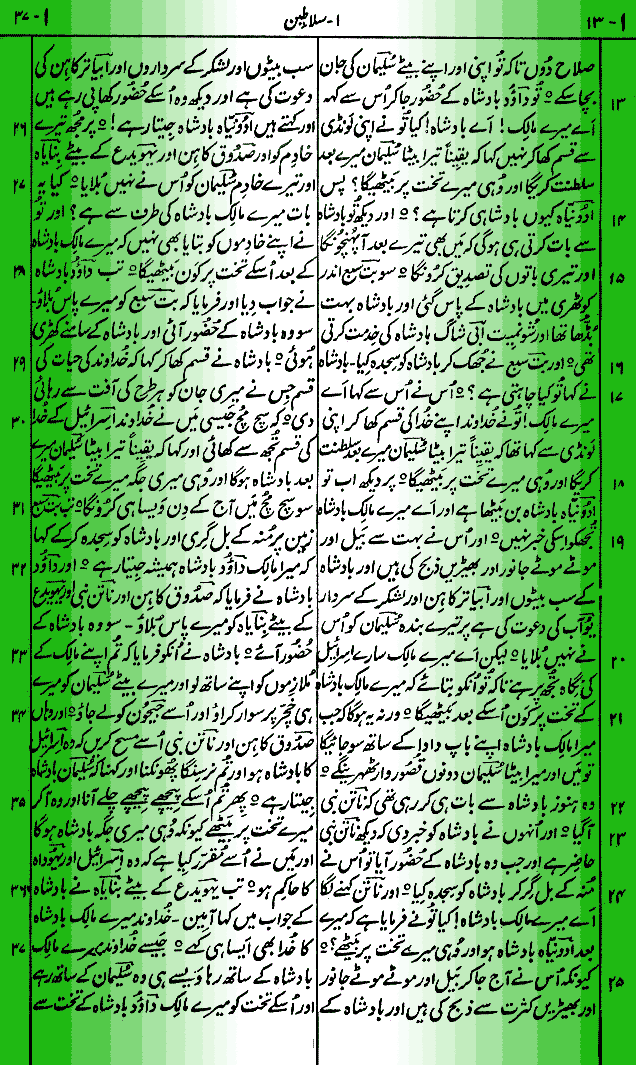
Verse by Verse Explanation
1 Kings 1:13
Verse: Go and get thee in unto king David and say unto him Didst not thou my lord O king swear unto thine handmaid saying Assuredly Solomon thy son shall reign after me and he shall sit upon my throne? why then doth Adonijah reign?
-
English: Nathan instructs Bathsheba to remind David of his previous oath. It is a strategic move to prompt the aging king into action against Adonijah’s self-exaltation.
-
Urdu: ناتھن نے بت سبع کو ہدایت کی کہ وہ بادشاہ داؤد کو اس کے پرانے وعدے کی یاد دلائے۔ یہ ایک حکمت عملی تھی تاکہ بوڑھے بادشاہ کو ادونیاہ کی خود ساختہ بادشاہت کے خلاف حرکت میں لایا جا سکے۔
1 Kings 1:14
Verse: Behold while thou yet talkest there with the king I also will come in after thee and confirm thy words
-
English: Nathan plans to enter the room while Bathsheba is speaking to provide “double testimony,” which was legally and persuasively powerful in Israelite tradition.
-
Urdu: ناتھن کا منصوبہ تھا کہ جب بت سبع بادشاہ سے بات کر رہی ہو تو وہ بھی وہاں پہنچ جائے تاکہ گواہی کی تصدیق ہو سکے، جو اسرائیلی روایت میں قانونی طور پر بہت اہم تھی۔
1 Kings 1:15
Verse: And Bath-sheba went in unto the king into the chamber and the king was very old and Abishag the Shunammite ministered unto the king
-
English: The setting emphasizes David’s frailty. He is confined to his inner chambers, cared for by Abishag, highlighting why he was unaware of the political coup happening outside.
-
Urdu: یہ منظر داؤد کی کمزوری کو ظاہر کرتا ہے۔ وہ اپنے اندرونی کمرے تک محدود تھے جہاں ابیشگ ان کی خدمت کر رہی تھی، یہی وجہ تھی کہ وہ باہر ہونے والی سیاسی بغاوت سے بے خبر تھے۔
1 Kings 1:16
Verse: And Bath-sheba bowed and did obeisance unto the king And the king said What wouldest thou?
-
English: Bathsheba shows deep respect and protocol, acknowledging David’s authority despite his physical weakness.
-
Urdu: بت سبع نے بادشاہ کے سامنے جھک کر انتہائی احترام کا اظہار کیا، جو اس بات کی علامت تھی کہ وہ اب بھی داؤد کے اختیار کو تسلیم کرتی ہے۔
1 Kings 1:17
Verse: And she said unto him My lord thou swarest by the LORD thy God unto thine handmaid saying Assuredly Solomon thy son shall reign after me and he shall sit upon my throne
-
English: She appeals to David’s spiritual integrity by mentioning he swore “by the Lord,” making the promise a sacred obligation.
-
Urdu: اس نے داؤد کی روحانی دیانتداری کو پکارا اور یاد دلایا کہ انہوں نے “خداوند کی قسم” کھا کر یہ وعدہ کیا تھا، جس سے یہ ایک مقدس فریضہ بن گیا۔
1 Kings 1:18
Verse: And now behold Adonijah reigneth and now my lord the king thou knowest it not
-
English: She gently informs him of the reality—Adonijah has taken control without the king’s permission.
-
Urdu: اس نے نرمی سے بادشاہ کو حقیقت سے آگاہ کیا کہ ادونیاہ نے بادشاہ کی اجازت کے بغیر اقتدار پر قبضہ کر لیا ہے۔
1 Kings 1:19
Verse: And he hath slain oxen and fat cattle and sheep in abundance and hath called all the sons of the king and Abiathar the priest and Joab the captain of the host but Solomon thy servant hath he not called
-
English: Adonijah held a feast to seal political alliances, notably excluding Solomon, which signaled a threat to Solomon’s life.
-
Urdu: ادونیاہ نے سیاسی اتحاد مضبوط کرنے کے لیے ایک بڑی دعوت کی جس میں سلیمان کو شامل نہیں کیا گیا، جو کہ سلیمان کی زندگی کے لیے ایک خطرہ تھا۔
1 Kings 1:20
Verse: And thou my lord O king the eyes of all Israel are upon thee that thou shouldest tell them who shall sit on the throne of my lord the king after him
-
English: She emphasizes David’s duty; the nation is waiting for his official word to avoid civil war.
-
Urdu: وہ داؤد کے فرض پر زور دیتی ہے کہ پوری قوم ان کے سرکاری فیصلے کا انتظار کر رہی ہے تاکہ خانہ جنگی سے بچا جا سکے۔
1 Kings 1:21
Verse: Otherwise it shall come to pass when my lord the king shall sleep with his fathers that I and my son Solomon shall be counted offenders
-
English: Bathsheba points out the personal stakes: if Solomon isn’t king, they will be treated as traitors and likely executed.
-
Urdu: بت سبع نے ذاتی خطرے کی نشاندہی کی کہ اگر سلیمان بادشاہ نہ بنا تو انہیں باغی قرار دے کر قتل کر دیا جائے گا۔
1 Kings 1:22–27
Verse (Summary): Nathan enters, confirms Adonijah’s feast, and asks David if he authorized this without telling his closest advisors like Zadok and Nathan.
-
English: Nathan uses his role as a prophet to challenge David’s silence, asking if this was a secret decree.
-
Urdu: ناتھن نے ایک نبی کی حیثیت سے داؤد کی خاموشی کو چیلنج کیا اور پوچھا کہ کیا یہ کوئی خفیہ فیصلہ تھا جس سے ہمیں آگاہ نہیں کیا گیا۔
1 Kings 1:28–30
Verse: Then king David answered and said Call me Bath-sheba… As the LORD liveth… Assuredly Solomon thy son shall reign after me
-
English: David is stirred to action. He renews his oath, swearing by God who redeemed him, and promises to install Solomon that very day.
-
Urdu: داؤد فوراً حرکت میں آ گئے۔ انہوں نے خدا کی قسم کھا کر اپنے وعدے کی تجدید کی اور فیصلہ کیا کہ اسی دن سلیمان کو بادشاہ بنایا جائے۔
1 Kings 1:31
Verse: Then Bath-sheba bowed with her face to the earth and did reverence to the king and said Let my lord king David live for ever
-
English: A gesture of total loyalty and relief.
-
Urdu: یہ مکمل وفاداری اور سکون کا اظہار تھا۔
1 Kings 1:32–35
Verse: And king David said Call me Zadok… cause Solomon my son to ride upon mine own mule… and anoint him there king over Israel
-
English: David gives specific royal orders: use the royal mule (a sign of kingship), anoint him at Gihon, and sound the trumpet.
-
Urdu: داؤد نے مخصوص شاہی احکامات دیے: شاہی خچر کا استعمال (جو بادشاہت کی علامت تھا)، جیحون پر مسح کرنا، اور نرسنگا بجانا۔
1 Kings 1:36–37
Verse: And Benaiah the son of Jehoiada answered the king and said Amen… make his throne greater than the throne of my lord king David
-
English: Benaiah, the military leader, gives his “Amen,” showing the army’s support and wishing for Solomon’s reign to surpass even David’s.
-
Urdu: فوج کے سربراہ بنایاہ نے “آمین” کہہ کر فوجی حمایت کا یقین دلایا اور دعا کی کہ سلیمان کی بادشاہت داؤد سے بھی زیادہ عظیم ہو۔