Verse-by-Verse Commentary
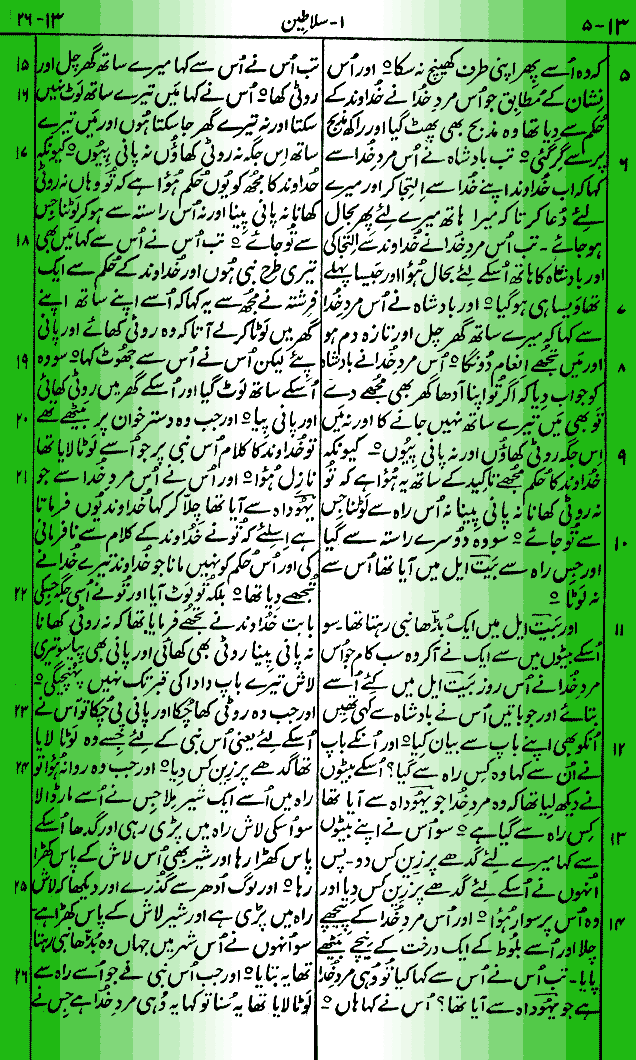
1 Kings 13:5
Verse: The altar also was rent and the ashes poured out from the altar according to the sign which the man of God had given by the word of the LORD
English Explanation: This verse highlights the immediate fulfillment of the divine sign given by the unnamed prophet from Judah. King Jeroboam had established an unauthorized altar at Bethel. To prove that God rejected this false worship, the altar literally splits apart and its ashes spill out. This physical manifestation serves as an undeniable proof of God’s supreme authority over human kings and their self-made religious practices.
Urdu Explanation (تفصیلی وضاحت): اس آیت میں خدا کے اس نشان کی فوری تکمیل کا ذکر ہے جو یہوداہ سے آئے ہوئے مردِ خدا نے دیا تھا۔ بادشاہ یربعام نے بیت ایل میں ایک غیر شرعی اور جھوٹی قربان گاہ بنائی تھی۔ یہ ثابت کرنے کے لیے کہ خدا اس جھوٹی عبادت سے ناراض ہے، قربان گاہ معجزانہ طور پر پھٹ گئی اور اس کی راکھ باہر گر گئی۔ یہ معجزہ اس بات کا ثبوت تھا کہ خدا انسانی بادشاہوں اور ان کے خود ساختہ مذہبی طریقوں پر حاکمیت رکھتا ہے۔
1 Kings 13:6
Verse: And the king answered and said unto the man of God Intreat now the face of the LORD thy God and pray for me that my hand may be restored me again And the man of God besought the LORD and the king’s hand was restored him again and became as it was before
English Explanation: Faced with immediate judgment (his hand had withered when he tried to attack the prophet), King Jeroboam’s pride shatters. He recognizes the power of God but interestingly refers to Him as “thy God” rather than his own. The man of God demonstrates mercy by praying for his enemy, and God instantly restores the king’s hand. This shows God’s willingness to heal, though Jeroboam’s heart remains unchanged.
Urdu Explanation (تفصیلی وضاحت): جب بادشاہ یربعام کا ہاتھ مردِ خدا کی طرف اشارہ کرنے پر سوکھ گیا تھا، تو اس کا غرور خاک میں مل گیا۔ وہ خدا کی قدرت کو تسلیم کرتا ہے لیکن دلچسپ بات یہ ہے کہ وہ خدا کو “تیرا خدا” کہتا ہے، اپنا خدا نہیں مانتا۔ مردِ خدا رحم دلی کا مظاہرہ کرتے ہوئے اپنے دشمن کے لیے دعا کرتا ہے، اور خدا فوری طور پر بادشاہ کا ہاتھ پہلے جیسا کر دیتا ہے۔ یہ خدا کے رحم کو ظاہر کرتا ہے، اگرچہ یربعام کا دل نہیں بدلا تھا۔
1 Kings 13:7
Verse: And the king said unto the man of God Come home with me and refresh thyself and I will give thee a reward
English Explanation: After being healed, King Jeroboam attempts to win over the prophet with hospitality and political favors. This invitation to “refresh thyself” and receive a “reward” was a subtle temptation. Accepting gifts from a corrupt king would compromise the prophet’s independent testimony and imply approval of Jeroboam’s sinful kingdom.
Urdu Explanation (تفصیلی وضاحت): شفا پانے کے بعد، بادشاہ یربعام نے مہمان نوازی اور دنیاوی انعامات کے ذریعے نبی کو اپنے مخلص بنانے کی کوشش کی۔ اپنے گھر آنے اور انعام قبول کرنے کی دعوت ایک چھپی ہوئی آزمائش تھی۔ ایک گنہگار اور گمراہ بادشاہ سے تحائف قبول کرنا مردِ خدا کی گواہی کو داغدار کر سکتا تھا اور اس کا مطلب یہ نکلتا کہ وہ بادشاہ کے غلط کاموں کی تائید کر رہا ہے۔
1 Kings 13:8
Verse: And the man of God said unto the king If thou wilt give me half thine house I will not go in with thee neither will I eat bread nor drink water in this place
English Explanation: The man of God initially stands strong against temptation. His response is uncompromising: even if the king offered half his royal estate, the prophet would not step foot inside. This demonstrates total commitment to his mission and highlights that spiritual integrity cannot be bought with earthly riches.
Urdu Explanation (تفصیلی وضاحت): مردِ خدا شروع میں اس آزمائش کے سامنے مضبوطی سے کھڑا رہا۔ اس کا جواب بالکل واضح تھا کہ اگر بادشاہ اپنا آدھا محل بھی دے دے، تب بھی وہ اس کے ساتھ نہیں جائے گا۔ یہ خدا کے حکم کے ساتھ اس کی وفاداری کو ظاہر کرتا ہے اور یہ سبق دیتا ہے کہ روحانی دیانت داری کو دنیاوی دولت سے خریدا نہیں جا سکتا۔
1 Kings 13:9
Verse: For so was it charged me by the word of the LORD saying Eat no bread nor drink water nor turn again by the same way that thou camest
English Explanation: Here, the prophet reveals the specific, strict instructions given to him by God. He was forbidden from eating, drinking, or even returning by the same route. Refusing food and water in Bethel symbolized God’s complete rejection and judgment of the defiled place, signaling that God’s servants should have no fellowship with idolatry.
Urdu Explanation (تفصیلی وضاحت): یہاں نبی خدا کی طرف سے دی گئی مخصوص اور سخت ہدایات کو ظاہر کرتا ہے۔ اسے بیت ایل میں کھانے، پینے اور اسی راستے سے واپس لوٹنے سے منع کیا گیا تھا۔ وہاں کھانے پینے سے انکار اس بات کی علامت تھا کہ خدا اس گناہ آلود جگہ کو مکمل طور پر مسترد کر چکا ہے، اور خدا کے خادموں کو بت پرستی کی صحبت سے دور رہنا چاہیے۔
1 Kings 13:10
Verse: So he went another way and returned not by the way that he came to Bethel
English Explanation: The prophet acts in obedience to the final part of God’s command. By taking a different road home to Judah, he avoids lingering in the zone of idolatry and protects his commission. At this stage, his obedience is perfect and commendable.
Urdu Explanation (تفصیلی وضاحت): نبی نے خدا کے حکم کے آخری حصے پر عمل کرتے ہوئے دوسرا راستہ اختیار کیا۔ یہوداہ واپسی کے لیے الگ راستہ چن کر، اس نے بت پرستی کے علاقے میں مزید رکنے سے گریز کیا اور اپنی ذمہ داری کو پورا کیا۔ اس مرحلے پر، اس کی اطاعت کامل اور قابلِ تعریف تھی۔
1 Kings 13:11
Verse: Now there dwelt an old prophet in Bethel and his sons came and told him all the works that the man of God had done that day in Bethel the words which he had spoken unto the king them they told also to their father
English Explanation: The narrative shifts to introduce a new character: an old prophet living in the apostate city of Bethel. His sons witness the dramatic confrontation at the altar and report everything to their father. The old prophet’s residence in a place of systemic idol worship suggests he may have become spiritually compromised or complacent over time.
Urdu Explanation (تفصیلی وضاحت): کہانی اب ایک نئے کردار کی طرف مڑتی ہے جو بیت ایل کے گناہ آلود شہر میں رہنے والا ایک بوڑھا نبی ہے۔ اس کے بیٹوں نے قربان گاہ پر ہونے والے معجزات کو دیکھا اور اپنے باپ کو سب کچھ بتا دیا۔ ایک ایسی جگہ پر بوڑھے نبی کا رہنا جہاں بت پرستی عام تھی، یہ ظاہر کرتا ہے کہ وہ شاید وقت کے ساتھ ساتھ روحانی طور پر سست یا سمجھوتہ کرنے والا بن چکا تھا۔
1 Kings 13:12
Verse: And their father said unto them What way went he For his sons had seen what way the man of God went which came from Judah
English Explanation: Upon hearing the news, the old prophet is eager to find the man of God. He asks his sons which direction the Judean prophet took. The sons are able to guide him because they had watched the route the man of God used to leave Bethel.
Urdu Explanation (تفصیلی وضاحت): یہ خبر سنتے ہی بوڑھا نبی مردِ خدا سے ملنے کے لیے بے تاب ہو گیا۔ اس نے اپنے بیٹوں سے پوچھا کہ یہوداہ کے نبی نے کون سا راستہ لیا ہے۔ بیٹوں نے رہنمائی کی کیونکہ انہوں نے مردِ خدا کو بیت ایل سے رخصت ہوتے وقت دیکھا تھا۔
1 Kings 13:13
Verse: And he said unto his sons Saddle me the ass So they saddled him the ass and he rode thereon
English Explanation: Demonstrating urgency, the old prophet orders his sons to prepare his donkey immediately. This rapid action shows his strong determination to catch up with the young messenger from Judah, setting the stage for a tragic encounter.
Urdu Explanation (تفصیلی وضاحت): جلدی کا مظاہرہ کرتے ہوئے، بوڑھے نبی نے اپنے بیٹوں کو فوری طور پر گدھا تیار کرنے کا حکم دیا۔ یہ تیز رفتار عمل ظاہر کرتا ہے کہ وہ یہوداہ کے خادم کو ہر صورت پکڑنا چاہتا تھا، جو آگے چل کر ایک افسوسناک واقعے کا سبب بنا۔
1 Kings 13:14
Verse: And went after the man of God and found him sitting under an oak and he said unto him Art thou the man of God that camest from Judah And he said I am
English Explanation: The old prophet pursues and successfully finds the man of God resting under an oak tree. Finding him “sitting” implies that the younger prophet had slowed down, lingering near the area he was supposed to leave swiftly. This physical pause made him vulnerable to the approaching deception.
Urdu Explanation (تفصیلی وضاحت): بوڑھے نبی نے پیچھا کیا اور مردِ خدا کو ایک بلوط کے درخت کے نیچے آرام کرتے ہوئے پا لیا۔ اس کا وہاں بیٹھنا یہ ظاہر کرتا ہے کہ وہ سست پڑ گیا تھا، حالانکہ اسے اس علاقے سے جلدی نکلنا چاہیے تھا۔ اس مختصر قیام نے اسے آنے والے دھوکے کے لیے کمزور بنا دیا۔
1 Kings 13:15
Verse: Then he said unto him Come home with me and eat bread
English Explanation: The old prophet repeats the exact temptation earlier made by King Jeroboam: an invitation to come home and eat. This tests the young prophet’s commitment a second time, showing that temptation does not always come from enemies—sometimes it comes from fellow believers or peers.
Urdu Explanation (تفصیلی وضاحت): بوڑھے نبی نے بالکل وہی دعوت دہرائی جو پہلے بادشاہ یربعام نے دی تھی، یعنی گھر چلنے اور کھانا کھانے کی دعوت۔ یہ دوسری بار جوان نبی کی وفاداری کا امتحان تھا، جس سے معلوم ہوتا ہے کہ آزمائش ہمیشہ دشمنوں کی طرف سے نہیں آتی، بلکہ کبھی کبھی اپنے ہی لوگوں کی طرف سے آتی ہے۔
1 Kings 13:16
Verse: And he said I may not return with thee nor go in with thee neither will I eat bread nor drink water with thee in this place
English Explanation: Once again, the man of God correctly quotes his divine mandate. He recognizes that the prohibition stands regardless of who is asking. He gives a firm refusal, reiterating that he cannot partake of any hospitality in Bethel.
Urdu Explanation (تفصیلی وضاحت): ایک بار پھر، مردِ خدا نے خدا کے حکم کا صحیح حوالہ دیا۔ وہ سمجھتا تھا کہ یہ ممانعت ہر حال میں قائم ہے، خواہ سامنے کوئی بھی ہو۔ اس نے سختی سے انکار کیا اور دہرایا کہ وہ بیت ایل میں کسی قسم کی مہمان نوازی قبول نہیں کر سکتا۔
1 Kings 13:17
Verse: For it was said to me by the word of the LORD Thou shalt eat no bread nor drink water there nor turn again to go by the way that thou camest
English Explanation: The young prophet restates the precise wording of God’s command to him. This proves he remembered the instructions perfectly. He possessed absolute clarity regarding God’s will, leaving him without any excuse for his later disobedience.
Urdu Explanation (تفصیلی وضاحت): جوان نبی نے خدا کے دیے گئے حکم کو الفاظ بہ الفاظ دہرایا۔ اس سے ثابت ہوتا ہے کہ اسے خدا کی ہدایات اچھی طرح یاد تھیں۔ خدا کی مرضی کے بارے میں اس کا ذہن بالکل صاف تھا، جس کی وجہ سے بعد میں اس کی نافرمانی کا کوئی عذر باقی نہیں رہتا۔
1 Kings 13:18
Verse: He said unto him I am a prophet also as thou art and an angel spake unto me by the word of the LORD saying Bring him back with thee into thine house that he may eat bread and drink water But he lied unto him
English Explanation: This is the turning point of the narrative. The old prophet deliberately lies, claiming that an angel gave him a counter-message from God. This presents a critical spiritual lesson: any revelation or “word” from a person that contradicts what God has clearly spoken directly to you must be rejected. The text leaves no doubt about the old prophet’s deceit: “But he lied unto him.”
Urdu Explanation (تفصیلی وضاحت): یہ کہانی کا اہم ترین موڑ ہے۔ بوڑھے نبی نے جان بوجھ کر جھوٹ بولا اور دعویٰ کیا کہ ایک فرشتہ خدا کا پیغام لے کر آیا ہے کہ اسے واپس لایا جائے۔ یہاں ایک گہرا روحانی سبق ہے: اگر کوئی شخص خدا کے واضح حکم کے برعکس کوئی بات پیش کرے، تو اسے مسترد کر دینا چاہیے۔ متن میں صاف لکھا ہے: “لیکن اس نے اس سے جھوٹ بولا۔”
1 Kings 13:19
Verse: So he went back with him and did eat bread in his house and drank water
English Explanation: Tragically, the man of God drops his guard and believes the lie. He values the words of an older spiritual figure above the direct, unrevoked command given to him by God. He returns to Bethel, violating his divine instructions by eating and drinking.
Urdu Explanation (تفصیلی وضاحت): افسوس کی بات ہے کہ مردِ خدا دھوکے میں آ گیا اور اس نے جھوٹ پر یقین کر لیا۔ اس نے اپنے سے بڑے روحانی بزرگ کی بات کو خدا کے براہِ راست حکم پر ترجیح دی۔ وہ بیت ایل واپس چلا گیا اور وہاں کھا پی کر خدا کے حکم کی خلاف ورزی کی۔
1 Kings 13:20
Verse: And it came to pass as they sat at the table that the word of the LORD came unto the prophet that brought him back
English Explanation: In a stunning twist of irony, while they are eating the forbidden meal, God speaks through the deceptive old prophet. God bypasses the young prophet who disobeyed and uses the very man who lied to deliver a message of divine judgment.
Urdu Explanation (تفصیلی وضاحت): ایک عجیب عبرتناک موڑ پر، جب وہ ممنوعہ کھانا کھا رہے تھے، خدا نے اسی جھوٹے بوڑھے نبی کے ذریعے کلام کیا۔ خدا نے اس نافرمان جوان نبی کو چھوڑ کر اسی شخص کو فیصلے کا پیغام سنانے کے لیے چنا جس نے جھوٹ بولا تھا۔
1 Kings 13:21
Verse: And he cried unto the man of God that came from Judah saying Thus saith the LORD Forasmuch as thou hast disobeyed the mouth of the LORD and hast not kept the commandment which the LORD thy God commanded thee
English Explanation: The old prophet delivers the message with great urgency, declaring the core offense: disobedience. The young prophet had failed to guard the word given to him and allowed himself to be swayed by a human voice over God’s voice.
Urdu Explanation (تفصیلی وضاحت): بوڑھے نبی نے شدید اضطراب کے ساتھ یہ پیغام سنایا اور اصل گناہ کی نشاندہی کی، جو کہ نافرمانی تھی۔ جوان نبی خدا کے حکم کی حفاظت کرنے میں ناکام رہا تھا اور اس نے خدا کی آواز پر انسان کی آواز کو ترجیح دی تھی۔
1 Kings 13:22
Verse: But camest back and hast eaten bread and drunk water in the place of the which the LORD did say to thee Eat no bread and drink no water thy carcase shall not come unto the sepulchre of thy fathers
English Explanation: The judgment is pronounced specifically. Because he returned to eat and drink in the forbidden place, he would die a premature death away from home. In ancient Israel, not being buried in the family tomb (“the sepulchre of thy fathers”) was considered a severe dishonor and tragedy.
Urdu Explanation (تفصیلی وضاحت): سزا کا اعلان بالکل واضح الفاظ میں کیا گیا۔ چونکہ وہ ممنوعہ جگہ پر کھانے پینے کے لیے واپس آیا تھا، اس لیے وہ اپنے وطن سے دور قبل از وقت موت مرے گا۔ قدیم اسرائیل میں، اپنے آباؤ اجداد کی قبروں میں دفن نہ ہونا ایک بڑی بے حرمتی اور بدقسمتی سمجھا جاتا تھا۔
1 Kings 13:23
Verse: And it came to pass after he had eaten bread and after he had drunk that he saddled for him the ass to wit for the prophet whom he had brought back
English Explanation: The meal ends under a dark cloud of impending doom. The old prophet saddles the donkey for his guest, the Judean prophet whom he had fatally misled. There is a somber finality to this preparation as the young prophet sets off to face his judgment.
Urdu Explanation (تفصیلی وضاحت): کھانا شدید خوف اور ہلاکت کے سائے میں ختم ہوا۔ بوڑھے نبی نے اپنے مہمان (یہوداہ کے نبی) کے لیے گدھا تیار کیا جسے اس نے خود گمراہ کیا تھا۔ اس تیاری میں ایک خاموش خوف تھا کیونکہ جوان نبی اب اپنی سزا کا سامنا کرنے جا رہا تھا۔
1 Kings 13:24
Verse: And when he was gone a lion met him by the way and slew him and his carcase was cast in the way and the ass stood by it the lion also stood by the carcase
English Explanation: Judgment occurs quickly. A lion attacks and kills the prophet along the road. Crucially, the verse describes a miraculous detail: the lion does not eat the body or attack the donkey, and the donkey does not run away. This unnatural behavior proves that this was not a random animal attack, but a precise, divinely executed sentence.
Urdu Explanation (تفصیلی وضاحت): سزا بہت جلد سامنے آ گئی۔ راستے میں ایک شیر نے حملہ کر کے نبی کو مار ڈالا۔ سب سے اہم بات یہ ہے کہ شیر نے نہ تو لاش کو کھایا اور نہ ہی گدھے پر حملہ کیا، اور گدھا بھی وہاں سے نہیں بھاگا۔ یہ غیر فطری منظر ثابت کرتا ہے کہ یہ کوئی عام حادثہ نہیں تھا، بلکہ خدا کی طرف سے مقرر کردہ سزا تھی۔
1 Kings 13:25
Verse: And behold men passed by and saw the carcase cast in the way and the lion standing by the carcase and they came and told it in the city where the old prophet dwelt
English Explanation: Passersby witness this surreal scene—the corpse, the stationary donkey, and the watchful lion standing side by side. Word quickly spreads back to Bethel, confirming to the community that a supernatural event of immense spiritual significance had taken place nearby.
Urdu Explanation (تفصیلی وضاحت): وہاں سے گزرنے والے لوگوں نے یہ عجیب منظر دیکھا جہاں لاش، گدھا اور شیر سب ایک ساتھ کھڑے تھے۔ یہ خبر تیزی سے بیت ایل شہر میں پھیل گئی، جس سے سب پر واضح ہو گیا کہ قریب ہی ایک غیر معمولی اور الٰہی واقعہ رونما ہوا ہے۔
1 Kings 13:26
Verse: And when the prophet that brought him back from the way heard thereof he said It is the man of God who was disobedient unto the word of the LORD therefore the LORD hath delivered him unto the lion which hath torn him and slain him according to the word of the LORD which he spake unto him
English Explanation: Upon hearing the report, the old prophet instantly recognizes the hand of God. He acknowledges that the young prophet’s death was the direct result of his disobedience to God’s word. This final verse cements the core theological lesson of the narrative: God holds His messengers to a standard of absolute obedience, and even those deceived by others bear personal responsibility for violating God’s explicit commands.
Urdu Explanation (تفصیلی وضاحت): یہ خبر سنتے ہی بوڑھے نبی نے فوراً خدا کے ہاتھ کو پہچان لیا۔ اس نے اعتراف کیا کہ جوان نبی کی موت خدا کے حکم کی نافرمانی کا نتیجہ ہے۔ یہ آیت اس کہانی کے اصل روحانی سبق کو پختہ کرتی ہے: خدا اپنے خادموں سے مکمل اطاعت کا تقاضا کرتا ہے، اور اگر کوئی شخص دوسروں کے بہکاوے میں آ کر بھی خدا کے حکم کو توڑتا ہے، تو وہ اپنی نافرمانی کا خود ذمہ دار ہوتا ہے۔