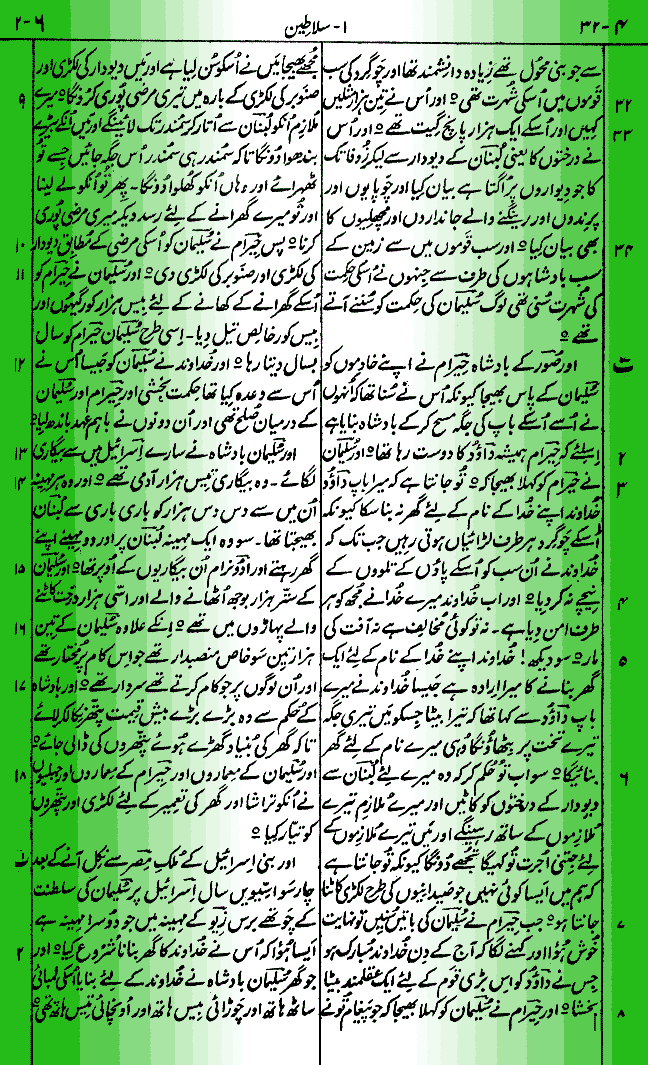
1 Kings 4:32
Verse: And he spake three thousand proverbs and his songs were a thousand and five
-
English Explanation: This verse showcases the sheer scale of Solomon’s intellectual and creative genius gifted by God. He did not just rule; he composed vast amounts of wisdom literature and poetry. A portion of these proverbs is preserved in the Biblical Book of Proverbs, while his musical and poetic heart is famously reflected in the Song of Solomon.
-
Urdu Explanation: یہ آیت سلیمان علیہ السلام کی اس بے پناہ ذہنی اور تخلیقی صلاحیتوں کو ظاہر کرتی ہے جو خدا نے انہیں عطا کی تھیں۔ انہوں نے نہ صرف حکومت کی بلکہ بڑی تعداد میں دانشوری کی باتیں (امثال) اور گیت لکھے۔ ان کے اقوال کا ایک حصہ بائبل کی کتاب “امثال” میں محفوظ ہے، جبکہ ان کی شاعری کی جھلک “غزل الغزلات” میں ملتی ہے۔
1 Kings 4:33
Verse: And he spake of trees from the cedar tree that is in Lebanon even unto the hyssop that springeth out of the wall he spake also of beasts and of fowl and of creeping things and of fishes
-
English Explanation: Solomon was the ultimate ancient botanist and zoologist. His understanding spanned the entire natural world, from the majestic, towering cedars of Lebanon down to the tiny hyssop moss growing out of cracks in a stone wall. He studied all life forms, showing that true divine wisdom values and observes every element of creation.
-
Urdu Explanation: سلیمان علیہ السلام اپنے دور کے بہترین ماہرِ نباتیات اور ماہرِ حیوانیات تھے۔ ان کا علم قدرتی دنیا کے تمام پہلوؤں پر محیط تھا، لبنان کے عالی شان دیودار کے درختوں سے لے کر دیواروں کی دراڑوں میں اگنے والے چھوٹے سے زوفا کے پودے تک۔ انہوں نے چرند، پرند، رینگنے والے جانوروں اور مچھلیوں کا گہرا مطالعہ کیا، جو یہ ظاہر کرتا ہے کہ سچی الہی حکمت کائنات کی ہر تخلیق کی قدر کرتی ہے۔
1 Kings 4:34
Verse: And there came of all people to hear the wisdom of Solomon from all kings of the earth which had heard of his wisdom
-
English Explanation: Solomon’s reputation crossed geopolitical boundaries. Israel became a global cultural and intellectual hub, drawing dignitaries, scholars, and royal emissaries from every known kingdom just to listen to his insights.
-
Urdu Explanation: سلیمان علیہ السلام کی شہرت جغرافیائی سرحدوں کو عبور کر چکی تھی۔ اسرائیل عالمی سطح پر علم و حکمت کا مرکز بن گیا، جہاں دنیا بھر کے بادشاہوں کی طرف سے بھیجے گئے سفیر، علماء اور معززین محض ان کی حکمت اور دانا باتیں سننے کے لیے تشریف لاتے تھے۔
1 Kings 5:1
Verse: And Hiram king of Tyre sent his servants unto Solomon for he had heard that they had anointed him king in the room of his father for Hiram was ever a lover of David
-
English Explanation: King Hiram of Tyre (modern-day Lebanon) sends a diplomatic delegation to congratulate Solomon on his coronation. Hiram shared a strong economic and political alliance based on mutual respect with Solomon’s father, King David, and wished to renew that bond.
-
Urdu Explanation: صور (موجودہ لبنان) کے بادشاہ حیرام نے سلیمان علیہ السلام کی تخت نشینی پر مبارکباد دینے کے لیے اپنا ایک سفارتی وفد بھیجا۔ حیرام کے سلیمان علیہ السلام کے والد، داؤد علیہ السلام کے ساتھ گہرے، دوستانہ اور کاروباری تعلقات تھے، اور وہ اسی عہد کو برقرار رکھنا چاہتا تھا۔
1 Kings 5:2
Verse: And Solomon sent to Hiram saying
-
English Explanation: Solomon seizes this diplomatic opening to respond to Hiram, initiating what would become one of the most crucial commercial treaties in ancient Israel’s history.
-
Urdu Explanation: سلیمان علیہ السلام نے حیرام کو جوابی پیغام بھیجا، جس سے قدیم اسرائیل کی تاریخ کا ایک انتہائی اہم تجارتی اور سفارتی معاہدہ شروع ہوا۔
1 Kings 5:3
Verse: Thou knowest how that David my father could not build an house unto the name of the LORD his God for the wars which were about him on every side until the LORD put them under the soles of his feet
-
English Explanation: Solomon explains the historical context to Hiram. King David deeply desired to build a temple for God, but his reign was entirely occupied with military campaigns to secure and defend Israel’s borders from surrounding enemies.
-
Urdu Explanation: سلیمان علیہ السلام نے حیرام کو تاریخی پس منظر واضح کیا۔ ان کے والد داؤد علیہ السلام خدا کے لیے ایک گھر (ہیکل) بنانا چاہتے تھے، لیکن ان کا پورا دورِ حکومت اسرائیل کی سرحدوں کو محفوظ بنانے اور ارد گرد کے دشمنوں سے جنگیں لڑنے میں گزر گیا۔
1 Kings 5:4
Verse: But now the LORD my God hath given me rest on every side so that there is neither adversary nor evil occurrent
-
English Explanation: Thanks to David’s hard-won victories, Solomon inherits a golden age of peace. With no immediate military threats or internal crises (“evil occurrent”), the ideal geopolitical climate has arrived to focus on a massive spiritual and architectural monument.
-
Urdu Explanation: داؤد علیہ السلام کی کامیابیوں کی بدولت، سلیمان علیہ السلام کو امن کا ایک سنہری دور ملا۔ کسی بیرونی خطرے یا اندرونی بحران کی عدم موجودگی میں، یہ ایک ایسا بہترین وقت تھا جب ملک کی توجہ ایک عظیم روحانی اور تعمیری منصوبے پر مرکوز کی جا سکتی تھی۔
1 Kings 5:5
Verse: And behold I purpose to build an house unto the name of the LORD my God as the LORD spake unto David my father saying Thy son whom I will set upon thy throne in thy room he shall build an house unto my name
-
English Explanation: Solomon declares his formal intent to build the Temple, fulfilling the divine prophecy given to his father David. True peace is not used for personal luxury, but for executing God’s long-standing promises.
-
Urdu Explanation: سلیمان علیہ السلام نے بائبل کے ہیکل کی تعمیر کے اپنے باقاعدہ ارادے کا اظہار کیا، جو کہ ان کے والد داؤد علیہ السلام سے کیے گئے الہی وعدے کی تکمیل تھی۔ سچا امن ذاتی عیاشی کے لیے نہیں بلکہ خدا کے وعدوں کو پورا کرنے کے لیے استعمال کیا جانا چاہیے۔
1 Kings 5:6
Verse: Now therefore command thou that they hew me cedar trees out of Lebanon and my servants shall be with thy servants and unto thee will I give hire for thy servants according to all that thou shalt appoint for thou knowest that there is not among us any that can skill to hew timber like unto the Sidonians
-
English Explanation: Solomon proposes a massive joint venture. He requests access to the superior timber of Lebanon and explicitly acknowledges the world-class logging and engineering skills of the Sidonians (Phoenicians), offering to pay whatever wages Hiram sets for his workers.
-
Urdu Explanation: سلیمان علیہ السلام نے ایک بڑے مشترکہ منصوبے کی تجویز پیش کی۔ انہوں نے لبنان کی اعلیٰ معیار کی لکڑی تک رسائی کی درخواست کی اور صیدانیوں (فینیشین) کی لکڑی کاٹنے اور انجینئرنگ کی بے مثال مہارت کا اعتراف کیا، ساتھ ہی حیرام کے مزدوروں کو منہ مانگی اجرت دینے کی پیشکش کی۔
1 Kings 5:7
Verse: And it came to pass when Hiram heard the words of Solomon that he rejoiced greatly and said Blessed be the LORD this day which hath given unto David a wise son over this great people
-
English Explanation: Hiram is overjoyed by Solomon’s letter. He publicly praises Yahweh (the God of Israel) for giving David a wise, capable heir who values diplomatic cooperation over aggressive expansion.
-
Urdu Explanation: سلیمان علیہ السلام کا خط سن کر حیرام بے حد خوش ہوا۔ اس نے اسرائیل کے خدا کی حمد و ثنا کی کہ اس نے داؤد علیہ السلام کو ایک ایسا دانا اور لائق وارث دیا جو جنگ و جدل کے بجائے سفارتی اور تجارتی تعاون کو اہمیت دیتا ہے۔
1 Kings 5:8
Verse: And Hiram sent to Solomon saying I have considered the things which thou sentest to me for and I will do all thy desire concerning timber of cedar and concerning timber of fir
-
English Explanation: Hiram formally accepts the contract. He agrees to supply both cedar (renowned for its fragrance and durability) and fir/cypress trees to satisfy Solomon’s complete building needs.
-
Urdu Explanation: حیرام نے معاہدے کو باقاعدہ قبول کر لیا۔ اس نے سلیمان علیہ السلام کی تعمیراتی ضروریات کو پورا کرنے کے لیے دیودار (جو اپنی خوشبو اور پائیداری کے لیے مشہور تھا) اور صنوبر کی لکڑی فراہم کرنے پر آمادگی ظاہر کی۔
1 Kings 5:9
Verse: My servants shall bring them down from Lebanon unto the sea and I will convey them by sea in floats unto the place that thou shalt appoint me and will cause them to be discharged there and thou shalt receive them and thou shalt accomplish my desire in giving food for my household
-
English Explanation: Hiram outlines the ancient shipping logistics. Phoenician workers will log the mountains, float the massive logs down the Mediterranean coast as log-rafts to an Israeli port (likely Joppa), where Solomon’s teams will take over. In return, Tyre—a maritime trading nation with limited agricultural land—requests grain and food supplies.
-
Urdu Explanation: حیرام نے قدیم دور کی اس لاجسٹکس کا خاکہ پیش کیا۔ فینیشین کارندے پہاڑوں سے لکڑیاں کاٹیں گے، انہیں بحیرہ روم کے ساحل کے راستے تختوں کی شکل میں تیراتے ہوئے اسرائیلی بندرگاہ (ممکنہ طور پر یافا) تک پہنچائیں گے، جہاں سے سلیمان علیہ السلام کی ٹیمیں انہیں سنبھالیں گی۔ اس کے بدلے میں، صور نے—جو کہ ایک سمندری تجارتی ملک تھا اور وہاں زراعتی زمین کم تھی—اناج اور خوراک کی فراہمی کا تقاضا کیا۔
1 Kings 5:10
Verse: So Hiram gave Solomon cedar trees and fir trees according to all his desire
-
English Explanation: The international trade agreement goes into full effect. Hiram reliably supplies all the raw lumber Solomon requires for the grand architecture.
-
Urdu Explanation: یہ بین الاقوامی تجارتی معاہدہ مکمل طور پر نافذ العمل ہو گیا۔ حیرام نے سلیمان علیہ السلام کو ان کی عظیم الشان تعمیر کے لیے مطلوبہ تمام کچی لکڑی باقاعدگی سے فراہم کی۔
1 Kings 5:11
Verse: And Solomon gave Hiram twenty thousand measures of wheat for food to his household and twenty measures of pure oil thus gave Solomon to Hiram year by year
-
English Explanation: Solomon pays for the materials with Israel’s agricultural abundance. He sends massive annual shipments of wheat and high-grade, pressed olive oil to feed Hiram’s court and workers, establishing a sustainable, multi-year economic partnership.
-
Urdu Explanation: سلیمان علیہ السلام نے لکڑی کی قیمت اسرائیل کی وافر زرعی پیداوار سے ادا کی۔ انہوں نے حیرام کے محل اور مزدوروں کی خوراک کے لیے سالانہ بنیادوں پر گندم اور اعلیٰ معیار کے زیتون کے تیل کی بڑی کھیپ بھیجی، جس سے ایک پائیدار معاشی شراکت داری قائم ہوئی۔
1 Kings 5:12
Verse: And the LORD gave Solomon wisdom as he promised him and there was peace between Hiram and Solomon and they two made a league together
-
English Explanation: The author highlights that this smooth diplomatic trade deal was a direct byproduct of the divine wisdom God gave Solomon. True wisdom builds bridges, fosters economic peace, and creates solid legal alliances (“leagues”) rather than unnecessary conflicts.
-
Urdu Explanation: مصنف اس بات کو اجاگر کرتا ہے کہ یہ ہموار تجارتی اور سفارتی معاہدہ اسی الہی حکمت کا نتیجہ تھا جو خدا نے سلیمان علیہ السلام کو دی تھی۔ سچی حکمت بلاوجہ کے تنازعات پیدا کرنے کے بجائے امن قائم کرتی ہے، معاشی تعلقات کو فروغ دیتی ہے اور مضبوط قانونی اتحاد بناتی ہے۔
1 Kings 5:13
Verse: And king Solomon raised a levy out of all Israel and the levy was thirty thousand men
-
English Explanation: To handle a project of this magnitude, Solomon institutes a national labor draft. Thirty thousand native Israelite citizens are drafted into service to oversee and participate in the high-end timber work in Lebanon.
-
Urdu Explanation: اتنے بڑے پیمانے کے منصوبے کو سنبھالنے کے لیے، سلیمان علیہ السلام نے قومی سطح پر مزدوروں کی بھرتی کا نظام شروع کیا۔ لبنان میں لکڑی کے کام کی نگرانی اور اس میں حصہ لینے کے لیے تیس ہزار اسرائیلی شہریوں کو اس خدمت کے لیے مامور کیا گیا۔
1 Kings 5:14
Verse: And he sent them to Lebanon ten thousand a month by courses a month they were in Lebanon and two months at home and adoniram was over the levy
-
English Explanation: Solomon designs a remarkably humane shift rotation system to prevent worker burnout and domestic disruption. The 30,000 men are split into three groups of 10,000. Each group spends one month working in Lebanon and two months back home tending to their own farms and families. Adoniram is appointed as the chief administrator of this labor force.
-
Urdu Explanation: سلیمان علیہ السلام نے مزدوروں کی تھکن اور گھریلو زندگی میں خلل سے بچنے کے لیے ایک بہترین شفٹ سسٹم بنایا۔ ان 30,000 مردوں کو 10,000 کے تین گروپوں میں تقسیم کیا گیا۔ ہر گروپ ایک مہینہ لبنان میں کام کرتا اور دو مہینے اپنے گھروں پر اپنے کھیتوں اور خاندانوں کی دیکھ بھال کرتا تھا۔ ادونیرام کو اس افرادی قوت کا چیف ایڈمنسٹریٹر مقرر کیا گیا تھا۔
1 Kings 5:15
Verse: And Solomon had threescore and ten thousand that bare burdens and fourscore thousand hewers in the mountains
-
English Explanation: Beyond the drafted Israelite citizens, Solomon employs a massive workforce of non-Israelite laborers living in the land: 70,000 general transporters/heavy lifters (“bare burdens”) and 80,000 specialized stonecutters operating in the mountain quarries.
-
Urdu Explanation: بھرتی کیے گئے اسرائیلی شہریوں کے علاوہ، سلیمان علیہ السلام نے ملک میں رہنے والے غیر اسرائیلی مزدوروں کی ایک بہت بڑی تعداد کو کام پر لگایا: 70,000 عام بوجھ اٹھانے والے اور 80,000 پہاڑی کانوں میں پتھر کاٹنے والے ماہرین۔
1 Kings 5:16
Verse: Beside the chief of Solomon’s officers which were over the work three thousand and three hundred which ruled over the people that wrought in the work
-
English Explanation: To manage this staggering workforce of 150,000+ laborers, a highly structured management tier was required. Solomon deployed 3,300 project managers and foremen to oversee site safety, logistics, and productivity.
-
Urdu Explanation: ڈیڑھ لاکھ سے زائد مزدوروں کی اس بڑی افرادی قوت کو سنبھالنے کے لیے ایک انتہائی منظم انتظامی ڈھانچے کی ضرورت تھی۔ سلیمان علیہ السلام نے کام کی جگہ کی حفاظت، لاجسٹکس اور پیداواری صلاحیت کی نگرانی کے لیے 3,300 پروجیکٹ مینیجرز اور فورمین مقرر کیے۔
1 Kings 5:17
Verse: And the king commanded and they brought great stones costly stones and hewed stones to lay the foundation of the house
-
English Explanation: Solomon spares no expense even where it cannot be seen. The foundation of the Temple was laid using massive, expensive blocks of premium stone, carefully quarried and shaped to precision. This reflects a spiritual principle: the hidden foundations of our work should be built with just as much integrity and excellence as the visible parts.
-
Urdu Explanation: سلیمان علیہ السلام نے ان جگہوں پر بھی کوئی کسر نہیں چھوڑی جو عام طور پر نظر نہیں آتیں۔ ہیکل کی بنیادیں بڑے، قیمتی اور تراشے ہوئے اعلیٰ معیار کے پتھروں سے رکھی گئیں۔ یہ ایک روحانی اصول کو ظاہر کرتا ہے: ہمارے کام کی پوشیدہ بنیادیں بھی اتنی ہی مضبوط اور بہترین ہونی چاہئیں جتنے کہ نظر آنے والے حصے ہوتے ہیں۔
1 Kings 5:18
Verse: And Solomon’s builders and Hiram’s builders did hew them and the stonesquarers so they prepared timber and stones to build the house
-
English Explanation: Elite craftsmen from Israel and Tyre work side-by-side alongside expert artisans from the city of Gebal (Byblos). Together, they successfully finish preparing all the massive stone blocks and precision-cut timbers needed before actual construction on the Temple mount begins.
-
Urdu Explanation: اسرائیل اور صور کے نامور کاریگروں نے جبال (ببلوس) شہر کے ماہرین کے ساتھ مل کر کام کیا۔ انہوں نے ہیکل کی پہاڑی پر اصل تعمیر شروع ہونے سے پہلے تمام بڑے پتھروں کے بلاکس اور درست طریقے سے کٹی ہوئی لکڑیوں کی تیاری کا کام کامیابی سے مکمل کیا۔
1 Kings 6:1
Verse: And it came to pass in the four hundred and eightieth year after the children of Israel were come out of the land of Egypt in the fourth year of Solomon’s reign over Israel in the month Zif which is the second month that he began to build the house of the LORD
-
English Explanation: This is one of the most vital chronological anchors in the Old Testament. The text deliberately connects the building of the Temple directly back to the Exodus from Egypt (480 years prior). Groundbreaking occurs during the second month (Zif, around April/May) of Solomon’s fourth year on the throne, signaling that the Temple is the ultimate spiritual fulfillment of Israel’s journey to freedom.
-
Urdu Explanation: یہ پرانے عہد نامے (توریت) میں وقت کے حساب سے ایک انتہائی اہم ترین آیت ہے۔ یہ متن جان بوجھ کر ہیکل کی تعمیر کو مصر سے خروج (480 سال پہلے) کے واقعے سے جوڑتا ہے۔ تعمیر کا باقاعدہ آغاز سلیمان علیہ السلام کی حکومت کے چوتھے سال کے دوسرے مہینے (زیو، جو کہ اپریل/مئی کا وقت بنتا ہے) میں ہوا، جو یہ ظاہر کرتا ہے کہ ہیکل کی تعمیر اسرائیل کے آزادی کے سفر کی حتمی روحانی منزل تھی۔
1 Kings 6:2
Verse: And the house which king Solomon built for the LORD the length thereof was threescore cubits and the breadth thereof twenty cubits and the height thereof thirty cubits
-
English Explanation: The verse records the exact structural dimensions of the main Temple building using cubits (an ancient unit of measure based on forearm length, roughly 18 inches per cubit). The building was approximately 90 feet long, 30 feet wide, and 45 feet high—making it twice the size of the nomadic Tabernacle built by Moses, designed to stand as a permanent, magnificent sanctuary.
-
Urdu Explanation: اس آیت میں ہاتھ (کیوبٹ: ہاتھ کی ایک قدیم پیمائش جو تقریباً 18 انچ کے برابر ہوتی ہے) کا استعمال کرتے ہوئے ہیکل کی اصل عمارت کی درست پیمائش درج کی گئی ہے۔ عمارت کی لمبائی تقریباً 90 فٹ، چوڑائی 30 فٹ اور اونچائی 45 فٹ تھی—جو کہ موسیٰ علیہ السلام کے بنائے ہوئے خیمہِ عبادت سے سائز میں دگنی تھی، تاکہ یہ ایک مستقل اور شاندار عبادت گاہ کے طور پر قائم رہ سکے۔