Part 1: James Chapter 5 (Verses 10–20)
Verse 10
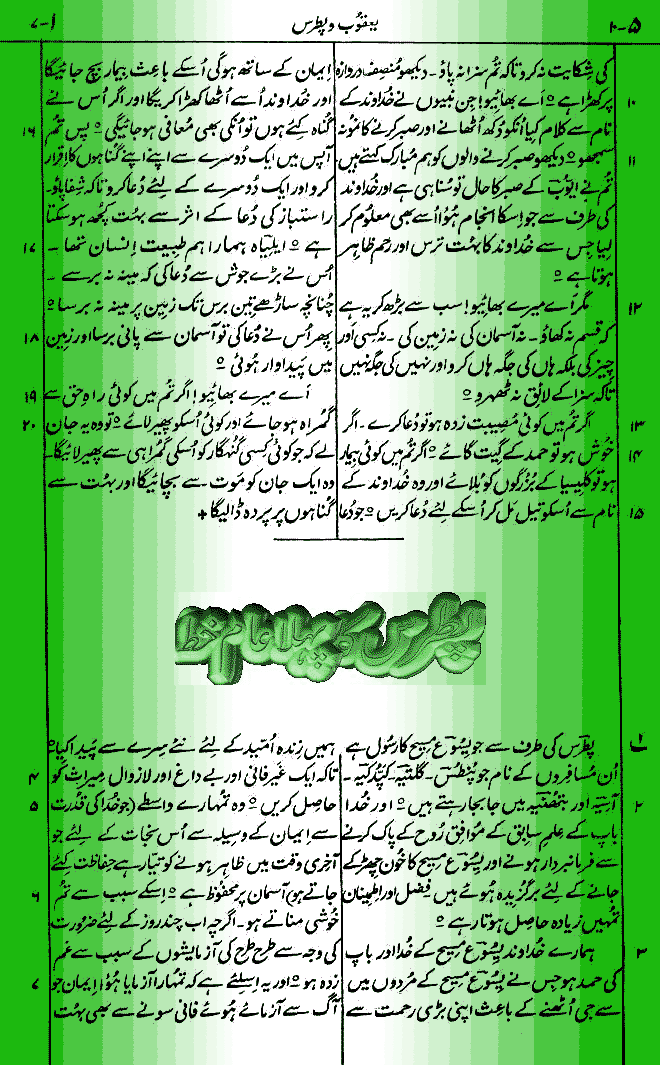
Take my brethren the prophets who have spoken in the name of the Lord for an example of suffering affliction and of patience
-
Detailed Explanation (English):
James encourages believers facing trials to look at the Old Testament prophets as role models. These individuals spoke directly on behalf of God yet faced immense persecution, rejection, and physical hardship. James emphasizes that suffering is not a sign of God’s abandonment; rather, enduring it with steadfast patience (hypomone) aligns believers with the ultimate messengers of faith.
-
تفصیلی وضاحت (Urdu):
یعقوب ایمان داروں کو تسلی دیتے ہوئے فرماتے ہیں کہ وہ پرانے عہد نامے کے انبیاء کو اپنے لیے نمونہ بنائیں۔ ان پاک مردوں نے خدا کے نام پر کلام کیا لیکن پھر بھی شدید مخالفت اور تکلیفوں کا سامنا کیا۔ یہاں پیغام یہ ہے کہ آزمائش خدا کی ناراضگی کی علامت نہیں بلکہ صبر اور استقلال کے ساتھ ان کا سامنا کرنا انبیاء کی روایت ہے۔
Verse 11
Behold we count them happy which endure Ye have heard of the patience of Job and have seen the end of the Lord that the Lord is very pitiful and of tender mercy
-
Detailed Explanation (English):
This verse highlights Job as the supreme example of endurance. Despite losing his wealth, children, and health, Job remained faithful. The “end of the Lord” refers to the ultimate outcome or purpose God had in mind—restoration and blessing. It reassures believers that God’s ultimate character toward His children is deeply compassionate, loving, and merciful, even when the current season is painful.
-
تفصیلی وضاحت (Urdu):
اس آیت میں ایوب کے صبر کی مثال دی گئی ہے۔ سب کچھ کھو دینے کے باوجود ایوب نے خدا پر ایمان برقرار رکھا۔ “خداوند کا انجام” سے مراد وہ مقصد اور برکت ہے جو خدا نے آخر میں ایوب کو عطا کی۔ یہ آیت واضح کرتی ہے کہ خدا اپنے بندوں پر نہایت رحیم اور شفیق ہے، چاہے موجودہ دور کتنا ہی تکلیف دہ کیوں نہ ہو۔
Verse 12
But above all things my brethren swear not neither by heaven neither by the earth neither by any other oath but let your yea be yea and your nay nay lest ye fall into condemnation
-
Detailed Explanation (English):
James commands believers to maintain absolute integrity in their speech so that oaths become completely unnecessary. In ancient times, people often used elaborate oaths to deceive or sound more credible. A Christian’s character should be so transparent and trustworthy that a simple “yes” or “no” carries the weight of an absolute truth, saving them from the judgment of hypocrisy.
-
تفصیلی وضاحت (Urdu):
یہاں کلام سچائی اور دیانت داری پر زور دیتا ہے۔ پرانے وقتوں میں لوگ بات کو سچا ثابت کرنے کے لیے آسمان یا زمین کی قسمیں کھاتے تھے۔ یعقوب فرماتے ہیں کہ ایک مسیحی کا کردار ایسا ہونا چاہیے کہ اس کی “ہاں” کا مطلب ہاں اور “ناں” کا مطلب ناں ہو۔ قسمیں کھانے کی ضرورت نہ پڑے تاکہ تم عدالت کے نیچے نہ آؤ۔
Verse 13
Is any among you afflicted let him pray Is any merry let him sing psalms
-
Detailed Explanation (English):
James provides a spiritual blueprint for emotional extremes. If a believer is suffering or oppressed, the immediate response should be prayer, taking the burden to God. Conversely, if a believer is experiencing joy and prosperity, that emotion should be channeled into worship and singing praises. God should be the center of both sorrow and joy.
-
تفصیلی وضاحت (Urdu):
اس آیت میں انسانی جذبات کو خدا کی طرف موڑنے کی ہدایت ہے۔ اگر کوئی مصیبت میں ہے تو اسے مایوس ہونے کے بجائے دعا کرنی چاہیے۔ اور اگر کوئی خوش اور مطمئن ہے تو اسے خدا کی حمد و ثنا کے گیت گانے چاہئیں۔ ہر حال میں خدا کو یاد رکھنا ہی ایمان داری کی علامت ہے۔
Verse 14
Is any sick among you let him call for the elders of the church and let them pray over him anointing him with oil in the name of the Lord
-
Detailed Explanation (English):
When physical sickness strikes, the believer is instructed to seek community and spiritual leadership. The “elders of the church” represent mature spiritual authority. Anointing with oil historically carried both medicinal value and symbolic spiritual significance, representing the presence and healing power of the Holy Spirit invoked in the authority (“the name”) of Jesus.
-
تفصیلی وضاحت (Urdu):
اگر کوئی جسمانی طور پر بیمار ہے تو اسے کلیسیا کے بزرگوں (روحانی رہنماؤں) کو بلانا چاہیے۔ بزرگ اس کے لیے دعا کریں گے اور خداوند کے نام سے اسے تیل ملیں گے۔ یہاں تیل ملنا شفا کے لیے روح القدس کی موجودگی اور برکت کی علامت ہے، جو کلیسیائی رفاقت اور روحانی مدد کی اہمیت کو ظاہر کرتا ہے۔
Verse 15
And the prayer of faith shall save the sick and the Lord shall raise him up and if he have committed sins they shall be forgiven him
-
Detailed Explanation (English):
It is not the oil itself, but the “prayer of faith” offered by the elders that brings restoration. God responds to faithful prayer by granting physical strength (“raise him up”) and spiritual healing. James notes a potential (but not automatic) link between physical ailment and personal sin; where sin is involved, confession brings divine forgiveness alongside bodily healing.
-
تفصیلی وضاحت (Urdu):
شفا تیل میں نہیں بلکہ ایمان کی دعا میں ہے۔ جب ایمان کے ساتھ دعا کی جاتی ہے تو خداوند بیمار کو شفا دیتا ہے اور اسے کھڑا کرتا ہے۔ مزید یہ کہ اگر بیماری کا تعلق کسی گناہ سے تھا، تو سچی توبہ اور دعا کے وسیلے سے وہ گناہ بھی معاف کر دیا جاتا ہے۔ یہ آیت جسمانی اور روحانی شفا کے گہرے تعلق کو ظاہر کرتی ہے۔
Verse 16
Confess your faults one to another and pray one for another that ye may be healed The effectual fervent prayer of a righteous man availeth much
-
Detailed Explanation (English):
James highlights the power of vulnerability within the Christian community. Confessing faults breaks the isolation of sin and fosters accountability. The verse concludes with a foundational truth regarding prayer: the passionate, heartfelt, and persistent prayer of a person aligned with God’s righteousness holds immense spiritual power and produces miraculous results.
-
تفصیلی وضاحت (Urdu):
آپس میں اپنے گناہوں کا اقرار کرنے سے دل پاک ہوتے ہیں اور کلیسیا میں محبت بڑھتی ہے۔ ایک دوسرے کے لیے دعا کرنے سے حقیقی شفا (جسمانی اور روحانی) حاصل ہوتی ہے۔ اس آیت کا آخری حصہ ایک عظیم سچائی بیان کرتا ہے: ایک راستباز انسان کی خلوصِ دل سے کی گئی پرجوش دعا میں بہت بڑی طاقت ہوتی ہے اور وہ اثر دکھاتی ہے۔
Verse 17
Elias was a man subject to like passions as we are and he prayed earnestly that it might not rain and it rained not on the earth by the space of three years and six months
-
Detailed Explanation (English):
To prove that ordinary people can pray with extraordinary power, James references Elijah (Elias). Elijah was not a superhuman; he possessed the same human weaknesses, fears, and emotions (“like passions”) as anyone else. Yet, because of his intense, faithful prayers, God supernaturally withheld rain from Israel for three and a half years as judgment over idolatry.
-
تفصیلی وضاحت (Urdu):
ایلیاہ کی مثال دیتے ہوئے یعقوب فرماتے ہیں کہ وہ بھی ہماری طرح ایک عام انسان تھا، جس میں وہی جذبات اور کمزوریاں تھیں۔ لیکن جب اس نے سچے دل سے دعا کی کہ مینہ نہ برسے، تو خدا نے اس کی سنی اور ساڑھے تین سال تک زمین پر بارش نہ ہوئی۔ یہ ثابت کرتا ہے کہ عام انسان بھی ایمان کی بدولت بڑے معجزات دیکھ سکتے ہیں۔
Verse 18
And he prayed again and the heaven gave rain and the earth brought forth her fruit
-
Detailed Explanation (English):
Just as prayer could close the heavens, persistent prayer could open them again. When Elijah prayed for restoration, God sent rain, and the barren land became fruitful once more. This serves as an analogy for spiritual restoration: prayer can end a season of spiritual drought and bring a harvest of renewal.
-
تفصیلی وضاحت (Urdu):
اور جب ایلیاہ نے دوبارہ دعا کی، تو آسمان سے بارش ہوئی اور زمین نے اپنی فصلیں اور پھل اگلنا شروع کر دیے۔ یہ اس بات کی علامت ہے کہ دعا نہ صرف سزا کا سبب بن سکتی ہے بلکہ توبہ کے بعد برکت اور بحالی کا ذریعہ بھی بنتی ہے۔ دعا سے روحانی قحط دور ہو جاتا ہے۔
Verse 19
Brethren if any of you do err from the truth and one convert him
-
Detailed Explanation (English):
James shifts focus to community responsibility toward those wandering away from biblical truth. Believers are called to watch over one another. “To err from the truth” means to stray doctrinally or morally. The act of “converting” someone here means lovingly confronting them and guiding them back to the right path.
-
تفصیلی وضاحت (Urdu):
یعقوب کلیسیا کو یاد دلاتے ہیں کہ اگر کوئی بھائی یا بہن سچائی کی راہ سے بھٹک جائے (خواہ نظریاتی طور پر یا اخلاقی طور پر)، تو باقی ایمانداروں کی ذمہ داری ہے کہ وہ اسے محبت سے سمجھائیں اور واپس سیدھی راہ پر لانے کی کوشش کریں۔ ہم ایک دوسرے کے نگہبان ہیں۔
Verse 20
Let him know that he which converteth the sinner from the error of his way shall save a soul from death and shall hide a multitude of sins
-
Detailed Explanation (English):
Restoring a wandering believer has eternal rewards. It saves that person from spiritual destruction (“death”) and stops a destructive cycle of sin. “Hiding a multitude of sins” means that through repentance, those sins are covered by God’s grace and forgiven, restoring full fellowship between the individual, the community, and God.
-
تفصیلی وضاحت (Urdu):
جو کوئی کسی گنہگار کو اس کی گمراہی سے واپس لاتا ہے، وہ گویا ایک روح کو ابدی موت (ہلاکت) سے بچاتا ہے۔ “گناہوں کے ایک بڑے گروہ کو چھپا لیتا ہے” کا مطلب یہ ہے کہ سچی توبہ کے ذریعے وہ تمام گناہ خدا کے فضل سے معاف ہو جاتے ہیں اور وہ شخص دوبارہ پاکیزگی اور برکت کی حالت میں آ جاتا ہے۔
Part 2: 1 Peter Chapter 1 (Verses 1–7)
Verse 1
Peter an apostle of Jesus Christ to the strangers scattered throughout Pontus Galatia Cappadocia Asia and Bithynia
-
Detailed Explanation (English):
Peter introduces himself with apostolic authority, sent directly by Jesus Christ. He addresses believers as “strangers” (or exiles/sojourners) scattered across various regions of Asia Minor (modern-day Turkey). This highlights a core identity of Christians: their true citizenship is in heaven, and they are temporarily living as foreign residents in a world that may oppose them.
-
تفصیلی وضاحت (Urdu):
پطرس رسول اپنے خط کا آغاز یسوع مسیح کے رسول کی حیثیت سے کرتے ہیں۔ وہ ان ایمان داروں کو مخاطب کرتے ہیں جو پنطس، گلاتیہ، کپدوکیہ، آسیہ اور بتونیہ میں منتشر ہیں اور انہیں “مسافر” کہتے ہیں۔ یہ اس بات کی یاددہانی ہے کہ مسیحیوں کا اصل وطن یہ دنیا نہیں بلکہ آسمان ہے، اور وہ یہاں عارضی طور پر رہ رہے ہیں۔
Verse 2
Elect according to the foreknowledge of God the Father through sanctification of the Spirit unto obedience and sprinkling of the blood of Jesus Christ Grace unto you and peace be multiplied
-
Detailed Explanation (English):
This profoundly theological verse outlines the work of the Trinity in salvation. Believers are chosen (“elect”) based on God the Father’s foreknowledge, set apart and made holy by the work of the Holy Spirit (“sanctification”), for the purpose of living obediently under the cleansing covenant established by the sacrifice (“sprinkling of the blood”) of Jesus Christ. Peter prays for an abundance of grace and peace upon them.
-
تفصیلی وضاحت (Urdu):
اس آیت میں تثلیث پاک (خدا باپ، بیٹا اور روح القدس) کے نجات بخش کام کو بیان کیا گیا ہے۔ ایمان دار خدا باپ کے علمِ سابق (پہلے سے جاننے) کے مطابق چنے گئے ہیں، روح القدس کے ذریعے پاک کیے گئے ہیں تاکہ وہ فرمانبردار بنیں اور یسوع مسیح کے خون کے چھڑکاؤ (قربانی) کے عہد میں شامل ہوں۔ پطرس ان کے لیے فضل اور سلامتی کی کثرت کی دعا کرتے ہیں۔
Verse 3
Blessed be the God and Father of our Lord Jesus Christ which according to his abundant mercy hath begotten us again unto a lively hope by the resurrection of Jesus Christ from the dead
-
Detailed Explanation (English):
Peter erupts into praise for God’s incredible mercy. Through the new birth (“begotten us again”), believers are granted a “lively (living) hope.” This hope is not wishful thinking; it is anchored in a historical reality—the bodily resurrection of Jesus Christ from the dead, which guarantees our own victory over sin and death.
-
تفصیلی وضاحت (Urdu):
پطرس خدا باپ کی حمد کرتے ہیں جس نے اپنے بڑے رحم کے مطابق ہمیں نیا جنم دیا تاکہ ہم ایک “زندہ امید” پائیں۔ یہ امید کوئی وہم نہیں بلکہ ایک تاریخی حقیقت پر مبنی ہے—یعنی یسوع مسیح کا مردوں میں سے جی اٹھنا، جو ہمیں گناہ اور موت پر فتح کی ضمانت دیتا ہے۔
Verse 4
To an inheritance incorruptible and undefiled and that fadeth not away reserved in heaven for you
-
Detailed Explanation (English):
Unlike earthly inheritances that can be stolen, ruined, or diminished over time, the heavenly inheritance of a believer is eternal. Peter uses three powerful terms: incorruptible (cannot decay), undefiled (cannot be stained by sin), and fadeth not away (never loses its glory or value). This ultimate reward is securely locked away and protected in heaven by God.
-
تفصیلی وضاحت (Urdu):
دنیاوی میراث کے برعکس جو چوری ہو سکتی ہے یا ختم ہو سکتی ہے، آسمانی میراث ابدی ہے۔ پطرس فرماتے ہیں کہ یہ میراث “غیر فانی” (جو خراب نہیں ہو سکتی)، “بے داغ” (جو گناہ سے آلودہ نہیں ہو سکتی) اور “لازوال” (جس کی چمک کبھی مدہم نہیں ہوتی) ہے۔ یہ قیمتی انعام آسمان پر خدا کی حفاظت میں محفوظ ہے۔
Verse 5
Who are kept by the power of God through faith unto salvation ready to be revealed in the last time
-
Detailed Explanation (English):
Not only is the inheritance preserved for the believer, but the believer is also preserved for the inheritance. Christians are shielded and guarded (“kept”) by God’s almighty power. This divine protection operates through the believer’s ongoing personal trust (“through faith”), ensuring they will successfully reach the final, ultimate stage of salvation to be revealed at the end of the age.
-
تفصیلی وضاحت (Urdu):
نہ صرف میراث ہمارے لیے محفوظ ہے، بلکہ خدا ہمیں بھی اس میراث کے لیے محفوظ رکھتا ہے۔ ایمان دار خدا کی قدرت سے گھیرے ہوئے ہیں اور یہ حفاظت ان کے “ایمان کے وسیلے” سے کام کرتی ہے۔ یہ طاقت ہمیں اس آخری نجات تک پہنچائے گی جو دنیا کے آخری وقت میں ظاہر ہونے کے لیے تیار ہے۔
Verse 6
Wherein ye greatly rejoice though now for a season if need be ye are in heaviness through manifold temptations
-
Detailed Explanation (English):
Peter acknowledges a holy paradox in Christian life: experiencing profound joy in eternal security while simultaneously experiencing deep grief (“heaviness”) due to various trials (“manifold temptations”). Peter comforts them by noting that these painful trials are temporary (“for a season”) and only permitted by God “if need be”—meaning they serve a divine, structured purpose.
-
تفصیلی وضاحت (Urdu):
یہ آیت مسیحی زندگی کے ایک عجیب توازن کو ظاہر کرتی ہے: ایک طرف آسمانی میراث کی بے پناہ خوشی ہے، اور دوسری طرف دنیاوی آزمائشوں (“مختلف قسم کے دکھوں”) کی وجہ سے عارضی اداسی ہے۔ پطرس تسلی دیتے ہیں کہ یہ دکھ صرف “چند ہی دن” کے لیے ہیں اور صرف اسی وقت آتے ہیں جب “ضرور” ہوں، یعنی ان کا کوئی خاص مقصد ہوتا ہے۔
Verse 7
That the trial of your faith being much more precious than of gold that perisheth though it be tried with fire might be found unto praise and honour and glory at the appearing of Jesus Christ
-
Detailed Explanation (English):
God allows trials to act as a refiner’s fire. Just as gold is put into intense heat to burn away impurities, our faith is tested by difficult circumstances to prove its genuineness. True faith is infinitely more valuable than physical gold because gold eventually perishes. A faith that withstands the fire will bring immense praise, honor, and glory to God and the believer when Jesus Christ returns.
-
تفصیلی وضاحت (Urdu):
خدا ہماری آزمائشوں کو ایک سنار کی بھٹی کی طرح استعمال کرتا ہے۔ جس طرح سونے کو آگ میں تپایا جاتا ہے تاکہ اس کی ناپاکی دور ہو جائے، اسی طرح ہمارے ایمان کو آزمایا جاتا ہے تاکہ اس کی سچائی ثابت ہو سکے۔ سچا ایمان فانی سونے سے کہیں زیادہ قیمتی ہے۔ جب ایمان آزمائش کی آگ میں پورا اترتا ہے، تو یسوع مسیح کے دوبارہ ظہور پر یہ ایمان بہت بڑی تعریف، عزت اور جلال کا باعث بنے گا۔