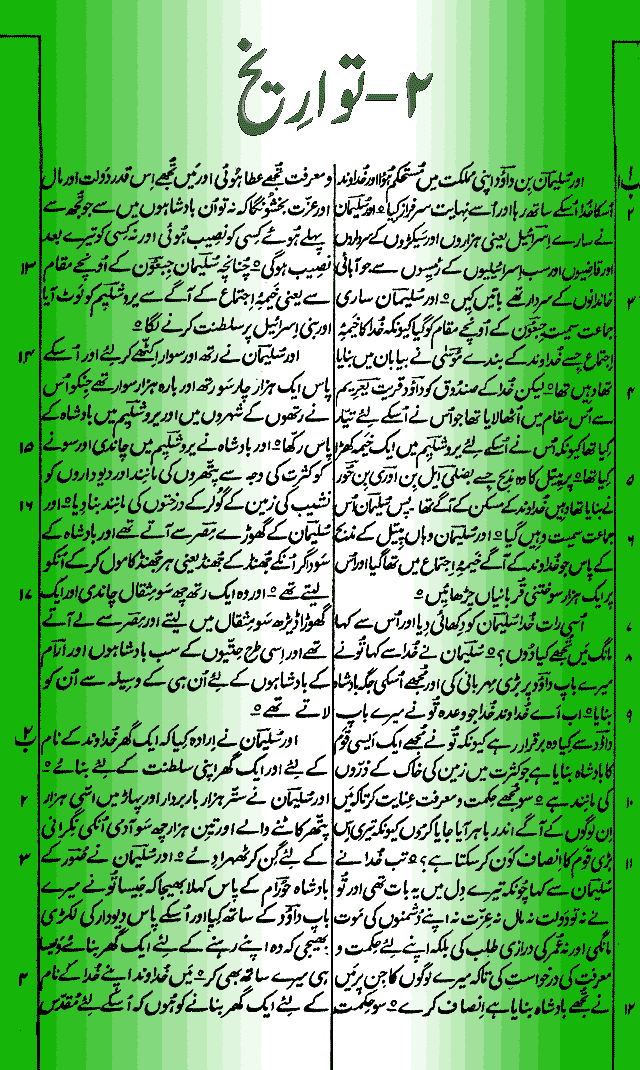
2 Chronicles Chapter 1
Verse 1
Verse: And Solomon the son of David was strengthened in his kingdom and the LORD his God was with him and magnified him exceedingly
-
English Explanation: This verse marks the official and successful transition of the kingdom from David to Solomon. Solomon’s political and military strength was not merely due to human strategy, but because the Lord his God was actively present with him. Divine favor resulted in Solomon being elevated to an extraordinary level of prestige, respect, and authority across the region.
-
Urdu Explanation: یہ آیت داؤد علیہ السلام سے سلیمان علیہ السلام کو بادشاہت کی کامیابی کے ساتھ منتقلی کو ظاہر کرتی ہے۔ سلیمان کی سلطنت کی مضبوطی محض انسانی حکمت عملی کا نتیجہ نہیں تھی، بلکہ اس لیے تھی کہ خداوند ان کا خدا ان کے ساتھ تھا۔ الٰہی فضل و کرم کی وجہ سے سلیمان کو پورے علاقے میں غیر معمولی عزت، وقار اور اختیار حاصل ہوا۔
Verse 2
Verse: Then Solomon spake unto all Israel to the captains of thousands and of hundreds and to the judges and to every governor in all Israel the chief of the fathers
-
English Explanation: Solomon begins his reign by establishing national unity. He calls a grand assembly involving every layer of leadership—military captains, judicial authorities, civil governors, and tribal patriarchs. This shows that his upcoming spiritual journey to worship God was a collective national act, not a private event.
-
Urdu Explanation: سلیمان نے قومی اتحاد قائم کر کے اپنی حکومت کا آغاز کیا۔ انہوں نے قیادت کے ہر طبقے کو بلایا—جس میں فوجی کپتان، عدالتی حکام، سول گورنر، اور قبائلی بزرگ شامل تھے۔ یہ اس بات کو ظاہر کرتا ہے کہ خدا کی عبادت کے لیے ان کا آنے والا روحانی سفر ایک اجتماعی قومی عمل تھا، نہ کہ کوئی نجی معاملہ۔
Verse 3
Verse: So Solomon and all the congregation with him went to the high place that was at Gibeon for there was the tabernacle of the congregation of God which Moses the servant of the LORD had made in the wilderness
-
English Explanation: The assembly travels to Gibeon because it was the primary center for sacrificial worship at the time. Although Jerusalem held the Ark, Gibeon housed the original Tabernacle built by Moses in the wilderness, making it the legitimate historical altar for massive national offerings.
-
Urdu Explanation: تمام مجمع سلیمان کے ساتھ جبعون کے اونچے مقام پر گیا کیونکہ اس وقت یہ قربانی کی عبادت کا مرکزی مقام تھا۔ اگرچہ یروشلم میں عہد کا صندوق موجود تھا، لیکن جبعون میں موسیٰ کا بنایا ہوا خیمہِ اجتماع موجود تھا، جس کی وجہ سے یہ بڑے پیمانے پر قومی قربانیوں کے لیے ایک جائز اور تاریخی قربان گاہ تھا۔
Verse 4
Verse: But the ark of God had David brought up from Kirjath-jearim to the place which David had prepared for it for he had pitched a tent for it at Jerusalem
-
English Explanation: This verse clarifies a historical detail: the worship center was temporarily divided. While the Tabernacle and the bronze altar remained at Gibeon, King David had already brought the Ark of the Covenant—representing God’s direct presence—to a specially prepared tent in Jerusalem.
-
Urdu Explanation: یہ آیت ایک تاریخی تفصیل کو واضح کرتی ہے کہ اس وقت عبادت کا مرکز عارضی طور پر دو حصوں میں تقسیم تھا۔ جب کہ خیمہِ اجتماع اور پیتل کی قربان گاہ جبعون میں تھی، بادشاہ داؤد پہلے ہی عہد کے صندوق کو—جو خدا کی حضوری کی علامت تھا—یروشلم میں ایک خاص طور پر تیار کردہ خیمے میں لا چکے تھے۔
Verse 5
Verse: Moreover the brasen altar that Bezaleel the son of Uri the son of Hur had made he put before the tabernacle of the LORD and Solomon and the congregation sought unto it
-
English Explanation: Solomon highlights the continuity of holy tradition by seeking out the original bronze altar. Crafted during the Exodus by the divinely inspired artisan Bezaleel, this altar was the designated spot where Israel could seek atonement and communion with God.
-
Urdu Explanation: سلیمان نے اسی اصل پیتل کی قربان گاہ پر جا کر مقدس روایت کے تسلسل کو برقرار رکھا۔ یہ قربان گاہ خروج کے دوران خدا کے الہام یافتہ کاریگر بصلایل نے بنائی تھی، اور یہ وہ مخصوص مقام تھا جہاں اسرائیل خدا سے اپنے گناہوں کا کفارہ اور قربت حاصل کر سکتا تھا۔
Verse 6
Verse: And Solomon went up thither to the brasen altar before the LORD which was at the tabernacle of the congregation and offered a thousand burnt offerings upon it
-
English Explanation: Offering a thousand burnt offerings was an act of extraordinary devotion, generosity, and humility. Solomon recognized the immense weight of his kingship and dedicated vast resources to demonstrate his complete dependence on and gratitude to the Lord.
-
Urdu Explanation: ایک ہزار سوختنی قربانیاں چڑھانا غیر معمولی عقیدت، سخاوت اور عاجزی کا عمل تھا۔ سلیمان نے اپنی بادشاہت کی بھاری ذمہ داری کو محسوس کیا اور خداوند پر اپنے مکمل انحصار اور شکر گزاری کا اظہار کرنے کے لیے وسیع وسائل وقف کیے۔
Verse 7
Verse: In that night did God appear unto Solomon and said unto him Ask what I shall give thee
-
English Explanation: Following Solomon’s massive expression of worship, God tests the young king’s heart with a blank check: “Ask what I shall give thee.” This divine appearance in the night shows that sincere worship opens the door to direct communion and blessings from God.
-
Urdu Explanation: سلیمان کی اس عظیم عبادت کے بعد، خدا نے رات کے وقت سلیمان پر ظاہر ہو کر ان کے دل کا امتحان لیا اور فرمایا: “جو کچھ تو چاہتا ہے مانگ کہ میں تجھے دوں۔” رات کا یہ الٰہی ظہور ظاہر کرتا ہے کہ سچی عبادت خدا کے ساتھ براہِ راست تعلق اور برکات کے دروازے کھولتی ہے۔
Verse 8
Verse: And Solomon said unto God Thou hast shewed great mercy unto David my father and hast made me to reign in his stead
-
English Explanation: Solomon responds with profound humility. Instead of making an immediate demand, he reflects on past blessings. He acknowledges God’s steadfast love (chesed) toward his father David and recognizes that his own position as king is a gift of divine appointment, not personal right.
-
Urdu Explanation: سلیمان نے انتہائی عاجزی کے ساتھ جواب دیا۔ فوری مانگنے کے بجائے، انہوں نے ماضی کی برکات پر غور کیا۔ انہوں نے اپنے والد داؤد پر خدا کی گہری رحمت کا اعتراف کیا اور تسلیم کیا کہ ان کا بادشاہ بننا خدا کا فضل ہے، ان کا ذاتی حق نہیں۔
Verse 9
Verse: Now O LORD God let thy promise unto David my father be established for thou hast made me king over a people like the dust of the earth in multitude
-
English Explanation: Solomon prays for the fulfillment of the Davidic Covenant. He uses the metaphor “like the dust of the earth” to describe the population of Israel, directly echoing God’s ancient covenant promises to Abraham, Isaac, and Jacob regarding a numerous offspring.
-
Urdu Explanation: سلیمان نے داؤد کے ساتھ کیے گئے خدا کے عہد کی تکمیل کے لیے دعا کی۔ انہوں نے اسرائیل کی آبادی کو بیان کرنے کے لیے “زمین کی خاک کی مانند” کا استعارہ استعمال کیا، جو ابراہام، اسحاق اور یعقوب سے نسل کی کثرت کے بارے میں کیے گئے خدا کے قدیم وعدوں کی یاد دلاتا ہے۔
Verse 10
Verse: Give me now wisdom and knowledge that I may go out and come in before this people for who can judge this thy people that is so great
-
English Explanation: The phrase “go out and come in” is a Hebrew idiom referring to administrative, military, and civic leadership. Rather than seeking military victory or personal glory, Solomon asks for the wisdom () and discernment needed to fairly govern and shepherd God’s chosen people.
-
Urdu Explanation: عبرانی زبان میں “باہر جانے اور اندر آنے” سے مراد انتظامی، فوجی اور شہری قیادت ہے۔ سلیمان نے جنگی فتوحات یا ذاتی شان و شوکت کے بجائے، خدا کے چنے ہوئے لوگوں پر انصاف کے ساتھ حکومت کرنے اور ان کی رہنمائی کے لیے حکمت اور دانشمندی مانگی۔
Verse 11
Verse: And God said to Solomon Because this was in thine heart and thou hast not asked riches wealth or honour nor the life of thine enemies neither yet hast asked long life but hast asked wisdom and knowledge for thyself that thou mayest judge my people over whom I have made thee king
-
English Explanation: God commends the purity of Solomon’s heart. Most young monarchs would ask for wealth, the destruction of enemies, or long life. Solomon’s request focused entirely on the welfare of his people and his duty to God, which deeply pleased the Lord.
-
Urdu Explanation: خدا نے سلیمان کے دل کے اخلاص کی تعریف کی۔ زیادہ تر نوجوان بادشاہ دولت، دشمنوں کی ہلاکت یا طویل عمر مانگتے۔ لیکن سلیمان کی درخواست مکمل طور پر اپنی رعایا کی بھلائی اور خدا کی طرف سے دی گئی ذمہ داری پر مرکوز تھی، جس نے خدا کو بہت خوش کیا۔
Verse 12
Verse: Wisdom and knowledge is granted unto thee and I will give thee riches and wealth and honour such as none of the kings have had that have been before thee neither shall there any after thee have the like
-
English Explanation: Because Solomon sought God’s kingdom and righteousness first, God grants his request for wisdom abundantly. Furthermore, God promises to bless him with unprecedented wealth and honor, setting a standard of prosperity that no king before or after him would ever match.
-
Urdu Explanation: چونکہ سلیمان نے سب سے پہلے خدا کی بادشاہت اور اس کے انصاف کو تلاش کیا، اس لیے خدا نے ان کی حکمت کی درخواست کو بکثرت پورا کیا۔ مزید برآں، خدا نے انہیں بے مثال دولت اور عزت سے نوازنے کا وعدہ کیا، جو ان سے پہلے یا بعد میں کسی بادشاہ کو نصیب نہ ہوئی۔
Verse 13
Verse: Then Solomon came from his journey to the high place that was at Gibeon to Jerusalem from before the tabernacle of the congregation and reigned over Israel
-
English Explanation: Having received the divine blessing, Solomon returns from Gibeon to the capital city of Jerusalem. Firmly established in divine wisdom and authority, he officially begins his centralized reign over the entire united kingdom of Israel.
-
Urdu Explanation: الٰہی برکت حاصل کرنے کے بعد، سلیمان جبعون سے دارالحکومت یروشلم واپس آئے۔ خدا کی دی ہوئی حکمت اور اختیار کے ساتھ، انہوں نے پورے متحد اسرائیل پر باضابطہ طور پر اپنی حکومت کا آغاز کیا۔
Verse 14
Verse: And Solomon gathered chariots and horsemen and he had a thousand and four hundred chariots and twelve thousand horsemen which he placed in the chariot cities and with the king at Jerusalem
-
English Explanation: This shifts focus to the material fulfillment of God’s promise. Solomon builds up a formidable national defense, establishing strategic “chariot cities” throughout the land to secure trade routes and national borders, while keeping a elite force close to him in Jerusalem.
-
Urdu Explanation: یہاں سے کلام خدا کے وعدے کی مادی تکمیل کی طرف منتقل ہوتا ہے۔ سلیمان نے ایک مضبوط قومی دفاع قائم کیا، تجارتی راستوں اور ملکی سرحدوں کو محفوظ بنانے کے لیے مختلف شہروں میں رتھ اور سوار متعین کیے، اور ایک بڑا حصہ اپنے پاس یروشلم میں رکھا۔
Verse 15
Verse: And the king made silver and gold at Jerusalem as plenteous as stones and cedar trees made he as the sycomore trees that are in the vale for abundance
-
English Explanation: This hyperbolic description illustrates the immense economic prosperity of Israel under Solomon. Precious metals like silver and gold lost their scarcity value because they were so common, and expensive Lebanon cedar wood became as common as the wild sycamore trees of the lowlands.
-
Urdu Explanation: یہ مبالغہ آمیز بیان سلیمان کے دور میں اسرائیل کی بے پناہ معاشی خوشحالی کو ظاہر کرتا ہے۔ چاندی اور سونا اتنے عام ہو گئے تھے کہ ان کی ندرت ختم ہو گئی، اور لبنان کی مہنگی دیودار کی لکڑی میدانوں کے عام جنگلی گولر کے درختوں کی طرح وافر مقدار میں دستیاب ہو گئی۔
Verse 16
Verse: And Solomon had horses brought out of Egypt and linen yarn the king’s merchants received the linen yarn at a price
-
English Explanation: Solomon internationalized Israel’s economy, establishing a royal monopoly on the trade of premium Egyptian horses and fine linen. His royal merchants managed this lucrative supply chain, establishing Israel as a key economic hub of the ancient Near East.
-
Urdu Explanation: سلیمان نے اسرائیل کی معیشت کو بین الاقوامی سطح پر متعارف کرایا، اور مصر کے بہترین گھوڑوں اور باریک کتان کی تجارت پر شاہی اجارہ داری قائم کی۔ ان کے شاہی تاجروں نے اس منافع بخش کاروبار کو سنبھالا، جس سے اسرائیل قدیم مشرقِ قریب کا ایک بڑا معاشی مرکز بن گیا۔
Verse 17
Verse: And they fetched up and brought forth out of Egypt a chariot for six hundred shekels of silver and an horse for an hundred and fifty and so brought they out horses for all the kings of the Hittites and for the kings of Syria by their means
-
English Explanation: Solomon acted as a powerful middleman in regional trade. He purchased military chariots and horses from Egypt at set market values (600 shekels for a chariot, 150 for a horse) and resold them at a profit to the neighboring Hittite and Syrian kingdoms, gaining immense economic and geopolitical leverage.
-
Urdu Explanation: سلیمان نے علاقائی تجارت میں ایک طاقتور مڈل مین (آڑھتی) کا کردار ادا کیا۔ انہوں نے مصر سے رتھ اور گھوڑے مقررہ مارکیٹ قیمت پر خریدے (600 شیکل کا ایک رتھ اور 150 کا ایک گھوڑا) اور انہیں پڑوسی حتی اور شامی بادشاہوں کو منافع پر بیچا، جس سے انہوں نے بے پناہ معاشی اور سیاسی اثر و رسوخ حاصل کیا۔
2 Chronicles Chapter 2
Verse 1
Verse: And Solomon determined to build an house for the name of the LORD and an house for his kingdom
-
English Explanation: Solomon shifts his focus from securing the state to completing his spiritual assignment. He makes a firm decree to build two grand structures: a Temple dedicated to worshiping and honoring “the name of the Lord,” and a royal palace complex to serve as the administrative center for his kingdom.
-
Urdu Explanation: سلیمان نے اپنی توجہ ملک کو مضبوط کرنے سے ہٹا کر اپنے روحانی مشن کو پورا کرنے پر مرکوز کی۔ انہوں نے دو عظیم عمارتیں بنانے کا پختہ ارادہ کیا: ایک ہیکل (عبادت گاہ) جو “خداوند کے نام” کی عبادت اور جلال کے لیے وقف ہو، اور دوسرا ایک شاہی محل جو ان کی سلطنت کا انتظامی مرکز بنے۔
Verse 2
Verse: And Solomon told out threescore and ten thousand men to bear burdens and fourscore thousand to hew in the mountain and three thousand and six hundred to oversee them
-
English Explanation: Building the Temple required massive organization and a vast labor force. Solomon conscripted 70,000 laborers to transport materials, 80,000 stonecutters to work in the mountain quarries, and 3,600 foremen to manage the workflow and maintain high standards of quality and safety.
-
Urdu Explanation: ہیکل کی تعمیر کے لیے بڑے پیمانے پر تنظیم اور ایک وسیع افرادی قوت کی ضرورت تھی۔ سلیمان نے 70,000 مزدور سامان اٹھانے کے لیے، 80,000 پتھر تراش پہاڑوں سے پتھر کاٹنے کے لیے، اور 3,600 نگران (فورمین) مقرر کیے تاکہ کام کی نگرانی کی جا سکے اور معیار کو برقرار رکھا جا سکے۔
Verse 3
Verse: And Solomon sent to Huram the king of Tyre saying As thou didst deal with David my father and didst send him cedars to build him an house to dwell therein even so deal with me
-
English Explanation: Solomon initiates international diplomacy for the construction project. He contacts King Huram (Hiram) of Tyre, appealing to the strong, friendly covenant relationship Huram shared with King David. Solomon requests a continuation of that alliance to procure premium building materials.
-
Urdu Explanation: سلیمان نے تعمیراتی منصوبے کے لیے بین الاقوامی سفارت کاری کا آغاز کیا۔ انہوں نے صور کے بادشاہ حورام (حیرام) سے رابطہ کیا، اور حورام کے بادشاہ داؤد کے ساتھ مضبوط اور دوستانہ تعلقات کا حوالہ دیا۔ سلیمان نے بہترین تعمیراتی مواد حاصل کرنے کے لیے اسی اتحاد کو جاری رکھنے کی درخواست کی۔
Verse 4
Verse: Behold I build an house to the name of the LORD my God to dedicate it to him and to burn before him sweet incense and for the continual shewbread and for the burnt offerings morning and evening on the sabbaths and on the new moons and on the solemn feasts of the LORD our God This is an ordinance for ever to Israel
-
English Explanation: Solomon explains the sacred purpose of the Temple to King Huram. It is not just an impressive monument, but a place consecrated exclusively for holy rituals: burning sweet incense, presenting the daily Showbread, and offering sacrifices during mornings, evenings, Sabbaths, New Moons, and annual festivals as commanded by God’s eternal law for Israel.
-
Urdu Explanation: سلیمان نے بادشاہ حورام کے سامنے ہیکل کے مقدس مقصد کی وضاحت کی۔ یہ صرف ایک شاندار عمارت نہیں ہے، بلکہ ایک ایسی جگہ ہے جو خاص طور پر مقدس رسومات کے لیے وقف ہے: خوشبودار بخور جلانے، روزانہ کی نذر کی روٹی رکھنے، اور صبح، شام، سبت، نئے چاند کے دنوں اور سالانہ عیدوں پر قربانیاں چڑھانے کے لیے، جیسا کہ اسرائیل کے لیے خدا کے ابدی قانون کا حکم ہے۔