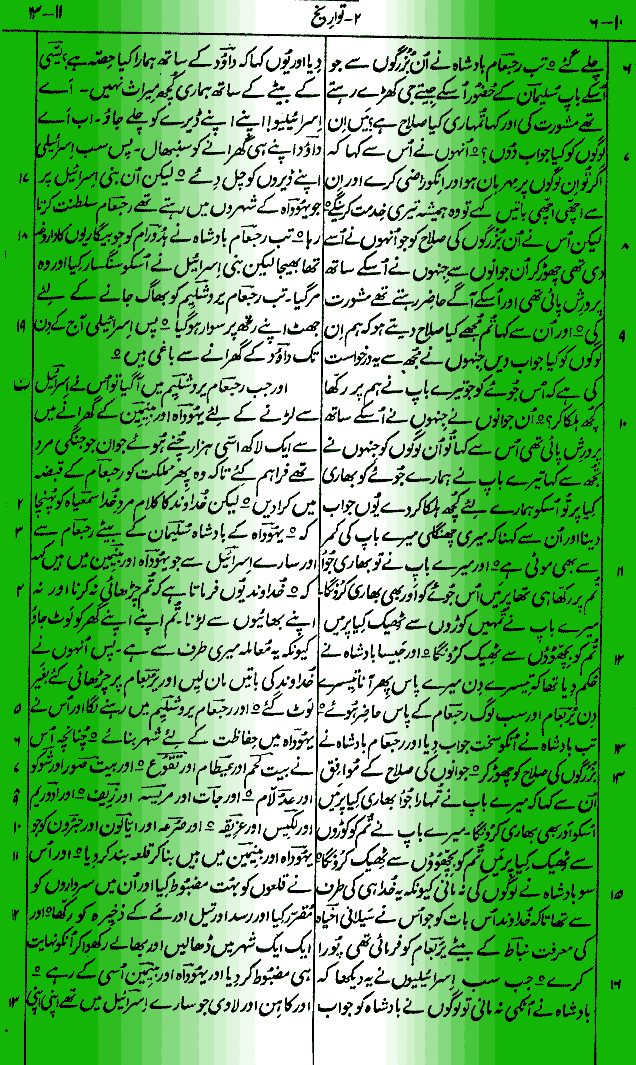
Verse-by-Verse Study: 2 Chronicles 10:6 – 11:13
2 Chronicles 10:6
Verse: And king Rehoboam took counsel with the old men that had stood before Solomon his father while he yet lived saying What counsel give ye me to return answer to this people
-
English Explanation: King Rehoboam faces his first major political crisis. The people of Israel, led by Jeroboam, ask for relief from the heavy taxes and forced labor imposed by King Solomon. Instead of making an immediate decision, Rehoboam wisely seeks advice first from the elder statesmen who served his father. This shows that he recognized the value of experience, though his subsequent actions prove he did not value it enough.
-
Urdu Explanation (اردو وضاحت): شاہ رحبعام کو اپنی بادشاہت کے شروع میں ہی ایک بڑے سیاسی بحران کا سامنا کرنا پڑا۔ اسرائیل کے لوگوں نے یربعام کی قیادت میں سلیمان بادشاہ کے لگائے گئے بھاری ٹیکسوں اور سخت مشقت کو کم کرنے کا مطالبہ کیا۔ رحبعام نے فوری فیصلہ کرنے کے بجائے دانشمندی کا مظاہرہ کرتے ہوئے پہلے ان عمر رسیدہ بزرگوں سے مشورہ کیا جو اس کے باپ سلیمان کے وزیر رہ چکے تھے۔ اس سے معلوم ہوتا ہے کہ وہ تجربہ کار لوگوں کی اہمیت سے واقف تو تھا، لیکن آگے چل کر اس نے اس پر عمل نہ کیا۔
2 Chronicles 10:7
Verse: And they spake unto him saying If thou be kind to this people and please them and speak good words to them they will be thy servants for ever
-
English Explanation: The elders offer profound, servant-leadership advice. They understand that a king’s authority is sustained by the loyalty of his people. By showing kindness, meeting their reasonable demands, and speaking encouraging words, Rehoboam could secure their lifelong loyalty and unite the kingdom permanently.
-
Urdu Explanation (اردو وضاحت): بزرگوں نے رحبعام کو ایک بہترین اور خادمانہ قیادت کا مشورہ دیا۔ وہ جانتے تھے کہ ایک بادشاہ کا اقتدار اس کی عوام کی وفاداری پر منحصر ہوتا ہے۔ انہوں نے کہا کہ اگر تم ان لوگوں کے ساتھ نرمی کرو، انہیں خوش رکھو، اور ان سے محبت اور تسلی کے الفاظ بولو، تو وہ ہمیشہ کے لیے تمہارے وفادار خادم بن جائیں گے۔
2 Chronicles 10:8
Verse: But he forsook the counsel which the old men gave him and took counsel with the young men that were brought up with him that stood before him
-
English Explanation: This verse marks the turning point of the narrative. Rehoboam rejects the wise, humble approach of the elders. Instead, he turns to his peers—young men who grew up in royal privilege and lacked practical wisdom or empathy for the working class. This highlights the danger of pride and surrounding oneself with “yes-men.”
-
Urdu Explanation (اردو وضاحت): یہ آیت اس کہانی کا سب سے بڑا موڑ ہے۔ رحبعام نے بزرگوں کے دانشمندانہ اور عاجزانہ مشورے کو مسترد کر دیا۔ اس کے بجائے، اس نے اپنے ہم عمر جوانوں سے مشورہ کیا جو شاہی ٹھاٹ باٹھ میں پلے بڑھے تھے اور جن کے پاس نہ تو کوئی عملی حکمت تھی اور نہ ہی وہ غریب عوام کے دکھ درد کو سمجھتے تھے۔ یہ غرور اور خوشامدی لوگوں میں گھیرے رہنے کے خطرے کو ظاہر کرتا ہے۔
2 Chronicles 10:9
Verse: And he said unto them What advice give ye that we may return answer to this people which have spoken to me saying Ease somewhat the yoke that thy father did put upon us
-
English Explanation: Rehoboam repeats the people’s request to his young advisors. The “yoke” refers to the heavy taxation and forced labor that Solomon used to build his massive architectural projects. Rehoboam is looking for an answer that aligns more with his desired image of strength and absolute authority rather than compromise.
-
Urdu Explanation (اردو وضاحت): رحبعام نے عوام کا مطالبہ اپنے نوجوان مشیروں کے سامنے دہرایا۔ یہاں “جوا” (yoke) سے مراد وہ بھاری ٹیکس اور سخت محنت ہے جو سلیمان نے اپنی عظیم عمارتوں کی تعمیر کے لیے عوام پر عائد کی تھی۔ رحبعام ایک ایسا جواب تلاش کر رہا تھا جو اس کی شاہی طاقت اور مطلق العنان حکومت کے مطابق ہو، نہ کہ وہ کسی سمجھوتے کے حق میں تھا۔
2 Chronicles 10:10
Verse: And the young men that were brought up with him spake unto him saying Thus shalt thou answer the people that spake unto thee saying Thy father made our yoke heavy but make thou it somewhat lighter for us thus shalt thou say unto them My little finger shall be thicker than my father’s loins
-
English Explanation: The young advisors give foolish, arrogant counsel. They use a vivid hyperbole to assert dominance. Telling the people that the king’s “little finger” will be thicker than his father’s waist was a declaration that Rehoboam’s rule would be far more absolute, oppressive, and powerful than Solomon’s ever was.
-
Urdu Explanation (اردو وضاحت): نوجوان مشیروں نے انتہائی جاہلانہ اور تکبر سے بھرپور مشورہ دیا۔ انہوں نے اپنی طاقت کا رعب جمانے کے لیے ایک مبالغہ آمیز مثال استعمال کی۔ انہوں نے کہا کہ لوگوں سے کہو کہ میرے ہاتھ کی چھوٹی انگلی میرے باپ کی کمر سے زیادہ موٹی ہوگی۔ اس کا مطلب یہ تھا کہ رحبعام کی حکومت سلیمان کی حکومت سے کہیں زیادہ سخت، جابرانہ اور طاقتور ہوگی۔
2 Chronicles 10:11
Verse: For whereas my father put a heavy yoke upon you I will put more to your yoke my father chastised you with whips but I will chastise you with scorpions
-
English Explanation: The young men escalate the threatening rhetoric. “Whips” represent ordinary discipline, but “scorpions” likely refer to whips fitted with sharp metal pieces or thorns designed to inflict maximum pain. This advice completely misjudged the political climate, substituting raw tyranny for diplomatic leadership.
-
Urdu Explanation (اردو وضاحت): نوجوانوں نے دھمکی آمیز لہجہ مزید بڑھا دیا۔ “کوڑے” عام سزا کی علامت تھے، لیکن “بچھوؤں” سے مراد وہ کوڑے تھے جن میں دھات کے تیز ٹکڑے یا کانٹے لگے ہوتے ہیں جو شدید اذیت دیتے ہیں۔ اس مشورے نے ملک کے سیاسی حالات کو بالکل نہیں سمجھا اور سفارتی قیادت کے بجائے ظلم و جبر کا راستہ چنا۔
2 Chronicles 10:12
Verse: So Jeroboam and all the people came to Rehoboam on the third day as the king bade saying Come again to me on the third day
-
English Explanation: Jeroboam and the assembly of Israel return exactly when requested, hoping for a peaceful and merciful resolution from their new king. The three days gave Rehoboam ample time to think, making his final destructive decision deliberate rather than impulsive.
-
Urdu Explanation (اردو وضاحت): یربعام اور اسرائیل کے تمام لوگ طے شدہ وقت کے مطابق تیسرے دن واپس آئے، اس امید کے ساتھ کہ نئے بادشاہ کی طرف سے انہیں کوئی رحم دلی اور سکون کا جواب ملے گا۔ ان تین دنوں نے رحبعام کو سوچنے کا پورا وقت دیا تھا، جس سے یہ ظاہر ہوتا ہے کہ اس کا حتمی فیصلہ محض وقتی غصہ نہیں بلکہ سوچی سمجھی غلطی تھی۔
2 Chronicles 10:13
Verse: And the king answered them roughly and king Rehoboam forsook the counsel of the old men
-
English Explanation: Rehoboam chooses the path of tyranny. By answering them “roughly,” he completely discards the elder’s advice of using “good words.” He mistakes harshness for strength, which is a classic flaw of insecure leaders.
-
Urdu Explanation (اردو وضاحت): رحبعام نے ظلم کا راستہ چنا۔ لوگوں کو “سختی سے جواب” دے کر اس نے بزرگوں کے اس مشورے کو پوری طرح مسترد کر دیا جس میں انہوں نے “نرم الفاظ” بولنے کو کہا تھا۔ اس نے سختی کو طاقت سمجھنے کی غلطی کی، جو کہ کمزور رہنماؤں کی نشانی ہوتی ہے۔
2 Chronicles 10:14
Verse: And answered them after the advice of the young men saying My father made your yoke heavy but I will add thereto my father chastised you with whips but I will chastise you with scorpions
-
Explanation: Rehoboam delivers the exact arrogant statement drafted by his young peers. This public declaration of tyranny alienates the northern tribes completely. It proves that he lacked the emotional intelligence and political foresight to govern a united nation.
-
Urdu Explanation (اردو وضاحت): رحبعام نے ہوبہو وہی متکبرانہ الفاظ کہے جو اس کے جوان دوستوں نے سکھائے تھے۔ ظلم کے اس سرعام اعلان نے شمالی قبیلوں کو پوری طرح بدظن کر دیا۔ اس سے ثابت ہوا کہ اس کے پاس ایک متحدہ قوم پر حکومت کرنے کے لیے نہ تو سیاسی بصیرت تھی اور نہ ہی سمجھداری۔
2 Chronicles 10:15
Verse: So the king hearkened not unto the people for the cause was of God that the LORD might perform his word which he spake by the hand of Ahijah the Shilonite to Jeroboam the son of Nebat
-
English Explanation: This verse provides the divine perspective on human foolishness. While Rehoboam made a genuinely bad choice based on his own free will, God used his pride to fulfill a prophecy given earlier by Ahijah (1 Kings 11:29-39). God remains sovereign, shaping human history even through the mistakes of rulers.
-
Urdu Explanation (اردو وضاحت): یہ آیت انسانی نادانی پر خدا کے منصوبے کو ظاہر کرتی ہے۔ اگرچہ رحبعام نے اپنے آزاد ارادے سے ایک برا فیصلہ کیا تھا، لیکن خدا نے اس کے غرور کو اس پیشگوئی کو پورا کرنے کے لیے استعمال کیا جو پہلے اخیاہ نبی کے ذریعے نباط کے بیٹے یربعام کے بارے میں کی گئی تھی۔ خدا خود مختار ہے اور وہ حکمرانوں کی غلطیوں کے باوجود اپنی تاریخ اور منصوبوں کو پورا کرتا ہے۔
2 Chronicles 10:16
Verse: And when all Israel saw that the king would not hearken unto them the people answered the king saying What portion have we in David and we have none inheritance in the son of Jesse every man to your tents O Israel and now David see to thine own house So all Israel went to their tents
-
English Explanation: The breaking point achieved. The northern tribes officially revolt and declare independence from the Davidic monarchy. The phrase “To your tents, O Israel” is a battle cry of rebellion. The kingdom splits into two: the Northern Kingdom (Israel) and the Southern Kingdom (Judah).
-
Urdu Explanation (اردو وضاحت): تقسیم کا وقت آ گیا۔ شمالی قبیلوں نے باقاعدہ طور پر بغاوت کر دی اور داؤد کے شاہی خاندان سے علیحدگی کا اعلان کر دیا۔ یہ جملہ “اے اسرائیل اپنے اپنے خیموں کو لوٹ جاؤ” بغاوت کا نعرہ تھا۔ اس طرح بادشاہت دو حصوں میں تقسیم ہو گئی: شمالی سلطنت (اسرائیل) اور جنوبی سلطنت (یہوداہ)۔
2 Chronicles 10:17
Verse: But as for the children of Israel that dwelt in the cities of Judah Rehoboam reigned over them
-
English Explanation: Rehoboam is left with a drastically smaller kingdom. He only rules over the tribe of Judah, parts of Benjamin, and those Israelites from other tribes who lived within the borders of Judah’s territory. His pride cost him ten out of the twelve tribes.
-
Urdu Explanation (اردو وضاحت): رحبعام کے پاس اب ایک بہت ہی چھوٹی سلطنت رہ گئی تھی۔ وہ صرف یہوداہ کے قبیلے، بنیمین کے کچھ حصوں اور ان اسرائیلیوں پر حکومت کر سکتا تھا جو یہوداہ کے علاقوں میں مقیم تھے۔ اس کے غرور نے اسے بارہ میں سے دس قبیلوں سے محروم کر دیا۔
2 Chronicles 10:18
Verse: Then king Rehoboam sent Hadoram that was over the tribute and the children of Israel stoned him with stones that he died But king Rehoboam made speed to get him up to his chariot to flee to Jerusalem
-
English Explanation: Showing a total lack of situational awareness, Rehoboam sends Hadoram (the man in charge of forced labor) to collect taxes from the rebelling tribes. The angry Israelites stone Hadoram to death. Realizing his life is in immediate danger, King Rehoboam panics and flees back to Jerusalem.
-
Urdu Explanation (اردو وضاحت): حالات کی سنگینی سے بالکل بے خبر ہو کر، رحبعام نے ہدورام کو (جو بیگار اور ٹیکس وصولی کا نگران تھا) باغی قبیلوں سے ٹیکس لینے بھیجا۔ غصے میں آئے ہوئے اسرائیلیوں نے ہدورام کو سنگسار کر کے مار ڈالا۔ اپنی جان خطرے میں دیکھ کر بادشاہ رحبعام خوفزدہ ہوا اور فوراً اپنے رتھ پر سوار ہو کر یروشلم بھاگ گیا۔
2 Chronicles 10:19
Verse: And Israel rebelled against the house of David unto this day
-
English Explanation: This serves as a concluding summary statement for Chapter 10. The rebellion was permanent. The northern kingdom never returned to the line of David, creating a deep, centuries-long political and religious division among God’s people.
-
Urdu Explanation (اردو وضاحت): یہ دسویں باب کا اختتامی خلاصہ ہے۔ یہ بغاوت مستقل تھی۔ شمالی سلطنت کبھی بھی داؤد کے خاندان کے پاس واپس نہ آئی، جس سے خدا کے لوگوں کے درمیان صدیوں پر محیط ایک گہری سیاسی اور مذہبی تقسیم پیدا ہو گئی۔
2 Chronicles 11:1
Verse: And when Rehoboam was come to Jerusalem he gathered of the house of Judah and Benjamin an hundred and fourscore thousand chosen men which were warriors to fight against Israel that he might bring the kingdom again to Rehoboam
-
English Explanation: Back in Jerusalem, Rehoboam attempts to reclaim the lost territory through civil war. He mobilizes a massive army of 180,000 elite warriors from Judah and Benjamin to crush the rebellion and forcefully reunite Israel under his crown.
-
Urdu Explanation (اردو وضاحت): یروشلم پہنچ کر رحبعام نے خانہ جنگی کے ذریعے کھوئے ہوئے علاقے کو واپس لینے کی کوشش کی۔ اس نے یہوداہ اور بنیمین سے ایک لاکھ اسی ہزار (180,000) چیدہ جنگجوؤں کی ایک بڑی فوج اکٹھی کی تاکہ بغاوت کو کچل کر اسرائیل کو دوبارہ زبردستی اپنے زیر اثر لا سکے۔
2 Chronicles 11:2
Verse: But the word of the LORD came to Shemaiah the man of God saying
-
English Explanation: God intervenes before the civil war can begin. He speaks to Shemaiah, a prophet designated as a “man of God.” This emphasizes that God controls the destiny of nations and intercepts human plans when they oppose His ultimate decree.
-
Urdu Explanation (اردو وضاحت): خانہ جنگی شروع ہونے سے پہلے ہی خدا نے مداخلت کی۔ اس نے لکلام شمعیاہ نبی پر نازل کیا جسے “مردِ خدا” کہا گیا ہے۔ یہ بات اس بات پر زور دیتی ہے کہ قوموں کی تقدیر خدا کے ہاتھ میں ہے اور جب انسانی منصوبے اس کے حکم کے خلاف ہوتے ہیں تو وہ ان کو روک دیتا ہے۔
2 Chronicles 11:3
Verse: Speak unto Rehoboam the son of Solomon king of Judah and to all Israel in Judah and Benjamin saying
-
English Explanation: God gives Shemaiah specific instructions on who to address: King Rehoboam, and the people of Judah and Benjamin. Interestingly, God addresses them as “all Israel in Judah,” showing that in God’s eyes, the true spiritual remnant of Israel remained where His temple was.
-
Urdu Explanation (اردو وضاحت): خدا نے شمعیاہ کو واضح ہدایت دی کہ کس سے بات کرنی ہے: بادشاہ رحبعام، اور یہوداہ اور بنیمین کے لوگوں سے۔ دلچسپ بات یہ ہے کہ خدا نے انہیں “یہوداہ میں رہنے والے تمام اسرائیل” کہہ کر مخاطب کیا، جس سے ظاہر ہوتا ہے کہ خدا کی نظر میں اسرائیل کا سچا روحانی حصہ وہیں تھا جہاں اس کا ہیکل موجود تھا۔
2 Chronicles 11:4
Verse: Thus saith the LORD Ye shall not go up nor fight against your brethren return every man to his house for this thing is done of me And they obeyed the words of the LORD and returned from going against Jeroboam
-
English Explanation: God issues a direct command: Do not fight your brothers. He explicitly states, “this thing is done of me,” confirming the division was His judgment on Solomon’s idolatry. Surprisingly, Rehoboam and his army display rare humility and obey God’s word, turning back from war.
-
Urdu Explanation (اردو وضاحت): خدا نے سیدھا حکم دیا: اپنے بھائیوں سے مت لڑو۔ اس نے واضح طور پر فرمایا، “یہ بات میری ہی طرف سے ہوئی ہے،” جس سے تصدیق ہوتی ہے کہ یہ تقسیم سلیمان کے بت پرستی کے گناہ پر خدا کی عدالت تھی۔ حیرت انگیز طور پر، رحبعام اور اس کی فوج نے اس موقع پر عاجزی کا مظاہرہ کیا اور خدا کے کلام کی فرمانبرداری کرتے ہوئے جنگ سے پیچھے ہٹ گئے۔
2 Chronicles 11:5
Verse: And Rehoboam dwelt in Jerusalem and built cities for defence in Judah
-
English Explanation: Prevented from expanding his territory north, Rehoboam shifts his focus inward. He stays in Jerusalem and launches a major military fortification program within Judah to protect his remaining kingdom from foreign invasions and the hostile northern kingdom.
-
Urdu Explanation (اردو وضاحت): شمال کی طرف اپنی سلطنت بڑھانے سے روکے جانے کے بعد، رحبعام نے اپنی توجہ اندرونی معاملات پر مرکوز کی۔ وہ یروشلم میں رہا اور اپنی بچی ہوئی سلطنت کو بیرونی حملوں اور شمالی سلطنت کی دشمنی سے بچانے کے لیے یہوداہ میں قلعہ بندی کا ایک بڑا منصوبہ شروع کیا۔
2 Chronicles 11:6
Verse: He built even Bethlehem and Etam and Tekoa
-
English Explanation: Rehoboam begins building and fortifying specific strategic cities. Bethlehem, Etam, and Tekoa were all located just south and southeast of Jerusalem, acting as a defensive shield for the capital city.
-
Urdu Explanation (اردو وضاحت): رحبعام نے مخصوص تزویراتی (strategic) شہروں کو تعمیر اور مضبوط کرنا شروع کیا۔ بیت لحم، عیتام اور تقوعہ سب یروشلم کے جنوب اور جنوب مشرق میں واقع تھے، جو دارالحکومت کے لیے ایک حفاظتی ڈھال کا کام کرتے تھے۔
2 Chronicles 11:7
Verse: And Beth-zur and Shoco and Adullam
-
English Explanation: He continues fortifying cities toward the west and southwest. Beth-zur, Shoco, and Adullam protected the valley approaches into the hill country of Judah, securing vital internal routes.
-
Urdu Explanation (اردو وضاحت): اس نے مغرب اور جنوب مغرب کی طرف شہروں کو مضبوط کرنا جاری رکھا۔ بیت صور، شوکو اور عدولام نے یہوداہ کے پہاڑی علاقے میں داخل ہونے والی وادیوں کی حفاظت کی، جس سے اندرونی راستے محفوظ ہو گئے۔
2 Chronicles 11:8
Verse: And Gath and Mareshah and Ziph
-
English Explanation: Gath (on the Philistine border), Mareshah, and Ziph were fortified next. These locations formed a outer military perimeter against threats coming from the coastal plains and southern wilderness.
-
Urdu Explanation (اردو وضاحت): اس کے بعد جات (جو فلستیوں کی سرحد پر تھا)، مریشاہ اور زیف کی قلعہ بندی کی گئی۔ یہ مقامات ساحلی میدانوں اور جنوبی بیابان سے آنے والے خطرات کے خلاف ایک بیرونی فوجی حفاظتی گھیرا بناتے تھے۔
2 Chronicles 11:9
Verse: And Adoraim and Lachish and Azekah
-
English Explanation: Adoraim, Lachish, and Azekah were incredibly important military strongholds. Lachish, in particular, was the most important defensive city in Judah outside of Jerusalem, guarding the main highway from Egypt.
-
Urdu Explanation (اردو وضاحت): ادورائیم، لکیس اور عزیقہ انتہائی اہم فوجی گڑھ تھے۔ خاص طور پر لکیس، یروشلم کے باہر یہوداہ کا سب سے اہم دفاعی شہر تھا، جو مصر سے آنے والی شاہراہ کی نگرانی کرتا تھا۔
2 Chronicles 11:10
Verse: And Zorah and Aijalon and Hebron which are in Judah and in Benjamin fenced cities
-
English Explanation: This concludes the geographical list of the fifteen fortified cities. Zorah and Aijalon guarded the northern and western approaches near Benjamin, while Hebron secured the south. Together, they created an interconnected grid of “fenced” (walled) strongholds.
-
Urdu Explanation (اردو وضاحت): یہ ان پندرہ قلعہ بند شہروں کی جغرافیائی فہرست کا اختتام ہے۔ صورہ اور ایالون نے بنیمین کے قریب شمالی اور مغربی راستوں کی حفاظت کی، جبکہ حبرون نے جنوب کو محفوظ کیا۔ ان سب نے مل کر ایک مضبوط، جڑے ہوئے قلعوں کا جال بنا دیا۔
2 Chronicles 11:11
Verse: And he fortified the strong holds and put captains in them and store of victual and of oil and wine
-
English Explanation: Realizing walls alone cannot fight wars, Rehoboam places military command structures and logistics in place. He appoints experienced captains over each stronghold and stocks them with long-lasting food supplies, oil, and wine to survive long-term military sieges.
-
Urdu Explanation (اردو وضاحت): یہ جانتے ہوئے کہ صرف دیواریں جنگ نہیں لڑ سکتیں، رحبعام نے وہاں فوجی کمانڈ اور رسد کا انتظام کیا۔ اس نے ہر قلعے میں تجربہ کار جرنیل مقرر کیے اور طویل محاصروں کا مقابلہ کرنے کے لیے وہاں خوراک، تیل اور مے کا وافر ذخیرہ جمع کر دیا۔
2 Chronicles 11:12
Verse: And in every several city he put shields and spears and made them exceeding strong having Judah and Benjamin on his side
-
English Explanation: He heavily armors these positions with weaponry (shields and spears). By making these cities “exceeding strong,” Rehoboam effectively stabilizes his small southern kingdom, retaining full administrative control over the loyal territories of Judah and Benjamin.
-
Urdu Explanation (اردو وضاحت): اس نے ان تمام مقامات کو ہتھیاروں (ڈھالوں اور بھالوں) سے لیس کیا۔ ان شہروں کو “بے حد مضبوط” بنا کر، رحبعام نے کامیابی کے ساتھ اپنی چھوٹی جنوبی سلطنت کو مستحکم کیا اور یہوداہ اور بنیمین کے وفادار علاقوں پر اپنا مکمل انتظام برقرار رکھا۔
2 Chronicles 11:13
Verse: And the priests and the Levites that were in all Israel resorted to him out of all their coasts
-
English Explanation: Despite his political losses, Rehoboam receives a major spiritual boost. Jeroboam sets up false idol worship in the northern kingdom, prompting godly priests and Levites living in the north to abandon their lands and migrate to Jerusalem to stay faithful to the true worship of God.
-
Urdu Explanation (اردو وضاحت): اپنے سیاسی نقصانات کے باوجود، رحبعام کو ایک بڑی روحانی تقویت ملی۔ جب یربعام نے شمالی سلطنت میں جھوٹے بتوں کی پوجا شروع کروائی، تو شمال میں رہنے والے خدا ترس کاہنوں اور لاویوں نے اپنی زمینیں چھوڑ دیں اور خدا کی سچی عبادت پر قائم رہنے کے لیے ہجرت کر کے یروشلم آگئے۔