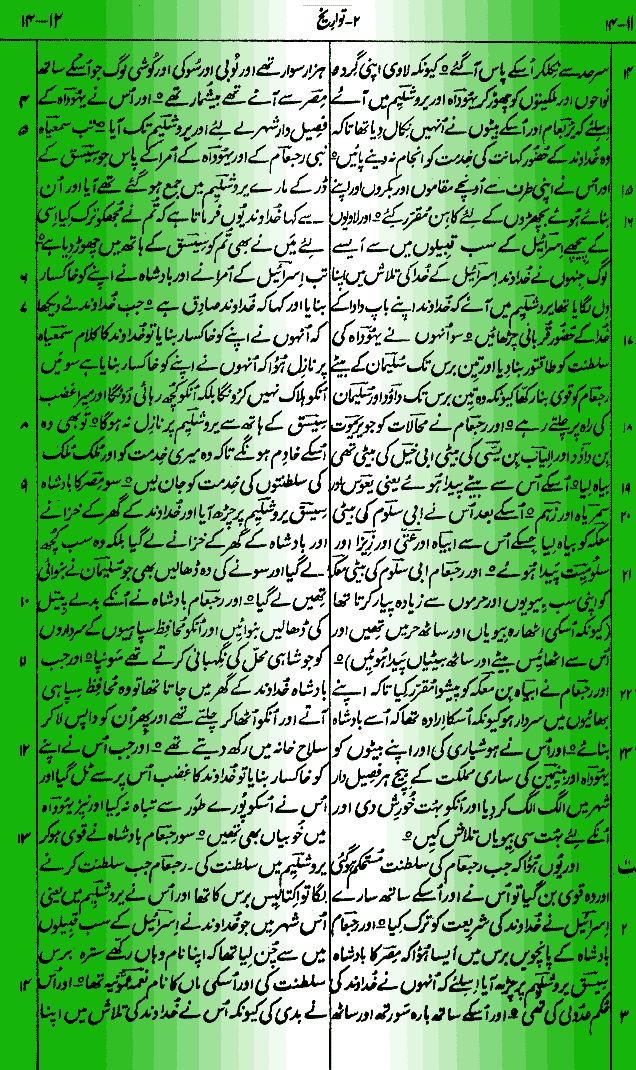
Verse-by-Verse Commentary and Analysis
2 Chronicles 11:14
Verse: For the Levites left their suburbs and their possession and came to Judah and Jerusalem for Jeroboam and his sons had cast them off from executing the priest’s office unto the LORD
Detailed Explanation (English)
This verse highlights a major religious migration. When the kingdom split, Jeroboam (the king of the northern ten tribes of Israel) instituted a false religious system to prevent his subjects from traveling to Jerusalem to worship. Consequently, he rejected the godly Levites from performing their sacred duties. Choosing faith over material comfort, the Levites abandoned their ancestral lands and possessions in the north to move to the Southern Kingdom of Judah, where they could faithfully serve God at the temple in Jerusalem.
تفصیلی وضاحت (Urdu)
یہ آیت ایک بڑے مذہبی ہجرت کی نشان دہی کرتی ہے۔ جب اسرائیلی سلطنت تقسیم ہوئی، تو یربعام (شمالی دس قبیلوں کے بادشاہ) نے ایک جھوٹا مذہبی نظام قائم کیا تاکہ لوگ عبادت کے لیے یروشلم نہ جائیں۔ اس عمل کے تحت اس نے لاویوں کو خداوند کی کہانت کے فرائض انجام دینے سے روک دیا۔ لاویوں نے مادی آسائشوں پر ایمان کو ترجیح دی اور شمالی علاقوں میں اپنی زمینیں اور جائیدادیں چھوڑ کر یہوداہ اور یروشلم کا رخ کیا تاکہ وہ خدا کے گھر میں سچائی سے خدمت کر سکیں۔
2 Chronicles 11:15
Verse: And he ordained him priests for the high places and for the devils and for the calves which he had made
Detailed Explanation (English)
Jeroboam established an apostate religious framework. He built alternative worship centers (“high places”) and commissioned idolatrous golden calves and goat idols (“devils”). Because the true Levites refused to participate in this pagan worship, Jeroboam appointed unauthorized, non-Levitical priests who were willing to cater to his political and idolatrous agendas, leading the northern tribes into severe spiritual darkness.
تفصیلی وضاحت (Urdu)
یربعام نے ایک گمراہ کن مذہبی نظام کی بنیاد رکھی۔ اس نے اونچے مقاموں پر قربان گاہیں بنائیں اور سونے کے بچھڑوں اور خود ساختہ معبودوں (شیاطین) کی پرستش شروع کروائی۔ چونکہ سچے لاویوں نے اس بت پرستی میں حصہ لینے سے انکار کر دیا تھا، اس لیے یربعام نے عام لوگوں میں سے ایسے کاہن مقرر کیے جو اس کے سیاسی اور بت پرستانہ عزائم کو پورا کر سکیں، جس سے شمالی قبیلے شدید روحانی گمراہی میں پڑ گئے۔
2 Chronicles 11:16
Verse: And after them out of all the tribes of Israel such as set their hearts to seek the LORD God of Israel came to Jerusalem to sacrifice unto the LORD God of their fathers
Detailed Explanation (English)
The courageous move of the Levites inspired other faithful citizens across all ten northern tribes. Spiritual conviction overrode tribal politics. Everyday Israelites who genuinely “set their hearts to seek the Lord” chose to migrate south. They risked everything to ensure they could offer proper sacrifices and worship the God of their ancestors according to His biblical commandments.
تفصیلی وضاحت (Urdu)
لاویوں کے اس جرات مندانہ قدم نے شمالی قبیلوں کے دوسرے وفادار شہریوں کو بھی حوصلہ دیا۔ قبائلی سیاست پر روحانی عقیدت غالب آ گئی۔ اسرائیل کے تمام قبیلوں میں سے جن لوگوں نے سچے دل سے “خداوند اسرائیل کے خدا کی تلاش” کرنے کا ارادہ کیا، وہ ہجرت کر کے یروشلم آ گئے۔ انہوں نے اپنا سب کچھ داؤ پر لگا دیا تاکہ وہ اپنے باپ دادا کے خدا کے حضور صحیح طور پر قربانی اور عبادت پیش کر سکیں۔
2 Chronicles 11:17
Verse: So they strengthened the kingdom of Judah and made Rehoboam the son of Solomon strong three years for three years they walked in the way of David and Solomon
Detailed Explanation (English)
The influx of faithful priests, Levites, and godly citizens spiritually and politically reinforced the southern kingdom of Judah. This spiritual revival brought stability and strength to King Rehoboam’s reign for three years. During this period, the nation experienced blessing and security because they walked in the righteous ways characterized by the best years of David and Solomon.
تفصیلی وضاحت (Urdu)
سچے کاہنوں، لاویوں اور دیندار شہریوں کی آمد نے یہوداہ کی سلطنت کو روحانی اور سیاسی طور پر مضبوط کیا۔ اس روحانی بیداری نے تین سال تک بادشاہ رحبعام کی حکومت کو استحکام اور طاقت بخشی۔ اس عرصے کے دوران، قوم نے امن و برکت کا تجربہ کیا کیونکہ وہ داؤد اور سلیمان کے سنہری دور کے نیک طور طریقوں پر چلتے رہے۔
2 Chronicles 11:18
Verse: And Rehoboam took him Mahalath the daughter of Jerimoth the son of David to wife and Abihail the daughter of Eliab the son of Jesse
Detailed Explanation (English)
This section shifts to Rehoboam’s domestic and royal family management. To secure his dynasty and solidify his political ties within the royal lineage, he married within the house of David. Mahalath was a granddaughter of David, and Abihail was a descendant of David’s oldest brother, Eliab. This kept his immediate alliances firmly tied to the foundational family of Israel’s monarchy.
تفصیلی وضاحت (Urdu)
یہ حصہ رحبعام کے گھریلو اور شاہی خاندان کے انتظام کی طرف منتقل ہوتا ہے۔ اپنی بادشاہت کو محفوظ بنانے اور شاہی خاندان کے اندر سیاسی روابط کو مضبوط کرنے کے لیے، اس نے داؤد کے خاندان میں شادیاں کیں۔ محلت داؤد کی پوتی تھی، اور ابیحایل داؤد کے بڑے بھائی الیاب کی نسل سے تھی۔ اس طرح اس نے اپنے قریبی گٹھ جوڑ کو مضبوط رکھا۔
2 Chronicles 11:19
Verse: Which bare him children Jeush and Shamariah and Zaham
Detailed Explanation (English)
This verse lists the sons born to Rehoboam through his marriages mentioned in the previous verse. The birth of these sons (Jeush, Shamariah, and Zaham) ensured the physical continuation of the Davidic line and expanded the royal household, providing potential administrative support and heirs for the growing kingdom.
تفصیلی وضاحت (Urdu)
یہ آیت رحبعام کے ان بیٹوں کے نام بتاتی ہے جو پچھلی آیت میں مذکور اس کی بیویوں سے پیدا ہوئے۔ ان بیٹوں (یعوش، شماریاہ اور زہم) کی پیدائش نے داؤد کی نسل کے تسلسل کو یقینی بنایا اور شاہی خاندان کو وسعت دی، جس سے سلطنت کے لیے مستقبل کے منتظمین اور وارث میسر آئے۔
2 Chronicles 11:20
Verse: And after her he took Maachah the daughter of Absalom which bare him Abijah and Attai and Ziza and Shelomith
Detailed Explanation (English)
Rehoboam expanded his harem by marrying Maachah, a descendant of David’s notable son Absalom. Maachah bore him four sons, including Abijah. This specific marriage carried immense political and emotional weight within the palace, as Maachah would become his most favored wife, dramatically shifting the future succession of Judah’s throne.
تفصیلی وضاحت (Urdu)
رحبعام نے داؤد کے مشہور بیٹے ابشالوم کی بیٹی (یا نواسی) معکہ سے شادی کر کے اپنے حرم کو مزید وسعت دی۔ معکہ نے اس کے لیے چار بیٹوں کو جنم دیا، جن میں ابیاہ بھی شامل تھا۔ اس شادی کی محل کے اندر بڑی سیاسی اور جذباتی اہمیت تھی، کیونکہ معکہ اس کی سب سے پسندیدہ بیوی بن گئی، جس نے یہوداہ کے تخت کے مستقبل کو بدل کر رکھ دیا۔
2 Chronicles 11:21
Verse: And Rehoboam loved Maachah the daughter of Absalom above all his wives and his concubines for he took eighteen wives and threescore concubines and begat twenty and eight sons and threescore daughters
Detailed Explanation (English)
Despite having a large harem comprising eighteen wives and sixty concubines, Rehoboam’s deepest affection was reserved for Maachah. While his extensive household reflected the grand, worldly polygamous lifestyle popularized by his father Solomon—which often led to spiritual compromise—it highlights that human favoritism in a large family dynamic could create complex inner-palace rivalries.
تفصیلی وضاحت (Urdu)
اٹھارہ بیویوں اور ساٹھ حرموں پر مشتمل ایک بڑے خاندان کے باوجود، رحبعام کی سب سے گہری محبت معکہ کے لیے مخصوص تھی۔ اگرچہ اس کا اتنا بڑا خاندان اس کے والد سلیمان کے دور کی دنیاوی طرزِ زندگی کی عکاسی کرتا تھا (جو اکثر روحانی زوال کا سبب بنتی تھی)، لیکن یہ ظاہر کرتا ہے کہ بڑے خاندانوں میں کسی ایک کو ترجیح دینا محلاتی سیاست اور رقابتوں کو جنم دیتا ہے۔
2 Chronicles 11:22
Verse: And Rehoboam made Abijah the son of Maachah the chief to be ruler among his brethren for he thought to make him king
Explanation (English)
Driven by his love for Maachah, Rehoboam broke standard birthright expectations by appointing her son, Abijah, as the chief crown prince over his older brothers. Rehoboam deliberately positioned and groomed Abijah to succeed him on the throne, taking proactive steps to consolidate authority around his favorite line.
تفصیلی وضاحت (Urdu)
معکہ کے لیے اپنی محبت کی وجہ سے، رحبعام نے عام خاندانی رواج اور پہلوٹھے کے حق کے برعکس معکہ کے بیٹے ابیاہ کو اس کے بڑے بھائیوں پر امیر مقرر کیا۔ رحبعام نے جان بوجھ کر ابیاہ کو تخت کا وارث بنانے کے لیے تیار کیا تاکہ اس کی پسندیدہ نسل کے پاس ہی اقتدار رہے۔
2 Chronicles 11:23
Verse: And he dealt wisely and dispersed of all his children throughout all the countries of Judah and Benjamin unto every fenced city and he gave them victual in abundance And he desired many wives
Detailed Explanation (English)
To prevent a bloody civil war among his twenty-eight sons over Abijah’s appointment, Rehoboam executed a shrewd political strategy. He scattered his other sons throughout fortified cities in Judah and Benjamin, providing them with luxury and responsibilities. This kept them occupied, separated, and less capable of forming an alliance to overthrow the chosen heir, while Rehoboam continued to expand his royal power and desires.
تفصیلی وضاحت (Urdu)
ابیاہ کی ولی عہدی کی وجہ سے اپنے اٹھائیس بیٹوں کے درمیان کسی ممکنہ خانہ جنگی کو روکنے کے لیے، رحبعام نے ایک ہوشیار سیاسی حکمتِ عملی اپنائی۔ اس نے اپنے دوسرے بیٹوں کو یہوداہ اور بنیمین کے قلعہ بند شہروں میں پھیلا دیا اور انہیں کثرت سے ساز و سامان اور ذمہ داریاں دیں۔ اس سے وہ مصروف اور ایک دوسرے سے الگ رہے، جس کی وجہ سے وہ ولی عہد کے خلاف متحد نہ ہو سکے، جبکہ رحبعام اپنی دنیاوی خواہشات کو پورا کرتا رہا۔
2 Chronicles 12:1
Verse: And it came to pass when Rehoboam had established the kingdom and had strengthened himself he forsook the law of the LORD and all Israel with him
Detailed Explanation (English)
Once Rehoboam felt secure, wealthy, and powerful, prosperity bred complacency and pride. Mistaking temporal strength for self-sufficiency, he abandoned the Law of God. Because of his immense royal influence, his spiritual backsliding led the collective population of Judah into sin and idolatry as well, illustrating the dangerous spiritual impact of compromised leadership.
تفصیلی وضاحت (Urdu)
جب رحبعام نے محسوس کیا کہ اس کی سلطنت مضبوط، امیر اور محفوظ ہو چکی ہے، تو خوشحالی نے اس کے اندر غرور پیدا کر دیا۔ اپنی ظاہری طاقت کو اپنی ذاتی کامیابی سمجھتے ہوئے، اس نے خداوند کی شریعت کو ترک کر دیا۔ اس کے شاہی اثر و رسوخ کی وجہ سے، اس کی روحانی گمراہی نے یہوداہ کے عام لوگوں کو بھی گناہ اور بت پرستی میں مبتلا کر دیا، جو اس بات کی علامت ہے کہ ایک گمراہ رہنما پوری قوم کو تباہی کی طرف لے جا سکتا ہے۔
2 Chronicles 12:2
Verse: And it came to pass that in the fifth year of king Rehoboam Shishak king of Egypt came up against Jerusalem because they had transgressed against the LORD
Detailed Explanation (English)
Spiritual unfaithfulness brought immediate geopolitical consequences. In the fifth year of Rehoboam’s reign, God permitted King Shishak of Egypt to launch a massive military invasion directly threatening Jerusalem. The text makes it explicitly clear that this military vulnerability was not a mere political coincidence, but a direct consequence of their sin against God.
تفصیلی وضاحت (Urdu)
روحانی بے وفائی کے فوری طور پر سیاسی اور جغرافیائی نتائج برآمد ہوئے۔ رحبعام کی بادشاہت کے پانچویں سال میں، خدا نے مصر کے بادشاہ شیشق کو یہوداہ پر ایک بڑے فوجی حملے کی اجازت دی، جس سے یروشلم کو براہِ راست خطرہ لاحق ہو گیا۔ بائبل واضح کرتی ہے کہ یہ فوجی حملہ کوئی اتفاق نہیں تھا، بلکہ خدا کے خلاف ان کی نافرمانی کا براہِ راست نتیجہ تھا۔
2 Chronicles 12:3
Verse: With twelve hundred chariots and threescore thousand horsemen and the people were without number that came with him out of Egypt the Lubims the Sukkiims and the Ethiopians
Detailed Explanation (English)
This verse describes the overwhelming scale of the divine judgment executing through Shishak’s army. Comprising 1,200 chariots, 60,000 elite cavalrymen, and an innumerable horde of allied infantry forces from Libya (Lubims), Sukkites, and Nubia (Ethiopians), the massive force highlighted Judah’s complete inability to save itself through human military strength alone.
تفصیلی وضاحت (Urdu)
یہ آیت شیشق کی فوج کی ہولناک طاقت کو بیان کرتی ہے جو خدا کی عدالت کا ذریعہ بنی۔ اس لشکر میں ۱۲۰۰ رتھ، ۶۰,۰۰۰ مایہ ناز سوار، اور لیبیا، سوکیوں اور حبشہ (ایتھوپیا) کے ان گنت پیادہ فوجی شامل تھے۔ اس بے پناہ طاقت نے یہ واضح کر دیا کہ یہوداہ اپنے بل بوتے پر اس کا مقابلہ کرنے کی بالکل سکت نہیں رکھتا تھا۔
2 Chronicles 12:4
Verse: And he took the fenced cities which pertained to Judah and came to Jerusalem
Detailed Explanation (English)
The heavily fortified cities that Rehoboam had spent years building and garrisoning (as detailed in Chapter 11) fell easily before the invading Egyptian army. Shishak’s forces systematically dismantled Judah’s outer defenses and marched unchallenged to the doorsteps of Jerusalem, proving that human defenses are useless when God withdraws His protection.
تفصیلی وضاحت (Urdu)
وہ قلعہ بند شہر جنہیں رحبعام نے سالہا سال لگا کر مضبوط کیا تھا (جیسا کہ باب ۱۱ میں ذکر ہوا ہے)، مصری فوج کے سامنے ریت کی دیوار ثابت ہوئے۔ شیشق کی فوجوں نے یہوداہ کے تمام بیرونی دفاع کو تباہ کر دیا اور سیدھے یروشلم کے پھاٹک تک پہنچ گئے، جس سے یہ ثابت ہوا کہ جب خدا کی حفاظت ہٹ جائے تو انسانی قلعے بے کار ہو جاتے ہیں۔
2 Chronicles 12:5
Verse: Then came Shemaiah the prophet to Rehoboam and to the princes of Judah that were gathered together to Jerusalem because of Shishak and said unto them Thus saith the LORD Ye have forsaken me and therefore have I also left you in the hand of Shishak
Detailed Explanation (English)
As the desperate leadership huddled in Jerusalem fearing for their lives, God sent the prophet Shemaiah with a sobering, direct word. The message cut straight to the core issue: their current crisis was caused because they abandoned God. Therefore, God had justly removed His protective hand, leaving them to experience the harsh reality of Egyptian domination.
تفصیلی وضاحت (Urdu)
جب خوفزدہ شاہی قیادت یروشلم میں اپنی جان بچانے کے لیے جمع تھی، تو خدا نے سمعیاہ نبی کو ایک سیدھے اور سخت پیغام کے ساتھ بھیجا۔ اس پیغام نے اصل مسئلے کو بے نقاب کیا: ان کی موجودہ مصیبت اس لیے تھی کیونکہ انہوں نے خدا کو چھوڑ دیا تھا۔ اسی لیے خدا نے اپنی حفاظتی اوٹ ہٹا لی اور انہیں شیشق کے رحم و کرم پر چھوڑ دیا۔
2 Chronicles 12:6
Verse: Whereupon the princes of Israel and the king humbled themselves and they said The LORD is righteous
Detailed Explanation (English)
In a rare and vital moment of spiritual clarity, King Rehoboam and the princes did not harden their hearts, make excuses, or blame foreign politics. Instead, they deeply humbled themselves and confessed: “The Lord is righteous.” By admitting that God was completely fair in punishing their sins, they opened the door for divine mercy.
تفصیلی وضاحت (Urdu)
روحانی بیداری کے ایک اہم لمحے میں، بادشاہ رحبعام اور امیروں نے اپنے دلوں کو سخت نہیں کیا اور نہ ہی کوئی بہانہ بنایا۔ اس کے برعکس، انہوں نے عاجزی اختیار کی اور اقرار کیا کہ “خداوند سچا اور عادل ہے۔” یہ تسلیم کرنے سے کہ خدا انہیں سزا دینے میں بالکل حق بجانب ہے، انہوں نے الٰہی رحم و کرم کے لیے دروازہ کھول دیا۔
2 Chronicles 12:7
Verse: And when the LORD saw that they humbled themselves the word of the LORD came to Shemaiah saying They have humbled themselves therefore I will not destroy them but I will grant them some deliverance and my wrath shall not be poured out upon Jerusalem by the hand of Shishak
Detailed Explanation (English)
God responds swiftly to genuine humility. When He witnessed the sincere repentance of the leadership, He mitigated the severity of the sentence. Through Shemaiah, God promised that He would not allow Shishak to completely annihilate Judah or level Jerusalem. They would receive “some deliverance”—a reprieve from total destruction—due to their change of heart.
تفصیلی وضاحت (Urdu)
خدا سچی عاجزی کا جواب بڑی جلدی دیتا ہے۔ جب اس نے قیادت کی سچی توبہ کو دیکھا، تو اس نے سزا کی شدت کو کم کر دیا۔ سمعیاہ کے ذریعے خدا نے وعدہ کیا کہ وہ شیشق کو یہوداہ کو مکمل طور پر نیست و نابود کرنے کی اجازت نہیں دے گا۔ ان کی توبہ کی وجہ سے انہیں مکمل تباہی سے بچا کر “کچھ مخلصی” عطا کی جائے گی۔
2 Chronicles 12:8
Verse: Nevertheless they shall be his servants that they may know my service and the service of the kingdoms of the countries
Detailed Explanation (English)
Even though spared from total annihilation, Judah still faced a disciplinary consequence. God permitted them to become vassals to Egypt. This served an educational, spiritual purpose: by suffering under the heavy taxation and oppression of a pagan world power, they would learn the contrast between the gracious, life-giving service of God versus the crushing bondage of worldly dictators.
تفصیلی وضاحت (Urdu)
اگرچہ وہ مکمل تباہی سے بچ گئے، لیکن انہیں اپنے گناہ کے نتیجے کا سامنا کرنا پڑا۔ خدا نے انہیں مصر کا محکوم بننے دیا۔ اس کا ایک تعلیمی اور روحانی مقصد تھا: ایک غیر قوم کی سخت غلامی اور ٹیکسوں کے بوجھ تلے دب کر انہیں سمجھ آئے گی کہ خدا کی شفیق اور برکت سے بھری خدمت گزار ہونا دنیاوی بادشاہوں کی ظالمانہ غلامی سے کتنا بہتر ہے۔
2 Chronicles 12:9
Verse: So Shishak king of Egypt came up against Jerusalem and took away the treasures of the house of the LORD and the treasures of the king’s house he took all he carried away also the shields of gold which Solomon had made
Detailed Explanation (English)
Shishak stripped Jerusalem of its immense wealth. The gold that Solomon had accumulated to glorify God’s temple and show the monarchy’s splendor was plundered, including the famous golden shields. This immense material loss visibly demonstrated that when a nation loses its spiritual treasure (faithfulness to God), its earthly treasures are quickly lost as well.
تفصیلی وضاحت (Urdu)
مصر کا بادشاہ شیشق یروشلم کی تمام دولت لوٹ کر لے گیا۔ وہ سونا جو سلیمان نے خدا کے گھر کی شان و شوکت اور شاہی جاہ و جلال کے لیے جمع کیا تھا، بشمول سونے کی مشہور سپریں (ڈھالیں)، سب لوٹ لیا گیا۔ یہ بڑا مادی نقصان اس بات کا ثبوت تھا کہ جب کوئی قوم اپنی روحانی دولت (خدا پر ایمان) کھو دیتی ہے، تو اس کی دنیاوی دولت بھی چلی جاتی ہے۔
2 Chronicles 12:10
Verse: Instead of which king Rehoboam made shields of brass and committed them to the hands of the chief of the guard that kept the entrance of the king’s house
Detailed Explanation (English)
In an attempt to maintain a facade of the old royal glory, Rehoboam replaced the stolen gold shields with brass ones. This substitution acts as a powerful spiritual metaphor: brass looks somewhat like gold from a distance but is far less valuable. It illustrated how Judah’s spiritual state had degraded from the pure “gold” of true faith to the cheap “brass” of empty, superficial religious tradition.
تفصیلی وضاحت (Urdu)
پرانے شاہی جاہ و جلال کا بھرم رکھنے کی کوشش میں، رحبعام نے چوری شدہ سونے کی ڈھالوں کی جگہ پیتل کی ڈھالیں بنوائیں۔ یہ تبدیلی ایک گہرا روحانی اشارہ ہے: پیتل دور سے سونے کی طرح چمکتا ضرور ہے لیکن اس کی قیمت بہت کم ہوتی ہے۔ یہ اس بات کی علامت تھی کہ یہوداہ کا روحانی معیار سچے ایمان کے خالص “سونے” سے گر کر ظاہری دکھاوے کے سستے “پیتل” میں تبدیل ہو چکا تھا۔
2 Chronicles 12:11
Verse: And when the king entered into the house of the LORD the guard came and fetched them and brought them again into the guard chamber
Detailed Explanation (English)
Unlike Solomon’s day, when golden shields were displayed continuously as a sign of permanent security and wealth, Rehoboam’s brass shields were kept locked away. They were only brought out under guard during formal royal visits to the temple and immediately hidden afterward. This shift emphasized a highly defensive, anxious kingdom that was now living in constant fear and diminished status.
تفصیلی وضاحت (Urdu)
سلیمان کے دور کے برعکس، جب سونے کی ڈھالیں مستقل طور پر امن اور دولت کی علامت کے طور پر لٹکائی جاتی تھیں، رحبعام کی پیتل کی ڈھالیں تالے میں رکھی جاتی تھیں۔ انہیں صرف اس وقت پہرے میں نکالا جاتا تھا جب بادشاہ ہیکل میں جاتا تھا، اور بعد میں فوراً واپس چھپا دیا جاتا تھا۔ یہ عمل ظاہر کرتا ہے کہ سلطنت اب مستقل خوف اور زوال کا شکار ہو چکی تھی۔
2 Chronicles 12:12
Verse: And when he humbled himself the wrath of the LORD turned from him that he would not destroy him altogether and also in Judah things went well
Detailed Explanation (English)
This verse emphasizes the direct causal link between humility and grace. Because Rehoboam humbled himself under divine correction, God withheld complete destruction. Though weakened and poorer, Judah experienced a period of relative recovery and societal order. God preserved the line of David and kept the nation functional because repentance invited His mercy.
تفصیلی وضاحت (Urdu)
یہ آیت عاجزی اور خدا کے فضل کے مابین براہِ راست تعلق پر زور دیتی ہے۔ چونکہ رحبعام نے الٰہی تنبیہ کے سامنے عاجزی دکھائی، اس لیے خدا کا غضب ٹھنڈا ہو گیا اور اس نے قوم کو بالکل نیست و نابود نہیں کیا۔ اگرچہ یہوداہ کمزور اور غریب ہو چکا تھا، پھر بھی وہاں حالات کچھ بہتر ہو گئے اور زندگی معمول پر آنے لگی کیونکہ سچی توبہ خدا کے رحم کو دعوت دیتی ہے۔
2 Chronicles 12:13
Verse: So king Rehoboam strengthened himself in Jerusalem and reigned for Rehoboam was one and forty years old when he began to reign and he reigned seventeen years in Jerusalem the city which the LORD had chosen out of all the tribes of Israel to put his name there And his mother’s name was Naamah an Ammonitess
Detailed Explanation (English)
The narrator summarizes Rehoboam’s legacy. He managed to regain some strength and finished a seventeen-year reign in Jerusalem—the city uniquely chosen by God for His presence. However, the mention of his mother, Naamah the Ammonitess, serves as a subtle reminder of the foreign, idolatrous influences introduced by Solomon’s marriages, which heavily contributed to Rehoboam’s compromised spiritual roots.
تفصیلی وضاحت (Urdu)
یہاں مصنف رحبعام کے دورِ حکومت کا خلاصہ پیش کرتا ہے۔ وہ کچھ حد تک دوبارہ سنبھلنے میں کامیاب ہوا اور یروشلم میں سترہ سال حکومت کی—وہ شہر جسے خدا نے سکونت کے لیے خود چنا تھا۔ تاہم، اس کی ماں “ناعمہ عمونیہ” کا ذکر اس بات کی یاد دہانی ہے کہ سلیمان کی غیر اقوام میں شادیوں کی وجہ سے جو بت پرستی ملک میں آئی تھی، اسی نے رحبعام کی روحانی بنیادوں کو کمزور کرنے میں بڑا کردار ادا کیا۔
2 Chronicles 12:14
Verse: And he did evil because he prepared not his heart to seek the LORD
Detailed Explanation (English)
This verse delivers the final biblical verdict on Rehoboam’s life: “he did evil.” The root cause of his failure was not a lack of political skill or military resources, but a failure of the heart. He lacked the disciplined, intentional focus required to consistently seek, love, and obey God. His unstable devotion serves as a warning that a heart left unguarded will naturally drift into spiritual ruin.
تفصیلی وضاحت (Urdu)
یہ آیت رحبعام کی زندگی پر بائبل کا آخری اور حتمی فیصلہ سناتی ہے: “اس نے برائی کی”۔ اس کی ناکامی کی اصل وجہ سیاسی مہارت یا فوجی وسائل کی کمی نہیں تھی، بلکہ دل کا بگاڑ تھا۔ اس کے پاس وہ مخلصانہ اور مستقل ارادہ نہیں تھا جو خدا کی تلاش اور اس کی فرمانبرداری کے لیے ضروری ہے۔ اس کی غیر مستقل مزاجی یہ سبق دیتی ہے کہ اگر دل کی حفاظت نہ کی جائے، تو انسان قدرتی طور پر روحانی زوال کی طرف بہہ جاتا ہے۔