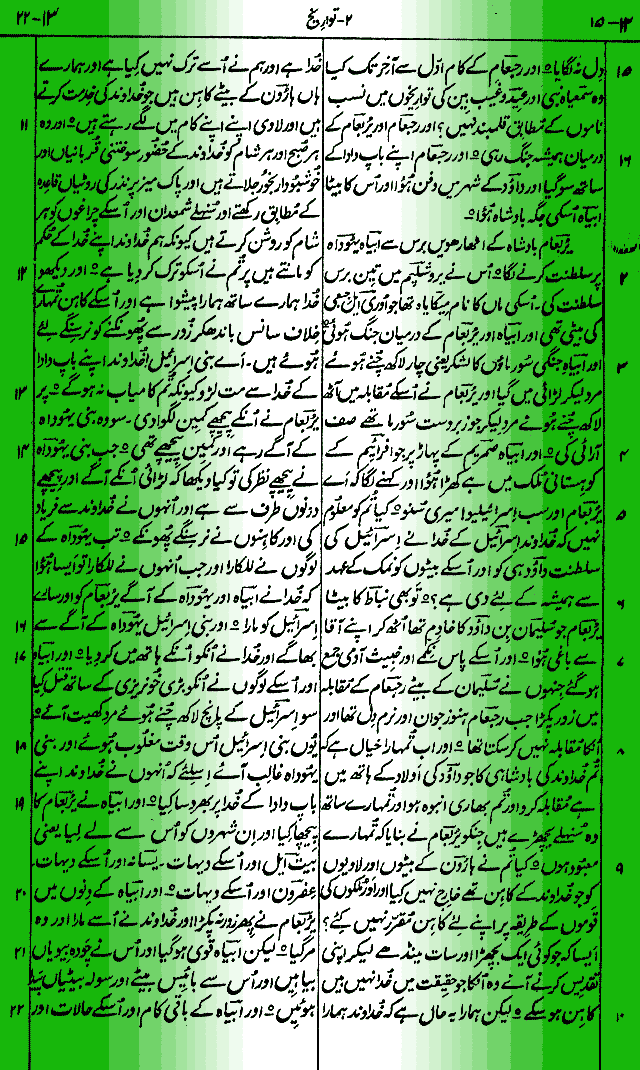
Verse-by-Verse Commentary & Explanation
2 Chronicles 12:13
-
Verse: So king Rehoboam strengthened himself in Jerusalem and reigned for Rehoboam was one and forty years old when he began to reign and he reigned seventeen years in Jerusalem the city which the LORD had chosen out of all the tribes of Israel to put his name there And his mother’s name was Naamah an Ammonitess
-
English Explanation: This verse marks the conclusion of Rehoboam’s turbulent reign. Despite the division of the kingdom, he managed to establish his rule firmly in Jerusalem, the uniquely chosen city of God. The mention of his mother, Naamah the Ammonitess, serves as a subtle reminder of the foreign idol-worshiping influences that plagued Solomon’s later years and impacted Rehoboam’s lineage.
-
Urdu Explanation: یہ آیت رحبعام کی حکومت کے اختتام کا خلاصہ پیش کرتی ہے۔ بادشاہت کی تقسیم کے باوجود، وہ یروشلم میں اپنی طاقت کو برقرار رکھنے میں کامیاب رہا، جو کہ خدا کا چنا ہوا شہر تھا۔ اس کی ماں، نعمہ جو کہ عمونی تھی، کا ذکر اس بات کی طرف اشارہ ہے کہ سلیمان کے آخری دور میں بت پرستی کے جو اثرات محل میں داخل ہوئے تھے، انہوں نے رحبعام کی زندگی اور نسل پر بھی اثر ڈالا۔
2 Chronicles 12:14
-
Verse: And he did evil because he prepared not his heart to seek the LORD
-
English Explanation: The spiritual epitaph of Rehoboam is tragic. His ultimate failure was not a lack of political skill, but a lack of deliberate heart preparation to seek and serve Yahweh. True devotion requires intentional preparation, and his complacency led to spiritual ruin.
-
Urdu Explanation: یہ رحبعام کا روحانی خلاصہ ہے جو کہ انتہائی افسوسناک ہے۔ اس کی سب سے بڑی ناکامی سیاسی نہیں بلکہ روحانی تھی کیونکہ اس نے اپنے دل کو خداوند کی تلاش اور اس کی بندگی کے لیے تیار نہیں کیا۔ سچی بندگی کے لیے دل کی آمادگی ضروری ہے، اور اس کی غفلت اسے برائی کی طرف لے گئی۔
2 Chronicles 12:15
-
Verse: Now the acts of Rehoboam first and last are they not written in the book of Shemaiah the prophet and of Iddo the seer concerning genealogies And there were wars between Rehoboam and Jeroboam continually
-
English Explanation: The author points to extra-biblical historical records written by the prophets Shemaiah and Iddo. It also highlights the perpetual state of conflict and civil unrest between the Southern Kingdom (Judah under Rehoboam) and the Northern Kingdom (Israel under Jeroboam).
-
Urdu Explanation: مصنف یہاں دیگر تاریخی کتابوں کا حوالہ دیتا ہے جو مشایاہ نبی اور عدو غیب بین نے لکھی تھیں۔ یہ آیت یہ بھی ظاہر کرتی ہے کہ رحبعام اور یربعام کے درمیان مستقل جنگ اور خانہ جنگی کی کیفیت برقرار رہی، جس سے دونوں سلطنتیں کمزور ہوئیں۔
2 Chronicles 12:16
-
Verse: And Rehoboam slept with his fathers and was buried in the city of David and Abijah his son reigned in his stead
-
English Explanation: Rehoboam passes away and is buried with honors in Jerusalem. The royal line of David continues despite the kingdom’s fracturing, as his son Abijah (also called Abijam) takes the throne.
-
Urdu Explanation: رحبعام وفات پا گیا اور اسے داؤد کے شہر (یروشلم) میں دفن کیا گیا۔ سلطنت کی تقسیم کے باوجود داؤد کا شاہی سلسلہ برقرار رہا اور اس کا بیٹا ابیاہ اس کی جگہ تخت نشین ہوا۔
2 Chronicles 13:1
-
Verse: Now in the eighteenth year of king Jeroboam began Abijah to reign over Judah
-
English Explanation: Chapter 13 shifts entirely to the reign of Abijah. His ascension is dated precisely against the reign of Jeroboam, the rival king of the northern ten tribes, setting the stage for a major military showdown.
-
Urdu Explanation: باب 13 کا آغاز ابیاہ کی حکومت سے ہوتا ہے۔ اس کی تخت نشینی کا وقت شمالی دس قبیلوں کے باغی بادشاہ یربعام کی حکومت کے اٹھارویں سال سے جوڑا گیا ہے، جو کہ دونوں کے درمیان ایک بڑے فوجی مقابلے کا پیش خیمہ بنتا ہے۔
2 Chronicles 13:2
-
Verse: He reigned three years in Jerusalem His mother’s name also was Michaiah the daughter of Uriel of Gibeah And there was war between Abijah and Jeroboam
-
English Explanation: Abijah’s reign was short, lasting only three years. The ongoing inherited conflict between the house of David and Jeroboam escalated into open warfare during his brief tenure.
-
Urdu Explanation: ابیاہ کی حکومت مختصر تھی جو صرف تین سال رہی۔ داؤد کے گھرانے اور یربعام کے درمیان وراثت میں ملی ہوئی دشمنی اس کے مختصر دورِ حکومت میں ایک کھلی اور بڑی جنگ کی صورت اختیار کر گئی۔
2 Chronicles 13:3
-
Verse: And Abijah set the battle in array with an army of valiant men of war even four hundred thousand chosen men Jeroboam also set the battle in array against him with eight hundred thousand chosen men being mighty men of valour
-
English Explanation: The military odds were drastically stacked against Judah. Abijah fielded 400,000 elite soldiers, but Jeroboam brought an overwhelming force of 800,000 men, outnumbering Judah two to one.
-
Urdu Explanation: فوجی طاقت کے لحاظ سے یہ مقابلہ یہوداہ کے لیے انتہائی مشکل تھا۔ ابیاہ کے پاس 4 لاکھ چنے ہوئے سپاہی تھے، جبکہ یربعام کے پاس 8 لاکھ جنگجو تھے، یعنی یربعام کی فوج یہوداہ سے دگنی تھی۔
2 Chronicles 13:4
-
Verse: And Abijah stood up upon mount Zemaraim which is in mount Ephraim and said Hear me thou Jeroboam and all Israel
-
English Explanation: Before fighting, Abijah uses a strategic high point on Mount Zemaraim to deliver a theological and political speech directed at Jeroboam and the entire northern army, addressing the root of their spiritual rebellion.
-
Urdu Explanation: جنگ شروع ہونے سے پہلے، ابیاہ نے کوہِ زمرائم کی ایک اونچی چوٹی پر کھڑے ہو کر یربعام اور اس کی پوری فوج کو مخاطب کیا۔ اس نے جنگ سے پہلے ایک مذہبی اور سیاسی تقریر کی تاکہ وہ انہیں ان کی روحانی سرکشی یاد دلائے۔
2 Chronicles 13:5
-
Verse: Ought ye not to know that the LORD God of Israel gave the kingdom over Israel to David for ever even to him and to his sons by a covenant of salt
-
English Explanation: Abijah reminds Israel of the divine decree. A “covenant of salt” denotes a permanent, unbreakable, and incorruptible pact. God chose David’s lineage permanently, making Jeroboam’s rule inherently illegitimate.
-
Urdu Explanation: ابیاہ اسرائیل کو خدا کا ابدی فیصلہ یاد دلاتا ہے۔ “نمک کا عہد” ایک ایسے معاہدے کو ظاہر کرتا ہے جو مستقل، अटूट (نہ ٹوٹنے والا) اور پاک ہو۔ خدا نے داؤد کی نسل کو ہمیشہ کے لیے چنا تھا، اس لیے یربعام کی حکومت شرعی اور الٰہی طور پر ناجائز تھی۔
2 Chronicles 13:6
-
Verse: Yet Jeroboam the son of Nebat the servant of Solomon the son of David is risen up and hath rebelled against his lord
-
English Explanation: Abijah boldly exposes Jeroboam’s history, identifying him not as a rightful monarch, but as a mere servant of Solomon who led a treasonous rebellion against the rightful Davidic king.
-
Urdu Explanation: ابیاہ کھل کر یربعام کی تاریخ بیان کرتا ہے کہ وہ کوئی حقیقی بادشاہ نہیں بلکہ سلیمان کا ایک خادم تھا، جس نے داؤد کے حقیقی وارث کے خلاف بغاوت کی اور غداری کا مرتکب ہوا۔
2 Chronicles 13:7
-
Verse: And there are gathered unto him vain men the children of Belial and have strengthened themselves against Rehoboam the son of Solomon when Rehoboam was young and tenderhearted and could not withstand them
-
English Explanation: “Children of Belial” refers to worthless, ungodly scoundrels. Abijah argues that Jeroboam took advantage of Rehoboam when he was politically naive and easily overwhelmed, rallying lawless men to divide the nation.
-
Urdu Explanation: “بلیعال کے فرزند” سے مراد شریر اور بے دین لوگ ہیں۔ ابیاہ کا موقف ہے کہ یربعام نے ان بدچلن لوگوں کو اکٹھا کیا اور رحبعام کی ناتجربہ کاری اور نرم دلی کا فائدہ اٹھا کر ملک کو تقسیم کر دیا۔
2 Chronicles 13:8
-
Verse: And now ye think to withstand the kingdom of the LORD in the hand of the sons of David and ye be a great multitude and there are with you golden calves which Jeroboam made you for gods
-
English Explanation: Abijah mocks the Northern Kingdom’s confidence. They believe their massive army and their golden idol calves (created by Jeroboam to prevent people from worshiping in Jerusalem) can defeat the true Kingdom of the Lord led by David’s line.
-
Urdu Explanation: ابیاہ شمالی سلطنت کے جھوٹے بھروسے کا مذاق اڑاتا ہے۔ وہ کہتا ہے کہ تم اپنی بڑی فوج اور سونے کے بچھڑوں (جو یربعام نے بت پرستی کے لیے بنائے تھے) کے بل بوتے پر خدا کی اس بادشاہت کا مقابلہ کرنا چاہتے ہو جو داؤد کی نسل کے ہاتھ میں ہے۔
2 Chronicles 13:9
-
Verse: Have ye not cast out the priests of the LORD the sons of Aaron and the Levites and have made you priests after the manner of the nations of other lands so that whosoever cometh to consecrate himself with a young bullock and seven rams the same may be a priest of them that are no gods
-
English Explanation: Jeroboam had expelled the divinely ordained Levitical priesthood and allowed anyone to purchase a priesthood by offering a young bull and seven rams. Abijah highlights how Israel’s entire religious system has become commercialized, pagan, and corrupt.
-
Urdu Explanation: یربعام نے خدا کے مقرر کردہ لاوی کاہنوں کو نکال دیا تھا اور جو کوئی بھی ایک بیل اور سات مینڈھے لاتا، وہ پیسے یا قربانی دے کر کاہن بن جاتا تھا۔ ابیاہ واضح کرتا ہے کہ اسرائیل کا پورا مذہبی نظام کتنا گمراہ اور غیر قوموں جیسا ہو چکا ہے۔
2 Chronicles 13:10
-
Verse: But as for us the LORD is our God and we have not forsaken him and the priests which minister unto the LORD are the sons of Aaron and the Levites wait upon their business
-
English Explanation: In contrast to Israel’s apostasy, Abijah boasts of Judah’s covenant faithfulness. Judah maintained the proper temple worship, utilizing the true descendants of Aaron and the Levites according to the Mosaic Law.
-
Urdu Explanation: اسرائیل کی گمراہی کے برعکس، ابیاہ یہوداہ کی وفاداری کا دعویٰ کرتا ہے۔ وہ کہتا ہے کہ ہمارا خدا خداوند ہے اور ہم نے اسے نہیں چھوڑا، اور ہمارے ہاں کاہن ہارون کی نسل سے ہیں جو شریعت کے مطابق اپنی خدمات سرانجام دے رہے ہیں۔
2 Chronicles 13:11
-
Verse: And they burn unto the LORD every morning and every evening burnt sacrifices and sweet incense the shewbread also set they in order upon the pure table and the candlestick of gold with the lamps thereof to burn every evening for we keep the charge of the LORD our God but ye have forsaken him
-
English Explanation: Abijah provides specific details of Judah’s ongoing temple rituals: daily morning/evening sacrifices, incense, the table of shewbread, and the golden lampstand. Judah’s strength lay in keeping God’s structural commands while Israel abandoned them.
-
Urdu Explanation: ابیاہ یہوداہ کی ہیکل میں ہونے والی عبادت کی تفصیل بتاتا ہے: صبح و شام کی قربانیاں، خوشبودار بخور، نذر کی روٹیاں، اور سونے کا شمعدان۔ یہوداہ کی اصل طاقت خدا کے احکام کی پابندی میں تھی، جبکہ اسرائیل نے اسے یکسر فراموش کر دیا تھا۔
2 Chronicles 13:12
-
Verse: And behold God himself is with us for our captain and his priests with sounding trumpets to cry alarm against you O children of Israel fight ye not against the LORD God of your fathers for ye shall not prosper
-
English Explanation: This is the theological climax of the speech. Abijah warns Israel that they are not merely fighting Judah, but fighting God Himself, who is the true Commander of Judah’s army. Rebellion against God guarantees failure.
-
Urdu Explanation: یہ تقریر کا سب سے اہم نکتہ ہے۔ ابیاہ اسرائیل کو خبردار کرتا ہے کہ تمہاری جنگ یہوداہ سے نہیں بلکہ خود خدا سے ہے، جو ہمارا سپہ سالار ہے۔ اپنے باپ دادا کے خدا کے خلاف لڑ کر تم کبھی کامیاب نہیں ہو سکتے۔
2 Chronicles 13:13
-
Verse: But Jeroboam caused an ambushment to come about behind them so they were before Judah and the ambushment was behind them
-
English Explanation: Jeroboam chose military deception over theological reasoning. While Abijah was speaking, Jeroboam secretly split his massive forces to launch a tactical ambush from the rear, completely encircling Judah’s army.
-
Urdu Explanation: یربعام نے ابیاہ کی مذہبی باتوں پر غور کرنے کے بجائے فوجی چالاکی کو ترجیح دی۔ جب ابیاہ تقریر کر رہا تھا، یربعام نے اپنی فوج کا ایک حصہ پیچھے سے گھات لگانے کے لیے بھیج دیا، جس سے یہوداہ کی فوج چاروں طرف سے گھر گئی۔
2 Chronicles 13:14
-
Verse: And when Judah looked back behold the battle was before and behind and they cried unto the LORD and the priests sounded with the trumpets
-
English Explanation: Finding themselves trapped from both sides, panic could have easily broken Judah. Instead, they recognized their severe vulnerability, cried out to God in prayer, and the priests sounded the sacred battle trumpets as prescribed in Numbers 10:9.
-
Urdu Explanation: جب یہوداہ کے لوگوں نے مڑ کر دیکھا کہ وہ دونوں طرف سے گھیر چکے ہیں، تو وہ گھبرانے کے بجائے خدا کے حضور گریہ و زاری کرنے لگے اور کاہنوں نے شریعت کے مطابق نرسنگے (ترمپٹ) پھونکے تاکہ خدا سے مدد مانگیں۔
2 Chronicles 13:15
-
Verse: Then the men of Judah gave a shout and as the men of Judah shouted it came to pass that God smote Jeroboam and all Israel before Abijah and Judah
-
English Explanation: The battle shout was an act of collective faith. As they shouted, the divine intervention took place. God directly struck Jeroboam’s army, turning a military trap into a routed defeat for Israel.
-
Urdu Explanation: یہوداہ کے مردوں کا نعرہ ان کے ایمان کا مظاہرہ تھا۔ جیسے ہی انہوں نے نعرہ مارا، معجزانہ طور پر خدا نے خود مداخلت کی اور یربعام اور پورے اسرائیل کو ابیاہ اور یہوداہ کے سامنے شکست دی۔
2 Chronicles 13:16
-
Verse: And the children of Israel fled before Judah and God delivered them into their hand
-
English Explanation: The massive northern army lost courage and retreated in chaos. The author emphasizes that the victory was not due to Judah’s superior warfare, but because God delivered Israel into Judah’s hands.
-
Urdu Explanation: اسرائیل کی اتنی بڑی فوج خوفزدہ ہو کر بھاگ کھڑی ہوئی۔ مصنف واضح کرتا ہے کہ یہ فتح یہوداہ کی فوجی طاقت کی وجہ سے نہیں بلکہ اس لیے ہوئی کیونکہ خدا نے اسرائیل کو ان کے ہاتھ میں کر دیا تھا۔
2 Chronicles 13:17
-
Verse: And Abijah and his people slew them with a great slaughter so there fell down slain of Israel five hundred thousand chosen men
-
English Explanation: This was one of the bloodiest engagements in biblical history. Israel lost 500,000 elite soldiers in a single day—a casualty count higher than their entire opposing army, devastating the Northern Kingdom’s power.
-
Urdu Explanation: یہ بائبل کی تاریخ کی سب سے خونریز جنگوں میں سے ایک تھی۔ اسرائیل کے 5 لاکھ چنے ہوئے سپاہی ایک ہی دن میں مارے گئے، جو کہ یہوداہ کی کل فوج سے بھی زیادہ تعداد تھی، جس نے شمالی سلطنت کی کمر توڑ دی۔
2 Chronicles 13:18
-
Verse: Thus the children of Israel were brought under at that time and the children of Judah prevailed because they relied upon the LORD God of their fathers
-
English Explanation: This verse contains the central spiritual message of the entire passage. Judah did not win because they were sinless, but because in the moment of absolute crisis, they relied entirely on the God of their fathers.
-
Urdu Explanation: یہ اس پورے واقعے کا سب سے اہم روحانی سبق ہے۔ یہوداہ اس لیے نہیں جیتا کہ وہ گناہوں سے پاک تھے، بلکہ اس لیے جیتا کیونکہ مصیبت کے وقت انہوں نے اپنے باپ دادا کے خداوند خدا پر کامل بھروسہ کیا۔
2 Chronicles 13:19
-
Verse: And Abijah pursued after Jeroboam and took cities from him Bethel with the towns thereof and Jeshnah with the towns thereof and Ephrain with the towns thereof
-
English Explanation: Capitalizing on the victory, Abijah seized key territories from Israel, including Bethel. Bethel was highly significant because it was one of the locations where Jeroboam had set up his false golden calf shrines.
-
Urdu Explanation: فتح کا فائدہ اٹھاتے ہوئے، ابیاہ نے یربعام کے کئی شہر چھین لیے، جن میں بیت ایل بھی شامل تھا۔ بیت ایل کی فتح بہت اہم تھی کیونکہ یہ وہی شہر تھا جہاں یربعام نے بت پرستی کے لیے سونے کا بچھڑا نصب کیا تھا|
2 Chronicles 13:20
-
Verse: Neither did Jeroboam recover strength again in the days of Abijah and the LORD struck him and he died
-
English Explanation: Jeroboam’s power was permanently broken. He never regained his military or political dominance over Judah during Abijah’s lifetime, and he eventually died under the direct judgment of God.
-
Urdu Explanation: یربعام کی طاقت مستقل طور پر ختم ہو گئی۔ ابیاہ کی زندگی میں وہ دوبارہ کبھی سر نہ اٹھا سکا اور بالاآخر خدا کے براہِ راست عذاب اور فیصلے کے تحت ہلاک ہو گیا۔
2 Chronicles 13:21
-
Verse: But Abijah waxed mighty and married fourteen wives and begat twenty and two sons and sixteen daughters
-
English Explanation: In line with ancient Near Eastern metrics of royal prosperity, Abijah’s growing strength is illustrated by his large family and numerous descendants, demonstrating temporary earthly blessing.
-
Urdu Explanation: قدیم دور کے بادشاہوں کی خوشحالی کے معیار کے مطابق، ابیاہ کی بڑھتی ہوئی طاقت کو اس کے بڑے خاندان اور کثیر اولاد سے ظاہر کیا گیا ہے، جو کہ اس دور میں دنیاوی برکت کی نشانی مانا جاتا تھا۔
2 Chronicles 13:22
-
Verse: And the rest of the acts of Abijah and his ways and his sayings are written in the story of the prophet Iddo
-
English Explanation: The chapter concludes by pointing researchers and future generations to the prophet Iddo’s detailed historical commentary for further study on Abijah’s short but highly impactful reign.
-
Urdu Explanation: یہ باب یہوداہ کے بادشاہ ابیاہ کے دور کے خاتمے پر ہمیں عدو نبی کی تاریخ کی کتاب کی طرف راغب کرتا ہے، جہاں اس کے اقوال اور کاموں کی مزید تفصیلات موجود ہیں۔