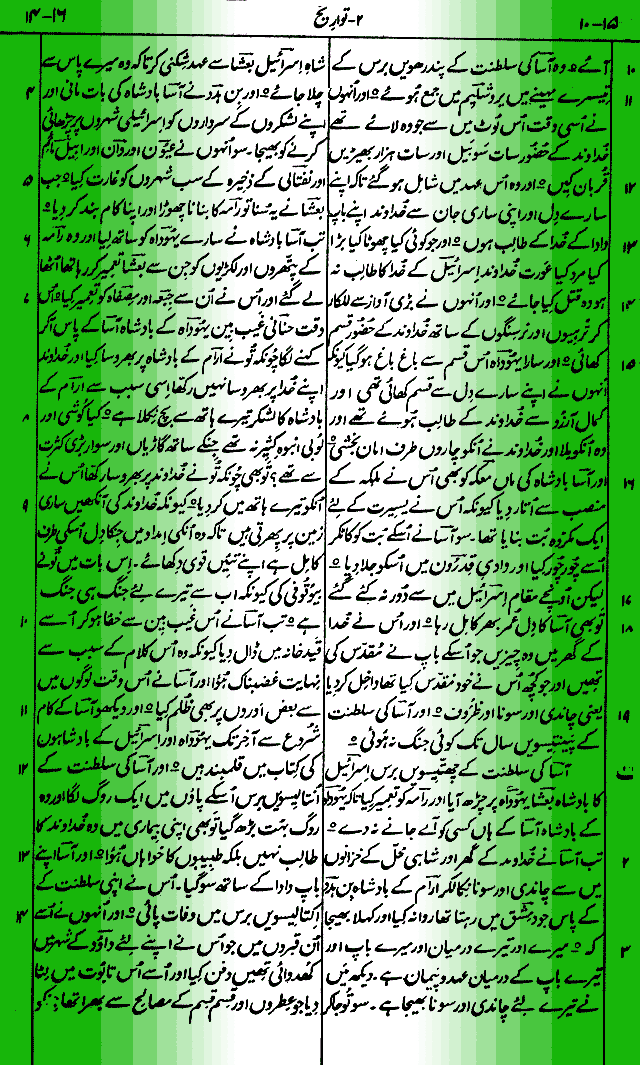
Verse-by-Verse Commentary: 2 Chronicles 15:10 – 16:14
2 Chronicles 15:10
Verse
So they gathered themselves together at Jerusalem in the third month in the fifteenth year of the reign of Asa
English Explanation
This verse marks a pivotal moment of national unity and spiritual revival in Judah. Prompted by the prophetic warning of Azariah, King Asa gathered all the people of Judah, Benjamin, and strangers from Ephraim, Manasseh, and Simeon in Jerusalem. The timing “in the third month” coincides with the Feast of Weeks (Pentecost), a traditional time for renewing covenants and offering firstfruits to God. This gathering signifies a collective decision to return to the true worship of God.
Urdu Explanation (اردو تشریح)
سو وہ آسا کی سلطنت کے پندرہویں برس کے تیسرے مہینے میں یروشلم میں اکٹھے ہوئے
یہ آیت یہوداہ میں قومی اتحاد اور روحانی بیداری کے ایک اہم لمحے کی نشان دہی کرتی ہے۔ عزربیاہ نبی کی پیشین گوئی سے متاثر ہو کر بادشاہ آسا نے یہوداہ، بنیمین اور دیگر قبیلوں کے لوگوں کو یروشلم میں جمع کیا۔ “تیسرا مہینہ” عیدِ ہفتہ (پینتیکوست) کا وقت تھا جو خدا کے ساتھ عہد کی تجدید کا روایتی وقت مانا جاتا تھا۔ یہ اجتماع اس بات کا ثبوت تھا کہ پوری قوم نے مل کر سچے خدا کی طرف لوٹنے کا فیصلہ کیا۔
2 Chronicles 15:11
Verse
And they offered unto the LORD the same time of the spoil which they had brought seven hundred oxen and seven thousand sheep
English Explanation
True revival is always accompanied by worship and sacrifice. The people offered a massive sacrifice to God from the spoils of their previous victory over Zerah the Ethiopian. Sacrificing 700 oxen and 7,000 sheep was an expression of immense gratitude, acknowledging that their military success was entirely a gift from the Lord. It symbolizes giving back to God from what He has blessed them with.
Urdu Explanation (اردو تشریح)
اور انہوں نے اسی وقت اس لوٹ کے مال میں سے جو وہ لائے تھے سات سو بیل اور سات ہزار بھیڑ بکریاں خداوند کے لیے ذبح کیں
سچی روحانی بیداری ہمیشہ عبادت اور قربانی کے ساتھ ظاہر ہوتی ہے۔ لوگوں نے حبشیوں پر حاصل ہونے والی پچھلی فتح کے مالِ غنیمت میں سے خدا کے حضور ایک بہت بڑی قربانی پیش کی۔ 700 بیل اور 7,000 بھیڑ بکریوں کی قربانی گہرے شکر گزار دل کا اظہار تھی جس سے یہ ظاہر ہوتا تھا کہ ان کی کامیابی صرف خدا کی طرف سے تھی۔
2 Chronicles 15:12
Verse
And they entered into a covenant to seek the LORD God of their fathers with all their heart and with all their soul
English Explanation
The assembly progressed from offering sacrifices to making a formal commitment. The people entered into a solemn covenant to seek the Lord with their entire being (“all their heart and with all their soul”). This implies an emotional, intellectual, and spiritual devotion, moving away from half-hearted compliance to a deep, total dedication to the God of their ancestors.
Urdu Explanation (اردو تشریح)
اور انہوں نے عہد کیا کہ اپنے باپ دادا کے خداوند خدا کو اپنے سارے دل اور اپنی ساری جان سے ڈھونڈیں گے
قربانی پیش کرنے کے بعد قوم نے ایک بڑا قدم اٹھایا اور خدا کے ساتھ ایک باقاعدہ عہد کیا۔ لوگوں نے پورے دل اور پوری جان سے خدا کو تلاش کرنے کا پکا ارادہ کیا۔ اس کا مطلب یہ تھا کہ ان کی محبت اور وفاداری اب دکھاوے کی نہیں بلکہ دل کی گہرائیوں سے سچی ہوگی۔
2 Chronicles 15:13
Verse
That whosoever would not seek the LORD God of Israel should be put to death whether small or great whether man or woman
English Explanation
This intense decree underscores the absolute seriousness of the covenant, aligning with the Mosaic Law (Deuteronomy 13). Idolatry was viewed as treason against the Divine King of Israel. By establishing this rule without exception for status (“small or great”) or gender (“man or woman”), the nation declared that spiritual compromise would no longer be tolerated.
Urdu Explanation (اردو تشریح)
تاکہ جو کوئی اسرائیل کے خداوند خدا کو نہ ڈھونڈے وہ مار ڈالا جائے خواہ چھوٹا ہو یا بڑا خواہ مرد ہو یا عورت
یہ سخت حکم ظاہر کرتا ہے کہ وہ اس عہد کے معاملے میں کتنے سنجیدہ تھے جو کہ موسیٰ کی شریعت کے عین مطابق تھا۔ بت پرستی کو خدا کے خلاف بغاوت سمجھا جاتا تھا۔ اس قانون میں چھوٹے بڑے یا مرد و عورت کا کوئی فرق نہیں رکھا گیا جس سے یہ واضح تھا کہ اب خدا کی نافرمانی کی کوئی گنجائش نہیں بچی۔
2 Chronicles 15:14
Verse
And they sware unto the LORD with a loud voice and with shouting and with trumpets and with cornets
English Explanation
The covenant was not made in secret or with hesitation. It was a loud, joyful, and public declaration. The use of shouting, trumpets, and cornets highlights the collective enthusiasm and celebratory nature of this spiritual renewal. It shows they were proud and overjoyed to pledge their allegiance to God.
Urdu Explanation (اردو تشریح)
اور انہوں نے بلند آواز اور للکار کے ساتھ اور نرسنگے اور قرنا بجا بجا کر خداوند سے قسم کھائی
یہ عہد کسی چھپ کر یا ہچکچاہٹ کے ساتھ نہیں کیا گیا بلکہ یہ ایک اعلانیہ اور پرجوش عہد تھا۔ بلند آواز، نرسنگوں اور قرناؤں کا استعمال ظاہر کرتا ہے کہ لوگ خدا کی طرف لوٹنے پر کتنے خوش اور مطمئن تھے۔
2 Chronicles 15:15
Verse
And all Judah rejoiced at the oath for they had sworn with all their heart and sought him with their whole desire and he was found of them and the LORD gave them rest round about
English Explanation
This verse provides a beautiful spiritual principle: when God is sought wholeheartedly, He responds. Because Judah’s oath was sincere (“with all their heart”), God honored their faith by revealing Himself to them and blessing the nation with peace (“rest round about”). Spiritual alignment led to national security and internal joy.
Urdu Explanation (اردو تشریح)
اور سب یہوداہ اس قسم سے خوش ہوئے کیونکہ انہوں نے اپنے سارے دل سے قسم کھائی تھی اور پوری رغبت سے اسے ڈھونڈتے تھے اور وہ ان کو ملا اور خداوند نے ان کو چاروں طرف سے امن بخشا
یہ آیت ایک خوبصورت روحانی اصول سکھاتی ہے کہ جب خدا کو سچے دل سے ڈھونڈا جائے تو وہ ضرور ملتا ہے۔ چونکہ یہوداہ کی قسم سچی تھی اس لیے خدا ان سے راضی ہوا اور ملک کو چاروں طرف سے امن اور سکون کی نعمت سے نوازا۔
2 Chronicles 15:16
Verse
And also concerning Maachah the mother of Asa the king he removed her from being queen because she had made an idol in a grove and Asa cut down her idol and stamped it and burnt it at the brook Kidron
English Explanation
King Asa proved that his devotion to God superseded his family ties. He took the radical step of deposing his grandmother, Maachah, from her influential position as Queen Mother because of her persistent idolatry. He completely destroyed her Asherah idol, demonstrating that true spiritual leadership requires executing righteousness even when it hits close to home.
Urdu Explanation (اردو تشریح)
اور آسا بادشاہ نے اپنی ماں معکہ کو بھی ملکہ کے عہدے سے ہٹا دیا کیونکہ اس نے اسیرت کے لیے ایک گھناؤنا بت بنایا تھا اور آسا نے اس کے بت کو کاٹ ڈالا اور اسے پیس کر قدرون کے نالے پر جلا دیا
بادشاہ آسا نے ثابت کیا کہ خدا کے لیے اس کی وفاداری خاندانی رشتوں سے بڑھ کر ہے۔ اس نے اپنی دادی معکہ کو ملکہ کے عہدے سے ہٹا دیا کیونکہ وہ بت پرستی کرتی تھی۔ آسا نے اس کے بت کو ٹکڑے ٹکڑے کر کے جلا دیا جس سے معلوم ہوتا ہے کہ سچی ایمانداری اپنوں کے خلاف بھی حق پر قائم رہنے کا نام ہے۔
2 Chronicles 15:17
Verse
But the high places were not taken away out of Israel nevertheless the heart of Asa was perfect all his days
English Explanation
Despite Asa’s rigorous reforms, some decentralized places of worship (“high places”) remained in the land, showing how deeply ingrained these pagan traditions were among the common people. However, God judged Asa based on his personal devotion; his heart remained “perfect” or completely loyal to God throughout his life in terms of avoiding personal idolatry.
Urdu Explanation (اردو تشریح)
لیکن اونچے مقام اسرائیل میں سے نہ ڈھائے گئے تو بھی آسا کا دل عمر بھر کامل رہا
آسا کی سخت اصلاحات کے باوجود ملک میں کچھ اونچے مقام (جہاں غیر معبودوں کی پوجا ہوتی تھی) باقی رہ گئے جو ظاہر کرتے ہیں کہ لوگوں میں یہ برائی کتنی گہری ہو چکی تھی۔ لیکن خدا نے آسا کے ذاتی ایمان کو دیکھا اور اس کا دل زندگی بھر خدا کے لیے مخلص رہا۔
2 Chronicles 15:18
Verse
And he brought into the house of God the things that his father had dedicated and that he himself had dedicated silver and gold and vessels
English Explanation
Asa demonstrated his respect for God’s house by restoring dedicated treasures to the temple. These included items sanctified by his father Abijah and things he had set apart from his own victories. This act restored spiritual and material honor to the temple of the Lord.
Urdu Explanation (اردو تشریح)
اور وہ ان چیزوں کو جن کو اس کے باپ نے وقف کیا تھا اور جن کو اس نے خود وقف کیا تھا یعنی چاندی اور سونا اور برتن خدا کے گھر میں لایا
آسا نے خدا کے گھر کی تعظیم کرتے ہوئے ان تمام خزانوں کو ہیکل میں جمع کروا دیا جنہیں اس کے باپ نے اور اس نے خود خدا کے لیے مخصوص کیا تھا۔ اس سے ہیکل کی شان و شوکت اور تقدس بحال ہوا۔
2 Chronicles 15:19
Verse
And there was no more war unto the five and thirtieth year of the reign of Asa
English Explanation
As a direct consequence of Asa’s faithfulness and the national covenant, God granted the kingdom prolonged peace. For thirty-five years of Asa’s reign, Judah was spared from devastating foreign invasions, validating the promise that seeking God brings rest.
Urdu Explanation (اردو تشریح)
اور آسا کی سلطنت کے پینتیسویں برس تک پھر کوئی لڑائی نہ ہوئی
آسا کے ایمان اور قوم کے عہد کی برکت سے خدا نے سلطنت کو ایک طویل عرصے تک امن عطا کیا۔ آسا کی حکومت کے 35ویں سال تک کوئی جنگ نہ ہوئی جو اس بات کا ثبوت ہے کہ خدا کی فرمانبرداری سکون لاتی ہے۔
2 Chronicles 16:1
Verse
In the six and thirtieth year of the reign of Asa Baasha king of Israel came up against Judah and built Ramah to the intent that he might let none go out or come in to Asa king of Judah
English Explanation
Chapter 16 marks a tragic shift in Asa’s behavior. When King Baasha of the northern kingdom of Israel blockaded the border town of Ramah to prevent people from defecting to Judah, Asa faced a major crisis. Instead of turning to God as he did during the Ethiopian invasion, Asa panicked and sought a political solution.
Urdu Explanation (اردو تشریح)
آسا کی سلطنت کے چھتیسویں برس میں اسرائیل کے بادشاہ بعشا نے یہوداہ پر چڑھائی کی اور رامہ کو بنایا تاکہ وہ یہوداہ کے بادشاہ آسا کے پاس کسی کو آنے جانے نہ دے
یہاں سے آسا کے رویے میں ایک افسوسناک تبدیلی آتی ہے۔ جب اسرائیل کے بادشاہ بعشا نے یہوداہ کی ناکہ بندی کرنے کے لیے رامہ شہر کی تعمیر شروع کی تاکہ لوگ آسا کے پاس نہ جا سکیں تو آسا گھبرا گیا۔ اس نے خدا پر بھروسہ کرنے کے بجائے دنیاوی حکمت عملی اپنانے کا فیصلہ کیا۔
2 Chronicles 16:2
Verse
Then Asa brought out silver and gold out of the treasures of the house of the LORD and of the king’s house and sent to Ben-hadad king of Syria that dwelt at Damascus saying
English Explanation
Asa’s spiritual decline is illustrated by his misuse of holy things. He emptied the treasures of both the Temple and his own palace to bribe Ben-hadad, the pagan king of Syria. This represents a stark contrast to his earlier actions of dedicating treasures to God; he now uses God’s resources to buy human security.
Urdu Explanation (اردو تشریح)
تب آسا نے خداوند کے گھر اور بادشاہ کے گھر کے خزانوں میں سے چاندی اور سونا نکالا اور اسے دمشق کے رہنے والے ارام کے بادشاہ بن ہدد کے پاس بھیجا اور کہلا بھیجا
آسا کی روحانی گراوٹ اس بات سے ظاہر ہوتی ہے کہ اس نے ہیکل کے مقدس خزانوں اور اپنے گھر کے سونے چاندی کو نکالا اور شام کے غیر قوم بادشاہ بن ہدد کو رشوت کے طور پر بھیج دیا۔ یہ اس کے پرانے رویے کے بالکل برعکس تھا جہاں وہ چیزیں خدا کے لیے وقف کرتا تھا۔
2 Chronicles 16:3
Verse
There is a league between me and thee as there was between my father and thy father behold I have sent thee silver and gold go break thy league with Baasha king of Israel that he may depart from me
English Explanation
Asa initiated a political alliance based on political convenience, asking Ben-hadad to break his existing treaty with Baasha. By relying on Syria to fight his battles, Asa functionally compromised his ultimate allegiance to the Lord, trusting in the military might of a foreign empire rather than divine protection.
Urdu Explanation (اردو تشریح)
کہ میرے اور تیرے درمیان اور میرے باپ اور تیرے باپ کے درمیان ایک عہد ہے دیکھ میں نے تیرے پاس چاندی اور سونا بھیجا ہے سو تو جا اور اسرائیل کے بادشاہ بعشا سے اپنا عہد توڑ تاکہ وہ میرے پاس سے چلا جائے
آسا نے شام کے بادشاہ کے سامنے ایک سیاسی اتحاد کی پیشکش کی اور اس سے کہا کہ وہ اسرائیل کے بادشاہ بعشا کے ساتھ اپنا معاہدہ توڑ دے۔ خدا پر توکل کرنے کے بجائے آسا نے ایک غیر ملکی اور بت پرست بادشاہ کی طاقت پر بھروسہ کیا۔
2 Chronicles 16:4
Verse
And Ben-hadad hearkened unto king Asa and sent the captains of his armies against the cities of Israel and they smote Ijon and Dan and Abel-maim and all the store cities of Naphtali
English Explanation
Humanly speaking, Asa’s strategy worked perfectly. Ben-hadad accepted the bribe and attacked the northern territories of Israel, causing significant destruction in Naphtali. This verse reminds us that worldly tactics can yield short-term success, but they often mask underlying spiritual failures.
Urdu Explanation (اردو تشریح)
بن ہدد نے آسا بادشاہ کی بات مانی اور اپنے لشکر کے سرداروں کو اسرائیل کے شہروں پر چڑھ دوڑنے کو بھیجا اور انہوں نے عیون اور دان اور ابیل مائم کو اور نفتالی کے سب گودام والے شہروں کو مار لیا
انسانی نظر سے دیکھا جائے تو آسا کی یہ چال کامیاب رہی۔ بن ہدد نے رشوت قبول کی اور اسرائیل کے شمالی شہروں پر حملہ کر کے تباہی مچائی۔ یہ آیت سکھاتی ہے کہ دنیاوی طریقے عارضی طور پر کامیاب نظر آ سکتے ہیں لیکن ان کے پیچھے روحانی ناکامی چھپی ہوتی ہے۔
2 Chronicles 16:5
Verse
And it came to pass when Baasha heard it that he left off building of Ramah and let his work cease
English Explanation
Upon hearing of the Syrian invasion on his northern border, Baasha abandoned his fortification of Ramah to defend his home territory. The immediate political threat to Judah was neutralized, which likely made Asa feel justified in his pragmatic compromise.
Urdu Explanation (اردو تشریح)
اور ایسا ہوا کہ جب بعشا نے یہ سنا تو رامہ کے بنانے سے باز رہا اور اپنا کام بند کر دیا
جب بعشا کو اپنی شمالی سرحد پر شام کے حملے کی خبر ملی تو وہ رامہ کو چھوڑ کر اپنی سلطنت بچانے کے لیے واپس چلا گیا۔ یہوداہ پر سے عارضی خطرہ ٹل گیا جس سے آسا کو لگا ہوگا کہ اس کا فیصلہ درست تھا۔
2 Chronicles 16:6
Verse
Then Asa the king took all Judah and they carried away the stones of Ramah and the timber thereof wherewith Baasha was building and he built therewith Geba and Mizpah
English Explanation
Asa used the raw materials (stones and timber) left behind by Baasha to fortify his own border cities, Geba and Mizpah. Although it looked like a major strategic victory for Judah, it was a hollow triumph built on a lack of faith.
Urdu Explanation (اردو تشریح)
تب آسا بادشاہ نے سب یہوداہ کو ساتھ لیا اور وہ رامہ کے پتھروں اور لکڑیوں کو جن سے بعشا عمارت بنا رہا تھا اٹھا لے گئے اور اس نے ان سے جبع اور مصفاہ کو بنایا
آسا نے بعشا کے چھوڑے ہوئے پتھروں اور لکڑیوں کا استعمال کر کے اپنے سرحدی شہروں جبع اور مصفاہ کو مضبوط کیا۔ اگرچہ یہ بظاہر ایک بڑی سیاسی اور دفاعی فتح تھی لیکن یہ ایمان کی کمی پر مبنی ایک کھوکھلی کامیابی تھی۔
2 Chronicles 16:7
Verse
And at that time Hanani the seer came to Asa king of Judah and said unto him Because thou hast relied on the king of Syria and not relied on the LORD thy God therefore is the host of the king of Syria escaped out of thine hand
English Explanation
God sends Hanani the seer to deliver a stern rebuke. Hanani points out that by relying on Syria, Asa missed out on a much greater victory. God intended to deliver not just Israel, but even the Syrian host into Asa’s hands. Asa’s small-minded political maneuvering limited the scope of divine deliverance.
Urdu Explanation (اردو تشریح)
اسی وقت حنانی غیب بین یہوداہ کے بادشاہ آسا کے پاس آیا اور اس سے کہا اس لیے کہ تو نے ارام کے بادشاہ پر بھروسہ کیا اور اپنے خدا خداوند پر بھروسہ نہ رکھا ارام کے بادشاہ کا لشکر تیرے ہاتھ سے نکل گیا
خدا نے حنانی نبی کو آسا کے پاس ملامت کے لیے بھیجا۔ حنانی نے واضح کیا کہ شام پر بھروسہ کر کے آسا نے ایک بڑی الٰہی فتح کھو دی۔ خدا نہ صرف اسرائیل سے بلکہ شام کے لشکر سے بھی آسا کو نجات دینا چاہتا تھا لیکن آسا کی بے ایمانی نے اس برکت کو روک دیا۔
2 Chronicles 16:8
Verse
Were not the Ethiopians and the Lubims a huge host with very many chariots and horsemen yet because thou didst rely on the LORD he delivered them into thine hand
English Explanation
Hanani reminds Asa of his own history. In chapter 14, Asa faced a massive Ethiopian and Libyan army and won a miraculous victory solely because he trusted God. The prophet rebukes the king for forgetting God’s past faithfulness and choosing to rely on human treaties instead.
Urdu Explanation (اردو تشریح)
کیا حبشی اور لُوبی ایک بڑا بھاری لشکر نہ تھے جس میں رتھ اور سوار بہت بڑی تعداد میں تھے؟ تو بھی چونکہ تو نے خداوند پر بھروسہ کیا اس نے ان کو تیرے ہاتھ میں کر دیا
نبی نے آسا کو اس کا اپنا ماضی یاد دلایا کہ جب ایک بہت بڑے حبشی لشکر نے حملہ کیا تھا تو صرف خدا پر توکل کرنے کی وجہ سے آسا کو معجزانہ فتح ملی تھی۔ نبی نے ملامت کی کہ آسا اتنی جلدی خدا کی پرانی وفاداری کو بھول کر انسانوں پر بھروسہ کرنے لگا۔
2 Chronicles 16:9
Verse
For the eyes of the LORD run to and fro throughout the whole earth to shew himself strong in the behalf of them whose heart is perfect toward him Herein thou hast done foolishly therefore from henceforth thou shalt have wars
English Explanation
This is one of the most famous verses in Chronicles, highlighting God’s active search for people of genuine faith. God desires to manifest His power through those who are fully committed to Him. Because Asa acted foolishly by trusting in human armies, his punishment was that his remaining years would be plagued by constant warfare, ending the era of peace he once enjoyed.
Urdu Explanation (اردو تشریح)
کیونکہ خداوند کی آنکھیں ساری زمین پر پھرتی ہیں تاکہ وہ ان کی مدد میں جن کا دل اس کی طرف کامل ہے اپنے تئیں قوی دکھائے۔ تو نے اس کام میں نادانی کی اس لیے اب سے تیرے لیے لڑائیاں ہوں گی
یہ کتابِ تواریخ کی مشہور ترین آیات میں سے ہے جو ظاہر کرتی ہے کہ خدا زمین پر ایسے لوگوں کو تلاش کرتا ہے جو سچے دل سے اس پر ایمان رکھتے ہیں تاکہ وہ اپنی طاقت کا مظاہرہ کر سکے۔ چونکہ آسا نے نادانی کا کام کیا تھا اس لیے سزا کے طور پر اس کے امن کا دور ختم ہو گیا اور اسے عمر بھر جنگوں کا سامنا کرنا پڑا۔
2 Chronicles 16:10
Verse
Then Asa was wroth with the seer and put him in a prison house for he was in a rage with him because of this thing And Asa oppressed some of the people the same time
English Explanation
Instead of repenting like his ancestor David, Asa reacted with pride and anger. He imprisoned the prophet Hanani for speaking the truth and began treating his own subjects harshly. This shows how quickly a heart can harden when it stops relying on the Lord.
Urdu Explanation (اردو تشریح)
تب آسا اس غیب بین سے غضبناک ہوا اور اسے قید خانے میں ڈال دیا کیونکہ وہ اس بات کے سبب سے اس پر غصے میں تھا اور آسا نے اسی وقت بعض لوگوں پر ظلم بھی کیا
اپنے جدِ امجد داؤد کی طرح توبہ کرنے کے بجائے آسا نے غرور اور غصے کا مظاہرہ کیا۔ اس نے سچ بولنے والے نبی حنانی کو قید میں ڈال دیا اور اپنی رعایا پر بھی سختی کرنے لگا۔ یہ ظاہر کرتا ہے کہ جب انسان خدا سے دور ہوتا ہے تو اس کا دل کتنا سخت ہو جاتا ہے۔
2 Chronicles 16:11
Verse
And behold the acts of Asa first and last lo they are written in the book of the kings of Judah and Israel
English Explanation
The chronicler notes that Asa’s entire life—both his early spiritual triumphs and his late-life spiritual failures—is fully documented in the royal archives. It serves as an official historical record for future generations to learn from.
Urdu Explanation (اردو تشریح)
اور دیکھو آسا کے کام شروع سے آخر تک یہوداہ اور اسرائیل کے بادشاہوں کی کتاب میں لکھے ہیں
مصنف بتاتا ہے کہ آسا کی زندگی کے تمام واقعات—خواہ وہ شروع کی کامیابیاں ہوں یا آخری دور کی ناکامیاں—شاہی تواریخ میں درج ہیں تاکہ آنے والی نسلیں اس سے سبق سیکھ سکیں۔
2 Chronicles 16:12
Verse
And Asa in the thirty and ninth year of his reign was diseased in his feet until his disease was exceeding great yet in his disease he sought not to the LORD but to the physicians
English Explanation
In his old age, Asa suffered from a severe foot disease. The Bible does not condemn him for seeing doctors (“physicians”), but rather for his spiritual attitude: even in agonizing pain, he stubbornly refused to seek the Lord’s help. His reliance on human means over divine aid had become a permanent pattern in his life.
Urdu Explanation (اردو تشریح)
اور آسا اپنی سلطنت کے انتالیسویں برس میں پاؤں کے مرض میں مبتلا ہوا یہاں تک کہ اس کی بیماری بہت بڑھ گئی تو بھی اس نے اپنی بیماری میں خداوند کو نہیں بلکہ طبیبوں کو ڈھونڈا
اپنی عمر کے آخری حصے میں آسا پاؤں کی شدید بیماری میں مبتلا ہو گیا۔ بائبل طبیبوں کے پاس جانے کی مذمت نہیں کرتی بلکہ اس کے روحانی رویے کی ملامت کرتی ہے کہ اتنی تکلیف کے باوجود اس نے خدا سے دعا نہ کی بلکہ صرف انسانی علاج پر بھروسہ رکھا۔
2 Chronicles 16:13
Verse
And Asa slept with his fathers and died in the one and fortieth year of his reign
English Explanation
After a reign of forty-one years, King Asa died. His story serves as a tragic warning that a good beginning does not guarantee a faithful finish. Consistency in faith until the very end is what truly matters.
Urdu Explanation (اردو تشریح)
اور آسا اپنے باپ دادا کے ساتھ سو گیا اور اپنی سلطنت کے اکتالیسویں برس میں مرا
اکتالیس برس حکومت کرنے کے بعد بادشاہ آسا وفات پا گیا۔ اس کی زندگی ایک عبرت ناک سبق ہے کہ اچھی شروعات ہی کافی نہیں ہوتی بلکہ آخری دم تک ایمان پر قائم رہنا اصل کامیابی ہے۔
2 Chronicles 16:14
Verse
And they buried him in his own sepulchres which he had made for himself in the city of David and laid him in the bed which was filled with sweet odours and divers kinds of spices prepared by the apothecaries’ art and they made a very great burning for him
English Explanation
Despite his late-life failures, Asa was given an honorable and lavish royal burial in the City of David. The bed of spices and the great bonfire symbolized the nation’s respect for the immense good he did during the first half of his reign. While men honored his physical body, his spiritual legacy remained tainted by his lack of faith at the end.
Urdu Explanation (اردو تشریح)
اور انہوں نے اسے اس کی اپنی قبر میں جو اس نے اپنے لیے داؤد کے شہر میں کھدوائی تھی دفن کیا اور اسے ایسے بستر پر لٹایا جو عطر اور عطاروں کی حکمت سے تیار کیے ہوئے قسم قسم کے مسالوں سے بھرا تھا اور انہوں نے اس کے لیے ایک بہت بڑا الاؤ جلایا
اس کی آخری دور کی غلطیوں کے باوجود قوم نے اسے داؤد کے شہر میں بڑی عزت کے ساتھ دفن کیا۔ مسالوں اور خوشبوؤں کا بستر اور بڑا الاؤ اس احترام کو ظاہر کرتے ہیں جو لوگوں کے دلوں میں اس کی ابتدائی اصلاحات کے لیے تھا۔ انسانوں نے تو اسے عزت دی لیکن اس کا روحانی انجام ایمان کی کمی کی وجہ سے دھندلا گیا۔