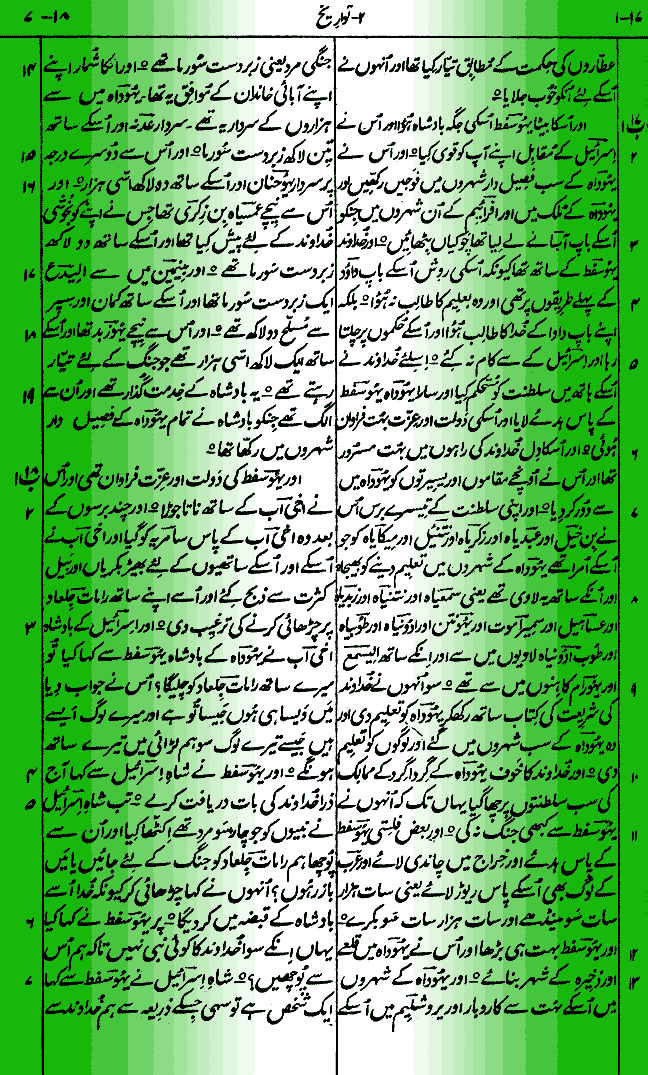
Chapter 17 Verse-by-Verse Commentary
2 Chronicles 17:1
-
Verse (Punctuation Omitted): And Jehoshaphat his son reigned in his stead and strengthened himself against Israel
-
Detailed Explanation (English): Following the death of King Asa his son Jehoshaphat took the throne of Judah. His immediate political and military move was to fortify his position against the northern kingdom of Israel. At this point in history Israel and Judah were separate fractured kingdoms and Israel was frequently a source of spiritual compromise and military threat. Jehoshaphat recognized the need to secure his borders early in his reign.
-
Detailed Explanation (Urdu): آسا کی وفات کے بعد اس کا بیٹا یہوسفط یہوداہ کے تخت پر بیٹھا۔ اس نے بادشاہ بنتے ہی سب سے پہلے اپنی فوجی اور سیاسی پوزیشن کو اسرائیل کی شمالی سلطنت کے خلاف مضبوط کیا۔ اس وقت اسرائیل اور یہوداہ دو الگ الگ سلطنتیں تھیں اور اسرائیل سے اکثر روحانی بگاڑ اور فوجی حملے کا خطرہ رہتا تھا۔ یہوسفط نے اپنے دورِ حکومت کے آغاز میں ہی اپنی سرحدوں کو محفوظ کرنے کی ضرورت کو محسوس کیا۔
2 Chronicles 17:2
-
Verse (Punctuation Omitted): And he placed forces in all the fenced cities of Judah and set garrisons in the land of Judah and in the cities of Ephraim which Asa his father had taken
-
Detailed Explanation (English): Jehoshaphat implemented a comprehensive defense strategy. He placed soldiers in all the fortified (fenced) cities of Judah and established military garrisons throughout the territory. Furthermore he extended this defensive line into the cities of Ephraim that his father Asa had previously captured securing these newly acquired northern outposts.
-
Detailed Explanation (Urdu): یہوسفط نے ایک جامع دفاعی حکمتِ عملی نافذ کی۔ اس نے یہوداہ کے تمام قلعہ بند شہروں میں فوجیں تعینات کیں اور پورے علاقے میں فوجی چوکیاں قائم کیں۔ مزید برآں اس نے ان دفاعی لائنوں کو افرائیم کے ان شہروں تک پھیلا دیا جن پر اس کے والد آسا نے پہلے قبضہ کیا تھا تاکہ ان نئے شمالی علاقوں کو محفوظ کیا جا سکے۔
2 Chronicles 17:3
-
Verse (Punctuation Omitted): And the LORD was with Jehoshaphat because he walked in the first ways of his father David and sought not unto Baalim
-
Detailed Explanation (English): The secret to Jehoshaphat’s success was not just his military strategy but his spiritual dedication. God was with him because he modeled his life after the early faithful years of King David. He intentionally rejected the worship of “Baalim” (the plural form of Baal the local Canaanite pagan deities).
-
Detailed Explanation (Urdu): یہوسفط کی کامیابی کا راز صرف اس کی فوجی حکمتِ عملی نہیں بلکہ اس کی روحانی وفاداری تھی۔ خدا اس کے ساتھ تھا کیونکہ اس نے بادشاہ داؤد کے ابتدائی ایمانداری سے بھرپور سالوں کی پیروی کی۔ اس نے دانستہ طور پر “بعلیم” (کنعانی بتوں) کی پوجا کو مسترد کر دیا۔
2 Chronicles 17:4
-
Verse (Punctuation Omitted): But sought to the LORD God of his father and walked in his commandments and not after the doings of Israel
-
Detailed Explanation (English): Instead of following the pagan practices or the corrupt golden-calf worship found in the northern kingdom of Israel Jehoshaphat dedicated himself to seeking the true God of his ancestors. He committed his administration to upholding God’s commandments ensuring his kingdom stood in stark contrast to Israel’s unfaithfulness.
-
Detailed Explanation (Urdu): اسرائیل کی شمالی سلطنت میں رائج بت پرستی اور بچھڑے کی پوجا کی پیروی کرنے کے بجائے یہوسفط نے اپنے آباؤ اجداد کے سچے خدا کی تلاش کے لیے خود کو وقف کر دیا۔ انہوں نے اپنی حکومت کو خدا کے احکامات پر عمل کرنے کے لیے وقف کیا جس سے ان کی سلطنت اسرائیل کی بے وفائی کے بالکل برعکس نظر آئی۔
2 Chronicles 17:5
-
Verse (Punctuation Omitted): Therefore the LORD stablished the kingdom in his hand and all Judah brought to Jehoshaphat presents and he had riches and honour in abundance
-
Detailed Explanation (English): Because of his obedience God fulfilled His covenant promises by establishing and securing Jehoshaphat’s rule. His subjects respected his godly leadership and brought him gifts resulting in immense material wealth and international honor.
-
Detailed Explanation (Urdu): اس کی فرمانبرداری کی وجہ سے خدا نے یہوسفط کی حکومت کو مضبوط اور محفوظ کر کے اپنے عہد کے وعدوں کو پورا کیا۔ اس کی رعایا نے اس کی خدا ترس قیادت کا احترام کیا اور اس کے لیے تحائف لائے جس کے نتیجے میں اسے بے پناہ مادی دولت اور بین الاقوامی عزت حاصل ہوئی۔
2 Chronicles 17:6
-
Verse (Punctuation Omitted): And his heart was lifted up in the ways of the LORD moreover he took away the high places and groves out of Judah
-
Detailed Explanation (English): The phrase “his heart was lifted up” here means he grew bold and took great courage in serving God. He used this holy confidence to clean up the spiritual environment of Judah by destroying the unauthorized pagan high places and the Asherah poles (groves) used for fertility worship.
-
Detailed Explanation (Urdu): یہاں “دل بلند ہوا” کا مطلب یہ ہے کہ خدا کی خدمت کرنے میں اس کا حوصلہ اور ہمت بڑھ گئی۔ اس نے اس پاکیزہ اعتماد کا استعمال کرتے ہوئے یہوداہ کے روحانی ماحول کو صاف کیا اور بت پرستی کے لیے استعمال ہونے والے اونچے مقامات اور آستیروت کے باغوں (بتوں) کو تباہ کر دیا۔
2 Chronicles 17:7
-
Verse (Punctuation Omitted): Also in the third year of his reign he sent to his princes even to Ben-hail and to Obadiah and to Zechariah and to Nethaneel and to Michaiah to teach in the cities of Judah
-
Detailed Explanation (English): In his third year Jehoshaphat initiated a historic national education program. He dispatched his political leaders (princes) to travel throughout the cities of Judah. Their job was to oversee and give authority to a campaign of teaching God’s standards to the general public.
-
Detailed Explanation (Urdu): اپنے دورِ حکومت کے تیسرے سال میں یہوسفط نے ایک تاریخی قومی تعلیمی پروگرام شروع کیا۔ اس نے اپنے سیاسی رہنماؤں (امیروں) کو یہوداہ کے شہروں کے دورے پر بھیجا۔ ان کا کام عوام کو خدا کے احکامات اور قوانین سکھانے کی مہم کی نگرانی کرنا تھا۔
2 Chronicles 17:8
-
Verse (Punctuation Omitted): And with them he sent Levites even Shemaiah and Nethaniah and Zebadiah and Asahel and Shemiramoth and Jehonathan and Adonijah and Tobijah and Tob-adonijah Levites and with them Elishama and Jehoram priests
-
Detailed Explanation (English): To ensure the educational program was scripturally accurate Jehoshaphat paired the civil leaders with religious experts. He sent a delegation of nine Levites and two priests who possessed the theological knowledge required to explain the divine law.
-
Detailed Explanation (Urdu): تعلیمی پروگرام کی مذہبی درستگی کو یقینی بنانے کے لیے یہوسفط نے سیاسی رہنماؤں کے ساتھ مذہبی ماہرین کو شامل کیا۔ اس نے نو لاویوں اور دو کاہنوں کا ایک وفد بھیجا جن کے پاس خدائی قانون کی وضاحت کرنے کے لیے ضروری مذہبی علم موجود تھا۔
2 Chronicles 17:9
-
Verse (Punctuation Omitted): And they taught in Judah and had the book of the law of the LORD with them and went about throughout all the cities of Judah and taught the people
-
Detailed Explanation (English): This dynamic team traveled to every single city in Judah carrying “the book of the law of the LORD” (likely the Torah/Pentateuch). This was an early form of mass spiritual reformation through literacy and education ensuring that the covenant was understood by everyone.
-
Detailed Explanation (Urdu): اس متحرک ٹیم نے یہوداہ کے ہر ایک شہر کا سفر کیا اور ان کے پاس “خداوند کی شریعت کی کتاب” (توریت) تھی۔ یہ خواندگی اور تعلیم کے ذریعے بڑے پیمانے پر روحانی اصلاح کی ایک ابتدائی شکل تھی جس نے اس بات کو یقینی بنایا کہ ہر شخص خدا کے عہد کو سمجھ سکے۔
2 Chronicles 17:10
-
Verse (Punctuation Omitted): And the fear of the LORD fell upon all the kingdoms of the lands that were round about Judah so that they made no war against Jehoshaphat
-
Detailed Explanation (English): When Judah aligned itself with God spiritually God protected them geopolitically. A supernatural awe and “fear of the LORD” gripped the neighboring pagan nations. As a result they dared not attack or initiate war against Jehoshaphat.
-
Detailed Explanation (Urdu): جب یہوداہ نے روحانی طور پر خدا کے ساتھ خود کو ہم آہنگ کیا تو خدا نے جغرافیائی اور سیاسی طور پر ان کی حفاظت کی۔ پڑوسی بت پرست قوموں پر ایک مافوق الفطرت ہیبت اور “خداوند کا خوف” طاری ہو گیا۔ نتیجے کے طور پر انہوں نے یہوسفط کے خلاف جنگ شروع کرنے کی جرات نہیں کی۔
2 Chronicles 17:11
-
Verse (Punctuation Omitted): Also some of the Philistines brought Jehoshaphat presents and tribute silver and the Arabians brought him flocks seven thousand and seven hundred rams and seven thousand and seven hundred he goats
-
Detailed Explanation (English): Instead of attacking traditional enemies like the Philistines and Arabians came bearing gifts and paying tributes. The Arabians brought vast amounts of livestock ( rams and goats) showing how God turned former adversaries into peaceful economic blessing sources.
-
Detailed Explanation (Urdu): حملہ کرنے کے بجائے روایتی دشمنوں جیسے فلستیوں اور عربوں نے تحائف لائے اور جزیہ پیش کیا۔ عربوں نے بڑی تعداد میں مویشی ( مینڈھے اور بکرے) پیش کیے جو یہ ظاہر کرتا ہے کہ کس طرح خدا نے سابقہ دشمنوں کو پرامن معاشی برکت کے ذرائع میں بدل دیا۔
2 Chronicles 17:12
-
Verse (Punctuation Omitted): And Jehoshaphat waxed great exceedingly and he built in Judah castles and cities of store
-
Detailed Explanation (English): Jehoshaphat’s power and influence grew exponentially. He used this period of peace and incoming wealth to develop national infrastructure building fortresses (castles) for protection and supply centers (cities of store) to manage the kingdom’s surplus resources.
-
Detailed Explanation (Urdu): یہوسفط کی طاقت اور اثر و رسوخ میں بے پناہ اضافہ ہوا۔ اس نے امن اور دولت کے اس دور کو قومی انفراسٹرکچر کی ترقی کے لیے استعمال کیا جس میں تحفظ کے لیے قلعے اور سلطنت کے اضافی وسائل کو سنبھالنے کے لیے ذخیرہ اندوزی کے شہر بنائے۔
2 Chronicles 17:13
-
Verse (Punctuation Omitted): And he had much business in the cities of Judah and the men of war mighty men of valour were in Jerusalem
-
Detailed Explanation (English): The kingdom experienced a massive economic boom with extensive projects and trade operating throughout Judah’s cities. Simultaneously Jehoshaphat kept his elite military units and seasoned brave soldiers stationed centrally in the capital city of Jerusalem.
-
Detailed Explanation (Urdu): یہوداہ کے شہروں میں بڑے پیمانے پر کاروباری اور تجارتی سرگرمیاں شروع ہوئیں جس سے سلطنت کو معاشی عروج ملا۔ ساتھ ہی یہوسفط نے اپنے ایلیٹ فوجی دستوں اور تجربہ کار بہادر سپاہیوں کو دارالحکومت یروشلم میں تعینات رکھا۔
2 Chronicles 17:14
-
Verse (Punctuation Omitted): And these are the numbers of them according to the house of their fathers Of Judah the captains of thousands Adnah the chief and with him mighty men of valour three hundred thousand
-
Detailed Explanation (English): This begins a military census of Jehoshaphat’s massive army organized by tribal lineages. The largest contingent came from the tribe of Judah commanded by Chief Adnah who led an elite force of battle-ready warriors.
-
Detailed Explanation (Urdu): یہاں سے یہوسفط کی عظیم فوج کی مردم شماری شروع ہوتی ہے جو قبائلی نسب کے مطابق ترتیب دی گئی تھی۔ سب سے بڑا دستہ یہوداہ کے قبیلے سے تھا جس کا کمانڈر ادناہ تھا جو جنگجوؤں کی قیادت کر رہا تھا۔
2 Chronicles 17:15
-
Verse (Punctuation Omitted): And next to him was Jehohanan the captain and with him two hundred and fourscore thousand
-
Detailed Explanation (English): The second commander from the tribe of Judah was Jehohanan. He was in charge of a massive division consisting of soldiers showcasing the deep military depth of the kingdom.
-
Detailed Explanation (Urdu): یہوداہ کے قبیلے سے دوسرا کمانڈر یہوحنان تھا۔ وہ ایک بڑے فوجی ڈویژن کا انچارج تھا جو سپاہیوں پر مشتمل تھا جو سلطنت کی گہری فوجی طاقت کو ظاہر کرتا ہے۔
2 Chronicles 17:16
-
Verse (Punctuation Omitted): And next him was Amasiah the son of Zichri who willingly offered himself unto the LORD and with him two hundred thousand mighty men of valour
-
Detailed Explanation (English): The third Judean commander was Amasiah. The text highlights his spiritual devotion noting he “willingly offered himself unto the LORD” which means his military leadership was viewed as an act of personal worship. He commanded valiant troops.
-
Detailed Explanation (Urdu): یہوداہ کا تیسرا کمانڈر عمسیاہ تھا۔ متن اس کی روحانی عقیدت کو نمایاں کرتا ہے کہ اس نے “خوشی سے اپنے آپ کو خداوند کے لیے وقف کر دیا” جس کا مطلب ہے کہ اس کی فوجی قیادت کو ذاتی عبادت کے طور پر دیکھا گیا تھا۔ وہ بہادر فوجیوں کا کمانڈر تھا۔
2 Chronicles 17:17
-
Verse (Punctuation Omitted): And of Benjamin Eliada a mighty man of valour and with him armed men with bow and shield two hundred thousand
-
Detailed Explanation (English): The census shifts to the smaller loyal tribe of Benjamin. A brave warrior named Eliada commanded a force of men who specialized in light and medium ranged infantry combat utilizing bows and shields.
-
Detailed Explanation (Urdu): فوجی گنتی اب بنیامین کے چھوٹے لیکن وفادار قبیلے کی طرف منتقل ہوتی ہے۔ الیاداع نامی ایک بہادر جنگجو آدمیوں کے دستے کا کمانڈر تھا جو تیر اور ڈھال کے استعمال کے ماہر تھے۔
2 Chronicles 17:18
-
Verse (Punctuation Omitted): And next him was Jehozabad and with him an hundred and fourscore thousand ready prepared for the war
-
Detailed Explanation (English): The final commander listed is Jehozabad from the tribe of Benjamin. He led a highly trained mobile force of men who were explicitly described as fully equipped and constantly ready for immediate combat deployment.
-
Detailed Explanation (Urdu): بنیامین کے قبیلے سے آخری کمانڈر یہوز آباد تھا۔ وہ آدمیوں کی ایک اعلیٰ تربیت یافتہ فورس کی قیادت کرتا تھا جو ہر وقت جنگ کے لیے مکمل طور پر تیار رہتی تھی۔
2 Chronicles 17:19
-
Verse (Punctuation Omitted): These waited on the king beside those whom the king put in the fenced cities throughout all Judah
-
Detailed Explanation (English): These huge numbers represented just the standing field army serving directly under the king’s central command in Jerusalem. This total does not even include the secondary defensive forces stationed permanently across the fortified cities of Judah mentioned in verse 2.
-
Detailed Explanation (Urdu): یہ بڑی تعداد صرف اس مستقل فوج کی تھی جو یروشلم میں بادشاہ کی براہِ راست کمانڈ میں کام کرتی تھی۔ اس کل تعداد میں وہ دفاعی فوجیں شامل نہیں تھیں جو یہوداہ کے قلعہ بند شہروں میں مستقل طور پر تعینات تھیں جن کا ذکر آیت 2 میں کیا گیا ہے۔
Chapter 18 Verse-by-Verse Commentary
2 Chronicles 18:1
-
Verse (Punctuation Omitted): Now Jehoshaphat had riches and honour in abundance and joined affinity with Ahab
-
Detailed Explanation (English): This marks a tragic turning point in Jehoshaphat’s story. Despite being blessed by God with incredible wealth and global honor he made a dangerous political move by creating a marriage alliance (“joined affinity”) with King Ahab of Israel the most wicked apostate king of the northern tribes. Jehoshaphat’s son married Ahab’s daughter Athaliah.
-
Detailed Explanation (Urdu): یہ یہوسفط کی کہانی میں ایک افسوسناک موڑ ہے۔ خدا کی طرف سے بے پناہ دولت اور عزت سے نوازے جانے کے باوجود اس نے اسرائیل کے سب سے بدکار اور بت پرست بادشاہ اخیاب کے ساتھ شادی کا معاہدہ (سیاسی اتحاد) کر کے ایک خطرناک سیاسی قدم اٹھایا۔ یہوسفط کے بیٹے نے اخیاب کی بیٹی اتلیاہ سے شادی کی۔
2 Chronicles 18:2
-
Verse (Punctuation Omitted): And after certain years he went down to Ahab to Samaria And Ahab killed sheep and oxen for him in abundance and for the people that he had with him and persuaded him to go up with him to Ramoth-gilead
-
Detailed Explanation (English): Years after the marriage alliance Jehoshaphat paid a state visit to Ahab in Samaria (the capital of Israel). Ahab hosted a lavish feast slaughtering massive amounts of livestock to impress and flatter Jehoshaphat. Ahab used this heavy hospitality to manipulate and persuade Jehoshaphat into launching a joint military offensive against the Syrians at Ramoth-gilead.
-
Detailed Explanation (Urdu): شادی کے اتحاد کے کچھ سالوں بعد یہوسفط سامریہ (اسرائیل کا دارالحکومت) میں اخیاب کے پاس گیا۔ اخیاب نے یہوسفط کو متاثر کرنے کے لیے ایک شاندار ضیافت کی میزبانی کی اور بڑی تعداد میں بھیڑ بکریاں اور بیل ذبح کیے۔ اخیاب نے اس مہمان نوازی کا فائدہ اٹھا کر یہوسفط کو راموت جلعاد میں ارامیوں (شام) کے خلاف مشترکہ فوجی کارروائی کرنے پر راضی کیا۔
2 Chronicles 18:3
-
Verse (Punctuation Omitted): And Ahab king of Israel said unto Jehoshaphat king of Judah Wilt thou go with me to Ramoth-gilead And he answered him I am as thou art and my people as thy people and we will be with thee in the war
-
Detailed Explanation (English): Ahab explicitly asked Jehoshaphat for a military commitment. Jehoshaphat unwisely agreed unconditionally declaring that his resources and army were completely at Ahab’s disposal. This absolute unity with a corrupt king overrode his spiritual discernment.
-
Detailed Explanation (Urdu): اخیاب نے واضح طور پر یہوسفط سے فوجی مدد مانگی۔ یہوسفط نے نادانی میں بلا مشروط رضامندی ظاہر کرتے ہوئے اعلان کیا کہ میری فوج اور میرے لوگ تمہارے ساتھ ہیں اور ہم جنگ میں تمہارے شریک ہوں گے۔ ایک بدکار بادشاہ کے ساتھ اس غیر مشروط اتحاد نے اس کی روحانی بصیرت کو دھندلا دیا۔
2 Chronicles 18:4
-
Verse (Punctuation Omitted): And Jehoshaphat said unto the king of Israel Enquire I pray thee at the word of the LORD to day
-
Detailed Explanation (English): Realizing the gravity of entering a war Jehoshaphat’s conscience kicked in. He asked Ahab to pause the military planning so they could consult and inquire about the mind and word of the true God (Yahweh) regarding this specific military campaign.
-
Detailed Explanation (Urdu): جنگ میں داخل ہونے کی سنگینی کو محسوس کرتے ہوئے یہوسفط کے ضمیر نے اسے جھنجھوڑا۔ اس نے اخیاب سے کہا کہ فوجی منصوبہ بندی کو روکیں تاکہ ہم اس جنگ کے حوالے سے سچے خدا (خداوند) کے کلام اور مرضی کو جان سکیں۔
2 Chronicles 18:5
-
Verse (Punctuation Omitted): Therefore the king of Israel gathered together of prophets four hundred men and said unto them Shall we go to Ramoth-gilead to battle or shall I forbear And they said Go up for God will deliver it into the king’s hand
-
Detailed Explanation (English): Ahab complied but instead of seeking genuine prophets of Yahweh he assembled 400 court prophets who practiced syncretism or paganism. These yes-men immediately told the kings exactly what they wanted to hear falsely promising that God would grant them total victory at Ramoth-gilead.
-
Detailed Explanation (Urdu): اخیاب نے بات تو مانی لیکن سچے نبیوں کو بلانے کے بجائے اس نے 400 ایسے درباری نبیوں کو جمع کیا جو بت پرست یا خوشامدی تھے۔ ان خوشامدیوں نے فوراً وہی کہا جو بادشاہ سننا چاہتے تھے اور جھوٹا وعدہ کیا کہ خدا انہیں راموت جلعاد میں فتح عطا کرے گا۔
2 Chronicles 18:6
-
Verse (Punctuation Omitted): But Jehoshaphat said Is there not here a prophet of the LORD besides that we might enquire of him
-
Detailed Explanation (English): Jehoshaphat immediately sensed the insincerity and lack of spiritual power in the unified theatrical chanting of the 400 court prophets. He asked if there was an authentic dedicated prophet of Yahweh anywhere nearby whom they could trust for an honest divine word.
-
Detailed Explanation (Urdu): یہوسفط نے ان 400 درباری نبیوں کی خوشامد اور نعروں میں روحانی طاقت کی کمی کو فوراً محسوس کر لیا۔ اس نے پوچھا کہ کیا یہاں خداوند کا کوئی اور سچا نبی موجود ہے جس سے ہم پوچھیں اور اس کے کلام پر بھروسہ کر سکیں؟
2 Chronicles 18:7
-
Verse (Punctuation Omitted): And the king of Israel said unto Jehoshaphat There is yet one man by whom we may enquire of the LORD but I hate him for he never prophesied good unto me but always evil the same is Micaiah the son of Imla And Jehoshaphat said Let not the king say so
-
Detailed Explanation (English): Ahab admitted there was one true prophet left named Micaiah the son of Imla. However Ahab openly admitted his deep hatred for him because Micaiah refused to manipulate prophecies and consistently delivered God’s unfiltered words of warning and judgment to him. Jehoshaphat gently rebuked Ahab’s dangerous attitude telling him not to dismiss a true prophet of God.
-
Detailed Explanation (Urdu): اخیاب نے اعتراف کیا کہ املہ کا بیٹا میکایاہ نامی ایک سچا نبی موجود ہے۔ تاہم اخیاب نے اس سے شدید نفرت کا اظہار کیا کیونکہ میکایاہ اپنی پیشگوئیوں میں ہیرا پھیری نہیں کرتا تھا اور ہمیشہ خدا کا سچا اور تنبیہ سے بھرا پیغام سناتا تھا۔ یہوسفط نے اخیاب کے اس رویے پر اسے ٹوکا اور کہا کہ بادشاہ کو ایسی بات نہیں کہنی چاہیے۔