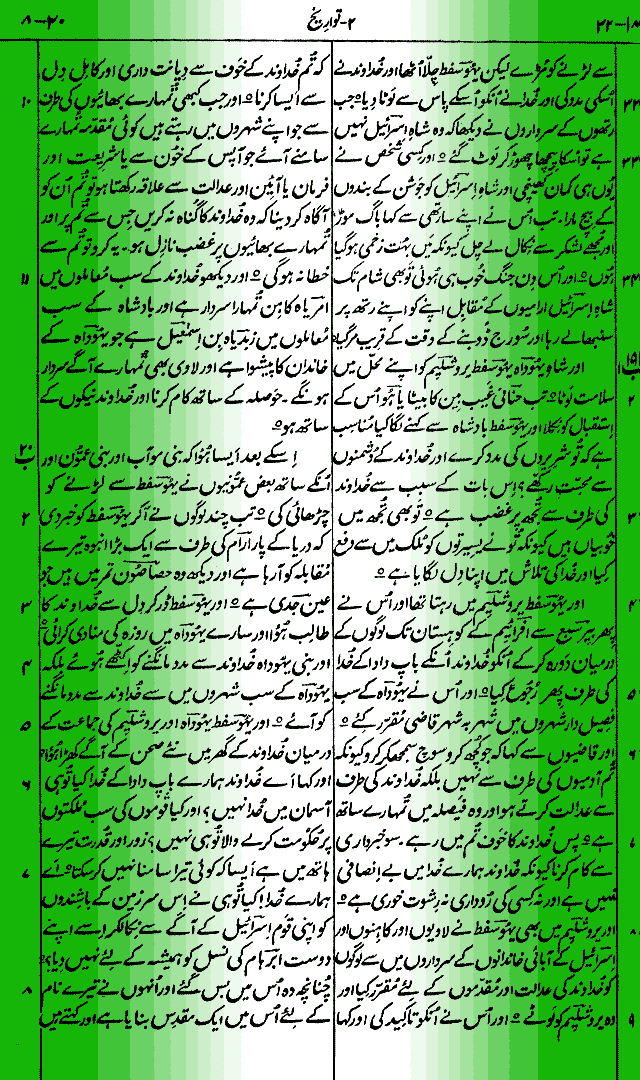
2 Chronicles Chapter 18 (Verses 32-34)
2 Chronicles 18:32
Verse: For it came to pass that when the captains of the chariots perceived that it was not the king of Israel they turned back again from pursuing him
English Explanation: King Ahab of Israel had disguised himself, while King Jehoshaphat of Judah wore his royal robes. The Syrian captains were ordered to target only the king of Israel. When they surrounded Jehoshaphat, he cried out to God, and God moved them to turn away. This verse highlights divine intervention; God protected Jehoshaphat because his heart was right, even though he had made a foolish alliance with the wicked Ahab.
Urdu Explanation (تفصیل): اس آیت میں خدا کی غیبی امداد کا ذکر ہے۔ اسرائیل کے بادشاہ اخیاب نے بھیس بدل رکھا تھا جبکہ یہوداہ کے بادشاہ یہوسفط نے شاہی لباس پہنا ہوا تھا۔ شامی فوجیوں کو صرف اخیاب کو مارنے کا حکم ملا تھا۔ جب انہوں نے یہوسفط کو گھیر لیا تو یہوسفط نے خدا کو پکارا۔ خدا نے دشمنوں کے دلوں کو پھیر دیا اور وہ پیچھے ہٹ گئے۔ یہ ظاہر کرتا ہے کہ خدا اپنے لوگوں کی پکار سنتا ہے اور انہیں بچاتا ہے، چاہے وہ نادانی میں کسی غلط شراکت داری میں ہی کیوں نہ پھنسے ہوں۔
2 Chronicles 18:33
Verse: And a certain man drew a bow at a venture and smote the king of Israel between the joints of the harness therefore he said to his chariot man Turn thine hand that thou mayest carry me out of the host for I am wounded
English Explanation: Humanly speaking, the arrow was shot “at a venture” (randomly without a specific target), but divinely, it was guided straight to its destination. Ahab tried to hide from prophecy by changing his clothes, but no disguise can hide someone from God’s judgment. The arrow found the small gap where his armor joined, mortally wounding him. He requested his chariot driver to take him out of the battlefield.
Urdu Explanation (تفصیل): ایک عام فوجی نے بغیر کسی خاص نشانے کے تیر چلایا، لیکن خدا کی حکمت اور انصاف کے تحت وہ تیر سیدھا اخیاب کے زرہ کے جوڑوں کے درمیان جا لگا۔ اخیاب نے خدا کی پیشگوئی اور عدالت سے بچنے کے لیے اپنا بھیس بدلا تھا، لیکن کوئی بھی انسان خدا کی عدالت سے چھپ نہیں سکتا۔ شدید زخمی ہونے کے بعد، اخیاب نے اپنے رتھ بان سے کہا کہ اسے میدانِ جنگ سے باہر لے چلے کیونکہ وہ بری طرح زخمی ہو چکا تھا۔
2 Chronicles 18:34
Verse: And the battle increased that day howbeit the king of Israel stayed himself up in his chariot against the Syrians until the even and about the time of the sun going down he died
English Explanation: The battle raged fiercely throughout the day. To prevent his troops from panicking and retreating, Ahab propped himself up in his chariot, facing the Syrians despite his severe bleeding. His efforts could not delay the inevitable; at sunset, he died, exactly as the prophet Micaiah had predicted. It serves as a stern reminder that worldly strength and deception cannot withstand God’s word.
Urdu Explanation (تفصیل): اس دن جنگ کی شدت بڑھتی گئی۔ اپنی فوج کے حوصلے بلند رکھنے اور انہیں پسپائی سے بچانے کے لیے، اخیاب شدید زخمی ہونے کے باوجود اپنے رتھ میں شامیوں کے سامنے سہارا لے کر کھڑا رہا۔ لیکن وہ خدا کے فیصلے کو بدل نہیں سکا۔ شام کے وقت، جیسے ہی سورج غروب ہوا، وہ مر گیا۔ یہ اس بات کی یاددہانی ہے کہ خدا کے کلام اور سچائی کے سامنے دنیاوی چالاکیاں اور طاقت بالکل بے اثر ہیں۔
2 Chronicles Chapter 19
2 Chronicles 19:1
Verse: And Jehoshaphat the king of Judah returned to his house in peace to Jerusalem
English Explanation: Despite the chaotic defeat of the allied forces and the death of Ahab, Jehoshaphat returned safely to his palace in Jerusalem. The word “peace” here highlights God’s mercy and faithfulness in preserving the life of the king of Judah, giving him a second chance to rule righteously.
Urdu Explanation (تفصیل): متحدہ فوج کی عبرتناک شکست اور اخیاب کی موت کے باوجود، یہوداہ کا بادشاہ یہوسفط سلامتی کے ساتھ یروشلم میں اپنے محل واپس پہنچ گیا۔ یہاں “سلامتی” کا لفظ خدا کے فضل اور اس کی وفاداری کو ظاہر کرتا ہے، جس نے یہوسفط کی جان بچائی اور اسے ایک بار پھر راستبازی سے حکومت کرنے کا موقع دیا۔
2 Chronicles 19:2
Verse: And Jehu the son of Hanani the seer went out to meet him and said to king Jehoshaphat Shouldest thou help the ungodly and love them that hate the LORD therefore is wrath upon thee from before the LORD
English Explanation: Upon his return, Jehoshaphat is confronted by the prophet Jehu. God does not overlook compromises with wickedness. The prophet delivers a sharp rebuke: a godly leader should not align with or assist those who actively hate and disobey God. Because of this compromise, divine displeasure and future troubles (wrath) were brought upon Judah.
Urdu Explanation (تفصیل): واپسی پر، یاہو غیب بین (نبی) نے یہوسفط کا سامنا کیا اور اسے خدا کا پیغام دیا۔ خدا گناہ اور برائی کے ساتھ سمجھوتے کو نظر انداز نہیں کرتا۔ نبی نے سخت ملامت کی کہ ایک خدا ترس بادشاہ کو ان لوگوں کی مدد نہیں کرنی چاہیے جو خدا سے نفرت کرتے ہیں۔ اس غلط اتحاد کی وجہ سے، یہوداہ پر خدا کا غضب اور آنے والی مشکلات طے پا گئیں۔
2 Chronicles 19:3
Verse: Nevertheless there are good things found in thee in that thou hast taken away the groves out of the land and hast prepared thine heart to seek God
English Explanation: Even in judgment, God acknowledges the good. The prophet notes that Jehoshaphat’s heart was fundamentally devoted to the Lord. He had destroyed the pagan Asherah poles (“groves”) and committed himself to seeking God. This shows that God evaluates our entire heart condition, balancing correction with encouragement.
Urdu Explanation (تفصیل): خدا اپنے غضب اور تنبیہ میں بھی انسان کی اچھائی کو نہیں بھولتا۔ نبی نے یہوسفط کی تعریف کی کہ اس کے دل میں ابھی بھی نیکی موجود ہے۔ اس نے ملک سے بت پرستی کے اڈوں (اسیرت کے باغوں) کو ختم کیا تھا اور اپنے دل کو خدا کی تلاش کے لیے تیار کیا تھا۔ یہ ظاہر کرتا ہے کہ خدا ہمارے دلوں کی حقیقی حالت کو دیکھتا ہے اور اصلاح کے ساتھ حوصلہ افزائی بھی کرتا ہے۔
2 Chronicles 19:4
Verse: And Jehoshaphat dwelt at Jerusalem and he went out again through the people from Beer-sheba to mount Ephraim and brought them back unto the LORD God of their fathers
English Explanation: Instead of reacting in anger or pride to the prophet’s rebuke, Jehoshaphat responds with repentance and action. He personally travels throughout his kingdom—from the southern border (Beer-sheba) to the northern hill country (Ephraim)—initiating a spiritual revival to bring the hearts of the people back to God.
Urdu Explanation (تفصیل): نبی کی ملامت پر غصہ کرنے یا مغرور ہونے کے بجائے، یہوسفط نے توبہ اور عملی اصلاح کا راستہ چنا۔ وہ خود اپنے ملک کے ایک کونے (بئرسبع) سے لے کر دوسرے کونے (کوہِ افرائیم) تک گیا تاکہ عوام میں روحانی بیداری پیدا کرے اور ان کے دلوں کو دوبارہ ان کے باپ دادا کے سچے خدا کی طرف موڑ دے۔
2 Chronicles 19:5
Verse: And he set judges in the land throughout all the fenced cities of Judah city by city
English Explanation: To establish order and righteousness, Jehoshaphat establishes a structured judicial system. He appoints local judges in every fortified city of Judah. True spiritual revival must lead to practical justice and civil righteousness within society.
Urdu Explanation (تفصیل): ملک میں امن و امان اور انصاف قائم کرنے کے لیے، یہوسفط نے ایک باقاعدہ عدالتی نظام قائم کیا۔ اس نے یہوداہ کے تمام قلعہ بند شہروں میں قاضی (جج) مقرر کیے۔ سچی روحانی بیداری ہمیشہ معاشرے میں عملی انصاف اور راستبازی کا سبب بنتی ہے۔
2 Chronicles 19:6
Verse: And said to the judges Take heed what ye do for ye judge not for man but for the LORD who is with you in the judgment
English Explanation: Jehoshaphat charges the newly appointed judges with a heavy responsibility. He reminds them that they are not acting on behalf of a human king, but as representatives of God Himself. God is present with them in the courtroom, evaluating their fairness and integrity.
Urdu Explanation (تفصیل): یہوسفط نے نئے مقرر کردہ ججوں کو ان کی بھاری ذمہ داری کا احساس دلایا۔ اس نے ان سے کہا کہ وہ انسانوں کے لیے نہیں بلکہ خدا کے لیے انصاف کر رہے ہیں۔ جب وہ عدالت لگاتے ہیں تو خدا ان کے ساتھ ہوتا ہے اور ان کے فیصلوں اور دیانت داری کو دیکھتا ہے۔
2 Chronicles 19:7
Verse: Wherefore now let the fear of the LORD be upon you take heed and do it for there is no iniquity with the LORD our God nor respect of persons nor taking of gifts
English Explanation: The king emphasizes that the foundation of true justice is the fear of the Lord. Because God is perfectly just, displays no partiality, and cannot be bribed, human judges must emulate these qualities. They must reject corruption, nepotism, and greed.
Urdu Explanation (تفصیل): بادشاہ نے اس بات پر زور دیا کہ حقیقی انصاف کی بنیاد خدا کا خوف ہے۔ چونکہ خدا خود عادل ہے، وہ کسی کی طرفداری نہیں کرتا اور نہ ہی رشوت قبول کرتا ہے، اس لیے انسانی ججوں کو بھی ان ہی صفات کا مظاہرہ کرنا چاہیے۔ انہیں بدعنوانی، اقربا پروری اور لالچ سے دور رہنا چاہیے۔
2 Chronicles 19:8
Verse: Moreover in Jerusalem did Jehoshaphat set of the Levites and of the priests and of the chief of the fathers of Israel for the judgment of the LORD and for controversies when they returned to Jerusalem
English Explanation: In the capital city of Jerusalem, Jehoshaphat sets up a supreme court consisting of Levites, priests, and tribal leaders. This court handled both religious matters (“judgment of the Lord”) and civil disputes (“controversies”), ensuring a centralized, high-standard legal resource for the nation.
Urdu Explanation (تفصیل): دارالحکومت یروشلم میں، یہوسفط نے ایک اعلیٰ عدالت قائم کی جس میں لاوی، کاہن اور خاندانوں کے بزرگ شامل تھے۔ یہ عدالت مذهبی امور اور بڑے سول تنازعات کا فیصلہ کرتی تھی، تاکہ پورے ملک کے لیے انصاف کا ایک اعلیٰ اور مستند مرکز موجود ہو۔
2 Chronicles 19:9
Verse: And he charged them saying Thus shall ye do in the fear of the LORD faithfully and with a perfect heart
English Explanation: The supreme court officials receive a strict command regarding their inner attitude. They must execute their duties with the fear of God, unwavering faithfulness, and total sincerity (“a perfect heart”). External laws are useless without internal integrity.
Urdu Explanation (تفصیل): اعلیٰ عدالت کے عہدیداروں کو ان کے باطنی رویے کے بارے میں سخت تاکید کی گئی۔ انہیں حکم دیا گیا کہ وہ اپنے فرائض خدا کے خوف، وفاداری اور کامل دل (سچے اخلاص) کے ساتھ سرانجام دیں۔ بیرونی قوانین اس وقت تک بے اثر رہتے ہیں جب تک دل میں دیانت داری نہ ہو۔
2 Chronicles 19:10
Verse: And what cause soever shall come to you of your brethren that dwell in their cities between blood and blood between law and commandment statutes and judgments ye shall even warn them that they trespass not against the LORD and so wrath come upon you and upon your brethren this do and ye shall not trespass
English Explanation: The judges were commanded to handle complex cases—ranging from manslaughter vs. murder (“between blood and blood”) to scriptural interpretations. Their ultimate goal was not just to punish, but to warn the people against sinning, thereby preventing corporate divine wrath from falling upon the nation and the leaders themselves.
Urdu Explanation (تفصیل): ججوں کو حکم دیا گیا کہ وہ پیچیدہ معاملات کا فیصلہ کریں—چاہے وہ قتل کے مقدمات ہوں یا شرعی قوانین کی تشریح۔ ان کا مقصد صرف سزا دینا نہیں بلکہ لوگوں کو خبردار کرنا تھا تاکہ وہ خدا کے حضور گناہ گار نہ بنیں، کیونکہ گناہ کی صورت میں خدا کا غضب پوری قوم اور خود ججوں پر آ سکتا تھا۔ ایسا کرنے سے وہ خود بھی گناہ سے بچیں گے۔
2 Chronicles 19:11
Verse: And behold Amariah the chief priest is over you in all matters of the LORD and Zebadiah the son of Ishmael the ruler of the house of Judah for all the king’s matters also the Levites shall be officers before you Deal courageously and the LORD shall be with the good
English Explanation: Jehoshaphat establishes a clear separation of jurisdictions: Amariah oversaw spiritual and religious laws, while Zebadiah managed civil and governmental affairs. The Levites served as officials to maintain order. The king closes with an encouraging exhortation to act boldly and courageously, confident that God supports those who do what is right.
Urdu Explanation (تفصیل): یہوسفط نے اختیارات کی واضح تقسیم کی: امریاہ کاہنِ اعظم مذہبی اور خدا کے امور کا نگران تھا، جبکہ زبدیاہ حکومت اور بادشاہ کے امور کا انچارج تھا۔ لاویوں کو عدالت کے افسران کے طور پر مقرر کیا گیا۔ بادشاہ نے حوصلہ افزائی کرتے ہوئے بات ختم کی کہ “بہادری سے کام کرو، اور خدا نیکی کرنے والوں کے ساتھ ہوگا۔”
2 Chronicles Chapter 20 (Verses 1-8)
2 Chronicles 20:1
Verse: It came to pass after this also that the children of Moab and the children of Ammon and with them other beside the Ammonites came against Jehoshaphat to battle
English Explanation: Following Jehoshaphat’s righteous reforms, a massive crisis arises. A vast combined coalition of neighboring nations—Moabites, Ammonites, and Meunites—invades Judah. This reminds believers that doing good and following God does not make us immune to trials; instead, it sets the stage for God’s glory to be revealed.
Urdu Explanation (تفصیل): یہوسفط کی ان اصلاحات کے بعد ایک بڑا بحران پیدا ہو گیا۔ پڑوسی ممالک—موآبیوں، عمونیوں اور ان کے اتحادیوں نے مل کر یہوداہ پر حملہ کر دیا۔ یہ آیت سکھاتی ہے کہ خدا کی راہ پر چلنے کا مطلب یہ نہیں کہ آزمائشیں نہیں آئیں گی، بلکہ یہ آزمائشیں خدا کے جلال کے ظاہر ہونے کا ذریعہ بنتی ہیں۔
2 Chronicles 20:2
Verse: Then there came some that told Jehoshaphat saying There cometh a great multitude against thee from beyond the sea on this side Syria and behold they be Hazazon-tamar which is En-gedi
English Explanation: Messengers arrive with terrifying news: an enormous army has already crossed the Dead Sea region and is stationed at En-gedi, dangerously close to Jerusalem (only about 30 miles away). The threat was imminent, overwhelming, and humanly impossible to defeat.
Urdu Explanation (تفصیل): قاصدوں نے آ کر یہوسفط کو خوفناک خبر دی کہ ایک بہت بڑی فوج بحیرہ مردار کے پار سے آ چکی ہے اور “عینِ جدی” تک پہنچ گئی ہے، جو یروشلم سے بہت قریب تھا۔ یہ خطرہ سر پر منڈلا رہا تھا اور انسانی لحاظ سے اس عظیم لشکر کا مقابلہ کرنا ناممکن تھا۔
2 Chronicles 20:3
Verse: And Jehoshaphat feared and set himself to seek the LORD and proclaimed a fast throughout all Judah
English Explanation: Jehoshaphat experienced natural human fear, but his reaction to fear was spiritual. Instead of panicking or relying solely on his military defense, he directed his focus entirely toward seeking the Lord and called for a national fast, leading his nation to total dependency on God.
Urdu Explanation (تفصیل): یہوسفط پر انسانی فطرت کے مطابق خوف طاری ہوا، لیکن اس خوف کے جواب میں اس کا ردعمل روحانی تھا۔ گھبرانے یا صرف اپنی فوج پر بھروسہ کرنے کے بجائے، اس نے اپنا دھیان خدا کی طرف لگایا اور پورے یہوداہ میں روزے کا اعلان کر دیا، تاکہ پوری قوم خدا کی مدد کی محتاج ہو کر اس کے سامنے جھک جائے۔
2 Chronicles 20:4
Verse: And Judah gathered themselves together to ask help of the LORD even out of all the cities of Judah they came to seek the LORD
English Explanation: The entire nation responded in unity to the king’s call. People left their homes in every city of Judah and converged on Jerusalem with one single purpose: to seek the Lord’s intervention. Unified prayer and corporate fasting have immense spiritual power.
Urdu Explanation (تفصیل): پوری قوم نے بادشاہ کی پکار پر متحد ہو کر لبیک کہا۔ یہوداہ کے تمام شہروں سے لوگ اپنے گھر بار چھوڑ کر یروشلم میں جمع ہو گئے تاکہ مل کر خدا سے مدد مانگیں۔ یہ ظاہر کرتا ہے کہ جب خدا کے لوگ یک زبان ہو کر دعا اور روزہ رکھتے ہیں تو اس میں بڑی روحانی طاقت ہوتی ہے۔
2 Chronicles 20:5
Verse: And Jehoshaphat stood in the congregation of Judah and Jerusalem in the house of the LORD before the new court
English Explanation: Jehoshaphat acts as the spiritual leader of his nation. He stands before the gathered assembly in the temple courts (the house of the Lord) to lead them in public prayer. True leadership models vulnerability and faith before the people during a crisis.
Urdu Explanation (تفصیل): یہوسفط اپنی قوم کے روحانی پیشوا کے طور پر سامنے آیا۔ وہ ہیکل (خدا کے گھر) کے نئے صحن کے سامنے کھڑا ہوا تاکہ پوری جماعت کی عوامی دعا میں رہنمائی کرے۔ ایک سچا لیڈر بحران کے وقت عوام کے سامنے خود کو خدا کے سپرد کر کے ایمان کی مثال قائم کرتا ہے۔
2 Chronicles 20:6
Verse: And said O LORD God of our fathers art not thou God in heaven and rulest not thou over all the kingdoms of the heathen and in thine hand is there not power and might so that none is able to withstand thee
English Explanation: Jehoshaphat begins his prayer by magnifying God’s sovereignty. He acknowledges that God rules over heaven and earth, holding ultimate authority over all pagan nations. By focusing on God’s limitless power, he puts the terrifying size of the invading enemy into the right perspective.
Urdu Explanation (تفصیل): یہوسفط نے اپنی دعا کا آغاز خدا کی حاکمیت اور عظمت کی تعریف سے کیا۔ اس نے اقرار کیا کہ خدا آسمان اور زمین کا مالک ہے اور غیر قوموں کی تمام بادشاہتوں پر اسی کی حکومت ہے۔ خدا کی لامحدود طاقت پر دھیان لگا کر، اس نے دشمن کی بڑی فوج کو خدا کے سامنے ہیچ (چھوٹا) جانا۔
2 Chronicles 20:7
Verse: Art not thou our God who didst drive out the inhabitants of this land before thy people Israel and gavest it to the seed of Abraham thy friend for ever
English Explanation: The king reminds God (and the listening congregation) of His past covenant faithfulness. God had driven out previous enemies and given the Land to Abraham’s descendants. Calling Abraham God’s “friend” appeals to the deeply personal, permanent relationship God established with His people.
Urdu Explanation (تفصیل): بادشاہ نے خدا کے ماضی کے عہد اور وفاداری کو یاد کیا (اور قوم کو بھی یاد دلایا)۔ اسی خدا نے ماضی میں دشمنوں کو نکال کر یہ زمین ابراہام کی نسل کو ہمیشہ کے لیے دی تھی۔ ابراہام کو خدا کا “دوست” کہنا اس گہرے اور ذاتی رشتے کو ظاہر کرتا ہے جو خدا نے اپنے لوگوں کے ساتھ قائم کیا تھا۔
2 Chronicles 20:8
Verse: And they dwelt therein and have built thee a sanctuary therein for thy name saying
Explanation: Jehoshaphat notes that God’s people settled in the promised land and built a holy Temple (“sanctuary”) dedicated specifically to His Name. This sets up his plea based on King Solomon’s previous dedication prayer—that when trouble comes and they look toward this Temple, God will hear and save them.
Urdu Explanation (تفصیل): یہوسفط نے بیان کیا کہ تیرے لوگ اس موعودہ زمین پر آباد ہوئے اور انہوں نے تیرے نام کے لیے ایک پاک ہیکل (مقدس) تعمیر کیا۔ یہ بات وہ اس بنیاد پر کر رہا تھا کہ جب سلیمان بادشاہ نے ہیکل وقف کی تھی تو دعا کی تھی کہ جب بھی کوئی مصیبت آئے اور لوگ اس ہیکل کی طرف منہ کر کے پکاریں، تو خدا ان کی فریاد سنے اور انہیں نجات دے۔