Verse-by-Verse Commentary and Analysis
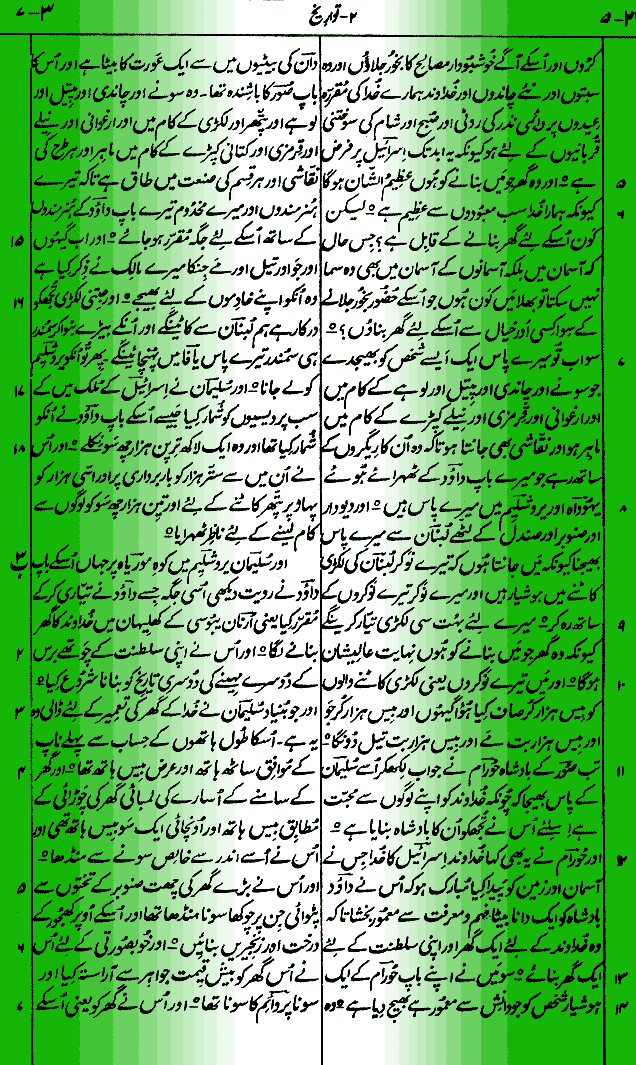
2 Chronicles 2:5
-
Verse Text:
And the house which I build is great for great is our God above all gods.
-
Detailed Explanation (English): King Solomon establishes the fundamental motive behind the grandeur of the upcoming Temple. It is not out of human pride or a desire for architectural dominance, but a direct reflection of the greatness of Yahweh. In a polytheistic ancient Near East, Solomon boldly declares God’s absolute supremacy over all pagan deities. The structure must reflect the infinite majesty of the Creator.
-
Detailed Explanation (Urdu):
شاہ سلیمان اس ہیکل کی عظمت اور شان و شوکت کی اصل وجہ بیان کرتے ہیں۔ وہ واضح کرتے ہیں کہ یہ عمارت کسی انسانی فخر کی وجہ سے نہیں بلکہ خدا تعالیٰ کی عظمت کا منہ بولتا ثبوت ہے۔ اُس دور کے مشرکانہ ماحول میں، سلیمان اعلان کرتے ہیں کہ ہمارا خدا تمام فرضی معبودوں سے برتر اور عظیم ہے، اس لیے اس کے نام کا گھر بھی عظیم ہونا چاہیے۔
2 Chronicles 2:6
-
Verse Text:
But who is able to build him an house seeing the heaven and heaven of heavens cannot contain him? who am I then that I should build him an house save only to burn sacrifice before him?
-
Detailed Explanation (English): Solomon displays profound theological humility. He acknowledges the paradox of building a physical dwelling for an omnipresent, infinite God whom even the highest heavens cannot contain. Solomon realizes his own insignificance and redefines the purpose of the Temple; it is not a prison to confine God, but a dedicated, sacred space intended for worship, prayer, and sacrificial reconciliation.
-
Detailed Explanation (Urdu):
یہاں سلیمان عاجزی اور گہرے الہیاتی فہم کا اظہار کرتے ہیں۔ وہ تسلیم کرتے ہیں کہ کائنات اور آسمان و ہستی کی وسعتیں بھی خدا کو اپنے اندر نہیں سما سکتیں، تو ایک مٹی کا انسان اس کے لیے کیا گھر بنائے گا؟ وہ واضح کرتے ہیں کہ ہیکل کا مقصد خدا کو کسی جگہ تک محدود کرنا نہیں، بلکہ یہ ایک ایسی پاک جگہ ہے جہاں اس کے حضور قربانیاں گزاری جائیں اور عبادت کی جائے۔
2 Chronicles 2:7
-
Verse Text:
Send me now therefore a man cunning to work in gold and in silver and in brass and in iron and in purple and crimson and blue and that can skill to grave with the cunning men that are with me in Judah and in Jerusalem whom David my father did provide.
-
Detailed Explanation (English): Solomon requests King Huram of Tyre to send a master craftsman. The project demands elite expertise in metallurgy, textile artistry (purple, crimson, blue), and engraving. Solomon combines international specialized talent with the local craftsmen that his father, King David, had already gathered and prepared in Jerusalem, showing a unified collaborative effort for God’s glory.
-
Detailed Explanation (Urdu):
سلیمان صور کے بادشاہ حیराम سے ایک ایسے ماہر کاریگر کا تقاضا کرتے ہیں جو دھاتوں (سونے، چاندی، پیتل، لوہے) کے کام اور قیمتی رنگین کپڑوں کی بنائی اور نقش و نگار میں مہارت رکھتا ہو۔ سلیمان بیرونی مہارت کو ان مقامی کاریگروں کے ساتھ جوڑنا چاہتے ہیں جنہیں ان کے والد داؤد نے پہلے ہی یروشلم میں اکٹھا کیا تھا۔
2 Chronicles 2:8
-
Verse Text:
Send me also cedar trees fir trees and algum trees out of Lebanon for I know that thy servants can skill to cut timber in Lebanon and behold my servants shall be with thy servants
-
Detailed Explanation (English): The materials required for the Temple must be of the highest quality. Lebanon was world-renowned for its dense, fragrant, and durable cedar, fir, and algum timber. Solomon respects the superior seafaring and logging skills of the Phoenicians, offering his own laborers to work alongside them in a joint venture.
-
Detailed Explanation (Urdu):
ہیکل کی تعمیر کے لیے اعلیٰ ترین لکڑی کی ضرورت تھی، اور لبنان کے دیودار، صنوبر اور الگوم کے درخت اپنی پائیداری اور خوشبو کے لیے مشہور تھے۔ سلیمان فینیشین کاریگروں کی لکڑی کاٹنے کی مہارت کا اعتراف کرتے ہیں اور پیشکش کرتے ہیں کہ ان کے اپنے ملازم بھی اس عظیم کام میں ان کا ہاتھ بٹائیں گے۔
2 Chronicles 2:9
-
Verse Text:
Even to prepare me timber in abundance for the house which I am about to build shall be wonderful great.
-
Detailed Explanation (English): Solomon emphasizes the massive scale of the operation. The sheer volume of lumber needed reflects the immense architectural size and unprecedented beauty of the structure. It is designed to evoke wonder and reverence in all who look upon it, magnifying God’s reputation across nations.
-
Detailed Explanation (Urdu):
سلیمان اس کام کی وسعت پر زور دیتے ہیں کہ لکڑی کثیر مقدار میں ہونی چاہیے۔ کیونکہ جو گھر وہ بنانے جا رہے ہیں وہ اپنی خوبصورتی، بناوٹ اور سائز میں انتہائی شاندار اور حیرت انگیز ہوگا، تاکہ جو بھی اسے دیکھے وہ خدا کی تمجید کرے۔
2 Chronicles 2:10
-
Verse Text:
And behold I will give to thy servants the hewers that cut timber twenty thousand measures of beaten wheat and twenty thousand measures of barley and twenty thousand baths of wine and twenty thousand baths of oil.
-
Detailed Explanation (English): A godly venture requires fair compensation and ethical labor practices. Solomon promises an abundance of agricultural provisions (wheat, barley, wine, and oil) to sustain Huram’s loggers. This displays Israel’s current economic prosperity under Solomon and fosters strong, peaceful international alliances.
-
Detailed Explanation (Urdu):
سلیمان صور کے مزدوروں کے لیے بڑے پیمانے پر خوراک اور اجناس (گیہوں، جو، مے، اور تیل) کی صورت میں اجرت کا وعدہ کرتے ہیں۔ یہ اس بات کو ظاہر کرتا ہے کہ خدا کے کام میں دیانتداری اور مزدور کو اس کا پورا حق دینا ضروری ہے، اور یہ اسرائیل کی معاشی خوشحالی کی بھی عکاسی کرتا ہے۔
2 Chronicles 2:11
-
Verse Text:
Then Huram the king of Tyre answered in writing which he sent to Solomon Because the LORD hath loved his people he hath made thee king over them.
-
Detailed Explanation (English): King Huram responds with deep political and spiritual respect. He recognizes that Solomon’s wisdom and ascension to the throne are direct evidence of Yahweh’s covenant love for the nation of Israel. Even a Gentile king identifies God’s hand in Israel’s leadership.
-
Detailed Explanation (Urdu):
صور کا بادشاہ حیराम سلیمان کو تحریری جواب بھیجتا ہے۔ وہ اقرار کرتا ہے کہ سلیمان کا بادشاہ بننا دراصل بنی اسرائیل سے خدا کی محبت کا ثبوت ہے۔ ایک غیر قوم کا بادشاہ بھی اسرائیل کے خدا کے فضل اور سلیمان کی حکمت کو تسلیم کر رہا ہے۔
2 Chronicles 2:12
-
Verse Text:
Huram said moreover Blessed be the LORD God of Israel that made heaven and earth who hath given to David the king a wise son endued with prudence and understanding that might build an house for the LORD and an house for his kingdom.
-
Detailed Explanation (English): Huram bursts into a doxology of praise to the God of Israel, acknowledging Him as the supreme Creator of heaven and earth. He commends David’s legacy and praises Solomon’s specific traits—prudence and understanding—which are vital for executing both spiritual duties (the Temple) and civic duties (the royal palace).
-
Detailed Explanation (Urdu):
حیराम اسرائیل کے خدا کی حمد و ثنا کرتا ہے اور اسے زمین و آسمان کا خالق مانتا ہے۔ وہ داؤد کے خاندان کو سراہتا ہے کہ خدا نے انہیں ایک ایسا دانا اور سمجھدار بیٹا دیا ہے جو نہ صرف خدا کا گھر تعمیر کر سکتا ہے بلکہ اپنی بادشاہت کا انتظام بھی بخوبی سنبھال سکتا ہے۔
2 Chronicles 2:13
-
Verse Text:
And now I have sent a cunning man endued with understanding of Huram my father’s
-
Detailed Explanation (English): King Huram honors Solomon’s specific request by sending his top master craftsman, Huram-abi (referred to here as a trusted advisor associated with his father). This individual possesses not just technical knowledge, but deep artistic wisdom and problem-solving capability.
-
Detailed Explanation (Urdu):
بادشاہ حیराम سلیمان کی درخواست کو پورا کرتے ہوئے اپنے سب سے ماہر اور سمجھدار کاریگر (حورام ابی) کو بھیجتا ہے۔ یہ کاریگر محض ایک مزدور نہیں بلکہ فنون لطیفہ اور ڈیزائننگ کا اعلیٰ فہم رکھنے والا استاد ہے۔
2 Chronicles 2:14
-
Verse Text:
The son of a woman of the daughters of Dan and his father was a man of Tyre skilful to work in gold and in silver in brass in iron in stone and in timber in purple in blue and in fine linen and in crimson also to grave any manner of graving and to find out every device which shall be put to him with thy cunning men and with the cunning men of my lord David thy father.
-
Detailed Explanation (English): The text highlights the craftsman’s lineage: his mother was Israeli (from the tribe of Dan) and his father was Tyrian. This mixed heritage symbolically bridges Israel and the Gentile world in building God’s house. He is poly-talented, operating flawlessly across metallurgy, masonry, woodwork, textiles, and intricate custom engravings.
-
Detailed Explanation (Urdu):
اس کاریگر کا خاندانی پس منظر بیان کیا گیا ہے؛ اس کی ماں اسرائیلی (دان کے قبیلے سے) اور باپ صور کا باشندہ تھا۔ یہ ملاپ علامتی طور پر ظاہر کرتا ہے کہ خدا کے گھر کی تعمیر میں غیر قومیں اور اسرائیل مل کر کام کر رہے ہیں۔ وہ ہر قسم کی دھات، پتھر، لکڑی، اور باریک کپڑے کے کام میں ماہر تھا۔
2 Chronicles 2:15
-
Verse Text:
Now therefore the wheat and the barley the oil and the wine which my lord hath spoken of let him send unto his servants
-
Detailed Explanation (English): King Huram accepts the economic terms of the contract. He requests that Solomon deliver the promised agricultural payments so that the workforce can remain sustained and focused on processing the massive raw materials.
-
Detailed Explanation (Urdu):
صور کا بادشاہ معاہدے کی شرائط کو باضابطہ طور پر قبول کرتا ہے اور سلیمان سے کہتا ہے کہ وہ وعدہ کی گئی خوراک اور اجناس روانہ کرے تاکہ کاریگروں اور مزدوروں کی ضروریات پوری کی جا سکیں اور کام بلا تاخیر شروع ہو سکے۔
2 Chronicles 2:16
-
Verse Text:
And we will cut wood out of Lebanon as much as thou shalt need and we will bring it to thee in floats by sea to Joppa and thou shalt carry it up to Jerusalem.
-
Detailed Explanation (English): This verse outlines an impressive ancient logistical strategy. The Tyrians cut timber in the mountains of Lebanon, transport the logs to the Mediterranean coast, tie them into massive sea-rafts (floats), and sail them south to the port of Joppa. From Joppa, Solomon’s labor force handles the difficult overland transport up the steep mountainous terrain to Jerusalem.
-
Detailed Explanation (Urdu):
یہاں اس دور کی لاجسٹکس اور نقل و حمل کا بہترین منصوبہ دکھائی دیتا ہے۔ صور کے لوگ لبنان سے لکڑی کاٹ کر اسے سمندر کے راستے تختوں کی شکل میں یاپا کی بندرگاہ تک پہنچائیں گے، اور وہاں سے آگے سلیمان کے لوگ اسے پہاڑی راستوں سے ہوتے ہوئے یروشلم لائیں گے۔
2 Chronicles 2:17
-
Verse Text:
And Solomon numbered all the strangers that were in the land of Israel after the numbering wherewith David his father had numbered them and they were found an hundred and fifty thousand and three thousand and six hundred.
-
Detailed Explanation (English): Solomon conducts a census specifically targeting non-Israelite residents (foreigners/strangers) living within the borders, following the precedent set by King David. The count reveals 153,600 able-bodied men available to be conscripted for national service and construction efforts.
-
Detailed Explanation (Urdu):
سلیمان اپنے والد داؤد کے نقشِ قدم پر چلتے ہوئے اسرائیل کی سرزمین میں رہنے والے غیر ملکیوں اور مسافروں کی مردم شماری کرتے ہیں۔ اس گنتی کے نتیجے میں ایک لاکھ ترپن ہزار چھ سو (153,600) ایسے مرد سامنے آتے ہیں جنہیں تعمیراتی کام میں لگایا جا سکتا تھا۔
2 Chronicles 2:18
-
Verse Text:
And he set threescore and ten thousand of them to be bearers of burdens and fourscore thousand to be hewers in the mountain and three thousand and six hundred overseers to set the people a work.
-
Detailed Explanation (English): Solomon organizes this massive workforce into organized operational divisions: 70,000 transport laborers (bearers of burdens), 80,000 stonecutters and loggers operating in the mountains, and 3,600 supervisors (overseers) to manage workflows, ensure structural safety, and maintain efficiency.
-
Detailed Explanation (Urdu):
سلیمان اس افرادی قوت کو ترتیب دیتے ہیں: 70,000 بوجھ اٹھانے والے مزدور، 80,000 پہاڑوں میں پتھر کاٹنے والے، اور 3,600 نگران (سپروائزر) مقرر کیے گئے تاکہ کام کو منظم طریقے سے اور مقررہ وقت پر پورا کیا جا سکے۔
Chapter 3
2 Chronicles 3:1
-
Verse Text:
Then Solomon began to build the house of the LORD at Jerusalem in mount Moriah where the LORD appeared unto David his father in the place that David had prepared in the threshingfloor of Ornan the Jebusite.
-
Detailed Explanation (English): This verse grounds the Temple in deep historical and spiritual geography. Construction begins on Mount Moriah in Jerusalem. This location is heavy with theological significance: it is traditionally linked to Abraham’s near-sacrifice of Isaac, and it is the exact spot where Yahweh showed mercy to David at the threshingfloor of Ornan (Araunah) the Jebusite during a devastating plague.
-
Detailed Explanation (Urdu):
یہاں ہیکل کی تاریخی اور روحانی جگہ کا تعین کیا گیا ہے۔ تعمیر کا آغاز مکہ یا کوہِ موریاہ (یروشلم) پر ہوتا ہے۔ یہ وہی جگہ ہے جہاں خدا داؤد پر ظاہر ہوا تھا اور جہاں داؤد نے اورنان یبوسی کے کھلیان کو خرید کر قربان گاہ بنائی تھی۔ یہ جگہ خدا کی رحمت اور گناہوں کی معافی کی علامت بن چکی تھی۔
2 Chronicles 3:2
-
Verse Text:
And he began to build in the second day of the second month in the fourth year of his reign.
-
Detailed Explanation (English): The Chronicler provides an exact timeline for the start of construction: the second day of the second Hebrew month (Ziv), during the fourth year of Solomon’s kingship. The initial years of his reign were safely utilized to stabilize the kingdom, secure borders, and organize materials before breaking ground.
-
Detailed Explanation (Urdu):
ہیکل کی تعمیر کا وقت بالکل واضح طور پر درج ہے: سلیمان کی بادشاہی کے چوتھے سال کے دوسرے مہینے کے دوسرے دن۔ سلیمان نے اپنے دورِ حکومت کے ابتدائی سال سلطنت کو مستحکم کرنے اور مٹیریل جمع کرنے میں لگائے، جس کے بعد باقاعدہ بنیاد رکھی گئی۔
2 Chronicles 3:3
-
Verse Text:
Now these are the things wherein Solomon was instructed for the building of the house of God. The length by cubits after the first measure was threescore cubits and the breadth twenty cubits.
-
Detailed Explanation (English): The blueprint followed the divine instructions passed down to Solomon. Using the older, traditional standard of measurement (the “first measure” cubit, roughly 18 inches per cubit), the main structure of the Holy Place and Holy of Holies combined measured 60 cubits long () and 20 cubits wide ().
-
Detailed Explanation (Urdu):
یہ ہیکل کی بنیادی پیمائش ہے جو سلیمان کو دی گئی ہدایات کے مطابق تھی۔ قدیم پیمائشی معیار (ہاتھ/کیوبٹ) کے حساب سے عمارت کی لمبائی 60 ہاتھ (قریباً 90 فٹ) اور چوڑائی 20 ہاتھ (قریباً 30 فٹ) تھی۔
2 Chronicles 3:4
-
Verse Text:
And the porch that was in the front of the house the length of it was according to the breadth of the house twenty cubits and the height was an hundred and twenty and he overlaid it within with pure gold.
-
Detailed Explanation (English): The vestibule or portico (porch) at the entrance stretched across the entire 20-cubit width of the building. The text notes an immense height of 120 cubits, creating a towering, monumental facade. The interior of this entry porch was completely lined with pure gold, immediately signaling the glorious space visitors were approaching.
-
Detailed Explanation (Urdu):
ہیکل کے سامنے کا برآمدہ عمارت کی چوڑائی کے برابر یعنی 20 ہاتھ لمبا تھا اور اس کی اونچائی 120 ہاتھ تھی، جو ایک بلند و بالا داخلی دروازے کی مانند تھا۔ اس برآمدے کے اندرونی حصے کو خالص سونے کے پتروں سے مڑھا گیا تھا تاکہ وہ چمک اٹھے۔
3:5
-
Verse Text:
And the greater house he cieled with fir tree which he overlaid with fine gold and set thereon palm trees and chains.
-
Detailed Explanation (English): The “greater house” refers to the Holy Place (the main sanctuary chamber). The walls and ceiling were paneled with high-quality fir wood, which was then layered with fine gold. Intricate engravings of palm trees (symbolizing life, victory, and righteousness) and chain designs (symbolizing interconnected strength or garland motifs) decorated the surfaces.
-
Detailed Explanation (Urdu):
“بڑے گھر” سے مراد ہیکل کا مقدس ترین کمرہ (مقدس) ہے۔ اس کی چھت اور دیواروں پر صنوبر کی لکڑی کے تختے لگائے گئے اور پھر ان پر خالص سونا چڑھایا گیا۔ سونے کے اوپر کھجور کے درختوں اور زنجیروں کے خوبصورت نقش و نگار بنائے گئے جو زندگی اور فتح کی علامت ہیں۔
2 Chronicles 3:6
-
Verse Text:
And he garnished the house with precious stones for beauty and the gold was gold of Parvaim.
-
Detailed Explanation (English): To heighten the visual aesthetic, the interior structures were encrusted with valuable, glittering precious stones. The text notes that the gold sourced for this work came from “Parvaim”—a location renowned in antiquity for yielding gold of the highest purity, luster, and quality.
-
Detailed Explanation (Urdu):
ہیکل کی خوبصورتی کو بڑھانے کے لیے اس میں قیمتی جواہرات جڑے گئے۔ یہاں استعمال ہونے والا سونا “فروائیم” کا تھا، جو قدیم دور میں اپنی بہترین چمک، خالص پن اور اعلیٰ ترین معیار کے لیے مشہور تھا۔
2 Chronicles 3:7
-
Verse Text:
He overlaid also the house the beams the posts and the walls thereof and the doors thereof with gold and graved cherubims on the walls.
-
Detailed Explanation (English): Solomon left no part of the inner sanctuary bare. Every structural element—the support beams, vertical posts, side walls, and doors—was completely blanketed in gold. Furthermore, figures of Cherubim (heavenly angelic beings guarding God’s holiness) were engraved into the walls, visually reminding everyone that the Temple was a mirror of God’s heavenly throne room.
-
Detailed Explanation (Urdu):
سلیمان نے ہیکل کے اندرونی حصے کی ہر چیز کو سونے سے ڈھانپ دیا؛ خواہ وہ شہتیر ہوں، ستون ہوں، دیواریں ہوں یا دروازے۔ مزید برآں، دیواروں پر کروبیوں (فرشتوں) کی تصویریں کھودی گئیں، جو اس بات کی علامت تھیں کہ یہ جگہ زمین پر خدا کے آسمانی تخت اور اس کی پاکیزگی کی عکاس ہے۔