Verse-by-Verse Commentary (2 Chronicles 24:25 – 25:16)
2 Chronicles 24:25
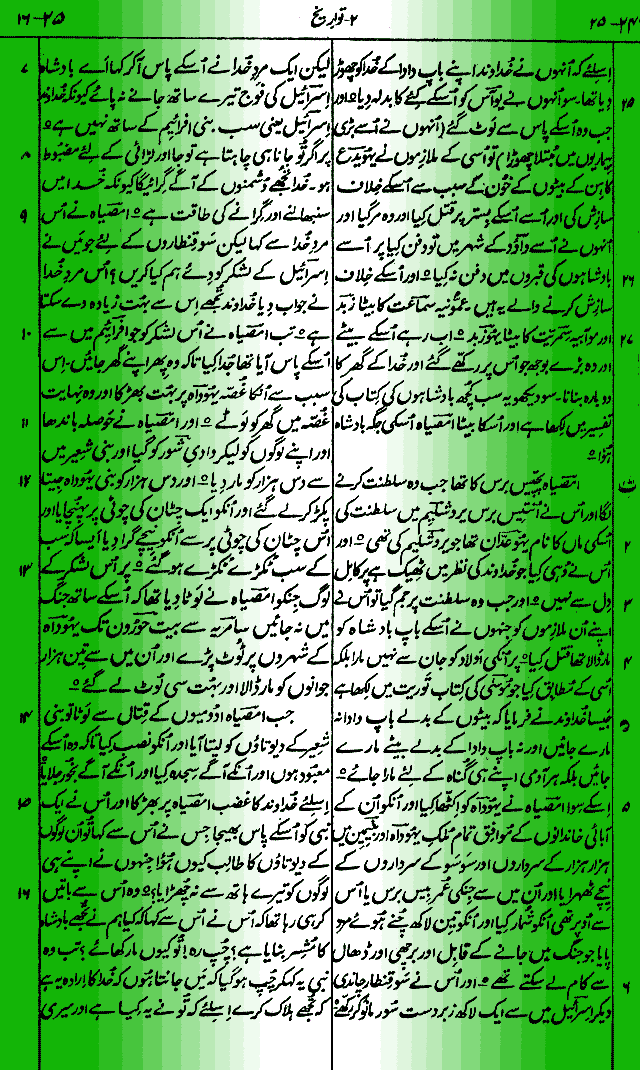
Verse: And when they were departed from him (for they left him in great diseases) his own servants conspired against him for the blood of the sons of Jehoiada the priest and slew him on his bed and he died and they buried him in the city of David but they buried him not in the sepulchres of the kings
English Explanation: This verse marks the tragic and dishonorable end of King Joash of Judah. After turning away from God and executing Zechariah (the son of the high priest Jehoiada who had saved his life), Joash is left severely wounded and diseased following a Syrian invasion. Sensing his weakness and seeking vengeance for his betrayal of Jehoiada’s family, his own officials plot against him and assassinate him while he is helpless in bed. As a final sign of public disrespect, although he is buried within Jerusalem (the City of David), the people refuse to grant him a resting place in the royal tombs of the kings.
Urdu Explanation (تفصیلی وضاحت): یہ آیت یہوداہ کے بادشاہ یوآس کے عبرت ناک اور ذلت آمیز انجام کو بیان کرتی ہے۔ خدا سے منہ موڑنے اور کاہن یہویدع کے بیٹے زکریا کو قتل کرنے کے بعد، یوآس ارامیوں (شامیوں) کے حملے میں شدید زخمی اور بیمار ہو گیا۔ جب وہ بستر پر لاچار پڑا تھا، تو اس کے اپنے ہی ملازموں نے یہویدع کے خاندان کے خون کا بدلہ لینے کے لیے اس کے خلاف سازش کی اور اسے بستر پر ہی قتل کر دیا۔ اگرچہ اسے داؤد کے شہر (یروشلم) میں دفن کیا گیا، لیکن عوام اور حکام نے اسے بادشاہوں کے شاہی مقبروں میں دفن کرنے کے قابل نہ سمجھا، جو اس کی روحانی اور اخلاقی گراوٹ کا منہ بولتا ثبوت تھا۔
2 Chronicles 24:26
Verse: And these are they that conspired against him Zabad the son of Shimeath an Ammonitess and Jehozabad the son of Shimrith a Moabitess
English Explanation: The author names the specific conspirators who assassinated King Joash: Zabad and Jehozabad. Strikingly, the text highlights that their mothers were from foreign nations—Ammon and Moab. These were nations historically hostile to Israel. This detail underscores that those who brought judgment upon Joash were outsiders by heritage, fulfilling the spiritual consequence of Joash’s compromise with pagan idolatry.
Urdu Explanation (تفصیلی وضاحت): اس آیت میں ان سازش کرنے والوں کے نام بتائے گئے ہیں جنہوں نے بادشاہ یوآس کو قتل کیا: زباد (جس کی ماں شمعات ایک عمونی عورت تھی) اور یہوزباد (جس کی ماں شمرِیت ایک موآبی عورت تھی)۔ یہاں خاص طور پر ان کی ماؤں کے غیر ملکی (عمونی اور موآبی) ہونے کا ذکر کیا گیا ہے، جو کہ بنی اسرائیل کے روایتی دشمن تھے۔ یہ اس بات کی طرف اشارہ ہے کہ جب بادشاہ نے بت پرستی اختیار کی، تو خدا نے انھی غیر قوموں کے اثرات کے ذریعے اس پر اپنی عدالت نازل فرمائی۔
2 Chronicles 24:27
Verse: Now concerning his sons and the greatness of the burdens laid upon him and the repairing of the house of God behold they are written in the story of the book of the kings And Amaziah his son reigned in his stead
English Explanation: This verse serves as the concluding summary of Joash’s reign, directing readers to the prophetic historical commentaries (“the story of the book of the kings”) for more records on his prophetic warnings, taxes, and Temple restoration works. The line of David continues despite the palace coup, as his son Amaziah ascends to the throne.
Urdu Explanation (تفصیلی وضاحت): یہ آیت یوآس کے دورِ حکومت کا اختتامی خلاصہ ہے۔ اس میں بتایا گیا ہے کہ یوآس کے بیٹوں، اس پر آنے والی الٰہی تنبیہات (بوجھ)، اور خدا کے گھر (ہیکل) کی مرمت کے کاموں کی مزید تفصیلات “بادشاہوں کی کتاب کی تاریخ” میں درج ہیں۔ اس تمام تر سیاسی افراتفری اور بغاوت کے باوجود، خدا نے داؤد کے خاندان سے اپنا عہد برقرار رکھا اور یوآس کا بیٹا امصیاہ اس کی جگہ نیا بادشاہ بنا۔
Chapter 25
2 Chronicles 25:1
Verse: Amaziah was twenty and five years old when he began to reign and he reigned twenty and nine years in Jerusalem And his mother’s name was Jehoaddan of Jerusalem
English Explanation: Chapter 25 introduces the reign of King Amaziah. He took power at the age of 25 during a tense political climate following his father’s murder. He ruled for nearly three decades from the capital city, Jerusalem, and his lineage is verified through his mother, Jehoaddan.
Urdu Explanation (تفصیلی وضاحت): یہاں سے باب 25 کا آغاز ہوتا ہے جس میں بادشاہ امصیاہ کے دورِ حکومت کا تعارف کرایا گیا ہے۔ جب امصیاہ تخت پر بیٹھا تو اس کی عمر پچیس سال تھی اور اس نے یروشلم میں انتیس (29) سال حکومت کی۔ اس کی ماں کا نام یہوعدان تھا جو کہ یروشلم کی رہنے والی تھی۔ یہ معلومات اس کی شاہی نسل اور قانونی حیثیت کو واضح کرتی ہیں۔
2 Chronicles 25:2
Verse: And he did that which was right in the sight of the LORD but not with a perfect heart
English Explanation: This is a critical theological evaluation of Amaziah. Outwardly, his actions often aligned with God’s law, but his inner motivations were flawed. He possessed a divided allegiance—obeying God when it was convenient or politically advantageous, but lacking deep, undivided devotion.
Urdu Explanation (تفصیلی وضاحت): یہ آیت امصیاہ کی روحانی حالت کا ایک اہم تجزیہ کرتی ہے۔ اس نے وہ کام تو کیے جو خداوند کی نظر میں درست تھے (یعنی ظاہری طور پر شریعت پر عمل کیا)، لیکن “کامل دل” سے نہ کیے۔ اس کا مطلب یہ ہے کہ اس کی وفاداری اور ایمان میں خلوص کی کمی تھی؛ وہ خدا کی فرمانبرداری تو کرتا تھا مگر دنیاوی فائدے اور مصلحت کو سامنے رکھ کر، اس کا دل خدا کے ساتھ پوری طرح جڑا ہوا نہیں تھا۔
2 Chronicles 25:3
Verse: Now it came to pass when the kingdom was established to him that he slew his servants that had killed the king his father
English Explanation: Once Amaziah secured his political power and firmly established his control over the administration, his first major act was to seek justice for his father’s assassination. He executed the royal officials who had murdered King Joash.
Urdu Explanation (تفصیلی وضاحت): جب امصیاہ کی حکومت مضبوط ہو گئی اور سلطنت پر اس کا کنٹرول قائم ہو گیا، تو اس نے سب سے پہلا قدم اپنے باپ کے قتل کا بدلہ لینے کے لیے اٹھایا۔ اس نے ان شاہی ملازموں اور عہدیداروں کو موت کے گھاٹ اتار دیا جنہوں نے اس کے باپ (بادشاہ یوآس) کو دھوکے سے قتل کیا تھا۔
2 Chronicles 25:4
Verse: But he slew not their children but did as it is written in the law in the book of Moses where the LORD commanded saying The fathers shall not die for the children neither shall the children die for the fathers but every man shall die for his own sin
English Explanation: In executing his father’s killers, Amaziah demonstrated obedience to Mosaic law (specifically Deuteronomy 24:16). In the ancient Near East, it was common practice to wipe out an assassin’s entire family to prevent future blood feuds. By sparing their children, Amaziah chose biblical justice over cultural vengeance, holding only the guilty accountable.
Urdu Explanation (تفصیلی وضاحت): اپنے باپ کے قاتلوں کو سزا دیتے وقت امصیاہ نے ایک قابلِ تعریف کام کیا؛ اس نے ان کے معصوم بچوں کو قتل نہیں کیا۔ اس نے موسیٰ کی شریعت (استثنا 24:16) پر عمل کیا جہاں خداوند کا حکم ہے کہ باپ دادا بچوں کے گناہ کے باعث اور بچے باپ دادا کے گناہ کے باعث نہ مارے جائیں، بلکہ ہر انسان اپنے ہی گناہ کے لیے سزا پائے گا۔ قدیم زمانے میں عام طور پر پورے خاندان کو ختم کر دیا جاتا تھا، لیکن امصیاہ نے الٰہی انصاف کو رواج پر ترجیح دی۔
2 Chronicles 25:5
Verse: Moreover Amaziah gathered Judah together and made them captains over thousands and captains over hundreds according to the houses of their fathers throughout all Judah and Benjamin and he numbered them from twenty years old and above and found them three hundred thousand choice men able to go forth to war that could handle spear and shield
English Explanation: Preparing for military action against Edom, Amaziah organized a national census and military draft across the tribes of Judah and Benjamin. He structured the military hierarchically and found 300,000 elite, battle-ready troops aged twenty and older.
Urdu Explanation (تفصیلی وضاحت): ادوم کے خلاف جنگ کی تیاری کرتے ہوئے، امصیاہ نے یہوداہ اور بنیمین کے قبیلوں کو اکٹھا کیا اور ان کے خاندانی پس منظر کے مطابق سو سو اور ہزار ہزار کے دستے بنا کر ان پر افسر مقرر کیے۔ جب اس نے بیس سال اور اس سے اوپر کی عمر کے مردوں کی مردُم شماری کی، تو اس کے پاس تین لاکھ (300,000) چنیدہ، جنگجو جوان سامنے آئے جو نیزہ اور ڈھال سنبھالنے کے ماہر اور جنگ کے لیے بالکل تیار تھے۔
2 Chronicles 25:6
Verse: He hired also an hundred thousand mighty men of valour out of Israel for an hundred talents of silver
English Explanation: Not satisfied with his own substantial army, Amaziah let fear or ambition guide him to hire 100,000 mercenary soldiers from the northern kingdom of Israel for 100 talents of silver. This showed a lack of faith in God’s self-sufficiency, as the northern kingdom was steeped in systemic idolatry.
Urdu Explanation (تفصیلی وضاحت): اپنی تین لاکھ کی فوج کے باوجود، امصیاہ نے اپنی طاقت بڑھانے کے لیے اسرائیل کی شمالی سلطنت سے ایک لاکھ (100,000) بہادر جنگجو سو قنطار چاندی دے کر کرائے پر حاصل کیے۔ یہ قدم اس کے ایمان کی کمزوری کو ظاہر کرتا ہے، کیونکہ اسرائیل کی شمالی سلطنت اس وقت خدا سے باغی اور بت پرستی میں غرق تھی اور ان سے اتحاد کرنا خدا کی مرضی کے خلاف تھا۔
2 Chronicles 25:7
Verse: But there came a man of God to him saying O king let not the army of Israel go with thee for the LORD is not with Israel to wit with all the children of Ephraim
English Explanation: A prophet (“man of God”) confronts Amaziah with a stern warning. He commands the king to dismiss the mercenary Israelite army from Ephraim, explicitly stating that God’s presence and favor are not with the northern kingdom due to their persistent rebellion.
Urdu Explanation (تفصیلی وضاحت): اس موقع پر خدا کا ایک نبی (مردِ خدا) امصیاہ کے پاس آیا اور اسے سخت تنبیہ کی کہ “اے بادشاہ! اسرائیل کی اس کرائے کی فوج کو اپنے ساتھ جنگ پر نہ لے جا، کیونکہ خداوند اسرائیل (یعنی افرائیم کی اولاد) کے ساتھ نہیں ہے۔” نبی نے صاف کر دیا کہ جو قوم خدا سے دور ہے، اس کی مدد لینے سے جنگ میں کامیابی حاصل نہیں ہو سکتی۔
2 Chronicles 25:8
Verse: But if thou wilt go do it be strong for the battle God shall make thee fall before the enemy for God hath power to help and to cast down
English Explanation: The prophet issues a challenge: If Amaziah insists on relying on the northern mercenaries, no amount of human strength or military strategy will save him. God will deliberately cause him to fail, reinforcing the absolute truth that victory belongs to the Lord alone, who possesses sovereign power to uplift or destroy.
Urdu Explanation (تفصیلی وضاحت): نبی نے بادشاہ کو چیلنج کیا کہ اگر تم اپنی ضد پر قائم رہتے ہوئے اس فوج کے ساتھ جنگ لڑنے جاتے ہو تو چاہے تم کتنے ہی طاقتور بن جاؤ، خدا تمہیں دشمن کے سامنے شکست دے گا۔ کیونکہ اصل طاقت اور اختیار صرف خدا کے پاس ہے—وہی فتح دینے (مدد کرنے) پر قادر ہے اور وہی گرانے (شکست دینے) کی قدرت رکھتا ہے۔ انسانی چالیں خدا کے بغیر ناامید ہیں۔
2 Chronicles 25:9
Verse: And Amaziah said to the man of God But what shall we do for the hundred talents which I have given to the army of Israel And the man of God answered The LORD is able to give thee much more than this
English Explanation: Amaziah hesitates due to financial loss, questioning what will happen to the huge sum of silver already paid to the mercenaries. The prophet’s profound response highlights the economy of faith: God is not limited by financial investments and can restore far more than what is lost through obedience.
Urdu Explanation (تفصیلی وضاحت): امصیاہ کو اپنے مالی نقصان کی فکر ہوئی، اس نے نبی سے پوچھا، “لیکن ان سو قنطار چاندی کا کیا ہوگا جو میں نے اسرائیل کی فوج کو ایڈوانس دے دی ہے؟” خدا کے نبی نے ایک ایمان افروز جواب دیا: “خداوند تجھے اس سے کہیں زیادہ دینے پر قادر ہے۔” یہ جملہ سکھاتا ہے کہ خدا کی فرمانبرداری میں ہونے والا ظاہری نقصان کبھی مستقل نہیں ہوتا، خدا اس کا نعم البدل دینے کی طاقت رکھتا ہے۔
2 Chronicles 25:10
Verse: Then Amaziah separated them to wit the army that was come to him out of Ephraim to go home again wherefore their anger was greatly kindled against Judah and they returned home in great anger
English Explanation: Amaziah obeys the prophet and dismisses the northern mercenary troops. However, the discharged soldiers take this dismissal as a massive insult to their honor and military capability. They return to Ephraim filled with rage against Judah.
Urdu Explanation (تفصیلی وضاحت): امصیاہ نے نبی کی بات مان لی اور افرائیم (اسرائیل) سے آئی ہوئی کرائے کی فوج کو الگ کر کے واپس گھر بھیج دیا۔ یہ دیکھ کر اسرائیلی فوجی شدید غصے اور طیش میں آ گئے کیونکہ وہ اسے اپنی توہین سمجھ رہے تھے، اور وہ یہوداہ کے خلاف شدید نفرت اور غصے کی حالت میں واپس لوٹے۔
2 Chronicles 25:11
Verse: And Amaziah strengthened himself and led forth his people and went to the valley of salt and smote of the children of Seir ten thousand
English Explanation: Demonstrating courage founded on his obedience to God’s word, Amaziah marches into the Valley of Salt with his own forces. Relying only on Judah’s army, he wins a decisive victory, killing 10,000 Edomite warriors (the children of Seir).
Urdu Explanation (تفصیلی وضاحت): خدا کے حکم پر عمل کرنے کے بعد امصیاہ نے حوصلہ پایا اور اپنی قوم (یہوداہ کی فوج) کی قیادت کرتے ہوئے “نمک کی وادی” کی طرف مارچ کیا۔ وہاں اس نے کسی بیرونی مدد کے بغیر، صرف خدا پر بھروسہ کر کے، شعیر کے بیٹوں (ادومیوں) پر حملہ کیا اور ان کے دس ہزار (10,000) جنگجوؤں کو ہلاک کر کے شاندار فتح حاصل کی۔
2 Chronicles 25:12
Verse: And other ten thousand left alive did the children of Judah carry away captive and brought them unto the top of the rock and cast them down from the top of the rock that they all were broken in pieces
English Explanation: Following the battle, Judah’s forces capture another 10,000 Edomite soldiers alive. In a brutal display of ancient warfare tactics, they execute these prisoners by throwing them off a steep cliff, resulting in their complete destruction.
Urdu Explanation (تفصیلی وضاحت): جنگ کے بعد، یہوداہ کی فوج نے مزید دس ہزار ادومیوں کو زندہ گرفتار کر لیا۔ انہوں نے ان قیدیوں کو ایک اونچی چٹان کی چوٹی پر لے جا کر وہاں سے نیچے پھینک دیا۔ یہ قدیم دور کی جنگوں کی ایک ہولناک اور بے رحم سزا تھی، جس کے نتیجے میں وہ سب نیچے گر کر ٹکڑے ٹکڑے ہو گئے۔
2 Chronicles 25:13
Verse: But the soldiers of the army which Amaziah sent back that they should not go with him to battle fell upon the cities of Judah from Samaria even unto Beth-horon and smote three thousand of them and took much spoil
English Explanation: While Amaziah is fighting in the south, the angry Israelite mercenaries whom he sent back exact revenge. They raid Judah’s northern border towns spanning from Samaria down to Beth-horon, slaughtering 3,000 Judaean citizens and looting significant plunder. This serves as a lingering consequence of Amaziah’s initial compromise in hiring them.
Urdu Explanation (تفصیلی وضاحت): دوسری طرف، اسرائیل کی وہ کرائے کی فوج جسے امصیاہ نے غصے میں واپس بھیجا تھا، انہوں نے موقع پا کر یہوداہ کے سرحدی شہروں (سامریہ سے لے کر بیت حورون تک) پر حملہ کر دیا۔ انہوں نے وہاں کے تین ہزار (3,000) لوگوں کو قتل کیا اور بہت سا مالِ غنیمت لوٹ کر لے گئے۔ یہ امصیاہ کے اس غلط فیصلے کا خمیازہ تھا جو اس نے شروع میں غیر قوم سے اتحاد کر کے کیا تھا۔
2 Chronicles 25:14
Verse: Now it came to pass after that Amaziah was come from the slaughter of the Edomites that he brought the gods of the children of Seir and set them up to be his gods and bowed down himself before them and burned incense unto them
English Explanation: In a shocking spiritual failure, upon returning victorious, Amaziah brings back the idols of the very Edomites he had just defeated. Instead of praising Yahweh for the victory, he adopts these defeated pagan idols as his own gods, bowing before them and burning incense to them. This validates the opening assessment that his heart was not perfect before God.
Urdu Explanation (تفصیلی وضاحت): ادومیوں کو شکست دینے کے بعد، امصیاہ نے ایک انتہائی حیران کن اور سنگین گناہ کیا۔ وہ اپنے ساتھ ان ادومیوں (شعیر کے بچوں) کے جھوٹے بتوں کو لے آیا اور انہیں اپنے معبود بنا کر ان کی پوجا کرنے لگا، ان کے آگے سجدہ کیا اور ان کے لیے بخور جلایا۔ یہ اس بات کا ثبوت تھا کہ اس کا دل خدا کے ساتھ مخلص نہیں تھا؛ جس خدا نے اسے فتح دی، اسے چھوڑ کر وہ ان بتوں کے سامنے جھک گیا جو خود اپنے ماننے والوں کو شکست سے نہ بچا سکے۔
2 Chronicles 25:15
Verse: Wherefore the anger of the LORD was kindled against Amaziah and he sent unto him a prophet which said unto him Why hast thou sought after the gods of the people which could not deliver their own people out of thine hand
English Explanation: God reacts with righteous anger toward Amaziah’s blatant idolatry and disloyalty. He sends a prophet to confront him with a logical, piercing rhetorical question: Why worship weak, defeated gods who couldn’t even save their own worshippers from Judah’s army?
Urdu Explanation (تفصیلی وضاحت): امصیاہ کی اس سخت بے وفائی پر خداوند کا غضب بھڑک اٹھا۔ خدا نے اس کے پاس ایک نبی کو بھیجا جس نے بادشاہ کی عقل پر سوال اٹھاتے ہوئے کہا: “تو نے ان لوگوں کے معبودوں کی پیروی کیوں کی جو خود اپنی قوم کو تیرے ہاتھ سے نہ بچا سکے؟” یہ سوال امصیاہ کی روحانی اندھیت اور حماقت کو بے نقاب کرنے کے لیے تھا۔
2 Chronicles 25:16
Verse: And it came to pass as he talked with him that the king said unto him Art thou made of the king’s counsel forbear why shouldest thou be smitten Then the prophet forbare and said I know that God hath determined to destroy thee because thou hast done this and hast not hearkened unto my counsel
English Explanation: Unlike his earlier willingness to listen, an arrogant Amaziah cuts off the prophet, threatening him with execution if he does not stop speaking. Recognizing that the king’s heart has completely hardened, the prophet ceases his warnings but leaves him with a chilling final oracle: God has marked Amaziah for ultimate destruction because of his unrepentant idolatry and rejection of divine counsel.
Urdu Explanation (تفصیلی وضاحت): جب نبی بادشاہ سے بات کر رہا تھا، تو امصیاہ نے تکبر میں آ کر اسے بیچ میں ہی ٹوک دیا اور دھمکی آمیز لہجے میں کہا: “کیا تجھے بادشاہ کا مشیر مقرر کیا گیا ہے؟ خاموش ہو جا، ورنہ تو مارا جائے گا۔” جب نبی نے دیکھا کہ بادشاہ کا دل سخت ہو چکا ہے اور وہ توبہ کے لیے تیار نہیں، تو وہ خاموش ہو گیا لیکن جاتے جاتے آخری فیصلہ سنا دیا: “میں جان گیا ہوں کہ خدا نے تجھے ہلاک کرنے کا پکا ارادہ کر لیا ہے، کیونکہ تو نے یہ برا کام کیا اور میرے مشورے (خدا کے کلام) کو رد کر دیا۔”