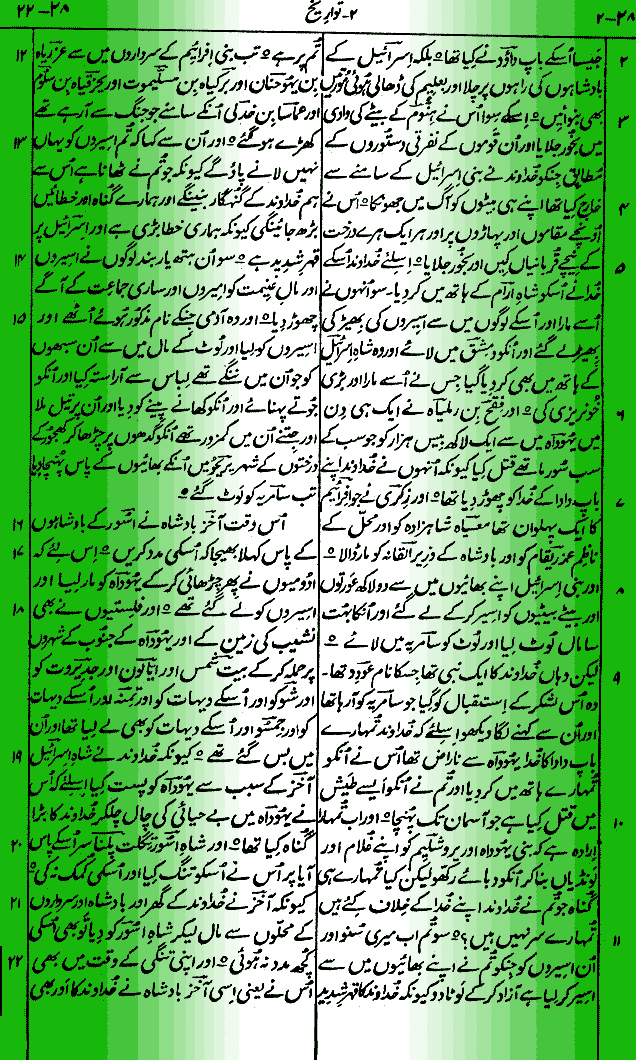
Verse-by-Verse Commentary and Explanation (2 Chronicles 28:2–22)
2 Chronicles 28:2
Verse (Punctuation Omitted):
For he walked in the ways of the kings of Israel and made also molten images for Baalim
Detailed Explanation (English)
This verse introduces the spiritual downfall of King Ahaz of Judah. Instead of following the godly legacy of his father Jotham or his ancestor King David, Ahaz deliberately chose to mimic the wicked practices of the northern kingdom of Israel. He actively promoted state-sponsored idolatry by manufacturing molten metal images for the “Baalim” (the plural form of Baal, the Canaanite fertility god). This marked a radical and dangerous shift in Judah’s religious landscape, moving from the true worship of Yahweh to pagan polytheism.
تفصیلی وضاحت (Urdu)
یہ آیت یہوداہ کے بادشاہ آحاز کے روحانی زوال کی شروعات کو ظاہر کرتی ہے۔ اپنے نیک دادا داؤد یا اپنے والد یوتام کے نقشِ قدم پر چلنے کے بجائے، آحاز نے جان بوجھ کر اسرائیل کی شمالی سلطنت کے بدکار بادشاہوں کے طور طریقوں کو اپنایا۔ اس نے کعنان کے جھوٹے دیوتاؤں یعنی “بعلیم” (بعل کی جمع) کے لیے دھات کے پگھلے ہوئے بت بنا کر شرک اور بت پرستی کو سرکاری سطح پر فروغ دیا۔ یہ یہوداہ کی تاریخ میں ایک بھیانک موڑ تھا جہاں سچے خدا کی عبادت چھوڑ کر جھوٹے معبودوں کی پوجا شروع کی گئی۔
2 Chronicles 28:3
Verse (Punctuation Omitted):
Moreover he burnt incense in the valley of the son of Hinnom and burnt his children in the fire after the abominations of the heathen whom the LORD had cast out before the children of Israel
Detailed Explanation (English)
Ahaz’s apostasy deepens to an extreme and horrific degree. He engaged in ritual worship in the Valley of Ben-Hinnom (later known as Gehenna), a deep ravine south of Jerusalem. Most shockingly, he participated in child sacrifice—burning his own sons in the fire as an offering to the pagan god Molech. This heinous act directly mirrored the detestable practices of the Canaanite nations whom God had driven out during the conquest of Canaan. It shows a complete disregard for the Mosaic Law and the sanctity of human life.
تفصیلی وضاحت (Urdu)
آحاز کی گمراہی اس آیت میں انتہائی ہولناک حد تک پہنچ جاتی ہے۔ اس نے یروشلم کے جنوب میں واقع “بن ہنوم کی وادی” (جسے بعد میں جہنم سے تشبیہ دی گئی) میں جھوٹے معبودوں کے لیے بخور جلایا۔ سب سے زیادہ لرزہ خیز بات یہ ہے کہ اس نے اپنے ہی بچوں کو آگ میں جلا کر بتوں (جیسے ملک دیوتا) کی قربانی دی۔ یہ وہ مکروہ رسمیں تھیں جو ان مشرک قوموں کی تھیں جنہیں خدا نے بنی اسرائیل کے سامنے سے ملک بدر کیا تھا۔ آحاز نے خدا کے قوانین اور انسانی جان کی حرمت کو یکسر پامال کیا۔
2 Chronicles 28:4
Verse (Punctuation Omitted):
He sacrificed also and burnt incense in the high places and on the hills and under every green tree
Detailed Explanation (English)
The spiritual corruption was not confined to Jerusalem; it became widespread across the entire kingdom. Ahaz decentralized worship away from the Temple, establishing pagan altars on “high places,” atop natural hills, and beneath large green trees—locations historically associated with Canaanite fertility cults. By participating in and encouraging these widespread rituals, Ahaz led the entire populace of Judah into deep spiritual adultery.
تفصیلی وضاحت (Urdu)
روحانی بگاڑ صرف یروشلم تک محدود نہیں رہا بلکہ پوری سلطنت میں پھیل گیا۔ آحاز نے ہیکل کے بجائے جگہ جگہ اونچے مقامات، پہاڑیوں اور ہر ہرے درخت کے نیچے قربان گاہیں بنائیں اور بخور جلایا۔ یہ مقامات تاریخی طور پر کعنانیوں کی بت پرستی اور عیاشی کی رسومات کے لیے مشہور تھے۔ ان کاموں کے ذریعے آحاز نے یہوداہ کے عام لوگوں کو بھی گمراہی اور شرک کے دلدل میں دھکیل دیا۔
2 Chronicles 28:5
Verse (Punctuation Omitted):
Wherefore the LORD his God delivered him into the hand of the king of Syria and they smote him and carried away a great multitude of them captives and brought them to Damascus And he was also delivered into the hand of the king of Israel who smote him with a great slaughter
Detailed Explanation (English)
Because of Ahaz’s blatant rebellion, God withdrew His divine protection. This verse demonstrates the immediate consequence of sin. God used foreign nations as instruments of judgment. First, Rezin, the king of Syria (Aram), defeated Ahaz and took a massive number of Judaean captives to Damascus. Second, Pekah, the king of Israel, inflicted a devastating military defeat on Judah, resulting in a massive slaughter. Despite being brothers, the northern kingdom showed no mercy to Judah.
تفصیلی وضاحت (Urdu)
آحاز کی کھلی بغاوت کی وجہ سے خدا نے اپنی حفاظتی ڈھال یہوداہ سے ہٹا لی۔ یہ آیت گناہ کے فوری انجام کو ظاہر کرتی ہے۔ خدا نے غیر قوموں کو سزا کے طور پر استعمال کیا۔ پہلے شام کے بادشاہ نے آحاز کو شکست دی اور یہوداہ کے بے شمار لوگوں کو قیدی بنا کر دمشق لے گیا۔ پھر اسرائیل کے بادشاہ نے بھی آحاز پر حملہ کیا اور ایک بڑی خونریزی کے ساتھ یہوداہ کی فوج کو تباہ کیا۔ سگے بھائی ہونے کے باوجود، اسرائیل نے یہوداہ پر رحم نہ کھایا۔
2 Chronicles 28:6
Verse (Punctuation Omitted):
For Pekah the son of Remaliah slew in Judah an hundred and twenty thousand in one day which were all valiant men because they had forsaken the LORD God of their fathers
Detailed Explanation (English)
The chronicler provides staggering specifics of the military disaster: 120,000 elite, valiant soldiers of Judah were killed by Israel’s army in a single day. The text makes the theological reason crystal clear: this catastrophic loss occurred not due to a lack of military strength, but because “they had forsaken the LORD God of their fathers.” The national apostasy started by Ahaz had corrupted the people, leading to divine abandonment on the battlefield.
تفصیلی وضاحت (Urdu)
یہاں جنگی تباہی کی ہولناک تفصیل دی گئی ہے کہ رملیاہ کے بیٹے (پقح) نے ایک ہی دن میں یہوداہ کے ایک لاکھ بیس ہزار (120,000) چنیدہ اور بہادر سپاہیوں کو قتل کر دیا۔ بائبل اس کی اصل وجہ بالکل واضح کرتی ہے: یہ شکست کسی فوجی کمزوری کی وجہ سے نہیں تھی، بلکہ اس لیے تھی کہ “انہوں نے اپنے باپ دادا کے خداوند خدا کو ترک کر دیا تھا۔” جب بادشاہ اور قوم نے خدا کو چھوڑا، تو خدا نے بھی انہیں دشمن کے رحم و کرم پر چھوڑ دیا۔
2 Chronicles 28:7
Verse (Punctuation Omitted):
And Zichri a mighty man of Ephraim slew Maaseiah the king’s son and Azrikam the governor of the house and Elkanah that was next to the king
Explanation (English)
The judgment hit close to home for King Ahaz. A powerful warrior from Ephraim (Israel) named Zichri targeted and assassinated key figures in the royal administration. He killed Maaseiah, the king’s own son; Azrikam, the royal palace administrator; and Elkanah, the second-in-command to King Ahaz. This targeted elimination of the royal inner circle paralyzed Ahaz’s government and brought the reality of his failure right into his own household.
تفصیلی وضاحت (Urdu)
خدا کا انصاف آحاز کے اپنے گھر تک پہنچ گیا۔ افرائیم (اسرائیل) کے ایک زبردست سورما بنام زکری نے شاہی خاندان اور حکومت کے ستونوں کو نشانہ بنایا۔ اس نے بادشاہ کے بیٹے معسیاہ، محل کے ناظم عزرِیقام، اور بادشاہ کے نائبِ خاص القانہ کو قتل کر دیا۔ شاہی دربار کے ان اہم افراد کی ہلاکت نے آحاز کی حکومت کو ہلا کر رکھ دیا اور اسے اپنے گناہوں کا خمیازہ ذاتی نقصان کی صورت میں بھگتنا پڑا۔
2 Chronicles 28:8
Verse (Punctuation Omitted):
And the children of Israel carried away captive of their brethren two hundred thousand women sons and daughters and took also away much spoil from them and brought the spoil to Samaria
Detailed Explanation (English)
The Northern Kingdom did not just slaughter soldiers; they captured vulnerable civilians. They took 200,000 women and children hostage to be sold into slavery, alongside immense amounts of plundered goods, bringing them back to their capital, Samaria. The chronicler intentionally uses the word “brethren” (brothers) to highlight the tragedy and cruelty of this event—Israelites enslaving fellow Israelites, violating the foundational bonds of their shared covenant.
تفصیلی وضاحت (Urdu)
اسرائیل کی فوج نے صرف سپاہیوں کو ہی قتل نہیں کیا بلکہ عام شہریوں پر بھی ظلم کیا۔ وہ یہوداہ کے اپنے ہی بھائیوں میں سے دو لاکھ (200,000) عورتوں، بیٹوں اور بیٹیوں کو قیدی بنا کر اور کثیر مالِ غنیمت لوٹ کر اپنے دارالحکومت سامریہ لے گئے۔ یہاں لفظ “بھائی” جان بوجھ کر استعمال کیا گیا ہے تاکہ اس سانحے کی سنگینی کو دکھایا جا سکے کہ کس طرح بنی اسرائیل نے اپنے ہی بھائیوں کو غلام بنا کر خدا کے عہد کی خلاف ورزی کی۔
2 Chronicles 28:9
Verse (Punctuation Omitted):
But a prophet of the LORD was there whose name was Oded and he went out before the host that came to Samaria and said unto them Behold because the LORD God of your fathers was wroth with Judah he hath delivered them into your hand and ye have slain them in a rage that reacheth up unto heaven
Detailed Explanation (English)
In the midst of this dark tragedy, God sends a voice of truth. A prophet named Oded intercepts the returning army at the gates of Samaria. He delivers a bold rebuke, explaining that Israel’s victory was not due to their own righteousness or military superiority, but because God was angry with Judah. However, Oded warns them that their slaughter of Judah was driven by an excessive, uncontrolled fury (“a rage that reacheth up unto heaven”) that has now drawn God’s anger toward Israel as well.
تفصیلی وضاحت (Urdu)
اس تاریک صورتحال میں خدا نے حق کی آواز بلند کرنے کے لیے عودید نامی ایک نبی کو بھیجا۔ وہ سامریہ کے دروازے پر لوٹتی ہوئی فاتح فوج کے سامنے کھڑا ہو گیا اور دلیری سے کہا کہ تمہاری یہ فتح تمہاری اپنی کسی نیکی یا طاقت کی وجہ سے نہیں ہے، بلکہ اس لیے ہے کہ خدا یہوداہ سے ناراض تھا۔ لیکن عودید نے انہیں خبردار کیا کہ انہوں نے غصے اور بے رحمی کی تمام حدیں پار کر دی ہیں (“ایسا غصہ جو آسمان تک پہنچ گیا ہے”)، اور اب وہ خود خدا کے غضب کے حقدار بن چکے ہیں۔
2 Chronicles 28:10
Verse (Punctuation Omitted):
And now ye purpose to keep under the children of Judah and Jerusalem for bondmen and bondwomen unto you but are there not with you even with you sins against the LORD your God
Detailed Explanation (English)
Oded exposes Israel’s hypocritical and illegal intentions. They planned to reduce their Judean kinsmen to permanent slaves. The prophet holds up a spiritual mirror to Israel, asking a stinging question: “Are there not with you, even with you, sins against the LORD your God?” He reminds them that the northern kingdom is just as guilty of idolatry and rebellion, and they have no moral right to oppress their fallen brothers.
تفصیلی وضاحت (Urdu)
عودید نبی نے اسرائیل کے منافقانہ ارادوں کو بے نقاب کیا۔ وہ اپنے ہی ہم وطنوں (یہوداہ اور یروشلم کے لوگوں) کو غلام اور لونڈیاں بنانا چاہتے تھے۔ نبی نے ان سے ایک چبھتا ہوا سوال کیا: “کیا تمہارے اپنے پاس خداوند تمہارے خدا کے خلاف گناہ موجود نہیں ہیں؟” انہوں نے یاد دلایا کہ شمالی سلطنت خود بت پرستی میں ڈوبی ہوئی ہے، اس لیے انہیں اپنے بھائیوں پر ظلم کرنے کا کوئی اخلاقی حق نہیں ہے۔
2 Chronicles 28:11
Verse (Punctuation Omitted):
Now hear me therefore and deliver the captives again which ye have taken captive of your brethren for the fierce wrath of the LORD is upon you
Detailed Explanation (English)
Oded issues a direct, urgent command: release the prisoners immediately and send them back home. He warns that failing to do so will trigger the “fierce wrath of the LORD” against Israel. It is an appeal to fear God and show mercy to their captive relatives before divine judgment strikes Samaria.
تفصیلی وضاحت (Urdu)
عودید نبی نے ایک واضح اور فوری حکم دیا: ان قیدیوں کو فوراً رہا کرو اور انہیں واپس بھیجو۔ اس نے متنبہ کیا کہ اگر انہوں نے ایسا نہ کیا تو “خداوند کا شدید غضب” اسرائیل پر نازل ہوگا۔ یہ خدا کے خوف اور اپنے قیدی بھائیوں پر رحم کھانے کی ایک آخری پکار تھی تاکہ سامریہ الٰہی عذاب سے بچ سکے۔
2 Chronicles 28:12
Verse (Punctuation Omitted):
Then certain of the heads of the children of Ephraim Azariah the son of Johanan Berechiah the son of Meshillemoth and Jehizkiah the son of Shallum and Amasa the son of Hadlai stood up against them that came from the war
Detailed Explanation (English)
The prophet’s message successfully convicts the conscience of some leaders in Israel. Four specific tribal chiefs of Ephraim (Azariah, Berechiah, Jehizkiah, and Amasa) courageously step forward. They form a blockade, physically and politically opposing the victorious soldiers returning from the war, refusing to let them bring the captives into the city.
تفصیلی وضاحت (Urdu)
نبی کے پیغام نے اثر دکھایا اور اسرائیل کے کچھ رہنماؤں کے ضمیر کو جھنجھوڑ دیا۔ افرائیم کے چار قبائلی سرداروں (عزریاہ، برکیاہ، یحیقیاہ، اور عماسا) نے کمالِ بہادری کا مظاہرہ کرتے ہوئے جنگ سے لوٹنے والے سپاہیوں کا راستہ روکا اور قیدیوں کو شہر کے اندر لانے کی سخت مخالفت کی۔
2 Chronicles 28:13
Verse (Punctuation Omitted):
And said unto them Ye shall not bring in the captives hither for whereas we have offended against the LORD already ye intend to add more to our sins and to our trespass for our trespass is great and there is fierce wrath against Israel
Detailed Explanation (English)
These righteous leaders echo the prophet’s warnings. They strictly forbid the soldiers from bringing the captives into Samaria. They confess that Israel is already heavily laden with sin, and enslaving their brethren would increase their guilt to an unmanageable level. They acknowledge that God’s anger against Israel is already burning hot, and they cannot afford further transgression.
تفصیلی وضاحت (Urdu)
ان نیک رہنماؤں نے نبی کی باتوں کی تائید کی۔ انہوں نے فوجیوں کو سختی سے منع کیا کہ وہ ان قیدیوں کو یہاں نہ لائیں۔ انہوں نے اعتراف کیا کہ ہم پہلے ہی خدا کے گناہگار ہیں، اور اپنے ہی بھائیوں کو غلام بنا کر ہم اپنے گناہوں کے بوجھ میں مزید اضافہ کریں گے۔ انہوں نے تسلیم کیا کہ اسرائیل پر خدا کا غضب پہلے ہی بھڑک رہا ہے اور وہ مزید نافرمانی کے متحمل نہیں ہو سکتے۔
2 Chronicles 28:14
Verse (Punctuation Omitted):
So the armed men left the captives and the spoil before the princes and all the congregation
Detailed Explanation (English)
In a remarkable turn of events, the armed soldiers submit to the authority of the tribal leaders and the words of the prophet. They surrender control of both the 200,000 captives and the vast amounts of plundered goods, leaving them in the care of the princes and the gathered assembly. This demonstrates that even in a corrupted kingdom like Israel, God’s word still held the power to convict.
تفصیلی وضاحت (Urdu)
ایک حیرت انگیز تبدیلی دیکھنے میں آئی کہ مسلح سپاہی اپنے سرداروں اور نبی کی بات کے سامنے سرنگوں ہو گئے۔ انہوں نے دو لاکھ قیدیوں اور تمام لوٹے ہوئے مال کو سرداروں اور مجمع کے سامنے چھوڑ دیا۔ یہ ظاہر کرتا ہے کہ اسرائیل جیسی بگڑی ہوئی سلطنت میں بھی خدا کے کلام میں اب بھی دلوں کو بدلنے کی طاقت موجود تھی۔
2 Chronicles 28:15
Verse (Punctuation Omitted):
And the men which were expressed by name rose up and took the captives and with the spoil clothed all that were naked among them and arrayed them and shod them and gave them to eat and to drink and anointed them and carried all the feeble of them upon asses and brought them to Jericho the city of palm trees to their brethren then they returned to Samaria
Detailed Explanation (English)
This verse outlines an extraordinary act of humanitarian and brotherly compassion. Designated leaders took the plunder and used it to care for the captives: they clothed the naked, provided sandals for their feet, fed them, gave them drink, and treated their wounds with oil. They provided donkeys for the weak and safely escorted them back to Judean territory at Jericho (the city of palm trees) before returning to Samaria. It is a beautiful historical example of grace returning good for evil.
تفصیلی وضاحت (Urdu)
یہ آیت انسانی ہمدردی اور بھائی چارے کی ایک لاجواب مثال پیش کرتی ہے۔ مخصوص کیے گئے مردوں نے آگے بڑھ کر قیدیوں کی دیکھ بھال کی: انہوں نے لوٹے ہوئے مال سے ننگوں کو کپڑے پہنائے، پاؤں میں جوتیاں دیں، انہیں کھانا کھلایا، پانی پلایا اور ان کے زخموں پر تیل لگایا۔ جو کمزور تھے انہیں گدھوں پر بٹھایا اور بحفاظت یہوداہ کی سرحد یعنی یریحُو (کھجوروں کے شہر) میں ان کے بھائیوں کے پاس پہنچا دیا، اور پھر خود سامریہ لوٹ گئے۔ یہ برائی کے بدلے بھلائی کی ایک خوبصورت مثال ہے۔
2 Chronicles 28:16
Verse (Punctuation Omitted):
At that time did king Ahaz send unto the kings of Assyria to help him
Detailed Explanation (English)
Instead of repenting after experiencing defeats from Syria and Israel and seeing God’s mercy via the return of the captives, King Ahaz committed a critical geopolitical and spiritual error. He turned to the pagan superpower of the day—the Empire of Assyria—for a military alliance and rescue. This highlighted his total lack of faith in Yahweh, choosing to trust human military might over divine deliverance.
تفصیلی وضاحت (Urdu)
شام اور اسرائیل سے عبرتناک شکست کھانے اور قیدیوں کی واپسی میں خدا کا رحم دیکھنے کے باوجود، شاہِ آحاز نے توبہ نہیں کی بلکہ ایک بڑی سیاسی اور روحانی غلطی کی۔ اس نے اس وقت کی کافر سپر پاور یعنی اسور (Assyria) کے بادشاہوں سے مدد مانگی۔ یہ عمل ظاہر کرتا ہے کہ اسے سچے خدا پر بالکل بھروسہ نہیں تھا، اور اس نے خدا کے بجائے انسانی طاقت پر تکیہ کیا۔
2 Chronicles 28:17
Verse (Punctuation Omitted):
For again the Edomites had come and smitten Judah and carried away captives
Detailed Explanation (English)
Judah’s vulnerability led to opportunistic invasions from neighboring enemies. The Edomites, long-standing adversaries to the southeast, took advantage of Judah’s weakened state, launched a raid, defeated Judean forces, and carried away a fresh batch of captives. Judah was collapsing on all geographic fronts due to its spiritual corruption.
تفصیلی وضاحت (Urdu)
یہوداہ کی کمزوری دیکھ کر آس پاس کے دشمنوں کو بھی حملے کا موقع مل گیا۔ ادومیوں نے، جو جنوب مشرق میں پرانے دشمن تھے، فائدہ اٹھایا اور یہوداہ پر حملہ کر کے ان کے لوگوں کو قیدی بنا لیا۔ جب خدا کی برکت ہٹ گئی، تو یہوداہ ہر طرف سے دشمنوں کے گھیرے میں آ گیا۔
2 Chronicles 28:18
Verse (Punctuation Omitted):
The Philistines also had invaded the cities of the low country and of the south of Judah and had taken Beth-shemesh and Ajalon and Gederoth and Shocho with the villages thereof and Timnah with the villages thereof Gimzo also and the villages thereof and they dwelt there
Detailed Explanation (English)
Simultaneously, the Philistines invaded from the western foothills (the Shephelah) and the southern Negev desert. They successfully captured and occupied strategic Judean border cities—including Beth-shemesh, Ajalon, Gederoth, Soco, Timnah, and Gimzo, along with their surrounding villages. The Philistines didn’t just raid; they settled in these territories, stripping Judah of valuable land and defense buffers.
تفصیلی وضاحت (Urdu)
اسی دوران، فلسطینیوں نے مغرب کے میدانی علاقوں اور یہوداہ کے جنوبی حصوں پر دھاوا بول دیا۔ انہوں نے یہوداہ کے کئی اہم اور تزویراتی شہروں پر قبضہ کر لیا جن میں بیت شمس، ایالون، جدیروت، شوکو، تمنہ، اور گمزو اپنے دیہاتوں سمیت شامل تھے۔ فلسطینیوں نے صرف لوٹ مار نہیں کی بلکہ وہ وہاں مستقل طور پر رہنے لگے، جس سے یہوداہ کی زمین اور دفاعی لائن سکڑ گئی۔
2 Chronicles 28:19
Verse (Punctuation Omitted):
For the LORD brought Judah low because of Ahaz king of Israel for he made Judah naked and transgressed sore against the LORD
Detailed Explanation (English)
The author provides the divine commentary on these disasters. Judah’s humiliation was orchestrated by the Lord because of King Ahaz (here ironically called “king of Israel” to emphasize his emulation of the northern kingdom’s sins). Ahaz “made Judah naked”—meaning he stripped the nation of its spiritual defenses, moral integrity, and divine protection through his severe, unfaithful transgressions against God.
تفصیلی وضاحت (Urdu)
بائبل کا مصنف ان تمام مصیبتوں کی اصل وجہ بتاتا ہے۔ یہوداہ کی اس ذلت کا ذمہ دار خود خداوند تھا جس نے آحاز کی وجہ سے اسے پست کیا۔ (یہاں آحاز کو طنزیہ طور پر ‘اسرائیل کا بادشاہ’ کہا گیا کیونکہ اس کے افعال اسرائیل جیسے تھے)۔ آحاز نے یہوداہ کو “ننگا کر دیا” یعنی اس کی روحانی ڈھال اور اخلاقی شان کو ختم کر دیا اور خداوند کے خلاف شدید گناہ اور وفاداری کی حدیں پار کیں۔
20 Chronicles 28:20
Verse (Punctuation Omitted):
And Tilgath-pilneser king of Assyria came unto him and distressed him but strengthened him not
Detailed Explanation (English)
Ahaz’s political gamble backfired completely. Tiglath-Pileser III, the ruthless king of Assyria, accepted Ahaz’s gold but did not act as a true ally. Instead of defending Judah against its enemies, the Assyrian monarch marched in, imposed heavy financial tributes, and oppressed (“distressed”) Ahaz further. He weakened Judah’s economy and autonomy rather than strengthening its military position, proving the futility of relying on ungodly alliances.
تفصیلی وضاحت (Urdu)
آحاز کی سیاسی چال الٹی پڑ گئی۔ اسور کا ظالم بادشاہ تگلت پِلاسر مدد کے لیے تو آیا، لیکن اس نے سچے دوست کا کردار ادا نہیں کیا۔ اس نے دشمنوں کو بھگانے کے بجائے خود آحاز پر دباؤ ڈالا، بھاری خراج وصول کیا اور اسے مزید “تنگ” کیا۔ اسور نے یہوداہ کو مضبوط کرنے کے بجائے معاشی اور سیاسی طور پر مزید کھوکھلا کر دیا، جس سے یہ ثابت ہوا کہ خدا کو چھوڑ کر انسانوں پر بھروسہ کرنا ہمیشہ نقصان دہ ہوتا ہے۔
2 Chronicles 28:21
Verse (Punctuation Omitted):
For Ahaz took away a portion out of the house of the LORD and out of the house of the king and of the princes and gave it unto the king of Assyria but he helped him not
Detailed Explanation (English)
In a desperate bid to satisfy the greedy Assyrian king, Ahaz ransacked the sacred Temple of Yahweh, emptied his own royal treasury, and confiscated the wealth of Judah’s nobles. He sent this immense wealth as a bribe/tribute to Tiglath-Pileser. Yet, the text bluntly records the tragic result: “but he helped him not.” Sacrificing holy things for worldly security brought zero relief.
تفصیلی وضاحت (Urdu)
اسور کے لالچی بادشاہ کو خوش کرنے کی مایوس کن کوشش میں، آحاز نے خدا کے گھر (ہیکل) کے قیمتی خزانے لوٹے، اپنے شاہی محل کے اثاثے نکالے اور اپنے امراء و سرداروں سے بھی مال چھین کر اسور کے بادشاہ کو بطور رشوت اور خراج بھیج دیا۔ لیکن بائبل صاف الفاظ میں اس کا نتیجہ بتاتی ہے: “تو بھی اس سے کچھ فائدہ نہ ہوا۔” دنیاوی تحفظ کے لیے مقدس چیزوں کا سودا کرنے کا انجام ہمیشہ ناکامی ہوتا ہے۔
2 Chronicles 28:22
Verse (Punctuation Omitted):
And in the time of his distress did he trespass yet more against the LORD this is that king Ahaz
Detailed Explanation (English)
This verse marks the ultimate spiritual tragedy of Ahaz. Usually, severe distress leads leaders to humility and repentance. However, under immense pressure, Ahaz grew even more hardened and rebellious, committing even greater sins against God. The phrase “this is that king Ahaz” stands as a historical brand of infamy, marking him forever as a classic example of an unteachable, stubborn ruler who chose apostasy over redemption even in his darkest hour.
تفصیلی وضاحت (Urdu)
یہ آیت آحاز کے حتمی روحانی زوال کی عکاسی کرتی ہے۔ عام طور پر سخت مصیبت انسان کو توبہ اور خدا کی طرف رجوع کرنے پر مجبور کرتی ہے۔ لیکن آحاز نے اس شدید دباؤ کے دوران اپنے دل کو اور سخت کر لیا اور خداوند کے خلاف مزید گناہ کیے۔ یہ جملہ “یہ وہی بادشاہ آحاز ہے” تاریخ میں اس کی بدنامی پر ایک مہر ہے، جو اسے ایک ایسے ضدی اور سرکش بادشاہ کے طور پر یاد رکھتا ہے جس نے بدترین حالات میں بھی نجات کے بجائے گمراہی کا راستہ چنا۔