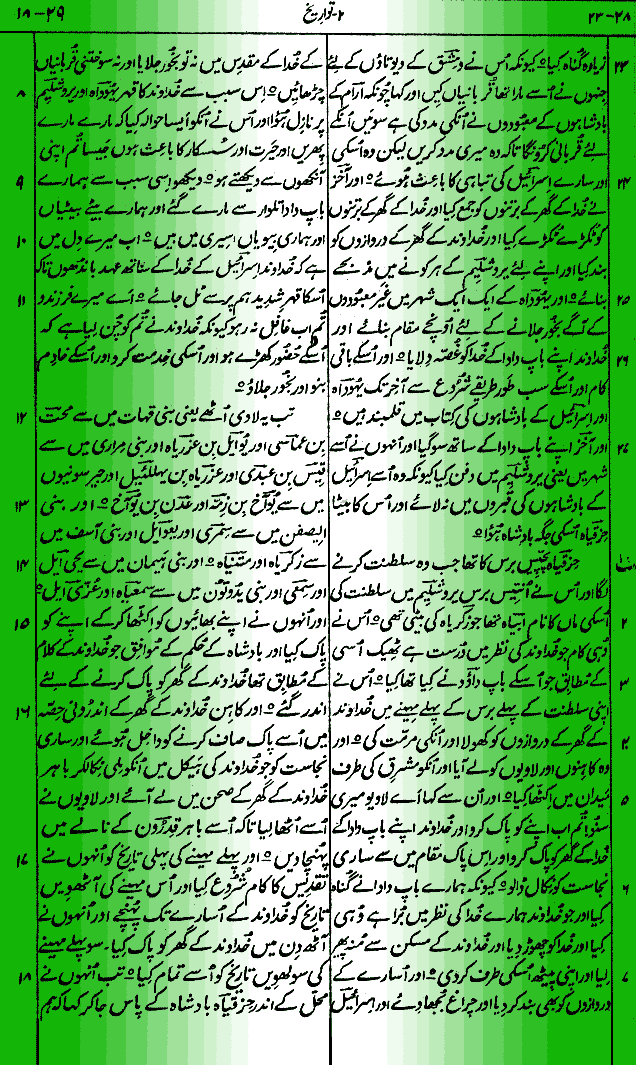
Verse-by-Verse Commentary: 2 Chronicles 28:23 – 29:18
2 Chronicles 28:23
Verse: For he sacrificed unto the gods of Damascus which smote him and he said Because the gods of the kings of Syria help them therefore will I sacrifice to them that they may help me But they were the ruin of him and of all Israel
-
Detailed Explanation (English): King Ahaz falls into a deep spiritual delusion. After being defeated by Syria, he foolishly attributes his loss to the superior power of Syrian gods rather than acknowledging his own rebellion against the true God. Instead of repenting, he begins worshiping these foreign idols in hopes of gaining military success. This backfires completely; his reliance on false gods leads to his personal downfall and brings economic, political, and spiritual ruin upon the entire nation of Israel.
-
تفصیلی وضاحت (Urdu): شاہ آحاز ایک شدید روحانی گمراہی کا شکار ہو جاتا ہے۔ شام (Syria) سے شکست کھانے کے بعد، وہ اپنی غلطیوں اور سچے خدا سے بغاوت کا اعتراف کرنے کے بجائے، بے وقوفی سے اپنی شکست کا سبب شامی معبودوں کی برتر طاقت کو قرار دیتا ہے۔ توبہ کرنے کے بجائے، وہ اس امید پر ان غیر ملکی بتوں کی پوجا شروع کر دیتا ہے کہ وہ اسے فوجی کامیابی دلائیں گے۔ لیکن یہ فیصلہ بالکل الٹا ثابت ہوتا ہے؛ جھوٹے معبودوں پر اس کا یہ بھروسہ اس کی ذاتی تباہی کا باعث بنتا ہے اور پوری اسرائیلی قوم کو معاشی، سیاسی اور روحانی بربادی کی طرف دھکیل دیتا ہے۔
2 Chronicles 28:24
Verse: And Ahaz gathered together the vessels of the house of God and cut in pieces the vessels of the house of God and shut up the doors of the house of the LORD and he made him altars in every corner of Jerusalem
-
Detailed Explanation (English): Ahaz escalates his rebellion into institutional sacrilege. He systematically dismantles the worship of Yahweh by chopping up the sacred gold and silver vessels used in Temple rituals. Most drastically, he locks the doors of the Lord’s Temple, completely shutting down public worship, prayer, and sacrifices. In its place, he establishes alternative pagan altars at every street corner in the capital city of Jerusalem, making idolatry unavoidable.
-
تفصیلی وضاحت (Urdu): آحاز اپنی بغاوت کو مقدس جگہوں کی بے حرمتی تک بڑھا دیتا ہے۔ وہ ہیکل (Temple) کی عبادات کو منظم طریقے سے ختم کرنے کے لیے خدا کے گھر کے سونے چاندی کے مقدس برتنوں کے ٹکڑے ٹکڑے کر دیتا ہے۔ سب سے سنگین بات یہ کہ وہ خداوند کے گھر کے دروازے بند کر دیتا ہے، جس سے عوامی عبادت، دعا اور قربانیاں مکمل طور پر رک جاتی ہیں۔ اس کے بدلے، وہ دارالحکومت یروشلم کے ہر کونے اور گلی میں جھوٹے بتوں کے لیے قربان گاہیں بنا دیتا ہے، تاکہ بت پرستی کو ہر جگہ پھیلا سکے۔
2 Chronicles 28:25
Verse: And in every several city of Judah he made high places to burn incense unto other gods and provoked to anger the LORD God of his fathers
-
Detailed Explanation (English): The idolatry was not limited to Jerusalem. Ahaz enforces state-sponsored paganism across every single city of Judah by constructing “high places” (unauthorized hilltop shrines) to burn incense to foreign deities. This total abandonment of the ancestral covenant deeply provokes the anger of Yahweh, who had consistently warned Israel against adopting the wicked practices of surrounding nations.
-
تفصیلی وضاحت (Urdu): بت پرستی صرف یروشلم تک محدود نہیں تھی۔ آحاز نے یہوداہ کے ہر ایک شہر میں غیر ملکی معبودوں کے لیے “اونچے مقام” (غیر قانونی پہاڑی عبادت گاہیں) بنا کر سرکاری سطح پر بت پرستی کو نافذ کیا۔ اپنے آباؤ اجداد کے عہد کو اس طرح مکمل طور پر ترک کر دینے سے خداوند خدا کا غضب شدید طور پر بھڑک اٹھا، جس نے بنی اسرائیل کو ہمیشہ اردگرد کی قوموں کے برے کاموں کو اپنانے سے منع کیا تھا۔
2 Chronicles 28:26
Verse: Now the rest of his acts and of all his ways first and last behold they are written in the book of the kings of Judah and Israel
-
Detailed Explanation (English): This is a standard historical transition formula used by the chronicler. It indicates that the full biographical and administrative details of King Ahaz’s disastrous reign, from start to finish, are preserved in the national royal archives of Judah and Israel for future generations to study as a warning.
-
تفصیلی وضاحت (Urdu): یہ ایک معیاری تاریخی منتقلی کا جملہ ہے جو تواریخ کا مصنف استعمال کرتا ہے۔ یہ اس بات کی نشان دہی کرتا ہے کہ بادشاہ آحاز کے تباہ کن دورِ حکومت کے تمام سوانحی اور انتظامی حالات، شروع سے لے کر آخر تک، یہوداہ اور اسرائیل کے شاہی ریکارڈ میں محفوظ ہیں تاکہ آنے والی نسلیں اس سے عبرت حاصل کر سکیں۔
2 Chronicles 28:27
Verse: And Ahaz slept with his fathers and they buried him in the city even in Jerusalem but they brought him not into the sepulchres of the kings of Israel and Hezekiah his son reigned in his stead
-
Detailed Explanation (English): King Ahaz dies and receives a dishonorable burial. While he is laid to rest within the geographic borders of Jerusalem, the people and leaders deny him a place in the official royal tombs because of his extreme wickedness. His death clears the way for his son, Hezekiah, to ascend the throne, bringing a dramatic shift in Judah’s spiritual landscape.
-
تفصیلی وضاحت (Urdu): بادشاہ آحاز مر جاتا ہے اور اسے ایک بے عزتی والی تدفین ملتی ہے۔ اگرچہ اسے یروشلم شہر کے اندر ہی دفن کیا جاتا ہے، لیکن اس کی شدید بدکاری کی وجہ سے لوگ اور رہنما اسے اسرائیل کے بادشاہوں کے سرکاری مقبروں میں جگہ دینے سے انکار کر دیتے ہیں۔ اس کی موت اس کے بیٹے حزقیاہ کے لیے تخت سنبھالنے کا راستہ صاف کرتی ہے، جو یہوداہ کی روحانی حالت میں ایک انقلابی تبدیلی لے کر آتا ہے۔
2 Chronicles 29:1
Verse: Hezekiah began to reign when he was five and twenty years old and he reigned nine and twenty years in Jerusalem And his mother’s name was Abijah the daughter of Zechariah
-
Detailed Explanation (English): Chapter 29 introduces King Hezekiah, who begins his 29-year reign in Jerusalem at the age of 25. His mother’s identity is noted as Abijah, the daughter of Zechariah. Despite growing up under the influence of an incredibly corrupt father (Ahaz), Hezekiah chooses a completely different path of righteousness.
-
تفصیلی وضاحت (Urdu): باب 29 کا آغاز بادشاہ حزقیاہ کے ذکر سے ہوتا ہے، جو 25 سال کی عمر میں یروشلم میں اپنے 29 سالہ دورِ حکومت کا آغاز کرتا ہے۔ اس کی ماں کا نام ابیاہ تھا جو زکریاہ کی بیٹی تھی۔ ایک انتہائی بدکار باپ (آحاز) کے سائے میں پرورش پانے کے باوجود، حزقیاہ راستبازی کا ایک بالکل مختلف راستہ چنتا ہے۔
2 Chronicles 29:2
Verse: And he did that which was right in the sight of the LORD according to all that David his father had done
-
Detailed Explanation (English): Hezekiah receives the highest praise a king of Judah could achieve: he is compared directly to King David, the gold standard of faithful devotion. Hezekiah did not follow the evil pattern of his immediate biological father, Ahaz, but instead modeled his life and leadership after his spiritual ancestor David by honoring the Lord.
-
تفصیلی وضاحت (Urdu): حزقیاہ کو وہ سب سے بڑی تعریف ملتی ہے جو یہوداہ کے کسی بادشاہ کو مل سکتی تھی: اس کا موازنہ براہِ راست بادشاہ داؤد سے کیا گیا، جو وفاداری اور خدا ترسی کا ایک اعلیٰ معیار تھے۔ حزقیاہ نے اپنے سگے باپ آحاز کے برے نقشِ قدم پر چلنے کے بجائے، اپنے روحانی دادا داؤد کی پیروی کرتے ہوئے خداوند کی رضا کے مطابق کام کیے۔
2 Chronicles 29:3
Verse: He in the first year of his reign in the first month opened the doors of the house of the LORD and repaired them
-
Detailed Explanation (English): Hezekiah acts with incredible urgency. He does not wait for his throne to become secure or his administration to settle; in the very first month of his first year as king, he reopens the doors of the Temple that his father had boarded up. He immediately repairs the damage, signaling that spiritual restoration is his absolute top priority.
-
تفصیلی وضاحت (Urdu): حزقیاہ انتہائی تیزی اور مستعدی سے کام لیتا ہے۔ وہ اپنے تخت کے مستحکم ہونے یا اپنی حکومت کے جمنے کا انتظار نہیں کرتا؛ بلکہ اپنے پہلے ہی سال کے پہلے ہی مہینے میں، وہ خداوند کے گھر کے ان دروازوں کو دوبارہ کھول دیتا ہے جنہیں اس کے باپ نے بند کر دیا تھا۔ وہ فوراً ان کی مرمت کرواتا ہے، جو اس بات کا ثبوت تھا کہ روحانی بحالی اس کی سب سے پہلی ترجیح ہے۔
2 Chronicles 29:4
Verse: And he brought in the priests and the Levites and gathered them together into the east street
-
Detailed Explanation (English): To rebuild the spiritual infrastructure, Hezekiah calls upon the idle religious leaders—the priests and the Levites—who had been displaced when the Temple was closed. He gathers them in the public square or open street on the east side of the Temple area to organize a nationwide spiritual cleansing strategy.
-
تفصیلی وضاحت (Urdu): روحانی نظام کو دوبارہ کھڑا کرنے کے لیے، حزقیاہ ان مذہبی رہنماؤں—کاہنوں اور لاویوں—کو واپس بلاتا ہے جو ہیکل کی بندش کی وجہ سے بیکار ہو چکے تھے۔ وہ انہیں ہیکل کے مشرقی علاقے کے ایک کھلے میدان یا گلی میں جمع کرتا ہے تاکہ ملک گیر سطح پر روحانی صفائی کی حکمتِ عملی تیار کی جا سکے۔
2 Chronicles 29:5
Verse: And said unto them Hear me ye Levites sanctify now yourselves and sanctify the house of the LORD God of your fathers and carry forth the filthiness out of the holy place
-
Detailed Explanation (English): Hezekiah delivers a direct charge to the Levites. He reminds them that revival begins with personal holiness; they must first ceremonially purify (sanctify) themselves before they can handle holy things. Once they are ready, they are commanded to purge all the pagan idols, debris, and “filthiness” introduced by Ahaz out of the sanctuary.
-
تفصیلی وضاحت (Urdu): حزقیاہ لاویوں کو ایک سیدھا اور واضح حکم دیتا ہے۔ وہ انہیں یاد دلاتا ہے کہ بیداری کا آغاز ذاتی پاکیزگی سے ہوتا ہے؛ مقدس چیزوں کو ہاتھ لگانے سے پہلے انہیں خود کو پاک (مقدس) کرنا ہوگا۔ جب وہ تیار ہو جائیں، تو انہیں حکم دیا جاتا ہے کہ وہ آحاز کی طرف سے ہیکل میں رکھی گئی تمام بت پرستی کی چیزوں، گندگی اور غلاظت کو مقدس جگہ سے باہر نکال پھینکیں۔
2 Chronicles 29:6
Verse: For our fathers have trespassed and done that which was evil in the eyes of the LORD our God and have forsaken him and have turned away their faces from the habitation of the LORD and turned their backs
-
Detailed Explanation (English): The king leads a corporate confession of sin. He does not sugarcoat the past but acknowledges that the previous generation committed treason against God. They chose to intentionally ignore God’s presence, turning their faces and backs away from the Temple—the dwelling place of Yahweh—to seek out false gods.
-
تفصیلی وضاحت (Urdu): بادشاہ اجتماعی گناہوں کے اعتراف کی قیادت کرتا ہے۔ وہ ماضی کی غلطیوں پر پردہ نہیں ڈالتا بلکہ تسلیم کرتا ہے کہ ان کے آباؤ اجداد نے خدا کے خلاف سخت گناہ کیا۔ انہوں نے جان بوجھ کر خدا کی موجودگی کو نظرانداز کیا، اور خداوند کی سکونت گاہ (ہیکل) سے اپنے چہرے اور پیٹھ پھیر لیں تاکہ جھوٹے معبودوں کی تلاش کر سکیں۔
2 Chronicles 29:7
Verse: Also they have shut up the doors of the porch and put out the lamps and have not burned incense nor offered burnt offerings in the holy place unto the God of Israel
-
Detailed Explanation (English): Hezekiah details the specific religious violations of the previous regime. The temple porch doors were shut, preventing access; the golden menorah lamps were extinguished, leaving the house of God in complete darkness; and the continuous sweet-smelling incense and animal sacrifices, required by the Mosaic law, were completely halted.
-
تفصیلی وضاحت (Urdu): حزقیاہ پچھلے دور حکومت کی مخصوص مذہبی خلاف ورزیوں کی تفصیل بتاتا ہے۔ ہیکل کے برآمدے کے دروازے بند کر دیے گئے تھے جس سے اندر جانے کا راستہ بند ہو گیا؛ لائٹ ہاؤس (شمعدان) کے چراغ بجھا دیے گئے جس سے خدا کا گھر اندھیرے میں ڈوب گیا؛ اور شریعت کے مطابق مستقل جلنے والی خوشبو دار دھونی اور سوختنی قربانیوں کو مکمل طور پر روک دیا گیا تھا۔
2 Chronicles 29:8
Verse: Wherefore the wrath of the LORD was upon Judah and Jerusalem and he hath delivered them to trouble to astonishment and to hissing as ye see with your eyes
-
Detailed Explanation (English): This verse connects Judah’s historical suffering to its spiritual unfaithfulness. Hezekiah points out that their military defeats and political humiliation were not random bad luck, but the direct result of God’s righteous wrath. The nation became an object of pity (“trouble”), horror (“astonishment”), and mockery (“hissing”) among surrounding kingdoms, an undeniable reality they could see with their own eyes.
-
تفصیلی وضاحت (Urdu): یہ آیت یہوداہ کی تاریخی تکالیف کو ان کی روحانی بے وفائی سے جوڑتی ہے۔ حزقیاہ اشارہ کرتا ہے کہ ان کی فوجی شکستیں اور سیاسی ذلت کوئی اتفاقی بدقسمتی نہیں تھی، بلکہ خدا کے برحق غضب کا نتیجہ تھی۔ قوم اردگرد کی سلطنتوں کے لیے عبرت کا نشان (“مصیبت”)، دہشت کا سبب (“حیرت”)، اور تمسخر کا باعث (“تالیاں بجانا/آوازیں کسنا”) بن چکی تھی، ایک ایسی تلخ حقیقت جسے وہ اپنی آنکھوں سے دیکھ سکتے تھے۔
2 Chronicles 29:9
Verse: For lo our fathers have fallen by the sword and our sons and our daughters and our wives are in captivity for this
-
Detailed Explanation (English): Hezekiah identifies the human cost of national sin. Because of their departure from God, many of their fathers and soldiers were slaughtered in battle, while their vulnerable families—sons, daughters, and wives—were taken away as prisoners of war by enemy nations like Syria and Israel.
-
تفصیلی وضاحت (Urdu): حزقیاہ قوم کے گناہ کی انسانی قیمت کی نشان دہی کرتا ہے۔ خدا سے دوری کی وجہ سے، ان کے بہت سے آباؤ اجداد اور سپاہی جنگ میں تلوار سے ہلاک ہوئے، جبکہ ان کے کمزور خاندان—بیٹے، بیٹیاں اور بیویاں—دشمن قوموں (جیسے شام اور اسرائیل) کی طرف سے جنگی قیدی بنا کر لے جائے گئے۔
2 Chronicles 29:10
Verse: Now it is in mine heart to make a covenant with the LORD God of Israel that his fierce wrath may turn away from us
-
Detailed Explanation (English): Driven by these harsh realities, Hezekiah shares his deep internal conviction and vision. He desires to legally and spiritually renew the broken covenant with Yahweh. By formally pledging the nation’s allegiance back to God, he hopes to appease and turn away God’s burning anger from Judah.
-
تفصیلی وضاحت (Urdu): ان تلخ حقائق سے متاثر ہو کر، حزقیاہ اپنے گہرے دلی ارادے اور وژن کا اظہار کرتا ہے۔ وہ اسرائیل کے خداوند خدا کے ساتھ ٹوٹے ہوئے عہد کی قانونی اور روحانی تجدید کرنا چاہتا ہے۔ خدا کے ساتھ قوم کی وفاداری کا باقاعدہ عہد کر کے، وہ امید کرتا ہے کہ خدا کا شدید غضب یہوداہ سے ٹل جائے گا۔
2 Chronicles 29:11
Verse: My sons be not now negligent for the LORD hath chosen you to stand before him to serve him and that ye should minister unto him and burn incense
-
Detailed Explanation (English): Hezekiah speaks affectionately yet firmly to the Levites, calling them “my sons.” He urges them to shake off their complacency and past laziness. He reminds them of their high calling: God uniquely chose their tribe to be His special ministers, to stand in His presence, to maintain His house, and to offer up acceptable prayers and incense.
-
تفصیلی وضاحت (Urdu): حزقیاہ لاویوں کو شفقت مگر سختی سے “میرے بیٹو” کہہ کر مخاطب کرتا ہے۔ وہ ان پر زور دیتا ہے کہ وہ اپنی سستی اور ماضی کی غفلت کو چھوڑ دیں۔ وہ انہیں ان کے اعلیٰ مرتبے کی یاد دلاتا ہے کہ خدا نے منفرد طور پر ان کے قبیلے کو اپنا خاص خادم بننے، اس کے حضور کھڑے ہونے، اس کے گھر کی دیکھ بھال کرنے اور قبول کی جانے والی دعائیں اور دھونی پیش کرنے کے لیے چنا ہے۔
2 Chronicles 29:12
Verse: Then the Levites arose Mahath the son of Amasai and Joel the son of Azariah of the sons of the Kohathites and of the sons of Merari Kish the son of Abdi and Azariah the son of Jehalelel and of the Gershonites Joah the son of Zimmah and Eden the son of Joah
-
Detailed Explanation (English): The religious leadership responds immediately to Hezekiah’s call. This verse names the specific ancestral leaders from the three main branches of the Levites—the Kohathites, the Merarites, and the Gershonites—who stepped up to take responsibility, showing an organized and unified response to the king’s decree.
-
تفصیلی وضاحت (Urdu): مذہبی قیادت حزقیاہ کی پکار پر فوری ردعمل کا اظہار کرتی ہے۔ اس آیت میں لاویوں کی تین اہم شاخوں—قہاتیوں، مراریوں اور جیرسونیوں—کے مخصوص رہنماؤں کے نام لیے گئے ہیں، جنہوں نے ذمہ داری سنبھالنے کے لیے قدم بڑھایا، جو بادشاہ کے حکم پر ایک منظم اور متحد ردعمل کو ظاہر کرتا ہے۔
2 Chronicles 29:13
Verse: And of the sons of Elizaphan Shimri and Jeiel and of the sons of Asaph Zechariah and Mattaniah
-
Detailed Explanation (English): The list of dedicated Levites continues, highlighting leaders from the family of Elizaphan, as well as the family of Asaph, who were traditionally famous for leading temple music and prophetic praise. Their involvement shows that all factions of ministry were coming together.
-
تفصیلی وضاحت (Urdu): مخلص لاویوں کی فہرست جاری ہے، جس میں الیصافن کے خاندان کے ساتھ ساتھ آسف کے خاندان کے رہنماؤں کو بھی نمایاں کیا گیا ہے، جو روایتی طور پر ہیکل کی موسیقی اور حمد و ثنا کی قیادت کے لیے مشہور تھے۔ ان کی شمولیت ظاہر کرتی ہے کہ خدمت کے تمام شعبے اکٹھے ہو رہے تھے۔
2 Chronicles 29:14
Verse: And of the sons of Heman Jehiel and Shimei and of the sons of Jeduthun Shemaiah and Uzziel
-
Detailed Explanation (English): The text lists the final groups of Levitical leaders, specifically from the musical guild families of Heman and Jeduthun. This careful documentation emphasizes that the entire spiritual elite was fully re-engaged and accountable in the process of national reformation.
-
تفصیلی وضاحت (Urdu): اس آیت میں لاوی رہنماؤں کے آخری گروہوں کا ذکر ہے، خاص طور پر ہیمان اور یدوتون کے موسیقار خاندانوں سے۔ یہ محتاط ریکارڈ اس بات پر زور دیتا ہے کہ پوری روحانی قیادت قومی اصلاحات کے اس عمل میں مکمل طور پر سرگرم اور جوابدہ تھی۔
2 Chronicles 29:15
Verse: And they gathered their brethren and sanctified themselves and came according to the commandment of the king by the words of the LORD to cleanse the house of the LORD
-
Detailed Explanation (English): These leaders mobilize the rest of their tribal brothers. Following the proper legal and spiritual protocols, they first purify themselves according to God’s law. They then act in obedience to King Hezekiah’s order, which perfectly aligned with the written Word of God, moving forward with the massive physical and spiritual cleanup of the Temple.
-
تفصیلی وضاحت (Urdu): یہ رہنما اپنے قبیلے کے باقی بھائیوں کو بھی متحرک کرتے ہیں۔ مناسب شرعی اور روحانی طریقوں پر عمل کرتے ہوئے، وہ سب سے پہلے خدا کی شریعت کے مطابق خود کو پاک کرتے ہیں۔ پھر وہ بادشاہ حزقیاہ کے حکم کی تعمیل کرتے ہیں، جو خدا کے لکھے ہوئے کلام کے عین مطابق تھا، اور ہیکل کی بڑے پیمانے پر جسمانی اور روحانی صفائی کے لیے آگے بڑھتے ہیں۔
2 Chronicles 29:16
Verse: And the priests went into the inner part of the house of the LORD to cleanse it and brought out all the uncleanness that they found in the temple of the LORD into the court of the house of the LORD And the Levites took it to carry it out abroad into the brook Kidron
-
Detailed Explanation (English): The cleaning work is divided carefully according to sacred boundaries. Only the priests, due to their higher status, enter the interior Sanctuary (the Holy Place) to remove the defiling elements left by Ahaz. They bring this debris out to the outer courtyard, where the Levites take over, carrying the trash completely outside the city walls to dump it in the Kidron Valley, ensuring the holy space is fully undefiled.
-
تفصیلی وضاحت (Urdu): صفائی کا کام مقدس حدود کے مطابق احتیاط سے تقسیم کیا گیا ہے۔ صرف کاہنوں کو، ان کے خاص مذہبی مقام کی وجہ سے، ہیکل کے اندرونی حصے (مقدس مقام) میں جانے کی اجازت تھی تاکہ وہ آحاز کی چھوڑی ہوئی ناپاک چیزوں کو باہر نکال سکیں۔ وہ اس فضلے کو بیرونی صحن میں لاتے ہیں، جہاں سے لاوی اسے سنبھالتے ہیں اور شہر کی دیواروں سے بالکل باہر کدرون کے نالے میں لے جا کر پھینک دیتے ہیں، تاکہ مقدس جگہ مکمل طور پر پاک ہو جائے۔
2 Chronicles 29:17
Verse: Now they began on the first day of the first month to sanctify and on the eighth day of the month came they to the porch of the LORD so they sanctified the house of the LORD in eight days and in the sixteenth day of the first month they made an end
-
Detailed Explanation (English): The timeline of the cleansing project is documented. They begin the spiritual purification process on the very first day of the new year. It takes them eight full days just to clean and clear the outer courts up to the porch of the Lord. They spend another eight days cleaning the inside temple structure, successfully completing the monumental task in a total of sixteen days.
-
تفصیلی وضاحت (Urdu): صفائی کے اس منصوبے کی ٹائم لائن کو ریکارڈ کیا گیا ہے۔ وہ نئے سال کے پہلے ہی دن روحانی پاکیزگی کا عمل شروع کرتے ہیں۔ بیرونی صحن سے لے کر خداوند کے برآمدے تک کی صفائی اور کچرا ہٹانے میں انہیں پورے آٹھ دن لگتے ہیں۔ اس کے بعد وہ ہیکل کے اندرونی ڈھانچے کی صفائی میں مزید آٹھ دن لگاتے ہیں، اور یوں کل سولہ دنوں میں اس عظیم الشان کام کو کامیابی کے ساتھ مکمل کر لیتے ہیں۔
2 Chronicles 29:18
Verse: Then they went in to Hezekiah the king and said We have cleansed all the house of the LORD and the altar of burnt offering with all the vessels thereof and the shewbread table with all the vessels thereof
-
Detailed Explanation (English): The spiritual leaders return to King Hezekiah to present a formal completion report. They announce that the entire Temple complex has been successfully purified. This includes the major external Alter of Burnt Offering along with all its sacred utensils, as well as the internal Table of Shewbread with its corresponding vessels, indicating that regular, lawful worship can now resume.
-
تفصیلی وضاحت (Urdu): مذہبی رہنما کام کی مکمل رپورٹ پیش کرنے کے لیے بادشاہ حزقیاہ کے پاس واپس جاتے ہیں۔ وہ اعلان کرتے ہیں کہ ہیکل کا پورا احاطہ کامیابی کے ساتھ پاک کر دیا گیا ہے۔ اس میں سوختنی قربانیوں کی بڑی بیرونی قربان گاہ اور اس کے تمام مقدس برتن، اور ساتھ ہی اندرونی نذر کی روٹیوں کی میز (Table of Shewbread) اور اس سے منسلک تمام برتن شامل ہیں، جو اس بات کا اشارہ تھا کہ باقاعدہ اور شرعی عبادت اب دوبارہ شروع ہو سکتی ہے۔