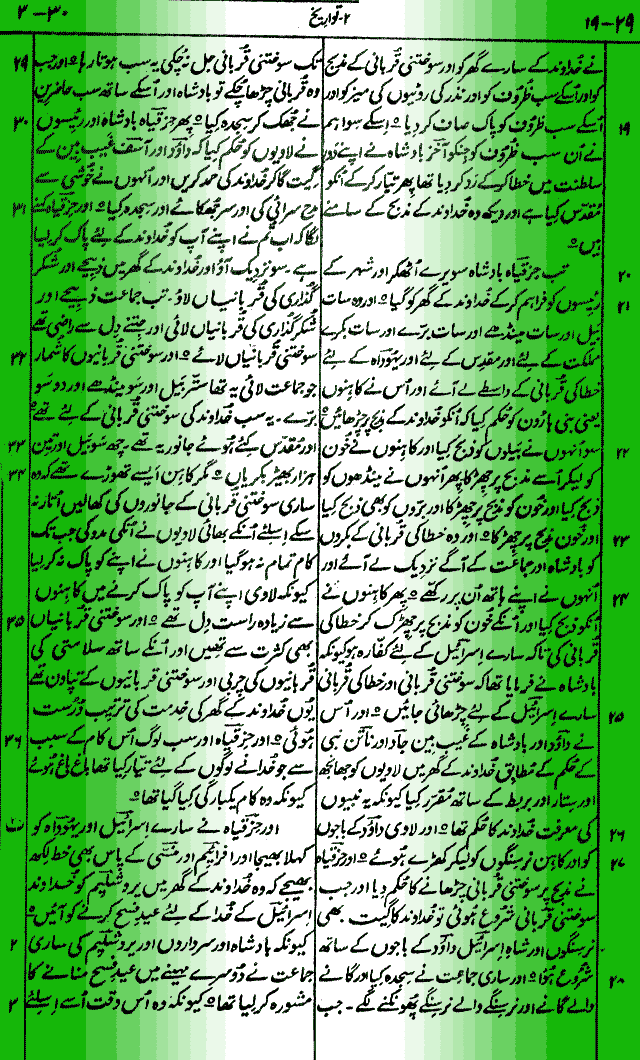
Verse-by-Verse Commentary (2 Chronicles 29:19 – 30:3)
2 Chronicles 29:19
Verse (Cleaned Text): Moreover all the vessels which king Ahaz in his reign did cast away in his transgression have we prepared and sanctified and behold they are before the altar of the LORD
English Explanation: This verse highlights the completion of the physical restoration of the temple. King Ahaz, Hezekiah’s predecessor, had desecrated the temple and discarded its sacred utensils during his unfaithful reign. Hezekiah’s first priority was to reverse this spiritual decay. The priests and Levites collected, repaired, cleaned, and ritually sanctified these discarded vessels, placing them back in their rightful positions before the altar. It symbolizes true repentance: recovering and restoring what was lost or ruined by past sin.
Urdu Explanation (تفصیلی تفسیر): اس آیت میں ہیکل کی مادی اور ظاہری بحالی کی تکمیل کا ذکر ہے۔ شاہ آحاز (جو حزقیاہ کا باپ تھا) نے اپنی سرکشی اور بت پرستی کے دوران ہیکل کے پاک برتنوں کو پھینک دیا تھا اور خدا کے گھر کی توہین کی تھی۔ شاہ حزقیاہ نے ان تمام برتنوں کو دوبارہ اکٹھا کیا، انہیں پاک کیا اور خدا کے قربان گاہ کے سامنے ترتیب دیا۔ یہ آیت ظاہر کرتی ہے کہ سچی توبہ اور اصلاح کے لیے ضروری ہے کہ گناہ کی وجہ سے تباہ ہونے والی چیزوں کو دوبارہ پاک کر کے خدا کی خدمت میں لایا جائے۔
2 Chronicles 29:20
Verse (Cleaned Text): Then Hezekiah the king rose early and gathered the rulers of the city and went up to the house of the LORD
English Explanation: King Hezekiah demonstrates immense spiritual urgency and leadership. Rising “early” in Biblical contexts signifies diligence, zeal, and prioritizing God’s work above all else. He gathers the civil leaders (the rulers of the city) to join him in the spiritual reformation, proving that a nation’s leadership must be unified in seeking God’s face.
Urdu Explanation (تفصیلی تفسیر): شاہ حزقیاہ نے یہاں گہری روحانی غیرت اور قیادت کا مظاہرہ کیا۔ صبح سویرے اٹھنا بائبل میں خدا کے کام کو ترجیح دینے اور مستعدی کی علامت ہے۔ اس نے شہر کے دیگر حاکموں اور عمائدین کو جمع کیا تاکہ پوری قیادت مل کر خدا کے گھر میں حاضر ہو۔ یہ اس بات کی نشاندہی کرتا ہے کہ قومی اصلاح کے لیے رہنماؤں کا متحد ہو کر خدا کی طرف رجوع کرنا کتنا ضروری ہے۔
2 Chronicles 29:21
Verse (Cleaned Text): And they brought seven bullocks and seven rams and seven lambs and seven he goats for a sin offering for the kingdom and for the sanctuary and for Judah And he commanded the priests the sons of Aaron to offer them on the altar of the LORD
English Explanation: The restoration of worship begins with sacrifice, specifically a “sin offering.” The number seven represents perfection and completeness in Scripture. The sacrifice covers three distinct spheres: the “kingdom” (the political entity), the “sanctuary” (the religious institution), and “Judah” (the general population). Hezekiah respects the divine order by instructing the legitimate Aaronite priests to handle the offerings on the altar.
Urdu Explanation (تفصیلی تفسیر): عبادت کی بحالی کا آغاز گناہ کی قربانی (ختا قربانی) سے ہوتا ہے۔ یہاں سات بیل، سات مینڈھے، سات برّے اور سات بکرے لائے گئے۔ بائبل میں “سات” کا ہندسہ کاملیت کی علامت ہے۔ یہ قربانیاں تین دائروں کے لیے تھیں: سلطنت (سیاسی نظام)، مقدس (مذہبی نظام) اور یہوداہ (عام عوام)۔ حزقیاہ نے خدا کے مقرر کردہ ضابطے کے مطابق ہارون کے بیٹوں (کاہنوں) کو حکم دیا کہ وہ ان قربانیوں کو مذبح پر چڑھائیں۔
2 Chronicles 29:22
Verse (Cleaned Text): So they killed the bullocks and the priests received the blood and sprinkled it on the altar likewise when they had killed the rams they sprinkled the blood upon the altar they killed also the lambs and they sprinkled the blood upon the altar
English Explanation: This verse outlines the strict obedience to Levitical sacrificial laws. The blood of the animals is caught by the priests and sprinkled on the altar. In Biblical theology, the sprinkling of blood represents atonement and cleansing. Without the shedding and application of blood, there could be no cleansing of the defiled altar or the nation.
Urdu Explanation (تفصیلی تفسیر): اس آیت میں شریعت کے مطابق قربانی کے طریقہ کار پر سختی سے عمل پیرا ہونے کا ذکر ہے۔ کاہنوں نے جانوروں کا خون لے کر اسے قربان گاہ پر چھڑکا۔ بائبل کی الہیات میں، خون کا چھڑکنا کفارے اور پاکیزگی کو ظاہر کرتا ہے۔ خون کے بہائے اور چھڑکے بغیر، آلودہ قربان گاہ اور قوم کی پاکیزگی ممکن نہیں تھی۔
2 Chronicles 29:23
Verse (Cleaned Text): And they brought forth the he goats for the sin offering before the king and the congregation and they laid their hands upon them
English Explanation: The laying on of hands by the king and the congregation was a deeply symbolic act. It represented the identification of the people with the sacrificial victim, transferring their corporate guilt, rebellion, and sins onto the heads of the male goats. The innocent animal stood in the place of the guilty nation.
Urdu Explanation (تفصیلی تفسیر): بادشاہ اور جماعت کا بکروں پر ہاتھ رکھنا ایک گہرا علامتی عمل تھا۔ اس کا مطلب یہ تھا کہ پوری قوم اپنے گناہوں اور نافرمانیوں کا اعتراف کر کے اپنی خطا ان بے گناہ جانوروں کے سر پر منتقل کر رہی ہے۔ یہ جانور گناہگار قوم کے متبادل کے طور پر پیش کیے جا رہے تھے۔
2 Chronicles 29:24
Verse (Cleaned Text): And the priests killed them and they made reconciliation with their blood upon the altar to make an atonement for all Israel for the king commanded that the burnt offering and the sin offering should be made for all Israel
English Explanation: Notice that Hezekiah’s vision extended beyond his own southern kingdom of Judah; he ordered atonement for “all Israel.” Even though the northern ten tribes were politically separate and heading into Assyrian captivity, Hezekiah still viewed them as brothers in God’s covenant. The blood brought reconciliation and covered the nation’s past spiritual adultery.
Urdu Explanation (تفصیلی تفسیر): یہاں غور طلب بات یہ ہے کہ حزقیاہ کی نظر صرف اپنی جنوبی سلطنت (یہوداہ) پر نہیں تھی، بلکہ اس نے “سارے اسرائیل” کے لیے کفارہ ادا کرنے کا حکم دیا۔ اگرچہ شمالی دس قبیلے سیاسی طور پر الگ تھے اور تباہی کے دہانے پر تھے، حزقیاہ انہیں خدا کے عہد کا حصہ سمجھتا تھا۔ خون کے ذریعے ملاپ (صلح) ہوئی اور قوم کے گناہ ڈھانپ دیے گئے۔
2 Chronicles 29:25
Verse (Cleaned Text): And he set the Levites in the house of the LORD with cymbals with psalteries and with harps according to the commandment of David and of Gad the king’s seer and Nathan the prophet for so was the commandment of the LORD by his prophets
English Explanation: True worship consists of both sacrifice and praise. Hezekiah reorganizes the Levitical orchestra using instruments according to the ancient blueprint laid out by King David, Gad, and Nathan. This shows that Hezekiah was not inventing a new style of worship; he was restoring the prophetic and divinely commanded worship order that had been abandoned.
Urdu Explanation (تفصیلی تفسیر): سچی عبادت میں قربانی کے ساتھ ساتھ حمد و ثنا بھی شامل ہے۔ حزقیاہ نے لاویوں کو ان کے باجوں (جھانجھ، بربط اور ستار) کے ساتھ خدا کے گھر میں کھڑا کیا۔ یہ ترتیب شاہ داؤد، جاد غیب بین، اور ناتن نبی کے احکام کے مطابق تھی۔ اس سے معلوم ہوتا ہے کہ حزقیاہ کوئی نئی عبادت ایجاد نہیں کر رہا تھا، بلکہ وہ خدا کے انبیاء کے ذریعے دیے گئے قدیم اور الہیٰ حکم کو بحال کر رہا تھا۔
2 Chronicles 29:26
Verse (Cleaned Text): And the Levites stood with the instruments of David and the priests with the trumpets
English Explanation: A majestic picture of spiritual order: the Levites held the stringed and percussion instruments designed by King David, while the Aaronic priests held the silver trumpets prescribed by the law of Moses. This beautiful combination of historic prophecy and Mosaic law set the stage for corporate worship.
Urdu Explanation (تفصیلی تفسیر): یہ روحانی ترتیب کی ایک شاندار تصویر ہے: لاوی داؤد کے بنائے ہوئے سازوں کے ساتھ کھڑے تھے، اور کاہن نرسنگے (ترپیاں) لیے ہوئے تھے جو موسیٰ کی شریعت کے مطابق تھے۔ یہ قدیم نبوتی روایات اور شریعتِ موسوی کا ایک حسین امتزاج تھا جو اجتماعی عبادت کے لیے تیار کیا گیا تھا۔
2 Chronicles 29:27
Verse (Cleaned Text): And Hezekiah commanded to offer the burnt offering upon the altar And when the burnt offering began the song of the LORD began also with the trumpets and with the instruments ordained by David king of Israel
English Explanation: The exact moment the burnt offering (symbolizing total dedication and surrender to God) was placed on the altar, the worship choir and orchestra erupted. Praise and sacrifice are tightly linked; when we yield everything to God, joyful praise flows naturally. The “song of the LORD” represents inspired, holy music.
Urdu Explanation (تفصیلی تفسیر): جیسے ہی سوختنی قربانی (جو خدا کے حضور مکمل سپردگی کی علامت ہے) مذبح پر چڑھائی گئی، اسی لمحے خدا کا گیت اور نرسنگے بجنا شروع ہو گئے۔ قربانی اور حمد کا گہرا تعلق ہے؛ جب ہم خدا کے حضور سب کچھ قربان کرتے ہیں، تو حقیقی خوشی اور حمد کا چشمہ پھوٹتا ہے۔
2 Chronicles 29:28
Verse (Cleaned Text): And all the congregation worshipped and the singers sang and the trumpeters sounded and all this continued until the burnt offering was finished
English Explanation: The worship service was continuous and captivating. There was absolute unity among the congregation, singers, and musicians. They remained in a posture of worship for the entire duration of the sacrifice. This shows stamina and deep devotion in corporate worship, rather than rushed rituals.
Urdu Explanation (تفصیلی تفسیر): پوری جماعت سجدہ کر رہی تھی، گانے والے گا رہے تھے اور نرسنگے بجانے والے نرسنگے بجا رہے تھے۔ یہ سلسلہ اس وقت تک جاری رہا جب تک قربانی پوری نہ ہو گئی۔ یہ ظاہر کرتا ہے کہ عبادت میں کوئی جلد بازی نہیں تھی، بلکہ پوری قوم یکسوئی اور گہرے دل سے خدا کی حضوری میں مگن تھی۔
2 Chronicles 29:29
Verse (Cleaned Text): And when they had made an end of offering the king and all that were present with him bowed themselves and worshipped
English Explanation: After the activity of the sacrifice and musical praise concluded, a moment of solemn, quiet reverence followed. The king led by example, bowing low in physical prostration along with everyone present. True revival humbles leaders and citizens alike before the majesty of God.
Urdu Explanation (تفصیلی تفسیر): جب قربانیاں ختم ہو گئیں، تو بادشاہ اور اس کے ساتھ موجود تمام لوگوں نے سر جھکائے اور سجدہ کیا۔ قربانی اور گیتوں کے جوش کے بعد یہ خاموش تعظیم اور عاجزی کا لمحہ تھا۔ سچی بیداری رہنماؤں اور عوام دونوں کو خدا کے جلال کے سامنے خاکسار بنا دیتی ہے۔
2 Chronicles 29:30
Verse (Cleaned Text): Moreover Hezekiah the king and the princes commanded the Levites to sing praise unto the LORD with the words of David and of Asaph the seer And they sang praises with gladness and they bowed their heads and worshipped
English Explanation: Hezekiah and the civil leaders command the use of the inspired Psalms (“the words of David and Asaph”). The response of the Levites was not out of cold duty, but filled with genuine “gladness.” Worship involves both emotional joy and deep physical reverence (bowing heads).
Urdu Explanation (تفصیلی تفسیر): شاہ حزقیاہ اور امیروں نے لاویوں کو حکم دیا کہ وہ داؤد اور آصف غیب بین کے کلام (زبور) سے خدا کی مدح سرائی کریں۔ انہوں نے یہ حمد و ثنا خوشی کے ساتھ گائی۔ یہ ظاہر کرتا ہے کہ سچی عبادت صرف فرض نبھانا نہیں بلکہ دل کی خوشی ہے، جس میں ظاہری تعظیم (سر جھکانا) بھی شامل ہے۔
2 Chronicles 29:31
Verse (Cleaned Text): Then Hezekiah answered and said Now ye have consecrated yourselves unto the LORD come near and bring sacrifices and thank offerings into the house of the LORD And the congregation brought in sacrifices and thank offerings and as many as were of a free heart burnt offerings
Explanation: Now that the official purification and national atonement are complete, Hezekiah invites the general public to bring their personal voluntary sacrifices and thank-offerings. The people responded generously. Crucially, those with a “free heart” brought burnt offerings, which yielded no meat back to the worshipper, symbolizing total, unselfish devotion.
Urdu Explanation (تفصیلی تفسیر): جب سرکاری اور قومی کفارے کا عمل مکمل ہو گیا، تو حزقیاہ نے عام عوام کو دعوت دی کہ وہ اپنے ذاتی نذرانے اور شکرگزاری کی قربانیاں لائیں۔ لوگوں نے دل کھول کر جواب دیا۔ جن کے دلوں میں سچی تحریک اور آزادی تھی، وہ سوختنی قربانیاں لائے (یہ وہ قربانی ہے جو پوری طرح جلا دی جاتی ہے اور چرواہے کو واپس نہیں ملتی)، جو بے غرض محبت کی علامت ہے۔
2 Chronicles 29:32
Verse (Cleaned Text): And the number of the burnt offerings which the congregation brought was threescore and ten bullocks an hundred rams and two hundred lambs all these were for a burnt offering to the LORD
English Explanation: The text records the immense volume of spontaneous offerings brought by the people: 70 bullocks, 100 rams, and 200 lambs. The sheer volume shows how deeply the hearts of the common people had been stirred by Hezekiah’s revival efforts.
Urdu Explanation (تفصیلی تفسیر): یہاں لوگوں کی طرف سے لائی گئی کثیر قربانیوں کی گنتی بیان کی گئی ہے: 70 بیل، 100 مینڈھے اور 200 برّے۔ یہ بڑی تعداد اس بات کا ثبوت ہے کہ حزقیاہ کی شروع کردہ روحانی بیداری نے عام لوگوں کے دلوں پر کتنا گہرا اثر کیا تھا۔
2 Chronicles 29:33
Verse (Cleaned Text): And the consecrated things were six hundred oxen and three thousand sheep
English Explanation: In addition to the burnt offerings, there were thousands of peace offerings and other consecrated gifts (600 oxen and 3,000 sheep). This massive abundance shows the swift restoration of prosperity and generosity when a nation puts God first.
Urdu Explanation (تفصیلی تفسیر): سوختنی قربانیوں کے علاوہ، شکرگزاری اور سلامتی کی دیگر قربانیاں بھی کثرت سے لائی گئیں جن میں 600 بیل اور 3000 بھیڑ بکریاں شامل تھیں۔ یہ کثیر تعداد ظاہر کرتی ہے کہ جب کوئی قوم خدا کو اولیت دیتی ہے تو اس کے دل میں سخاوت اور برکت کیسے امنڈ آتی ہے۔
2 Chronicles 29:34
Verse (Cleaned Text): But the priests were too few so that they could not flay all the burnt offerings wherefore their brethren the Levites did help them till the work was ended and until the other priests had sanctified themselves for the Levites were more upright in heart to sanctify themselves than the priests
English Explanation: A surprising historical detail: many of the elite priests were slow or negligent in ritually consecrating themselves for service. Because the sacrificial workload was too heavy for the few ready priests, the Levites (ordinarily assistants) stepped in to help skin the animals. The author notes that the Levites possessed a more “upright heart” and a greater spiritual eagerness than the higher-ranking priests. God values heart-readiness over official titles.
Urdu Explanation (تفصیلی تفسیر): یہاں ایک حیرت انگیز تاریخی حقیقت بیان کی گئی ہے: اونچے درجے کے کاہنوں میں سے بہت سے سست تھے اور انہوں نے خود کو وقت پر پاک نہیں کیا تھا۔ چونکہ کام زیادہ تھا اور پاک کاہن کم تھے، اس لیے لاویوں (جو کاہنوں کے مددگار ہوتے تھے) نے جانوروں کی کھال اتارنے میں مدد کی۔ بائبل کا مصنف بتاتا ہے کہ لاوی اپنے دلوں میں کاہنوں کی نسبت زیادہ راستباز اور خدا کے کام کے لیے تیار تھے۔ خدا عہدوں کے بجائے دل کی تیاری کو دیکھتا ہے۔
2 Chronicles 29:35
Verse (Cleaned Text): And also the burnt offerings were in abundance with the fat of the peace offerings and the drink offerings for every burnt offering So the service of the house of the LORD was set in order
English Explanation: This verse summarizes the successful completion of the restoration. Between the multiple styles of offerings (burnt, peace, and drink offerings), the temple system was officially operational again. Order had completely replaced the chaos and neglect left behind by King Ahaz.
Urdu Explanation (تفصیلی تفسیر): یہ آیت ہیکل کی بحالی کی کامیاب تکمیل کا خلاصہ کرتی ہے۔ سوختنی قربانیوں، سلامتی کے نذرانوں کی چربی اور تپاون (نذرِ مے) کی کثرت کی وجہ سے، خداوند کے گھر کی عبادت اور انتظام دوبارہ مکمل طور پر بحال ہو گیا۔ شاہ آحاز کی چھوڑی ہوئی بے ترتیبی اور ویرانی اب ختم ہو چکی تھی۔
2 Chronicles 29:36
Verse (Cleaned Text): And Hezekiah rejoiced and all the people that God had prepared the people for the thing was done suddenly
English Explanation: Hezekiah and the entire nation rejoiced over the sudden revival. The verse emphasizes that this quick transformation was not due to human strategy alone, but because “God had prepared the people.” True spiritual reformation is a work of divine grace, capable of moving hearts faster than any human timeline predicts.
Urdu Explanation (تفصیلی تفسیر): حزقیاہ اور تمام عوام اس اچانک آنے والی روحانی بیداری پر بے حد خوش ہوئے۔ آیت اس بات پر زور دیتی ہے کہ یہ تبدیلی صرف انسانی حکمت عملی کا نتیجہ نہیں تھی، بلکہ اس لیے ہوئی کیونکہ “خدا نے لوگوں کو تیار کیا تھا”۔ سچی روحانی بیداری خدا کے فضل کا کام ہے جو انسانی سوچ سے کہیں زیادہ تیزی سے دلوں کو بدل سکتا ہے۔
2 Chronicles 30:1
Verse (Cleaned Text): And Hezekiah sent to all Israel and Judah and wrote letters also to Ephraim and Manasseh that they should come to the house of the LORD at Jerusalem to keep the passover unto the LORD God of Israel
English Explanation: Moving into Chapter 30, Hezekiah expands his spiritual reformation beyond Judah’s borders. He sends messengers and formal letters to the northern tribes (specifically mentioning Ephraim and Manasseh). He invites them to Jerusalem to celebrate the Passover, aiming to reunite the fractured chosen people under the worship of the one true God.
Urdu Explanation (تفصیلی تفسیر): باب 30 کے آغاز میں، شاہ حزقیاہ اپنی روحانی اصلاحات کا دائرہ یہوداہ کی سرحدوں سے باہر پھیلاتا ہے۔ وہ شمالی قبیلوں (خاص طور پر افرائیم اور منسی) کو خطوط اور قاصد بھیجتا ہے۔ وہ انہیں یروشلم میں عیدِ فسح منانے کی دعوت دیتا ہے تاکہ ٹوٹے ہوئے اور بکھرے ہوئے بنی اسرائیل کو دوبارہ حقیقی خدا کی عبادت کے تحت متحد کیا جا سکے۔
2 Chronicles 30:2
Verse (Cleaned Text): For the king had taken counsel and his princes and all the congregation in Jerusalem to keep the passover in the second month
English Explanation: According to the Torah, the Passover was strictly commanded to be kept in the first month (Nisan). However, because they missed the date due to cleaning the temple, Hezekiah, his advisors, and the congregation exercised a legal provision found in Numbers 9:10-11, which permitted celebrating it in the second month under special emergency circumstances. It shows adaptability for the sake of spiritual obedience.
Urdu Explanation (تفصیلی تفسیر): توریت کے مطابق، عیدِ فسح لازمی طور پر پہلے مہینے (نیسان) میں منانی چاہیے تھی۔ تاہم، چونکہ ہیکل کی صفائی کی وجہ سے وقت نکل چکا تھا، اس لیے حزقیاہ، اس کے امیروں اور جماعت نے مشاورت کی اور گنتی کی کتاب (9:10-11) میں دی گئی ہنگامی رعایت کا فائدہ اٹھاتے ہوئے عید کو دوسرے مہینے میں منانے کا فیصلہ کیا۔ یہ ظاہر کرتا ہے کہ ضابطے کے بجائے عبادت کی روح کو بچانا اہم تھا۔
2 Chronicles 30:3
Verse (Cleaned Text): For they could not keep it at that time because the priests had not sanctified themselves sufficiently neither had the people gathered themselves together to Jerusalem
English Explanation: This verse explains the exact reasons for the delay: first, not enough priests had gone through the ritual purification process in time, and second, the logistics of gathering the widespread population to Jerusalem took longer than expected. Rather than cancelling the feast entirely, they delayed it by a month, valuing heart preparation and unity over rigid adherence to the calendar date.
Urdu Explanation (تفصیلی تفسیر): اس آیت میں تاخیر کی اصل وجوہات بیان کی گئی ہیں: پہلی یہ کہ کاہنوں کی کافی تعداد نے وقت پر خود کو پاک نہیں کیا تھا، اور دوسری یہ کہ دور دراز سے لوگوں کو یروشلم میں جمع ہونے کے لیے وقت درکار تھا۔ عید کو منسوخ کرنے کے بجائے انہوں نے اسے ایک ماہ کے لیے ملتوی کر دیا، کیونکہ وہ کیلنڈر کی تاریخ سے زیادہ دل کی پاکیزگی اور قوم کے اتحاد کو اہمیت دے رہے تھے۔