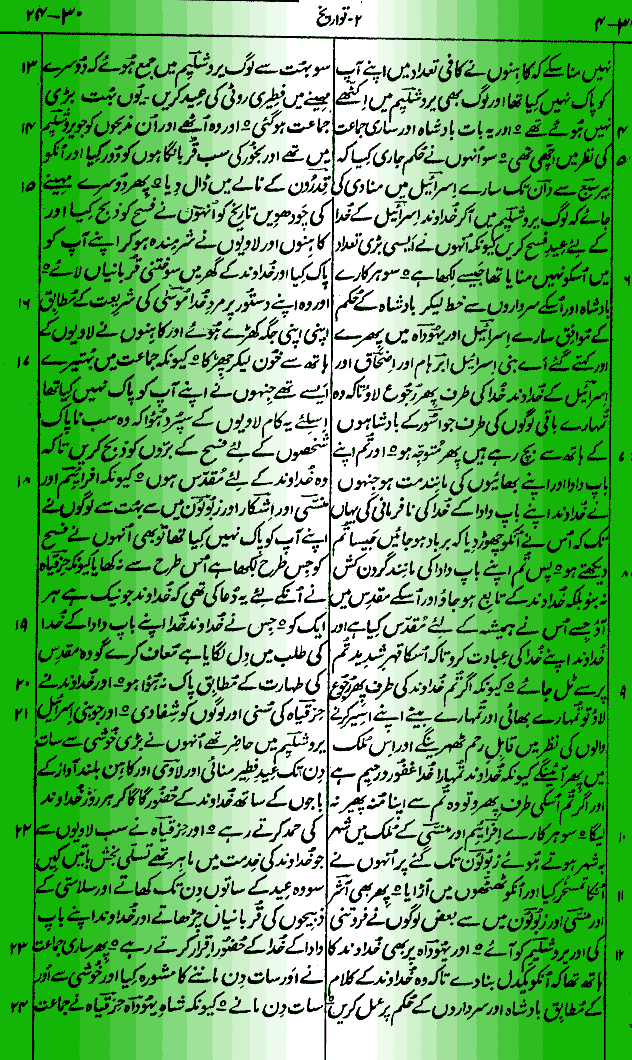
Verse-by-Verse Commentary & Explanation (2 Chronicles 30:4–24)
2 Chronicles 30:4
Verse: And the thing pleased the king and all the congregation
English Explanation
King Hezekiah’s proposal to celebrate the Passover met with unanimous approval. Both the political leadership (the king) and the spiritual community (the congregation) recognized that returning to God’s commandments was the right step forward for a fractured nation. It highlights the beauty of unity when God’s people agree on spiritual renewal.
Urdu Explanation
شاہ حِزقیاہ کی عیدِ فسح منانے کی تجویز کو متفقہ طور پر پسند کیا گیا۔ سیاسی قیادت (بادشاہ) اور روحانی برادری (جماعت) دونوں نے یہ تسلیم کیا کہ ایک بکھری ہوئی قوم کے لیے خدا کے احکامات کی طرف لوٹنا ہی سب سے درست قدم ہے۔ یہ آیت اس خوبصورت اتحاد کو ظاہر کرتی ہے جب خدا کے لوگ روحانی بیداری پر متفق ہوتے ہیں۔
2 Chronicles 30:5
Verse: So they established a decree to make proclamation throughout all Israel from Beer-sheba even to Dan that they should come to keep the passover unto the LORD God of Israel at Jerusalem for they had not done it of a long time in such sort as it was written
English Explanation
An official royal decree was issued across the entire length of the land—from Beer-sheba in the far south to Dan in the far north. This invitation crossed geopolitical borders to include the fractured Northern Kingdom of Israel. They had neglected this sacred feast for generations, failing to observe it collectively as prescribed in the Law of Moses.
Urdu Explanation
پورے ملک میں یعنی جنوب میں بیرسبع سے لے کر شمال میں دان تک ایک باضابطہ شاہی فرمان جاری کیا گیا۔ یہ دعوت نامہ سیاسی سرحدوں کو عبور کر کے اسرائیل کی شمالی سلطنت تک پہنچا۔ وہ نسلوں سے اس مقدس عید کو نظرانداز کر رہے تھے اور موسیٰ کی شریعت کے مطابق اسے اجتماعی طور پر منانے میں ناکام رہے تھے۔
2 Chronicles 30:6
Verse: So the posts went with the letters from the king and his princes throughout all Israel and Judah and according to the commandment of the king saying Ye children of Israel turn again unto the LORD God of Abraham Isaac and Israel and he will return to the remnant of you that are escaped out of the hand of the kings of Assyria
English Explanation
Couriers rushed across both Judah and Israel carrying the royal invitation. The message was an urgent call to repentance, asking the survivors of the Assyrian invasion to return to the God of their patriarchs (Abraham, Isaac, and Jacob). The promise was clear: if the people returned to God, He would graciously return to them and protect the remaining remnant.
Urdu Explanation
شاہی قاصد شاہی خطوط لے کر یہوداہ اور اسرائیل کے تمام علاقوں میں تیزی سے پھیل گئے۔ یہ پیغام توبہ کی ایک فوری پکار تھا جس میں اسور کی جارحیت سے بچ جانے والوں سے کہا گیا تھا کہ وہ اپنے آباؤ اجداد (ابراہام، اضحاق اور یعقوب) کے خدا کی طرف لوٹ آئیں۔ وعدہ واضح تھا کہ اگر لوگ خدا کی طرف لوٹیں گے تو وہ بھی رحم دلی کے ساتھ ان کی طرف لوٹے گا اور باقی ماندہ لوگوں کی حفاظت کرے گا۔
2 Chronicles 30:7
Verse: And be not ye like your fathers and like your brethren which trespassed against the LORD God of their fathers who therefore gave them up to desolation as ye see
English Explanation
Hezekiah warns the people not to repeat the tragic mistakes of their ancestors and brothers. Their unfaithfulness and idolatry led directly to the destruction and desolation of the Northern Kingdom. The devastation caused by the Assyrians was visible proof of the severe consequences of abandoning God.
Urdu Explanation
حِزقیاہ لوگوں کو خبردار کرتا ہے کہ وہ اپنے آباؤ اجداد اور بھائیوں کی المناک غلطیوں کو نہ دہرائیں۔ ان کی بے وفائی اور بت پرستی ہی شمالی سلطنت کی تباہی اور بربادی کا سبب بنی تھی۔ اسوریوں کی طرف سے مچائی گئی تباہی خدا کو چھوڑنے کے بھیانک نتائج کا ایک کھلا ثبوت تھی۔
2 Chronicles 30:8
Verse: Now be ye not stiffnecked as your fathers were but yield yourselves unto the LORD and enter into his sanctuary which he hath sanctified for ever and serve the LORD your God that the fierceness of his wrath may turn away from you
English Explanation
The term “stiffnecked” refers to stubborn pride and rebellion. Hezekiah urges the people to surrender their hearts to the Lord, submit to His authority, and come to the temple in Jerusalem, which God set apart forever. True service and submission to God are presented as the only way to turn away His righteous anger.
Urdu Explanation
لفظ “گردن کش” سرکش غرور اور بغاوت کو ظاہر کرتا ہے۔ حِزقیاہ لوگوں پر زور دیتا ہے کہ وہ اپنے دلوں کو خداوند کے حضور جھکائیں، اس کی حاکمیت کو تسلیم کریں، اور یروشلم کی ہیکل میں آئیں جسے خدا نے ہمیشہ کے لیے پاک کیا ہے۔ خدا کی سچی خدمت اور فرماں برداری کو اس کے غضب کو دور کرنے کا واحد راستہ بتایا گیا ہے۔
2 Chronicles 30:9
Verse: For if ye turn again unto the LORD your brethren and your children shall find compassion before them that lead them captive so that they shall come again into this land for the LORD your God is gracious and merciful and will not turn away his face from you if ye return unto him
English Explanation
This verse highlights the conditional nature of God’s blessing and the beauty of His character. Hezekiah explains that their repentance would directly impact their exiled relatives, causing their captors to show them mercy and allow their return. God is explicitly defined as gracious and merciful, always ready to welcome back those who sincerely seek Him.
Urdu Explanation
یہ آیت خدا کی برکتوں کی مشروط نوعیت اور اس کی ذات کی خوبصورتی کو ظاہر کرتی ہے۔ حِزقیاہ واضح کرتا ہے کہ ان کی توبہ ان کے اسیر رشتہ داروں پر براہِ راست اثر ڈالے گی جس سے ان کو قید کرنے والے ان پر رحم کریں گے اور انہیں واپس آنے کی اجازت دیں گے۔ خدا کو واضح طور پر رحیم اور کریم بیان کیا گیا ہے جو خلوصِ دل سے رجوع کرنے والوں کو کبھی رد نہیں کرتا۔
2 Chronicles 30:10
Verse: So the posts passed from city to city through the country of Ephraim and Manasseh even unto Zebulun but they laughed them to scorn and mocked them
English Explanation
As the messengers traveled through the northern territories of Ephraim, Manasseh, and Zebulun, they faced widespread rejection. Most of the people ridiculed the messengers and mocked the invitation to return to Jerusalem. It shows that even in times of national crisis, pride can prevent people from accepting God’s grace.
Urdu Explanation
جب قاصد افرائیم، منسی اور زبولون کے شمالی علاقوں سے گزرے تو انہیں بڑے پیمانے پر ردِ عمل کا سامنا کرنا پڑا۔ زیادہ تر لوگوں نے قاصدوں کا مذاق اڑایا اور یروشلم واپس آنے کی دعوت کی توہین کی۔ یہ ظاہر کرتا ہے کہ قومی بحران کے وقت بھی غرور انسان کو خدا کے فضل کو قبول کرنے سے روک سکتا ہے۔
2 Chronicles 30:11
Verse: Nevertheless divers of Asher and Manasseh and of Zebulun humbled themselves and came to Jerusalem
English Explanation
Despite the overwhelming mockery, some individuals from the tribes of Asher, Manasseh, and Zebulun responded with humility. They chose to break away from the cultural rebellion of their peers, humbling themselves before God and making the long journey to Jerusalem to worship.
Urdu Explanation
اس شدید مذاق کے باوجود، آشر، منسی اور زبولون کے قبیلوں کے کچھ لوگوں نے عاجزی کا مظاہرہ کیا۔ انہوں نے اپنے ہم وطنوں کی سرکشی کا ساتھ دینے کے بجائے خدا کے حضور خود کو خاکسار بنایا اور عبادت کے لیے یروشلم کا طویل سفر طے کیا۔
2 Chronicles 30:12
Verse: Also in Judah the hand of God was to give them one heart to do the commandment of the king and of the princes by the word of the LORD
English Explanation
In contrast to the divided response in the North, the Southern Kingdom of Judah experienced divine unity. God’s grace touched the hearts of the people of Judah, granting them “one heart”—a shared, harmonious desire—to obey the directive of the leadership, which was aligned with the Word of the Lord.
Urdu Explanation
شمال کے منقسم ردِ عمل کے برعکس، یہوداہ کی جنوبی سلطنت نے خدائی اتحاد کا تجربہ کیا۔ خدا کے فضل نے یہوداہ کے لوگوں کے دلوں کو چھو لیا اور انہیں “ایک دل” (ایک مشترکہ اور ہم آہنگ خواہش) عطا کی تاکہ وہ قیادت کے اس حکم کی تعمیل کریں جو خدا کے کلام کے عین مطابق تھا۔
2 Chronicles 30:13
Verse: And there assembled at Jerusalem much people to keep the feast of unleavened bread in the second month a very great congregation
English Explanation
A massive crowd gathered in Jerusalem during the second month to celebrate the Feast of Unleavened Bread (which follows Passover). This great congregation was a testament to the success of Hezekiah’s call to faith, marking one of the largest spiritual gatherings seen in generations.
Urdu Explanation
دوسرے مہینے میں عیدِ فطیر (جو عیدِ فسح کے فوراً بعد آتی ہے) منانے کے لیے یروشلم میں ایک بہت بڑا ہجوم اکٹھا ہوا۔ یہ عظیم جماعت حِزقیاہ کی ایمان کی پکار کی کامیابی کا منہ بولتا ثبوت تھی جو نسلوں بعد دیکھا گیا ایک سب سے بڑا روحانی اجتماع تھا۔
2 Chronicles 30:14
Verse: And they arose and took away the altars that were in Jerusalem and all the altars for incense took they away and cast them into the brook Kidron
English Explanation
Before worship could begin, spiritual cleansing was necessary. The people took practical action by tearing down the unauthorized, pagan altars and incense burners that had defiled Jerusalem under previous kings. They threw the debris into the Kidron Valley, completely purging the city of idolatry.
Urdu Explanation
عبادت شروع ہونے سے پہلے روحانی پاکیزگی ضروری تھی۔ لوگوں نے عملی قدم اٹھاتے ہوئے ان غیر شرعی اور بت پرستانہ قربان گاہوں اور بخور کے برتنوں کو مسمار کر دیا جنہوں نے پچھلے بادشاہوں کے دور میں یروشلم کو ناپاک کر دیا تھا۔ انہوں نے اس ملبے کو وادیِ قِدرون میں پھینک دیا تاکہ شہر کو بت پرستی سے مکمل طور پر پاک کیا جا سکے۔
2 Chronicles 30:15
Verse: Then they killed the passover on the fourteenth day of the second month and the priests and the Levites were ashamed and sanctified themselves and brought in the burnt offerings into the house of the LORD
English Explanation
The Passover lambs were sacrificed on the appointed day. Seeing the overwhelming enthusiasm of the laypeople, the priests and Levites felt convicted (“ashamed”) of their previous spiritual lukewarmness. This conviction led them to ceremonially cleanse themselves and fulfill their sacred duties by bringing burnt offerings into the temple.
Urdu Explanation
مقررہ دن پر فسح کے برے ذبح کیے گئے۔ عام لوگوں کے زبردست جوش و خروش کو دیکھ کر کاہن اور لاوی اپنی سابقہ روحانی سرد مہرکی پر شرمندہ ہوئے۔ اس احساس نے انہیں رسمی طور پر خود کو پاک کرنے اور ہیکل میں سوختنی قربانیاں لا کر اپنے مقدس فرائض انجام دینے پر آمادہ کیا۔
2 Chronicles 30:16
Verse: And they stood in their place after their manner according to the law of Moses the man of God the priests sprinkled the blood which they received of the hand of the Levites
English Explanation
Order was restored to the house of God. The priests and Levites took their designated positions as prescribed by the Law of Moses. The Levites slaughtered the animals and handed the blood to the priests, who then sprinkled it upon the altar, ensuring the ritual aligned fully with divine scripture.
Urdu Explanation
خدا کے گھر میں نظم و ضبط بحال ہو گیا۔ کاہن اور لاوی موسیٰ مردِ خدا کی شریعت کے مطابق اپنے مقررہ مقامات پر کھڑے ہو گئے۔ لاویوں نے خون کاہنوں کے حوالے کیا جنہوں نے اسے قربان گاہ پر چھڑکا تاکہ یہ بات یقینی بنائی جا سکے کہ یہ رسم مکمل طور پر خدائی کلام کے مطابق ادا کی گئی ہے۔
2 Chronicles 30:17
Verse: For there were many in the congregation that were not sanctified therefore the Levites had the charge of the killing of the passovers for every one that was not clean to sanctify them unto the LORD
English Explanation
According to Biblical law, individuals were supposed to kill their own Passover lambs. However, because many people arriving from the Northern Kingdom had not had time to undergo the ceremonial purification rituals, they were ritually unclean. To accommodate them, the Levites stepped in to slaughter the lambs on their behalf.
Urdu Explanation
کتابِ مقدس کی شریعت کے مطابق ہر شخص کو اپنے فسح کا برہ خود ذبح کرنا ہوتا تھا۔ تاہم چونکہ شمالی سلطنت سے آنے والے بہت سے لوگوں کو رسمی پاکیزگی کے مراحل سے گزرنے کا وقت نہیں ملا تھا اس لیے وہ ناپاک تھے۔ ان کی سہولت کے لیے لاویوں نے آگے بڑھ کر ان کی طرف سے برے ذبح کیے۔
2 Chronicles 30:18
Verse: For a multitude of the people even many of Ephraim and Manasseh Issachar and Zebulun had not cleansed themselves yet did they eat the passover otherwise than it was written But Hezekiah prayed for them saying The good LORD pardon every one
English Explanation
A large number of people from the northern tribes ate the Passover meal without being ceremonially clean, violating the strict letter of the Law. Recognizing the spiritual dilemma, King Hezekiah intervened. Instead of condemning them, he offered an intercessory prayer, asking the gracious Lord to forgive their ritual shortcomings.
Urdu Explanation
شمالی قبیلوں کے ایک بڑے ہجوم نے رسمی طور پر پاک ہوئے بغیر عیدِ فسح کا کھانا کھایا جو کہ شریعت کے سخت قوانین کی خلاف ورزی تھی۔ اس روحانی الجھن کو بھانپتے ہوئے شاہ حِزقیاہ نے مداخلت کی۔ ان پر فتویٰ لگانے کے بجائے اس نے شفاعت کی دعا کی اور رحیم خدا سے التجا کی کہ وہ ان کی اس ظاہری کوتاہی کو معاف فرما دے۔
2 Chronicles 30:19
Verse: That prepareth his heart to seek God the LORD God of his fathers though he be not cleansed according to the purification of the sanctuary
English Explanation
This verse highlights Hezekiah’s revolutionary understanding of faith: God values the condition of the heart over external rituals. Hezekiah prayed specifically for those who genuinely desired to seek the God of their ancestors, even if they lacked the proper external, ceremonial cleansing required by the temple guidelines.
Urdu Explanation
یہ آیت ایمان کے بارے میں حِزقیاہ کی انقلابی سمجھ کو ظاہر کرتی ہے کہ خدا بیرونی رسومات پر دل کی حالت کو فوقیت دیتا ہے۔ حِزقیاہ نے خاص طور پر ان لوگوں کے لیے دعا کی جنہوں نے سچے دل سے اپنے آباؤ اجداد کے خدا کو تلاش کرنے کی کوشش کی تھی خواہ ان کے پاس ہیکل کے اصولوں کے مطابق ظاہری اور رسمی پاکیزگی نہ بھی ہو۔
2 Chronicles 30:20
Verse: And the LORD hearkened to Hezekiah and healed the people
English Explanation
God answered Hezekiah’s intercessory prayer. He prioritized the sincere spiritual desire of the people over formal ritual requirements, extending grace and “healing” them. This healing likely referred to removing any spiritual or physical consequence that would normally follow a violation of His law.
Urdu Explanation
خدا نے حِزقیاہ کی شفاعتی دعا کو قبول فرمایا۔ اس نے رسمی تقاضوں پر لوگوں کی مخلصانہ روحانی تڑپ کو ترجیح دی اور اپنا فضل بڑھاتے ہوئے لوگوں کو شفا دی۔ اس شفا سے مراد ممکنہ طور پر کسی بھی ایسی روحانی یا جسمانی سزا کا ٹل جانا ہے جو عام طور پر اس کے قانون کی خلاف ورزی کے نتیجے میں آتی۔
2 Chronicles 30:21
Verse: And the children of Israel that were present at Jerusalem kept the feast of unleavened bread seven days with great gladness and the Levites and the priests praised the LORD day by day singing with loud instruments unto the LORD
English Explanation
With hearts healed and forgiven, the congregation celebrated the Feast of Unleavened Bread for seven days with immense joy. Worship was vibrant and continuous; day after day, the Levites and priests filled the temple with praises, accompanied by powerful, loud musical instruments dedicated to God.
Urdu Explanation
شفا یافتہ اور معاف شدہ دلوں کے ساتھ جماعت نے عیدِ فطیر سات دن تک انتہائی خوشی و خرمی کے ساتھ منائی۔ عبادت جاندار اور مسلسل تھی؛ دن بہ دن لاوی اور کاہن ہیکل کو تعریف و تمجید سے بھرتے رہے اور خدا کے لیے مخصوص بلند آواز والے سازوں کے ساتھ گاتے رہے۔
2 Chronicles 30:22
Verse: And Hezekiah spake comfortably unto all the Levites that taught the good knowledge of the LORD and they did eat throughout the feast seven days offering peace offerings and making confession to the LORD God of their fathers
English Explanation
King Hezekiah publicly encouraged and commended the Levites for their skill and dedication in teaching the knowledge of God to the masses. Throughout the seven-day festival, the people shared fellowship meals, offered peace offerings (which symbolized reconciliation with God), and openly confessed their praise and devotion to Yahweh.
Urdu Explanation
شاہ حِزقیاہ نے عوامی طور پر ان لاویوں کی حوصلہ افزائی اور تعریف کی جنہوں نے بڑی مہارت اور لگن کے ساتھ عوام کو خدا کا علم سکھایا تھا۔ عید کے ساتوں دن لوگ رفاقتی کھانوں میں شریک ہوئے سلامتی کی قربانیاں گذرانیں (جو خدا کے ساتھ صلح کی علامت تھیں) اور اپنے آباؤ اجداد کے خداوند کے حضور شکرگزاری اور گناہوں کا اعتراف کرتے رہے۔
2 Chronicles 30:23
Verse: And the whole assembly took counsel to keep other seven days and they kept other seven days with gladness
English Explanation
The spiritual revival was so profound and the joy so contagious that the entire congregation spontaneously agreed to extend the celebration for another seven days. This extension was not mandated by law, but was a voluntary outpouring of worship fueled by true spiritual refreshment.
Urdu Explanation
روحانی بیداری اتنی گہری اور خوشی اتنی پُراثر تھی کہ پوری جماعت نے متفقہ طور پر عید کو مزید سات دن بڑھانے کا فیصلہ کیا۔ یہ توسیع شریعت کے کسی قانون کے تحت لازمی نہیں تھی بلکہ سچی روحانی تازگی سے ابھرنے والا عبادت کا ایک رضاکارانہ اظہار تھا۔
2 Chronicles 30:24
Verse: For Hezekiah king of Judah did give to the congregation a thousand bullocks and seven thousand sheep and the princes gave to the congregation a thousand bullocks and ten thousand sheep and a great number of priests sanctified themselves
English Explanation
To sustain this massive, extended celebration, the leadership showed immense generosity. King Hezekiah and his princes donated thousands of cattle and sheep to feed the massive crowds. Inspired by this overwhelming environment of devotion and leadership, a great number of remaining priests formally consecrated themselves to handle the sacred work.
Urdu Explanation
اس طویل اور عظیم الشان جشن کو برقرار رکھنے کے لیے قیادت نے بے مثال سخاوت کا مظاہرہ کیا۔ شاہ حِزقیاہ اور اس کے اُمرا نے اس کثیر ہجوم کو کھانا کھلانے کے لیے ہزاروں بیل اور بھیڑیں عطیہ کیں۔ قیادت اور عوام کے اس زبردست جذبہِ ایثار سے متاثر ہو کر کاہنوں کی ایک بڑی تعداد نے اس مقدس کام کو سنبھالنے کے لیے خود کو پاک اور وقف کر دیا۔