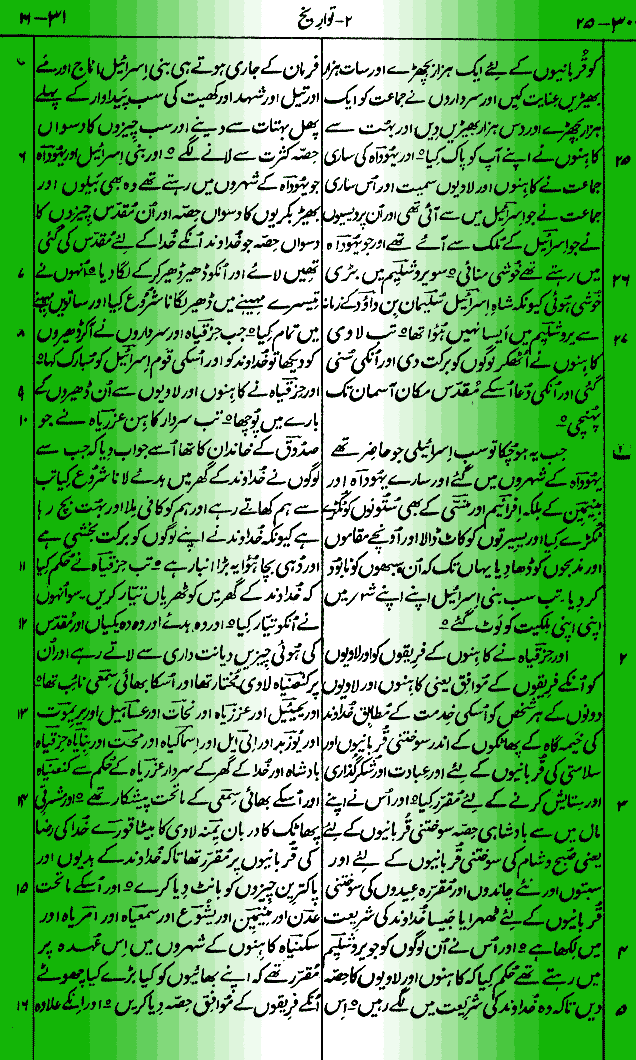
Verse-by-Verse Commentary & Explanation
2 Chronicles 30:25
-
Verse (Punctuation Omitted): And all the congregation of Judah with the priests and the Levites and all the congregation that came out of Israel and the strangers that came out of the land of Israel and that dwelt in Judah rejoiced
-
English Explanation: This verse highlights the absolute unity and widespread joy experienced at the conclusion of Hezekiah’s historic Passover. The celebration was inclusive, bringing together native citizens of Judah, remnants from the northern kingdom of Israel, temple leadership, and even foreign converts (strangers) who had settled in the land. Their shared devotion broke down political and regional barriers, resulting in a deep, collective spiritual joy.
-
Urdu Explanation (تفصیلی وضاحت): یہ آیت حزقیاہ بادشاہ کی تاریخی عیدِ فسح کے اختتام پر ہر طرف پھیلی ہوئی خوشی اور اتحاد کو ظاہر کرتی ہے۔ اس جشن میں نہ صرف یہوداہ کے عام لوگ، کاہن اور لاوی شامل تھے، بلکہ اسرائیل کی شمالی سلطنت کے بچے کچے لوگ اور وہ غیر ملکی مسافر (پردیسی) بھی شریک تھے جو یہوداہ میں آباد ہو چکے تھے۔ ان سب نے مل کر خدا کی عبادت کی جس نے ان کے درمیان سیاسی اور علاقائی دیواروں کو گرا دیا اور پوری جماعت الٰہی خوشی سے معمور ہو گئی۔
2 Chronicles 30:26
-
Verse (Punctuation Omitted): So there was great joy in Jerusalem for since the time of Solomon the son of David king of Israel there was not the like in Jerusalem
-
English Explanation: The scale of spiritual rejoicing in Jerusalem during this event was unprecedented. The text notes that the city had not witnessed such unity and celebration since the golden era of King Solomon—nearly two and a half centuries earlier. It marks the reversal of generations of spiritual decline and division between the northern and southern kingdoms.
-
Urdu Explanation (تفصیلی وضاحت): یروشلم میں اس وقت روحانی خوشی کا یہ عالم تھا کہ اس کی مثال ماضی میں نہیں ملتی۔ متن کے مطابق، بادشاہ سلیمان (ابنِ داؤد) کے دور کے بعد یعنی تقریباً ڈھائی سو سال سے یروشلم نے ایسا عظیم الشان اور متحد جشن نہیں دیکھا تھا۔ یہ واقعہ نسلوں سے چلی آنے والی روحانی گراوٹ اور شمالی و جنوبی سلطنتوں کے درمیان دوریوں کے خاتمے کی علامت بنا۔
2 Chronicles 30:27
-
Verse (Punctuation Omitted): Then the priests the Levites arose and blessed the people and their voice was heard and their prayer came up to his holy dwelling place even unto heaven
-
English Explanation: The spiritual climax of the gathering involves the priestly blessing. As ordained mediators, the priests and Levites interceded for the assembly. The scripture guarantees that their corporate prayers were not empty rituals; they were spiritually effective, ascending directly into heaven, God’s holy dwelling place, confirming divine acceptance of their repentance.
-
Urdu Explanation (تفصیلی وضاحت): اس عظیم اجتماع کا روحانی عروج اس وقت ہوا جب کاہنوں اور لاویوں نے کھڑے ہو کر لوگوں کو برکت دی۔ خدا کے مقرر کردہ خادموں کے طور پر ان کی دعا محض ایک رسم نہیں تھی، بلکہ بائبل بیان کرتی ہے کہ ان کی آواز خدا کے حضور سنی گئی اور ان کی التجا سیدھی آسمان پر یعنی خدا کے مقدس مسکن تک پہنچی، جو اس بات کا ثبوت تھا کہ خدا نے ان کی توبہ کو قبول فرما لیا۔
2 Chronicles 31:1
-
Verse (Punctuation Omitted): Now when all this was finished all Israel that were present went out to the cities of Judah and brake the images in pieces and cut down the groves and threw down the high places and the altars out of all Judah and Benjamin in Ephraim also and Manasseh until they had utterly destroyed them all Then all the children of Israel returned every man to his possession into their own cities
-
English Explanation: True revival leads to concrete action. After experiencing God’s presence, the people did not simply go home; they systematically dismantled idolatry throughout the land. They destroyed pagan pillars, Asherah poles (groves), and unauthorized altars across Judah, Benjamin, and even parts of the northern territories (Ephraim and Manasseh). Only after purifying the land did they return to their private inheritances.
-
Urdu Explanation (تفصیلی وضاحت): حقیقی بیداری ہمیشہ عملی تبدیلی لاتی ہے۔ خدا کی موجودگی کا تجربہ کرنے کے بعد، لوگ صرف اپنے گھروں کو واپس نہیں گئے بلکہ انہوں نے پورے ملک سے بت پرستی کا نام و نشان مٹانے کی مہم شروع کر دی۔ انہوں نے یہوداہ، بنیمین اور یہاں تک کہ شمالی علاقوں (افراہیم اور منسی) میں بھی بتوں کو توڑا، شرک کے اونچے مقاموں اور قربان گاہوں کو مسمار کیا۔ ملک کو پاک کرنے کے بعد ہی وہ اپنی اپنی جائدادوں اور شہروں کی طرف لوٹے۔
2 Chronicles 31:2
-
Verse (Punctuation Omitted): And Hezekiah appointed the courses of the priests and the Levites after their courses every man according to his service the priests and Levites for burnt offerings and for peace offerings to minister and to give thanks and to praise in the gates of the tents of the LORD
-
English Explanation: King Hezekiah understood that emotional revival must be sustained by structural order. He reorganized the priesthood into their historical rotations (“courses”) as originally established by David. Each priest and Levite was assigned a specific duty, whether presenting sacrifices, ministering in the inner courts, leading musical worship, or offering thanksgiving at the temple gates.
-
Urdu Explanation (تفصیلی وضاحت): بادشاہ حزقیاہ جانتا تھا کہ عبادتی جوش و خروش کو برقرار رکھنے کے لیے تنظیمی نظم و ضبط ضروری ہے۔ اس نے کاہنوں اور لاویوں کو دوبارہ ان کی تاریخی باریوں (ترتیب) کے مطابق مقرر کیا، جیسا کہ داؤد بادشاہ نے شروع کیا تھا۔ ہر شخص کو اس کی خدمت سونپی گئی—چاہے وہ سوختنی اور سلامتی کی قربانیاں چڑھانا ہو، ہیکل کے دروازوں پر شکرگزاری اور ستائش کرنا ہو، یا دیگر انتظامی امور سنبھالنا ہو۔
2 Chronicles 31:3
-
Verse (Punctuation Omitted): He appointed also the king’s portion of his substance for the burnt offerings to wit for the morning and evening burnt offerings and the burnt offerings for the sabbaths and for the new moons and for the set feasts as it is written in the law of the LORD
-
English Explanation: Hezekiah led by example by financing the national altar out of his personal royal treasury. He provided resources for the daily morning and evening sacrifices, weekly Sabbaths, monthly New Moon celebrations, and annual appointed feasts, fulfilling the explicit commandments found in the Mosaic Law (Numbers 28-29).
-
Urdu Explanation (تفصیلی وضاحت): حزقیاہ نے اپنی رعایا کے لیے ایک بہترین مثال قائم کی اور اپنے شاہی مال و دولت میں سے قربانیوں کے اخراجات اٹھانے کا اعلان کیا۔ اس نے روزانہ صبح و شام کی قربانیوں، ہفتہ وار سبت، ماہانہ نئے چاند کے تہواروں اور سالانہ مقررہ عیدوں کے لیے وسائل فراہم کیے، تاکہ تورات (خدا کی شریعت) کے احکامات کے مطابق ہیکل کا نظام بلا رکاوٹ چل سکے۔
2 Chronicles 31:4
-
Verse (Punctuation Omitted): Moreover he commanded the people that dwelt in Jerusalem to give the portion of the priests and the Levites that they might be encouraged in the law of the LORD
-
English Explanation: To ensure the long-term success of the temple ministry, Hezekiah commanded the citizens of Jerusalem to provide the biblical tithes and offerings due to the spiritual leadership. The purpose was clear: when the priests and Levites were financially supported and did not have to worry about secular survival, they could devote themselves entirely to studying, teaching, and administering the Law of God.
-
Urdu Explanation (تفصیلی وضاحت): ہیکل کی خدمت کو مستقل بنیادوں پر بحال رکھنے کے لیے، حزقیاہ نے یروشلم کے باشندوں کو حکم دیا کہ وہ کاہنوں اور لاویوں کا مقررہ حصہ (دہ یکی اور نذرانے) ادا کریں۔ اس کا مقصد بالکل واضح تھا: جب روحانی رہنماؤں کو معاشی فکر نہیں ہوگی، تو وہ پوری دلجمعی کے ساتھ خدا کی شریعت کے مطالعے، اس کی تعلیم دینے اور ہیکل کی دیکھ بھال میں خود کو وقف کر سکیں گے۔
2 Chronicles 31:5
-
Verse (Punctuation Omitted): And as soon as the commandment came abroad the children of Israel brought in abundance the firstfruits of corn wine and oil and honey and of all the increase of the fields and the tithe of all things brought they in abundantly
-
English Explanation: The response of the people to Hezekiah’s royal decree was immediate and overwhelming. A spirit of exceptional generosity swept through the nation. They brought huge amounts of their firstfruits—including grain, new wine, olive oil, honey, and agricultural harvests—alongside a tenth (tithe) of everything they possessed.
-
Urdu Explanation (تفصیلی وضاحت): جیسے ہی بادشاہ کا یہ حکم عام ہوا، بنی اسرائیل نے بے پناہ سخاوت کا مظاہرہ کیا۔ پورے ملک میں دل کھول کر دینے کا ایک جذبہ پیدا ہو گیا۔ وہ اپنی زمین کی پہلی پیداوار—جیسے اناج، نئی مے، تیل، شہد اور کھیتوں کی ہر قسم کی پیداوار کا پہلا پھل—اور ہر چیز کی دہ یکی کثرت کے ساتھ ہیکل میں لے آئے۔
2 Chronicles 31:6
-
Verse (Punctuation Omitted): And concerning the children of Israel and Judah that dwelt in the cities of Judah they also brought in the tithe of oxen and sheep and the tithe of holy things which were consecrated unto the LORD their God and laid them by heaps
-
English Explanation: This verse shows that support came not just from the capital city, but from rural communities throughout Judah. Farmers and livestock owners brought tithes of their cattle and sheep, as well as items specifically dedicated to God. The volume of contributions was so immense that the items had to be piled up in large, organized heaps on the temple grounds.
-
Urdu Explanation (تفصیلی وضاحت): یہ آیت ظاہر کرتی ہے کہ یہ سخاوت صرف دارالحکومت تک محدود نہیں تھی بلکہ یہوداہ کے دیہاتی علاقوں اور شہروں کے لوگوں نے بھی اس میں حصہ لیا۔ مویشی پالنے والوں نے اپنے گائے بیلوں اور بھیڑ بکریوں کی دہ یکی پیش کی، اور وہ مقدسات بھی لائے جو خدا کے لیے وقف تھیں۔ ان نذرانوں کی مقدار اتنی زیادہ تھی کہ ہیکل کے صحن میں ان کے بڑے بڑے ڈھیر لگ گئے۔
2 Chronicles 31:7
-
Verse (Punctuation Omitted): In the third month they began to lay the foundation of the heaps and finished them in the seventh month
-
English Explanation: The tithing campaign lasted for several months, tracking with the agricultural harvest cycle. The gathering began in the third month (Sivan, around May/June, during the Pentecost/Wheat harvest) and accumulated continuously until the seventh month (Tishrei, around September/October, during the Tabernacles/Fruit harvest), showcasing sustained, nationwide compliance.
-
Urdu Explanation (تفصیلی وضاحت): نذرانے جمع کرنے کا یہ سلسلہ فصلوں کی کٹائی کے موسم کے ساتھ کئی مہینوں تک چلتا رہا۔ یہ کام تیسرے مہینے (سیوان، یعنی مئی/جون جب گندم کی کٹائی ہوتی تھی) میں شروع ہوا اور ساتویں مہینے (تشرین، یعنی ستمبر/اکتوبر جب پھلوں کی کٹائی ہوتی تھی) تک جاری رہا۔ یہ مسلسل دینے کے جذبے اور ملکی سطح پر فرمانبرداری کا ثبوت تھا۔
2 Chronicles 31:8
-
Verse (Punctuation Omitted): And when Hezekiah and the princes came and saw the heaps they blessed the LORD and his people Israel
-
English Explanation: When King Hezekiah and the ruling officials inspected the massive collection of provisions, their reaction was two-fold. First, they blessed and thanked God for changing the hearts of the people and providing agricultural abundance. Second, they blessed the people of Israel, commending them for their obedience, faith, and generosity.
-
Urdu Explanation (تفصیلی وضاحت): جب بادشاہ حزقیاہ اور اس کے امرا نے ہیکل کا دورہ کیا اور اناج و مال کے ان عظیم ڈھیروں کو دیکھا، تو انہوں نے دوہرا ردعمل دکھایا۔ سب سے پہلے، انہوں نے خداوند کا شکر ادا کیا جس نے لوگوں کے دلوں کو بدلا اور فصلوں میں برکت دی۔ دوسرا، انہوں نے اسرائیل کے لوگوں کو برکت دی اور ان کی فرمانبرداری، ایمان اور سخاوت کی تعریف کی۔
2 Chronicles 31:9
-
Verse (Punctuation Omitted): Then Hezekiah questioned with the priests and the Levites concerning the heaps
-
English Explanation: Hezekiah was a responsible leader who cared about systemic accountability. He did not leave the goods unmanaged; instead, he interviewed the priests and Levites to understand why there was such an enormous surplus and how these resources were being managed and stored.
-
Urdu Explanation (تفصیلی وضاحت): حزقیاہ ایک ذمہ دار حکمران تھا جو نظام میں شفافیت اور جوابدہی پر یقین رکھتا تھا۔ اس نے ان ڈھیروں کو یونہی نہیں چھوڑ دیا، بلکہ کاہنوں اور لاویوں سے تفتیش کی تاکہ معلوم کر سکے کہ اتنی بڑی مقدار میں بچ جانے والے مال کا انتظام اور دیکھ بھال کس طرح کی جا رہی ہے۔
2 Chronicles 31:10
-
Verse (Punctuation Omitted): And Azariah the chief priest of the house of Zadok answered him and said Since the people began to bring the offerings into the house of the LORD we have had enough to eat and have left plenty for the LORD hath blessed his people and that which is left is this great store
-
English Explanation: Azariah, the High Priest from the faithful lineage of Zadok, provided an encouraging report. He explained that from the moment the people began giving, the temple staff had more than enough food to eat, leaving a massive surplus. He attributes this abundance directly to the sovereign blessing of God upon His obedient people.
-
Urdu Explanation (تفصیلی وضاحت): صادوق کے گھرانے سے تعلق رکھنے والے سردار کاہن عزریاہ نے بادشاہ کو ایک انتہائی حوصلہ افزا رپورٹ دی۔ اس نے وضاحت کی کہ جب سے لوگوں نے نذرانے لانا شروع کیے ہیں، ہیکل کے عملے کے پاس کھانے پینے کی کوئی کمی نہیں رہی اور سب کچھ پیٹ بھر کر کھانے کے بعد بھی یہ بڑا ذخیرہ بچ گیا ہے۔ اس نے اس کثرت کی وجہ خدا کی وہ برکت بتائی جو اس نے اپنی فرمانبردار قوم پر نازل کی تھی۔
2 Chronicles 31:11
-
Verse (Punctuation Omitted): Then Hezekiah commanded to prepare chambers in the house of the LORD and they prepared them
-
English Explanation: Realizing that the current surplus required long-term storage solutions to avoid waste or theft, Hezekiah ordered the construction or renovation of dedicated storehouses (chambers) within the temple complex. The leadership acted immediately to secure the sacred resources.
-
Urdu Explanation (تفصیلی وضاحت): یہ دیکھ کر کہ بچ جانے والے مال کو ضائع ہونے یا چوری ہونے سے بچانے کے لیے طویل مصلحت کی ضرورت ہے، حزقیاہ نے ہیکل کے احاطے میں خصوصی گودام (کوٹھریاں) تیار کرنے کا حکم دیا۔ انتظامیہ نے فوراً اس پر عمل کیا تاکہ مقدس نذرانوں کو محفوظ کیا جا سکے۔
2 Chronicles 31:12
-
Verse (Punctuation Omitted): And brought in the offerings and the tithes and the dedicated things faithfully over which Cononiah the Levite was ruler and Shimei his brother was the next
-
English Explanation: The people and priests securely transferred the tithes and sacred gifts into these newly prepared rooms with total integrity (“faithfully”). To prevent corruption, Hezekiah established financial oversight, appointing Cononiah the Levite as the chief manager, with his brother Shimei serving as the second-in-command.
-
Urdu Explanation (تفصیلی وضاحت): لوگوں اور کاہنوں نے پوری دیانتداری کے ساتھ ان نذرانوں، دہ یکیوں اور وقف شدہ چیزوں کو تیار شدہ کوٹھریوں میں منتقل کر دیا۔ بدعنوانی کو روکنے اور شفافیت برقرار رکھنے کے لیے حزقیاہ نے مالیاتی نگران مقرر کیے، جن میں کوننیا لاوی چیف مینیجر تھا اور اس کا بھائی شمعی دوسرے نمبر پر ذمہ دار تھا۔
2 Chronicles 31:13
-
Verse (Punctuation Omitted): And Jehiel and Azaziah and Nahath and Asahel and Jerimoth and Jozabad and Eliel and Ismachiah and Mahath and Benaiah were overseers under the hand of Cononiah and Shimei his brother at the commandment of Hezekiah the king and Azariah the ruler of the house of God
-
English Explanation: This verse catalogs the organizational matrix of the temple treasury. Ten specific Levites are named as assistant overseers working directly under Cononiah and Shimei. This internal control system operated under the joint authority of the state (King Hezekiah) and the religious establishment (Azariah, the chief officer of God’s house).
-
Urdu Explanation (تفصیلی وضاحت): یہ آیت ہیکل کے خزانے کے انتظامی ڈھانچے کی تفصیل فراہم کرتی ہے۔ دس مخصوص لاویوں کے نام بطور اسسٹنٹ نگران درج ہیں جو کوننیا اور شمعی کے ماتحت کام کرتے تھے۔ یہ پورا نظامِ حکومت (بادشاہ حزقیاہ) اور مذہبی قیادت (خدا کے گھر کے حاکم عزریاہ) کے مشترکہ احکامات کے تحت چل رہا تھا تاکہ بدانتظامی نہ ہو۔
2 Chronicles 31:14
-
Verse (Punctuation Omitted): And Kore the son of Imnah the Levite the porter toward the east was over the freewill offerings of God to distribute the oblations of the LORD and the most holy things
-
English Explanation: Kore, a Levite who served as the gatekeeper at the East Gate of the temple, was given the specific, sacred assignment of managing the voluntary or freewill offerings. His job was to fairly distribute the general offerings made to the Lord as well as the “most holy things”—sacrificial portions reserved exclusively for the officiating priests.
-
Urdu Explanation (تفصیلی وضاحت): ہملہ کا بیٹا کورے لاوی، جو ہیکل کے مشرقی پھاٹک کا دربان تھا، اسے ایک خاص اور مقدس ذمہ داری سونپی گئی کہ وہ خدا کے رضا کارانہ (اپنی خوشی کے) نذرانوں کی دیکھ بھال کرے۔ اس کا کام خداوند کے نذرانوں اور “نہایت مقدس چیزوں” (قربانی کے وہ حصے جو صرف خدمت کرنے والے کاہنوں کے لیے مخصوص ہوتے تھے) کو حقداروں میں ایمانداری سے تقسیم کرنا تھا۔
2 Chronicles 31:15
-
Verse (Punctuation Omitted): And next him were Eden and Miniamin and Jeshua and Shemaiah Amariah and Shecaniah in the cities of the priests in their set office to give to their brethren by courses as well to the great as to the small
-
English Explanation: The distribution system extended outside Jerusalem. Six trusted assistants were stationed in the dedicated priestly cities throughout Judah. Their job was to fairly distribute food and resources to the families of the priests and Levites who remained in their home districts based on their service divisions (“courses”), ensuring equal care regardless of age, status, or rank.
-
Urdu Explanation (تفصیلی وضاحت): تقسیم کا یہ نظام صرف یروشلم تک محدود نہیں تھا بلکہ یہوداہ کے دیگر کاہنوں کے شہروں تک پھیلا ہوا تھا۔ کورے کے ماتحت چھ قابلِ اعتماد مددگار مقرر تھے جن کا کام اپنے اپنے علاقوں میں رہنے والے کاہنوں اور لاویوں کے بھائیوں کو ان کی باریوں کے حساب سے ان کا حصہ پہنچانا تھا، تاکہ بڑے سے لے کر چھوٹے تک ہر ایک کی ضرورت بغیر کسی تفریق کے پوری ہو سکے۔
2 Chronicles 31:16
-
Verse (Punctuation Omitted): Beside their genealogy of males from three years old and upward even unto every one that entereth into the house of the LORD his daily portion for their service in their charges according to their courses
-
English Explanation: The distribution system maintained accurate genealogical records. Provisions were allocated to all listed males from three years old and older—the age when young boys from priestly families might begin accompanying their fathers to the temple. Every individual who entered the temple to perform his assigned daily service in his respective order received his proper daily ration, ensuring that those serving the Lord were fully provided for.
-
Urdu Explanation (تفصیلی وضاحت): تقسیم کے اس نظام میں نسب ناموں کا پورا ریکارڈ رکھا جاتا تھا۔ تین سال یا اس سے زیادہ عمر کے تمام درج شدہ مردوں کو خوراک اور وظیفہ دیا جاتا تھا—یہ وہ عمر تھی جب کاہنوں کے بچے اپنے والدین کے ساتھ ہیکل میں آنا شروع کر سکتے تھے۔ ہیکل میں داخل ہو کر اپنی باری کے مطابق روزانہ کی خدمت انجام دینے والے ہر شخص کو اس کا روزینہ (روز کا حصہ) ملتا تھا، تاکہ خدا کے گھر کی خدمت کرنے والا کوئی بھی شخص محروم نہ رہے۔
AdSense-Friendly Layout Summary
This comprehensive theological commentary on 2 Chronicles 30:25–31:16 provides structural readability and deep textual insights optimized for faith-based content platforms, reference websites, and digital scripture applications. Use this resource to engage readers looking for multi-language biblical expositions and historical studies on King Hezekiah’s structural and spiritual reforms.