Verse-by-Verse Commentary & Explanation
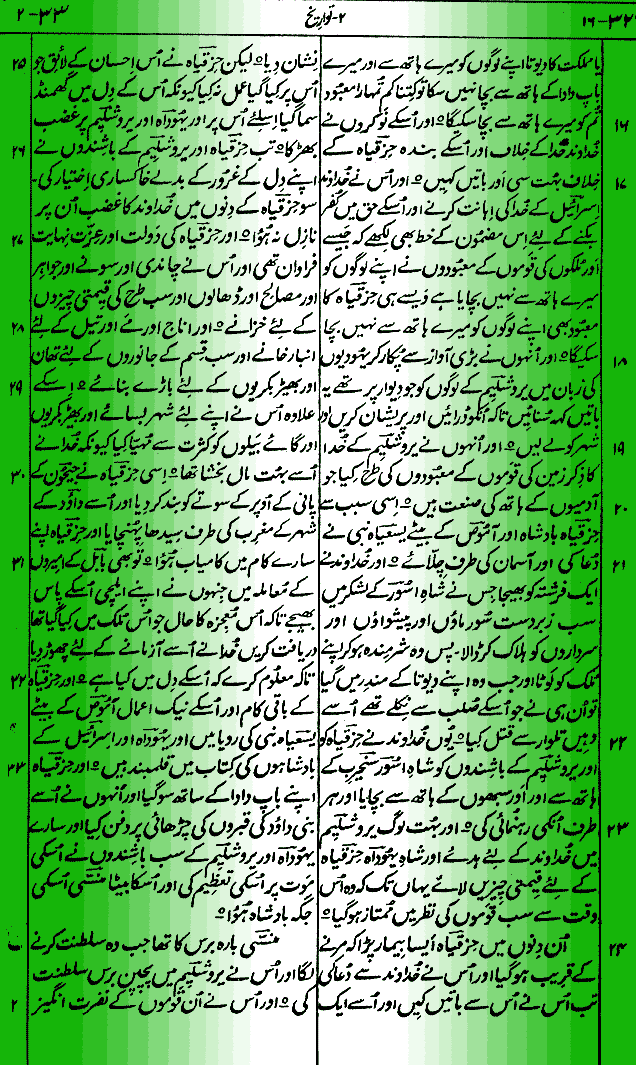
2 Chronicles 32:16
Verse: And his servants spake yet more against the LORD God and against his servant Hezekiah
-
English Explanation: This verse highlights the psychological warfare used by the Assyrian king Sennacherib’s officers. They did not just attack Judah politically or militarily; they targeted the foundational faith of the people, speaking blasphemously against God and trying to undermine the leadership of King Hezekiah.
-
Urdu Explanation (اردو وضاحت): اس آیت میں اس نفسیاتی جنگ کا ذکر ہے جو اسور کے بادشاہ کے ملازموں نے شروع کر رکھی تھی۔ انہوں نے نہ صرف یہ کہ یہوداہ کی عسکری طاقت کو للکارا بلکہ براہِ راست خدا کی ذات اور بادشاہ حزقیاہ کی قیادت پر بھی زبان درازی کی تاکہ لوگوں کے حوصلے پست ہو جائیں۔
2 Chronicles 32:17
Verse: He wrote also letters to rail on the LORD God of Israel and to speak against him saying As the gods of the nations of other lands have not delivered their people out of mine hand so shall not the God of Hezekiah deliver his people out of mine hand
-
English Explanation: Sennacherib escalated his campaign by writing official letters insulting the God of Israel. He committed a major theological error by lowering the Creator of the universe to the same level as the pagan, handmade idols of the nations he had previously conquered.
-
Urdu Explanation (اردو وضاحت): سنحاریب نے اپنی حد پار کرتے ہوئے ایسے خطوط لکھے جن میں اسرائیل کے خدا کی توہین کی گئی تھی۔ اس نے کائنات کے سچے خدا کا موازنہ ان بتوں سے کیا جنہیں اس نے دوسرے ملکوں میں فتح کیا تھا، اور یہ دعویٰ کیا کہ حزقیاہ کا خدا بھی اپنے لوگوں کو نہیں بچا سکے گا۔
2 Chronicles 32:18
Verse: Then they cried with a loud voice in the Jews’ speech unto the people of Jerusalem that were on the wall to affright them and to trouble them that they might take the city
-
English Explanation: The Assyrian messengers intentionally spoke in Hebrew (the language of the common people of Judah) rather than Aramaic. Their goal was to bypass the leaders and spark a panic or mutiny among the soldiers guarding the walls of Jerusalem.
-
Urdu Explanation (اردو وضاحت): اسوری نمائندوں نے دانستہ طور پر عبرانی زبان (یہودیوں کی زبان) میں بلند آواز سے بات کی تاکہ فصیل پر موجود عام سپاہی اور عوام خوفزدہ ہو جائیں۔ ان کا مقصد یہ تھا کہ شہر میں افراتفری پھیل جائے اور وہ بغیر لڑے شہر پر قبضہ کر لیں۔
2 Chronicles 32:19
Verse: And they spake against the God of Jerusalem as against the gods of the people of the earth which were the work of the hands of man
-
English Explanation: This verse underscores the fundamental ignorance of the Assyrians. They viewed Jehovah merely as a localized “God of Jerusalem,” completely blind to the fact that while other gods were lifeless statues made by human hands, the God of Israel is the supreme Creator.
-
Urdu Explanation (اردو وضاحت): اس آیت میں اسوریوں کی جہالت کو بے نقاب کیا گیا ہے۔ انہوں نے یروشلم کے خدا کو زمین کی دوسری قوموں کے بے جان بتوں جیسا سمجھا، جو کہ انسان کے اپنے ہاتھوں کی بناوٹ تھے۔ وہ یہ نہیں جانتے تھے کہ یہ خدا زندہ اور قادرِ مطلق ہے۔
2 Chronicles 32:20
Verse: And for this cause Hezekiah the king and the prophet Isaiah the son of Amoz prayed and cried to heaven
-
English Explanation: Faced with total destruction and blasphemy, Hezekiah and the prophet Isaiah did not rely on physical weapons alone. Instead, they united in desperate, fervent prayer, taking their case directly to the heavenly court.
-
Urdu Explanation (اردو وضاحت): جب خطرہ حد سے بڑھ گیا اور خدا کی توہین کی گئی، تو بادشاہ حزقیاہ اور یرمیاہ کے ہمعصر نبی یسعیاہ بن آموص نے کسی انسانی طاقت پر بھروسہ کرنے کے بجائے اکٹھے ہو کر آسمان کی طرف فریاد کی اور گریہ و زاری کے ساتھ دعا کی۔
2 Chronicles 32:21
Verse: And the LORD sent an angel which cut off all the mighty men of valour and the leaders and captains in the camp of the king of Assyria So he returned with shame of face to his own land And when he was come into the house of his god they that came forth of his own bowels slew him there with the sword
-
English Explanation: God answered their prayers through immediate divine intervention. A single angel devastated the Assyrian army, wiping out its leadership. Sennacherib retreated in disgrace, and his final humiliation came when his own sons assassinated him inside the temple of his false god.
-
Urdu Explanation (اردو وضاحت): خدا نے ان کی دعا سنی اور اپنے ایک فرشتے کو بھیجا جس نے اسور کی فوج کے تمام بہادر سورماؤں اور افسروں کو ہلاک کر دیا۔ سنحاریب شرمندگی کے ساتھ اپنے ملک واپس لوٹ گیا، اور وہاں اس کے اپنے ہی بیٹوں نے اسے اس کے جھوٹے معبود کے مندر میں قتل کر دیا۔
2 Chronicles 32:22
Verse: Thus the LORD saved Hezekiah and the inhabitants of Jerusalem from the hand of Sennacherib the king of Assyria and from the hand of all other and guided them on every side
-
English Explanation: The ultimate victory belonged to God. He delivered His people from total annihilation, and following this event, Jerusalem experienced a period of profound peace, divine protection, and spiritual guidance.
-
Urdu Explanation (اردو وضاحت): اس طرح خداوند نے حزقیاہ اور یروشلم کے باشندوں کو شاہِ اسور سنحاریب اور دیگر تمام دشمنوں کے ہاتھ سے مخلصی دی اور انہیں ہر طرف سے امن و امان اور رہنمائی عطا فرمائی۔
2 Chronicles 32:23
Verse: And many brought gifts unto the LORD to Jerusalem and presents to Hezekiah king of Judah so that he was magnified in the sight of all nations from thenceforth
-
English Explanation: The miraculous deliverance elevated the reputation of both the God of Israel and King Hezekiah. Surrounding pagan nations recognized the divine power protecting Judah, prompting them to send tributes and gifts.
-
Urdu Explanation (اردو وضاحت): اس معجزانے نجات کے بعد، آس پاس کی قومیں خدا کی قدرت سے مرعوب ہو گئیں اور انہوں نے یروشلم میں خداوند کے لیے نذرانے اور حزقیاہ کے لیے تحائف بھیجے۔ اس واقعے سے تمام قوموں کی نظر میں حزقیاہ کی عزت بہت بڑھ گئی۔
2 Chronicles 32:24
Verse: In those days Hezekiah was sick to the death and prayed unto the LORD and he spake unto him and he gave him a sign
-
English Explanation: Shortly after his geopolitical victory, Hezekiah faced a personal crisis through a terminal illness. Upon his prayer of distress, God mercifully answered him and granted a miraculous physical sign (the shadow moving backward) confirming his healing.
-
Urdu Explanation (اردو وضاحت): انہیں دنوں حزقیاہ ایسا بیمار ہوا کہ مرنے کے قریب پہنچ گیا۔ اس نے خداوند سے دعا کی، اور خدا نے اس سے کلام کیا اور اس کی شفا یابی کی تصدیق کے لیے ایک معجزانہ نشان (سائے کا پیچھے ہٹنا) بھی دیا۔
2 Chronicles 32:25
Verse: But Hezekiah rendered not again according to the benefit done unto him for his heart was lifted up therefore there was wrath upon him and upon Judah and Jerusalem
-
English Explanation: This marks a tragic spiritual failure. Instead of remaining humble after his miraculous healing and deliverance, Hezekiah became proud, taking personal credit for his prosperity. This pride triggered divine displeasure against the entire nation.
-
Urdu Explanation (اردو وضاحت): یہاں حزقیاہ کی ایک روحانی کمزوری سامنے آتی ہے۔ اتنے بڑے معجزات دیکھنے کے بعد اس کا دل مغرور ہو گیا اور اس نے خدا کے احسانات کا شکر اس طرح ادا نہیں کیا جیسے کرنا چاہیے تھا۔ اس غرور کی وجہ سے خدا کا غضب اس پر اور پورے یہوداہ پر نازل ہوا۔
2 Chronicles 32:26
Verse: Notwithstanding Hezekiah humbled himself for the pride of his heart both he and the inhabitants of Jerusalem so that the wrath of the LORD came not upon them in the days of Hezekiah
-
English Explanation: Fortunately, Hezekiah’s pride was not permanent. He and his citizens recognized their sin and repented thoroughly. Because of this communal humility, God delayed the execution of His judgment during Hezekiah’s lifetime.
-
Urdu Explanation (اردو وضاحت): خوش قسمتی سے، حزقیاہ اپنے غرور پر قائم نہیں رہا۔ اس نے اور یروشلم کے باشندوں نے دل سے عاجزی اختیار کی اور توبہ کی۔ اس عاجزی کی وجہ سے خداوند کا غضب حزقیاہ کی زندگی میں ان پر نازل نہ ہوا۔
2 Chronicles 32:27
Verse: And Hezekiah had exceeding much riches and honour and he made himself treasuries for silver and for gold and for precious stones and for spices and for shields and for all manner of pleasant jewels
-
English Explanation: God blessed Hezekiah with extraordinary wealth and material prosperity during his reign, enabling him to construct secure treasuries to safeguard valuables ranging from precious metals to military shields.
-
Urdu Explanation (اردو وضاحت): خداوند نے حزقیاہ کو بے پناہ دولت اور عزت سے نوازا۔ اس نے سونے، چاندی، قیمتی پتھروں، مصالحوں، ڈھالوں اور دیگر بیش قیمت اشیاء کو محفوظ رکھنے کے لیے بڑے بڑے خزانے بنائے۔
2 Chronicles 32:28
Verse: Storehouses also for the increase of corn and wine and oil and stalls for all manner of beasts and cotes for flocks
-
English Explanation: Beyond mineral wealth, Hezekiah’s blessings extended to agricultural and livestock abundance. He built extensive storage facilities to manage the agricultural surplus, reinforcing national stability.
-
Urdu Explanation (اردو وضاحت): معدنی دولت کے علاوہ، خدا نے ملک کی زراعت اور گلے بانی میں بھی برکت دی۔ حزقیاہ نے اناج، نئی مے اور تیل کی پیداوار کو جمع کرنے کے لیے گودام اور ہر قسم کے جانوروں اور بھیڑ بکریوں کے لیے تھان اور باڑے بنائے۔
2 Chronicles 32:29
Verse: Moreover he provided him cities and possessions of flocks and herds in abundance for God had given him substance very much
-
English Explanation: The text makes it clear that Hezekiah’s prosperity was not due to his own economic genius, but was a direct, sovereign gift from God, allowing him to build cities and expand his estates.
-
Urdu Explanation (اردو وضاحت): مزید برآں، اس نے نئے شہر بسائے اور بھیڑ بکریوں اور گائے بیلوں کے بڑے بڑے ریوڑ حاصل کیے، کیونکہ خدا نے اسے بہت زیادہ مال و اسباب عطا کر رکھا تھا۔
32:30
Verse: This same Hezekiah also stopped the upper watercourse of Gihon and brought it straight down to the west side of the city of David And Hezekiah prospered in all his works
-
English Explanation: This refers to Hezekiah’s famous engineering feat—Hezekiah’s Tunnel. By redirecting the water of the Gihon Spring inside the city walls, he secured Jerusalem’s water supply while cutting off access to invading armies.
-
Urdu Explanation (اردو وضاحت): یہ آیت حزقیاہ کے مشہور انجینئرنگ کے کارنامے (حزقیاہ کی سرنگ) کی طرف اشارہ کرتی ہے۔ اس نے جیحون کے چشمے کے اوپری پانی کو بند کر کے اسے شہر کے اندر داؤد کے شہر کے مغرب کی طرف پہنچایا تاکہ محاصرے کے وقت پانی کی کمی نہ ہو، اور وہ اپنے ہر کام میں کامیاب رہا۔
2 Chronicles 32:31
Verse: Howbeit in the business of the ambassadors of the princes of Babylon who sent unto him to enquire of the wonder that was done in the land God left him to try him that he might know all that was in his heart
-
English Explanation: When Babylonian envoys visited to study the astronomical wonder of his healing, God intentionally stepped back to test Hezekiah’s character. Left to himself, Hezekiah succumbed to vanity by showing off his treasures instead of glorifying God.
-
Urdu Explanation (اردو وضاحت): لیکن جب بابل کے شہزادوں کے سفیر اس معجزے کی تحقیق کے لیے آئے جو اس ملک میں ہوا تھا، تو خدا نے حزقیاہ کو اس کی اپنی حالت پر چھوڑ دیا تاکہ اسے آزمائے اور معلوم کرے کہ اس کے دل میں کیا چھپا ہے۔ حزقیاہ اس آزمائش میں اپنے خزانوں کی نمائش کر کے فخر میں مبتلا ہو گیا۔
2 Chronicles 32:32
Verse: Now the rest of the acts of Hezekiah and his goodness behold they are written in the vision of Isaiah the prophet the son of Amoz and in the book of the kings of Judah and Israel
-
English Explanation: The narrator concludes Hezekiah’s biography by pointing readers toward alternate historical sources, specifically the prophetic writings of Isaiah, which record his acts of devotion.
-
Urdu Explanation (اردو وضاحت): حزقیاہ کے باقی کاموں اور اس کی وفاداری کی تفصیلات یسعیاہ نبی بن آموص کی رویا کی کتاب اور یہوداہ اور اسرائیل کے بادشاہوں کی تاریخ کی کتاب میں درج ہیں۔
2 Chronicles 32:33
Verse: And Hezekiah slept with his fathers and they buried him in the chiefest of the sepulchres of the sons of David and all Judah and the inhabitants of Jerusalem did him honour at his death And Manasseh his son reigned in his stead
-
English Explanation: Hezekiah passed away and was honored with a high-status burial among David’s descendants. His death marked the transition of power to his young son, Manasseh, signaling a major turning point in Judah’s spiritual history.
-
Urdu Explanation (اردو وضاحت): حزقیاہ اپنے باپ دادا کے ساتھ سو گیا اور انہوں نے اسے داؤد کی اولاد کی سب سے اعلیٰ قبروں میں دفن کیا، اور اس کی موت پر پورے یہوداہ اور یروشلم کے باشندوں نے اس کی بڑی عزت کی، اور اس کا بیٹا منسی اس کی جگہ بادشاہ بنا۔
2 Chronicles 33:1
Verse: Manasseh was twelve years old when he began to reign and he reigned fifty and five years in Jerusalem
-
English Explanation: Chapter 33 introduces Manasseh, who came to the throne as a minor at just twelve years old. Despite his young start, he went on to have the longest reign of any king in Judah—fifty-five years.
-
Urdu Explanation (اردو وضاحت): یہاں سے باب 33 کا آغاز ہوتا ہے جہاں منسی کا ذکر ہے۔ جب وہ تخت پر بیٹھا تو اس کی عمر صرف بارہ سال تھی، اور اس نے یروشلم میں سب سے طویل عرصے تک یعنی پچپن سال حکومت کی۔
2 Chronicles 33:2
Verse: But did that which was evil in the sight of the LORD like unto the abominations of the heathen whom the LORD had cast out before the children of Israel
-
English Explanation: In sharp contrast to his father Hezekiah, Manasseh abandoned true worship. He completely reversed his father’s spiritual reforms, choosing to practice the horrific, pagan abominations of the nations God had driven out of Canaan.
-
Urdu Explanation (اردو وضاحت): اپنے متقی باپ حزقیاہ کے برعکس، منسی نے وہ کام کیے جو خداوند کی نظر میں برے تھے۔ اس نے ان قوموں کے مکروہ کاموں کو دوبارہ اپنایا جنہیں خداوند نے بنی اسرائیل کے سامنے سے ملک بدر کیا تھا، اور یوں ملک کو دوبارہ بت پرستی کے اندھیروں میں دھکیل دیا۔