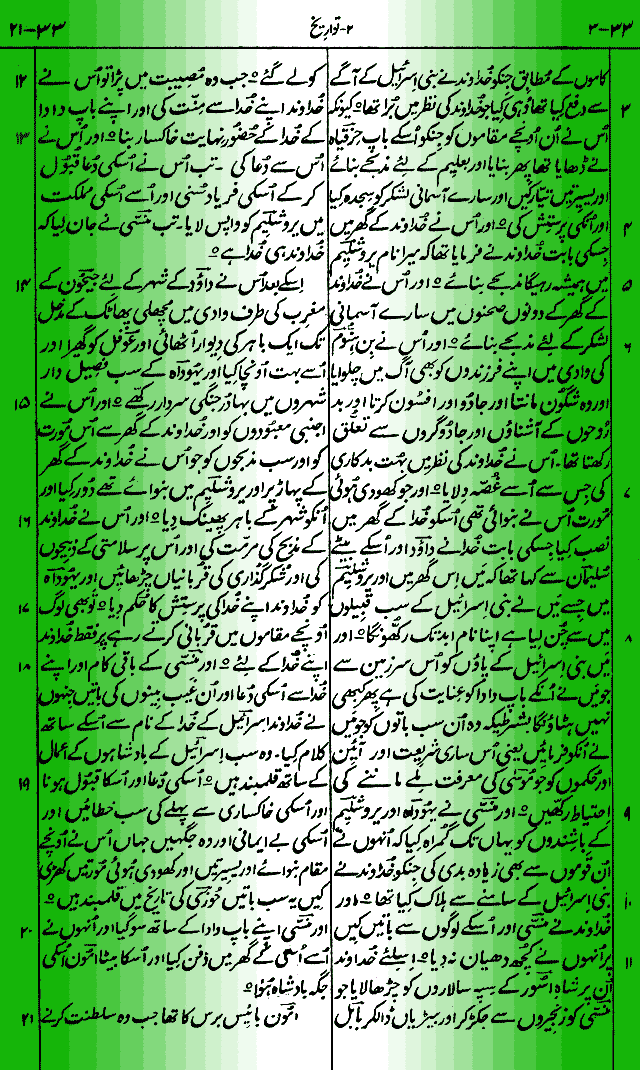
Verse-by-Verse Verse, English, and Urdu Commentary
2 Chronicles 33:3
Verse: For he built again the high places which Hezekiah his father had broken down and he reared up altars for Baalim and made groves and worshipped all the host of heaven and served them
-
English Explanation: Manasseh deliberately reverses the spiritual reforms of his godly father, Hezekiah. Instead of honoring the true God, he rebuilds pagan shrines, introduces the worship of Baal and Asherah poles (groves), and introduces astrology and the worship of stars and planets (host of heaven) to Judah.
-
Urdu Explanation: منسی نے جان بوجھ کر اپنے نیک باپ حزقیاہ کی روحانی اصلاحات کو الٹ دیا۔ خدا کی عبادت کرنے کے بجائے اس نے بت پرستوں کے اونچے مقام دوبارہ بنائے بعل اور یسیرت کی قربان گاہیں کھڑی کیں اور ستاروں اور سیاروں (آسمانی لشکر) کی پوجا شروع کر دی۔
2 Chronicles 33:4
Verse: Also he built altars in the house of the LORD whereof the LORD had said In Jerusalem shall my name be for ever
-
English Explanation: This represents a direct defiance of God. Manasseh does not just worship idols in secret; he boldly places pagan altars inside the Holy Temple in Jerusalem—the exact place God had set apart exclusively for His own name and glory.
-
Urdu Explanation: یہ خدا کی کھلم کھلا نافرمانی تھی۔ منسی نے نہ صرف چھپ کر بت پرستی کی بلکہ یروشلم میں خداوند کے مقدس ہیکل کے اندر بتوں کی قربان گاہیں بنا دیں—وہ جگہ جسے خدا نے خاص طور پر اپنے نام اور جلال کے لیے چنا تھا۔
2 Chronicles 33:5
Verse: And he built altars for all the host of heaven in the two courts of the house of the LORD
-
English Explanation: Manasseh extends his idolatry into both the inner and outer courts of the temple. The sacred spaces meant for prayer and priesthood are completely defiled by astrological altars dedicated to cosmic deities.
-
Urdu Explanation: منسی نے اپنی بت پرستی کو ہیکل کے اندرونی اور بیرونی دونوں صحنوں تک پھیلا دیا۔ وہ مقدس مقامات جو دعا اور کہانت کے لیے مخصوص تھے وہ ستاروں کی پوجا کے لیے بنائی گئی قربان گاہوں سے ناپاک کر دیے گئے۔
2 Chronicles 33:6
Verse: And he caused his children to pass through the fire in the valley of the son of Hinnom also he observed times and used enchantments and used witchcraft and dealt with a familiar spirit and with wizards he wrought much evil in the sight of the LORD to provoke him to anger
-
English Explanation: Manasseh sinks to horrific depths by practicing human sacrifice, burning his own children to pagan gods in the Valley of Hinnom. He also dives deep into the occult, engaging in sorcery, witchcraft, and consulting mediums, which deeply angers the Lord.
-
Urdu Explanation: منسی نے وادی ہنوم میں اپنے بچوں کو بتوں کے لیے آگ میں جلا کر انسانی قربانی جیسی ہولناک برائی کی۔ اس کے ساتھ ساتھ اس نے جادوگری، شمشیر بازی اور جنات سے رجوع کرنے جیسے شیطانی کام کیے جس سے خداوند کو سخت غصہ آیا۔
2 Chronicles 33:7
Verse: And he set a carved image the idol which he had made in the house of God of which God had said to David and to Solomon his son In this house and in Jerusalem which I have chosen before all the tribes of Israel will I put my name for ever
-
English Explanation: Placing a physical idol directly inside God’s temple was the ultimate violation of the Covenant. God had clearly told David and Solomon that this temple was His eternal dwelling among Israel, making Manasseh’s actions an absolute desecration.
-
Urdu Explanation: خدا کے ہیکل کے اندر ایک تراشیدہ بت رکھنا عہد کی سب سے بڑی خلاف ورزی تھی۔ خدا نے داؤد اور سلیمان کو واضح بتایا تھا کہ یہ ہیکل اسرائیل کے درمیان اس کی ابدی سکونت گاہ ہے جس کی وجہ سے منسی کا یہ عمل انتہائی سنگین گناہ تھا۔
2 Chronicles 33:8
Verse: Neither will I any more remove the foot of Israel from out of the land which I have appointed for your fathers so that they will take heed to do all that I have commanded them according to the whole law and the statutes and the ordinances by the hand of Moses
-
English Explanation: God reminds the reader of His conditional promise to Israel: their security in the Promised Land depended entirely on their obedience to the Law given through Moses. By breaking the law so severely, the nation was forfeiting its divine protection.
-
Urdu Explanation: خدا یہاں اسرائیل سے کیے گئے مشروط وعدے کی یاد دہانی کراتا ہے کہ موعودہ زمین پر ان کا امن اور قیام موسیٰ کی شریعت پر عمل کرنے سے مشروط تھا۔ اتنے بڑے پیمانے پر قانون توڑنے سے قوم خدا کی پناہ اور تحفظ کھو رہی تھی۔
2 Chronicles 33:9
Verse: So Manasseh made Judah and the inhabitants of Jerusalem to err and to do worse than the heathen whom the LORD had destroyed before the children of Israel
-
English Explanation: As king, Manasseh’s spiritual corruption misleads the entire nation. Under his influence, the behavior of God’s chosen people becomes even more wicked and depraved than that of the pagan nations whom God had driven out during the conquest of Canaan.
-
Urdu Explanation: ایک بادشاہ کے طور پر منسی کی روحانی گمراہی نے پوری قوم کو بھٹکا دیا۔ اس کے زیر اثر خدا کے چنے ہوئے لوگوں کے اعمال ان بت پرست قوموں سے بھی بدتر ہو گئے جنہیں خدا نے کنعان کی فتح کے دوران اسرائیل کے سامنے سے تباہ کیا تھا۔
2 Chronicles 33:10
Verse: And the LORD spake to Manasseh and to his people but they would not hearken
-
English Explanation: God does not punish without warning. He sends prophets to speak directly to Manasseh and the citizens of Judah, giving them a chance to repent, but they arrogantly close their ears and refuse to listen.
-
Urdu Explanation: خدا نے بغیر انتباہ کے سزا نہیں دی بلکہ اس نے انبیاء بھیجے تاکہ وہ منسی اور یہوداہ کے لوگوں سے بات کریں اور انہیں توبہ کا موقع دیں لیکن انہوں نے تکبر میں اپنے کان بند کر لیے اور سننے سے انکار کر دیا۔
2 Chronicles 33:11
Verse: Wherefore the LORD brought upon them the captains of the host of the king of Assyria which took Manasseh among the thorns and bound him with fetters and carried him to Babylon
-
English Explanation: Due to their stubbornness, God uses the Assyrian army as an instrument of judgment. Manasseh is captured in a humiliating manner—dragged out of hiding, bound in metal chains, and exiled to Babylon.
-
Urdu Explanation: ان کی ضد کی وجہ سے خدا نے اسور کی فوج کو اپنے فیصلے کا ذریعہ بنایا۔ منسی کو انتہائی ذلت آمیز طریقے سے پکڑا گیا—اسے جھاڑیوں (یا کانٹوں) سے گھسیٹ کر نکالا گیا، بیڑیوں میں جکڑا گیا اور بابل لے جایا گیا۔
2 Chronicles 33:12
Verse: And when he was in affliction he besought the LORD his God and humbled himself greatly before the God of his fathers
-
English Explanation: This is the turning point. Stripped of his crown, power, and freedom, Manasseh hits rock bottom in captivity. In his deep suffering, his pride breaks, and he sincerely cries out to God, humbling himself completely.
-
Urdu Explanation: یہ ایک اہم موڑ ہے۔ اپنی بادشاہی، طاقت اور آزادی کھو دینے کے بعد قید میں منسی شدید عاجزی کی حالت میں آگیا۔ اپنی مصیبت میں اس کا غرور ٹوٹ گیا اور اس نے سچے دل سے خدا کے سامنے گڑگڑا کر خود کو خاکسار کیا۔
2 Chronicles 33:13
Verse: And prayed unto him and he was intreated of him and heard his supplication and brought him again to Jerusalem into his kingdom Then Manasseh knew that the LORD he was God
-
English Explanation: A marvelous display of divine mercy. God answers the prayer of even the worst sinner when they genuinely repent. God restores Manasseh to his throne in Jerusalem, and through this radical grace, Manasseh finally realizes that Yahweh is the only true God.
-
Urdu Explanation: یہ الٰہی رحمت کا ایک شاندار مظاہرہ ہے۔ خدا بدترین گنہگار کی دعا بھی سنتا ہے جب وہ سچے دل سے توبہ کرتا ہے۔ خدا نے منسی کو یروشلم میں اس کی بادشاہی پر دوبارہ بحال کیا اور اس عظیم فضل کے ذریعے منسی پر ظاہر ہوا کہ صرف خداوند ہی سچا خدا ہے۔
2 Chronicles 33:14
Verse: Now after this he built a wall without the city of David on the west side of Gihon in the valley even to the entering in at the fish gate and compassed about Ophel and raised it up a very great height and put captains of war in all the fenced cities of Judah
-
English Explanation: To prove his repentance is genuine, Manasseh takes practical steps to reform his kingdom. He strengthens Jerusalem’s physical defenses by building massive walls and fortifying the outer cities of Judah against foreign invasions.
-
Urdu Explanation: اپنی توبہ کی سچائی کو ثابت کرنے کے لیے منسی نے اپنی مملکت کی اصلاح کے لیے عملی اقدامات کیے۔ اس نے بڑی دیواریں تعمیر کر کے اور بیرونی شہروں کو مضبوط کر کے غیر ملکی حملوں کے خلاف یروشلم کا دفاعی نظام بہتر کیا۔
2 Chronicles 33:15
Verse: And he took away the strange gods and the idol out of the house of the LORD and all the altars that he had built in the mount of the house of the LORD and in Jerusalem and cast them out of the city
-
English Explanation: True repentance requires action. Manasseh actively tears down what he had previously built, removing the foreign idols and pagan altars from the Temple and throwing them completely outside the city walls to cleanse the land.
-
Urdu Explanation: سچی توبہ عمل کا تقاضا کرتی ہے۔ منسی نے ان تمام چیزوں کو تباہ کر دیا جو اس نے پہلے بنائی تھیں ہیکل سے غیر ملکی بتوں اور قربان گاہوں کو ہٹا دیا اور زمین کو پاک کرنے کے لیے انہیں شہر سے باہر پھینک دیا۔
2 Chronicles 33:16
Verse: And he repaired the altar of the LORD and sacrificed thereon peace offerings and thank offerings and commanded Judah to serve the LORD God of Israel
-
English Explanation: Manasseh restores the true worship of Yahweh by repairing the broken altar of God. He offers fellowship and thanksgiving sacrifices, and uses his royal authority to command the people of Judah to return to serving the God of Israel.
-
Urdu Explanation: منسی نے خداوند کی ٹوٹی ہوئی قربان گاہ کی مرمت کر کے سچی عبادت کو بحال کیا۔ اس نے سلامتی اور شکرگزاری کی قربانیاں پیش کیں اور اپنے شاہی اختیار کو استعمال کرتے ہوئے یہوداہ کے لوگوں کو حکم دیا کہ وہ اسرائیل کے خدا کی عبادت کی طرف لوٹ آئیں۔
2 Chronicles 33:17
Verse: Nevertheless the people did sacrifice still in the high places yet unto the LORD their God only
-
English Explanation: This verse shows the lasting consequences of leading others into sin. Although the people stop worshiping pagan gods and sacrifice only to Yahweh, they refuse to worship at the designated Temple, preferring to keep using the unauthorized “high places.”
-
Urdu Explanation: یہ آیت دوسروں کو گناہ کی راہ پر ڈالنے کے مستقل اثرات کو ظاہر کرتی ہے۔ اگرچہ لوگوں نے جھوٹے بتوں کی پوجا چھوڑ دی اور صرف خداوند کے لیے قربانی کی لیکن انہوں نے ہیکل جانے کے بجائے اب بھی اونچے مقامات پر ہی قربانیاں دیں جو کہ خلافِ شریعت تھا۔
2 Chronicles 33:18
Verse: Now the rest of the acts of Manasseh and his prayer unto his God and the words of the seers that spake to him in the name of the LORD God of Israel behold they are written in the book of the kings of Israel
-
English Explanation: The author points to other historical archives (The Book of the Kings of Israel) for readers wanting a fuller account of Manasseh’s life, his personal prayer of distress, and the specific prophetic warnings given to him by God’s messengers.
-
Urdu Explanation: مصنف قارئین کو دیگر تاریخی ریکارڈز (اسرائیل کے بادشاہوں کی کتاب) کی طرف اشارہ کرتا ہے جہاں منسی کی زندگی اس کی دعا اور خدا کے نبیوں کی طرف سے دی گئی مخصوص تنبیہات کی مزید تفصیلات موجود ہیں۔
2 Chronicles 33:19
Verse: His prayer also and how God was intreated of him and all his sin and his trespass and the places wherein he built high places and set up groves and graven images before he was humbled behold they are written among the sayings of the seers
-
English Explanation: A specific emphasis is made on the recording of Manasseh’s prayer and God’s mercy. His specific sins—the exact places he set up idols and high places before his humiliation—were preserved as a historical testimony of profound grace.
-
Urdu Explanation: منسی کی دعا اور خدا کے فضل کے ریکارڈ پر خاص زور دیا گیا ہے۔ اس کے مخصوص گناہ یعنی وہ مقامات جہاں اس نے عاجز ہونے سے پہلے بت کھڑے کیے تھے وہ سب نبیوں کی کتابوں میں خدا کے عظیم رحم کی گواہی کے طور پر محفوظ ہیں۔
2 Chronicles 33:20
Verse: So Manasseh slept with his fathers and they buried him in his own house and Amon his son reigned in his stead
-
English Explanation: Manasseh dies and is buried on his personal property rather than in the royal tombs of the kings, indicating a lingering shadow on his legacy despite his repentance. His son Amon takes over the throne.
-
Urdu Explanation: منسی وفات پا گیا اور اسے شاہی مقبروں کے بجائے اس کے اپنے گھر کے باغ میں دفن کیا گیا جو ظاہر کرتا ہے کہ توبہ کے باوجود اس کے ماضی کے گناہوں کا اثر باقی تھا۔ اس کے بعد اس کا بیٹا امون تخت نشین ہوا۔
2 Chronicles 33:21
Verse: Amon was two and twenty years old when he began to reign and reigned two years in Jerusalem
-
English Explanation: The narrative transitions to the next generation. Amon becomes king at age 22, but unfortunately, he rejects his father’s later example of repentance and only rules for a brief, wicked two years in Jerusalem.
-
Urdu Explanation: یہ کہانی اگلی نسل کی طرف منتقل ہوتی ہے۔ امون 22 سال کی عمر میں بادشاہ بنا لیکن بدقسمتی سے اس نے اپنے باپ کی توبہ کی تقلید کرنے کے بجائے پرانی برائیوں کو اپنایا اور یروشلم پر صرف دو سال حکومت کر سکا۔